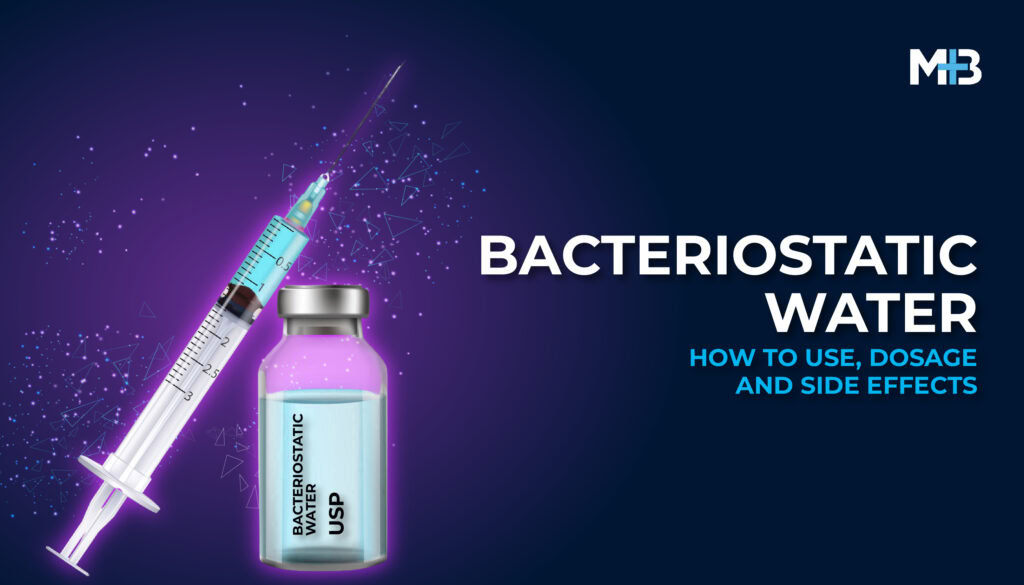
What makes injectable medications safe, effective, and long-lasting, especially when you’re using the same vial more than once? The secret is a simple but powerful solution; bacteriostatic water. If you’ve ever had to mix or inject medication, you might have come across the term “bacteriostatic water.” It’s a common yet essential component in many healthcare settings when it comes to injections. But what exactly is it, and why is it so important?
In this article, we’ll break down everything you need to know about bacteriostatic water, from what it is to how it’s used and its possible side effects. This article will give you a clear understanding of its important role in modern medicine. Let’s get started:
Key Takeaways
- Bacteriostatic water is sterile, non-pyrogenic water for safely mixing and injecting medications. 💉
- The benzyl alcohol preservative stops bacterial growth after the vial is opened. 🦠
- Bacteriostatic water is available over the counter, while in some regions or countries, you’ll need a prescription. ⚠️
- Unlike sterile water or saline, bacteriostatic water allows repeated withdrawals within 28 days, but should never be injected alone. 📅
- Always use bacteriostatic water under the guidance of a healthcare provider to avoid any potential side effects that might be associated with its use. 🩺

What is Bacteriostatic Water?
Bacteriostatic water might sound technical, but its purpose is quite straightforward: it’s sterilized water with a slight twist. In simple terms, bacteriostatic water for injection USP is sterile, non-pyrogenic water with a small amount of benzyl alcohol, usually around 0.9%. Benzyl alcohol isn’t just a filler, it acts as a bacteriostatic agent, as this preparation helps prevent bacterial growth in the vial once it’s been opened.
Bacteriostatic water is mainly used to dilute or dissolve injectable medications and parenteral use, making sure the solution stays safe for administration. The name says it all “bacterio-static” means it stops the bacteria, but doesn’t necessarily kill them. That’s why it’s ideal for situations where a single vial is used multiple times.
This is possible due to its sterile nature and the added preservative. Bacteriostatic water is a go-to in various medical procedures, from intramuscular to intravenous injections. Not only does it mix easily with medications, but it also helps maintain their purity. The pH of bacteriostatic water is carefully balanced between 4.5 to 7.0, to ensure drug stability. In a clinical or home-care setting, this kind of reliability is definitely a big deal.
Why Is Benzyl Alcohol Added?
Once you break the seal on any water for injection, it’s open to contamination. But with benzyl alcohol added, bacteriostatic water becomes a multiple dose container. It’s a smart way to keep things sterile between uses, whether you’re prepping peptides, or any other injectable medications.
However, benzyl alcohol isn’t safe for all patients. It’s not recommended for neonates, and shouldn’t be used in epidural injections unless clearly stated by the manufacturer.
Where is Bacteriostatic Water Used?
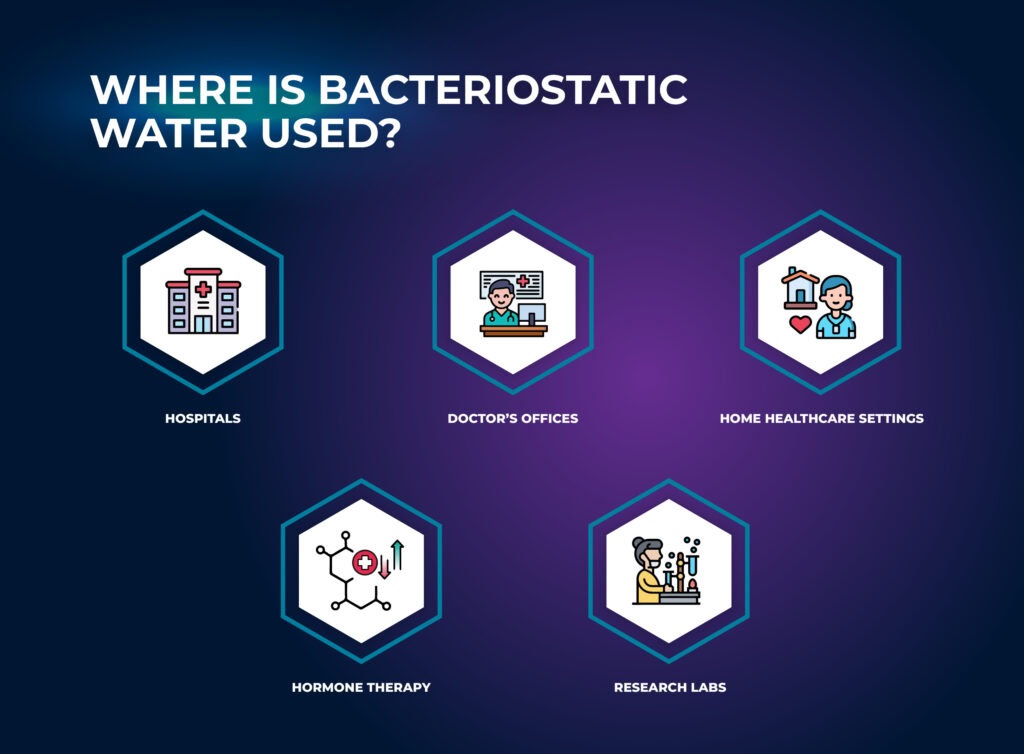
Bacteriostatic water plays a behind-the-scenes but essential role in many medical procedures, especially when it comes to injections. It might not be the main event, but it’s a critical support that helps medications work safely and effectively. Bacteriostatic water is commonly used in:
- Hospitals and clinics
- Doctor’s offices
- Home healthcare settings
- Hormone therapy and peptide treatment programs
- Research labs
Basically, anywhere that injectable medications are involved or require dilution, there’s a good chance that bacteriostatic water for injection USP is required.
Where to Buy High-Quality Bacteriostatic Water (BAC)?
Bacteriostatic Water by Swiss Chems
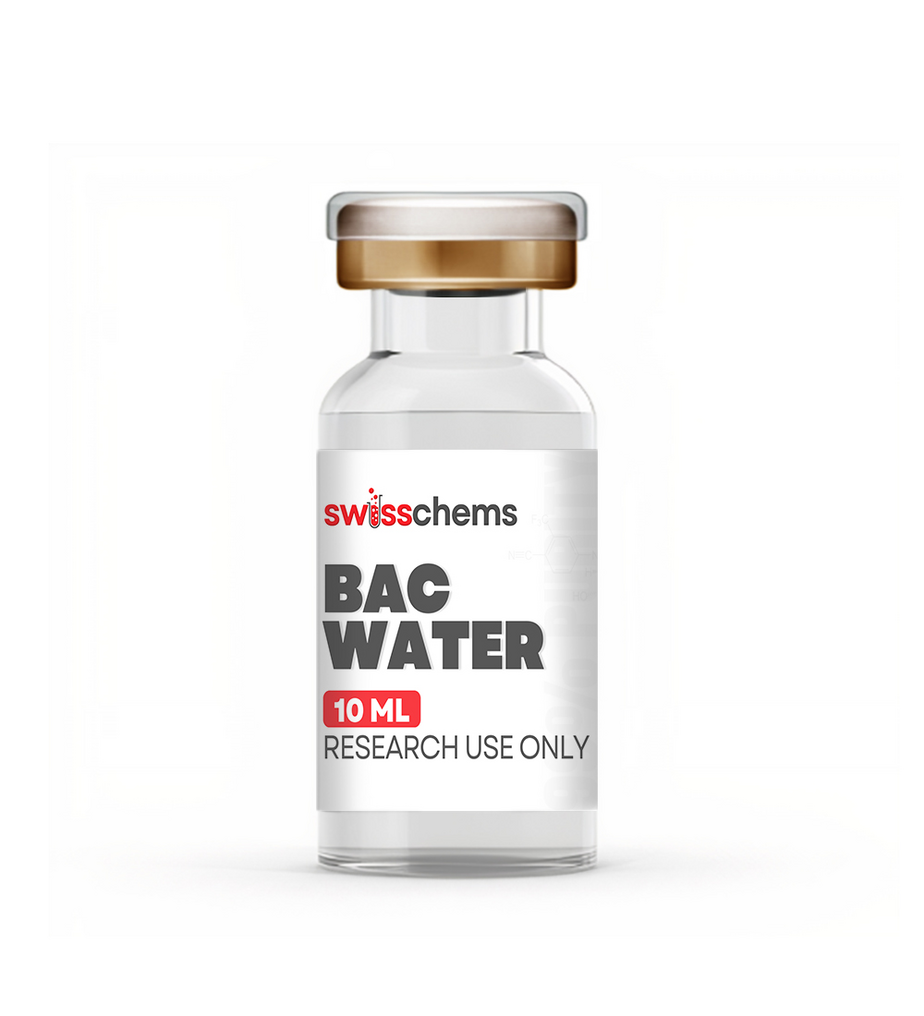
Bacteriostatic water is sterile water infused with 0.9% benzyl alcohol, manufactured under strict USP guidelines, and is used to safely dilute or dissolve medications. Benzyl alcohol prevents bacterial growth, allowing for multiple-dose use via intravenous or intramuscular injection.
Product Overview
🧪 Form: Water/Liquid
⚖️ Dosage: 10 ml per vial
⌛️ Typical Cycle Duration: Shelf life of 36 months
💰 Average Cost: $9.95
🥇 Key Benefits: Used to reconstitute or dissolve injectable medications like peptides or lyophilized powders
❤️🩹 Side Effects: Minimal, allergic reactions or injection site irritation
📚 Best Stack: Can be used with peptides or hormone medications
🙋 User Experience: Most users have praised this product for its for convenient usage and effectiveness
How to Use Bacteriostatic Water: From Reconstitution to Injection
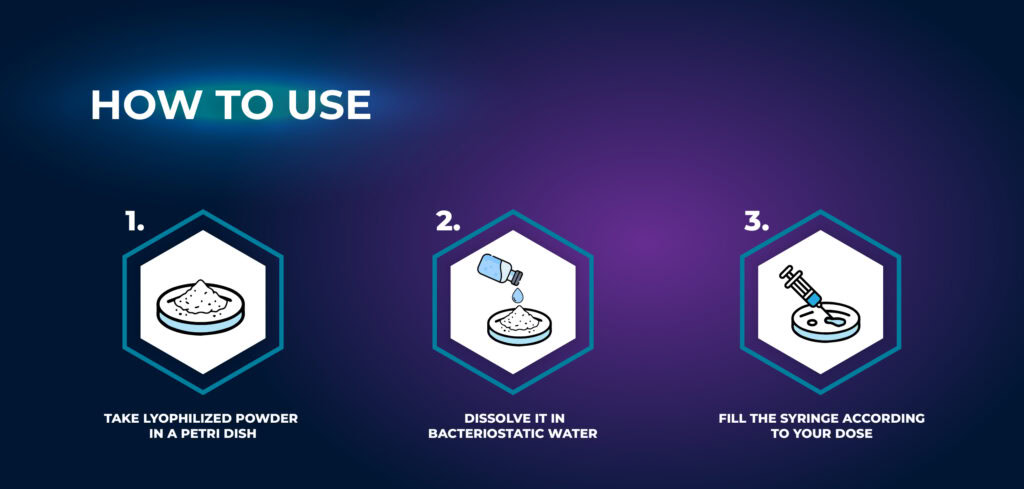
Bacteriostatic water is commonly used to dilute or reconstitute powdered medications before use, anything that’s injected into the body through intravenous, intramuscular, or subcutaneous injections. Here’s how to use it:
- You have a vial of lyophilized powder/medication (a freeze-dried drug).
- You add bacteriostatic water to dissolve it into a liquid form.
- Then, you draw up your correct dose and administer it.
This process ensures the drug is safely delivered and maintains its potency. Since the water is USP-grade, you’re working with high-purity, and controlled quality.
Disclaimer: While bacteriostatic water is commonly used and easy to find, it’s always advised to follow medical guidance and local regulations before purchasing or using it, to avoid any side effects associated with its use.
Obtaining Bacteriostatic Water for Injection: How Accessible Is It?
A common question people have is “Can I just walk into a pharmacy and buy bacteriostatic water?” The answer isn’t that simple, it really depends on where you are and the rules in your region or country.
In some places, bacteriostatic water is available over the counter, while in other countries, you’ll need a prescription. This is because it’s used for injectable purposes, and there’s a potential for misuse if it’s not handled properly.
In the U.S, some states require a prescription, while others may allow you to buy it from licensed pharmacies or medical supply stores. Internationally, the rules can vary even more. That’s why it is recommended to consult a healthcare provider to be sure.
When purchasing, here’s what to always check in a bacteriostatic water:
- The volume (commonly 10 mL or 30 mL vials)
- The presence of benzyl alcohol as the preservative
- That it’s labeled “bacteriostatic water for injection, USP”
- Proper packaging and tamper-proof seals (Bacteriostatic water is supplied in multi-dose vials and sterile packs for clinical use)
Bacteriostatic Water vs. Saline Water: What’s the Difference?
| Feature | Bacteriostatic Water | Sterile Saline |
| Preservative | Yes, Benzyl Alcohol (0.9%) | No (or sometimes, yes) |
| Use Type | Diluting meds for injections | Flushing, irrigating, hydrating |
| Reusable? | Yes (within 28 days) | Usually no (single-use only) |
| Contains Salt? | No | Yes (0.9% sodium chloride) |
| Common Use Case | Hormone/peptide injections | IV flushes or wound care |
When it comes to injections, the difference between bacteriostatic water and saline water can be confusing. At first, they both look the same, clear and sterile liquids used to dilute medications. But they serve different purposes and can not be used interchangeably:
Bacteriostatic Water
- Contains benzyl alcohol (0.9%) as a preservative
- Used to dilute or dissolve medications for injection
- Can be used multiple times from the same vial (reusable usually within 28 days)
- Helps prevent bacterial growth after opening
- Commonly used in reconstituting peptides, hormones, and injectable medications
Saline Water (Sterile Saline)
- Contains sodium chloride (0.9%), saltwater that matches the body’s natural salt levels
- Often used to flush IV lines, clean wounds, or as a diluent for some injections
- Typically used as a single-use product (especially if no preservative is added)
- Better for hydration, wound irrigation, or flushing injection sites
Side Effects of Bacteriostatic Water Injection
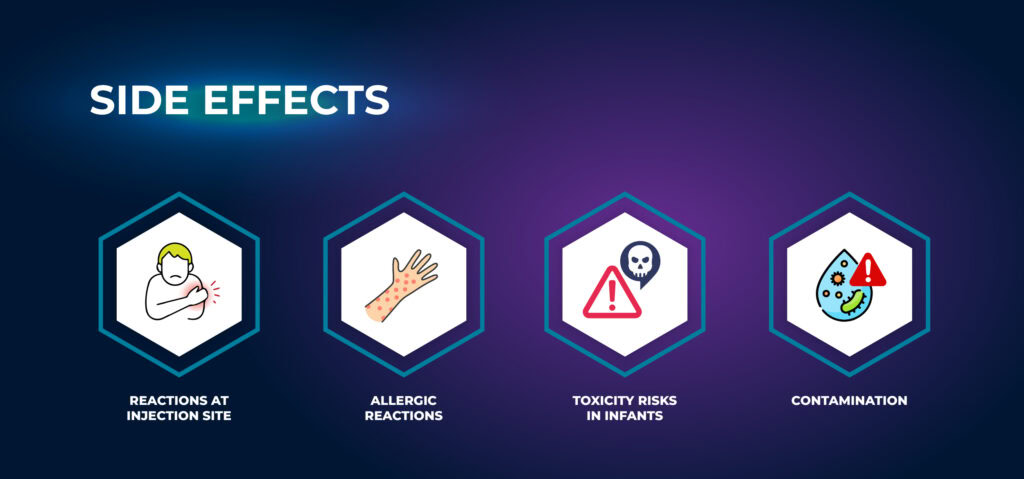
While bacteriostatic water is considered safe when used properly, it’s not completely risk-free, especially if misused or injected on its own without proper dilution of medication. Here are some side effects to watch out for:
Reactions at Injection Site
Redness, swelling, or irritation may occur at the injection site, especially with repeated use. This is more likely if the water is injected without being mixed with a drug, which is not recommended.
Allergic Reactions
Though rare, some individuals may be sensitive or allergic to benzyl alcohol, which is the preservative used. Symptoms may include itching, rash, swelling, or even difficulty breathing in severe cases. Immediate medical attention is needed if these symptoms occur.
Toxicity Risks in Infants
Benzyl alcohol has been associated with serious toxicity in newborns, also referred to as “gasping syndrome”. That’s why bacteriostatic water is not recommended for use in neonates or premature babies.
Improper Use or Contamination
Using expired vials, improper storage, or injecting without proper technique can increase the risk of infection or complications. Always use a clean, sterile needle for injections and discard the vial after 28 days from the first puncture. Store it in cool, dry and dark places to avoid degradation.
Conclusion
Bacteriostatic water plays an important role in the safe delivery of injectable medications, especially for injectable drugs that require precise dilution and sterility. Added benzyl alcohol does the work here as a preservative, as it allows for multiple withdrawals from the same vial, making it a reusable and reliable option in many clinical and home-care settings.
Like any medical product, it should be used with proper medical guidance. Always follow your healthcare provider’s instructions, ensure sterility during use, and be aware of potential side effects, particularly if you’re allergic to preservatives or treating infants. Understanding the ins and outs of bacteriostatic water empowers you to make safer decisions related to your health.
FAQs
Can I inject bacteriostatic water on its own?
No, bacteriostatic water injection should never be injected alone. It’s meant to be mixed with medication before injection.
What makes it “bacteriostatic”?
It contains 0.9% benzyl alcohol, which stops bacterial growth within the vial, allowing for multiple uses from the same vial.
How long can I use a vial after opening?
A bacteriostatic water vial can typically be used for up to 28 days after the first puncture, if stored properly.
Why can’t I use sterile water for multiple doses like bacteriostatic water?
Sterile water has no preservative, so once opened, it can grow bacteria, it must be used immediately.
Can bacteriostatic water be stored in plastic vials?
Yes, it’s commonly packaged in plastic or glass vials, both of which are safe and approved for medical use.