
Do you like inflamed joints and angry stomachs interrupting your workout regimen? What am I saying… Of course you don’t! Who does, amiright? That’s right! No one! Most of us, however, learn to live with these annoying and irritating issues. But no more! That’s right, starting today you can say sayonara to those stomach pains and inflamed courtesy of the KPV Peptide!
This little tripeptide powerhouse is making waves in the health world due to its natural anti-inflammatory properties.
From soothing inflammatory bowel disease (IBD) and gut issues to speeding up wound healing, it’s got your back. In this guide, I’ll dive into all things KPV—how it works, what it does, and the top products out there.
Trust me, this peptide might just be the game-changer you’ve been waiting for!
Key Takeaways
- KPV peptide is a potent anti-inflammatory that helps reduce chronic inflammation. 💪
- Improves gut health, especially for those with inflammatory bowel disease (IBD). 🌟
- KPV speeds up wound healing and can prevent scars like keloids. 🧴
- KPV supports the immune system by interacting with immune cells without suppressing it. 💡
- Research shows promising results for treating conditions like Crohn’s disease and psoriasis. 🔬

My Top Pick: SwissChems KPV (Lysine-Proline-Valine) 250mcg/60caps

SwissChems’ KPV provides 250mcg per capsule, making it ideal for reducing inflammation and supporting gut health. This product is lab-tested for purity and effectiveness, ensuring a high-quality supplement; something SwissChems has come to be well renowned for.
The oral capsules are perfect for daily use, offering an easy and reliable solution if you’re managing inflammatory conditions.
What is KPV Peptide?
KPV peptide is a naturally occurring tripeptide composed of three amino acids: lysine, proline, and valine. It is derived from the larger alpha-melanocyte stimulating hormone (α-MSH), which plays an important role in regulating responses in inflammatory cells and immune system functions.
What makes the KPV peptide unique is its ability to modulate inflammatory pathways without causing immunosuppression. Unlike other anti-inflammatory agents that can weaken the immune system, KPV peptide selectively targets specific proinflammatory mechanisms, reducing inflammation where it’s most needed while preserving the body’s natural immune defenses.
KPV is most recognized for its potent anti-inflammatory effects, making it a great choice for treating a range of inflammatory conditions. KPV works by inactivating proinflammatory cytokines and reducing inflammatory responses at the cellular level, which has proven effective in conditions like inflammatory bowel disease (IBD), psoriasis, and chronic pain.
Beyond its anti-inflammatory properties, KPV also has antimicrobial effects, making it useful in preventing and treating infections, particularly for skin wounds. Its versatility makes it a valuable therapeutic tool for a wide range of health concerns, especially those linked to chronic inflammation and immune dysfunction.
Benefits of the KPV Peptide

KPV offers a variety of health benefits, most of which are rooted in its powerful anti-inflammatory and healing properties. Here’s a closer look at how KPV peptide can improve your health:
Anti-Inflammatory Effects
KPV peptide is primarily valued for its potent anti-inflammatory properties. By inhibiting the release of proinflammatory cytokines—the proteins responsible for signaling inflammation—KPV reduces inflammation throughout the body.
This function is especially beneficial for individuals dealing with conditions like Crohn’s disease, ulcerative colitis, and other forms of inflammatory bowel disease (IBD). In fact, studies have shown that KPV significantly decreased inflammation in intestinal epithelial cells, which is a critical factor in maintaining gut health.
Unlike traditional anti-inflammatory drugs that may suppress the immune system, KPV works by modulating specific inflammatory pathways. This selective action allows the body to fight inflammation without weakening its natural defenses.
Wound Healing and Tissue Repair
Another key benefit of KPV peptide is its ability to speed wound healing and promote tissue repair. This peptide reduces inflammation at the wound site, accelerates healing, and helps prevent the formation of hypertrophic scars and keloids.
By modulating immune responses at the cellular level, KPV peptide can enhance the body’s natural healing processes, making it an excellent option for individuals with chronic wounds, ulcers, or skin conditions like psoriasis.
Research has also shown that KPV peptide’s ability to inactivate inflammatory pathways and reduce pro inflammatory cytokines can promote better outcomes in wound healing. This means that not only does KPV peptide help wounds heal faster, but it also minimizes the risk of unsightly scars forming as a result of the healing process.
Intestinal Health
Perhaps one of the most impressive benefits of KPV peptide is its impact on intestinal health. KPV uptake reduces intestinal inflammation, particularly in cases of inflammatory bowel disease (IBD), which includes conditions like Crohn’s disease and ulcerative colitis. By decreasing inflammation in the intestinal epithelial cells, KPV peptide helps restore gut integrity and promotes overall digestive health.
For those with conditions like irritable bowel syndrome (IBS) or chronic inflammation of the gastrointestinal tract, KPV peptide can offer substantial relief by reducing symptoms like bloating, cramping, and discomfort.
KPV’s ability to modulate the immune response in the gut also helps reduce the risk of infections caused by pathogens like S. aureus and C. albicans, which are common in individuals with compromised gut health.
Immune System Support
KPV peptide doesn’t just fight inflammation—it also supports the immune system. By interacting with specific immune cells, KPV peptide helps regulate immune responses and prevent the overactivation of the immune system, which can lead to chronic inflammation and tissue damage. This immune-modulating effect makes KPV peptide a promising therapeutic option for individuals with autoimmune diseases or immune-mediated inflammatory diseases.
Additionally, KPV peptide’s ability to inhibit proinflammatory cytokines like TNF-α can reduce inflammation without suppressing the entire immune system. This selective approach to immune modulation means that KPV peptide can help manage inflammation while allowing the immune system to remain active and ready to fight infections.
Antimicrobial Effects
In addition to its anti-inflammatory properties, KPV peptide has been shown to have antimicrobial effects. It can fight major pathogens like S. aureus and C. albicans, which are often responsible for infections in individuals with inflammatory conditions.
KPV’s antimicrobial properties are useful in preventing infections in individuals with chronic wounds or inflammatory bowel conditions.
By reducing the risk of infection, KPV peptide enhances the body’s ability to heal wounds and recover from inflammatory conditions more quickly and efficiently.
Mechanism of Action
KPV peptide exerts its anti-inflammatory and healing effects by directly targeting inflammatory pathways at the molecular level. One of its primary functions is to inactivate proinflammatory cytokines like TNF-α, which are responsible for signaling inflammation throughout the body. By blocking these signals, KPV peptide effectively reduces inflammation where it’s most needed, without causing widespread immunosuppression.
Additionally, KPV peptide interacts with specific immune cells, including mast cells, which play a crucial role in the body’s inflammatory response. By modulating the activity of these cells, KPV peptide helps prevent the overactivation of the immune system, which can lead to chronic inflammation and tissue damage.
Research also suggests that KPV peptide’s ability to inhibit the release of proinflammatory cytokines can significantly reduce inflammation in conditions like inflammatory bowel disease (IBD) and chronic wounds. Its ability to modulate both immune and inflammatory responses makes it a valuable therapeutic tool for managing a wide range of health conditions related to inflammation.
Research and Studies
Research surrounding KPV peptide is still evolving, but early studies have demonstrated its effectiveness in treating various inflammatory and immune-mediated conditions. Some of the most notable research involves its use in treating inflammatory bowel disease (IBD), wound healing, and other chronic inflammatory conditions.
One study demonstrated that KPV peptide significantly reduced inflammation in DSS-induced colitis models, a common method used to study inflammatory bowel disease (IBD) in laboratory settings. By inhibiting proinflammatory cytokines, KPV helped decrease overall intestinal inflammation, making it a promising treatment for conditions like Crohn’s disease and ulcerative colitis.
In the realm of wound healing, KPV peptide has shown considerable promise. A study focusing on wound healing demonstrated that KPV peptide improved healing outcomes by reducing proinflammatory mechanisms and accelerating tissue repair. Not only did it speed up the healing process, but it also minimized the development of hypertrophic scars and keloids, which are often a cosmetic concern for patients recovering from wounds or surgeries.
KPV peptide’s ability to modulate the immune system without entirely suppressing it also makes it a valuable tool for managing immune-mediated inflammatory diseases. By interacting with mast cells and other immune cells, KPV peptide reduces inflammation without weakening the body’s natural defenses against infections. This has been particularly useful in managing autoimmune conditions where immune system overactivity causes chronic inflammation and tissue damage.
Additionally, studies have looked into the antimicrobial properties of KPV peptide, which have shown its ability to combat major pathogens such as S. aureus and C. albicans. These findings are significant for patients with inflammatory conditions that increase their risk of infections, such as those with inflammatory bowel disease (IBD) or chronic wounds. By preventing infection, KPV peptide supports a more efficient healing process and reduces complications in inflammatory conditions.
Ongoing research is investigating how KPV peptide can be applied to a broader range of conditions. Early indications suggest that it may be useful in treating neurodegenerative diseases, chronic pain, and even certain forms of cancer due to its anti-inflammatory and immune-modulating properties. However, more clinical trials are necessary to fully understand its potential applications in these areas.
Clinical Applications
KPV peptide offers a wide range of clinical applications due to its versatility in reducing inflammation, promoting tissue repair, and supporting immune function. Here’s a closer look at some of the key conditions where KPV peptidecan play a role:
Inflammatory Bowel Disease (IBD)
One of the most researched applications of KPV peptide is its ability to manage inflammatory bowel diseases (IBD), such as Crohn’s disease and ulcerative colitis. By reducing inflammation in the gastrointestinal tract, KPV peptide helps restore intestinal epithelial cells and promote gut health. Its anti-inflammatory properties make it an excellent treatment for reducing symptoms like bloating, abdominal pain, and diarrhea in patients with chronic intestinal inflammation.
In patients with ulcerative colitis, for example, KPV peptide has been shown to significantly reduce the presence of proinflammatory cytokines in the colon, helping to alleviate symptoms and support long-term remission of the disease. Its ability to target inflammation directly without suppressing the entire immune system makes it a safer alternative to other immunosuppressive therapies commonly used in IBD management.
Chronic Pain and Autoimmune Disorders
KPV peptide is also gaining attention as a potential treatment for chronic pain and autoimmune disorders. Conditions like rheumatoid arthritis, lupus, and fibromyalgia often involve chronic inflammation that leads to joint damage, muscle pain, and systemic fatigue. By modulating the immune response, KPV peptide can reduce the severity of these symptoms and improve overall quality of life.
For individuals with autoimmune diseases, the peptide’s ability to selectively inhibit inflammatory pathways is especially valuable. Traditional treatments often involve immunosuppressive drugs that leave the patient vulnerable to infections.
In contrast, KPV peptide targets the specific proinflammatory mechanisms involved in autoimmune flare-ups, reducing inflammation without compromising the immune system as a whole.
Wound Healing and Skin Conditions
KPV peptide is a powerful tool in wound healing, particularly in cases where chronic inflammation hinders the healing process. By reducing the activity of proinflammatory mechanisms and promoting tissue repair, KPV peptide accelerates healing times and improves cosmetic outcomes.
It’s particularly effective for individuals with chronic wounds, such as ulcers or diabetic sores, which are prone to infection and slow to heal.
Additionally, KPV peptide has been shown to reduce the formation of hypertrophic scars and keloids, making it useful for patients undergoing surgery or those with skin conditions like psoriasis. Its ability to reduce both inflammation and microbial activity means that wounds heal faster and are less likely to become infected.
Neurodegenerative Diseases
While research in this area is still in its early stages, there is growing interest in the potential use of KPV peptide to treat neurodegenerative diseases like Alzheimer’s and Parkinson’s disease. The chronic inflammation that occurs in the brain during the progression of these diseases leads to neuronal damage and cognitive decline. KPV peptide’s ability to reduce systemic inflammation may provide a way to slow the progression of these conditions and preserve neurological function.
Chronic Inflammation and Systemic Conditions
Beyond its specific applications, KPV peptide is also useful for fighting inflammation in a variety of other conditions. From chronic pain syndromes to metabolic disorders, systemic inflammation plays a role in the development and exacerbation of many chronic health issues. By reducing the inflammatory load on the body, KPV peptide offers a way to improve overall health outcomes and prevent complications arising from prolonged inflammation.
Administration and Safety
KPV peptide is versatile in terms of its administration, making it accessible for various types of treatment protocols. Depending on the condition being treated, KPV peptide can be administered orally, topically, or through injections.
For systemic conditions, like inflammatory bowel disease (IBD) or chronic inflammation, oral administration is the most common method. Capsules or tablets containing KPV peptide allow the body to absorb the peptide directly into the bloodstream, where it can target inflammation throughout the body. The typical dosage for KPV peptide taken orally ranges between 200-500 mcg per day, depending on the severity of the condition being treated.
Topical application of KPV peptide is ideal for skin conditions or localized wounds. In this case, the peptide is applied directly to the affected area, allowing it to target inflammation and promote healing at the site of the wound. Topical formulations are typically used in conjunction with other treatments, such as antibiotics or skin moisturizers, to enhance healing outcomes.
In some cases, intravenous (IV) administration of KPV peptide may be used, particularly in more severe cases of chronic inflammation or immune system disorders. IV administration ensures the peptide reaches the bloodstream immediately, providing rapid relief from inflammation.
Safety Considerations
KPV peptide is generally considered safe when administered by a healthcare provider. Side effects are minimal and usually limited to mild digestive issues when taken orally, or slight irritation when applied topically.
However, as with any peptide therapy, it is essential to use KPV peptide under the supervision of a qualified healthcare provider to ensure the appropriate dosage and method of administration during KPV uptake.
In some rare cases, individuals may experience allergic reactions to peptide therapy, though this is uncommon. As more research is conducted, KPV peptide continues to demonstrate a favorable safety profile, making it a promising option for managing inflammation and supporting overall health.
KPV Dosage
When it comes to administering KPV peptide, the correct dosage is crucial for achieving optimal results, depending on the condition being treated. KPV peptide can be administered in various forms, including orally, topically, or through injections, each with its own dosage recommendations.
Oral Dosage
For individuals using KPV peptide to manage systemic inflammation, gut health, or conditions like inflammatory bowel disease (IBD), the oral form is the most common. The typical dosage ranges from 200-500 mcg per day, depending on the severity of the inflammation or the specific health issue being addressed.
For those using KPV peptide for general immune support or mild inflammation, a lower dose of 200 mcg may be effective, while individuals with more severe inflammation, such as those with Crohn’s disease or ulcerative colitis, may benefit from a higher dose in the range of 400-500 mcg daily.
Topical Dosage
For topical use, especially in treating wounds or skin conditions, KPV peptide is applied directly to the affected area. Dosage is typically determined by the concentration of the peptide in the topical cream or solution. Most topical formulations contain 1-2% KPV peptide and are applied 1-2 times daily until the wound has healed or the skin condition improves.
Injection Dosage
In cases where more immediate or intense relief is needed, KPV peptide can be administered through injections. This method is often used for treating chronic inflammation, immune-mediated diseases, or during recovery from surgery. The typical injection dosage is 200-400 mcg injected subcutaneously, typically once or twice daily, based on the treatment plan prescribed by a healthcare provider.
Cycle Duration
Most users follow a cycle lasting 4-8 weeks, with daily dosages depending on individual health goals and the severity of inflammation. After the cycle, a break is usually recommended before starting a new course to allow the body to adjust.
It’s important to note that dosing guidelines for KPV peptide may vary based on individual needs and the condition being treated, so it’s always advisable to consult with a healthcare provider to determine the most appropriate dosage.
Future Directions for KPV Peptide Therapy
KPV peptide has demonstrated promising results in various clinical settings, but its full potential is yet to be realized. Ongoing research continues to explore new ways that KPV peptide can be used to treat a wider range of conditions, including neurodegenerative diseases, chronic pain, and autoimmune disorders.
One exciting area of research involves the development of new delivery methods, such as KPV-loaded nanoparticles (NPs). This technology could significantly improve the therapeutic efficacy of KPV by enhancing its bioavailability and allowing for more targeted treatment. Nanoparticles can help deliver KPV peptide directly to inflamed tissues or areas of the body that need healing, reducing the amount of the peptide that is metabolized before it can take effect.
Furthermore, researchers are investigating how KPV peptide can be used in combination with other peptides or medications to enhance overall treatment outcomes. This could involve stacking KPV with other anti-inflammatory agents or peptides designed to promote tissue repair and immune modulation, providing patients with a more comprehensive approach to managing chronic inflammation and immune-related diseases.
As more clinical trials are conducted, KPV peptide may also gain approval for treating additional health conditions, broadening its use in therapeutic settings. As it stands, KPV peptide already shows significant potential in treating inflammatory bowel diseases, chronic inflammation, and wound healing, and it may soon become a common part of treatment protocols for various other conditions.
The Top KPV Peptide Products on the Market
Here’s a detailed look at the top KPV peptide products available on the market, following the format used in previous product reviews.
1. SwissChems KPV (Lysine-Proline-Valine) 250mcg/60caps
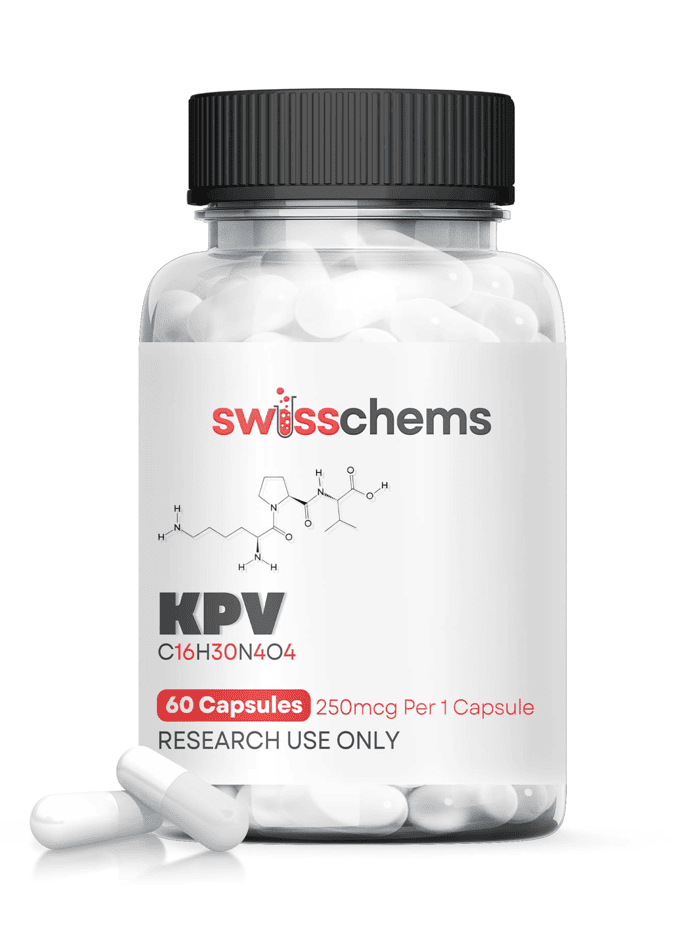
SwissChems KPV offers a top-quality, lab-tested supplement ideal for reducing inflammation and improving gut health.
- 🧪 Form: Capsules
- ⚖️ Dosage: 250mcg
- ⌛️ Typical Cycle Duration: 8-12 weeks
- 💰 Average Cost: $49.99
- 🥇 Key Benefits: Anti-inflammatory, promotes gut health, enhances healing
- ❤️🩹 Side Effects: Minimal, mild digestive issues possible
- 📚 Best Stack: Can be stacked with other gut-health supplements
- 🙋 User Experience: Highly rated for convenience and effectiveness.
- BUY NOW
2. Peptide Sciences KPV 5mg
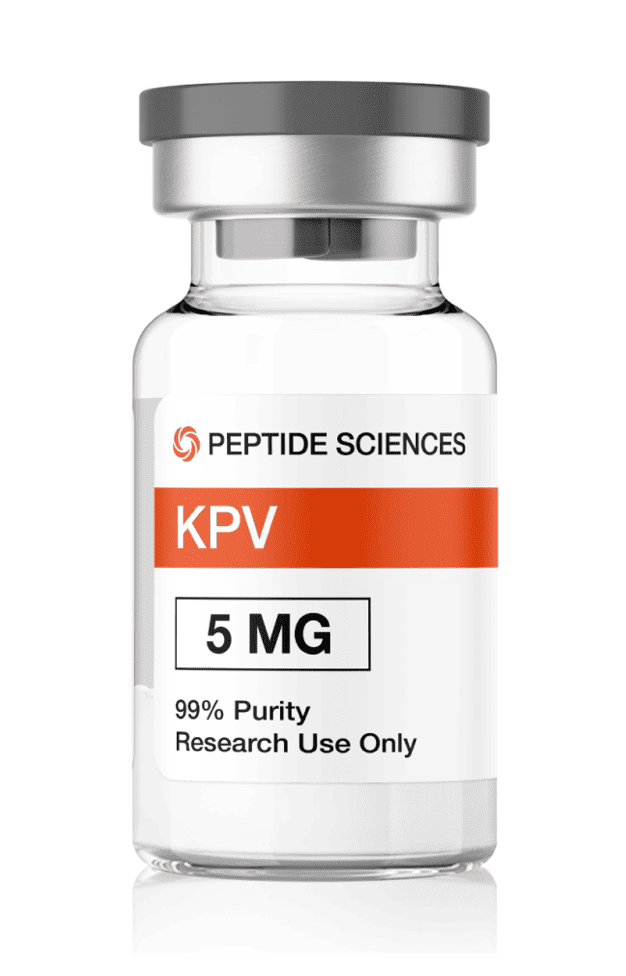
Peptide Sciences provides a higher-dose KPV product, suitable for those needing more intensive treatment for chronic inflammation.
- 🧪 Form: Injectable
- ⚖️ Dosage: 5mg
- ⌛️ Typical Cycle Duration: 8 weeks
- 💰 Average Cost: $65
- 🥇 Key Benefits: Potent anti-inflammatory effects, reduces gut inflammation
- ❤️🩹 Side Effects: Mild injection site irritation
- 📚 Best Stack: Ideal for combining with immune-boosting peptides
- 🙋 User Experience: Great for serious inflammation cases.
- BUY NOW
3. Pure Rawz KPV (Lysine-Proline-Valine)
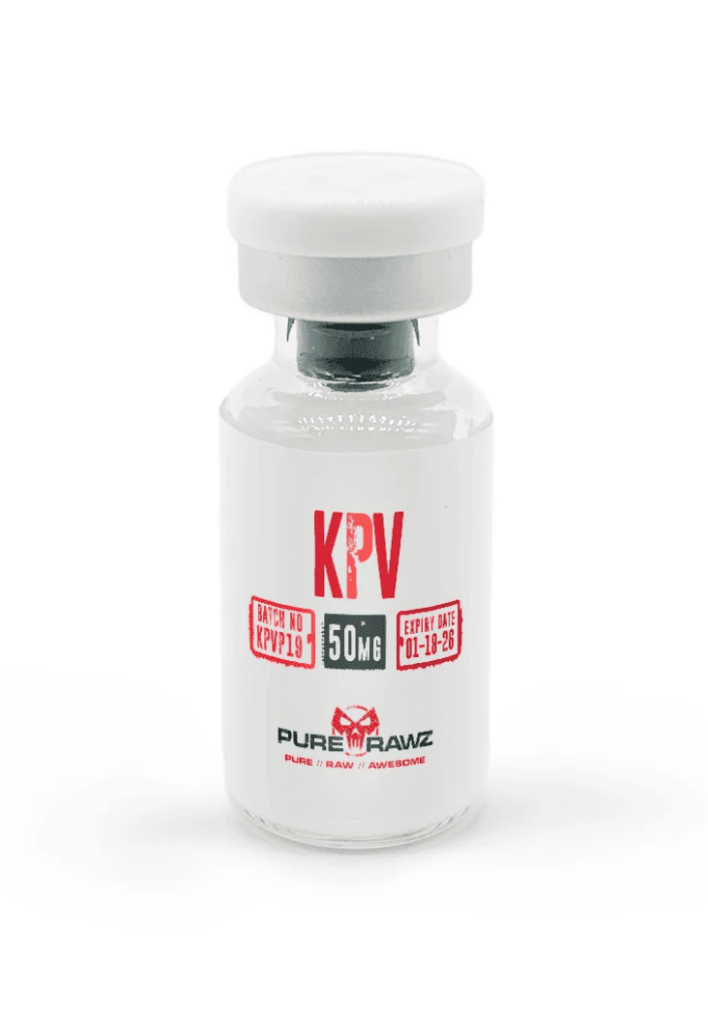
Pure Rawz provides a reliable, lab-tested KPV supplement in capsule form.
- 🧪 Form: Capsules
- ⚖️ Dosage: 250mcg
- ⌛️ Typical Cycle Duration: 6-8 weeks
- 💰 Average Cost: $45
- 🥇 Key Benefits: Effective for mild to moderate inflammation
- ❤️🩹 Side Effects: None reported
- 📚 Best Stack: Can be stacked with other digestive health supplements
- 🙋 User Experience: Easy to take and effective for gut health.
- BUY NOW
4. Limitless Biotech KPV
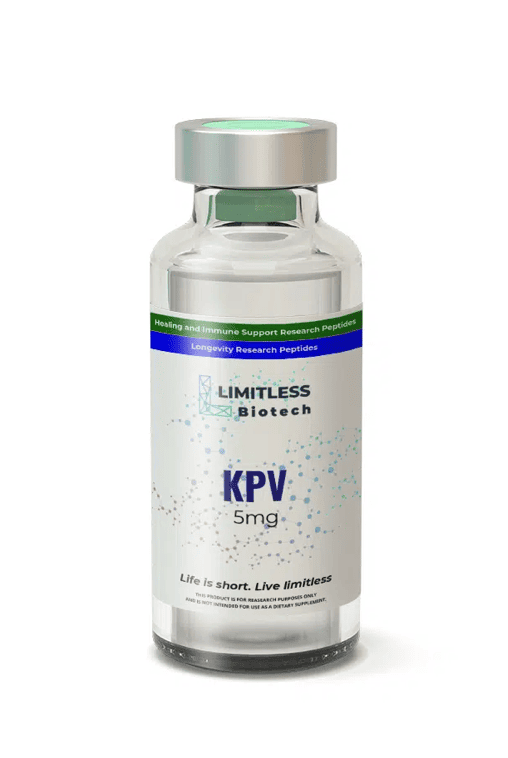
Limitless Biotech’s KPV supplement provides a higher dose for enhanced results, especially for those with more severe inflammation.
- 🧪 Form: Injectable
- ⚖️ Dosage: 4mg
- ⌛️ Typical Cycle Duration: 8 weeks
- 💰 Average Cost: $75
- 🥇 Key Benefits: Supports wound healing and reduces chronic inflammation
- ❤️🩹 Side Effects: Minimal, possible mild site irritation
- 📚 Best Stack: Works well with muscle repair peptides
- 🙋 User Experience: Praised for its rapid anti-inflammatory effects.
- BUY NOW
5. Core Peptides KPV (4mg)

Core Peptides offers a reliable injectable KPV solution for those dealing with chronic inflammation or gut health issues.
- 🧪 Form: Injectable
- ⚖️ Dosage: 4mg
- ⌛️ Typical Cycle Duration: 8-12 weeks
- 💰 Average Cost: $80
- 🥇 Key Benefits: Reduces inflammation, improves recovery time
- ❤️🩹 Side Effects: Mild digestive discomfort reported
- 📚 Best Stack: Ideal for combining with immune-modulating peptides
- 🙋 User Experience: Positive reviews for both gut and skin health improvements.
- BUY NOW
Wrapping Up
So, that’s it! In short, KPV is a powerful solution to reduce inflammation, promote wound healing, and improve gut health. Its versatility and potential in treating conditions like inflammatory bowel disease (IBD), autoimmune disorders, and chronic wounds make it a promising option for many individuals. With ongoing research and advancements in delivery methods, KPV peptide continues to show potential as a groundbreaking therapeutic agent in the world of peptide therapy.
What is KPV peptide used for?
KPV peptide is primarily used to reduce inflammation, improve gut health, and promote wound healing.
How does KPV peptide work?
It works by inhibiting proinflammatory cytokines and modulating inflammatory pathways, reducing inflammation without suppressing the immune system.
Can KPV peptide help with IBD?
Yes, KPV peptide has shown promising results in treating inflammatory bowel diseases (IBD) like Crohn’s diseaseand ulcerative colitis.
Is KPV peptide safe to use?
KPV peptide is generally considered safe when administered under the guidance of a healthcare provider.
How is KPV peptide administered?
KPV peptide can be taken orally, applied topically, or injected, depending on the condition being treated.










KPV has been a game changer for me. I wonder why you don’t recommend Integrative Peptides? Their KPV is twice as strong as Swiss Chems, and at the same price (or a tiny bit cheaper). I have been using the IP brand for several months and it has really helped my energy and gut issues (chronic fatigue). I tried using a cheaper brand I found on amazon and (surprise surprise), it did not work as well.