The nootropic space has a terminology problem. Everything gets called a ‘cognitive enhancer.’ Every compound is described as improving memory, focus, and mental clarity. After a while the claims blur together and it becomes genuinely difficult to understand what separates one compound from another, or whether any of them are worth your time.
The honest answer is that it depends entirely on what you’re actually trying to accomplish — and that the compounds in this category are not interchangeable. Piracetam and Dihexa both get called nootropics. They work through completely different mechanisms, at doses separated by three orders of magnitude, with evidence bases that look nothing alike. Grouping them under one label is about as informative as grouping aspirin and chemotherapy under ‘drugs that treat cancer.’
This guide cuts through that. Eight compounds, ranked by evidence clarity rather than marketing appeal. For each one you’ll find what the mechanism actually is, who genuinely benefits, practical dosing, and where to source it with verified purity. All eight are available from SwissChems, which publishes third-party certificates of analysis for its full nootropic catalog.
A note on expectations: most of these compounds are subtle. They work over weeks, not hours. The experience is less ‘I just took something’ and more ‘I’ve been sharper this month and I want to understand why.’ If you’re looking for a dramatic acute cognitive boost, you’re describing stimulants, which is a different category entirely.
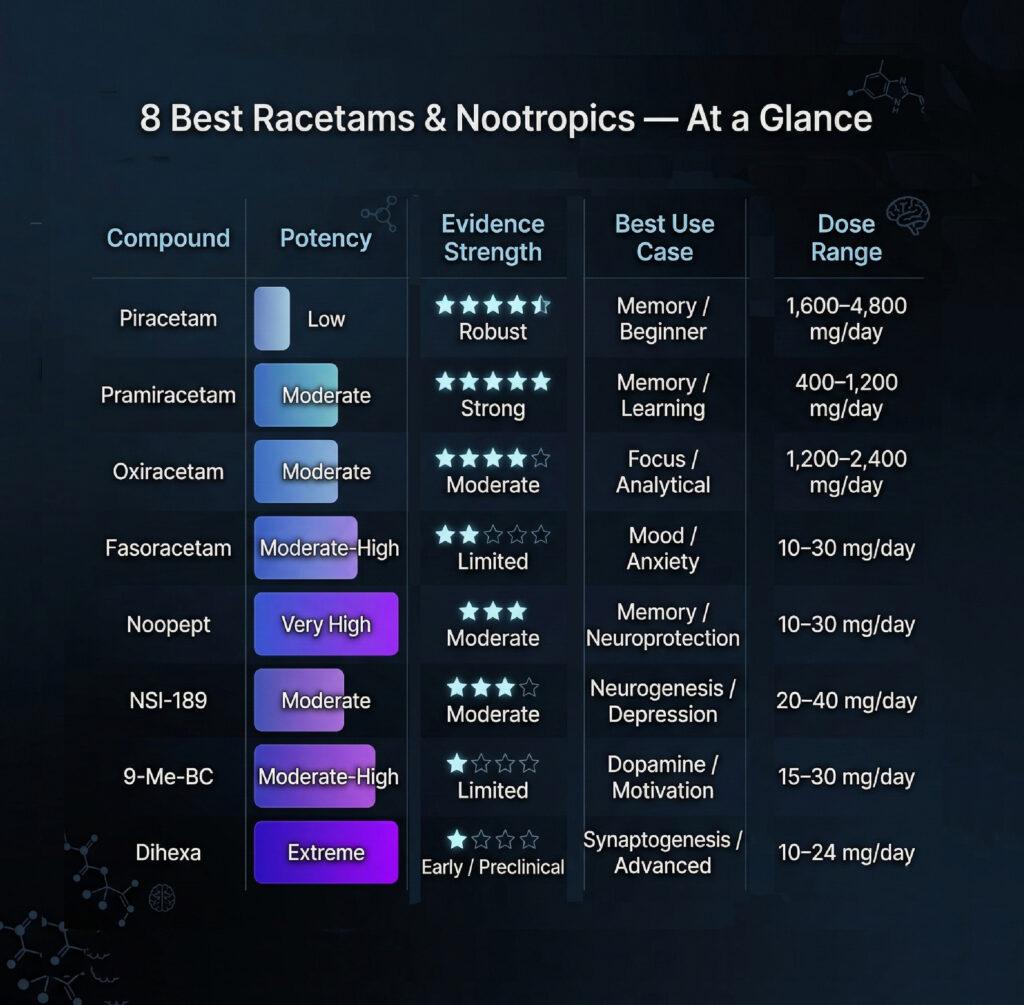
8 Best Racetams and Nootropics At a Glance
| Compound | Potency | Evidence | Best Use Case | Dose Range |
|---|---|---|---|---|
| Piracetam | Low | Robust | Memory / Beginner baseline | 1,600–4,800 mg/day |
| Pramiracetam | Moderate–High | Strong | Memory / High-volume learning | 400–1,200 mg/day |
| Oxiracetam | Moderate | Moderate | Focus / Technical thinking | 1,200–2,400 mg/day |
| Fasoracetam | Moderate–High | Limited | Mood / Anxiety / Tolerance reset | 10–30 mg/day |
| Noopept | Very High | Moderate | Memory / Neuroprotection | 10–30 mg/day |
| NSI-189 | Moderate | Moderate | Neurogenesis / Depression recovery | 20–40 mg/day |
| 9-Me-BC | Moderate–High | Limited | Dopamine / Motivation / Drive | 15–30 mg/day |
| Dihexa | Extreme | Early / Preclinical | Synaptogenesis / Advanced users only | 10–24 mg/day oral; 1–3 mg transdermal |
1. Piracetam: The One You Should Start With
There’s a reason piracetam has been studied for sixty years and is still the first compound most serious nootropic users come back to: it’s the most characterised compound in the category, and starting somewhere well-understood before moving to more potent options is just good practice.
Romanian chemist Corneliu Giurgea synthesised piracetam in 1964 at UCB Pharma in Belgium. It was the data from piracetam research that led him to coin the word ‘nootropic’ in 1972 — a term specifically defined as a compound that enhances learning and memory without causing sedation, stimulation, or toxicity. By that original definition, piracetam is still the prototype.
The clinical research base is genuinely broad: age-related cognitive decline, stroke recovery, dyslexia, sickle cell disease, and seizure management. No other compound in this guide can match the depth of that evidence base.
How It Works
Piracetam potentiates AMPA receptors, which mediate fast excitatory glutamate signalling and are central to synaptic plasticity and learning. It also modulates acetylcholine activity in the hippocampus — the neurotransmitter most associated with memory encoding — and improves neuronal membrane fluidity and cerebral blood flow. The result is a compound that improves the efficiency of existing neural architecture rather than generating any acute stimulation.
This is important to understand: piracetam produces no immediate perceptible effect at a single dose. Its effects emerge over weeks of consistent use, which is why so many first-time users dismiss it prematurely after a few days of feeling nothing.
Who It’s For
Beginners to racetams. Anyone who wants a long-term cognitive maintenance compound with the best available safety record. Older users looking to support memory and processing speed. People who want to understand how racetams feel before committing to more potent analogues.
Dosage
1,600 to 4,800 mg per day divided across two to three doses with meals. Clinical trials have used up to 24 g daily without serious adverse effects. Always pair with a choline source — Alpha GPC at 300–600 mg/day or CDP-Choline at 250–500 mg/day — to prevent the headaches that come from acetylcholine depletion.
Piracetam
Piracetam is a cyclic nootropic compound from the racetam family, widely researched for its influence on cholinergic and glutamatergic pathways. Structurally related to GABA but not interacting with GABAergic receptors, Piracetam modulates AMPA and NMDA receptor activity, supports neuronal membrane fluidity, and enhances synaptic signaling in controlled laboratory environments.
Known for its high solubility and bioavailability, Piracetam undergoes minimal hepatic metabolism, with primary elimination occurring through renal pathways. These characteristics make it a staple compound in cognitive and neuroplasticity research models.
SwissChems provides a pure, accurately dosed 800mg per capsule formulation, ensuring consistent and reliable use for experimental studies requiring racetam-class compounds.
Disclaimer: Piracetam is for laboratory research use only and is not approved by the FDA. This information is for scientific and educational purposes.
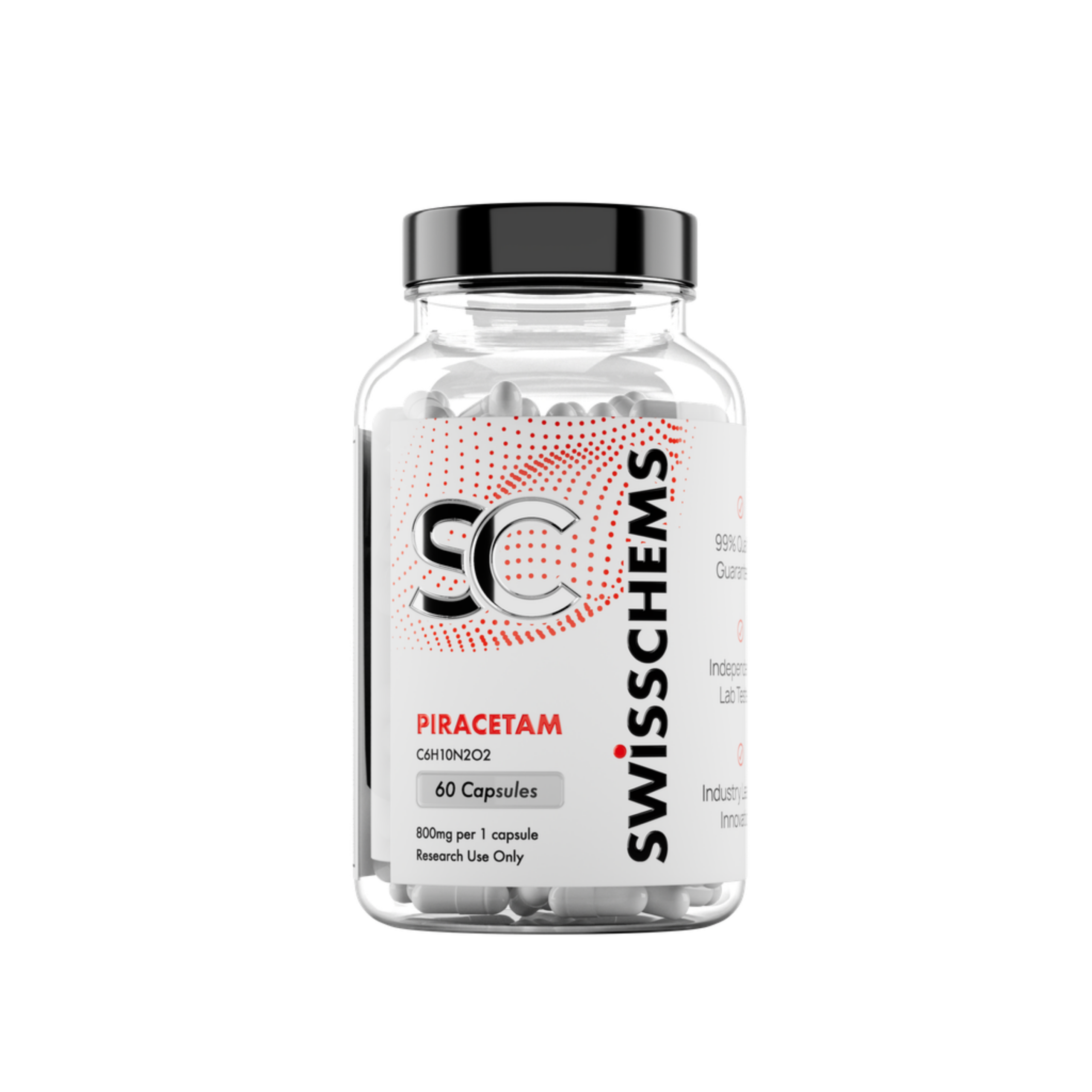
Piracetam Overview
⭐ Top Benefits: Supports synaptic signaling, neuroplasticity, and cognitive research
🧪 Form: Capsules — 800mg per capsule
⏱ Max Time Used: Variable (research protocol dependent)
💲 Average Cost: $19.99
⚡ Side Effects: Possible mild headache, cognitive overstimulation
⚠️ Dangers: May influence neurotransmitter systems; requires controlled use in research
🔗 Best Research Stack: Choline Bitartrate, Alpha-GPC, Aniracetam, Noopept
♂♀ Men/Women: Suitable for both (research use only)
Copy Brawn20 for 20% off
- Highly bioavailable, fast-acting in experimental models
- Well-studied racetam with broad cognitive research applications
- Minimal hepatic metabolism makes it easy to model elimination patterns
- May require choline support in some research models
- Effects can vary widely depending on baseline neurotransmitter activity
- Out of stock frequently due to high demand
2. Pramiracetam: The Most Targeted Memory Compound in the Classic Family
If piracetam is a broad-spectrum cognitive support compound, pramiracetam is a specialist. It was developed in the late 1970s, studied for age-associated memory impairment and Alzheimer’s disease in Europe and Japan, and approved in some European countries for memory disorders. On a per-milligram basis it’s roughly 8 to 30 times more potent than piracetam — but more importantly, its mechanism is considerably more specific.
Where most racetams produce a general improvement across multiple cognitive parameters, pramiracetam’s effect concentrates on long-term memory formation and recall. Users who’ve worked through the racetam family consistently describe pramiracetam as the compound where the memory specificity is most clearly felt.
How It Works
Pramiracetam significantly increases high-affinity choline uptake (HACU) in the hippocampus — the rate-limiting step in acetylcholine synthesis. More HACU means more acetylcholine available for memory encoding. This is a more targeted mechanism than piracetam’s broader modulation, which is why the memory effect is more pronounced and why the choline requirement is higher. It also improves cerebral blood flow and has a longer sustained effect than piracetam at equivalent doses.
Unlike some racetams, pramiracetam produces minimal direct effects on mood or anxiety. That neutrality is actually useful: it means you can stack it with other compounds without introducing confounding stimulation.
Who It’s For
High-volume learning, exam preparation, and anyone whose primary goal is memory consolidation and recall rather than a broader cognitive profile. Students, professionals absorbing large amounts of new material, and users who’ve found piracetam too mild. Its neutral mood effect makes it the cleanest stacking compound in the classic racetam family.
Dosage
400 to 1,200 mg per day split across two doses. Fat-soluble — take it with a meal containing dietary fat for meaningfully better absorption. A choline source is essential given the strong HACU mechanism.
Pramiracetam
Pramiracetam (10g Powder) is a high-potency lipophilic racetam compound investigated for its potential benefits on memory formation, focus, and learning capacity. As a more concentrated derivative of piracetam, Pramiracetam shows strong affinity for cholinergic transport modulation and demonstrates superior potency due to its hydrophobic structure and higher blood–brain barrier permeability in research models.
Studies suggest Pramiracetam may enhance high-affinity choline uptake (HACU), influence AMPA receptor activity, and support improved reasoning, long-term recall, and sustained mental endurance. Its enhanced bioavailability and long half-life make it a favorite among researchers seeking high-impact cognitive performance compounds.
SwissChems provides Pramiracetam in 10-gram bulk powder, tested for ≥98% purity and sealed in temperature-stable, tamper-proof jars. Known for reliability and scientific consistency, SwissChems remains a top research supplier for racetam-class nootropics.
Disclaimer: Pramiracetam is a research compound not approved by the FDA for human use. Information is for educational purposes only and does not constitute medical advice.
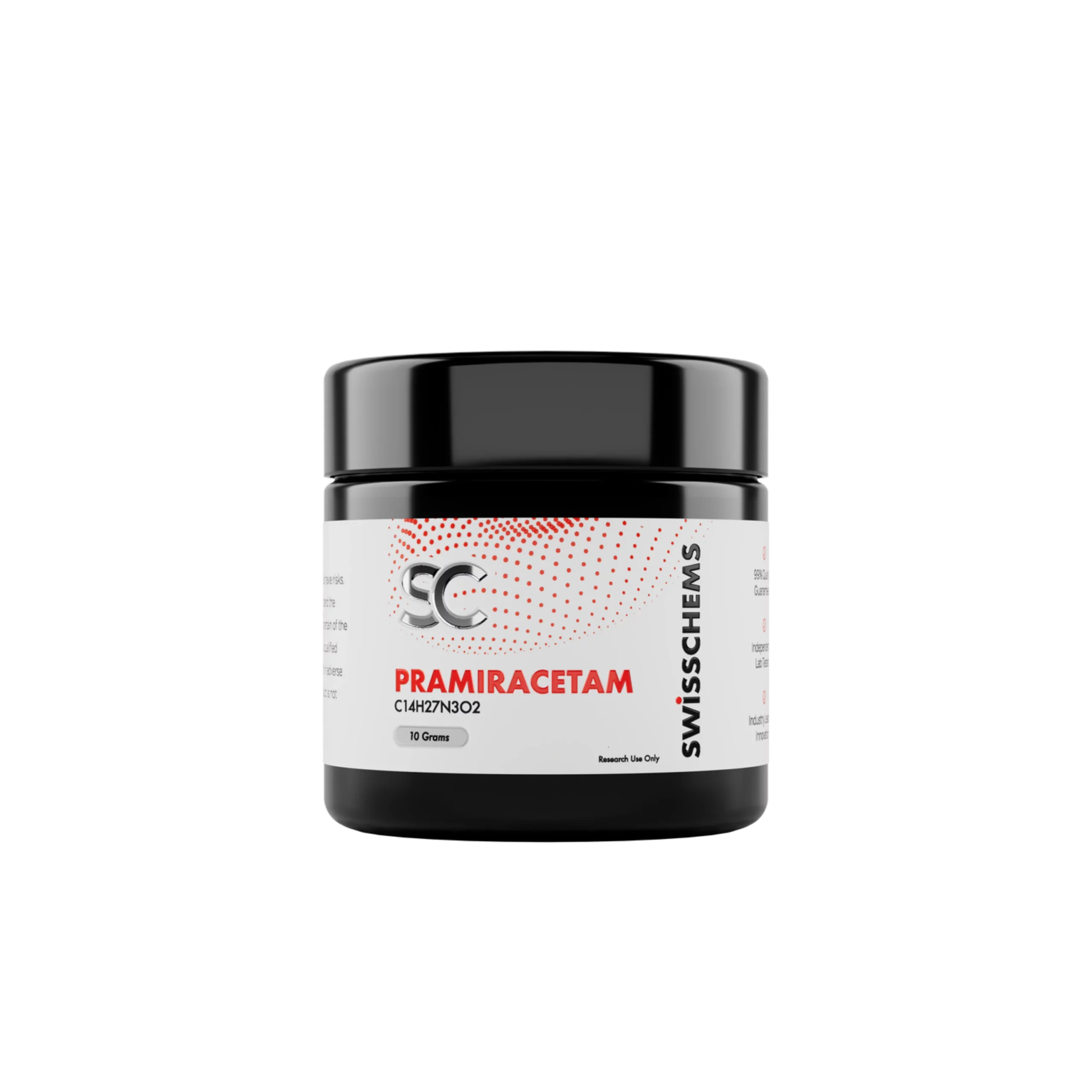
Pramiracetam Overview
⭐ Top Benefits: Memory support, enhanced focus, improved learning speed
🧪 Form: Powder (10 grams)
⏱ Max Time Used: 4–8 weeks (research use)
💲 Average Cost: $28.99
❤️ Side Effects: Headache, irritability, mild digestive discomfort
⚠️ Dangers: Requires precise handling; limited human clinical data
🔗 Best Stack: Alpha GPC, CDP-Choline, Aniracetam
♂♀ Men/Women: Suitable for both (research purposes only)
Copy Brawn20 for 20% off
- Strong potency compared to other racetams
- May support memory, learning, and focus in research models
- Highly bioavailable due to lipophilic structure
- Synergizes well with choline donors
- Research-only compound
- May cause headaches if choline levels are inadequate
- Limited long-term safety data
- Requires careful micro-measuring for accuracy
3. Oxiracetam: The One for Technical and Analytical Work
Oxiracetam is the racetam that produces the most consistently described experiential difference from piracetam. Where piracetam’s effect is subtle and broad, oxiracetam has a more perceptible activating quality — not a stimulant effect in the caffeine sense, but a noticeable sharpening of focus that makes it particularly well-suited to logical, mathematical, and technical tasks.
Developed in the 1970s and studied through the 80s and 90s for cognitive disorders and dementia, it’s roughly three to five times more potent than piracetam. The research base is solid if not as extensive as piracetam’s, and the community consensus on its specific utility for analytical work is about as strong as any subjective consensus in this space gets.
How It Works
Oxiracetam potentiates both AMPA and NMDA glutamate receptors — a broader excitatory mechanism than piracetam’s primarily AMPA-focused action. It also stimulates the release of both acetylcholine and D-aspartate in the hippocampus, supporting memory encoding through multiple pathways simultaneously. The mild activating effect appears to arise from this broader glutamatergic activity rather than any monoamine mechanism, which is why it doesn’t carry the tolerance and dependency issues of stimulant nootropics.
Who It’s For
Programmers, engineers, mathematicians, researchers, and anyone who does sustained analytical work and wants a compound that enhances that specific mode of thinking. Not the right choice for late-evening use given the mild activation, and not ideal for users who are already overstimulated.
Dosage
1,200 to 2,400 mg per day split across morning and early afternoon doses. Water-soluble — can be taken with or without food. Choline supplementation still recommended.
Oxiracetam
Oxiracetam (50g Powder) is a pyrrolidone-derived nootropic belonging to the racetam family, studied for its potential effects on memory, learning, and cognitive performance. It features an added hydroxyl (-OH) group compared to piracetam, improving hydrophilicity, solubility, and bioavailability in aqueous environments.
Research indicates Oxiracetam may influence cholinergic and glutamatergic pathways, modulating AMPA and NMDA receptor systems linked to memory encoding and synaptic plasticity. It is widely examined for enhancing alertness, logical processing, and long-duration mental performance in experimental models.
SwissChems provides Oxiracetam in 50-gram bulk powder, lab-tested for ≥98% purity and packaged in temperature-stable, tamper-proof containers. Known for consistent quality, SwissChems remains a preferred supplier among researchers and nootropic developers.
Disclaimer: Oxiracetam is a research compound not approved by the FDA for human consumption. This information is educational only and not medical or usage advice.
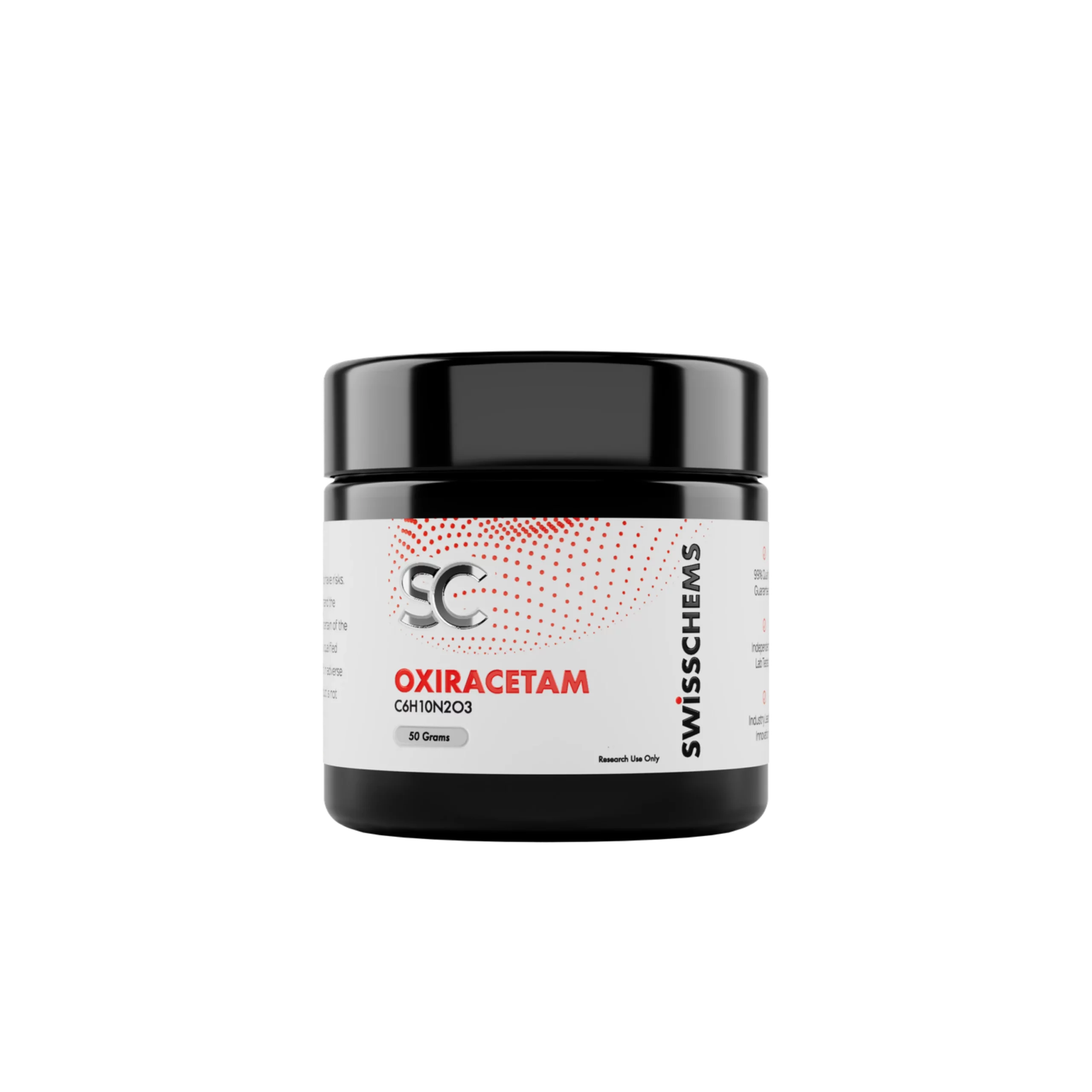
Oxiracetam Overview
⭐ Top Benefits: Memory support, enhanced focus, improved learning ability
🧪 Form: Powder (50 grams)
⏱ Max Time Used: 4-8 weeks (research use)
💲 Average Cost: $47.99
❤️ Side Effects: Headache, restlessness, mild nausea
⚠️ Dangers: Limited human data; requires careful handling
🔗 Best Stack: CDP-Choline, Alpha GPC, Noopept
♂♀ Men/Women: Suitable for both (research use)
Copy Brawn20 for 20% off
- May support memory formation and recall
- Enhances alertness and cognitive processing in research
- Highly soluble and easy to measure in powder form
- Strong synergy with cholinergic compounds
- Research-only compound
- May cause headaches without adequate choline support
- Limited long-term data
- Requires precise weighing and handling
4. Fasoracetam: The Racetam That Addresses the Anxiety Side of the Problem
Most people who start using racetams eventually hit one of two walls: either they plateau on a compound and stop feeling any effect, or they find that the sharper cognitive state comes with a side of anxiety or mental overactivation that undermines the benefit. Fasoracetam addresses both of those problems, which is why it’s in the conversation despite a more limited evidence base than the older compounds.
Developed in the 1990s by Nippon Shinyaku and studied in clinical trials for vascular dementia and ADHD, fasoracetam has a mechanism that genuinely distinguishes it from everything else in the racetam family. It is the only racetam that upregulates GABA-B receptors — which is the inhibitory side of the equation, the part that produces calm rather than activation.
How It Works
Fasoracetam upregulates GABA-B receptors, increasing the brain’s inhibitory tone in a way that reduces anxiety without sedation. Simultaneously, it enhances high-affinity choline uptake and modulates metabotropic glutamate receptors (mGluR), which are involved in synaptic plasticity and mood regulation. The practical result is a compound that supports cognition and focus while actively working against the anxious, wired feeling that some users get from more activating racetams.
There’s a second use case that’s specific to experienced users: research has found that fasoracetam can partially restore mGluR function in individuals who have developed tolerance to racetams generally. If you’ve been running piracetam or oxiracetam for a long time and notice diminishing returns, fasoracetam as a temporary addition to the stack can restore sensitivity to the class. A Phase II clinical trial in adolescents with ADHD and specific glutamate receptor gene variants also showed positive results, adding legitimate clinical interest to what might otherwise be purely anecdotal.
Who It’s For
Users who experience anxiety or mental overactivation from other racetams. Anyone who wants cognitive support with a calming rather than activating dimension. Experienced racetam users who’ve developed tolerance and want to reset. Users with ADHD-adjacent focus and motivation profiles where anxiety is part of the picture.
Dosage
10 to 30 mg per day — one of the lowest-dose racetams. Water-soluble and relatively fast-acting. Most users take it once or twice daily. Choline support remains advisable.
Fasoracetam
Fasoracetam is a synthetic compound researched for its interactions with metabotropic glutamate receptors (mGluRs)and cholinergic pathways, both of which play key roles in cognitive function, memory formation, and neuronal communication. Laboratory models suggest Fasoracetam may influence neurotransmitter balance, enhance synaptic plasticity, and modulate glutamate signaling in controlled research environments.
This compound’s unique structure allows for selective receptor binding, making it a popular subject in studies exploring nootropic activity, mood regulation, executive function, and neurochemical modulation.
SwissChems provides Fasoracetam in high-purity powder form (1 gram total), stored in sealed, contamination-resistant jars to preserve potency and stability for precise laboratory applications.
Disclaimer: Fasoracetam is a research compound and is not FDA-approved. This information is educational and intended for scientific research only.
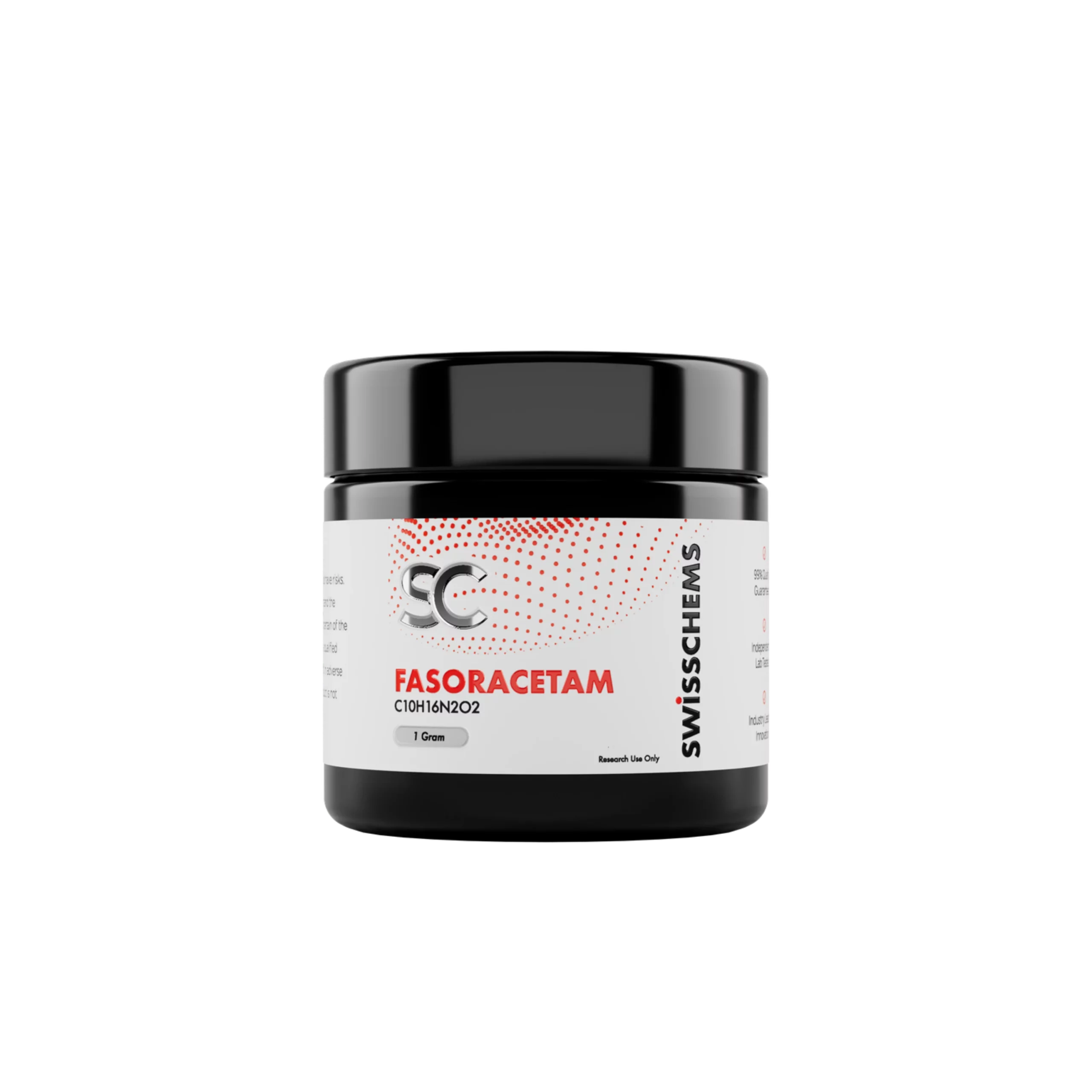
Fasoracetam Overview
⭐ Top Benefits: Supports cognitive research, neurotransmitter modulation, synaptic signaling
🧪 Form: Powder (1 gram jar)
⏱ Max Time Used: Variable depending on research protocol
💲 Average Cost: $20.99
⚡ Side Effects: Mild headache, fatigue, transient cognitive overstimulation
⚠️ Dangers: May interact with cholinergic or glutamatergic agents; requires precise handling
🔗 Best Research Stack: Noopept, Coluracetam, Alpha-GPC, Phenylpiracetam
♂♀ Men/Women: Suitable for both (research use only)
Copy Brawn20 for 20% off
- Enhances neurotransmitter-related research outcomes
- Pure powder allows flexible, custom dosing for experiments
- Supports studies on memory, attention, and executive function
- Requires precise micro-measurement equipment
- Effects vary widely between research models
- Limited human data outside preliminary studies
5. Noopept (Omberacetam): Not Technically a Racetam, but the Right Next Step
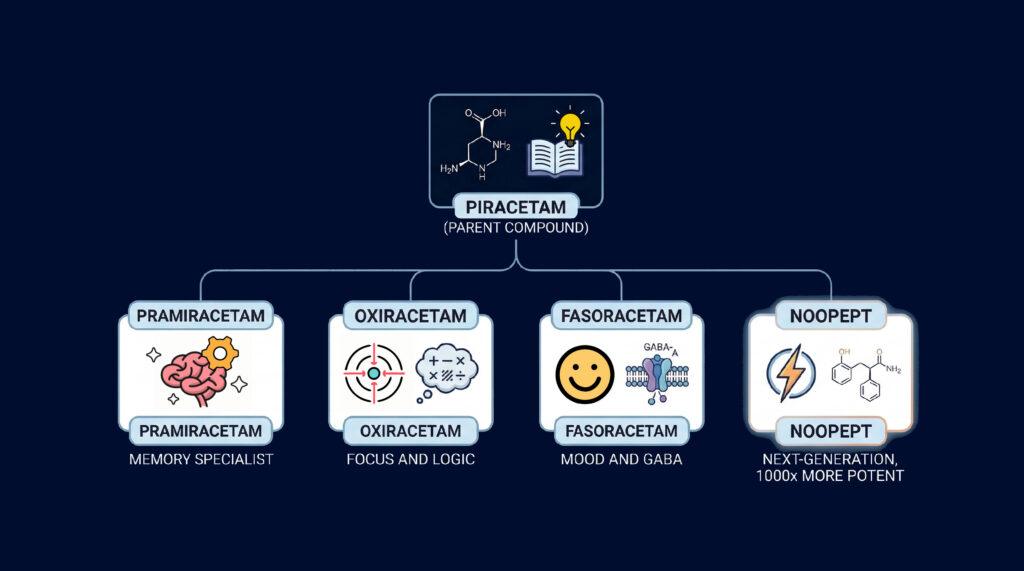
Noopept gets grouped with racetams because it shares several pharmacological properties and overlaps significantly in use cases — but chemically it’s a synthetic dipeptide, not a racetam, because it lacks the pyrrolidone nucleus that defines the class. That distinction matters less than the practical one: Noopept is frequently described as approximately 1,000 times more potent than piracetam by weight, which is why the dose is measured in milligrams rather than grams.
Developed in Russia in the 1990s and approved as a pharmaceutical in Russia and some CIS countries for cognitive disorders, it has a more complex mechanism than classic racetams and a track record that, while not matching piracetam’s clinical depth, is more established than several newer compounds on this list.
How It Works
After oral administration, Noopept is absorbed intact and crosses the blood-brain barrier efficiently before being metabolised into cycloprolylglycine (CPG) — an endogenous neuropeptide with anxiolytic and neuroprotective properties. It potentiates AMPA receptors and stimulates both BDNF (brain-derived neurotrophic factor) and NGF (nerve growth factor) expression in the hippocampus and cortex.
The BDNF and NGF stimulation is what genuinely separates it from the classic racetams. BDNF supports synaptogenesis, neuroplasticity, and the survival of existing neurons. NGF promotes the growth and maintenance of cholinergic neurons specifically. Classical racetams don’t meaningfully produce either of these effects. Noopept does both at doses under 30 mg — which is why it’s the compound most users naturally progress to after exploring piracetam.
It also has documented antioxidant and anti-inflammatory properties in the brain, and the metabolite CPG appears to contribute independently to its anxiolytic effect.
Who It’s For
Intermediate to advanced nootropic users who want racetam-class benefits without gram-level dosing. Anyone who wants memory, focus, and neuroprotection from a single compound. Users who’ve plateaued on piracetam and want to understand what the step up in potency and mechanism actually feels like.
Dosage
10 to 30 mg per day across one to two doses. Sublingual administration — holding it under the tongue — increases absorption speed and bioavailability. Cycling is recommended for sustained use: five days on, two off, or a full month on with one to two weeks off. Choline supplementation remains beneficial.
Noopept
Noopept (Omberacetam) is a synthetic dipeptide nootropic compound derived from the racetam family, noted for its potent interaction with glutamatergic and cholinergic pathways in controlled laboratory studies. Structurally related to piracetam analogs, Noopept demonstrates a high affinity for AMPA and NMDA receptors, supporting advanced research into synaptic signaling, neuroplasticity, and enzymatic regulation.
With significantly higher potency by weight compared to classical racetams, Noopept is favored in experimental models requiring low-dose, high-impact cognitive modulation. SwissChems delivers a pure, accurately measured 10-gram powder ideal for precision research applications.
Disclaimer: Noopept is for laboratory research use only. Not evaluated by the FDA. This information is strictly for scientific and educational purposes.
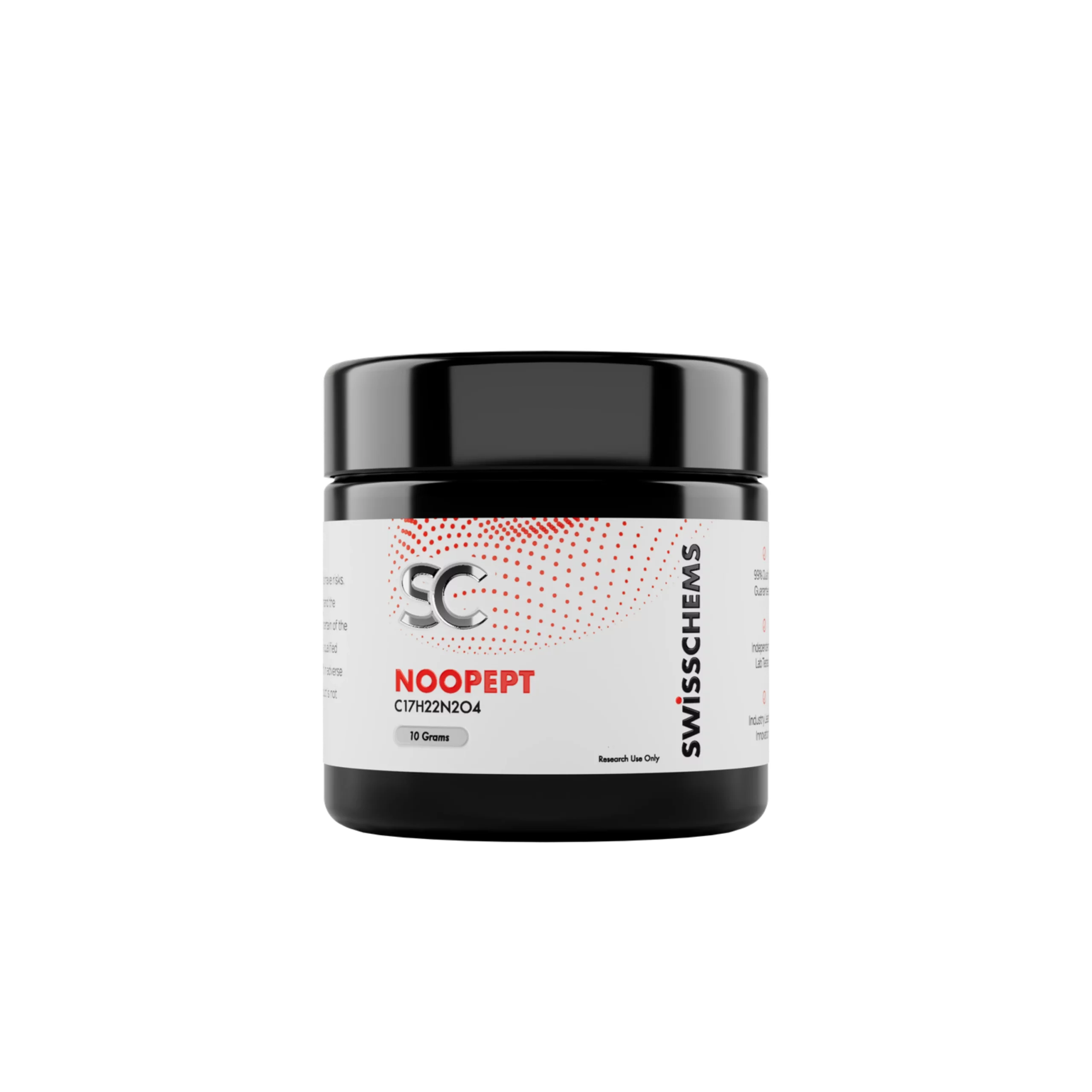
Noopept Overview
⭐ Top Benefits: Supports synaptic signaling, neuroplasticity, memory-model research
🧪 Form: Powder — 10 grams
⏱ Max Time Used: Varies by research protocol
💲 Average Cost: $19.99
⚡ Side Effects: Possible headaches, irritability, overstimulation
⚠️ Dangers: Highly potent; requires extremely accurate micro-dosing in research models
🔗 Best Research Stack: Alpha-GPC, Citicoline, Piracetam, Fasoracetam
♂♀ Men/Women: Suitable for both (research use only)
Copy Brawn20 for 20% off
- Extremely potent compared to standard racetams
- Strong interaction with AMPA/NMDA pathways
- Ideal for advanced neuroplasticity and memory research
- Low required experimental dosing
- Easy to overdose in research without precision scales
- Potential for overstimulation in sensitive models
- Powder form requires careful handling
6. NSI-189 Phosphate: The Neurogenesis Compound
NSI-189 is not a racetam and it’s not trying to be. It works through a completely different mechanism and it belongs on this list because of something no classical racetam can claim: it has gone through Phase I and Phase II human clinical trials and demonstrated actual hippocampal neurogenesis — measurable growth of new neural tissue — in living human subjects.
Developed by Neuralstem Inc. for major depressive disorder, its clinical story is mixed: the Phase II trial’s primary depression endpoint was not met. But the secondary cognitive endpoints — specifically spatial learning and memory — showed significant improvement. That result, combined with the Phase I data showing measurable neurogenic effects in healthy volunteers at 40 mg daily, is what puts it in the advanced nootropic conversation.
How It Works
NSI-189 stimulates proliferation of neural stem cells in the hippocampus, the brain region most responsible for memory formation and spatial navigation. The hippocampus is also one of the first areas to deteriorate in depression and Alzheimer’s disease, which is why both the research and clinical communities care about compounds that can increase its volume. The mechanism appears to operate independently of the standard BDNF, serotonin, and growth factor pathways — it’s not fully characterised yet, but involves direct neural stem cell activation rather than the indirect neurotrophic stimulation that Noopept produces.
What this means in practice is that NSI-189 is not producing an acute cognitive effect. It is producing the conditions for actual new neural tissue growth, which takes time to manifest as cognitive improvement. The Phase I trial used 40 mg daily for 28 days and found both neurogenic effects and improvements in spatial learning. Those are the timelines and doses to work from.
Who It’s For
Users interested in long-term hippocampal health and neuroplasticity rather than acute cognitive effects. Anyone recovering from depression-related cognitive decline, where hippocampal atrophy is a documented consequence of chronic depression. Users who’ve exhausted the classical racetam options and want to work with a compound that operates through a genuinely distinct mechanism.
This is not a daily driver compound for acute performance. It’s a long-game investment in neural architecture.
Dosage
20 to 40 mg per day, typically split across one or two doses. The Phase I human trial used 40 mg daily for 28 days. Cycling is common: four to eight weeks on, followed by a break of similar duration. No choline supplementation required — the mechanism doesn’t involve acetylcholine depletion.
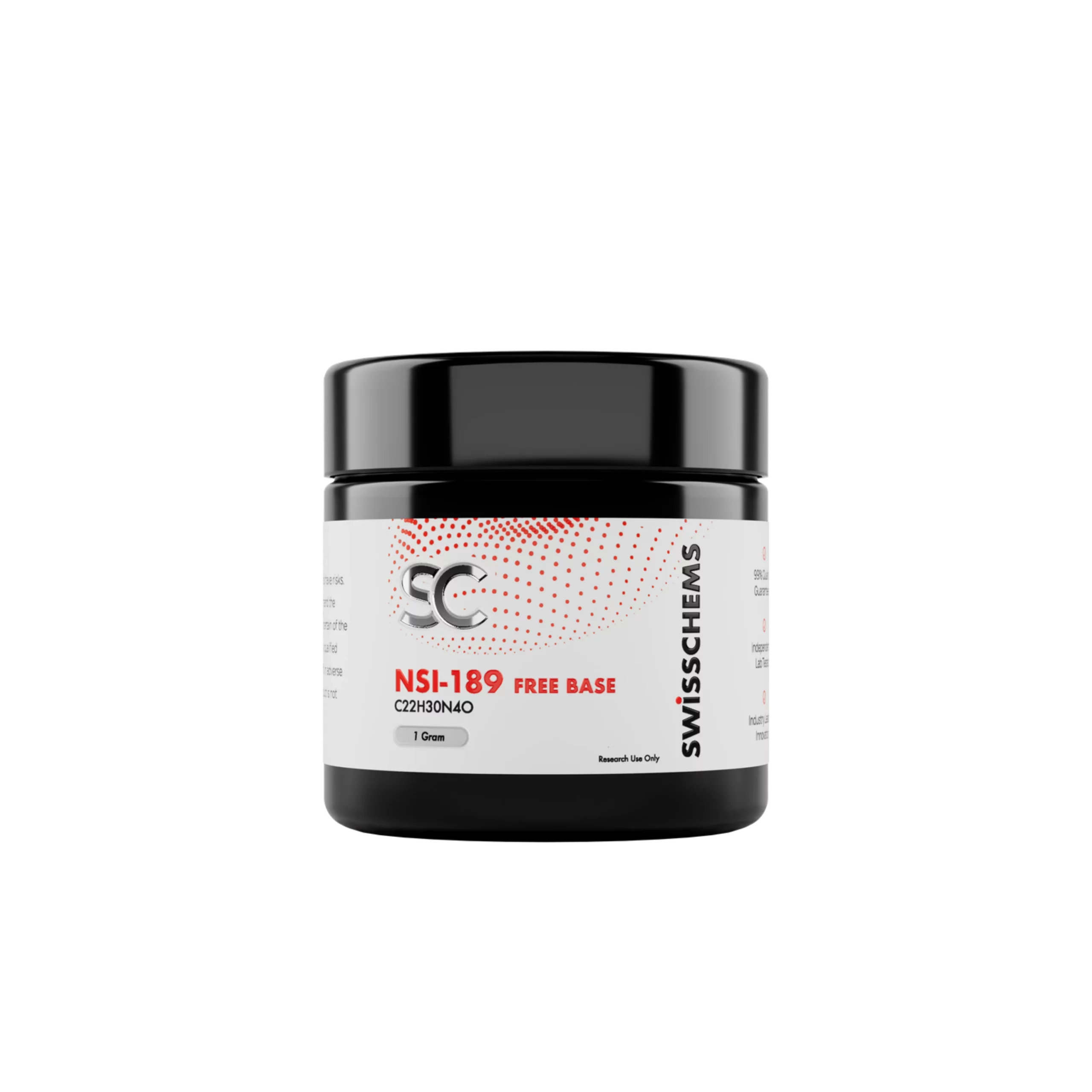
NSI-189 Free Base
NSI-189 Free Base (1g Powder) is a benzylpiperazine–aminopyridine compound studied for its potential activity on neurogenic and neurotrophic pathways. Research has explored its interaction with hippocampal neurogenesis, cognitive support mechanisms, and neuronal resilience under stress-related conditions.
As a lipophilic pyridine-derived molecule, NSI-189 demonstrates strong bioavailability and efficient cellular permeability in vitro. Laboratory models suggest it may influence synaptic signaling, neural plasticity, and mood-regulation pathways, making it a widely studied compound in neuroregeneration research.
SwissChems supplies NSI-189 Free Base in 1-gram powder jars, tested for ≥98% purity and packaged in tamper-proof, temperature-controlled containers. Known for quality and consistency, SwissChems remains a trusted source within the research community.
Disclaimer: NSI-189 is a research chemical not approved by the FDA for human consumption. This information is for educational purposes only and is not medical advice.
NSI-189 Overview
⭐ Top Benefits: Supports neurogenesis pathways, may aid mood research, cognitive resilience
🧪 Form: Powder (1 gram)
⏱ Max Time Used: 2–8 weeks (research use)
💲 Average Cost: $22.99
❤️ Side Effects: Head pressure, fatigue, restlessness
⚠️ Dangers: Limited human data; requires precise handling
🔗 Best Stack: Noopept, Lion’s Mane extract (research), CDP-Choline
♂♀ Men/Women: Suitable for both (research use)
Copy Brawn20 for 20% off
- Studied for neurogenic and neurotrophic activity
- Lipophilic structure supports strong bioavailability
- May support cognitive and mood-related pathways
- Research-grade purity and consistency
- Research-only compound
- Very limited long-term safety data
- Requires accurate micro-measurement
- Potential for mild neurological side effects
7. 9-Me-BC: The Dopaminergic One
Every other compound on this list works primarily on glutamatergic or cholinergic pathways — the memory and learning systems. 9-Methyl-beta-carboline targets the dopaminergic system specifically, which makes it the only compound here that directly addresses motivation, drive, and reward function rather than memory and focus per se.
That’s an important distinction. If your cognitive problem is that you can’t recall material or maintain focus, a racetam addresses it. If your cognitive problem is that you have no motivation to engage with material in the first place — the flat, low-drive state that follows stimulant burnout, chronic stress, or a rough few months — that’s a dopaminergic problem, and racetams don’t touch it. 9-Me-BC does.
How It Works
9-Me-BC inhibits MAO-A and MAO-B — the enzymes that break down dopamine — increasing dopamine availability in the synapse. More interestingly, research in neuronal cell cultures has shown it promotes the growth of dopaminergic neurons, increases dendritic complexity, and upregulates tyrosine hydroxylase, the rate-limiting enzyme in dopamine synthesis. In rodent models with dopaminergic lesions resembling Parkinson’s conditions, it improved behavioural outcomes and showed neurorestorative effects on surviving neurons.
It also upregulates both BDNF and GDNF (glial cell line-derived neurotrophic factor), supporting neuronal survival and growth. The practical experience is described consistently as a gradual restoration of motivation and cognitive clarity — not an acute dopamine surge, but a slow return to baseline drive that you didn’t realise had drifted until it came back.
Who It’s For
Users experiencing dopaminergic burnout from stimulant use or extended high-stress periods. Anyone whose primary complaint is low motivation and flat reward response rather than memory or focus deficits. Neuroprotection of the dopamine system in the context of aging or prior stimulant use.
Dosage and Safety
15 to 30 mg per day. The MAO inhibition activity is the key safety consideration: do not combine with serotonergic compounds (SSRIs, SNRIs, tryptophan, 5-HTP) or other MAO inhibitors — serotonin syndrome risk is real. Avoid significant sun exposure during use as beta-carbolines can cause photosensitization. Cycling is strongly recommended: two to four weeks on, two to four weeks off.
8. Dihexa: The Most Potent Synaptogenic Compound on This List
Dihexa is in a different category from everything else here, and it’s worth being explicit about that before describing what it does.
It was developed by Joseph Harding and colleagues at Washington State University and published in 2013. The paper described it as approximately 10 million times more potent than BDNF at promoting synaptogenesis in cell culture models. That number is extraordinary enough that it requires significant qualification: it comes from cell culture, not humans, and potency in vitro does not translate linearly to effects in vivo. The compound remains largely in preclinical research. There are no Phase I or Phase II human trials behind it.
What there is: compelling animal data showing reversal of cognitive deficits at very low doses, a small molecular structure that crosses the blood-brain barrier efficiently both orally and transdermally, and enough scientific credibility behind the mechanism that it is taken seriously by researchers who work in this space.
How It Works
Dihexa activates the hepatocyte growth factor (HGF) receptor MET, which is expressed throughout the central nervous system and plays a critical role in synapse formation and maintenance. By potentiating HGF/MET signalling, it dramatically increases synaptogenesis — the formation of new synaptic connections. In animal models of cognitive impairment, it reversed spatial learning and memory deficits at doses far lower than conventional neurotrophic factors require.
The MET pathway is also expressed in some non-neural tissues, which is the theoretical concern that warrants caution for anyone with a personal or family history of hormone-sensitive cancers. This is not a documented human risk from Dihexa specifically — it’s a theoretical extrapolation from the pathway it activates. But it’s the right kind of caution to apply to a compound where the human evidence base is this early.
Who It’s For
Experienced users with a clear research rationale and an honest assessment of the evidence gap. Cognitive recovery contexts where more established compounds have been explored. Anyone interested in the cutting edge of synaptogenic research who understands they are operating well ahead of the clinical evidence.
It is not a beginner compound. It is not a daily driver. The extreme potency that makes it interesting is also the reason it demands more caution than anything else on this list.
Dosage
10 to 24 mg per day orally, or 1 to 3 mg transdermally in a suitable carrier. Start at the low end. Most research protocols assess response before increasing. Cycling is strongly recommended and human safety data at extended durations is limited.
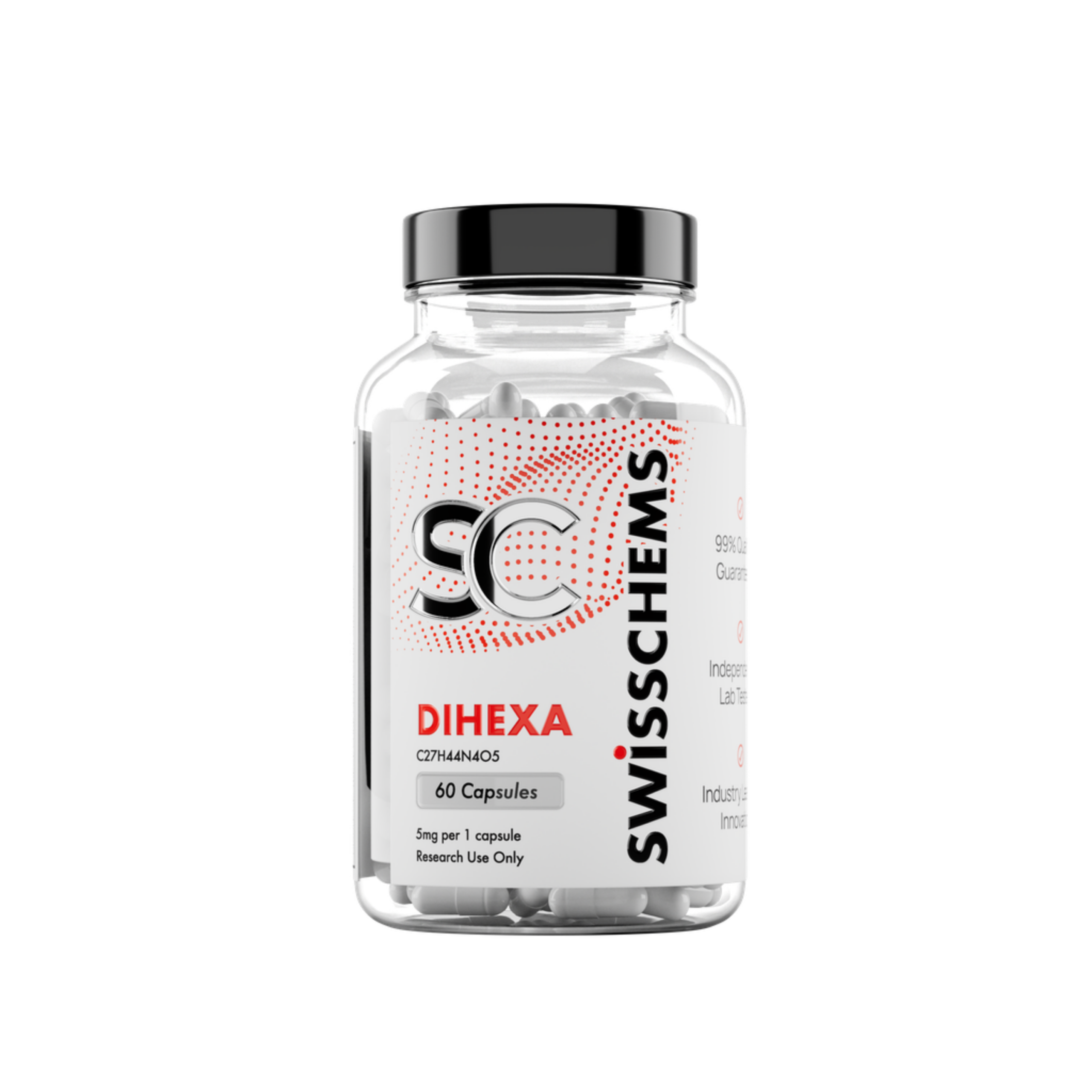
Dihexa
Dihexa is a synthetic peptide-like compound engineered for research involving protein–protein interactions, synaptic signaling, and neurotrophic modulation. Early laboratory findings suggest Dihexa may influence pathways tied to neuronal connectivity, memory formation, and synaptic repair, making it a molecule of interest in high-level neurobiological studies.
The compound demonstrates unique binding properties, particularly its ability to interact with targets associated with cognitive function. Research models have explored its potential in enhancing neuronal communication and cellular cascades linked to learning, memory, and neuroplasticity.
SwissChems provides Dihexa in 5mg research-grade capsules, validated for ≥98% purity, packaged in controlled lab conditions to maintain stability, quality, and experimental accuracy.
Disclaimer: Dihexa is a research compound not approved by the FDA for human use. All information is for scientific and educational purposes only.
Dihexa Overview
⭐ Top Benefits: Supports cognition research, synaptic signaling, and neuroplasticity pathways
💊 Form: 5mg capsule (60-count bottle)
⏱ Max Time Used: 4–10 weeks (research protocols)
💲 Average Cost: $69.99
⚡ Side Effects: Headache, overstimulation, mild irritability (dose-dependent)
⚠️ Dangers: Limited long-term safety data; potent neuroactive profile
🔗 Best Research Stack: Fasoracetam, Noopept, Alpha-GPC, Semax
♂♀ Men/Women: Suitable for both (research use only)
- Highly potent research compound for cognitive enhancement pathways
- Strong receptor-binding characteristics
- Supports studies involving neuroplasticity and synaptic repair
- Very limited human data
- Potent effects may require careful titration
- Not suitable for beginners in neuroactive compound research
How to Choose the Right Compound
The eight compounds above are not interchangeable, and the choice of where to start matters more than most nootropic guides acknowledge. Here’s a practical framework based on what you’re actually trying to solve.
If you’re new to nootropics
Piracetam. There is no reason to start anywhere else. It has the longest safety record, the most clinical data, the most predictable effect profile, and it gives you a genuine baseline for understanding how racetams work before you move to anything more potent. Run it for at least four to eight weeks with a proper choline source before drawing conclusions — and if you feel nothing in the first three days, that’s expected, not a sign it isn’t working.
If memory and learning are the primary goal
Pramiracetam is the most targeted memory compound in the classic racetam family. Noopept adds BDNF and NGF stimulation on top of the memory mechanism and is the more comprehensive option at a fraction of the dose. If you want to understand the ceiling of memory-specific racetam effects, pramiracetam; if you want broader neuroprotective benefit alongside the memory enhancement, Noopept.
If focus and analytical performance are the priority
Oxiracetam. The community consensus on this is unusually consistent — it’s described as the clearest compound for sustained analytical and technical work, and the mild activation that distinguishes it from piracetam is specifically suited to that use case.
If anxiety or overstimulation is a concern
Fasoracetam is the only racetam on this list that works on the inhibitory side of the equation through GABA-B upregulation. It’s also the right choice if you’ve been using other racetams for a long time and notice diminishing returns — the mGluR restoration mechanism makes it a genuine tolerance reset.
If motivation and drive are the problem, not memory
9-Me-BC is the only compound here that directly targets the dopamine system. Be careful with drug interactions given the MAO inhibition — this is not a casual addition to any serotonergic protocol.
If long-term neuroplasticity is the goal
NSI-189 is the most relevant compound here, with actual human trial data demonstrating hippocampal neurogenesis effects. Understand that this is a slow compound with no acute effect — you’re investing in neural tissue growth over months, not boosting a session.
Dihexa
For experienced users with a specific research rationale. Not appropriate as a first-line or casual nootropic given the limited human evidence base.
The Bottom Line
The difference between effective nootropic use and expensive placebo is usually just specificity. These compounds are not interchangeable, and understanding which mechanism corresponds to which cognitive problem is what separates someone who gets results from someone who cycles through half a dozen compounds and concludes the category doesn’t work.
The racetam family — from piracetam’s 60 years of clinical research to Noopept’s more complex mechanism and Fasoracetam’s GABA-B angle — offers a toolkit that covers most of the common cognitive goals. NSI-189 and 9-Me-BC address areas the classic racetams don’t touch. Dihexa sits at the far edge of the evidence frontier and should be approached accordingly.
Whatever you start with: document your experience, cycle intelligently, source from vendors who publish verified purity data, and give the compound enough time to actually work. Piracetam doesn’t produce a result in three days. NSI-189 doesn’t produce a result in a week. That’s not a failure — it’s how these compounds work.
SwissChems carries all eight compounds featured here with third-party HPLC testing available across the full nootropic catalog. Use code BRAWN20 for 20% off.
Frequently Asked Questions
Do racetams actually work?
Yes, with important qualifications about what ‘work’ means. Piracetam has the most robust evidence base, with multiple controlled trials showing benefits in age-related cognitive decline, stroke recovery, and memory. Pramiracetam and oxiracetam have meaningful clinical data behind them. For newer compounds like NSI-189, Phase I and II human trial data exists but is more limited. The effects are typically subtle rather than dramatic, build over weeks rather than hours, and are most pronounced in individuals with some degree of cognitive impairment rather than healthy younger adults running at full capacity. If you’re expecting a dramatic acute change, you’re probably expecting too much from this category.
Why do I need choline when taking racetams?
Most racetams increase acetylcholine utilisation in the brain. If your diet doesn’t provide adequate choline, that increased demand depletes available acetylcholine and causes headaches, brain fog, and irritability. Alpha GPC at 300 to 600 mg per day or CDP-Choline at 250 to 500 mg per day are the most bioavailable sources and are the standard companion to any racetam protocol. NSI-189 and 9-Me-BC are the exceptions — neither requires choline supplementation because neither works through the cholinergic pathway.
Can racetams be stacked together?
Yes, and many experienced users do. Common combinations include piracetam with oxiracetam (memory plus focused activation), pramiracetam with Noopept (synergistic memory enhancement at lower total doses), and fasoracetam with other racetams to manage tolerance and anxiety. The practical rule is to run each compound individually before stacking so you understand what each one contributes and can identify the source of any side effects. Stacking before you know what individual compounds do makes cause-and-effect essentially impossible to determine.
Is Noopept a racetam?
Technically no. Noopept is a dipeptide and doesn’t contain the pyrrolidone ring that defines the racetam class. It’s grouped with racetams because it shares significant pharmacological overlap — AMPA potentiation, acetylcholine modulation — and because its use cases are similar. But its BDNF and NGF stimulation effects are not shared by classical racetams, which is why it occupies a distinct position in any honest comparison.
What is the safest nootropic on this list for a beginner?
Piracetam, by a significant margin. Sixty years of use, the most extensive clinical research base, the most established safety profile, and the lowest potency per dose. It’s also the most forgiving if you dose slightly wrong. Start there, add a choline source, run it for four to eight weeks, and assess your response before exploring anything else on this list. The fact that it has the weakest acute effect is not a reason to skip it — it’s the reason it’s the correct starting point.