Gaining muscle is a slow process for most people. Many beginners expect quick changes after starting a workout routine, but building lean muscle takes time, effort, and the right strategies.
Questions like “how much muscle can you gain in a month?” or “how fast does muscle growth happen?” are common.
It’s important to have realistic goals, use proven methods, and understand that individual results may vary due to factors like age, genetics, and training experience.
The information below answers many of the most common questions about building muscle mass and maximizing results, whatever stage of training you’re at.
Key Takeaways
- Beginners can often gain 0.5 to 2 pounds of lean muscle mass in a month with the right resistance training and nutrition program. 🏋️♂️
- Experienced lifters usually see slower muscle growth due to diminishing returns, so patience is important. ⏳
- Factors like genetics, age, body weight, training age, and hormones strongly affect how much muscle a person can gain. 🧬
- Eating enough calories, getting enough protein, and taking adequate rest are key building blocks for muscle growth. 🍗
- Steroids and peptides can speed up muscle gain, but they come with risks and are not needed for most people’s fitness goals. ⚠️

What Determines How Much Muscle You Can Gain in a Month?
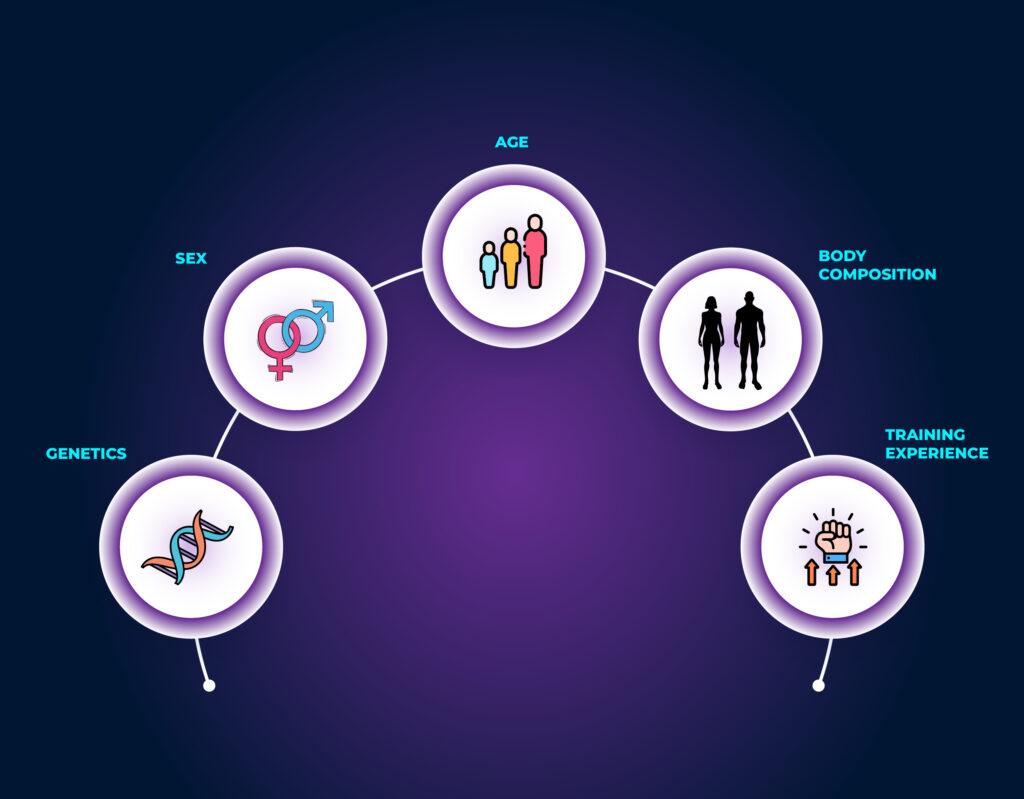
Genetics is a big factor in muscle gain. Some people are genetically predisposed to gain muscle faster due to their muscle fiber type and hormone levels.
For example, those with more fast-twitch fibers tend to gain muscle mass more easily than those with more slow-twitch fibers.
Age also matters. Younger people generally see better results than older adults, due to higher levels of growth hormones and testosterone. Men, on average, build muscle faster than women because of differences in hormone levels like testosterone and estrogen.
The starting point, or body composition, also plays a role. People with less body fat and a healthy body weight might see more visible muscle growth early on.
Training experience, or “training age,” is another important factor. Beginners, meaning those new to resistance training or strength training, often experience rapid gains in the first few months, sometimes called “newbie gains.”
Advanced lifters see less progress each month, mainly because the body adapts and reaches an upper limit or plateau in muscle building.
The Science of Muscle Growth
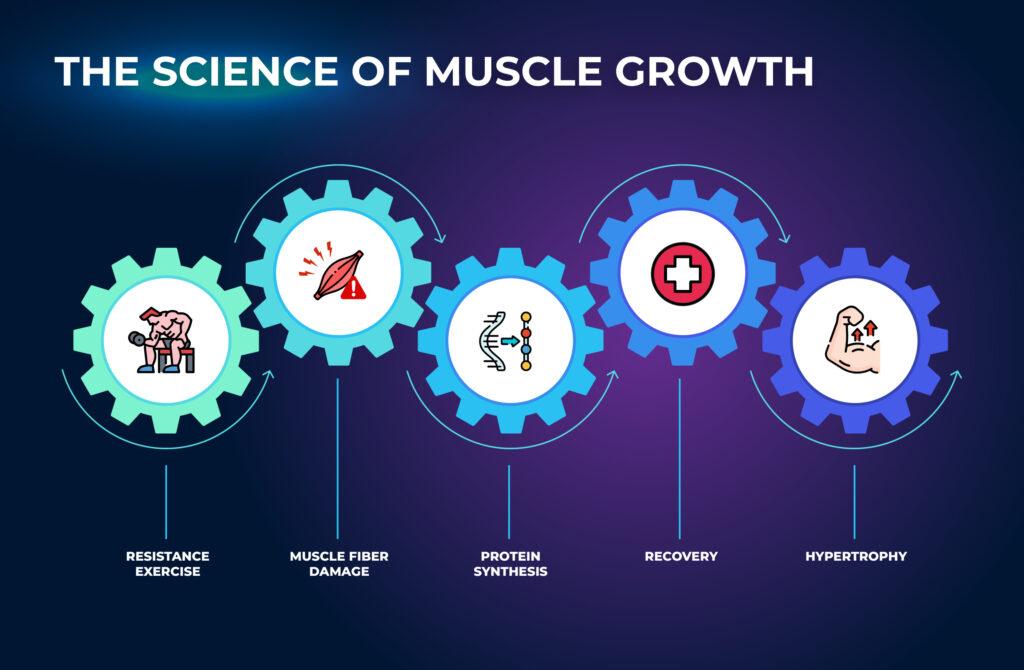
Hypertrophy occurs when the body repairs microtears in muscle fibers after resistance training.
Building muscle is a natural response to mechanical tension, metabolic stress, and muscle damage caused by lifting weights or doing resistance training.
Three main things stimulate muscle growth:
- Mechanical tension: Lifting heavy weights, especially with compound lifts, applies tension to muscles and triggers hypertrophy.
- Metabolic stress: This comes from high-rep exercise that causes muscle fatigue and “the burn.”
- Muscle damage: Intense workouts create small tears in muscle tissue that, with enough rest and protein, lead to new muscle fibers.
Muscle protein synthesis is the process where protein is used to repair and build lean mass. This works best when the diet includes enough high-quality protein right after exercise and throughout the day. Recovery, including adequate rest and sleep, is key for muscle growth to happen at all.
How Much Muscle Can the Average Person Gain in a Month?
A typical beginner can gain about 0.5 to 2 pounds of muscle in a month. Some see quicker muscle gain, up to 3 pounds if they follow a well-designed strength training program and eat a calorie surplus with enough protein.
Intermediate and advanced lifters gain muscle at a slower rate, often less than 1 pound per month, because of diminishing returns as new muscle becomes harder to build.
There is no perfect number, since every body responds differently. However, most experts and registered dietitians agree that 2 pounds of new muscle mass per month is the high end for natural training.
Building muscle faster than this is uncommon for natural lifters and may mean a combination of fat and water retention, not just muscle.
Natural vs. Enhanced Muscle Gain (Steroids, Peptides, Other Aids)
Natural training relies on exercise, nutrition, and recovery. Steroid use and anabolic compounds change the body’s muscle-building process by increasing protein synthesis and hormonal changes.
Some people use peptides, which are short chains of amino acids, to boost growth hormone for muscle gain.
These substances can help users gain muscle much more quickly, sometimes up to 10 or more pounds in a month, but are not safe or legal for everyone and often come with health risks.
Peptides and steroids may speed up muscle gain, but the results are different from natural training.
While advanced lifters may only gain a few pounds of muscle a year, someone using steroids can see much larger gains over the same time.
For example, in some studies people on steroids gained 13 pounds of muscle in 100 days, compared with only 3 to 4 pounds in the natural group.
However, side effects can include hormone imbalances, liver damage, heart problems, and legal issues. Some peptides show promise in stimulating growth hormone, but their safety and effectiveness remain under research, so most experts advise caution or avoid their use.
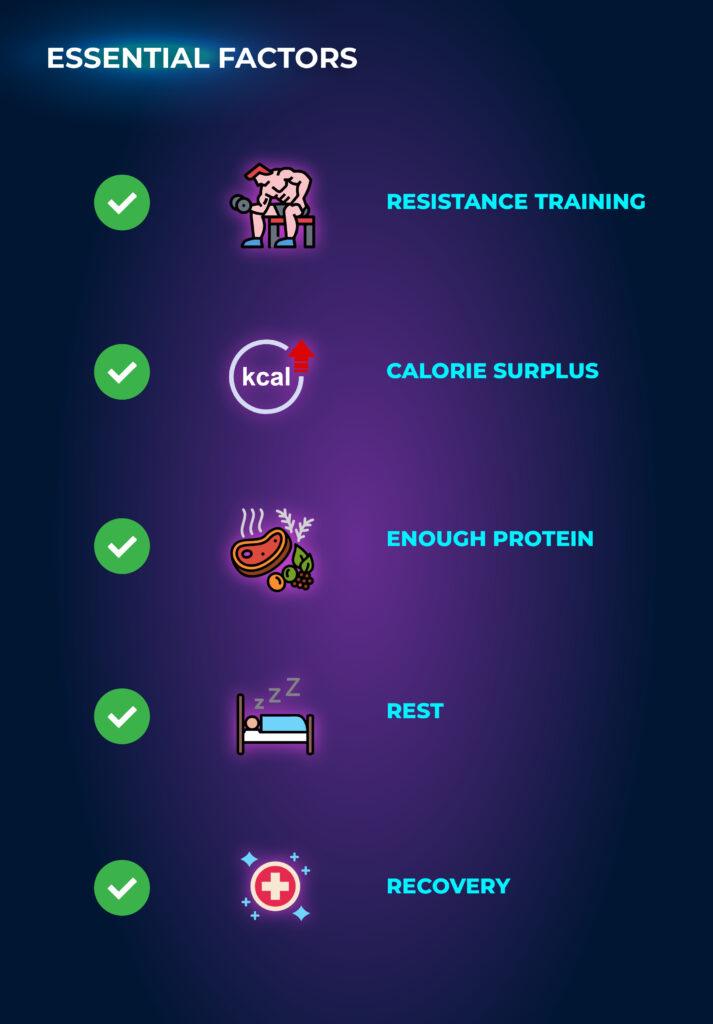
Essential Factors That Influence Muscle Gain
A Balanced Workout
Resistance training is the foundation. Lifting weights and doing compound lifts such as squats, deadlifts, and presses work multiple muscle groups and promote more muscle growth than single joint exercises.
A good workout routine includes both compound and isolation exercises, targets all major muscle groups, and increases in difficulty over time.
A Healthy Diet
Diet is another essential factor for muscle gain. Eating a calorie surplus (more calories than are needed to maintain body weight) plus enough protein and other nutrients provides the building blocks for new lean mass.
Protein should supply 0.7 to 1 gram per pound of body weight daily. Carbs and fats also support muscle gain and recovery. A registered dietitian can help create a meal plan that supports muscle growth.
Adequate Rest and Recovery
Rest and recovery matter as much as training. Muscles grow during rest, not during exercise.
Aim for at least 48 to 72 hours between strength workouts for the same muscle group, and get enough sleep each night to support hormonal balance and muscle repair. Overtraining, or not allowing enough rest, can hurt muscle gain.
Setting Realistic Expectations for Muscle Growth
It’s common to want quick results, but muscle gain is most often a slow process. New muscle growth comes quickly for beginners in the first few months, sometimes 2 pounds a month. After that, progress slows as the body adapts. This is called diminishing returns.
Advanced lifters who’ve built a lot of muscle already might gain only small amounts of new muscle, even just a few pounds each year.
The upper limit for natural muscle gain is usually well below some claims in the fitness industry. In most cases, slow and steady progress is best for long-term body composition changes and health.
Common Mistakes that Hinder Muscle Gain
Not having a clear workout routine, skipping compound lifts, or failing to target all muscle groups can stall muscle growth.
Lifting with bad form raises the risk of injury and limits progress. Not eating enough calories, skipping protein, or not drinking enough water can stop the body from adding lean mass, too.
Some people make the mistake of training the same muscle each day or ignoring rest. This prevents recovery and the addition of new muscle tissue.
Relying on supplements alone without focusing on real food, or looking for shortcuts like steroids or peptides without understanding the risks, are mistakes many make.
Myths About Monthly Muscle Gain
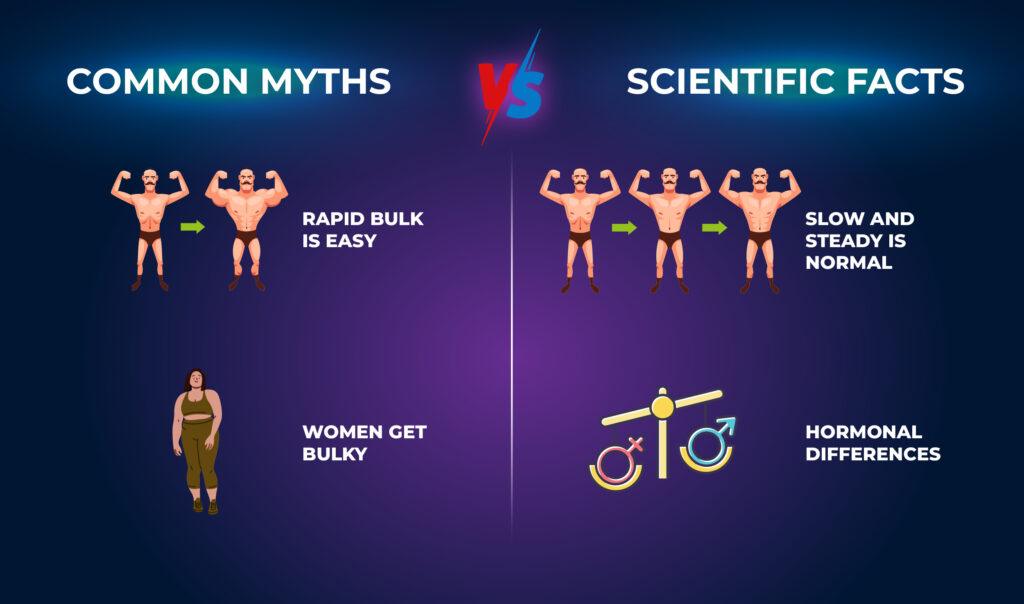
Many believe rapid muscle gain is easy with enough effort. In truth, muscle growth takes time and is affected by genetics and other factors. Women worry about becoming bulky from lifting, but women’s hormonal differences make large muscle gains less likely. Neural adaptations, like strength gains in the first few weeks, are not the same as muscle hypertrophy.
Some think that very high frequency or extreme training is always better, but adequate rest is just as important.
Weight, age, and body composition also play roles in monthly muscle gain, and advanced lifters will always see slower results than beginners due to the upper limit of natural growth.
Ethics, Health, and Public Perception
Using steroids, peptides, or other substances to build muscle can cause serious health problems. These substances may offer fast results but can damage the liver, heart, and hormones.
The legal risks are high, and they are not needed for good performance, fitness, or public health. Following a strength training program, eating enough calories, and resting enough is a safer, healthier way to reach fitness goals.
It’s important to be careful of extreme claims and “quick fix” products. The best approach is a focus on long-term body composition, steady muscle gain, and healthy habits like resistance exercise and good nutrition.
Conclusion
Building muscle is possible for everyone who follows a good strength training and nutrition plan, but the process is often slower than expected.
How much muscle can you gain in a month depends on important factors like genetics, hormonal balance, body weight, age, training age, and diet. Most people can expect up to 2 pounds of muscle growth monthly with natural methods, consistent resistance exercise, and enough calories.
Steroids and peptides can offer fast results, but they also carry potential health risks and are restricted in most sports. Many people still prefer the natural route — steady progress through consistent training and smart nutrition — as it often supports long-term fitness and overall well-being.
To maximize muscle gain safely, use compound lifts, eat a nourishing diet with enough protein, practice good form, get adequate rest, and set realistic goals.
Consistency, not speed, leads to the best results over time. Always seek advice from a registered dietitian or fitness expert before making major changes to a workout or diet.
Each journey is unique. With focus and patience, anyone can gain muscle, build strength, and improve long-term health. Enjoy progress, celebrate small wins, and remember: building strong muscle is a journey, not a sprint.
Frequently Asked Questions (FAQs)
Can teens gain muscle as quickly as adults?
Teens often see fast muscle growth with resistance training, but supervision is needed to ensure safe habits.
Are there medical risks with high-protein diets for muscle gain?
Generally, high-protein diets are safe for healthy people, but those with kidney issues should consult a doctor.
How can women build muscle without getting bulky?
Women can gain lean muscle without significant bulk by focusing on moderate weights, proper nutrition, and enough rest.
Do plant-based diets support muscle gain?
Yes, plant-based diets can build muscle if protein needs are met, often with foods like lentils, beans, and tofu.
What is the role of creatine in muscle gain?
Creatine is a safe, research-backed supplement that can improve performance and support muscle growth when paired with regular training.