Magnesium is one of the most essential minerals in the body, playing a vital role in various bodily functions, including muscle function, nerve signaling, stress reduction, and sleep quality. But many people don’t realize they’re deficient in magnesium—often due to poor diet, chronic stress, or both. That’s where magnesium glycinate supplements come in, a highly absorbable and gentle form of magnesium that’s quickly becoming a go-to solution for those looking to restore balance, reduce anxiety, and improve overall wellness.
In this article, we’ll explore the top health benefits of magnesium glycinate, how it differs from other forms of magnesium, and why it’s especially recommended for people with sensitive digestive systems or chronic stress. Whether you’re struggling with poor sleep, muscle cramps, mood swings, or just want to support your long-term health, this guide will help you understand why magnesium glycinate may be the right supplement to add to your daily routine!
Key Takeaways
- Magnesium glycinate is a highly bioavailable form of magnesium combined with the amino acid glycine, easily absorbed by the small intestine, which makes it ideal for daily use 🌿
- It supports bone health, blood sugar management, better sleep, muscle recovery, and may reduce anxiety and blood pressure. 🛌
- The glycine component enhances its calming and cognitive benefits 🧠
- It is well-tolerated with minimal digestive side effects compared to other forms 💊
- Always consult your doctor before starting any new supplement regimen 👨⚕️

What is Magnesium Glycinate & What is its Function in the Body?
Magnesium glycinate is a highly bioavailable form of magnesium, a vital mineral involved in over 300 enzymatic processes in the human body. It is formed by combining magnesium with glycine, a calming amino acid known for its role in promoting relaxation and reducing stress. This chelated form is especially prized for its superior absorption and gentle effect on the digestive system, making it ideal for individuals with sensitive stomachs or those who struggle with other forms of magnesium, such as citrate or oxide.
Unlike other magnesium supplements that can cause laxative effects, magnesium glycinate is well-tolerated, even at higher doses. Its unique structure allows it to pass easily through the intestinal wall, ensuring maximum absorption and minimal gastrointestinal discomfort. This makes it a popular choice for long-term daily use.
Mechanism of Action
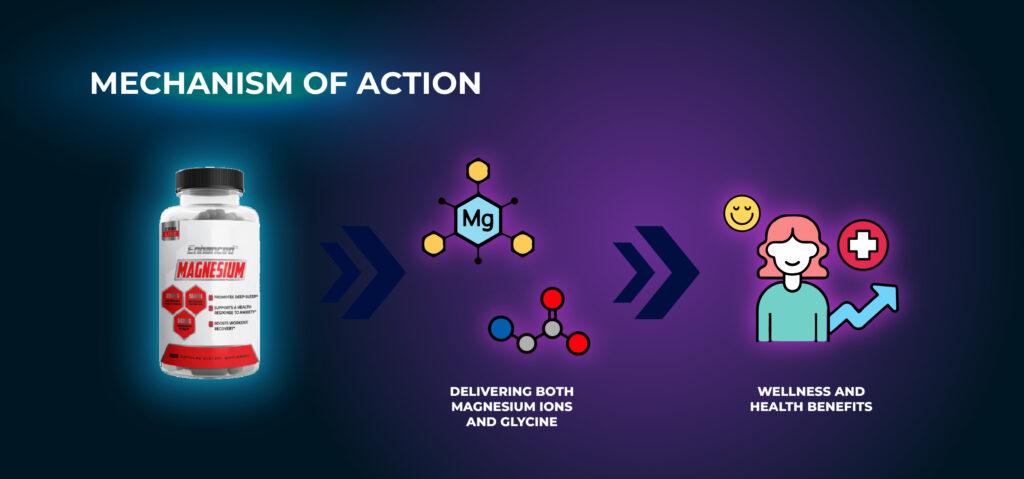
Magnesium glycinate works through a dual-action mechanism, providing both magnesium and glycine, which work together to support your nervous system, muscles, and brain.
Once ingested, magnesium glycinate is absorbed in the small intestine through active transport and passive diffusion. Thanks to its chelated form, where magnesium is bound to the amino acid glycine, it is highly stable and resistant to breakdown in the digestive tract, which significantly enhances its absorption and bioavailability compared to non-chelated forms like magnesium oxide or carbonate.
Role of Glycine
The glycine component adds its unique therapeutic action. As an inhibitory neurotransmitter, glycine promotes relaxation in the brain and central nervous system, enhancing magnesium’s calming effects. This is especially beneficial for reducing anxiety, promoting restful sleep, and balancing your body’s stress response via the HPA (hypothalamic–pituitary–adrenal) axis.
Synergistic Effect
Together, magnesium and glycine cross cell membranes efficiently, exerting a calming, anti-inflammatory, and restorative effect across systems, especially in the brain, muscles, and cardiovascular system. This synergy makes magnesium glycinate not only one of the most tolerable but also one of the most effective forms for therapeutic use.
Understanding Magnesium Deficiency
Magnesium deficiency occurs when blood levels fall below approximately 0.6 mmol/L. It is frequently seen in hospital settings and among people with diabetes, kidney disease, alcohol use, or certain medication use. Common early symptoms include fatigue, muscle cramps or tremors, nausea, loss of appetite, and irregular heartbeat. Severe deficiency can lead to seizures, loss of coordination, electrolyte imbalances (especially low potassium and calcium), arrhythmias, or even cardiac arrest.
Primary causes of low magnesium include inadequate dietary intake, gastrointestinal malabsorption (diarrhea, Crohn’s disease), increased urinary magnesium loss from diuretics or PPIs, alcohol abuse, and conditions or shifts such as refeeding syndrome or acute pancreatitis.
Diagnosis usually involves serum magnesium measurement (often supplemented by urinary testing), though blood levels can underestimate true deficiency since most magnesium is stored intracellularly or in bone. Clinical evaluation may include signs of neuromuscular irritability such as Chvostek or Trousseau signs, and cardiac rhythm assessment.
Hence, it is important to maintain healthy levels of magnesium in the body.
Comparing Different Forms of Magnesium
Magnesium glycinate stands out among supplement forms for its high bioavailability and minimal digestive impact. It’s a chelated form, magnesium bonded to the calming amino acid glycine, making it easy to absorb and especially gentle on the stomach, ideal for those prone to digestive sensitivity or needing higher doses. It’s often favored for promoting relaxation, sleep quality, and muscle recovery.
By comparison, magnesium citrate is also well absorbed but has a notable laxative effect. It’s commonly used to relieve constipation and support digestion, but that same trait can cause unwanted cramps or diarrhea with regular use. While both citrate and glycinate deliver magnesium effectively, citrate tends to act more quickly in the gut, whereas glycinate is better tolerated and less likely to impact digestion.
At the other end, magnesium oxide has poor absorption and frequently causes gastrointestinal discomfort, making it a less efficient choice for correcting magnesium deficiency. Other forms include magnesium malate, which may support energy metabolism, and magnesium L-threonate, sometimes used for cognitive and nervous system benefits. However, their roles tend to be more specialized.
Ultimately, the best form depends on your specific goals, relaxation and steady absorption generally point to glycinate, while digestive relief often favors citrate. Consulting a healthcare professional can help tailor the form and dosage to your individual health needs.
Where To Buy Magnesium Glycinate?
Enhanced Labs Magnesium Glycinate
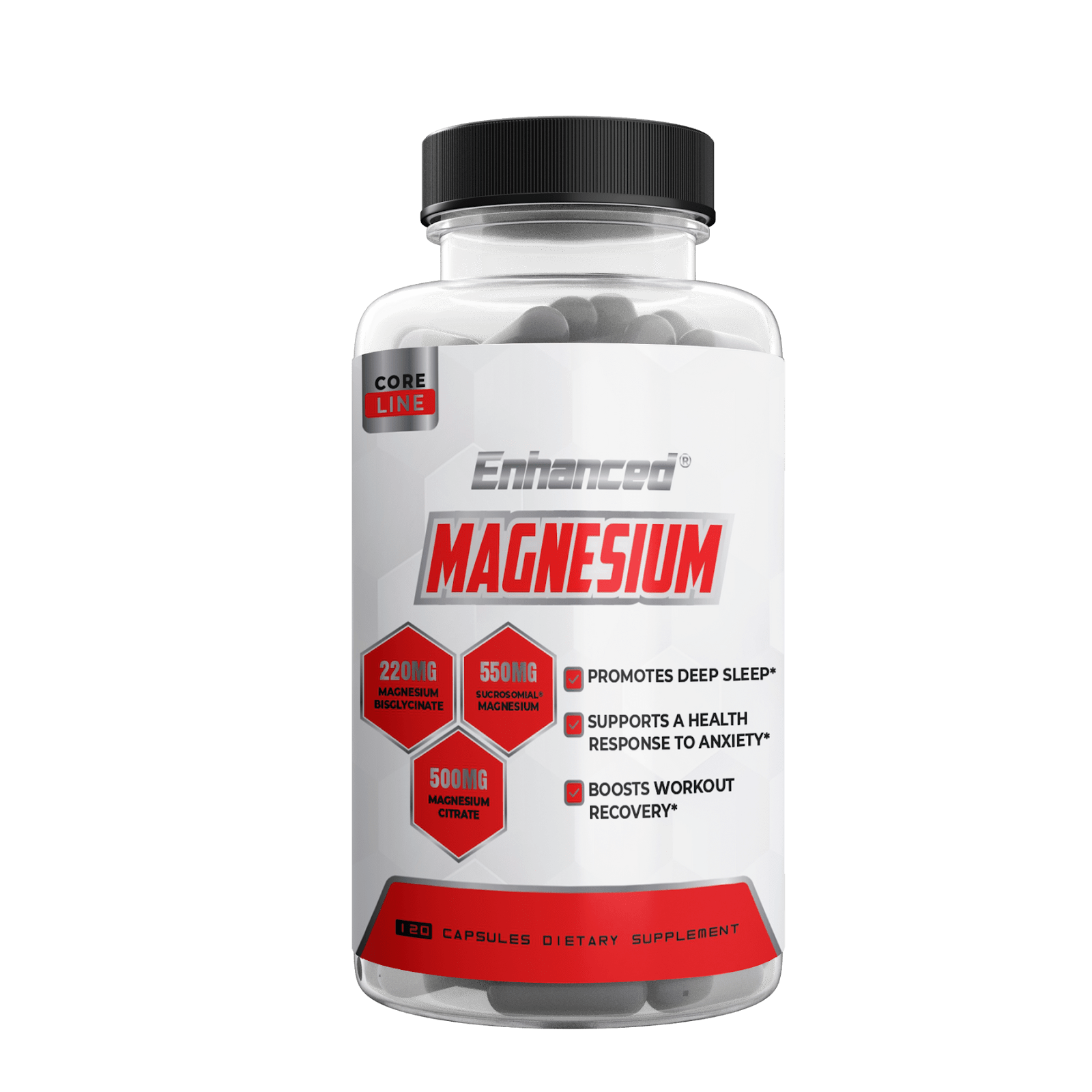
Enhanced Magnesium by Enhanced Labs is a fast-absorbing, triple-magnesium blend featuring Bisglycinate, Sucrosomial, and L-threonate forms for maximum bioavailability and effectiveness. Bisglycinate promotes muscle relaxation and is easy on your gut. Sucrosomial supports bone health and energy production, while L-threonate enhances memory and reduces anxiety by crossing the blood-brain barrier. This formula supports muscle performance, sleep, stress resilience, and overall metabolic and neurological health.
Product Overview:
🧪 Form: Capsule
⚖️Dosage: 1 capsule daily
⌛️ Cyclic Duration: 8–12 weeks
💰 Average Cost: $36.99
🥇 Key Benefits: Promotes muscle relaxation and recovery, supports absorption, bone health, and energy production, and potentially enhances memory, reduces anxiety, and supports brain health
❤️🩹 Side Effects: Typically well-tolerated thanks to gentle chelated forms; rare mild digestive upset is possible for sensitive individuals
📚 Best Stack: Works well with supplements that support cognitive and recovery goals, e.g., L‑theanine for calm focus, omega‑3s for brain integrity, basic nootropics supporting mental clarity, Vitamin D, and Calcium for bone health
🙋 User Experience: Users report improved sleep quality, reduced muscle cramps, enhanced mental calm, and better workout recovery, attributed to the blend’s synergy
Recommended Dosage Table
| Product | Dosage 💊 | Administration 💉 | Timing ⌚ |
| Magnesium Glycinate | 200-400mg | Oral | Evening |
| L-Theanine | 100-200mg | Oral | Morning & Evening |
| Vitamin D | 600-800 IU | Oral | Morning |
Benefits of Magnesium Glycinate Supplement
Magnesium glycinate offers a wide range of health benefits, making it one of the most recommended forms of magnesium for both general wellness and targeted therapeutic support. Thanks to its high bioavailability and gentle impact on digestion, it’s suitable for daily use and effective for a variety of conditions.
Improves Sleep Quality
Magnesium glycinate is widely recognized for its ability to promote deep, restful sleep. The glycine component acts as a calming neurotransmitter, helping to quiet the mind, relax muscles, and support natural circadian rhythms—ideal for individuals struggling with insomnia or restless nights.
Reduces Stress and Anxiety
This supplement plays a critical role in regulating neurotransmitters like GABA, which promote a sense of calm. It helps modulate the body’s stress response and can significantly reduce symptoms of anxiety, irritability, and even mild depression.
Eases Muscle Cramps and Tension
Magnesium is essential for muscle contraction and relaxation. Supplementing with magnesium glycinate can help alleviate muscle spasms, cramps, and chronic tightness, making it especially beneficial for the muscle health of athletes, fitness enthusiasts, and those with magnesium deficiency.
Supports Heart Health
Adequate magnesium levels are associated with healthy blood pressure, normal heart rhythm, and improved vascular function. Magnesium glycinate contributes to cardiovascular health by helping regulate calcium levels, reducing arterial stiffness, and lowering inflammation.
Enhances Cognitive Function
The glycine component enhances cognitive benefits by supporting mental clarity, memory, and focus. Combined with magnesium’s role in nerve signaling and neurotransmitter balance, magnesium glycinate may improve brain function and protect against cognitive decline.
Boosts Energy & Metabolism
Magnesium is essential for converting food into energy. It plays a direct role in ATP (adenosine triphosphate) synthesis—the body’s main energy molecule—helping to combat fatigue and support overall metabolic function.
Side Effects of Magnesium Glycinate
Magnesium glycinate is considered one of the safest and most well-tolerated forms of magnesium, thanks to its high bioavailability and gentle effect on the digestive system. Most people can take it without experiencing any negative side effects, especially when used at recommended doses. However, like any supplement, it’s important to be aware of possible reactions, particularly with long-term usage or consuming too much magnesium.
Mild Digestive Upset
Unlike other forms of magnesium (like magnesium oxide or citrate), magnesium glycinate rarely causes diarrhea or loose stools. However, in some individuals, especially when starting supplementation or taking high doses, mild bloating, nausea, or stomach discomfort may occur.
Drowsiness or Fatigue
Due to its calming properties, magnesium glycinate can promote relaxation and sleep. While this is beneficial at night, some users may experience daytime drowsiness if taken in the morning or excessive amounts.
Low Blood Pressure (Hypotension)
In rare cases, magnesium may lower blood pressure too much, particularly in people already taking antihypertensive medications. Symptoms can include lightheadedness, dizziness, or fatigue. If you’re on blood pressure medication, consult your doctor before starting supplementation.
Drug Interactions
Magnesium can interfere with the absorption of certain medications, including antibiotics (like tetracyclines and fluoroquinolones), bisphosphonates, and thyroid medications. It’s recommended to take magnesium glycinate at least 2 hours apart from these drugs to avoid interactions.
Excess Magnesium (Hypermagnesemia) – Rare but Serious
Extremely high doses, especially in people with kidney disease, can lead to magnesium buildup in the blood. Symptoms of excess magnesium include muscle weakness, slow heart rate, nausea, or, in severe cases, cardiac issues. While this is rare, those with impaired kidney function should use magnesium supplements only under medical supervision.
Conclusion
Magnesium glycinate stands out as one of the most effective, absorbable, and well-tolerated forms of magnesium supplements available today. Whether you’re looking to improve sleep, reduce stress, support muscle recovery, or address a deficiency, this gentle yet powerful supplement offers a science-backed solution for enhancing overall wellness. With its dual benefits of highly bioavailable magnesium and calming glycine, it plays a crucial role in both physical and mental health. Safe for daily use and suitable for a wide range of individuals, magnesium glycinate is a smart addition to any supplement routine focused on balance, recovery, and long-term vitality.
FAQs
Is magnesium glycinate good for anxiety and stress?
Yes, magnesium glycinate helps calm the nervous system by regulating GABA, making it effective for reducing anxiety and managing stress levels.
Can I take magnesium glycinate every day?
Magnesium glycinate is safe for daily use and is well-tolerated by most people, even with long-term supplementation.
Does magnesium glycinate make you sleepy?
It can promote relaxation and deeper sleep, especially if taken in the evening, due to the calming effect of its glycine component.
Is magnesium glycinate better than other forms of magnesium?
Yes, it’s one of the most bioavailable and gentle forms, often preferred over citrate or oxide for those with digestive sensitivities.
When is the best time to take magnesium glycinate?
The best time is typically in the evening or before bed to support sleep and overnight muscle recovery.