You run your fingers through your hair, often worried about losing hair. It feels thinner than it used to. You look in the mirror and notice more scalp than before, a common sign of hair loss. Sounds familiar?
Hair loss often creeps in slowly. For many men in their late 20s to 40s, it becomes a silent struggle with male pattern hair loss. One day, it becomes hard to ignore. The main reason? A hormone called DHT (dihydrotestosterone).
DHT is made from testosterone. It is a powerful hormone that helps with male development by converting testosterone to DHT. But too much DHT can shrink the follicles in your hair, making the search for natural ways, like DHT blockers, essential. This is what causes male pattern baldness and androgenetic alopecia, especially if you have family history.
There are drugs like oral finasteride and topical finasteride that block DHT. But these drugs can have side effects like low sex drive or brain fog. That’s why many people now look for a potential natural DHT blocker, an option that supports hormone balance without the harsh side effects of prescription drugs.
This guide will show you the best DHT blockers. These natural DHT blockers may help reduce hair loss, improve hair growth, and manage male pattern baldness more safely using clinically proven ingredients.
Key Takeaways
- DHT is the hormone most responsible for male pattern baldness and shrinking hair follicles 🧬
- Natural DHT blockers reduce DHT production, improve circulation of blood, and support scalp health 🌿
- Top ingredients like saw palmetto, pumpkin seed oil, and green tea have proven benefits for hair growth 🧴
- Stacking multiple natural DHT blockers enhances results for hair loss, prostate wellness, and hormonal balance 💊
- Consistency, proper dosage, and pairing with a healthy lifestyle are key for long-term thickness and growth 🔁

How Natural Ingredients Block DHT to Support Hair Regrowth
DHT blockers interrupt this process without shutting down your hormones. Here’s how they work:
1. Block 5-Alpha Reductase
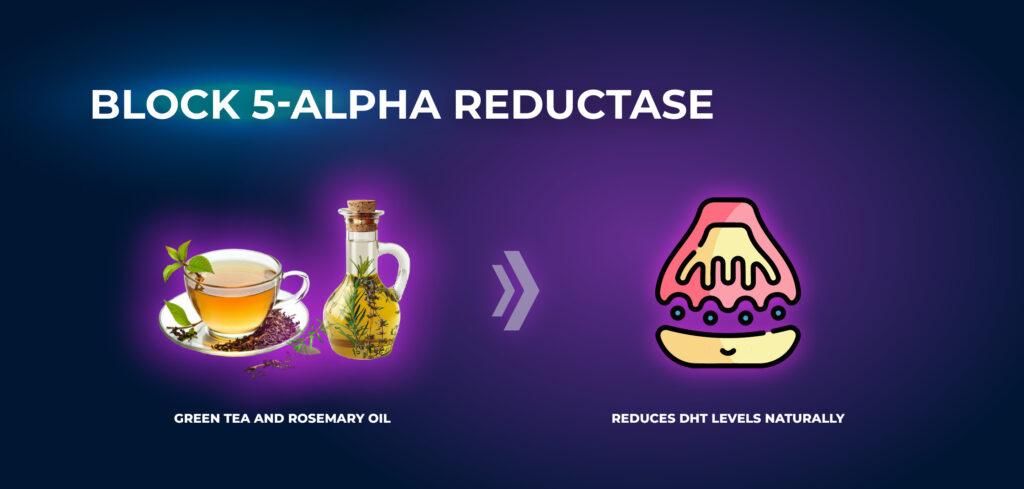
This enzyme turns testosterone into DHT. Ingredients like green tea and rosemary oil help slow this conversion, which overall reduces DHT levels naturally.
2. Compete for Androgen Receptors
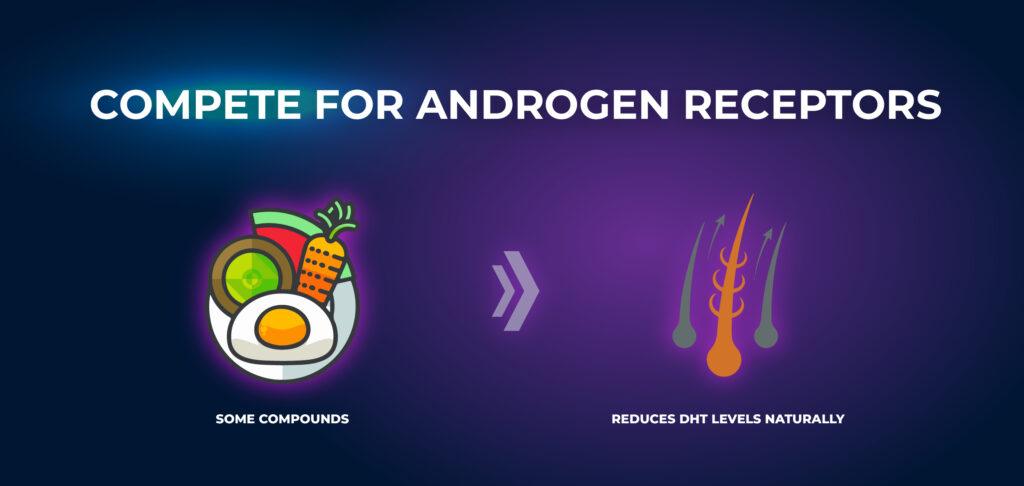
Some compounds block DHT from attaching to follicles. This helps preserve thickness and slows further damage, benefiting overall hair growth.
3. Reduce Inflammation
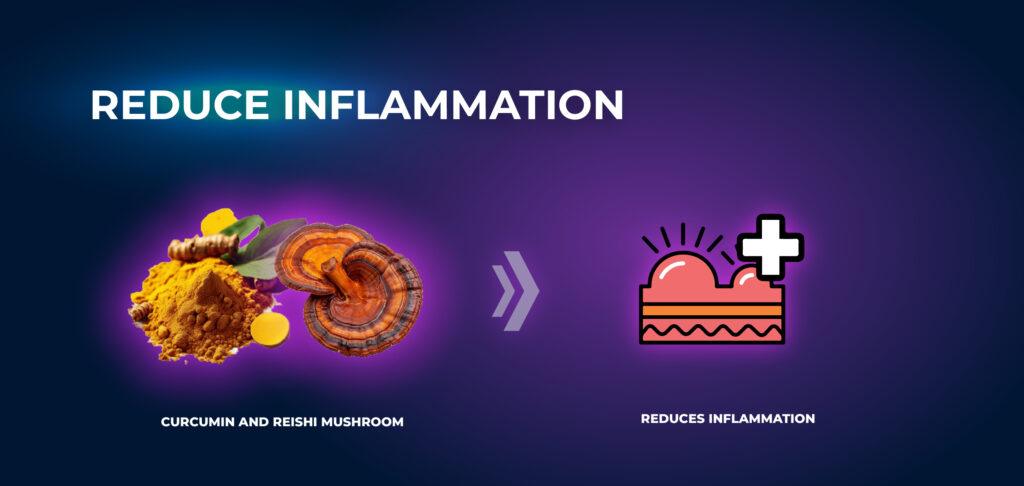
Inflammation worsens hair loss. Ingredients like curcumin and reishi mushroom soothe the scalp, improving conditions during the hair growth phase and enhancing blood circulation .
4. Boost Scalp Circulation
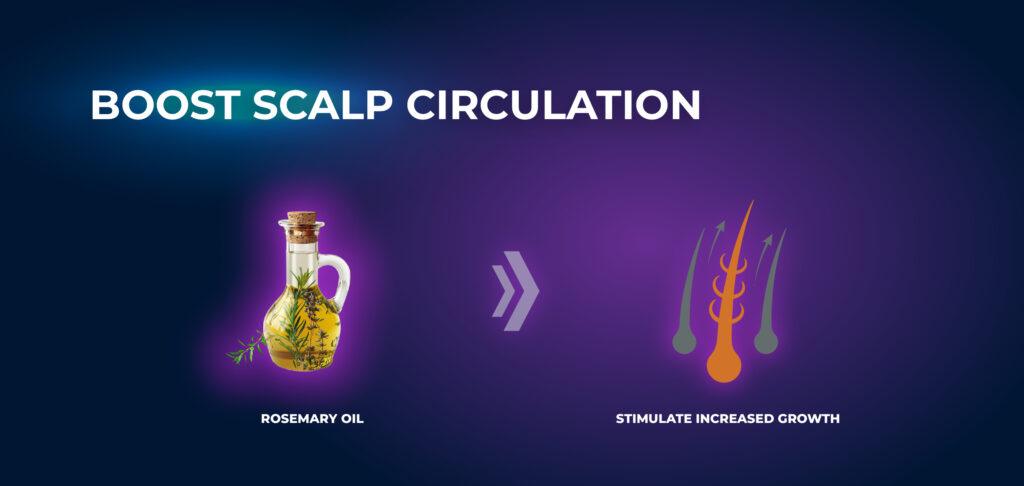
Better blood flow brings nutrients to the scalp, helping stimulate increased growth and reverse hair loss. Rosemary oil is one of the ingredients that are great for this.
5. Support Hormonal Balance
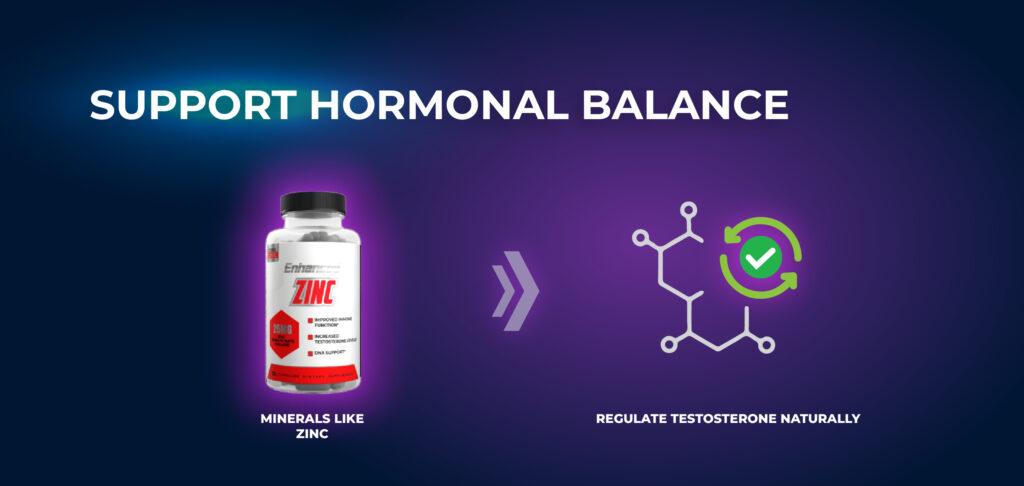
Minerals like zinc help regulate testosterone naturally, preventing hormonal imbalances that can lead to hair loss or even prostate growth.
Together, these actions help block DHT levels naturally, providing an effective treatment to protect hair follicles and promote increased hair growth along with thicker, healthier hair.
Common Natural DHT Blockers and How They Support Hair Growth
Thinning hair, receding hairlines, and hair loss often trace back to high DHT levels. While drugs like finasteride work to treat male pattern baldness , they can come with side effects.
That’s why many turn to natural DHT blockers. They are safe, science-backed ingredients that help reduce DHT, support follicles, and promote growth, including DHT blocking herbal ingredients.
Saw Palmetto
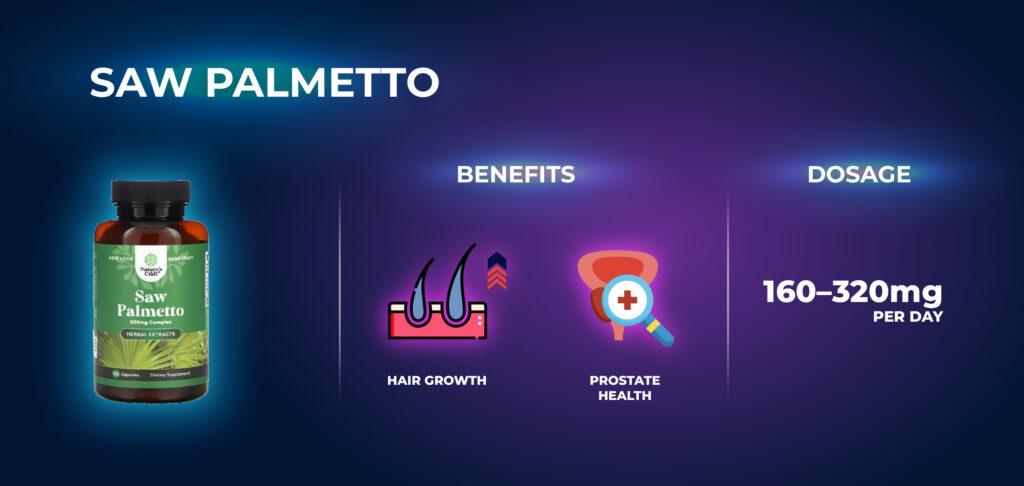
- Mechanism: Inhibits 5-alpha-reductase and reduces DHT binding to androgen. This limits the amount of active DHT in the scalp and helps protect follicles from shrinking. In clinical trials, men taking saw palmetto showed significant improvements in hair density compared to the placebo group.
- Benefits: Promotes retention, may support hair growth, and is widely used for prostate wellness. A staple in many shampoo formulas and topical treatments that reduces DHT.
- Dosage: 160–320 mg per day of standardized extract.
Pumpkin Seed Oil
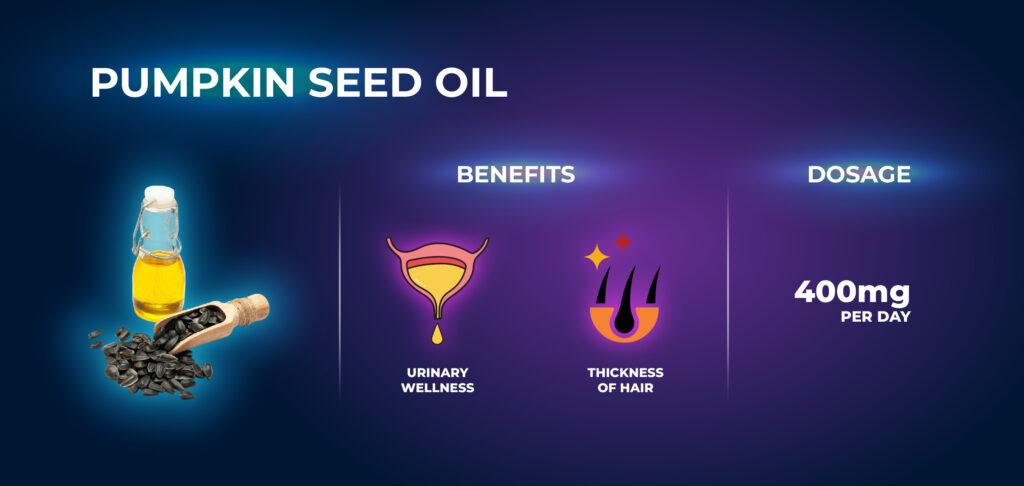
- Mechanism: Rich in beta-sitosterol, this oil reduces DHT levels from binding to receptors and helps reduce the conversion of testosterone into DHT. It also supports anti-inflammatory effects on the scalp.
- Benefits: Reduces shedding, improves scalp health, and supports urinary and prostate wellness. Known for its role in blocking production of DHT and improving thickness of hair.
- Dosage: 400 mg per day orally, or use a 10% topical application.
Stinging Nettle Root
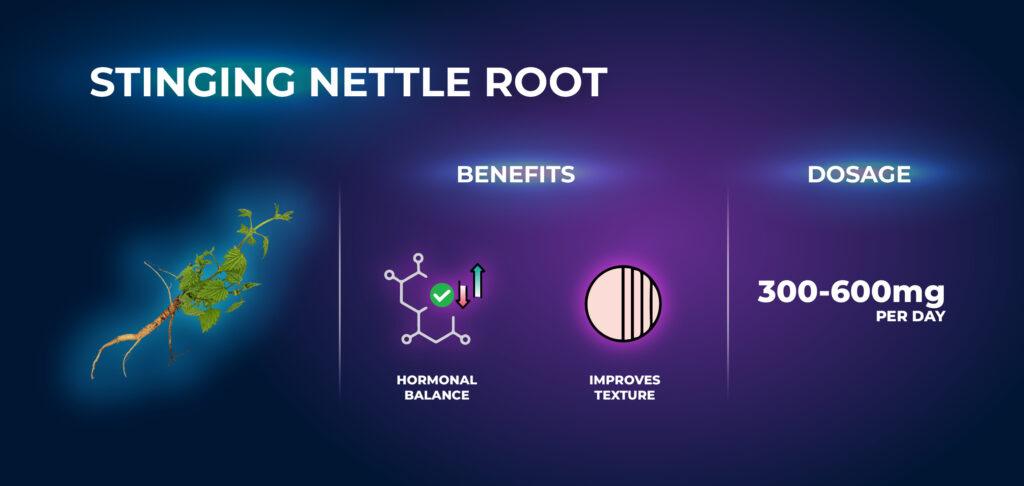
- Mechanism: Contains natural compounds that reduce 5-alpha-reductase activity and help regulate free testosterone levels by lowering SHBG-bound DHT.
- Benefits: May slow hair loss, improve texture, and support hormonal balance in men. One of the most common natural DHT blockers used in both male and female pattern hair loss.
- Dosage: 300–600 mg per day of root extract.
Pygeum Bark Extract
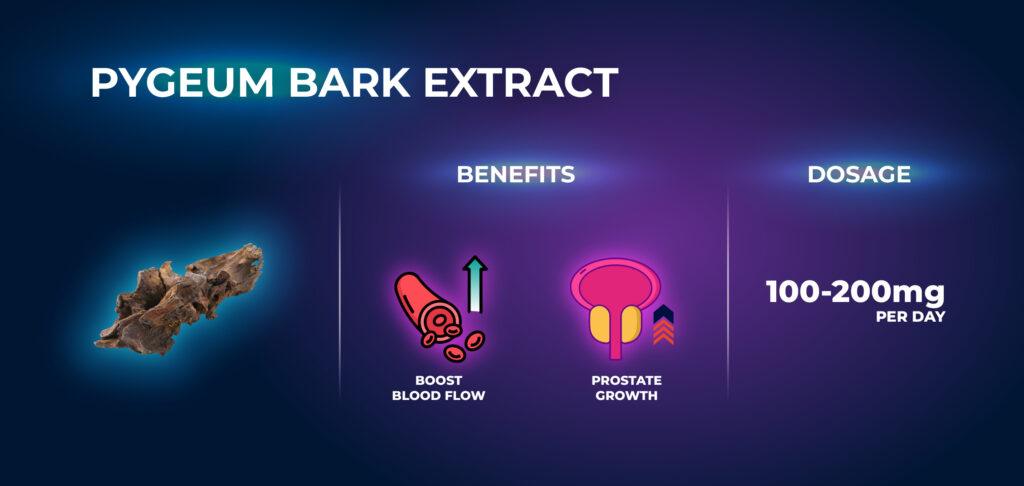
- Mechanism: Blocks the effects of DHT on the prostate and hair follicles by acting as a natural anti-androgen.
- Benefits: Commonly used to manage prostate growth and also supports treatment stacks. Helps reduce DHT levels and boost blood flow to follicles.
- Dosage: 100–200 mg per day.
Reishi Mushroom
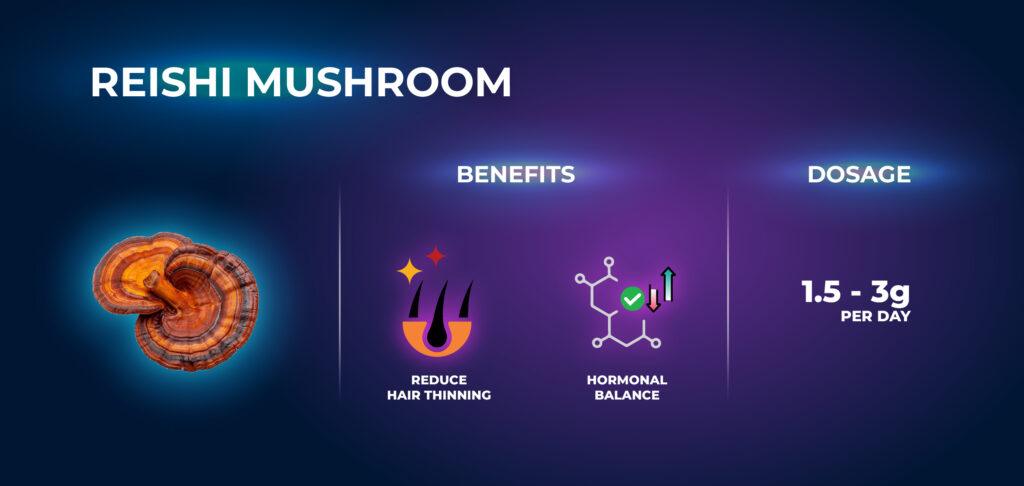
- Mechanism: Inhibits 5-alpha-reductase and reduces inflammation that can damage hair follicles. It also supports immune health and hormonal stability.
- Benefits: May promote a healthy scalp, reduce thinning, and aid hormonal balance. Often included in herbal DHT blockers for male androgenetic alopecia.
- Dosage: 1.5–3 g per day.
Green Tea Extract (EGCG)
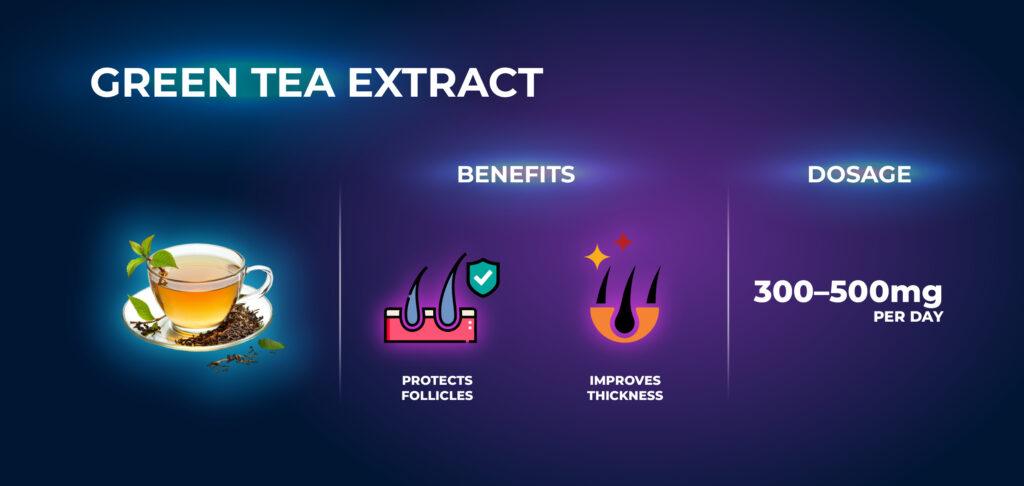
- Mechanism: EGCG blocks 5-alpha-reductase and competes with DHT for binding to androgen receptors. It also helps reduce oxidative stress and supports scalp circulation.
- Benefits: Protects follicles, improves thickness, and boosts antioxidant levels. A popular ingredient in natural DHT blocking shampoos and topical DHT blockers.
- Dosage: 300–500 mg per day, standardized to 90% polyphenols.
Zinc
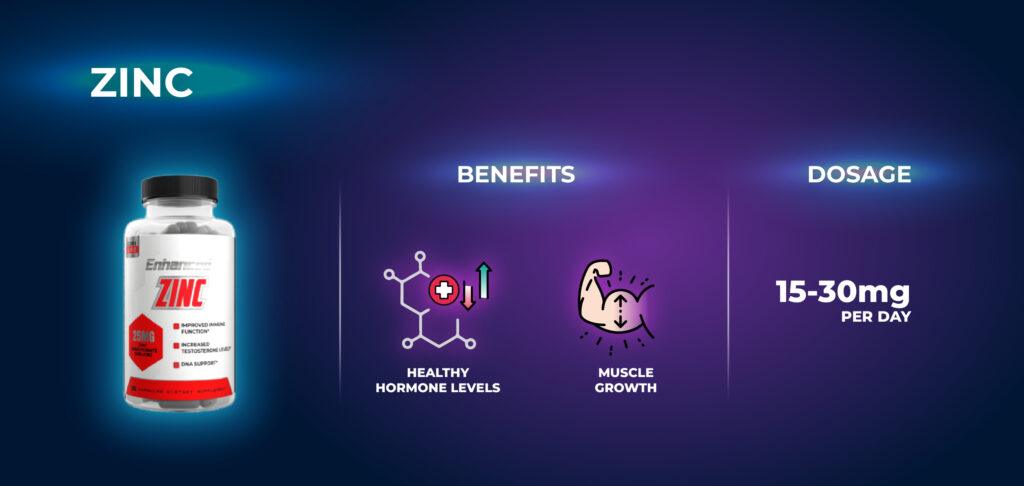
- Mechanism: An essential mineral that helps regulate enzymes involved in testosterone conversion. Low zinc levels are linked to higher DHT levels.
- Benefits: Zinc: Supports healthy hormone levels, scalp health, and immune function, and may indirectly aid in muscle growth by supporting optimal testosterone levels. Often recommended as part of a balanced diet to treat male pattern baldness.
- Dosage: 15–30 mg per day.
Curcumin (Turmeric)
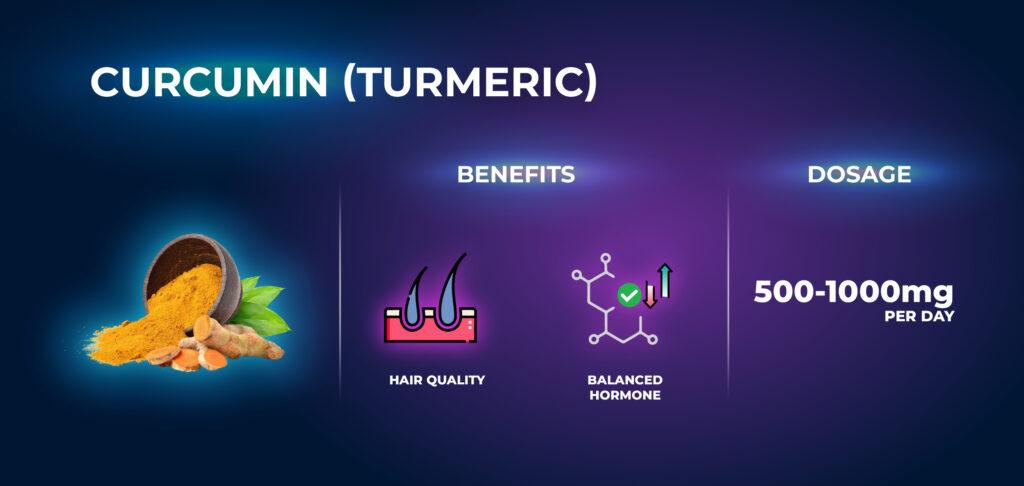
- Mechanism: Lowers DHT by influencing key steroidogenic enzymes and reducing inflammation. It also improves flow of blood to the scalp.
- Benefits: Calms inflamed scalp, enhances hair quality, and supports a balanced hormone profile. Can be used in combination with rosemary oil or coconut oil in DIY scalp serum.
- Dosage: 500–1000 mg per day with black pepper extract (piperine).
Lycopene
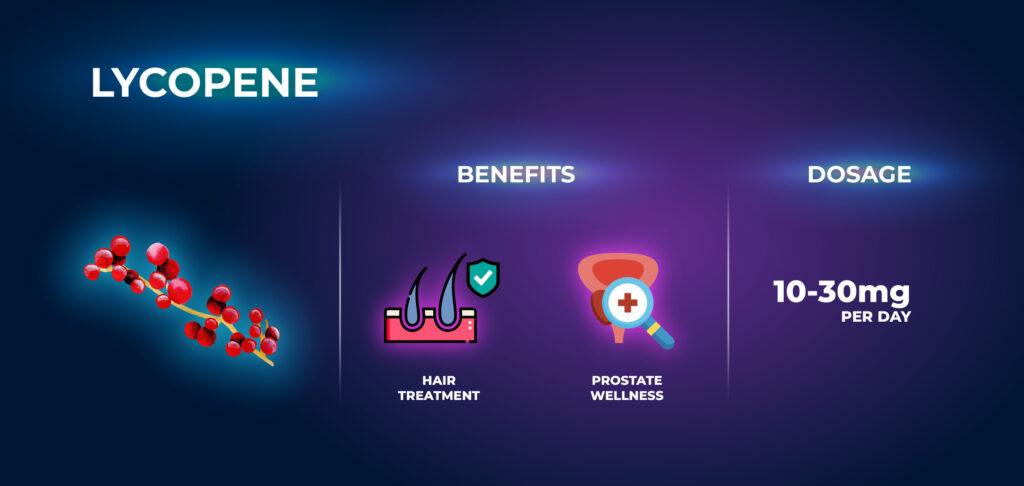
- Mechanism: A powerful antioxidant that interferes with DHT pathways and helps protect prostate and scalp tissue.
- Benefits: Often used to support prostate wellness and included in natural hair loss treatment stacks. Found in many foods rich in antioxidants and anti-DHT properties.
- Dosage: 10–30 mg per day.
Flaxseed (Lignans)
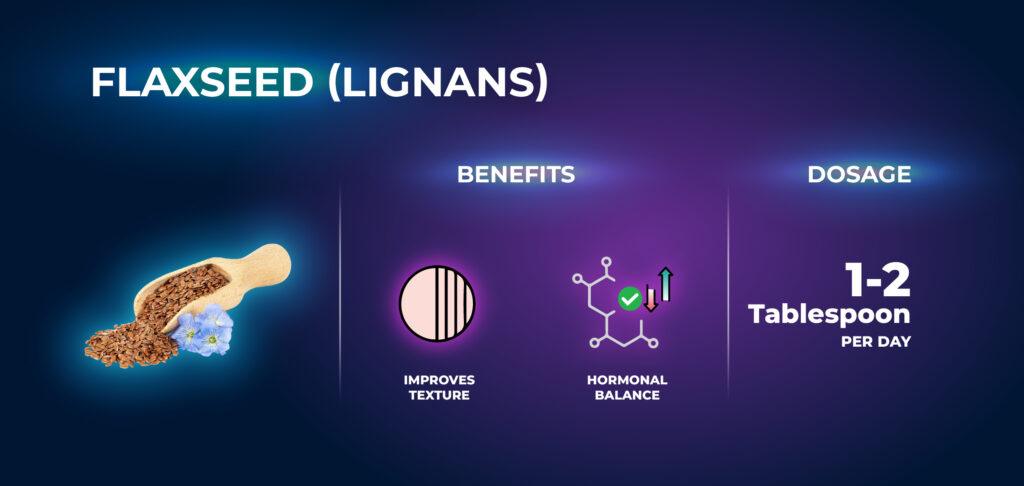
- Mechanism: Contains lignans that bind to DHT receptors and reduce active androgen levels in the body.
- Benefits: Supports hormonal balance, improves texture, and may reduce hair thinning. A common ingredient often recommended for female pattern baldness and as part of alternative medicine approaches to hair care routine.
- Dosage: 1–2 tablespoons per day of ground flaxseed or standardized lignan extract.
Effective DHT Blocker Stacks for Hair Regrowth
Stacking multiple natural DHT blockers can create better results. Here are some evidence-based combinations:
1. Hair Support Stack
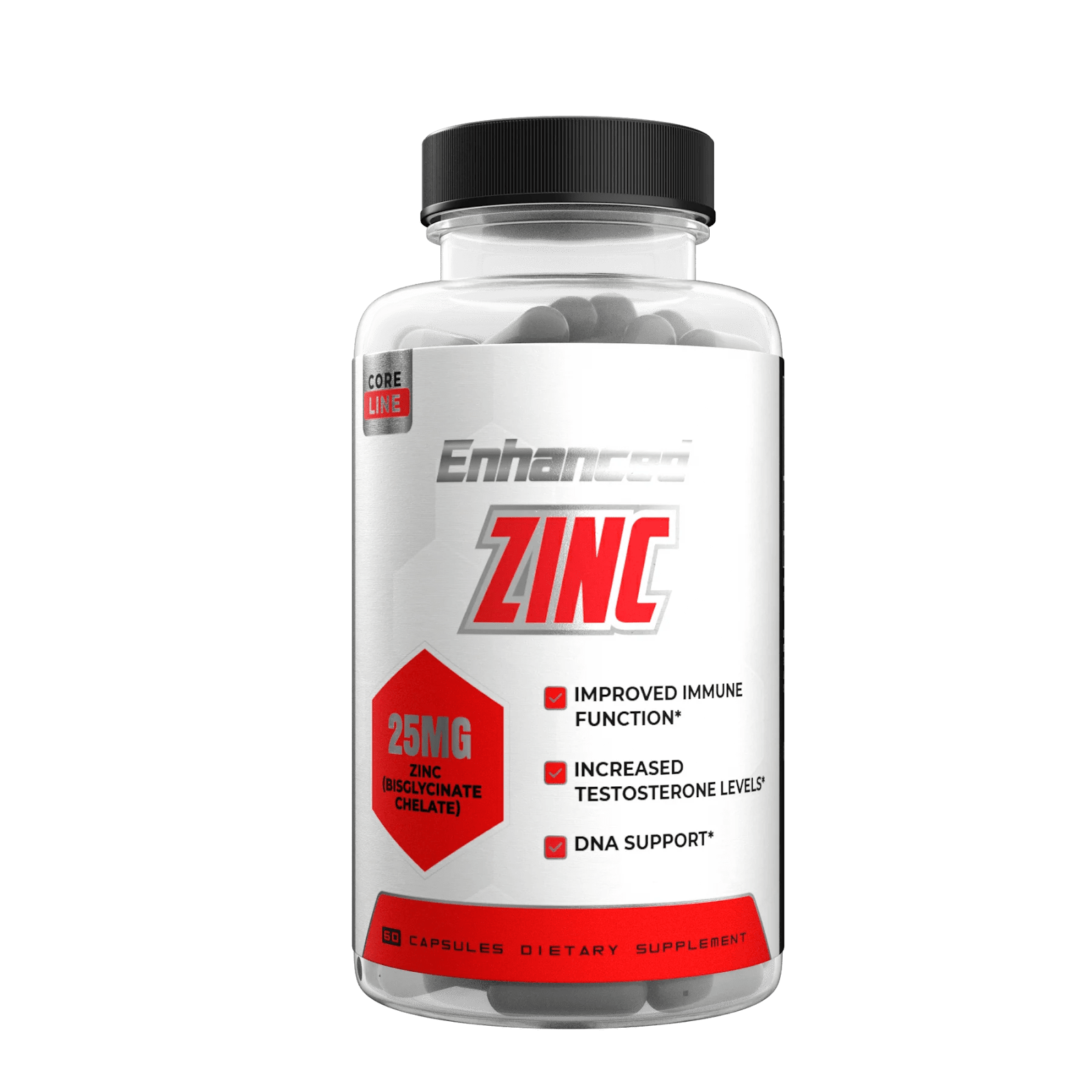
- Saw Palmetto (160–320mg/day)
- Pumpkin Seed Oil (400mg/day)
- Zinc (15–30mg/day)
This trio works synergistically to reduce DHT levels, support follicles, and stimulate hair growth. It’s a powerful base stack for anyone with androgenetic alopecia or early male pattern baldness.
2. Prostate Support Stack
- Pygeum Bark Extract (100–200mg/day)
- Nettle Root Extract (300–600mg/day)
- Lycopene (10–30mg/day)
Designed to block DHT and support prostate health. This is especially useful for men concerned about enlarged prostate or early signs of BPH.
3. Full Anti-Androgen Stack
- Reishi Mushroom (500–1000mg/day)
- Curcumin (500–1000mg/day with piperine)
- Green Tea Extract (EGCG) (300–500mg/day)
Cycling Tip: Run a stack for 2-3 months, then take 1 month off. Monitor your libido, energy, and hair growth. If everything stays balanced, continue. If not, scale back.
These stacks combine the most effective DHT blockers to improve blood flow, stimulate hair growth, and reduce hair loss naturally, with minimal risk of side effects.
Where to Buy the Best Natural DHT Blockers Online
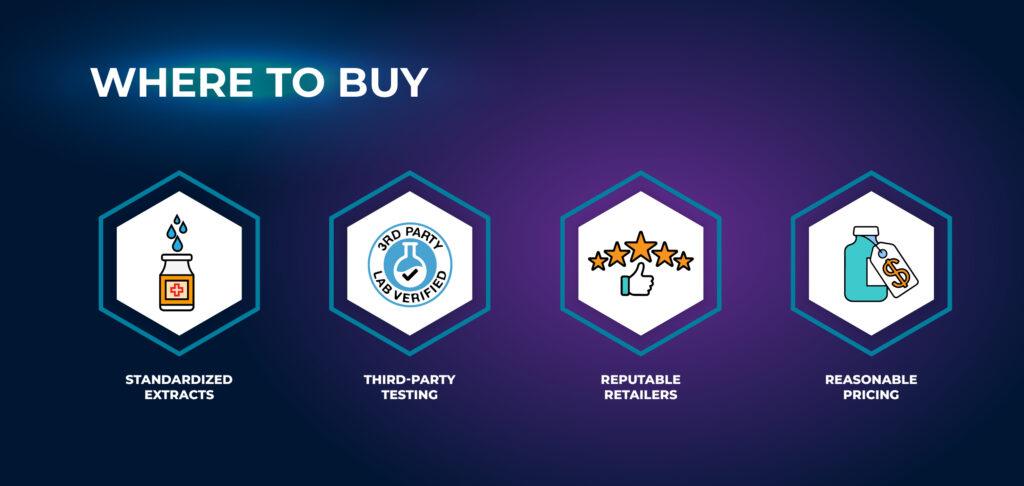
Not all natural DHT blockers are created equal. To block DHT production and support hair growth, look for products that meet these criteria:
Standardized Extracts
Choose ingredients like saw palmetto (85–95% fatty acids) for real impact on hair follicles and hair loss in male.
Third-Party Testing
Look for certificates of analysis to ensure purity and potency especially for topical DHT blockers and serums for scalp.
Reputable Retailers
Buy from trusted supplement brands that specialize in hair loss treatment or alternative medicine. Online platforms are fine, just check reviews.
Reasonable Pricing
Most DHT blockers typically range from $20 to $60/month. Anything too cheap likely uses low doses of natural ingredients that won’t help you block DHT or regrow hair.
Tip: Look for formulas that combine proven blockers like pumpkin seed oil, green tea, and saw palmetto for improved blood flow, reduced hair thinning, and better support for hair loss.
Side Effects and What to Expect
Most natural DHT blockers are well tolerated, especially when taken at recommended doses. However, individual responses can vary.
- Mild Digestive Issues or Skin Reactions: Some users may experience bloating, stomach upset, nausea, or skin rashes, particularly when starting a new supplement.
- Rare Hormonal Effects: In rare cases, taking high doses or combining several DHT blockers may lead to decreased libido, fatigue, or lower energy levels.
- Reishi and Saw Palmetto Considerations: These natural ingredients can subtly affect hormone pathways. While beneficial for many, they may cause minor hormonal shifts in some users.
If you’re unsure whether high DHT is causing your hair loss, a blood test can help confirm hormone levels. Talk to your doctor and consider a blood test to monitor your testosterone and DHT levels before starting supplementation.
Pay attention to your body and adjust your dosage if needed. Cycle your supplements or take breaks every few months, especially if you notice signs of over-suppression like low mood or reduced drive. The effects solely rely on dose, duration, and your individual hormonal makeup.
Final Thoughts
You don’t need to wait until your hairline is halfway gone to do something about it. These natural DHT blockers offer a powerful, safer way to support your follicles, slow male pattern baldness, and stimulate regrowth without risking harsh side effects.
Whether you’re using pumpkin seed oil, coconut oil, or flaxseed these proven natural ingredients can become part of your effective hair loss treatment and overall wellness strategy.
Pair your supplements with a healthy diet, regular scalp care, and consistent habits. And remember: consistency wins.
FAQs: Hair Loss, Hair Growth, and DHT Blocking Supplements
Can I use natural DHT blockers with finasteride or minoxidil?
Yes. Many people combine natural DHT blockers with oral or topical treatments to support better results and reduce the need for higher drug doses, especially in the context of concerns about prostate cancer.
Are natural DHT blockers safe for women?
Some are. Women experiencing hair loss should consult with a doctor, but ingredients like pumpkin seed oil, and rosemary oil are generally considered safe.
How long before I see hair growth?
Most users report visible improvements in hair thickness and reduced shedding within 2-4 months. It may take 6 months or more of consistent use to regrow hair.
Do I have to take these supplements forever?
Hair loss can return if you stop taking DHT blockers. Cycling your use (e.g., 3 months on, 1 month off) can help balance long-term use without over-suppression.
Do DHT blockers also reduce body or facial hair?
Potentially, yes, especially at higher doses. Some users notice reduced facial or body hair when DHT levels drop significantly, while others may find benefits from treatments like laser therapy.