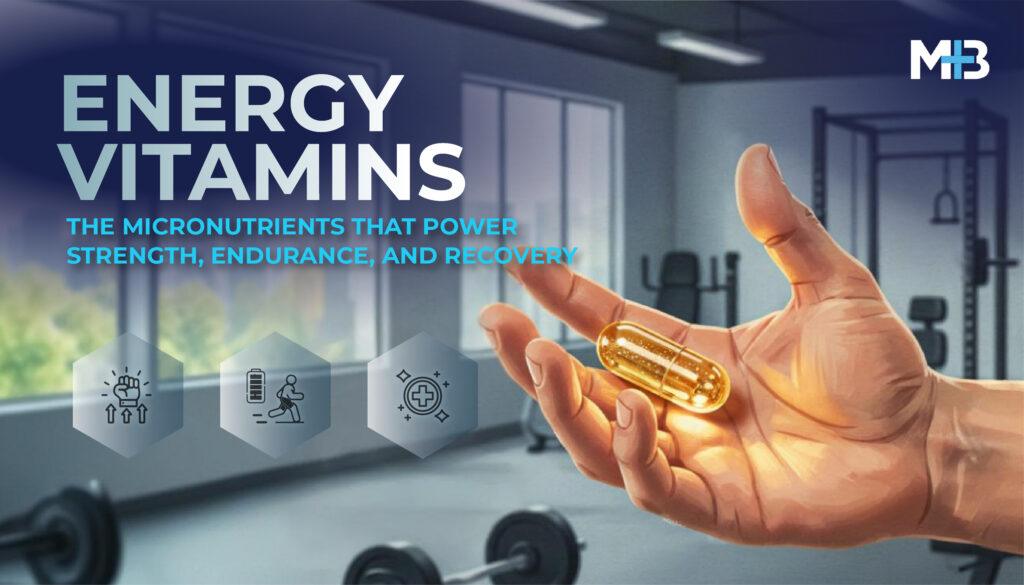
What Is An Energy Vitamin?
Vitamins may be needed in small amounts, but their impact on performance is massive. While they don’t provide calories like protein, fats, or carbohydrates, they play a critical role in converting nutrients into usable energy, driving muscle growth, supporting hormone production, repairing tissue, and keeping the metabolism operating at peak efficiency.
The body can’t produce most vitamins on its own; they must come from food or supplements. When intake falls short or training demands increase, performance can take a hit, fatigue sets in sooner, recovery slows, inflammation rises, and strength gains stall. This is why athletes, lifters, and anyone pushing their physical limits pay close attention to their vitamin intake.
Vitamins are part of a broader group of micronutrients that keep the body functioning at its best. Understanding how they work is the first step toward optimizing performance, accelerating recovery, and building a stronger, more resilient physique. In this article, we’ll explore the key vitamins that support energy, strength, and overall athletic performance.
Key Points
- Vitamins help convert food into fuel for workouts, lifts, and endurance training.🏋️
- Vitamins enhance strength and stamina. They support longer, more intense training sessions and faster recovery.💪
- Vitamins have antioxidant properties that reduce exercise-induced stress and promote repair.😧
- Vitamins tend to sharpen focus and the mind-muscle connection. Vitamin B and Vitamin C aid mental clarity during training.🍊
- The best results of vitamins come with proper dosing, a balanced diet, and consistent training.💊

How do Energy Vitamins Help With Boosting Energy?
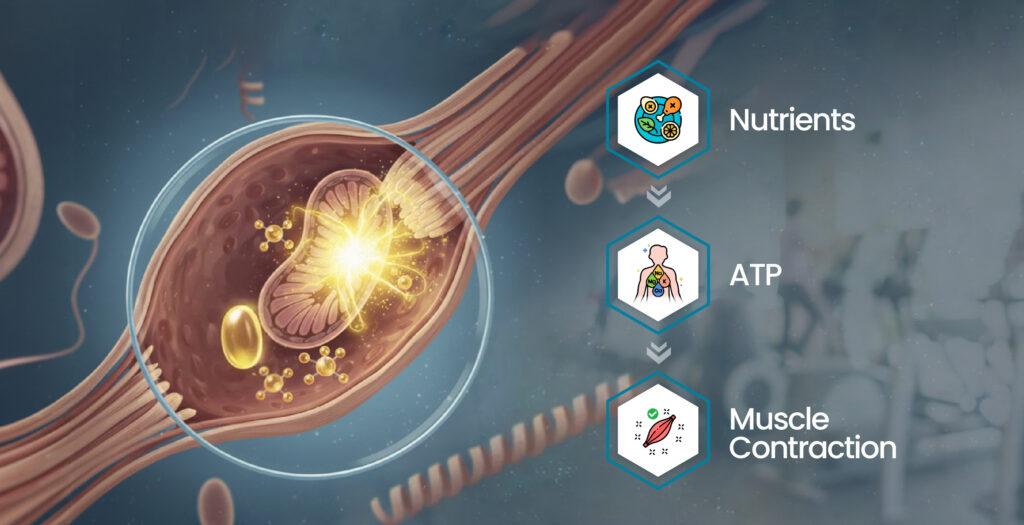
Energy vitamins don’t give you energy the way caffeine or calories do. They unlock the biochemical pathways that produce it. Your body relies on vitamins to convert carbohydrates, fats, and protein into fuel (ATP) as they serve as coenzymes and metabolic activators. Without them, your cells simply can’t generate energy efficiently.
Vitamin B1 (Thiamine): Key Driver For Metabolic Energy
It acts as the ignition key for carbohydrate metabolism. It aids in the conversion of glucose to ATP. It supports nervous system signaling for muscle contraction.
Vitamin B2 (Riboflavin): Powering Mitochondrial Energy Output
It supports the electron transport chain inside mitochondria, which is the main ATP factory. It is essential for digestion; it helps break down fat and protein, prolonging energy.
Vitamin B3 (Niacin): Optimizing Energy Metabolism and Blood Flow
NAD and NADP are two coenzymes derived from vitamin B3 (niacin) that support 400+ metabolic reactions. It drives ATP production during high-intensity training and supports DNA repair and cellular recovery.
Vitamin B5 (Pantothenic Acid): Supporting Energy Production and Stress Adaptation
Vitamin B5 helps us produce Coenzyme A. This coenzyme helps us break down fats and carbohydrates for steady energy. It supports adrenal hormone production (stress and performance hormones).
Vitamin B6 (Pyridoxine): Enhancing Protein Metabolism and Muscle Function
It helps convert stored glycogen into usable glucose. It aids amino acid metabolism.
Vitamin B7 (Biotin): Supporting Energy Metabolism and Nutrient Utilization
It converts fats, carbs, and proteins into energy. It supports steady blood sugar by improving metabolic control.
Vitamin B9 (Folate): Aiding Red Blood Cell Production and Cellular Energy
It supports oxygen delivery, critical for endurance energy.
Vitamin B12 (Cobalamin): Driving Red Blood Cell Formation and Energy Levels
It is an integral part of red blood cell formation. It helps convert fats and proteins into long-lasting energy.
Vitamin C: Supporting Recovery, Immunity, and Stress Resilience
It helps produce carnitine, a molecule that transports fatty acids into mitochondria for energy production. It enhances immune function and reduces training-related oxidative stress. It improves iron absorption, thereby facilitating oxygenation.
Vitamin D: Regulating Muscle Function, Strength, and Hormonal Health
It helps support energy levels by improving muscle function, enhancing calcium absorption, and supporting mitochondrial efficiency, which is where your cells produce energy (ATP).
It also plays a vital role in hormone balance, particularly in regulating testosterone, which can influence overall strength, stamina, and workout performance. While Vitamin D is not a direct energy booster, it optimizes the body’s functions to generate consistent energy.
Vitamin E: Protecting Muscle Cells and Supporting Recovery
It protects muscle cells from oxidative stress, helping your body produce energy more efficiently and maintain endurance during intense training.
Where To Buy The Best Energy Vitamins?
D3 + K2 (MK-7)
Enhanced Labs D3 + K2 (MK-7) is a dual-action vitamin complex formulated to support bone density, cardiovascular health, and immune function. This synergistic blend pairs Vitamin D3 (Cholecalciferol)—the “sunshine vitamin”—with Vitamin K2 (MK-7) to ensure optimal calcium absorption and proper utilization throughout the body.
While Vitamin D3 enhances calcium uptake, Vitamin K2 directs that calcium into bones and teeth instead of arteries—helping maintain strong bones and a healthy cardiovascular system. Together, they also contribute to hormonal balance, brain function, and immune resilience, making this formula ideal for year-round wellness.
Manufactured in an FDA-inspected facility, Enhanced Labs ensures every capsule meets the highest purity, potency, and quality standards.
Disclaimer: D3 + K2 (MK-7) is a dietary supplement. This information is educational only and not medical advice.
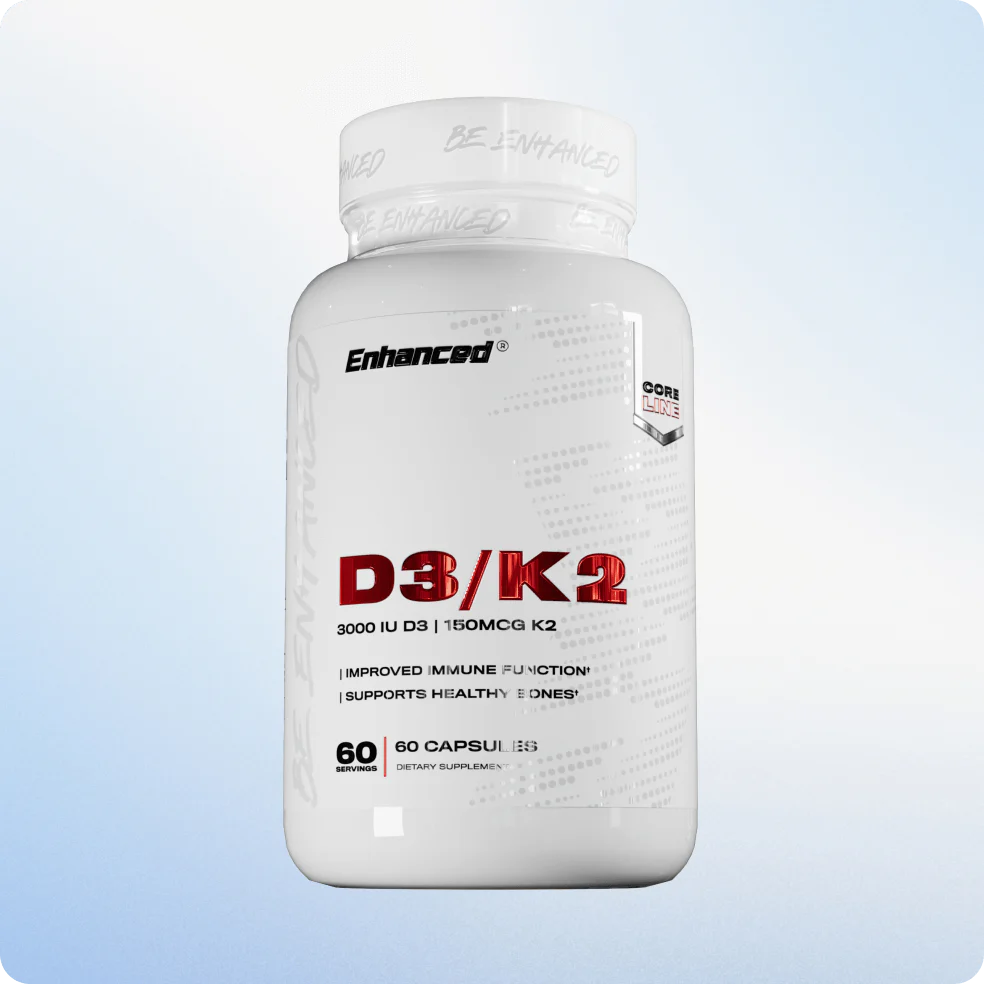
D3 + K2 (MK-7) Overview
⭐ Top Benefits: Supports bone strength, boosts immune defense, promotes calcium balance
💊 Form: Capsules (90 count)
⏱ Suggested Use: 1 capsule daily with food
💲 Average Cost: $19.99
❤️ Side Effects: Mild nausea or stomach upset (rare)
⚠️ Dangers: Excessive Vitamin D intake may raise calcium levels—use as directed
🔗 Best Stack: Omega-3s, Magnesium, Zinc
♂♀ Men/Women: Suitable for both
Copy Brawn10 for 10% off
- Combines D3 and K2 for superior calcium utilization
- Supports bone, immune, and cardiovascular health
- Manufactured in FDA-inspected facility
- May cause mild stomach upset if taken on an empty stomach
- Should not be combined with high-dose standalone D supplements
Recommended Dosage Table For Energy Vitamins
| Vitamin 💊 | Recommended Daily Dosage 💉 | Administration 🥼 | Best Timing ⏰ |
| Vitamin B1 | 1.1–1.2 mg | Oral (capsule/tablet) | Morning or pre-workout |
| Vitamin B2 | 1.1–1.3 mg | Oral | Morning |
| Vitamin B3 | 14–16 mg | Oral (with food) | Morning |
| Vitamin B5 | 5 mg | Oral | Morning |
| Vitamin B6 | 1.3–1.7 mg | Oral | Morning or post-workout |
| Vitamin B7 | 30 mcg | Oral | Any time |
| Vitamin B9 | 400 mcg | Oral | Morning |
| Vitamin B12 | 2.4 mcg | Oral / Sublingual | Morning |
| Vitamin C | 75–90 mg | Oral | Post-workout or with meals |
| Vitamin D3 | 600–800 IU | Oral (with fats) | With meals |
| Vitamin E | 15 mg | oral | With meals |
Key Benefits of Energy Vitamins
Energy vitamins, especially B-complex vitamins, Vitamin C, D, and E, are crucial for performance, recovery, and muscle growth. They don’t directly give “instant energy,” but they unlock the body’s ability to produce and sustain energy, making them essential for strength and stamina.
Add a clean, modern infographic image illustrating the benefits of energy vitamins, featuring a vibrant human silhouette or muscle figure at the center. Surrounding icons represent key benefits such as increased energy and endurance (lightning bolt), improved metabolism and nutrient conversion (gear or flame), reduced fatigue (battery), enhanced recovery (circular arrows), and overall vitality (heart or sun). The design uses bright, energetic colors like yellow, orange, and blue to convey strength, stamina, and sustained performance.
Boost Muscle Energy Production
Vitamins like B1, B2, B3, B5, B6, B7, and B12 act as coenzymes in the conversion of carbs, fats, and proteins into ATP, the energy your muscles use to lift, sprint, and train hard. If you have sufficient energy levels, you won’t get tired out too quickly, allowing you to do a few more reps, lift heavier weights, or run longer cardio sessions.
Enhance Recovery and Reduce Fatigue
Vitamins such as B6, B12, C, and E support muscle repair, reduce oxidative stress, and prevent the “energy crash” after intense workouts.
Support Red Blood Cells and Oxygen Delivery
B9 (Folate) and B12 are vital for red blood cell production. More RBCs, better oxygen transport to muscles, improving endurance, reducing soreness, and supporting high-intensity performance.
Optimize Mental Focus and Performance
Neurotransmitter-supporting vitamins like B6, B12, and Vitamin C enhance brain energy, focus, and mind-muscle connection, which are critical for heavy lifts, precise movements, and controlled training.
Protect Muscles from Oxidative Stress
Antioxidant vitamins like C and E help neutralize free radicals generated during strenuous exercise. This protects muscle tissue, promotes recovery, and maintains long-term training performance.
Maintain Steady Energy Levels
Biotin (B7) and B6 regulate macronutrient metabolism and blood sugar levels, helping prevent dips in energy during workouts or long days.
Ideal Users Of Energy-Supporting Vitamins
Energy vitamins aren’t just for general health; they’re beneficial for people with high physical or mental energy demands. The following groups can see the most benefits:
Athletes and Bodybuilders
Athletes and bodybuilders do vigorous workouts, including weight training and endurance training. They require efficient energy production for performance, muscle contraction, and stamina. Athletes benefit from faster recovery and reduced fatigue between sessions.
Fitness Enthusiasts and Active Individuals
People who do regular cardio and functional training benefit from energy vitamins, which support sustained energy, oxygen delivery, and metabolic efficiency.
Individuals with Nutrient Gaps
Those on restricted diets (vegan, vegetarian, calorie-restricted). Low intake of B vitamins or antioxidant vitamins can limit energy production and performance.
People Experiencing Fatigue or Low Stamina
Chronic tiredness, sluggishness, or “midday crashes” can sometimes be linked to suboptimal vitamin intake. Energy vitamins help restore metabolic efficiency and maintain consistent energy levels.
Professionals with Demanding Lifestyles
High-stress jobs or extended work hours increase the body’s nutrient requirements. Energy vitamins support mental clarity, focus, and endurance, preventing burnout.
Older Adults
Natural decline in nutrient absorption with age can reduce energy metabolism. Supplementation can help maintain stamina, muscle function, and overall vitality.
Safety Considerations For Energy Vitamins
Many energy‑related vitamins (especially B‑complex) are water‑soluble. That means that when you take standard, recommended doses, excess amounts are typically excreted in urine, which lowers the risk of toxicity for most of them.
Regular, balanced supplementation can help maintain energy metabolism, red‑blood‑cell production, mitochondrial function, and overall vitality, significant for people with high physical demands or restricted diets.
Possible Side Effects Of Energy Vitamins
Some of the significant concerns are
High doses of specific vitamins can backfire
Excessive niacin (Vitamin B3) has been linked to side effects like skin flushing, digestive upset, and even liver stress. Long-term or very high intake of Vitamin B6 (pyridoxine) has been associated with nerve damage (sensory neuropathy), leading to numbness or tingling in limbs. Like vitamins, overuse of fat-soluble antioxidants can be dangerous: water-soluble vitamins support energy, whereas fat-soluble vitamins (D, E, A) increase the risk of accumulation and toxicity.
Gastrointestinal or mild discomfort
Some people report nausea, an upset stomach, or changes in digestion when taking supplements on an empty stomach or in high doses.
False reliance on supplements instead of balanced nutrition/lifestyle
Vitamins support energy metabolism, but they’re not magic pills. Without proper diet, hydration, sleep, and recovery, even correct vitamin use won’t substitute for those fundamentals.
Masking underlying issues
If fatigue or weakness comes from a vitamin deficiency, supplementation may help, but if the cause is something else (hormonal imbalance, overtraining, illness), relying solely on vitamins may delay proper diagnosis and care.
Conclusion
Individuals seeking increased muscle growth, strength, and endurance can benefit from adequate energy vitamin intake. By supporting energy metabolism, red blood cell production, and muscle function, these vitamins help athletes and fitness enthusiasts train with greater intensity, recover more efficiently, and maintain consistent energy levels throughout the day.
When combined with a balanced diet, structured training, and proper recovery, energy vitamins can play a meaningful role in supporting peak performance. While they are not a substitute for sound fundamentals, strategic use can help optimize the body’s ability to perform, adapt, and progress.
What are energy vitamins, and how do they work?
They help convert food into energy that your muscles and brain can use
Which energy vitamins are best for muscle growth?
B-complex vitamins, Vitamin C, and Vitamin D are key for performance and recovery.
Are energy vitamins safe to take every day?
Generally, yes, if you follow recommended doses and avoid megadosing.
Do energy vitamins replace a proper diet?
No, they complement nutrition, not replace balanced meals.
When is the best time to take energy vitamins?
Usually, with a meal for optimal absorption, especially for B vitamins.