In today’s health-conscious and performance-focused world, dairy-free protein has become a powerful alternative for those seeking clean, effective nutrition without the drawbacks of traditional dairy-based supplements. No longer just a niche option for vegans or those with lactose intolerance, dairy-free protein now caters to athletes, fitness enthusiasts, and health-conscious individuals seeking high-quality protein without the drawbacks of dairy. Packed with essential amino acids, BCAAs, and natural nutrients, dairy-free proteins support muscle growth, recovery, joint health, and overall wellness while staying gentle on digestion and free from artificial additives.
This article explores everything you need to know about dairy-free protein, from the best sources and science-backed benefits to how to choose the right supplement, common myths, and potential considerations, providing a complete guide for anyone looking to fuel their body cleanly and effectively!
Key Takeaways
- Dairy-free protein provides a clean, lactose-free alternative to whey and casein for optimal muscle growth and recovery🥤
- High-quality sources like pea, rice, hemp, egg white, and beef isolate offer strong amino acid profiles, and blends provide complete amino acids for performance 💪
- It’s gentle on digestion and suitable for lactose-intolerant or allergy-sensitive individuals 🌿
- Modern dairy-free proteins are versatile, effective, and compatible with various diets—including vegan, paleo, and keto—depending on the source 🥗
- Choosing blended or high-quality options ensures maximum efficacy, minimal additives, and long-term wellness ✅

What is Dairy-Free Protein?
Dairy-free protein refers to any protein source that contains no milk or milk-derived ingredients, such as whey, casein, or lactose. These proteins are derived from non-dairy plant or animal sources, making them suitable for individuals who are lactose intolerant, allergic to dairy, vegan, or prefer cleaner nutrition.
Unlike traditional whey-based supplements, many dairy-free proteins provide complete amino acids and high bioavailability without triggering digestive discomfort or inflammation commonly associated with milk proteins. It’s an increasingly popular choice for athletes, fitness enthusiasts, and health-conscious consumers seeking clean and sustainable performance fuel.
How Dairy-Free Protein Differs from Whey and Casein?
While whey and casein are extracted from cow’s milk, dairy-free protein comes from non-dairy sources that deliver comparable muscle-building benefits:
- Plant-based proteins such as pea, soy, rice, hemp, and pumpkin seed offer rich amino acid profiles and are naturally lactose-free.
- Animal-based dairy-free proteins such as egg white and beef isolate offer high biological value and superior digestibility without any milk components.
This distinction makes dairy-free protein a versatile alternative that supports muscle recovery, fat loss, and metabolic health—all without the potential side effects of dairy.
Best Dairy-Free Protein Sources
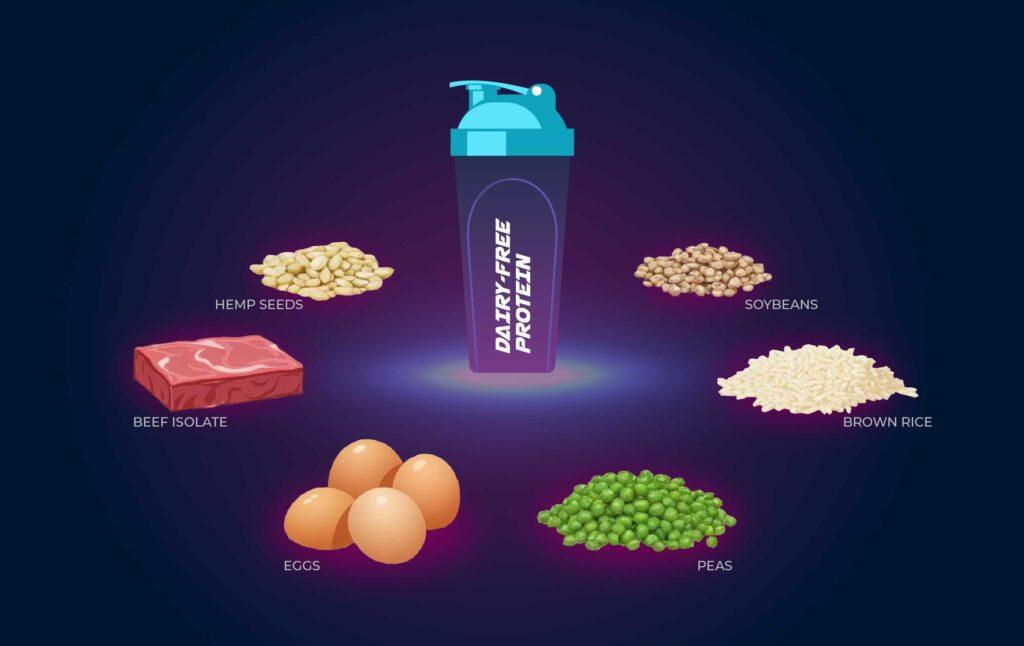
Choosing the right dairy-free protein source is key to meeting your nutritional and performance goals without the digestive discomfort of milk-based supplements. Whether you follow a vegan, paleo, or lactose-free diet, these plant and animal-derived proteins offer clean, effective alternatives to whey and casein , supporting muscle growth, recovery, and overall health.
Plant-Based Dairy-Free Protein Sources
Pea Protein:
Extracted from yellow split peas, pea protein is one of the most popular and well-researched plant-based proteins. It’s naturally rich in branched-chain amino acids (BCAAs) that aid muscle repair and endurance, and studies show its muscle-building effects are comparable to whey protein. Hypoallergenic, gluten-free, and easy to digest, it’s ideal for anyone with food sensitivities or lactose intolerance.
Brown Rice Protein:
Sourced from whole-grain brown rice, this protein is light on the stomach and suitable for those with multiple allergies. While slightly lower in lysine, it’s often blended with pea protein to create a complete amino acid profile. It supports lean muscle development, improves recovery, and offers smooth digestibility without bloating.
Hemp Protein:
Derived from nutrient-rich hemp seeds, hemp protein is a unique blend of plant protein, fiber, and omega-3 fatty acids. It’s naturally anti-inflammatory, promotes heart health, and supports steady energy throughout the day. Its earthy flavor and fiber content also make it beneficial for digestive wellness.
Soy Protein:
As one of the few complete plant proteins, soy provides all nine essential amino acids. Backed by numerous studies, it effectively supports muscle protein synthesis and helps preserve lean mass, making it a trusted choice among athletes and bodybuilders. Soy protein is also cost-effective and widely available.
Pumpkin Seed Protein:
Packed with zinc, magnesium, and antioxidants, pumpkin seed protein aids post-workout recovery while promoting hormonal balance and immune health. It’s naturally gluten-free and dairy-free, with a mild nutty flavor that blends easily into shakes and smoothies.
Animal-Based Dairy-Free Protein Sources
Egg White Protein:
Egg white protein offers exceptional bioavailability, meaning the body efficiently absorbs and utilizes it for muscle repair. It’s fat-free, lactose-free, and low in carbohydrates, making it an excellent option for clean bulking or cutting phases. Its neutral taste and smooth texture also make it versatile in shakes and recipes.
Beef Isolate Protein:
Made from hydrolyzed, grass-fed beef, this source delivers a high concentration of amino acids and may contain naturally occurring collagen peptides depending on processing. It supports lean muscle growth, joint integrity, and recovery, all without lactose or added sugars. It’s particularly popular among paleo athletes and those seeking a performance-driven, dairy-free protein.
Where To Buy?
Primal Protein
Primal Protein is a whole-food protein blend made from high-quality grass-fed beef protein isolate and egg white isolate. It delivers a clean, nutrient-dense protein source without lactose, soy, sugar, or artificial fillers—making it ideal for athletes who want maximum digestibility and absorption without bloat.
This formula provides complete amino acid support for muscle repair, recovery, and strength development, while maintaining a light texture and rich flavor. Because it’s sourced from real food proteins, Primal Protein is naturally low in carbohydrates and fat, supporting both lean mass gain and body recomposition goals.
Manufactured in an FDA-inspected facility, Primal Protein maintains strict quality control for purity, safety, and flavor consistency in every scoop.
Disclaimer: Primal Protein is a dietary supplement. This information is educational only and not medical advice.
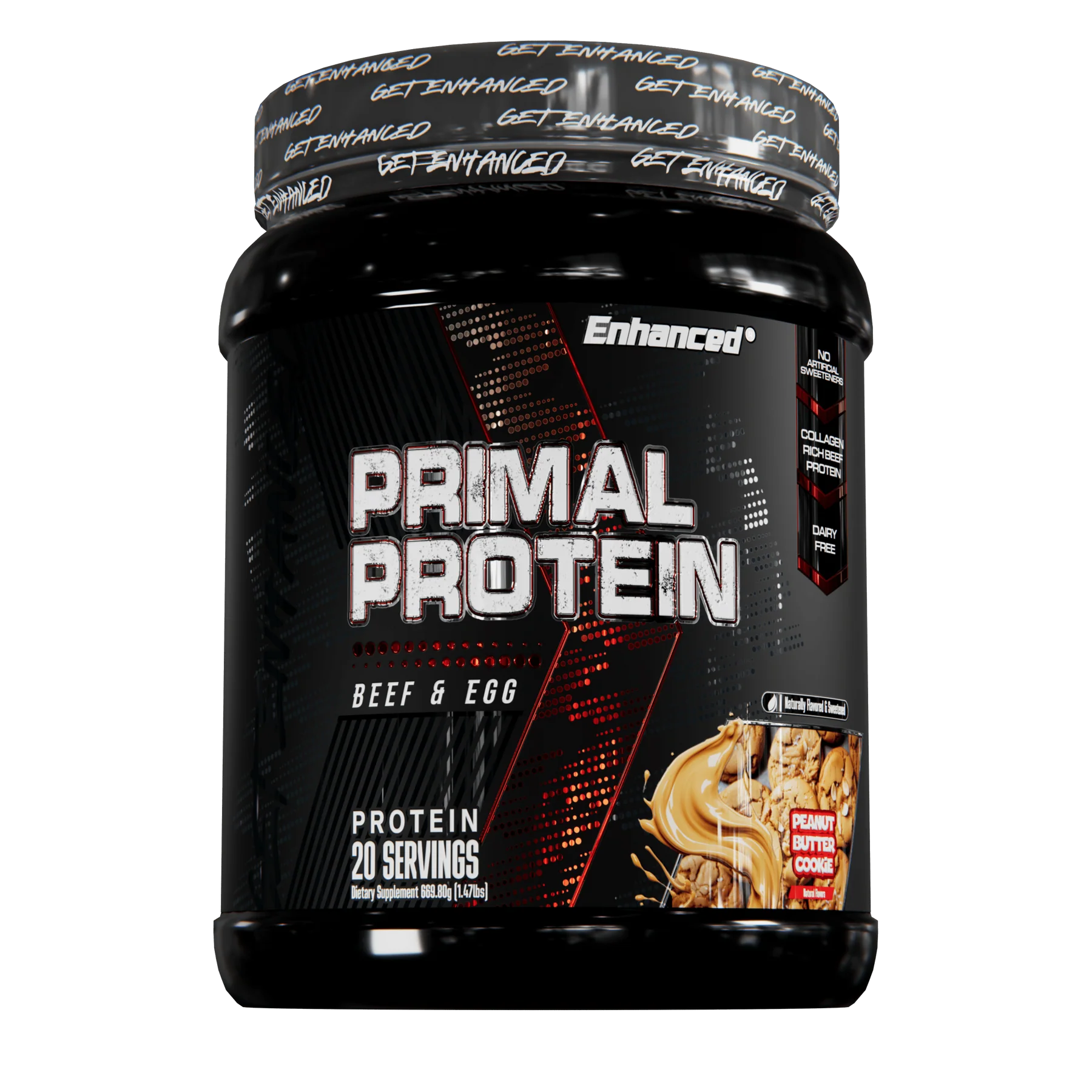
Primal Protein Overview
⭐ Top Benefits: Supports muscle growth, easy digestion, clean whole-food protein
💊 Form: Powder (20 servings)
⏱ Suggested Use: 1 scoop post-workout or anytime protein is needed
💲 Average Cost: $59.99
❤️ Side Effects: Very mild digestive sensitivity in some users (rare)
⚠️ Dangers: Contains eggs; not suitable for those with egg allergy
🔗 Best Stack: Creatine, L-Citrulline, IO Clear Whey (alternate use)
♂♀ Men/Women: Suitable for all athletes
Copy Brawn20 for 20% off
- Whole-food sourced (beef + egg)
- Lactose-free and easy to digest
- No sugar, low carbs, zero artificial fillers
- Higher price point than standard whey
- Stronger savory flavor profile than typical sweet proteins
- Limited serving size per container
Disclaimer: Always consult a qualified healthcare professional before using this supplement, especially if you have any medical conditions or are taking medications.
Recommended Dosage Table
| Product | Dosage 💊 | Administration 💉 | Timing ⌚ |
| Primal Protein | 1 scoop | Oral | Post-workout or between meals |
| Creatine Monohydrate | 5 grams | Oral(mixed in water or beverage) | Post-workout, preferred for muscle recovery |
| Citrulline Malate | 1-2 scoops daily | Oral | Pre-Workout |
Why Choose Dairy Free Protein?
Switching to dairy-free protein isn’t just about avoiding milk — it’s about choosing a cleaner, more compatible source of nutrition that supports performance, digestion, and overall wellness. Whether driven by health needs, ethical choices, or athletic goals, dairy-free protein offers multiple science-backed advantages that make it an excellent alternative to traditional whey and casein supplements.

Easier on Digestion
Many people experience bloating, gas, or stomach discomfort after consuming whey or casein because these proteins contain lactose, a milk sugar that can be difficult to digest. Dairy-free proteins, such as those made from peas, rice, or beef isolate, are naturally lactose-free and gentler on the gut. Their high digestibility ensures your body absorbs more amino acids efficiently, minimizing post-shake discomfort and heaviness.
Ideal for Lactose Intolerance and Dairy Sensitivity
Roughly 65–70% of the global population has some degree of lactose intolerance. For these individuals, even small amounts of dairy can lead to digestive upset or inflammation. Dairy-free protein provides similar muscle-building benefits without triggering adverse reactions, making it a safer, more inclusive option for a wider range of users.
Supports Clean and Sustainable Nutrition
Many dairy-free protein sources, especially plant-based ones like hemp, pea, and rice protein, are more environmentally sustainable than dairy-derived options. They require less water, land, and energy to produce, while also being free from hormones, antibiotics, and artificial additives often found in commercial dairy proteins. This makes them ideal for those who value eco-conscious and toxin-free nutrition.
Promotes Lean Muscle and Recovery
Modern formulations of dairy-free proteins are designed to match or even rival whey in terms of amino acid quality. Pea and soy proteins, for instance, are rich in BCAAs and essential amino acids that drive muscle repair, endurance, and strength gains. Studies have shown that with consistent intake and proper training, dairy-free protein users experience comparable improvements in lean muscle mass to those consuming whey.
Reduces Inflammation and Improves Gut Health
Some individuals find that dairy products contribute to low-grade inflammation or acne flare-ups due to sensitivities to milk proteins or hormones. Dairy-free protein sources are free from these triggers and are often enriched with natural antioxidants, fiber, and omega-3s that may support gut and skin health. This makes them a cleaner choice for long-term use.
Suitable for Various Diets and Lifestyles
Dairy-free protein fits seamlessly into vegan, paleo, keto, and lactose-free diets. With both plant-based and non-dairy animal options available, it offers flexibility for people with different nutritional philosophies and performance goals. It’s a versatile choice that works well for muscle building, weight management, or general health maintenance.
How To Choose The Right Dairy-Free Protein?
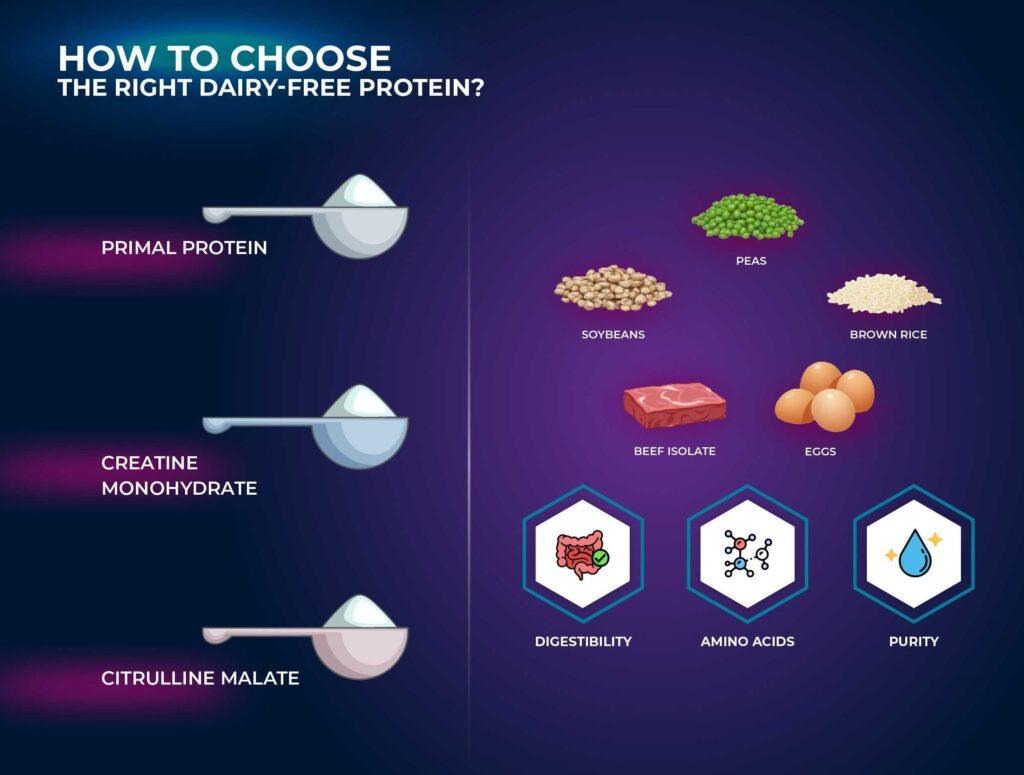
Selecting the right dairy-free protein depends on your goals, diet, and digestive comfort. Choose a supplement that’s clean, complete, and compatible with your body.
- Check the Source: Opt for pea, rice, hemp, or soy protein if you’re plant-based, or egg white and beef isolate if you prefer animal-based options.
- Amino Acid Profile: Look for complete proteins or blends that provide all essential amino acids and adequate BCAAs for muscle recovery.
- Digestibility: Pick options labeled easy to digest or low-allergen, and avoid those with artificial sweeteners or fillers.
- Additives and Purity: Choose products free from gluten and artificial flavors for cleaner nutrition, and avoid soy only if you have sensitivities.
Common Myths About Dairy-Free Protein?
Despite its growing popularity, dairy-free protein is still surrounded by misconceptions. Understanding the facts can help you make informed choices for muscle growth, recovery, and overall health. Let’s tackle each myth one by one to help you gain a clearer understanding.
Dairy-Free Protein Can’t Build Muscle
Many believe that only whey or casein can support muscle growth. Fact: Research shows that high-quality plant proteins (pea, soy, rice blends) and animal-based non-dairy proteins (egg white, beef isolate) provide all essential amino acids and BCAAs needed for muscle protein synthesis, making them just as effective for building lean muscle when consumed in adequate amounts.
It Tastes Chalky or Bad
Early plant protein powders often had a gritty texture or strong taste. Fact: Modern formulations use advanced processing and flavoring technology, producing smooth, mixable powders with enjoyable flavors that rival traditional whey shakes.
Plant Proteins Are Incomplete
Some assume all plant proteins lack essential amino acids. Fact: While certain single-source plant proteins may be low in one or two amino acids, blended formulas (e.g., pea + rice protein) provide a complete amino acid profile comparable to whey.
It’s Only for Vegans or Women
Dairy-free protein is often marketed toward vegans or female consumers. Fact: These proteins are effective for anyone, from athletes and bodybuilders to casual fitness enthusiasts, offering clean nutrition without the downsides of dairy.
It’s Less Effective Than Whey
Some think whey protein is always superior. Fact: Studies demonstrate that dairy-free proteins can match whey in promoting muscle growth and recovery when consumed in sufficient amounts, especially with BCAA-rich or complete protein blends.
Possible Drawbacks and Things to Watch Out For
While dairy-free protein is a safe and effective alternative to traditional whey, it’s important to be aware of certain considerations to ensure you get the best results:
- Incomplete Amino Acid Profile: Some single-source plant proteins, such as rice or hemp, may lack one or more essential amino acids. Combining proteins (e.g., pea + rice) helps create a complete profile for optimal muscle repair and growth.
- Digestive Sensitivity: Although dairy-free proteins are lactose-free, certain high-fiber plant proteins can cause mild bloating, gas, or stomach discomfort in sensitive individuals. Starting with smaller servings and gradually increasing intake can help.
- Additives and Fillers: Low-quality powders may include artificial sweeteners, flavors, or thickeners, which can compromise purity and sometimes cause digestive issues. Choosing clean, minimally processed products ensures better nutrient absorption and overall health.
- Lower Leucine Content: Some plant proteins naturally have lower leucine, a key amino acid for triggering muscle protein synthesis. This may require slightly higher servings or protein blends to match whey’s effectiveness for muscle building.
- Allergies and Sensitivities: Ingredients like soy, hemp, or nuts may trigger allergic reactions in susceptible individuals. Always check labels carefully if you have known allergies.
- Taste and Texture Variability: Some plant-based powders may have a gritty texture or earthy taste, though modern formulations have largely improved mixability and flavor.
Pro Tips for Safe Use
- Check the amino acid profile and protein content per serving.
- Start with smaller doses to assess digestive tolerance.
- Look for blended or high-quality sources for complete protein.
- Avoid products with excessive artificial additives or fillers.
Conclusion
Dairy-free protein offers a clean, effective, and versatile alternative to traditional whey and casein supplements. With options ranging from plant-based sources like pea, rice, and hemp to animal-based options like egg white and beef isolate, it provides all the essential amino acids your body needs for muscle growth, recovery, and overall wellness.
Choosing a high-quality dairy-free protein ensures optimal digestibility, minimal additives, and a strong amino acid profile, making it suitable for anyone, athletes, fitness enthusiasts, or health-conscious individuals, regardless of dietary preferences. By understanding the sources, benefits, and potential considerations, you can confidently incorporate dairy-free protein into your nutrition routine to fuel performance, support lean muscle, and maintain long-term health.
FAQs
Can dairy-free protein help build muscle like whey?
Yes, high-quality dairy-free proteins with complete amino acids and BCAAs support muscle growth and recovery similarly to whey.
Is dairy-free protein suitable for lactose-intolerant individuals?
Absolutely, all dairy-free proteins are lactose-free, making them gentle on digestion.
Which is better: plant-based or animal-based dairy-free protein?
Both are effective; plant-based blends provide complete amino acids, while egg or beef isolate offers high bioavailability and digestibility.
Can I use dairy-free protein for weight loss?
Yes, low-fat, low-sugar dairy-free proteins help maintain lean muscle while supporting calorie management.
Are dairy-free proteins safe for daily use?
Yes, when used within recommended servings, they are safe, nutritious, and well-tolerated for daily consumption.