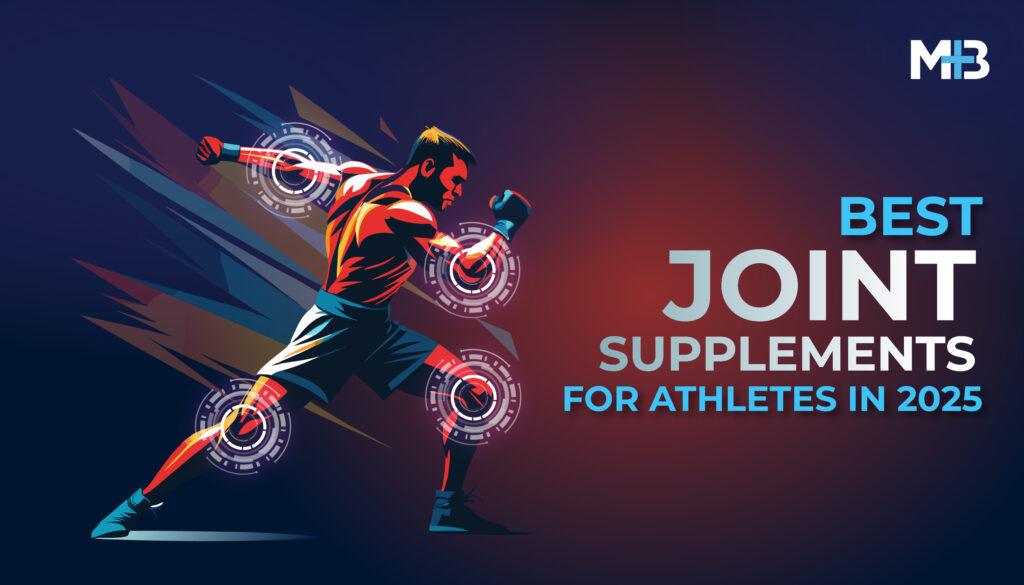
If you train hard, your joints pay the price. Heavy squats. Long runs. High-volume pressing. Years under the bar eventually add up. And while muscle recovers relatively quickly, cartilage and connective tissue don’t. That’s where joint supplements enter the conversation.
Joint supplements are designed to support joint health, improve mobility, and reduce discomfort caused by repetitive stress and intense training. They’re especially popular among strength athletes, bodybuilders, runners, and anyone logging serious mileage in the gym.
When you’re pushing progressive overload week after week, inflammation and wear can build up in the knees, shoulders, elbows, and hips. Over time, that stiffness or nagging ache can start limiting performance. The goal of joint support isn’t just pain relief, but longevity. The longer you can train hard without joint breakdown, the better your long-term results.
If you’re serious about lifting for the long haul, protecting your joints should be part of your strategy. Just like you wouldn’t neglect protein intake for muscle growth, you shouldn’t ignore connective tissue health if you plan to keep progressing year after year.
Key Takeaways
- Joint supplements may help support cartilage integrity and connective tissue resilience, which is critical for athletes training under heavy mechanical load. 🦴
- Ingredients like glucosamine, chondroitin, collagen, and omega-3 fatty acids target both structural support and inflammation management. 🔬
- Most evidence-based joint compounds work gradually, not instantly, requiring consistent use over several weeks. ⏳
- Quality, dosage, and formulation matter more than marketing claims when choosing a supplement. 📦
- Joint health supports long-term training consistency, and consistency is what ultimately drives strength and performance progress. 💪

Benefits of Joint Supplements
One of the primary benefits of joint supplements is their potential to reduce joint pain and inflammation. For athletes dealing with arthritis-related discomfort or general wear and tear, ingredients with anti-inflammatory properties may help ease stiffness and improve day-to-day comfort. Less inflammation often means better movement quality, which translates to stronger, safer lifts.
Joint supplements may also help protect cartilage and connective tissue. Cartilage doesn’t regenerate as quickly as muscle, so maintaining its integrity is crucial for long-term training. Supporting these tissues can help preserve joint cushioning and structural stability, especially for lifters logging years under the bar.
Some compounds commonly found in joint formulas, such as curcumin, offer antioxidant support in addition to inflammation management. Oxidative stress increases with intense training, and antioxidants may help mitigate some of that cellular strain. While supplements won’t replace smart programming and recovery, they can be part of a comprehensive strategy.
There’s also an indirect performance benefit. When joints feel stable and pain-free, athletes can train harder and with better range of motion. Healthy joints allow for deeper squats, stronger presses, and more efficient running mechanics. In that sense, joint health supports muscle growth and strength development by keeping training volume and intensity sustainable.
Finally, certain nutrients in joint supplements contribute to overall tissue resilience and energy metabolism. By supporting connective tissue strength and reducing chronic irritation, athletes may lower their risk of overuse injuries. Longevity in training is often less about dramatic breakthroughs and more about minimizing setbacks — and joint health plays a major role in that equation.
Key Ingredients and Types of Joint Supplements
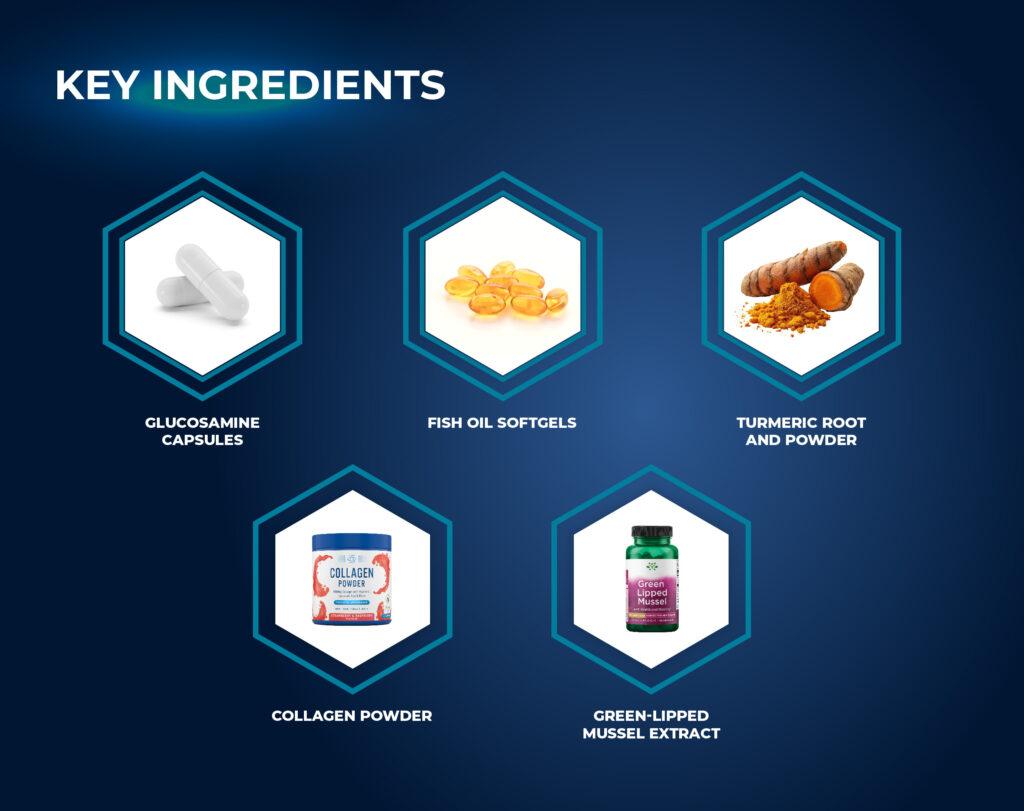
Most joint supplements revolve around a core group of research-backed compounds that target cartilage support, inflammation control, and connective tissue resilience. Understanding what these ingredients do — and how they’re packaged — helps you choose the right approach instead of blindly stacking capsules.
Glucosamine and Chondroitin: The Structural Foundation
Glucosamine sulfate remains one of the most widely used joint-support compounds. It naturally occurs in cartilage and connective tissue, making it biologically relevant for maintaining joint structure under heavy training loads. Athletes dealing with repetitive stress — squats, presses, long-distance mileage — often use glucosamine to support cartilage maintenance over time.
Chondroitin sulfate is frequently paired with glucosamine because it helps cartilage retain water and elasticity. That elasticity improves shock absorption, which matters when joints are absorbing thousands of pounds of cumulative load each week.
You’ll typically see these two combined in traditional joint formulas. The goal isn’t instant pain relief — it’s structural support and long-term durability.
Anti-Inflammatory Support: Turmeric and Omega-3s
While glucosamine and chondroitin focus on cartilage structure, compounds like turmeric (curcumin) and omega-3 fatty acids focus on inflammation control.
Curcumin is known for its anti-inflammatory and antioxidant properties. For lifters dealing with joint stiffness from heavy volume, it may help support a healthier inflammatory response without leaning on NSAIDs.
Omega-3 fatty acids, usually from fish oil, work systemically. Chronic low-grade inflammation affects recovery, joint comfort, and even long-term mobility. Adequate omega-3 intake supports not just joint health but cardiovascular and overall performance resilience.
These ingredients are often included in combination formulas designed to address both structural stress and inflammatory load.
Collagen and Connective Tissue Support
Undenatured type II collagen has gained attention for its potential role in connective tissue health. Unlike general collagen powders used for skin or hair support, this specific form is studied for joint comfort and cartilage integrity.
It’s commonly used as a standalone supplement or included in more modern joint stacks aimed at connective tissue resilience.
Specialty Extracts: Green-Lipped Mussel
Green-lipped mussel extract is another ingredient appearing in joint formulas. Sourced from New Zealand shellfish, it contains unique omega-3 fractions and bioactive compounds studied for their anti-inflammatory properties.
It’s often used in more comprehensive or “premium” joint blends targeting both pain reduction and mobility support.
Combination vs Single-Ingredient Formulas
At this point, the difference comes down to strategy.
Combination formulas bundle structural compounds (like glucosamine and collagen) with anti-inflammatory agents (like turmeric and omega-3s). The goal is broader coverage — supporting cartilage, connective tissue, and inflammation at once.
Single-ingredient supplements, on the other hand, allow for precision. If your primary issue is inflammation, you may choose curcumin alone. If you’re focused on cartilage maintenance, glucosamine hydrochloride might be enough.
Neither approach is universally superior. The right choice depends on training volume, injury history, recovery capacity, and overall joint stress.
Best Joint Supplements for Athletes
When it comes to maintaining peak performance, strong and flexible joints are just as important as muscle strength or endurance. For athletes who constantly push their bodies to the limit, the wear and tear on joints can lead to stiffness, discomfort, or even long-term injuries if not properly supported. This is where the right joint supplements come in; they provide essential nutrients that help protect cartilage, reduce inflammation, and speed up recovery after intense training. Below, we’ll explore some of the best joint supplements for athletes that are backed by science and trusted by professionals to enhance mobility, resilience, and overall joint health.
Joint Guard
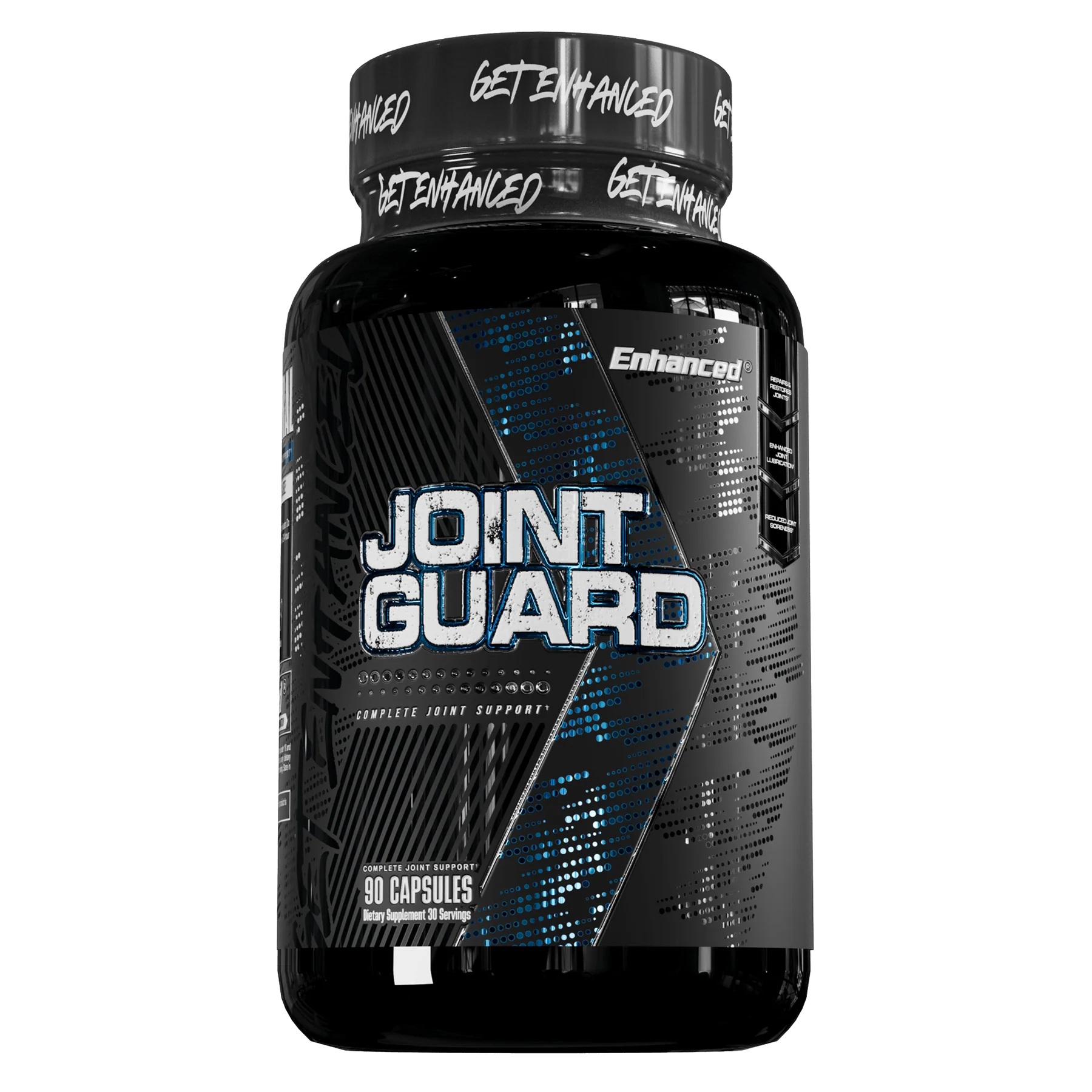
Enhanced Labs Joint Guard is a comprehensive joint health formula built for athletes, lifters, and high-performance individuals. It combines clinically backed ingredients that promote joint strength, flexibility, and cartilage protectionto keep your body performing at its peak.
Each serving delivers a synergistic blend of Glucosamine, Chondroitin, MSM, and Hyaluronic Acid—compounds shown to reduce inflammation, enhance collagen production, and restore synovial fluid elasticity. Together, they help improve joint mobility, cushion connective tissues, and support long-term joint resilience.
Manufactured in an FDA-inspected facility, Joint Guard is third-party tested for quality and purity. Designed to keep your body mobile and pain-free, it’s the perfect daily support for athletes pushing their limits.
Disclaimer: Joint Guard is a dietary supplement. This information is educational only and not medical advice
Joint Guard Overview
⭐ Top Benefits: Reduces joint pain, supports cartilage repair, enhances flexibility
💊 Form: Capsules (60 count)
⏱ Suggested Use: 2 capsules daily with food
💲 Average Cost: $28.99
❤️ Side Effects: Mild digestive discomfort (rare)
⚠️ Dangers: Not recommended for those allergic to shellfish (Glucosamine source)
🔗 Best Stack: Omega-3s, Collagen Peptides, Curcumin
♂♀ Men/Women: Suitable for both athletes and everyday users
Copy Brawn10 for 10% off
- Combines four proven joint-support ingredients
- Reduces inflammation and enhances flexibility
- Manufactured in FDA-inspected facility
- Contains shellfish-derived ingredients (Glucosamine)
- Requires consistent daily use for results
- Not a substitute for medical joint treatment
D3 + K2 (MK-7)
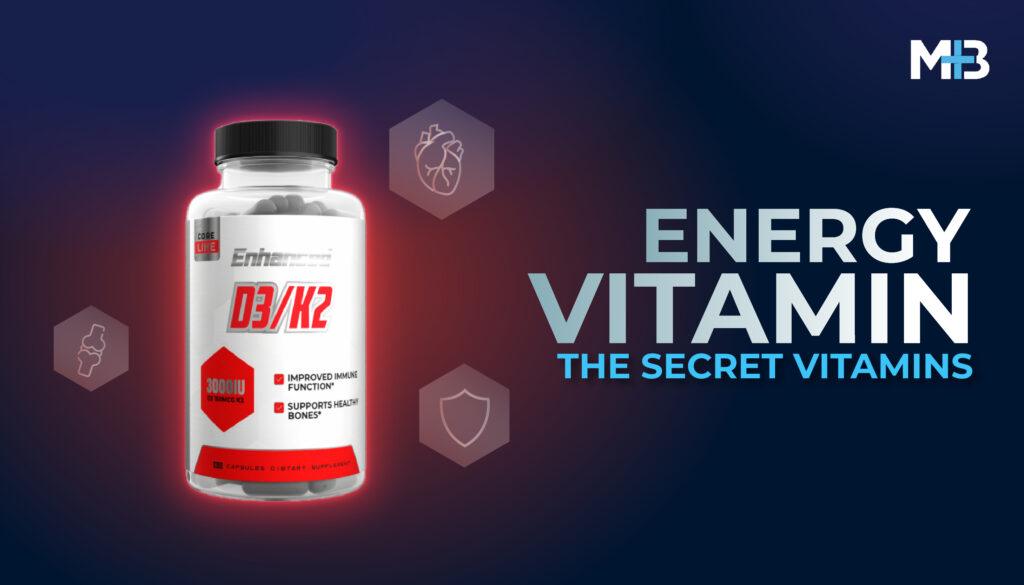
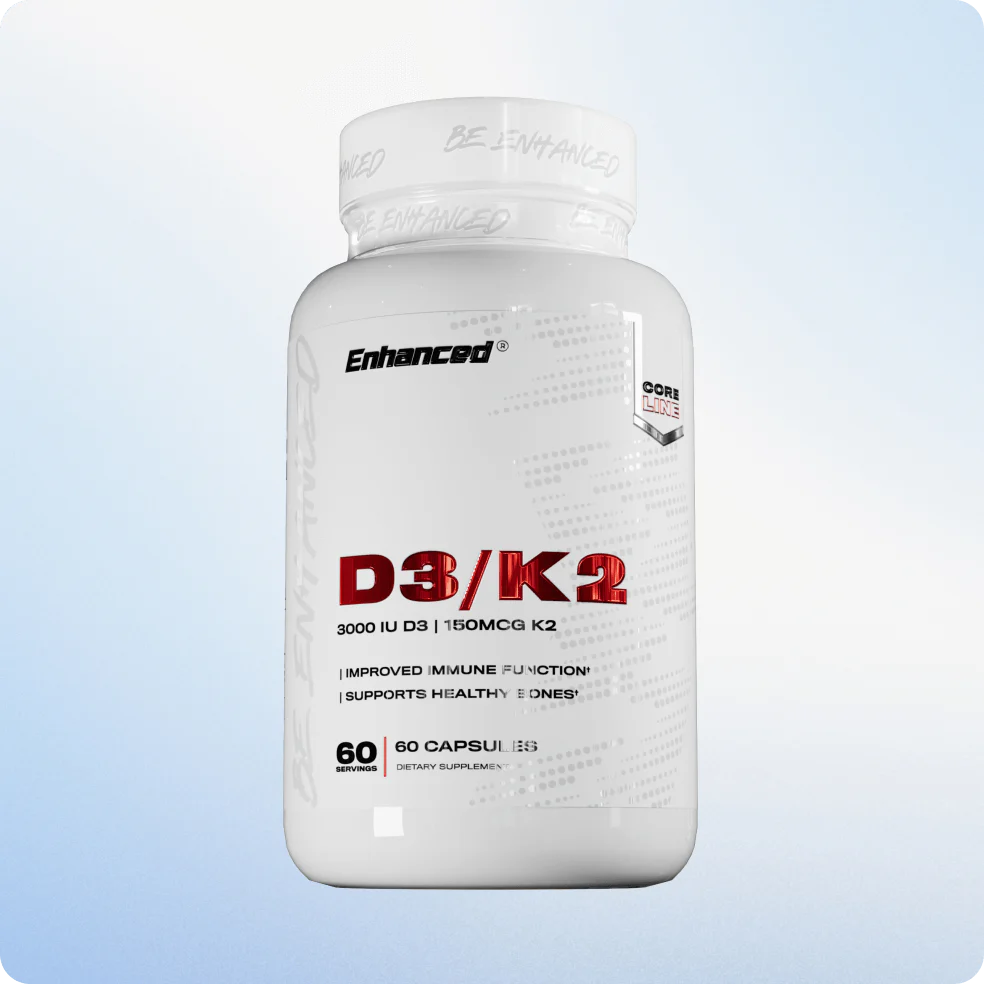
Enhanced Labs D3 + K2 (MK-7) is a dual-action vitamin complex formulated to support bone density, cardiovascular health, and immune function. This synergistic blend pairs Vitamin D3 (Cholecalciferol)—the “sunshine vitamin”—with Vitamin K2 (MK-7) to ensure optimal calcium absorption and proper utilization throughout the body.
While Vitamin D3 enhances calcium uptake, Vitamin K2 directs that calcium into bones and teeth instead of arteries—helping maintain strong bones and a healthy cardiovascular system. Together, they also contribute to hormonal balance, brain function, and immune resilience, making this formula ideal for year-round wellness.
Manufactured in an FDA-inspected facility, Enhanced Labs ensures every capsule meets the highest purity, potency, and quality standards.
Disclaimer: D3 + K2 (MK-7) is a dietary supplement. This information is educational only and not medical advice.
D3 + K2 (MK-7) Overview
⭐ Top Benefits: Supports bone strength, boosts immune defense, promotes calcium balance
💊 Form: Capsules (90 count)
⏱ Suggested Use: 1 capsule daily with food
💲 Average Cost: $19.99
❤️ Side Effects: Mild nausea or stomach upset (rare)
⚠️ Dangers: Excessive Vitamin D intake may raise calcium levels—use as directed
🔗 Best Stack: Omega-3s, Magnesium, Zinc
♂♀ Men/Women: Suitable for both
Copy Brawn10 for 10% off
- Combines D3 and K2 for superior calcium utilization
- Supports bone, immune, and cardiovascular health
- Manufactured in FDA-inspected facility
- May cause mild stomach upset if taken on an empty stomach
- Should not be combined with high-dose standalone D supplements
BPC-157
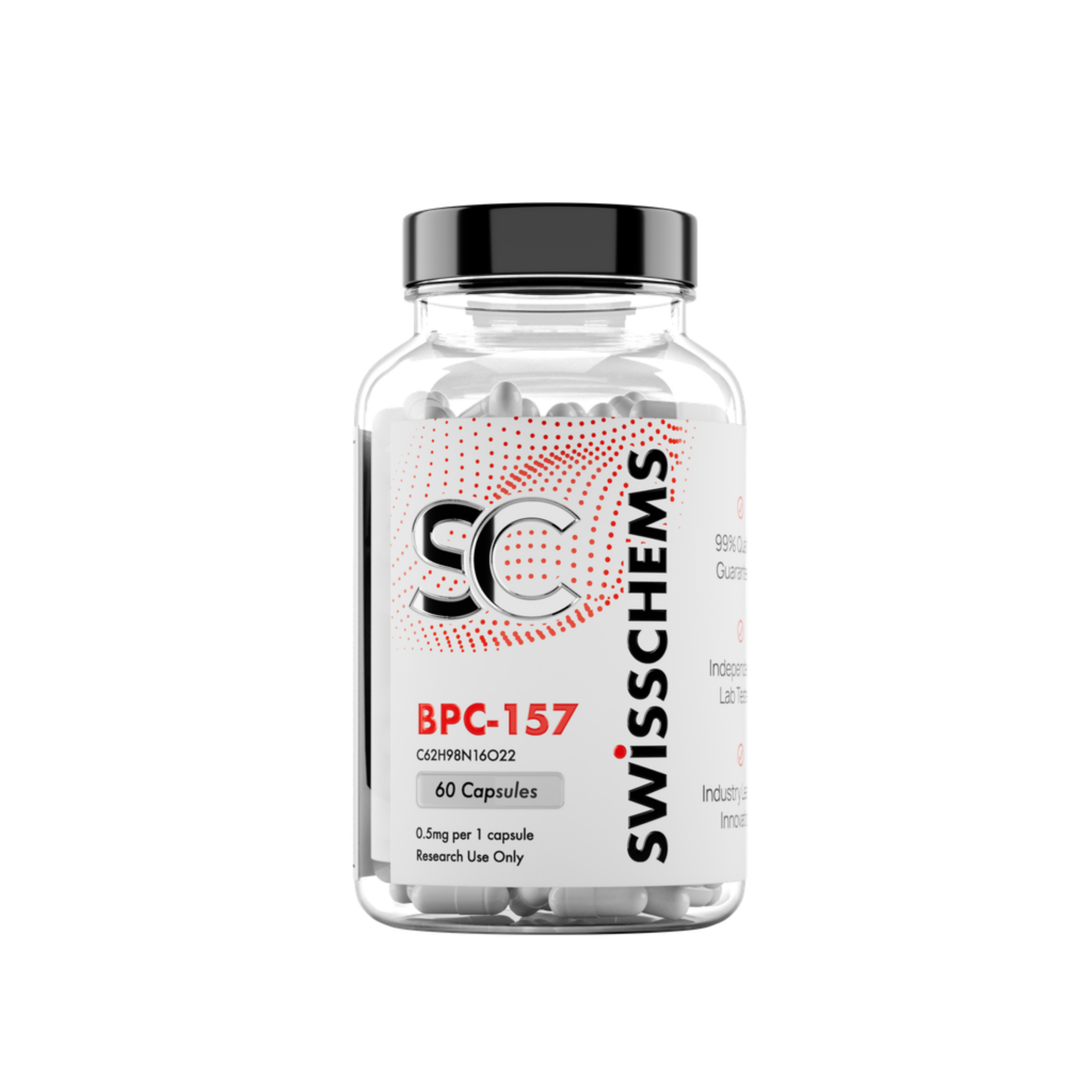
BPC-157 (short for “Body Protection Compound-157”) is a synthetic peptide made up of 15 amino acids. It doesn’t occur naturally in the body but is derived from a partial sequence found in human gastric juices.
The peptide is best known for its regenerative and healing potential. It supports recovery by promoting angiogenesis (the growth of new blood vessels) through activation of the vascular endothelial growth factor (VEGF). This helps build a stronger vascular network, which is essential for repairing muscle, tendons, and connective tissue.
BPC-157 also works by inhibiting 4-hydroxynonenal, a compound that slows tissue growth and healing. By blocking this negative factor, BPC-157 accelerates wound repair, particularly around tendons and soft tissue.
Many users run BPC-157 for injury recovery, gut health, and overall healing support. It’s available in different forms, most commonly as an injectable or nasal spray.
Disclaimer: This content is for informational purposes only. BPC-157 is not intended to diagnose, treat, cure, or prevent any disease. Always consult a healthcare professional before adding new supplements to your regimen.
BPC-157 Overview
⭐ Top Benefits: Recovery from injury, tendon/ligament repair
🧪 Form: Injectable liquid, nasal spray, capsules
⌛ Max Time Used: Up to 14 weeks
💰 Average Cost: $39.99 per 5mg vial
❤️🩹 Side Effects: Possible abdominal pain, injection site irritation
📚 Best Peptide Stack: Often paired with TB-500, HGH, or IGF-1
Copy Brawn10 for 10% off
- Supports faster recovery from injuries and tendon damage
- May improve gastric function and gut health
- Strong regenerative effects through angiogenesis
- Can cause abdominal discomfort in some users
- Injection site pain is a common complaint
- Limited long-term human research available
TB-500
TB-500 is a synthetic peptide fragment of Thymosin Beta-4, a naturally occurring protein found in almost all human and animal cells. It plays a key role in cell migration, blood vessel formation, and tissue regeneration, making it a valuable compound for recovery-focused research.
Unlike anabolic agents that stimulate muscle growth through hormonal pathways, TB-500 works on a cellular level by improving healing speed, flexibility, and recovery from soft tissue injuries. Researchers often explore its effects on muscle repair, inflammation reduction, and cardiovascular protection.
This peptide is widely recognized for promoting faster wound healing, increased endurance recovery, and enhanced circulation to damaged areas. Its ability to regulate actin, a critical component of cell structure and movement, makes it uniquely suited for studies involving injury recovery and tissue remodeling.
TB-500 is often studied alongside BPC-157 for synergistic regenerative effects, with both compounds showing complementary benefits for muscle, tendon, and ligament repair. It is typically administered via subcutaneous or intramuscular injection in a research setting.
Disclaimer: This content is for informational purposes only. TB-500 has not been approved for medical use by the FDA or other regulatory agencies. Always consult a qualified professional before handling or researching peptides.
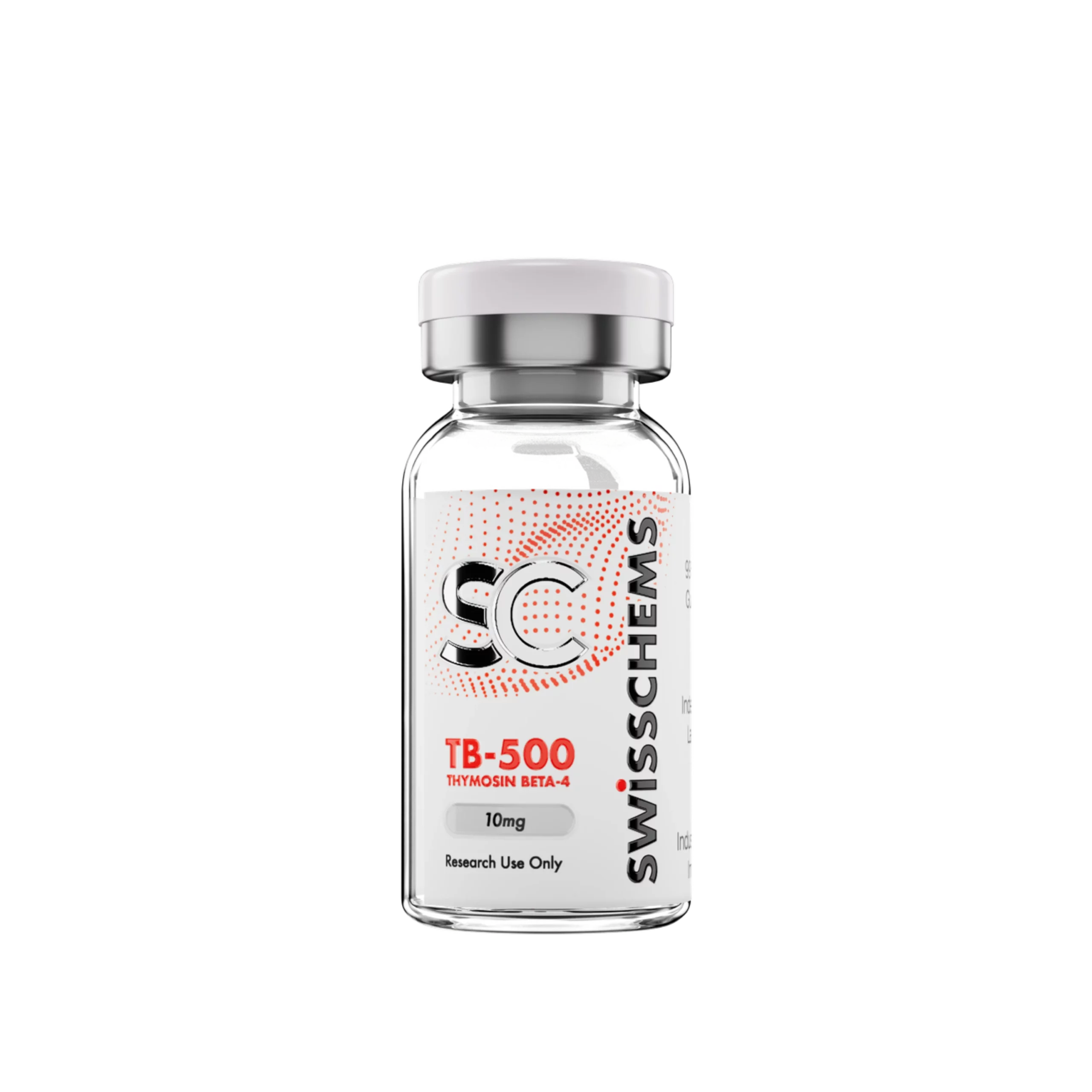
TB-500 Overview
⭐ Top Benefits: Accelerated tissue repair, reduced inflammation, enhanced recovery, improved flexibility
🧪 Form: Injectable peptide (vial)
⌛ Max Time Used: Commonly 4–6 weeks (research context; limited long-term data)
💰 Average Cost: $42.36 per 10-mg vial
❤️🩹 Side Effects: Possible fatigue, mild lethargy, temporary injection site redness or irritation
📚 Best Peptide Stack: Often paired with BPC-157, GHK-Cu, or CJC-1295 for advanced regenerative research
Copy Brawn10 for 10% off
- Promotes cellular regeneration and tissue repair
- Reduces inflammation and enhances flexibility
- Supports healing of muscles, tendons, and ligaments
- Limited human research and not approved for medical use
- May cause mild fatigue or injection site irritation
- Short research duration limits understanding of long-term effects
Disclaimer: This information is for educational purposes only and is not a substitute for medical advice. Always consult a qualified healthcare professional before starting any new supplement, especially if you have pre-existing health conditions or are taking medication.
Recommended Dosage Table
| Product | Dosage 💊 | Administration 💉 | Timing ⌚ |
| Joint Guard | 4 Capsules daily | Oral | 20-30 minutes before a meal |
| Vitamin D3 + K2 | 1 capsule | Oral | With a meal |
| BPC-157 | Not FDA-approved; human dosing not established | – | – |
| TB-500 | Not FDA-approved; human dosing not established | – | – |
How To Choose the Right Joint Supplement?
With so many products on the market, finding the right joint supplement can be overwhelming, especially for athletes who demand proven results, safety, and performance support. The key lies in understanding what makes a supplement effective, trustworthy, and suitable for your individual training needs. Below are some essential factors to consider before making your choice.

Look for Clinically Proven Ingredients
Not all supplements are created equal. Prioritize products that include science-backed ingredients such as glucosamine, chondroitin, collagen (Type II), MSM, turmeric (curcumin), omega-3 fatty acids, and Boswellia Serrata. These compounds have been extensively researched for their ability to support cartilage repair, reduce inflammation, and enhance joint mobility.
Check for Clinical Dosages and Transparency
A high-quality joint supplement clearly lists clinically effective dosages of each ingredient, not just proprietary blends that hide quantities. This transparency ensures that you’re getting enough of each nutrient to see real results. Avoid formulas that rely heavily on fillers or underdosed ingredients.
Ensure Quality and Third-Party Testing
Athletes should always choose supplements that are third-party tested for purity, potency, and safety. Look for certifications such as NSF Certified for Sport or Informed Choice, which verify that the product is free from banned substances and contaminants. This is crucial for professional and competitive athletes subject to anti-doping regulations.
Consider Your Specific Athletic Needs
Different sports place different demands on the joints.
- Runners and cyclists may benefit more from supplements targeting cartilage repair and joint lubrication.
- Weightlifters might prioritize collagen and MSM for connective tissue resilience.
- Team sport athletes could opt for anti-inflammatory ingredients like turmeric or omega-3s to support recovery between sessions.
Evaluate Absorption and Bioavailability
Even the best ingredients won’t help if your body can’t absorb them efficiently. Look for formulations that enhance bioavailability — such as curcumin paired with black pepper extract (piperine) or collagen combined with vitamin C for improved synthesis.
Consistency and Realistic Expectations
Joint supplements are not instant fixes. Most require consistent use for 4–8 weeks before noticeable improvements occur. The best results come from combining supplementation with proper nutrition, hydration, mobility work, and recovery practices.
Side Effects of Joint Supplements
While joint supplements are generally considered safe for most athletes when taken as directed, it’s important to be aware of potential side effects and interactions. Everybody responds differently to supplementation, and certain ingredients may cause mild discomfort or reactions — especially if taken in excessive doses or combined with other medications. Understanding these risks helps athletes make informed, responsible choices for their health and performance.
Mild Digestive Upset
Some common joint-support ingredients, such as glucosamine, chondroitin, or MSM, can occasionally cause stomach discomfort, bloating, or gas. These effects are typically mild and temporary. Taking supplements with meals or splitting the dosage throughout the day can help minimize irritation.
Allergic Reactions
Certain joint supplements, particularly those derived from shellfish (glucosamine), can trigger allergic reactions in sensitive individuals. Symptoms may include itching, swelling, or difficulty breathing. Athletes with shellfish allergies should always opt for vegetarian or synthetic glucosamine alternatives.
Blood-Thinning Effects
Ingredients like omega-3 fatty acids and turmeric (curcumin) have natural anti-inflammatory properties, but they can also thin the blood. When taken in high doses or alongside anticoagulant medications, they may increase the risk of bruising or bleeding. Consulting a healthcare professional before combining these supplements with medication is highly recommended.
Blood Sugar Fluctuations
Glucosamine has been associated, in rare cases, with slight changes in insulin sensitivity or blood sugar levels. While this effect is minimal for most athletes, those with diabetes or insulin resistance should monitor their glucose levels closely when starting a new supplement regimen.
Interactions with Medications
Certain joint-support ingredients may interact with prescription drugs such as NSAIDs, blood thinners, or diabetes medications. To ensure safety, athletes should always discuss new supplements with their doctor or sports nutritionist before adding them.
Natural Ways to Support Joint Health Alongside Supplements
While supplements can play a valuable role in maintaining strong and flexible joints, true joint health comes from a holistic approach that combines nutrition, movement, recovery, and lifestyle habits. By integrating natural strategies into your routine, you can enhance the effectiveness of your supplements, reduce inflammation, and protect your joints for long-term performance and mobility.
Prioritize a Joint-Friendly Diet
Nutrition is the foundation of healthy joints. Focus on anti-inflammatory, nutrient-dense foods such as:
- Fatty fish (salmon, sardines, mackerel) for omega-3 fatty acids
- Colorful fruits and vegetables for antioxidants and vitamin C (important for collagen synthesis)
- Nuts, seeds, and olive oil for healthy fats
- Lean proteins for muscle repair and joint stability
- Limiting processed foods, refined sugars, and trans fats can further help reduce inflammation and joint stiffness.
Maintain an Optimal Weight
Excess body weight places additional stress on the knees, hips, and ankles — the joints most vulnerable to injury. Maintaining a healthy weight through balanced nutrition and consistent exercise reduces strain, improves mobility, and enhances athletic endurance.
Incorporate Strength and Mobility Training
Strong muscles act as shock absorbers for the joints. Integrating strength training, mobility work, and stability exercises can help protect joints from impact and overuse. Focus on proper form and balanced muscle development to prevent imbalances that often lead to joint pain or injury.
Stay Hydrated
Water is essential for joint lubrication and nutrient transport. Dehydration can reduce the elasticity of cartilage and synovial fluid, leading to friction and discomfort. Aim for consistent hydration throughout the day, especially during and after workouts.
Prioritize Rest and Recovery
Joints need time to repair and adapt after intense activity. Incorporate rest days, adequate sleep, and low-impact recovery activities (like swimming, yoga, or cycling) into your weekly routine to allow tissues to recover and strengthen naturally.
Conclusion
For athletes, joint health is the cornerstone of sustained performance and longevity in any sport. Continuous training, high-impact movements, and repetitive strain can take a toll on the joints, but with the right combination of science-backed supplements, balanced nutrition, and proper recovery, it’s possible to maintain strength, flexibility, and pain-free mobility for years to come. The best joint supplements for athletes don’t just relieve discomfort; they nourish, protect, and rebuild the very structures that support every movement.
Ultimately, caring for your joints is an investment in your athletic future. By choosing high-quality, clinically tested supplements and pairing them with healthy lifestyle habits, you can stay ahead of wear and tear, perform at your peak, and ensure your body remains as resilient as your spirit. Your joints carry your performance — give them the care they deserve.
FAQs
Do joint supplements really work for athletes?
Yes, when taken consistently, clinically proven ingredients like glucosamine, collagen, and MSM can help reduce pain and improve mobility.
How long does it take to see results from joint supplements?
Most athletes notice improvement within 4 to 8 weeks of consistent use.
Can I take multiple joint supplements together?
Yes, as long as they don’t overlap ingredients excessively — combining collagen, omega-3s, and turmeric is generally safe and effective.
Are joint supplements safe for long-term use?
Absolutely, high-quality, third-party-tested supplements are safe for continuous use and can support long-term joint health.
What’s the best joint supplement for runners and gym athletes?
Look for formulas with collagen, MSM, and turmeric, as they help with impact recovery, flexibility, and inflammation control.