Maintaining optimal nutrition is challenging in today’s fast-paced world. Between long work hours, travel, and irregular schedules, getting adequate protein from traditional meals can be difficult. Protein pills have emerged as a practical, convenient solution to this problem. These compact supplements offer an easy way to meet daily protein requirements without the need for preparation or cooking, making them a popular choice among fitness enthusiasts, busy professionals, and health-conscious individuals alike.
In addition to convenience, protein pills provide essential amino acids, support muscle recovery, and can even enhance overall wellness when incorporated into a balanced diet. This article explores everything you need to know about protein pills, from how they work and the different types available, to their benefits, potential side effects, and guidance on who should consider using them!
Key Takeaways
- Protein pills offer a quick and convenient way to meet daily protein requirements 🍽️
- They are available in various types, catering to different dietary needs 💊
- Protein pills can support muscle growth, recovery, and overall health 💪
- They are suitable for busy lifestyles where traditional protein sources are impractical ⏱️
- Awareness of dosage and potential side effects ensures safe and effective use ⚠️

What are Protein Pills?
Protein pills are compact, concentrated supplements designed to deliver protein in a convenient, easy-to-swallow format. Unlike powders or shakes, which require mixing or preparation, protein pills can be taken anytime, anywhere, making them ideal for individuals with hectic schedules.
Most protein pills contain high-quality protein sources such as whey, casein, soy, or collagen. They may also include added vitamins and minerals to enhance absorption and promote overall health. While they are not intended to replace whole meals, protein pills serve as a supplementary source of protein, helping users reach their daily intake goals with minimal effort.
How Do Protein Pills Work in the Body?
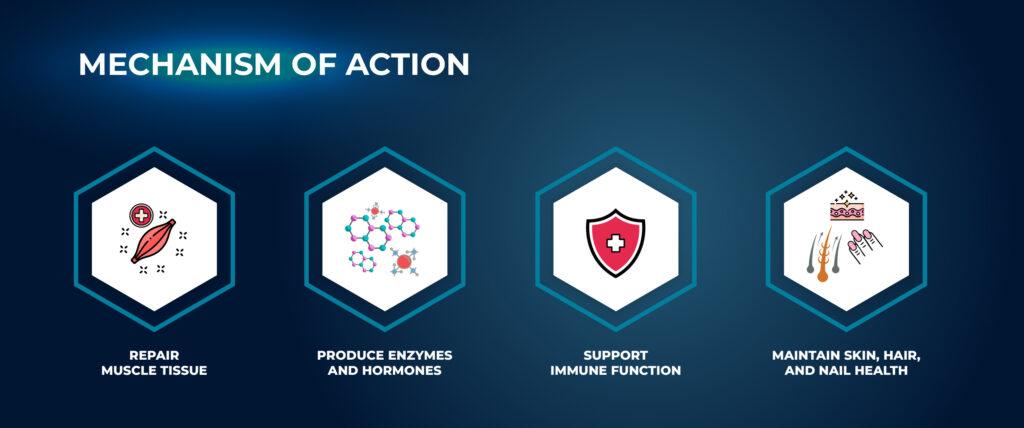
When ingested, protein pills are broken down by digestive enzymes into amino acids, the building blocks of protein. These amino acids are absorbed into the bloodstream and utilized by the body to:
- Build and repair muscle tissue
- Produce enzymes and hormones
- Support immune function
- Maintain skin, hair, and nail health
Regular intake of protein pills, particularly after workouts, can accelerate muscle recovery and reduce soreness, while also contributing to overall metabolic efficiency. For individuals who struggle to consume enough protein from whole foods, pills provide a reliable and controlled source of amino acids to meet nutritional needs.
Types of Protein Pills
Protein pills are available in multiple formulations, each with distinct properties, benefits, and absorption rates. Choosing the right type depends on individual goals, dietary preferences, and digestive tolerance.
Whey Protein Pills
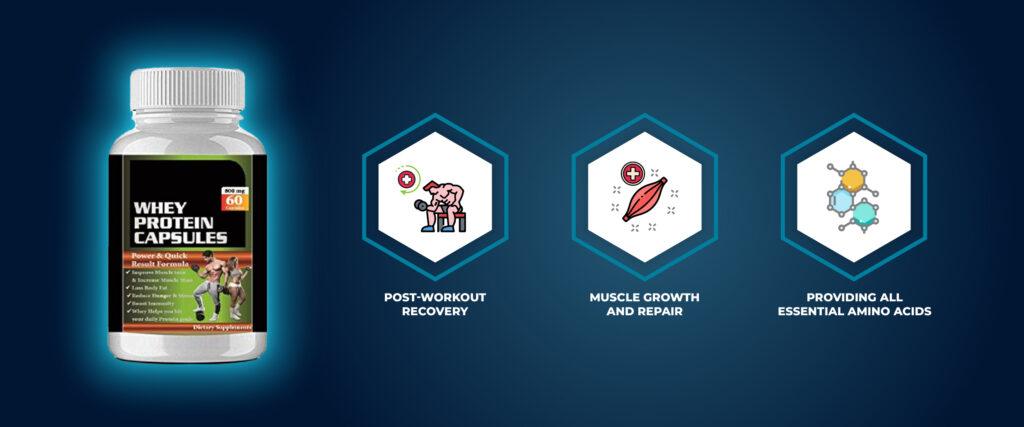
Whey protein is derived from milk and is known for its high bioavailability, meaning it is easily absorbed by the body. Whey protein pills are ideal for:
- Post-workout recovery
- Muscle growth and repair
- Providing all essential amino acids
They are particularly effective for individuals who want rapid absorption to support muscle protein synthesis immediately after exercise.
Casein Protein Pills
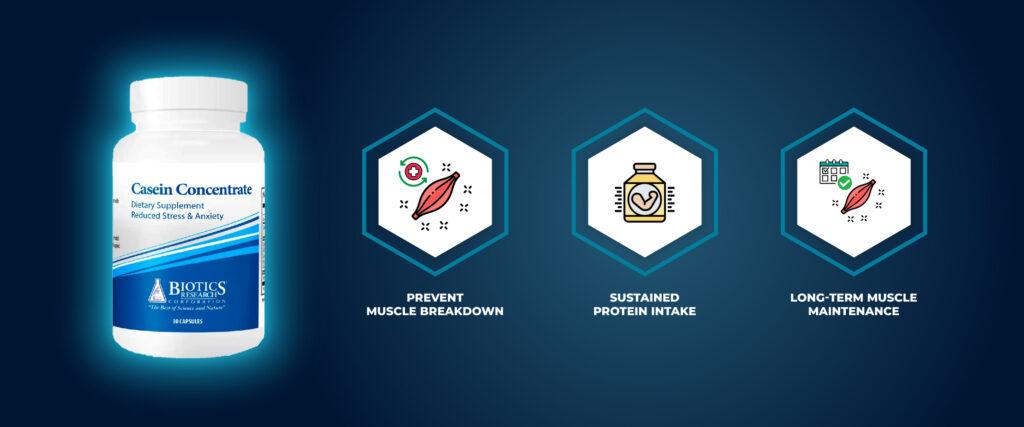
Casein is another milk-derived protein, but it digests slowly, providing a steady release of amino acids over several hours. This makes casein pills suitable for:
- Nighttime supplementation to prevent muscle breakdown
- Sustained protein intake between meals
- Supporting long-term muscle maintenance
The slow digestion rate of casein makes it a popular choice for individuals aiming to reduce catabolism during sleep or fasting periods.
Plant-Based Protein Pills
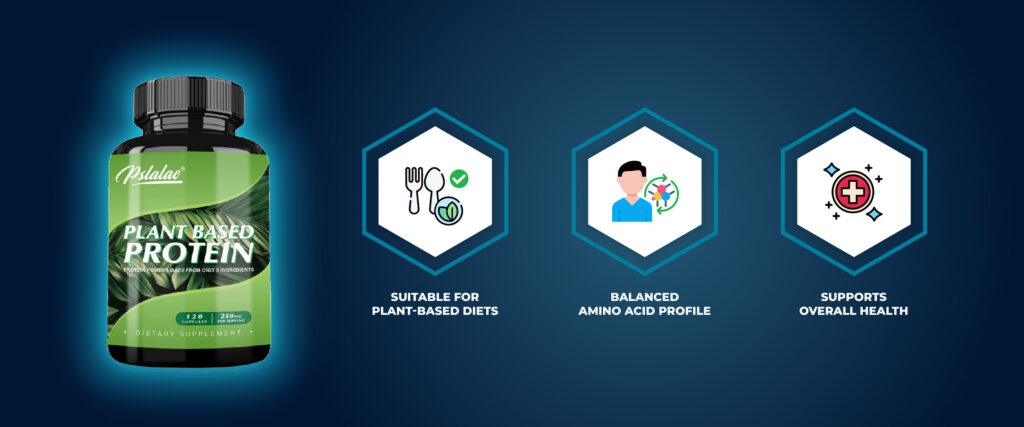
For vegans or individuals with lactose intolerance, plant-based protein pills are an excellent option. Common sources include pea, rice, hemp, and soy protein. Benefits include:
- Suitable for plant-based diets
- Provides a balanced amino acid profile
- Supports overall health without dairy-related digestive issues
Plant-based pills are ideal for those seeking natural, allergen-friendly protein sources while still achieving adequate intake.
Collagen Protein Pills

Collagen protein pills focus on joint, skin, and bone health, supplying amino acids such as glycine, proline, and hydroxyproline. Benefits include:
- Supporting skin elasticity and hydration
- Strengthening hair and nails
- Promoting joint and bone health
Collagen pills are often used alongside other protein sources to target connective tissue health and anti-aging benefits.
Specialty Blends
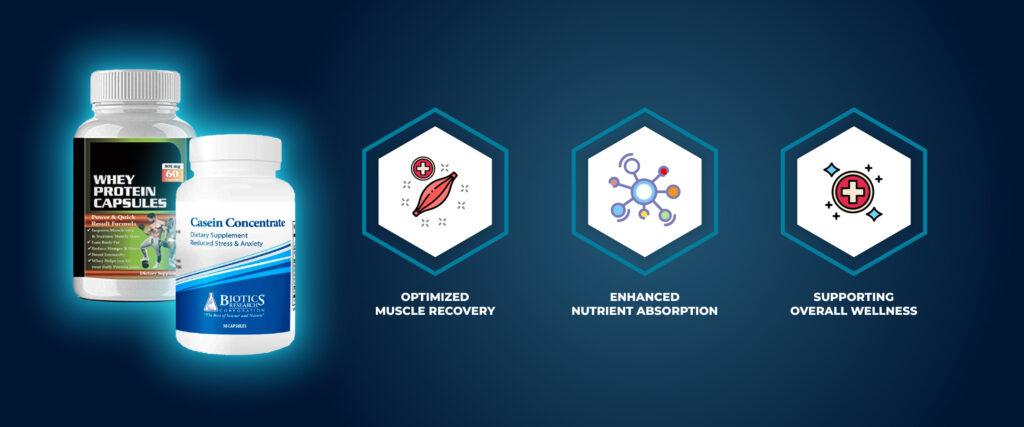
Some protein pills combine multiple sources, such as whey and casein, or include added BCAAs, vitamins, and minerals. These blends are designed for:
- Optimized muscle recovery
- Enhanced nutrient absorption
- Supporting both energy and overall wellness
These all-in-one formulations are convenient for those who want a broader nutritional profile in a single supplement.
Benefits of Taking Protein Pills
Protein pills provide a simple, effective way to meet protein requirements, with multiple health and performance benefits.

Convenient and Time-Saving
One major advantage of protein pills is convenience. They offer a quick, easy way to meet daily protein needs without preparing meals or shakes, making them ideal for busy professionals, travelers, and students.
Supports Muscle Growth and Recovery
Protein is essential for repairing and building muscle tissue. For those engaged in workouts or strength training, protein pills supply essential amino acids that help reduce muscle soreness, enhance recovery, and promote lean muscle development.
Helps Meet Daily Protein Requirements
Many people struggle to consume enough protein through diet alone. Protein pills offer a reliable way to supplement dietary intake, ensuring the body gets sufficient protein to maintain energy levels, immunity, and overall health.
May Aid Weight Management
High-protein intake can promote satiety, helping reduce unnecessary snacking and supporting weight management. Protein pills can be a practical addition to a balanced diet for those aiming to control calorie intake while maintaining nutritional adequacy.
Portable and Easy to Store
Unlike protein powders or shakes, protein pills are compact, require no refrigeration, and can be carried anywhere. This portability ensures that you can maintain your nutritional routine even during travel or busy days.
Provides Essential Amino Acids
Protein pills contain amino acids, the building blocks of proteins, which are crucial for various bodily functions, including tissue repair, hormone production, and enzyme function. They help fill gaps in nutrition that might occur from a limited or unbalanced diet.
Who Should Take Protein Pills?
Protein pills can be a convenient and effective way to supplement your diet, but they are not necessarily for everyone. Understanding who can benefit most from these supplements will help you make informed choices about incorporating them into your daily routine.

Busy Professionals and Travelers
Individuals with demanding schedules often struggle to consume balanced meals consistently. Protein pills offer a quick and portable option to ensure that their protein intake does not fall short, even during hectic workdays or long trips. They eliminate the need for meal prep, cooking, or carrying bulky protein shakes.
Fitness Enthusiasts and Athletes
For those engaged in regular exercise, strength training, or athletic activities, protein is essential for muscle repair, recovery, and growth. Protein pills can complement meals or shakes, especially when post-workout nutrition is needed immediately but a full meal is not accessible.
People With Dietary Restrictions
Individuals following vegetarian, vegan, or other restrictive diets may find it challenging to meet their daily protein requirements through food alone. Protein pills can help bridge this gap, providing essential amino acids that might otherwise be lacking.
Older Adults
As we age, the body’s ability to synthesize protein efficiently can decline. Older adults may benefit from protein supplements to maintain muscle mass, support bone health, and improve overall wellness, particularly if they struggle with appetite or have difficulty chewing protein-rich foods.
Anyone Looking to Improve Overall Nutrition
Even if you are generally healthy, protein pills can serve as a convenient nutritional backup to ensure your diet consistently meets recommended protein intake, supporting energy levels, immune function, and overall well-being.
Potential Side Effects
While protein pills are generally considered safe for most individuals when taken as directed, overconsumption or certain health conditions can lead to side effects. Being aware of these potential risks ensures safe and responsible use.
Digestive Issues
Some people may experience bloating, gas, or stomach discomfort when taking protein pills, especially if consumed in large quantities. This is often due to the body adjusting to concentrated protein or specific ingredients in the supplement.
Kidney Strain
Excessive protein intake over extended periods can put additional strain on the kidneys, particularly in individuals with pre-existing kidney conditions. It’s important to follow recommended dosages and consult a healthcare professional if you have kidney concerns.
Allergic Reactions
Protein pills may contain ingredients derived from whey, soy, or other common allergens. People with known allergies should carefully check product labels to avoid reactions such as rashes, itching, or gastrointestinal upset.
Nutrient Imbalance
Relying solely on protein pills without maintaining a balanced diet can lead to nutrient deficiencies. Whole foods provide a broader spectrum of vitamins, minerals, and fiber that supplements alone cannot fully replace.
Other Minor Effects
Some users report headaches, mild nausea, or changes in bowel movements when first introducing protein pills. These effects usually subside as the body adapts but should be monitored for persistence.
Conclusion
Protein pills offer a practical, efficient, and versatile solution for meeting daily protein requirements in today’s fast-paced lifestyle. By providing essential amino acids, supporting muscle growth, and enhancing overall wellness, they can be an excellent addition to a balanced diet. When used responsibly and in conjunction with whole foods, protein pills can help individuals achieve their fitness, health, and performance goals without compromising convenience or nutrition.
FAQs
Can protein pills replace meals?
No, protein pills are supplements designed to complement meals, not replace them.
How many protein pills should I take daily?
Dosage depends on your daily protein requirements; follow product instructions or consult a nutritionist.
Are protein pills suitable for vegetarians?
Yes, plant-based protein pills are safe for vegetarians and vegans.
Can protein pills help with weight loss?
Yes, they can help control appetite and support weight management as part of a balanced diet.
When is the best time to take protein pills?
They are most effective post-workout or between meals to ensure adequate protein intake throughout the day.