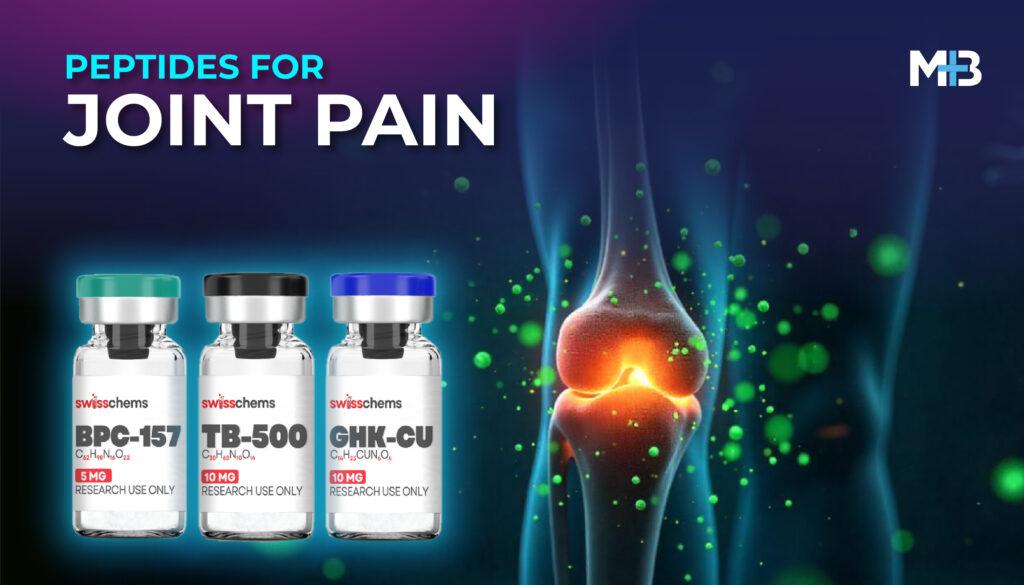
Joint pain can turn even the simplest daily activities into a challenge, leaving many searching for effective ways to restore mobility and comfort. In order to curb joint pain, peptides have emerged as powerful, naturally occurring chains of amino acids that are quickly gaining attention for their ability to support tissue repair, reduce inflammation, and enhance joint health. Unlike conventional treatments that only mask symptoms, peptides work at a cellular level, targeting the root causes of joint discomfort and helping the body heal itself more efficiently.
Let’s uncover the potential of peptides in relieving joint pain and improving overall joint function. In this article, we’ll explore what peptides are, how they enhance joint health, who can benefit from them, their safety considerations, and some of the top peptides that are widely used for joint recovery!
Key Takeaways
- Peptides target joint pain at the cellular level, promoting faster tissue repair ⚡
- They help reduce inflammation and improve overall joint mobility 🏃♂️
- Peptides like BPC-157, TB-500, and GHK-Cu support collagen production and cartilage health 🦴
- Ideal for athletes, older adults, and anyone recovering from joint injuries 💪
- Always consult a doctor before starting peptide therapy to ensure safety 🩺

Understanding Joint Pain: What Causes it?
Joint pain ranges from mild aches to sharp, debilitating flares. Understanding its root causes can help your readers better manage their health and explore treatments like peptides with context.
Arthritis: The Most Common Cause
- Osteoarthritis (OA): Known as “wear-and-tear” arthritis, OA occurs when cartilage wears down over time. This leads to bones rubbing together, causing stiffness and pain—most commonly seen in knees, hips, hands, and spine, especially in adults over 45. Risk factors include aging, previous injuries, obesity, and repetitive joint stress. Osteoarthritis is widely considered the most prevalent form of joint disorder.
- Rheumatoid Arthritis (RA): An autoimmune condition where the body’s immune system attacks the joint lining. It often causes symmetrical joint swelling (hands and wrists), especially morning stiffness. It may occur at any age but is most common among middle-aged adults.
Crystal-Related and Infectious Causes
- Gout and Pseudogout: These forms of inflammatory arthritis are driven by crystal deposits, urate crystals in gout and calcium pyrophosphate crystals in pseudogout, triggering sudden, intense joint pain, frequently in the big toe or knee.
- Septic (Infectious) Arthritis: A serious condition where bacteria or other pathogens invade a joint, triggering rapid swelling, pain, warmth, and fever. This is a medical emergency and requires prompt treatment.
Overuse, Injury & Soft Tissue Disorders
- Bursitis and Tendinitis: Bursitis is inflammation of small fluid-filled sacs that cushion joints. Tendinitis involves inflamed tendons. Both often stem from repetitive motion or overuse, common in athletes or people with certain repetitive jobs.
- Injury and Overexertion: Joint pain frequently results from strain, sprain, fractures, or overuse due to repetitive tasks or physical stress.
Autoimmune and Systemic Diseases
Autoimmune disorders beyond RA, such as lupus, psoriatic arthritis, and fibromyalgia can produce widespread joint pain, sometimes with minimal joint inflammation. Minor environmental or genetic triggers can play a role.
Other Conditions and Underlying Issues
- Bone Conditions and Systemic Illnesses: Bone-related issues like avascular necrosis, bone cancer, osteoporosis, or systemic disorders (e.g., thyroid dysfunction, Lyme disease, depression) may manifest as joint pain.
- Neuropathic and Referred Pain: Sometimes, the source of joint discomfort lies outside the joint itself like pinched nerves (e.g., carpal tunnel syndrome) that refer pain into the joint area.
What are Peptides and How Can They Be Helpful for Joint Pain?
Peptides are short chains of amino acids, the building blocks of proteins, that play a crucial role in regulating various biological processes in the body. Unlike full proteins, peptides are smaller and more easily absorbed, allowing them to target specific tissues and functions efficiently. In recent years, certain peptides have gained attention in the field of joint health due to their potential to support tissue repair, reduce inflammation, and enhance recovery.
When it comes to joint pain, peptides can be particularly helpful because they interact directly with the body’s natural healing mechanisms. For example, some peptides stimulate collagen synthesis, essential for cartilage strength and flexibility. Others have anti-inflammatory properties, helping to reduce swelling and discomfort in affected joints. By supporting tissue regeneration and modulating inflammation, peptides offer a targeted approach to managing joint pain, potentially improving mobility and overall joint function over time.
Popular peptides such as BPC-157, TB-500, and GHK-Cu are often explored for their joint-healing properties. They work at a cellular level to accelerate tissue repair, enhance blood flow, and stimulate the production of structural proteins necessary for joint integrity. This makes them an increasingly sought-after option for individuals struggling with chronic joint discomfort or recovering from injuries.
Benefits of Taking Peptides
Peptides offer a wide range of benefits, particularly for joint health, recovery, and overall wellness. Their targeted action at the cellular level allows them to support the body in ways that traditional supplements or medications may not. Here are some of the key benefits of taking peptides for joint pain and general health:
Supports Joint and Tissue Repair
Peptides like BPC-157 and TB-500 are known to accelerate the healing of tendons, ligaments, and cartilage. By promoting collagen production and enhancing tissue regeneration, they help maintain joint integrity and reduce the risk of long-term damage.
Reduces Inflammation
Chronic inflammation is a major contributor to joint pain. Certain peptides possess anti-inflammatory properties, helping to minimize swelling, discomfort, and stiffness in affected areas.
Enhances Mobility and Flexibility
By improving tissue repair and reducing inflammation, peptides can enhance joint function and flexibility. This allows for smoother movement and supports recovery from injuries or overuse.
Speeds Up Recovery
Athletes and active individuals often use peptides to accelerate recovery after intense workouts or joint injuries. Faster recovery means less downtime and reduced risk of recurring joint issues.
Supports Overall Health
Some peptides, such as GHK-Cu, provide additional benefits like improving skin health, boosting antioxidant activity, and promoting cellular regeneration, which contributes to overall well-being.
Best Peptides for Joint Pain: Our Top Picks
After thorough research and careful consideration, we’ve identified the most effective peptides for alleviating joint pain. These selections are backed by scientific studies and have shown promising results in promoting healing and reducing inflammation.
- Swiss Chems BPC-157
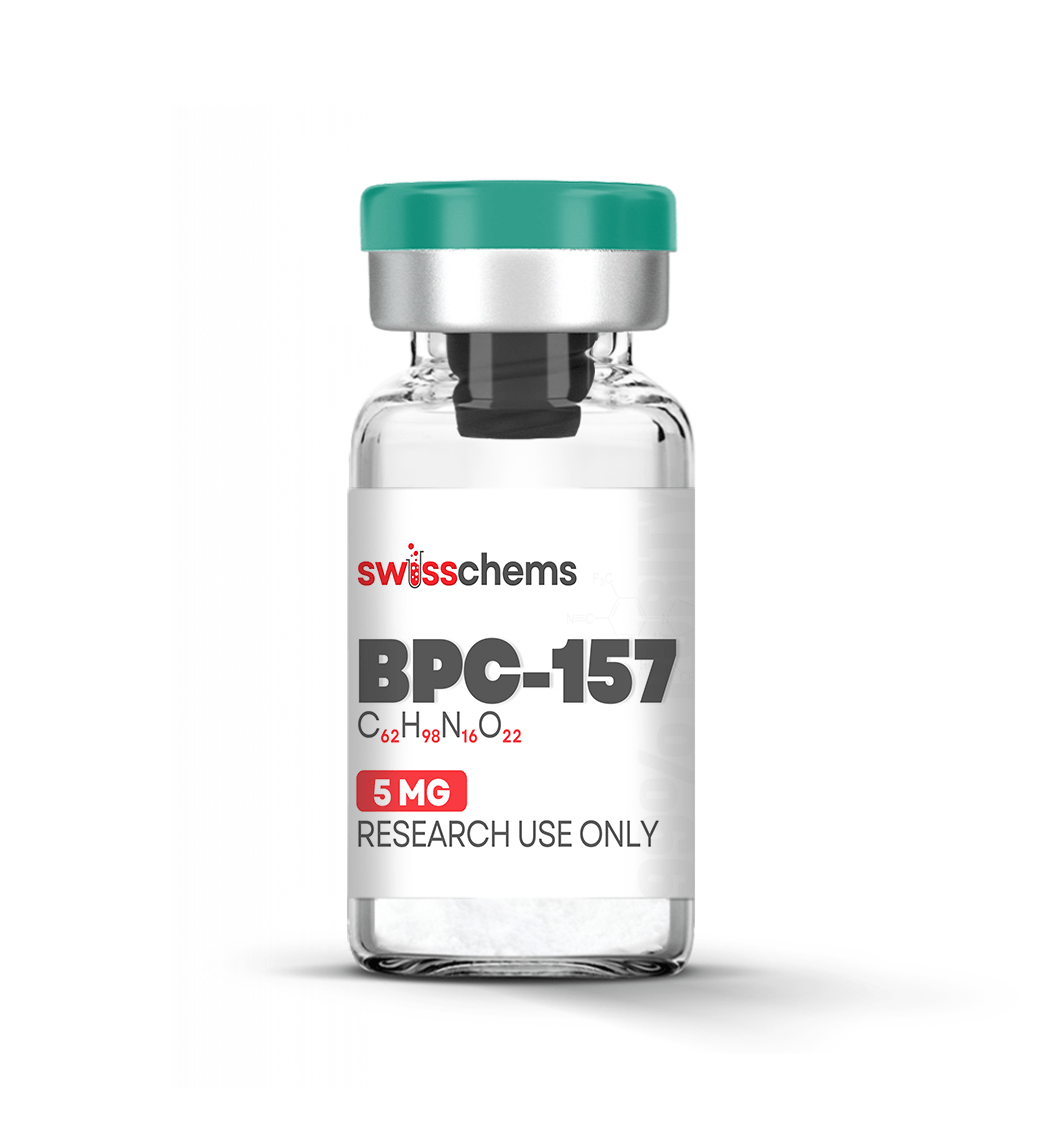
Swiss Chems BPC-157 is a synthetic peptide consisting of 15 amino acids, known for its role in supporting tissue repair and regulating inflammation. In experimental studies, it has been shown to accelerate healing processes, making it a popular research peptide for joint pain and recovery.
Product Overview:
🧪 Form: Injectable
⚖️ Dosage: 500 mcg twice daily
⌛ Typical Cycle Duration: 6-8 weeks
💰 Average Cost: $39.99
🥇 Key Benefits for Joint Pain: Promotes repair of tendons, ligaments, and cartilage to support joint strength, reduces inflammation and stiffness, enhances mobility and recovery after strain or injury, and encourages cellular regeneration for long-term joint health
❤️🩹 Possible Side Effects: Generally well tolerated. Some users report mild gastric discomfort, headache, or fatigue.
📚 Best Stack for Joint Support: Pairs effectively with collagen supplements and joint-supportive nutrients (e.g., glucosamine, MSM, vitamin C)
🙋 User Experience: Many users note reduced joint pain, improved flexibility, and faster recovery from injuries within 1–2 weeks of consistent use
- Swiss Chems TB-500
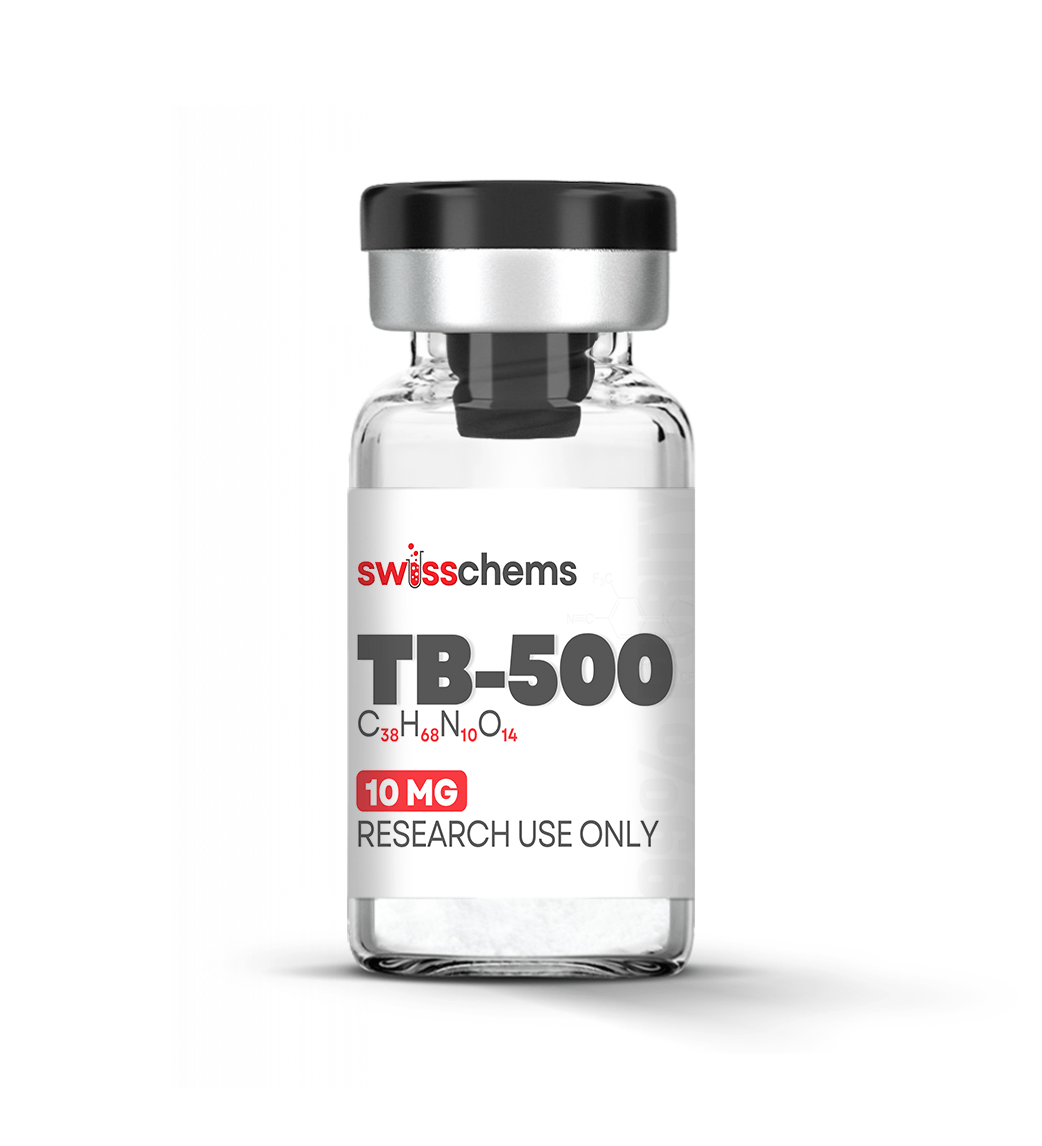
Swiss Chems TB-500 (a synthetic version of Thymosin Beta-4) is a peptide known for its role in cell migration, tissue repair, and inflammation control. In research models, it has been shown to promote healing of muscles, tendons, ligaments, and cartilage. For those struggling with joint pain or stiffness, TB-500 may support recovery by reducing inflammation, encouraging new blood vessel formation, and accelerating the repair of connective tissues.
Product Overview:
🧪 Form: Injectable
⚖️ Dosage: 4-8 mg per week
⌛ Typical Cycle Duration: 6-10 weeks
💰 Average Cost: $23.96
🥇 Key Benefits for Joint Pain: Accelerates repair of damaged tendons, ligaments, and cartilage, reduces joint inflammation, stiffness, and pain, supports mobility and flexibility in affected joints, promotes angiogenesis (blood vessel growth) to speed tissue recovery, and may enhance healing after injuries or surgery involving joints
❤️🩹 Side Effects: Generally mild; some users report fatigue, headache, or nausea
📚 Best Stack: Works well with BPC-157, collagen supplements, and nutrients like glucosamine, MSM, and vitamin C for overall joint health
🙋 User Experience: Users report improvements in joint comfort, reduced pain, and faster recovery from injuries within the first few weeks of use. Athletes and active individuals often highlight improved flexibility and resilience in joints
- Swiss Chems GHK-Cu
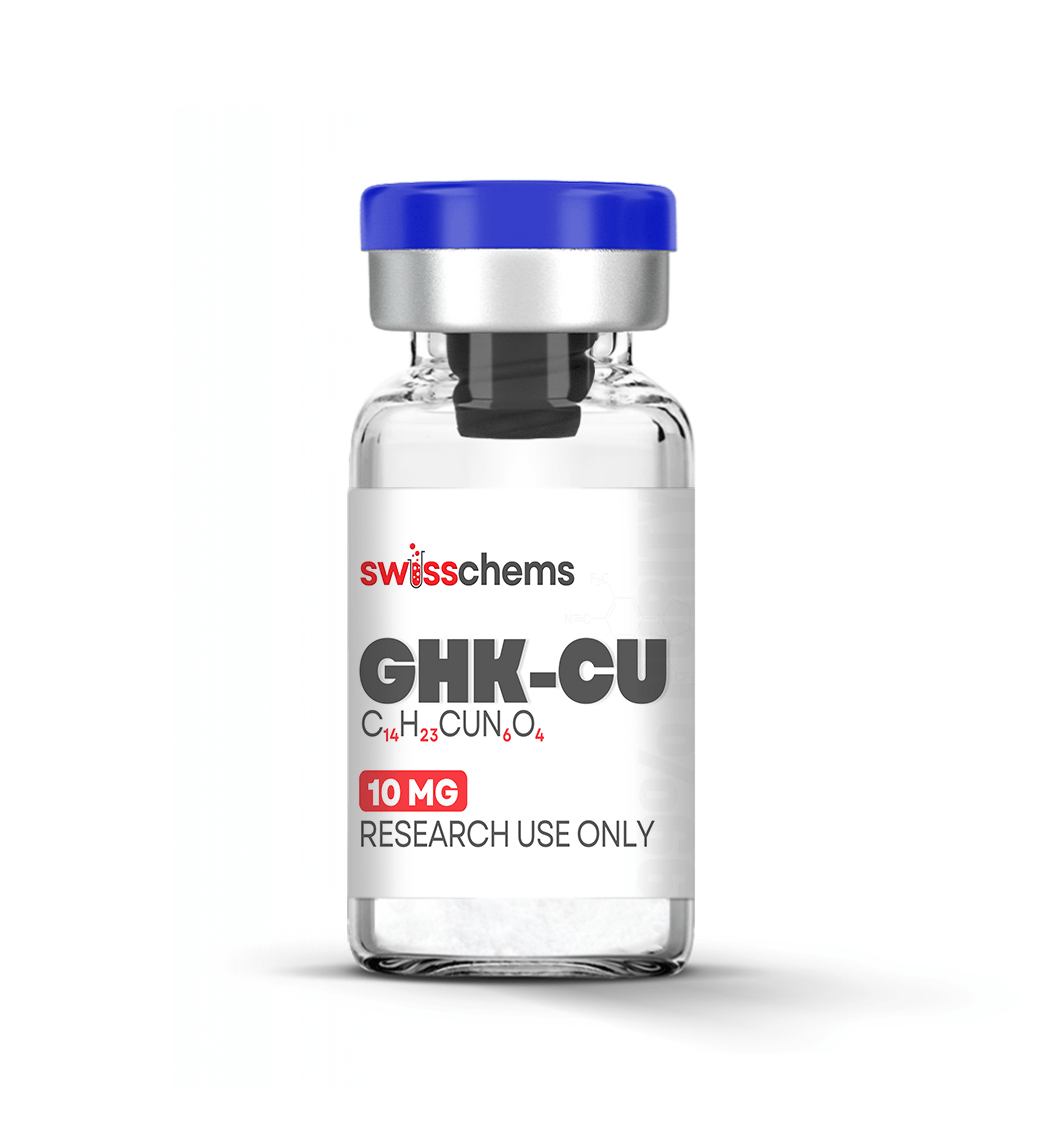
Swiss Chems GHK-Cu is a copper-binding peptide naturally found in the body, with powerful roles in tissue repair, anti-inflammatory signaling, and cellular regeneration. Research suggests it helps protect connective tissues, reduce oxidative stress, and stimulate collagen production—all of which are crucial for joint health and recovery. For those dealing with joint pain or stiffness, GHK-Cu may support cartilage repair, reduce inflammation, and promote long-term joint resilience.
Product Overview:
🧪 Form: Injectable
⚖️ Dosage: 2-5 mg
⌛ Typical Cycle Duration: 4–8 weeks
💰 Average Cost: $246.95
🥇 Key Benefits: Stimulates collagen and glycosaminoglycan production to support cartilage repair, reduces joint inflammation and oxidative stress, enhances connective tissue strength and elasticity, promotes angiogenesis for better nutrient delivery to joint tissues and supports long-term joint resilience and mobility
❤️🩹 Side Effects: Generally well tolerated. Some users report mild headaches, dizziness, or skin reactions
📚 Best Stack: Stacks well with BPC-157 and TB-500 for a comprehensive joint recovery protocol. It can also be combined with collagen peptides and antioxidants for additional connective tissue support
🙋 User Experience: Users often report less stiffness, stronger joints, and improved recovery after injuries. Some also notice smoother mobility and a reduction in chronic joint discomfort after a few weeks of consistent use
Disclaimer: Always consult a healthcare provider before incorporating any peptide/supplement. These peptides are for laboratory use only and not approved for human consumption.
Recommended Dosage Table
| Product | Dosage 💊 | Administration 💉 | Timing ⌚ |
| BPC-157 | 500 mcg twice daily | Subcutaneous Injection near the affected area | Morning & Evening |
| TB-500 | 4-8mg/ week in 2-3 doses | Subcutaneous Injection | Morning & Evening |
| GHK-Cu | 2-5mg, 2-3 times per week | Subcutaneous Injection | Morning |
Who Can Benefit from Peptides?
Peptides for joint pain can be beneficial for a wide range of individuals, particularly those looking to support joint health, reduce discomfort, or accelerate recovery from injuries. Here are the groups who may benefit the most:
Individuals with Chronic Joint Pain
People suffering from chronic conditions like osteoarthritis or rheumatoid arthritis may find peptides helpful in reducing inflammation, supporting cartilage repair, and improving joint mobility.
Athletes and Active Individuals
Intense physical activity, training, or sports can put stress on joints and soft tissues. Peptides like BPC-157 and TB-500 can aid in faster recovery, prevent injuries, and maintain optimal joint function.
Those Recovering from Injuries
Peptides can accelerate the healing process for ligament, tendon, and cartilage injuries by promoting tissue regeneration and reducing inflammation at the injury site.
Older Adults
Aging naturally leads to joint wear and tear, decreased collagen production, and slower tissue repair. Peptides can help maintain joint health, support mobility, and reduce age-related joint discomfort.
Individuals Seeking Preventive Joint Care
Even without significant joint pain, peptides can be used as a preventive strategy to strengthen connective tissues, enhance flexibility, and maintain overall joint health.
By targeting the root causes of joint pain and supporting the body’s natural healing mechanisms, peptides offer a science-backed approach for anyone looking to improve joint function, reduce discomfort, and promote long-term mobility.
Side Effects & Safety Considerations
While peptides such as BPC-157, TB-500, and GHK-Cu are generally considered safe when used responsibly, it’s important to understand potential side effects and safety precautions before incorporating them into your joint health regimen.
Mild Side Effects
Most peptides are well-tolerated, but some users may experience minor reactions such as:
- Redness or irritation at the injection site
- Mild headaches
- Temporary digestive discomfort (in the case of oral peptides)
Dosage-Dependent Effects
Adhering to recommended dosages is crucial. Overuse or high doses may increase the risk of adverse effects or reduce efficacy. Always follow guidance from healthcare professionals or product instructions.
Lack of Long-Term Human Studies
While animal studies and anecdotal reports suggest peptides are effective and safe, long-term human research is still limited. Users should stay informed and monitor their body’s response over time.
Medical Conditions & Precautions
Individuals with pre-existing health conditions, autoimmune disorders, or those who are pregnant or breastfeeding should consult a healthcare provider before starting peptide therapy.
Conclusion
Peptides offer a promising, science-backed approach to managing joint pain, supporting tissue repair, and improving overall mobility. From chronic joint conditions to sports-related injuries and age-related wear and tear, peptides like BPC-157, TB-500, and GHK-Cu provide targeted benefits by reducing inflammation, promoting collagen synthesis, and accelerating recovery.
While generally considered safe, it’s important to follow recommended dosages and choose high-quality products from trusted sources, such as Swiss Chems, to ensure effectiveness and minimize risks. By incorporating peptides responsibly into a joint health regimen, individuals can experience improved joint function, faster recovery, and enhanced long-term mobility, making them a valuable tool for anyone looking to maintain healthy, pain-free joints.
FAQs
What are peptides used for in joint pain?
Peptides help reduce inflammation, support tissue repair, and improve joint mobility.
Are peptides like BPC-157 and TB-500 safe to use?
When used at recommended dosages and from trusted sources, these peptides are generally considered safe.
How soon can I expect results from peptides for joint pain?
Many users notice improvement in joint comfort and mobility within a few weeks of consistent use.
Can older adults benefit from peptides for joint health?
Yes, peptides can help slow age-related joint wear, support collagen production, and enhance flexibility.
Do I need a prescription to use peptides for joint pain?
Some peptides are available as research chemicals, but consulting a healthcare professional before use is recommended.