Retatrutide is generating more legitimate scientific interest than almost anything else in the weight loss and metabolic health space right now. And for good reason! Phase 2 trial data showing up to 24% body weight reduction over 48 weeks put it ahead of every approved therapy currently on the market. Phase 3 trials are underway, and Eli Lilly is moving quickly.
This article covers what retatrutide is, how it works, what the clinical data actually shows, and how it compares to semaglutide and tirzepatide. We’re not going to oversell it — it’s still investigational, it’s not approved, and anyone telling you otherwise is getting ahead of the evidence. But the evidence that does exist is genuinely compelling, and understanding it properly is worth your time.
⚠️ Important Disclaimer: Retatrutide (LY-3437943) is an investigational compound currently in clinical trials. It has not been approved by the FDA, EMA, or any other regulatory authority for medical use. This article is for educational and informational purposes only and does not constitute medical advice. Nothing in this article should be interpreted as a recommendation to use, source, or administer retatrutide. The use of unapproved investigational compounds outside of regulated clinical trial settings carries unknown risks and may be illegal in your jurisdiction. Always consult a licensed healthcare provider before making any decisions about weight management or metabolic health treatments.
Key Takeaways
- Retatrutide is a triple-receptor agonist targeting GLP-1, GIP, and glucagon simultaneously. This is a mechanism no approved drug currently uses ⚡
- Phase 2 trials showed up to 24% body weight reduction over 48 weeks, meaningfully exceeding tirzepatide and semaglutide outcomes 🏋️♂️
- Phase 3 trials are currently underway; no regulatory approval exists as of April 2026 🔬
- Side effects are primarily gastrointestinal, dose-dependent, and generally manageable with gradual dose escalation 😊
- It is not commercially available through legitimate channels. Anyone claiming otherwise is selling an unverified compound 🧪

How it Works: Mechanism of Action
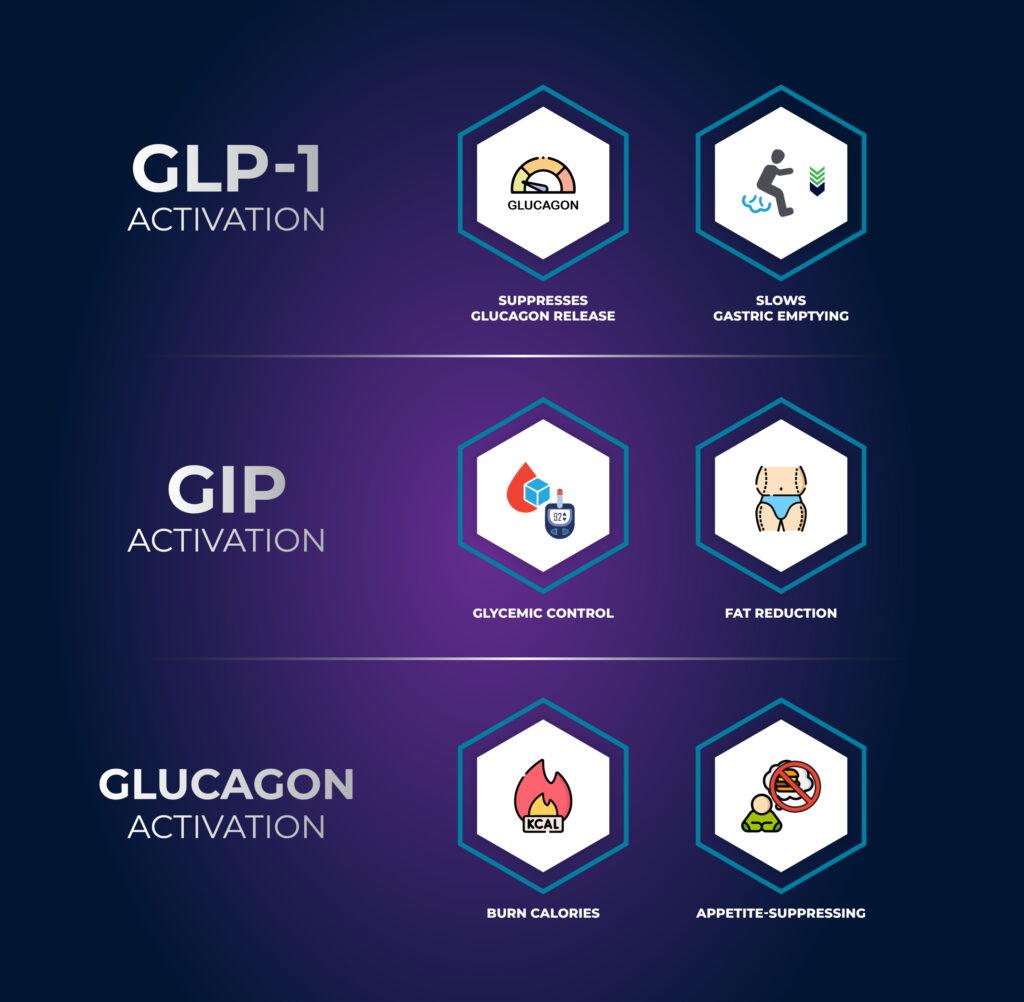
Understanding the mechanism helps explain why the clinical results look the way they do.
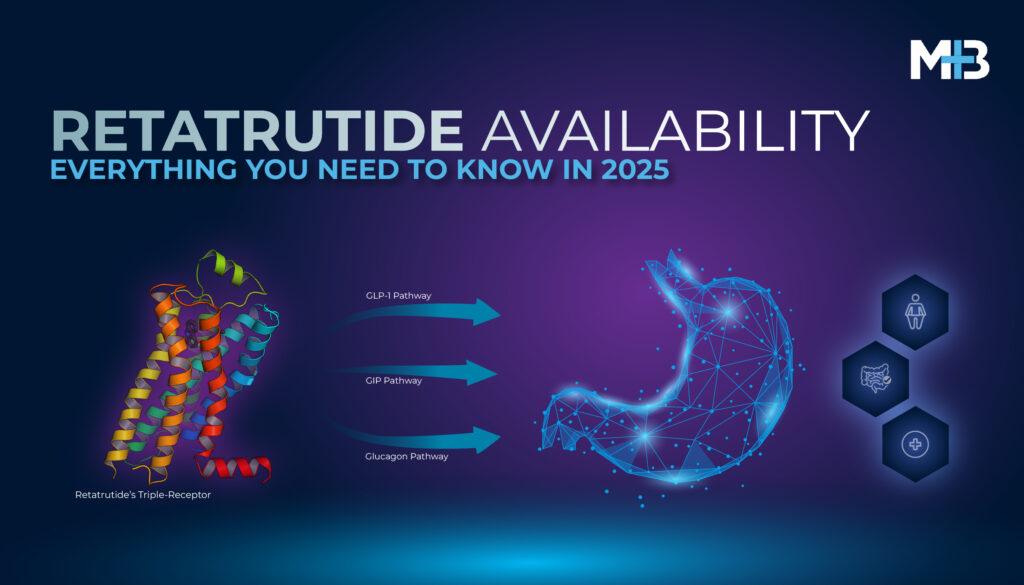
GLP-1 receptor activation is the same pathway that made semaglutide famous. It stimulates insulin secretion in response to food, suppresses glucagon release, slows how quickly food leaves your stomach, and signals satiety to the brain. The result is reduced appetite, better blood sugar control, and lower postprandial glucose spikes.
GIP receptor activation is the addition tirzepatide made over semaglutide. GIP enhances insulin secretion and plays a role in lipid metabolism. On its own its effects are modest, but combined with GLP-1 the two create a synergistic effect that amplifies both glycemic control and fat reduction beyond what either achieves alone — which is why tirzepatide generally outperforms semaglutide in head-to-head comparisons.
Glucagon receptor activation is what makes retatrutide genuinely novel. Glucagon is typically thought of as the hormone that raises blood sugar — the opposite of insulin — which makes its inclusion here seem counterintuitive. But glucagon receptor activation also meaningfully increases basal metabolic rate and promotes fat oxidation. By adding this third pathway, retatrutide doesn’t just reduce caloric intake — it simultaneously increases the rate at which the body burns calories at rest. That combination is why the weight loss numbers look the way they do.
The net effect across all three pathways: reduced appetite, improved insulin sensitivity, better glucose regulation, increased energy expenditure, and reduced liver fat. No approved single compound currently achieves all of that simultaneously.
Recommended Dosage Table
| Product | Dosage 💊 | Administration 💉 | Timing ⌚ |
| Retatrutide | 1-12 mg once per week | Subcutaneous Injection | Any time of the day |
| Ipamorelin | 100-300 mcg, 1-3 times per day | Subcutaneous Injection | Commonly before bedtime |
| Tesamorelin | 2 mg once daily | Subcutaneous Injection | Usually at Bedtime |
Important Note: These stacks are strictly for research purposes. Their combined effects in humans are not well studied, and use outside regulated research is not recommended. Always verify peptide purity, dosing, and safety protocols before research use.
Benefits of Retatrutide
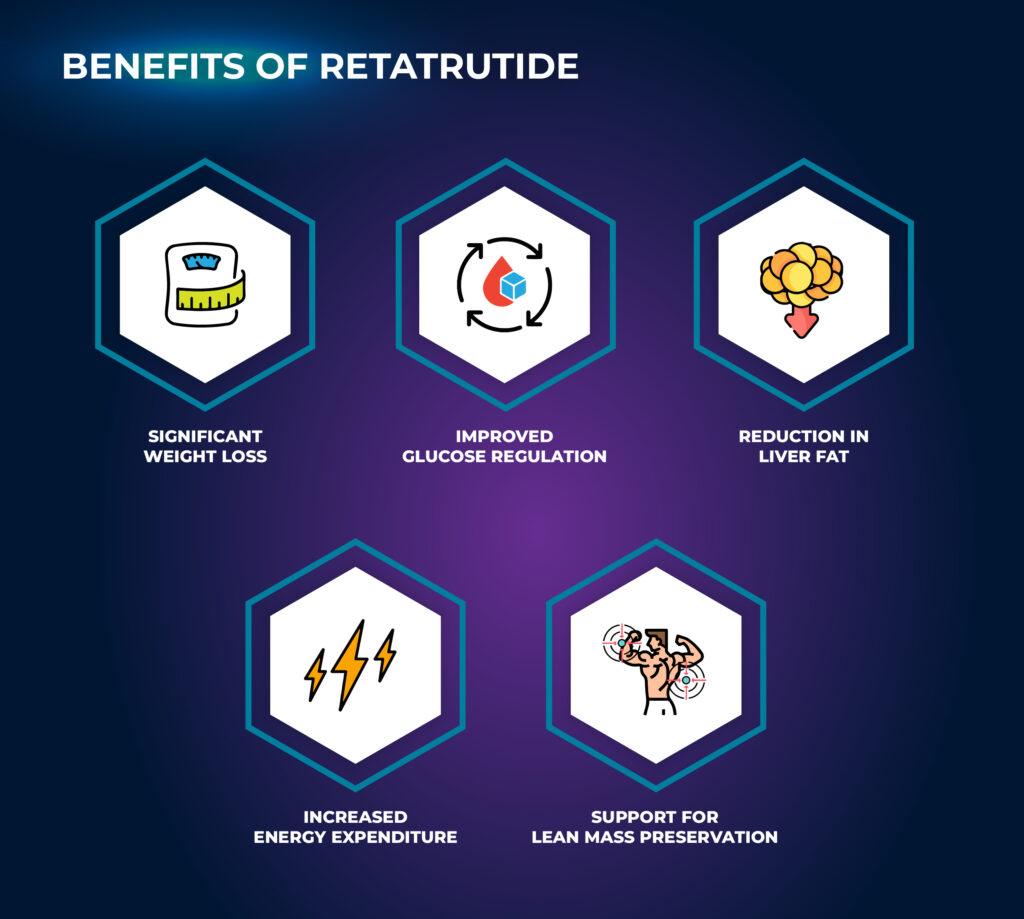
Retatrutide’s unique mechanism offers multiple metabolic and physiological benefits, particularly in weight management, glucose regulation, and overall metabolic health. Clinical studies and early research have highlighted its potential to transform obesity and metabolic disorder management.
Significant Weight Loss
Retatrutide has demonstrated remarkable weight loss in clinical trials, with participants achieving up to 24% body weight loss over 48 weeks at higher doses. Its combined appetite-suppressant and energy-expenditure effects make it more effective than traditional GLP-1 monotherapies, offering a potential breakthrough in obesity treatment.
Improved Glucose Regulation
Through its dual incretin receptor activity (GLP-1 and GIP), Retatrutide enhances insulin sensitivity, lowers fasting glucose levels, and helps maintain stable blood sugar levels. This makes it a promising option for managing type 2 diabetes and prediabetic metabolic dysfunction.
Reduction in Liver Fat
Studies indicate that Retatrutide can significantly reduce liver fat content, offering potential benefits for individuals with metabolic-associated fatty liver disease (MASLD). By targeting glucagon receptors to increase fat oxidation, it supports healthier liver metabolism and overall metabolic function.
Increased Energy Expenditure
Activation of the glucagon receptor contributes to enhanced fat burning and energy utilization, meaning Retatrutide can promote calorie expenditure independently of exercise, complementing its appetite-suppressing effects for more effective body composition improvements.
Support for Lean Mass Preservation
While promoting fat loss, Retatrutide’s balanced metabolic action may help maintain lean muscle mass, especially when combined with lifestyle interventions like diet and resistance training. This makes it a comprehensive option for improving body composition and metabolic health.
How It Works
Who Can Benefit from Retatrutide?
Retatrutide is primarily being studied for individuals with obesity and metabolic disorders, where traditional lifestyle interventions or single-agonist therapies may fall short.
Clinical trials indicate that participants with a BMI ≥30 kg/m² or those with overweight and comorbid conditions such as type 2 diabetes or metabolic-associated fatty liver disease (MASLD) may experience the most pronounced benefits.
In research settings, Retatrutide’s triple-receptor mechanism addresses both appetite regulation and energy expenditure, making it particularly suitable for populations struggling with significant weight management challenges. Additionally, individuals with impaired glucose control may benefit from its glucose-lowering effects, while those with excess liver fat could see improvements in hepatic metabolism.
What the Clinical Evidence Shows
Phase 2 Trial Results
The primary Phase 2 data was published in the New England Journal of Medicine in 2023. The trial enrolled adults with obesity (BMI ≥30) or overweight with at least one weight-related comorbidity, and ran for 48 weeks.
Key findings at the highest dose (12mg weekly):
- Up to 24% mean body weight reduction over 48 weeks
- Significant reductions in fasting glucose and insulin resistance markers
- Meaningful reductions in liver fat content, relevant for participants with metabolic-associated fatty liver disease
- Once-weekly subcutaneous dosing was generally well-tolerated
For context, semaglutide at its approved dose achieves approximately 15–17% body weight reduction over 68 weeks. Tirzepatide reaches 16–21% depending on dose. The 24% figure from retatrutide Phase 2, over a shorter timeframe, is meaningfully ahead of both.
Where Phase 3 Stands
Phase 3 trials are currently underway as of April 2026, evaluating retatrutide across larger, more diverse populations and longer timeframes. These trials will be decisive — Phase 2 results are promising but involve smaller samples and shorter follow-up than what regulators require for approval decisions.
Phase 3 data is expected to read out in late 2025 through 2026. If the results hold, Eli Lilly would likely move toward FDA submission, with approval potentially following in 2026–2027. That remains speculative until the data is published.
How Retatrutide Compares to Other Weight Loss Peptides?
| Compound | Mechanism | Peak Clinical Weight Loss | Status |
|---|---|---|---|
| Semaglutide | GLP-1 agonist | ~15–17% over 68 weeks | FDA approved (Wegovy) |
| Tirzepatide | GLP-1 + GIP dual agonist | ~16–21% over 72 weeks | FDA approved (Zepbound) |
| Retatrutide | GLP-1 + GIP + glucagon triple agonist | ~24% over 48 weeks | Phase 3 trials — not approved |
| Cagrilintide | Amylin analog | ~8–10% as monotherapy | Phase 3 trials — not approved |
The comparison worth paying attention to is retatrutide vs tirzepatide — both are Eli Lilly compounds, and tirzepatide only received approval in 2023. If Phase 3 confirms the Phase 2 numbers, retatrutide would represent a significant step beyond the current gold standard, not just an incremental improvement.
The honest caveat: Phase 2 results frequently don’t fully replicate in Phase 3 with larger and more heterogeneous populations. The 24% figure is genuinely impressive but should be understood as a Phase 2 finding pending confirmation, not a settled outcome.th other peptides are often needed to match the broader metabolic effects Retatrutide may provide.
Safety Profile and Side Effects
Retatrutide’s side effect profile in Phase 2 trials was broadly consistent with other GLP-1 class therapies — primarily gastrointestinal, primarily dose-dependent, and primarily manageable.
Most commonly reported:
- Nausea (most common, particularly during dose escalation)
- Diarrhea
- Vomiting
- Constipation
- Abdominal discomfort
These effects were generally mild to moderate in severity and tended to diminish as participants adjusted to the treatment, particularly when gradual dose escalation protocols were followed.
Less commonly reported:
- Headache
- Fatigue or mild dizziness, typically associated with reduced appetite
- Transient injection site reactions
What we don’t know yet: This is important. Phase 2 data does not capture long-term safety. The questions that Phase 3 will need to answer — and that regulators will scrutinize closely — include cardiovascular outcomes over extended periods, liver function changes beyond the 48-week window, potential interactions with other metabolic agents, and safety in populations not well-represented in Phase 2.
No major safety signals emerged in Phase 2, which is genuinely encouraging. But the absence of signals in a relatively small, short-duration trial is not the same as a confirmed long-term safety profile.
What About Availability?
This is where we have to be direct.
Retatrutide is not commercially available. It is not approved by the FDA, EMA, TGA, or any other regulatory authority. It is not legally available for purchase as a medication anywhere in the world as of April 2026.
If you encounter websites offering retatrutide for sale, what they are selling is either mislabelled, unverified, or of unknown purity and composition. Research chemical vendors sometimes list compounds under investigational names, but without regulatory oversight, independent third-party testing, and pharmaceutical-grade manufacturing standards, there is no way to verify what you are actually receiving. The risks of using unverified compounds of this type are real and not well characterised.
If you’re interested in GLP-1 class therapies that are currently approved and available — semaglutide and tirzepatide — those are accessible through licensed telehealth providers with proper medical supervision. That is the legitimate path for anyone looking at this class of treatment right now.
Conclusion
Retatrutide is the most clinically interesting compound in the weight loss space right now. The Phase 2 data is genuinely impressive — 24% body weight reduction over 48 weeks, with a safety profile broadly consistent with approved GLP-1 therapies, is a meaningful advance over anything currently on the market.
Whether Phase 3 confirms those numbers at scale is the question that will define retatrutide’s future. If it does, Eli Lilly will have a compound that makes their already-successful tirzepatide look like a stepping stone. If the Phase 3 data is more modest, the approved alternatives still represent excellent options for metabolic health management.
Either way, this is a compound worth following closely. We’ll update this article as Phase 3 data becomes available.
Frequently Asked Questions
What is Retatrutide used for?
Retatrutide is an investigational peptide studied for weight loss, glucose regulation, and metabolic health.
How is Retatrutide administered?
It is administered as a once-weekly subcutaneous injection in research settings.
What results can I expect from Retatrutide?
Clinical trials show up to ~24% body weight reduction over 48 weeks at higher doses.
Are there any side effects of Retatrutide?
Common side effects include nausea, diarrhea, and mild gastrointestinal discomfort, usually dose-dependent.
Is Retatrutide approved for use?
No, Retatrutide is still investigational and not approved by regulatory authorities.