
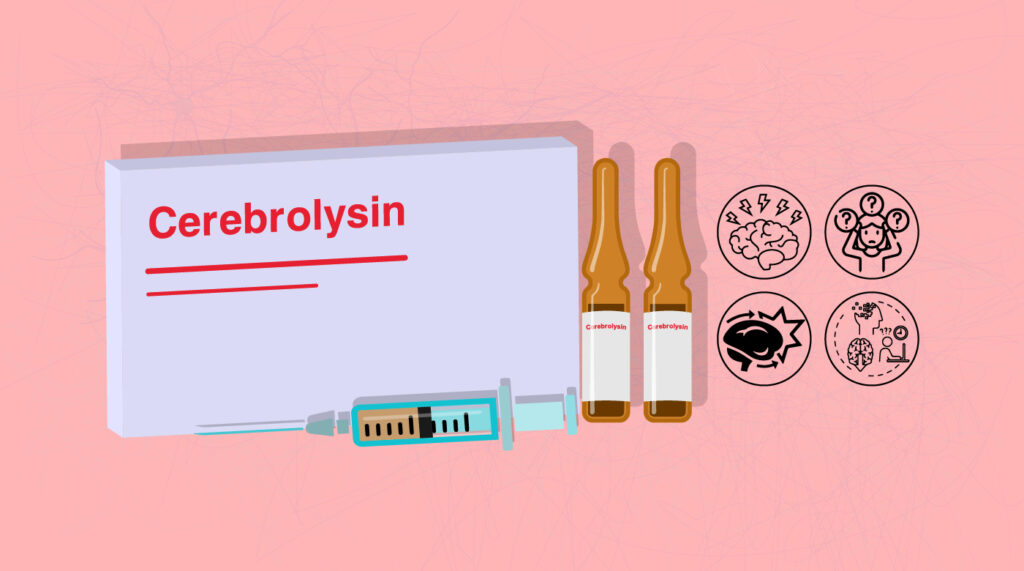
The Cerebrolysin peptide can be a game changer when it comes to cerebrovascular disorders. How many times that we hear someone just had a stroke, someone survived a traumatic brain injury (TBI), or someone just started to experience dementia due to Alzheimer’s disease? Very frequently, right?
Now let me put statistics in front of you. According to the American Heart Association (AHA), cerebrovascular diseases, particularly stroke, is the third leading cause of death in the United States (1).
With so much burden on the global healthcare system, it sounds quite evident that many medications and treatment options have been made available to mitigate the risk factors that could cause cerebrovascular diseases.
Perhaps one such peculiar treatment option for cerebrovascular disorders is Cerebrolysin which falls into the category of neuropeptide.
Now I know most neuropeptides that you hear about are used therapeutically to enhance cognitive functioning and act as neural signaling molecules. Cerebrolysin falls into a different category and is one step ahead of all neuropeptides!
Now I know that I write about peptides that improve physical fitness, muscle building, and muscle strength. But Cerebrolysin peptide is a whole lot different.
Stay with me through the end to know exactly what Cerebrolysin is, the possible mode of action, as well as its well-researched benefits and adverse effects if any.
Key Takeaways
- Cerebrolysin delays the onset of neurodegenerative disorders like Alzheimer’s and Parkinson’s, as well as the associated dementia. 🧠
- Cerebrolysin is a potent treatment option for cerebrovascular diseases like stroke and improves recovery time. ⏱️
- Cerebrolysin also exerts its neuroprotective effects after a traumatic brain injury. 🏥
- Cerebrolysin can enhance cognitive function and support overall brain health in individuals with neurodegenerative conditions. 🌿
- Regular use of Cerebrolysin may improve mental clarity, focus, and memory retention in aging adults. 🧓

What is Cerebrolysin?
Cerebrolysin, a highly potent proteolytic neuropeptide, structurally contains low molecular weight amino acids as well as free amino acids and is fundamentally extracted from pig brain cells (2).
Because it is porcelain-derived, it constitutes various neurotrophic factors such as brain-derived neurotrophic factor (BDNF), nerve growth factors (NGF), enkephalins, orexins, P-21, etc.
The fact that it contains various natural active peptide fragments from brain tissue makes it an ideal neuropeptide with precise pharmacodynamic action to exert therapeutic effects.
Perhaps what sets cerebrolysin apart from other neuropeptides is its current clinical use in many countries.
How Does Cerebrolysin Work?
While cerebrolysin peptide is widely used in certain parts of the world and is clinically proven to exert neuroprotective and neurotrophic effects, the exact mode of action that cerebrolysin follows is not widely studied as of yet.
One of the major effects of cerebrolysin is to delay the onset of neurodegenerative disorders, and it does this by regulating immune-mediated effects, such as inflammation.
Studies show that cerebrolysin downregulates the activity of microglial cells and inhibits the release of interleukin-1β.
Laboratory findings suggest that cerebrolysin regulates the activity of kinase proteins and decreases the phosphorylation of amyloid precursor protein, thus ensuring lower levels of amyloid-beta peptide, which plays a key role in the pathophysiology of Alzheimer’s disease (AD).
It is also seen that this neuropeptide acts as an agonist of inhibitory chemicals found inside the brain tissue, such as adenosine A1 and GABAb (3).
Various growth factors such as nerve growth factor (NGF) found inside the cerebrolysin ensure strong neuronal and synaptic connections by the adequate release of neurotransmitters like acetylcholine (Ach) etc.
Further studies in rats also show cerebrolysin’s efficacious role in improving glucose transport and supply in the brain by upregulating the expression of GLUT-1 transporters.
Benefits of Cerebrolysin
Building on the above-mentioned mechanism of action followed by cerebrolysin, it is pretty evident that this neuropeptide improves the symptoms of Alzheimer’s disease and associated dementia.
Not only does cerebrolysin peptide improve AD and slows down the progression of this neurodegenerative disorder (4).
A handful of studies have been performed to assess the efficacy of cerebrolysin in improving AD. In 5-month and 6-month-long studies, patients administered cerebrolysin showed improvement in dementia compared to the placebo group, thus making cerebrolysin one of the prospective treatment options for AD and vascular dementia both.
Perhaps cerebrolysin is widely proclaimed to stand apart as a highly potent treatment option for cerebrovascular diseases like ischemic stroke and hemorrhagic strokes (5).
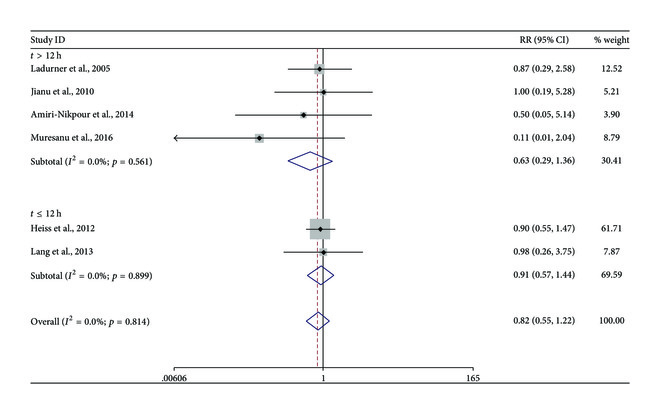
It has been reported that cerebrolysin peptide can work in conjunction with other standard treatment options to greatly restore sufficient blood flow and improve motor function and other critical complications manifested in the nervous system, such as trouble speaking, double vision, etc.
There are mixed results, but cerebrolysin is generally safe to be used, and it definitely plays a role in improving blood supply post-stroke and ensuring intact neurological functioning.
Although hypothesized, cerebrolysin peptide may improve peripheral neuropathy by improving axons’ myelination and the axons’ size and diameter, thus keeping neuronal function intact.
This neuropeptide also seems to have clinical implications in treating Parkinson’s disorder. Parkinson’s disease is associated with higher levels of alpha-synuclein in humans. One of the studies found that treatment with cerebrolysin peptide substantially reduces alpha-synuclein levels, thus playing a role in improving the symptoms associated with Parkinson’s disorder.
Cerebrolysin also restores normal brain function by exerting its neuroprotective effects after a traumatic brain injury (6). It achieves this by reducing the oxidative stress induced during the injury as soon as possible.
Cerebrolysin may also improve chronic migraine symptoms and reduce the serum markers associated with migraine.
Because of the diverse effects of cerebrolysin peptide, there is wide clinical research undergoing to map down the effects of this therapeutic neuropeptide on various disorders such as schizophrenia, multiple sclerosis, and spinal cord injuries.
All-in-all, it can be concluded that cerebrolysin peptide greatly reverses cognitive impairment and improve cognitive functioning by triggering neuroprotective effects inside one’s brain.
Is Cerebrolysin Legal?
While cerebrolysin peptide is not an FDA-approved drug, it is widely used in eastern Europe, Russia, China, and some Asian countries.
European Medicines Agency (EMA) has termed it as a safe medication option owing to its efficacy and potency as a treatment option for neurological complications.
Who Benefits from Cerebrolysin?
Cerebrolysin aids in treating transient ischemic attacks by dissolving blood clots and lowering blood vessel rupture risks.
Stroke survivors and individuals recovering from cerebrovascular diseases can pair cerebrolysin with medications to accelerate recovery.
People with neurodegenerative conditions, such as Alzheimer’s or Parkinson’s, may use it to slow disease progression and ease symptoms.
Those healing from traumatic brain injuries benefit from its neuroprotective effects, enhancing recovery and brain function.
Forms of Cerebrolysin
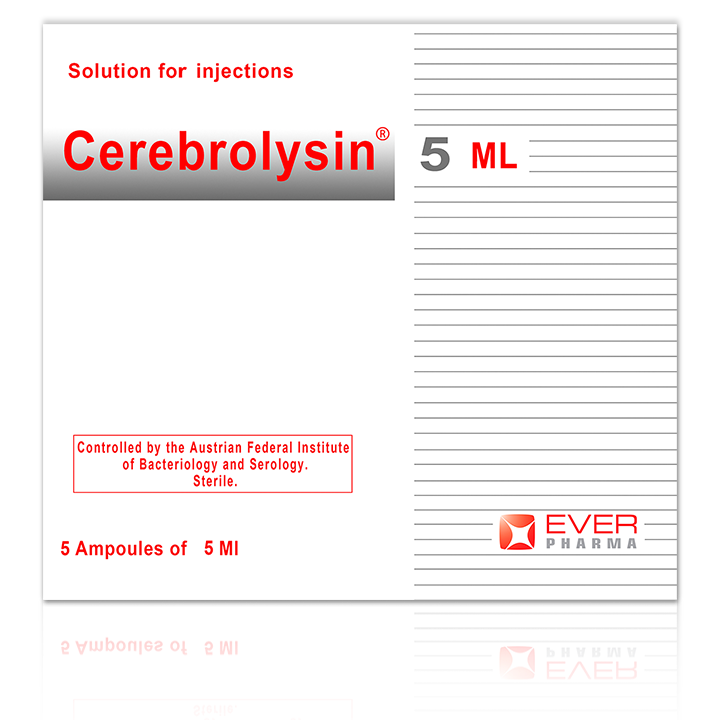
As it is usually used for medicinal purposes, you will only find cerebrolysin solution in the vials that are ready to be infused in the veins.
How To Use Cerebrolysin Peptide
Cerebrolysin injections are administered parenterally, specifically intravenously (IV). This is primarily because of the fact that cerebrolysin can cross the blood-brain barrier, thus, injecting it intravenously will ensure maximum levels inside the brain tissue.
For more information on how to administer peptides intravenously, read my detailed guide.
Cerebrolysin Dosage and Cycling
While cerebrolysin peptide dosage essentially depends on your purpose of intake, people are within a safe area if they administer single reconstituted doses of up to 50ml.
Besides, one can only use this neuropeptide for anywhere between 10 and 15 days straight.
Cerebrolysin Stacking
Because this peptide largely has medicinal use, there are no specific stacking guidelines available at the moment.
So far, it is only used in conjunction with other treatment options available for cerebrovascular diseases.
Cerebrolysin Reviews
Now it’s time to dig into some of the subreddits on cerebrolysin.
One of the users advocated the peptide’s effects on TBI as he said,
“I took it after a brain injury that destroyed my short term memory and noticed a lot of benefit. It was too expensive for me to take long term.. but while I briefly took it I noticed I could improvise on the piano even though I don’t know music theory. I felt creative.”
– Reddit user
Another one said,
“If you use CBL for 20+ days – you’ll unquestionably know what all the fuss is about. I’ve never, in my 12 year history of nootropic use, ever found anything that’s come remotely close to the benefits I’ve received from CBL.”
– Reddit user
“The effects it has had on me were:
-Waking up with lots of energy
-Ability and mental willingness to study tasks and procrastinate less
-Ability to think and decision make on the spot faster and clearer
-Very clear headed / removal of brain fog for most of the day
-Less general anxiety
If you are reading this and thinking is it worth the cost? My answer to this is yes, yes it is.”
– Reddit user
Cerebrolysin Side Effects
Cerebrolysin peptide is generally safe and well tolerated amongst patients. You don’t have to worry about adverse effects when taking cerebrolysin.
Only milder side effects, such as transient brain fog, milder headaches, and minimal risk of seizures, are reported. Here are some of these milder side effects listed down to make it easier for you:
| Side Effect | Description |
| Headaches | Mild to moderate headaches may occur. |
| Dizziness | A feeling of lightheadedness or vertigo can happen in some individuals. |
| Nausea | Some users may experience gastrointestinal discomfort, including nausea. |
| Injection Site Reactions | Redness, swelling, or pain at the injection site may occur. |
| Fatigue | Users may feel unusually tired or fatigued after using Cerebrolysin. |
| Irritability or Anxiety | Some users may feel more irritable or anxious. |
| Increased Heart Rate | Tachycardia (increased heart rate) may occur in some individuals. |
| Allergic Reactions | Rare cases may include rash, itching, or difficulty breathing. |
Even though these are all considered to be mild side effects, its always important to consult with your healthcare physician before you start taking any such peptide or sarm.
Cerebrolysin vs. Other Neuropeptides
Frankly speaking, cerebrolysin peptide differs greatly from other conventional neuropeptides or nootropics and has no competition from other neuropeptides available in the market.
It is mainly used as an effective recovery agent for medicinal purposes, while other neuropeptides or nootropics are valued based on their therapeutic/peripheral effects.
Cerebrolysin: Is It Effective?
Yes! Cerebrolysin peptide delivers real results, backed by promising but limited clinical trials.
This peptide shows impressive potential in aiding recovery from strokes, brain injuries, and neurodegenerative diseases. Its natural formulation enhances its appeal.
While studies confirm its benefits, further research is needed to maximize its potential and expand its uses.
Cerebrolysin FAQs
How long do the effects of Cerebrolysin last?
A long-lasting ameliorative effect of Cerebrolysin was found after its 4-week administration, while the two-week-treatment had only temporal effects.
Is Cerebrolysin a Nootropic?
Cerebrolysin is a nootropic drug and can significantly improve cognitive function in patients with Alzheimer’s disease and stroke.
Does Cerebrolysin help with memory?
Cerebrolysin improves memory and ameliorates neuronal atrophy in spontaneously hypertensive, aged rats.
What type of drug is Cerebrolysin?
Cerebrolysin ® is a multi-modal neuropeptide drug that improves the brain’s ability for self-repair by stimulating neuro recovery.
Does the FDA approve Cerebrolysin?
While Cerebrolysin is not FDA-approved in the United States, it is approved in many European and Asian countries for stroke, dementia, and traumatic brain injury.













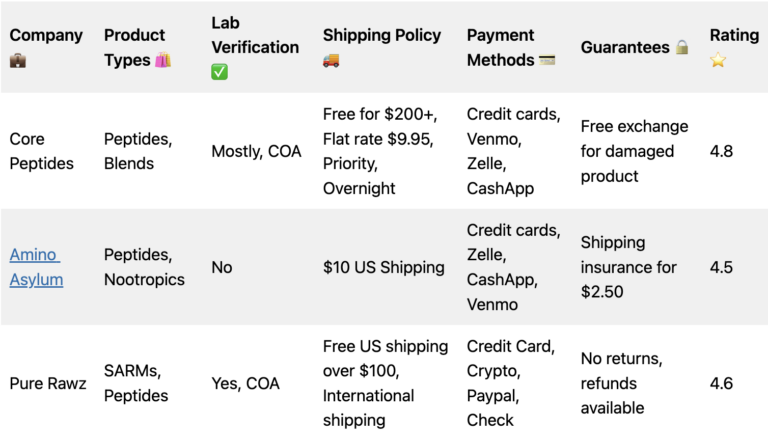


We just added our favorite source. Take a look for the buy button on page!
Is this given IV piggyback or 500 cc bag of NS? Or just what are the ways to take this. I am finding a wide range of doses from 60 mg lyophilized to 212mg 10 ml ampules! I need guidance on how this can be used. Thanks
Still seeking how to dilute/dose cerebrolysin for my research rat.