In the ever-evolving landscape of health and fitness, there is untiring ongoing scientific research and development that has led to the development of various peptides. One such marvel is the Wolverine Peptide, scientifically known as BPC 157. Despite its cryptic name, this peptide has garnered attention for its potential healing process.
Pentadecapeptide (BPC-157) is capable of accelerating tissue repair, decreasing inflammation, and even potentially alleviating gastrointestinal issues. BPC-157, less commonly known as a body protection compound as well, promises just that and more.
In this blog post, we’ll discover BPC-157 in much more detail, exploring its origins, mechanism of action, and the latest scientific findings.
If you’re a fitness enthusiast seeking insights on whether to use this peptide or not, join me as I navigate through the wonders of BPC-157 and its potential implications in health and fitness.
Prepare to be astonished as we delve into the depths of this fascinating peptide, uncovering the secrets that could revolutionize the way we perceive healing and regeneration.
Key Takeaways
- BPC-157 promotes accelerated healing of muscles, tendons, ligaments, and bones, making it a potent agent for injury recovery. 🏋️♂️💪🦴
- This peptide significantly reduces inflammation and pain, offering potential relief for conditions like arthritis and sports injuries. 🌿🩹🏃♂️
- BPC-157 aids in repairing the GI tract, proving beneficial for conditions such as ulcers, gastritis, and inflammatory bowel disease. 🍽️🩺🌿
- Emerging studies suggest BPC-157 supports nerve regeneration by repairing nerve damage and pain reduction, providing a safer alternative for chronic pain management. 🧠⚡💊

The Famous Wolverine Peptide: BPC 157
BPC 157: The Wolverine Peptide
BPC-157, or pentadecapeptide, is categorized as a body protection compound. It is composed of 15 amino acids in a very particular sequence that doesn’t exist naturally.
It is artificially synthesized in laboratories using the partial sequence of the body-protecting compounds isolated from gastric juices. Hence, it is one of the derivatives of the peptide found in human gastric juices.
The therapeutic effects of BPC-157 are exerted through multiple courses of action. One of the most common ways that BPC-157 acts as a therapeutic agent is by carrying out angiogenesis, which is the formation of new blood vessels.
It does this by activating a protein called the “vascular endothelial growth factor” which initiates the formation of new blood vessels. This ensues in the organization of a healthy vascular network which gives BPC-157 its key regenerative and healing properties.
Another mechanism of action of BPC-157 is blocking the inhibitory growth factor called 4-hydroxynonenal, which is a negative modulator of growth. This allows the peptide to carry out effective healing of wounds, especially surrounding tendons.
BPC-157 Overview
⭐️ Top Benefits: Recovery from injury
🧪 Form: Injectable liquid, Nasal Spray
⌛️ Max Time Used: 14 weeks
💰 Average Cost: $51.99
❤️🩹 Side Effects: Abdominal pain
☢️ Dangers: Not really
📚 Best Peptide Stack: TB 500 / HGH / IGF-1
➡️ Go to the Full review
- Improved recovery from injuries
- Improved gastric function
- Injection site pain
- Abdominal pain
What is Wolverine Peptide BPC-157 used for?
Wolverine Peptide, scientifically known as BPC-157 or body protective compound, has garnered significant interest within the medical and scientific communities for its wide range of potential therapeutic applications.
BPC-157, or pentadecapeptide, is categorized as a body protection compound. It is composed by combining amino acids (15 of them) in a very particular sequence that doesn’t exist naturally.
This peptide, derived from a portion of human gastric juices protein, has shown promising effects in preclinical and clinical trials, particularly in enhancing the body’s ability to maintain cellular function and regulate autoimmune responses.
Below are some of the key uses and potential benefits of BPC-157 peptide therapy:
Sports Medicine Applications of BPC-157
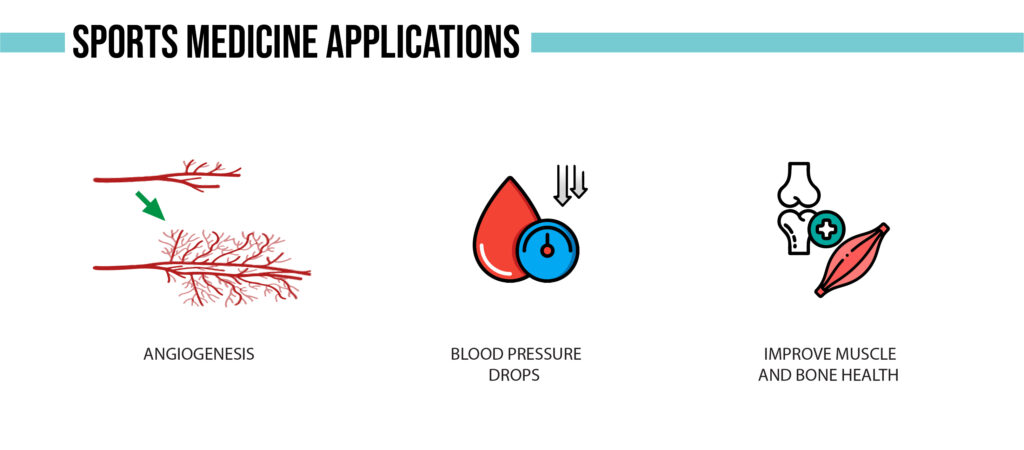
BPC-157 has demonstrated remarkable abilities to accelerate the immune system and wound healing process of various tissues, including muscles, tendons, ligaments, and bones. (1)
It promotes angiogenesis, the formation of new blood vessels by increasing standard angiogenic growth factors, which aids in supplying nutrients and oxygen to injured tissues by increasing blood flow, facilitating faster injury recovery, joint healing, and bone healing processes.
Additionally, its role in increasing blood flow contributes to overall joint health and recovery from sports injuries.
This peptide is also known to increase nitric oxide system by triggering nitric oxide (NO) production, which triggers endothelial cells to dilate.
Hence, the overall blood pressure drops in the body. It also helps to deal with conditions like hyperkalemia, i.e., high potassium levels.
BPC-157 also influences the growth rates of bones, tendons, and joints by increasing the body’s growth hormone receptors and has potential effects on peptide hormones that regulate cell growth and repair.
Studies suggest that BPC-157 may help maintain and improve muscle and bone health, making it of interest to athletes, individuals with osteoporosis, and those undergoing rehabilitation.
It stimulates the formation of new muscle tissue and enhances bone mineralization, contributing to overall musculoskeletal strength and function.
By modulating inflammatory pathways, BPC-157 exhibits potent anti-inflammatory properties as well. It helps reduce swelling, pain, and inflammation associated with injuries, making it a promising therapeutic agent for conditions such as arthritis, tendonitis, and sports injuries.
BPC-157 accelerates the wound-healing process by promoting the proliferation of skin cells, collagen synthesis, and tissue remodeling.
It may be beneficial for treating both acute wounds, such as cuts and burns, and chronic wounds, such as diabetic ulcers and those affecting the intestinal lining.
Orthopedic Uses of BPC 157

Due to its anti-inflammatory and tissue-repairing properties, BPC-157 may help alleviate pain associated with various conditions, including musculoskeletal injuries, arthritis, and neuropathic pain.
It can potentially reduce the need for traditional pain medications and offer a safer alternative for long-term pain management.
The regenerative properties of BPC-157, combined with its ability to regulate autoimmune responses and maintain cellular function, make it a versatile peptide with numerous health benefits.
Gastrointestinal Benefits of BPC 157

BPC-157 has shown remarkable efficacy in promoting healing and protecting the GI tract or gastrointestinal tract.
It can help repair damage to the mucosal lining of the stomach and intestines, offering potential benefits for conditions like inflammatory bowel disease (IBD) such as ulcerative colitis, and gastritis.
BPC-157 shows promising results in treating stomach ulcers (4). This pentadecapeptide is also clinically proven in rats to treat gastrointestinal fistulas which are deformities in the digestive tract.
Neurological Considerations of BPC 157
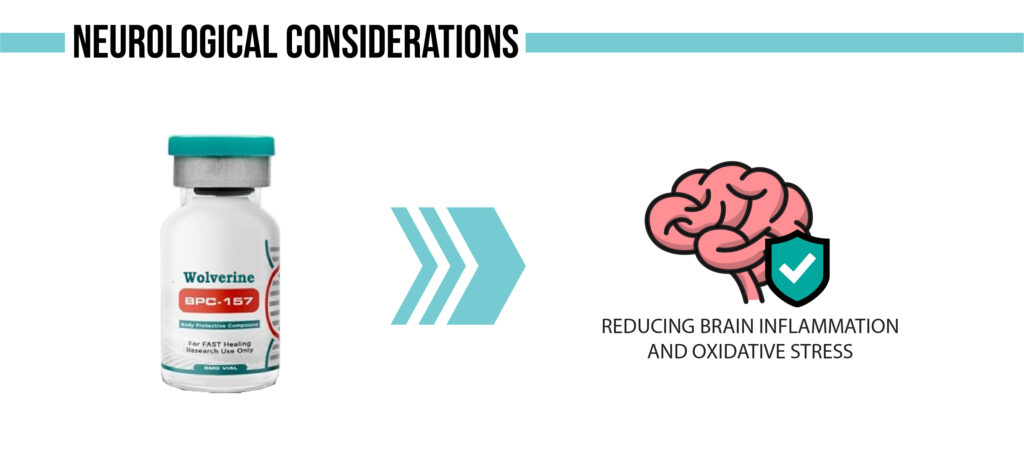
Research suggests that BPC-157 may promote neuroprotection by reducing brain inflammation and oxidative stress, which are implicated in various neurological disorders such as Alzheimer’s disease, Parkinson’s disease, and traumatic brain injury.
Additionally, BPC-157 has been shown to stimulate the expression of growth factors like brain-derived neurotrophic factor (BDNF), which plays a crucial role in neuronal survival, synaptic plasticity, and cognitive function.
Moreover, BPC-157 may enhance the repair and regeneration of neurons and neural tissue, contributing to improved neurological function and recovery from brain damage.
Different Forms of Wolverine Peptide BPC-157
BPC-157 is available in pretty much every form in the market such as capsules, tablets, injectable versions as well as dermal and sublingual patches.
While every form has its own pros and cons, most people use the injectable version of the BPC-157 owing to its greater potency and efficacy compared to other forms.
Some people prefer oral administration over other forms only due to easy availability as well as the comfort of using it.
On the other hand, tablets and patches are an economical option for most of the users.
Dosage of Wolverine Peptide BPC-157
While there are not enough scientific studies or human trials conducted to devise a safe and effective dosage of BPC-157, the best dosing cycle is based on the limited data available, which suggests that around 1 mcg to 10 mcg per kg of body weight is ideal.
This means that, on average, an adult human can regularly administer somewhere between 200mcg to 1000mcg of this peptide.
Wolverine Peptide BPC-157 Stacks
People have traditionally stacked peptides together to achieve synergistic benefits and optimal health and fitness results.
Similarly, BPC-157 can be supplemented with TB-500 to yield effective yet quick results. This can be understood by the fairly similar mode of action adopted by both peptides.
As BPC-157 increases the growth hormone receptors in the human body, TB-500 accelerates the healing mechanism by performing similar actions to BPC-157, such as angiogenesis, regulating growth factors, and acting as an anti-inflammatory agent. Therefore, this synergistic function optimizes the overall effect on the human body.
Side Effects of BPC-157
| Side Effect | Description |
|---|---|
| Increased Hepatotoxicity and Renal Toxicity | ⚠️ Potential liver and kidney damage, observed in limited animal studies. Monitor liver and kidney function. |
| Cardiovascular Problems | ❤️ Rare reports of changes in blood pressure and heart rate; individuals with heart conditions should be cautious. |
| Type 2 Diabetes Mellitus | 🍬 Preliminary findings suggest a potential risk; users with a family history of diabetes should be aware. |
The lack of human-based clinical studies makes it a little complicated to decode the actual adverse effects. So far, no severe side effects have been reported from animal studies conducted on BPC-157.
Based on what we’ve seen in rat-based studies and anecdotal experiences, no major side effects have been reported so far. However, infrequent side effects of using the peptide may include:
Increased Hepatotoxicity and Renal Toxicity
Although BPC-157 has shown potential therapeutic benefits, there is some concern about increased hepatotoxicity and renal toxicity.
These side effects involve potential liver and kidney damage, which have been observed in limited animal studies. While not common, users should be cautious and monitor liver and kidney function if using the peptide over a prolonged period.
Cardiovascular Problems
There have been isolated reports suggesting that BPC-157 might cause cardiovascular issues in some users.
These problems can include changes in blood pressure and heart rate. Although these side effects are rare and mostly based on anecdotal evidence, individuals with pre-existing heart conditions should consult a healthcare provider before using BPC-157.
Type 2 Diabetes Mellitus
Another potential side effect linked to BPC-157 is an increased risk of developing Type 2 Diabetes Mellitus.
This association is primarily based on preliminary findings in animal studies and anecdotal reports. Users should be aware of this risk, especially if they have a family history or other risk factors for diabetes.
Is BPC-157 Wolverine Peptide Legal?
Not yet!
As discussed earlier, this synthetic peptide has not completed the human clinical trials. However, the successful rat-based trials put this compound in a kind of no man’s land.
So, BPC-17 is legal in the USA (Rules vary for other regions) and is available in markets, but it can only be purchased via prescription.
It is important to highlight that WADA (World Anti-doping Agency) hasn’t included this compound in the prohibited list yet.
Where to Buy the Wolverine Peptide BPC-157
| Vendor | Dosage Options | Price Range | Pros | Cons |
|---|---|---|---|---|
| Pure Rawz | 5 mg | $56.48 – $359.48 | 👍 Great discounts 🔄 Refund policy if tests negative in HPLC 🔒 Secure checkout 🧪 Third-party testing 🚚 Free delivery over $100 | 🔄 Lacks variety in doses |
| Core Peptides | 5 mg, 10 mg | $49.00 – $91.00 | 💰 Cheaper option 📊 Multiple dosage variants | 💉 Only injectable forms available |
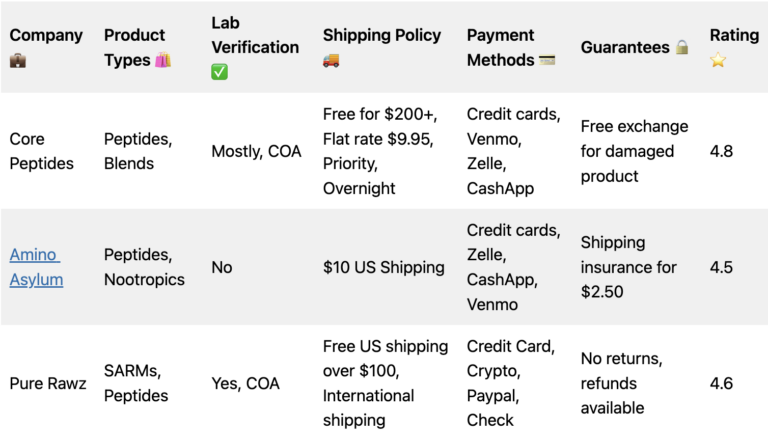
It is always important to buy peptides from trusted sources as one can’t buy these peptides openly owing to legal restrictions. Some shops that we absolutely recommend are:
BPC-157 by Pure Rawz
Pure Rawz is one of the best vendors to look for when buying peptides. Moreover, BPC-157 is one of the popular peptides to be sold out by the brand.
Currently, the peptide is only available in 5 mg dosage.
Although the price range of $56.48 – $359.48 might sound a bit expensive to some and not worth the money, the product is of the highest quality, as proven by its customer review. With its secure checkout, third-party testing, and free delivery of over $100, Pure Rawz indeed knows how to gain user trust.
PROS:
- Great discounts available
- Refund policy if the product tests negative in HPLC facility
CONS:
- Lacks variety in doses
BPC-157 by Core Peptides
Core peptides is another trusted vendor to look for when buying peptides. Core peptides has a solid reputation for selling the best peptide therapy.
Currently, the peptide is only available in 5 mg and 10 mg dosages.
Although the price range of $49.00 – $91.00 might sound a bit expensive to some and not worth the money, the product is of the highest quality, as proven by its customer review.
PROS:
- Cheaper option
- Multiple dosage variant
CONS:
- Only injectable forms are available
Conclusion
This wolverine peptide BPC-157 is what most athletes, bodybuilders, and health/fitness enthusiasts need!
While there are not enough human-based clinical trials conducted so far to actually back up the scientific data of the BPC-157, the anecdotal evidence suggests that BPC-157 can be a life-savior.
From promoting swift recovery and healing process to having regenerative properties to delaying neurodegenerative disorders, BPC-157 is an all-in-one peptide that can enhance the overall health and overall journey of athletes, bodybuilders, and fitness experts.
While there is a strong need for clinical trials involving human subjects, human-based experiences suggest the stronger synergistic effects of BPC-157 if used with other peptide stacks.