You have tried diet and exercise. Your energy still dips in the afternoon. Your body composition barely shifts. Many readers now look at mitochondrial peptides like MOTS-c. They want to know what to expect before and after a cycle. This guide gives you a clear, science based view in simple terms. Derived from a mitochondrial open reading frame, MOTS-c links cellular energy signals to whole-body outcomes.
MOTS-c stands for mitochondrial open reading frame of the 12S rRNA type c. It is a small peptide that your mitochondria can make from their own mitochondrial DNA. It speaks to the nucleus during stress. It helps your cells keep balance when fuel is low or training is hard. This connection to a mitochondrial open reading frame is central to how the derived peptide MOTS-c coordinates metabolic responses.
Interest in MOTS-c grew because it touches insulin sensitivity, glucose metabolism, and fatty acid use. These are the same levers that drive fat loss, muscle performance, and healthy aging. You will see how this peptide fits into a full plan and what a realistic before and after looks like. Early work in mouse skeletal muscle also helps explain why users notice changes first in energy and then in body composition.
Key Takeaways
- MOTS-c is a mitochondrial encoded peptide that helps keep metabolic homeostasis in balance. 🧬
- Early studies show better glucose uptake, improved insulin sensitivity, and support for fatty acid oxidation. 📈
- Results often show first as steadier energy, then body composition and performance changes after several weeks. ⏱️
- Side effects appear mild in small studies, but human data is still limited and you must work with a clinician. ⚠️
- Training, protein intake, sleep, and calorie control still drive most of your before and after results with MOTS-c. 🏋️

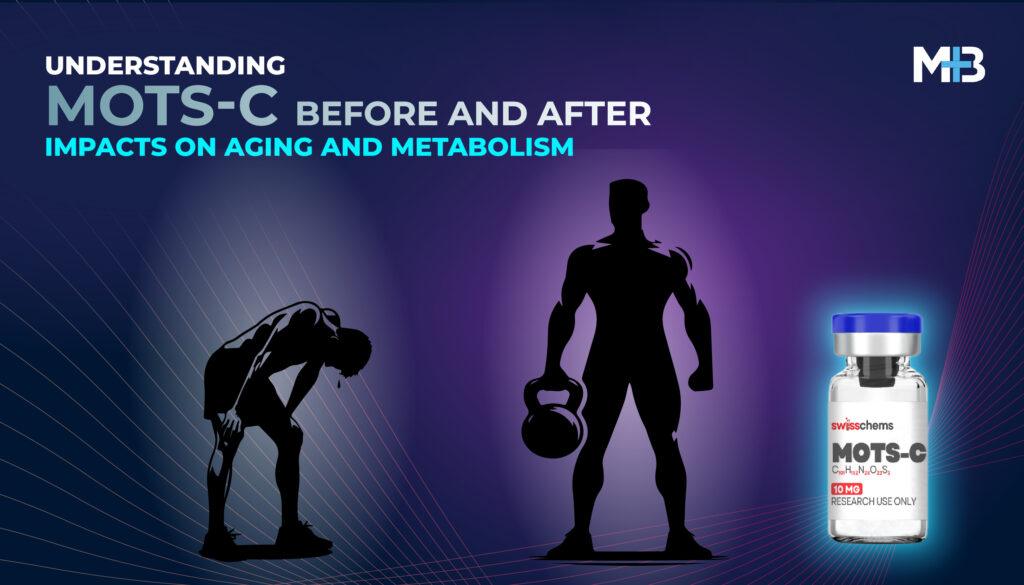
MOTS-c Before and After
Before you start, measure what matters. Record body weight, waist, and hip. Track resting heart rate and morning energy on a simple scale. Add fasting glucose if your clinician agrees. Keep a training log with sets, reps, and loads. Note sleep hours and quality. These markers let you compare your MOTS-c before and after.
After a cycle, look for changes in three layers. First is how you feel day to day. Second is performance in the gym. Third is objective lab and body metrics. Most users report steadier energy in week one to two. Strength, work capacity, and body fat changes usually take more time.
Suggested Before and After Metrics
- Body mass and waist measurement
- Training volume and relative intensity
- Daily steps and zone two minutes per week
- Morning energy and appetite scores
- Fasting glucose and lipids if clinically indicated
Results Timeline at a Glance
- Week 1 to 2: Energy feels steadier. Hunger is more stable. Light improvements in work output.
- Week 3 to 4: Endurance sessions feel smoother. Recovery between sets improves. Sleep quality may rise.
- Week 5 to 8: Body fat trends down if diet supports it. Strength and conditioning both advance. Waist to hip ratio improves.
Your before and after depends on training quality, protein intake, and total calories. The peptide supports your plan. It does not replace the plan.
What is MOTS-c?
MOTS-c is a mitochondrial derived peptide. It comes from a short open reading frame within mammalian mitochondrial DNA. In plain words, your mitochondria hold a small set of genes. One region can produce the MOTS-c peptide.
Researchers found that MOTS-c is expressed in human skeletal muscle and other tissues. Circulating MOTS-c levels appear in plasma. The peptide can move to the nucleus during metabolic stress. There it can help regulate nuclear gene expression that supports metabolic homeostasis.
In models of mutant mitochondrial DNA, MOTS-c still signals to regulate nuclear genes that steady energy metabolism. This cross talk is part of why the peptide may help during aging and high training loads. It acts like a small coordinator between the mitochondrial genome and the nuclear genome.
How MOTS-c Works: The Molecular Mechanisms
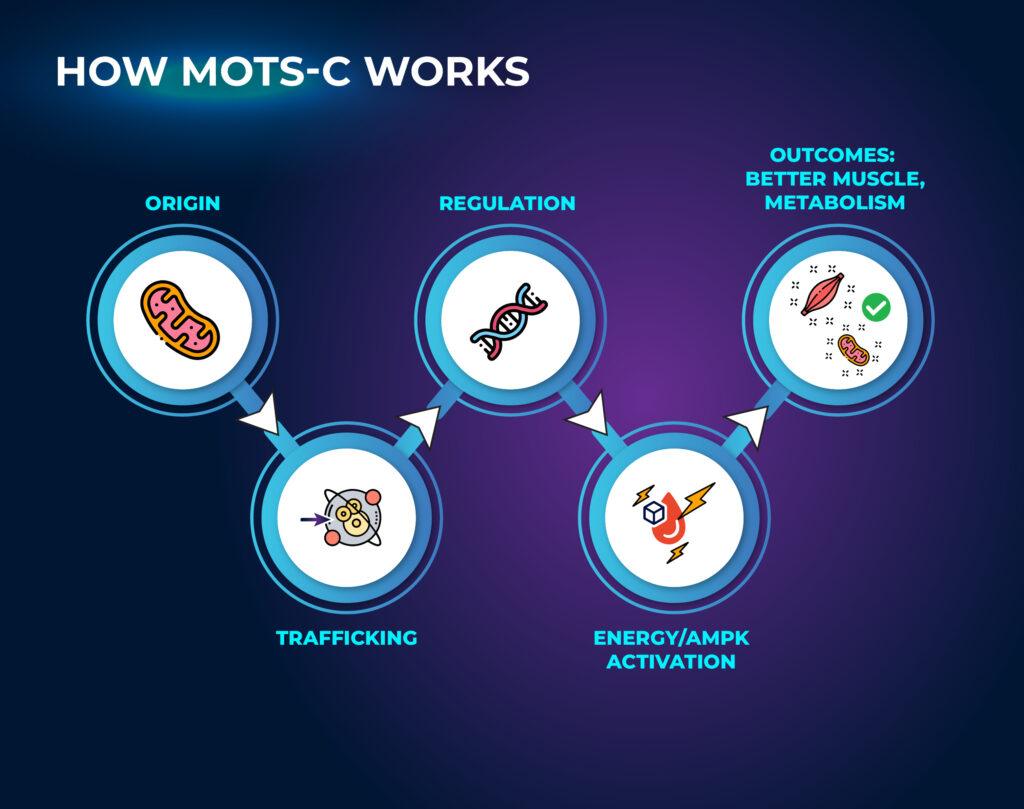
- Origin: Mitochondrial open reading frame within mammalian mitochondrial DNA produces MOTS-c.
- Trafficking: During metabolic stress MOTS-c moves to the nucleus.
- Signal: The peptide helps regulate nuclear genes that manage energy production and inflammatory responses.
- Switch: AMPK activation increases. Cells enhance glucose uptake and fatty acid oxidation.
- Outcome: Better mitochondrial function, improved muscle performance, and support for adipose tissue balance.
MOTS-c also interacts with exercise signals. It can align with PGC 1 alpha activity during endurance work. The pair supports mitochondrial biogenesis and efficient fuel use.
Benefits You Can Expect
- Steadier daytime energy and mood
- Improved work capacity in aerobic sessions
- Better strength endurance across sets
- Reduced waist measurement when calories are controlled
- Support for healthy fasting glucose and lipids when paired with diet and training
Track benefits with a simple weekly scorecard. Rate energy, hunger, sleep, and training quality from one to ten. Compare the average across the cycle to your baseline. MOTS-c influences multiple areas of health. It supports:
Insulin Sensitivity
Better insulin sensitivity means cells need less insulin for the same glucose control. MOTS-c treatment significantly improved skeletal muscle function in several models. Findings suggest the peptide helps maintain lipid metabolic homeostasis. It can reduce lipid accumulation in liver and muscle in high fat diet models.
In people, small trials and observational work show signals. Circulating MOTS-c levels tend to fall with age. Lower plasma MOTS-c levels are linked with insulin resistance states. The role of MOTS-c in humans will need larger controlled trials.
When paired with training and protein, improved sensitivity supports muscle mass. It also stabilizes energy across the day. This is where many users report the first before and after shift.
Glucose Uptake
Glucose uptake rises when GLUT transporters move to the cell membrane. AMPK acts as a key switch. MOTS-c seems to activate AMPK. As a result, cells pull in more glucose. Energy production becomes more efficient. Muscle cells run better with stress. Endurance work feels smoother. Strength sessions feel more stable across sets.
This effect matters during a cut. More glucose enters working muscle. Less spills into storage. Pair leg days with carb feedings to make use of this window. Track reps at a fixed load to see the performance side of the change.
Endogenous MOTS-c
Endogenous MOTS-c refers to the peptide produced inside your own cells. Its expression changes with age and stress. The mitochondrial genome encodes MOTS-c. Under metabolic stress the peptide can move to the nucleus. It helps regulate nuclear genes that manage energy metabolism and inflammatory responses. This adaptive nuclear gene expression supports survival when nutrients are low or when training is hard.
Exercise raises endogenous MOTS-c expression in skeletal muscle. Short high intensity bouts and steady zone two both help. This is one reason training remains the base of your plan even with peptide support.
Adipose Tissue
Adipose tissue is not just storage. It is an endocrine organ. MOTS-c may support adipose homeostasis. Animal work shows changes in brown and white adipose tissue. The peptide can reduce lipid accumulation and improve lipid metabolism. With better insulin signaling, adipose tissue releases fatty acids more efficiently during exercise. This helps performance and body composition over time.
Look for slow changes first. Waist measurement drops before the scale moves much. Combine a small calorie deficit with higher step counts to nudge adipose tissue toward use rather than storage.
High Fat Diet
High fat diet models create metabolic dysfunction in research. Mice on a high fat diet gain fat mass and show insulin resistance. MOTS-c treated mice resist some of these effects. They gain less fat, keep better glucose control, and maintain more muscle function. These results highlight the role of MOTS-c in energy balance. Human trials must confirm this signal.
For readers, the lesson is practical. A high fat diet with surplus calories breaks glucose control. A balanced plate with fiber and lean protein supports MOTS-c action and keeps energy steady.
Brown Adipose Tissue
Brown adipose tissue burns calories to make heat. It is rich in mitochondria. MOTS-c may help activate brown adipose tissue. This can raise energy use at rest. Even small changes in brown fat activity can support steady fat loss over weeks. Cold exposure, caffeine, and exercise also modulate brown fat. Use these tools with your clinician for best results.
Aim for short cold showers or brisk walks in cool air. Pair with a protein rich breakfast. The stack helps brown fat and keeps hunger calm.
Energy Metabolism
Energy metabolism sits at the core of MOTS-c research. The peptide helps regulate metabolic homeostasis. It touches glucose metabolism, fatty acid oxidation, and mitochondrial function. AMPK activation links many of these effects. With better AMPK tone, cells shift from storage to use. This state supports training and weight control.
Mitochondrial Function
Mitochondria produce ATP. They also signal to the nucleus. MOTS-c, a mitochondrial encoded peptide, is a messenger in this cross talk. It can regulate nuclear gene expression that controls energy production and stress responses. Better mitochondrial function means steadier energy and better performance. This shows up in your before and after.
During deload weeks, keep steps high and protein steady. This maintains mitochondrial adaptations while fatigue drops.
Cellular Metabolism
Cellular metabolism covers all the chemical reactions that sustain life. MOTS-c supports balance during metabolic stress. Training is a planned form of stress. The peptide can help cells adapt. It supports protein expression linked with glucose transporter trafficking. It also supports genes that cut inflammatory markers. These effects help recovery and long term progress.
Better cell level balance reduces soreness between sessions. You can keep quality high without overreaching. This is a quiet but meaningful before and after shift.
Gene Expression
MOTS-c can regulate nuclear gene expression through stress responsive pathways. This includes genes involved in glucose uptake, lipid metabolism, and mitochondrial biogenesis. The net effect is better energy production and muscle homeostasis. In simple terms cells switch on the right tools at the right time. Training quality improves when the cell toolkit works well.
Adaptive nuclear gene expression also supports resilience. Travel, poor sleep, or a hard block of work will not derail you as fast. Your system returns to baseline sooner.
Age Dependent Physical Decline
Aging lowers endogenous MOTS-c. This may link to age dependent physical decline. Lower circulating MOTS-c levels appear in older adults. Exercise can lift MOTS-c expression in muscle. Resistance training and zone two cardio both help. These practices also improve insulin sensitivity and muscle mass. A before and after plan must include a smart training mix.
Ovariectomy Induced Metabolic Dysfunction and Bone Loss
Research models use ovariectomy to mimic menopause. Ovariectomy induced metabolic dysfunction includes higher fat mass and insulin resistance. Some studies show that MOTS-c treatment helps restore metabolic homeostasis in these models. It may also protect against ovariectomy induced bone loss by supporting osteoblast activity. More human data are needed.
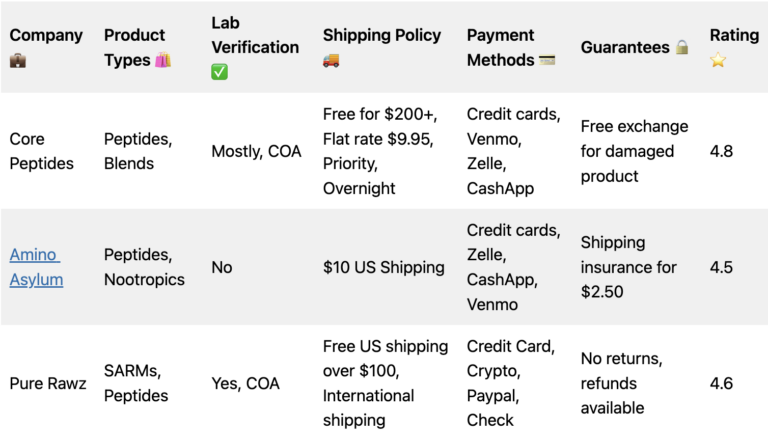
Where to Buy MOTS-c
MOTS-c
MOTS-c (short for “Mitochondrial Open Reading Frame-c”) is a 16-amino acid peptide encoded within mitochondrial DNA. Unlike many peptides derived from nuclear genes, MOTS-c plays a direct role in regulating energy production and metabolic balance.
The peptide is best known for its ability to activate AMPK, a key energy-sensing enzyme that boosts fat metabolism, enhances glucose utilization, and improves mitochondrial function. By supporting these pathways, MOTS-c helps the body adapt to metabolic stress and may promote better endurance and recovery.
Research also suggests MOTS-c contributes to improved insulin sensitivity and cellular resilience, making it a potential tool for both performance enhancement and healthy aging. While human data is limited, interest in MOTS-c has grown for its unique role in metabolic regulation.
Many users explore MOTS-c to support fat loss, energy balance, and exercise performance. It’s typically available as an injectable peptide for research purposes.
Disclaimer: This information is for educational and/or research discussion only. MOTS-c is sold by research suppliers and not approved for human or clinical consumption. Always consult a qualified health professional before use.
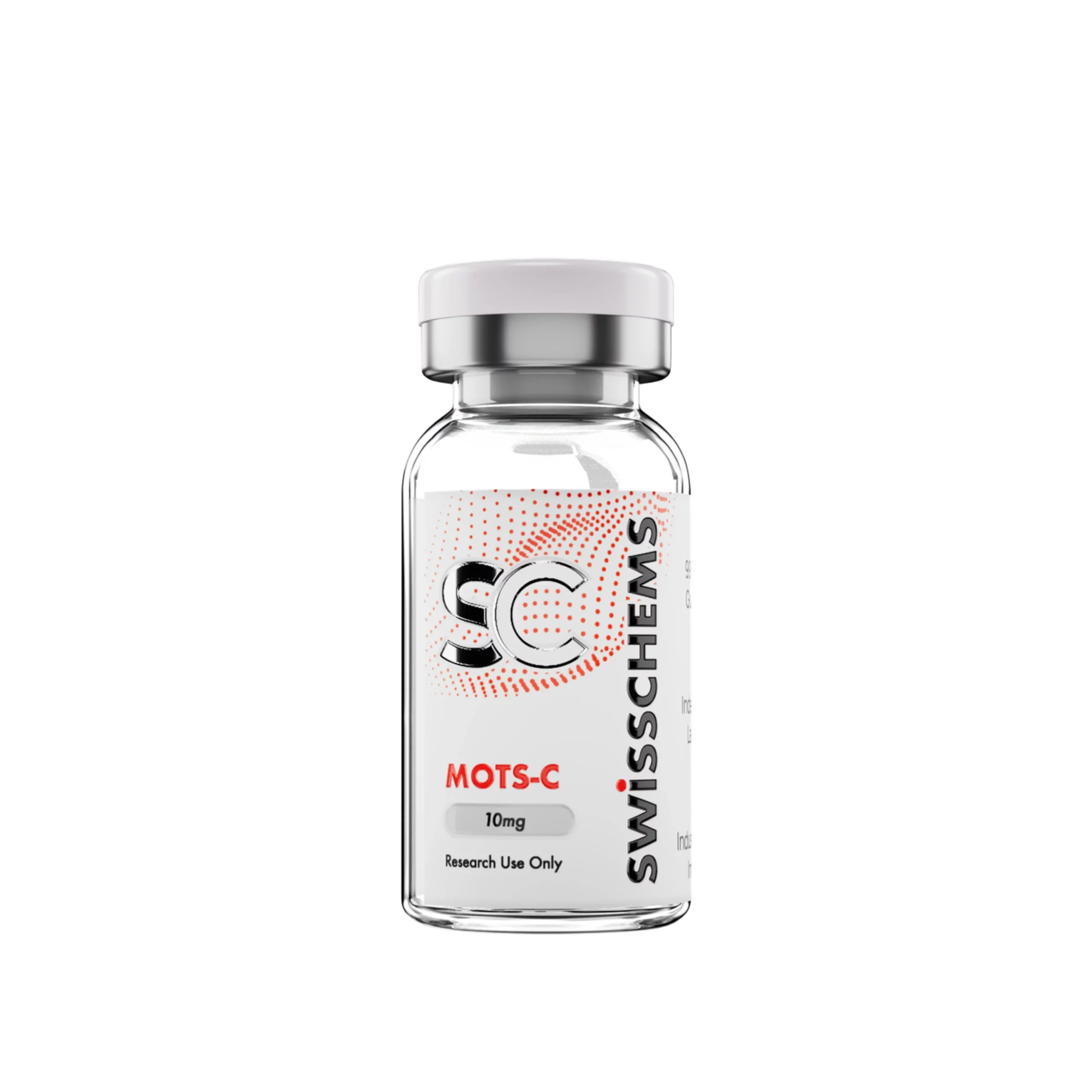
MOTS-c Overview
⭐ Top Benefits: Fat metabolism, energy balance, improved endurance
🧪 Form: Injectable liquid (vial)
⌛ Max Time Used: 4–12 weeks (research context)
💰 Average Cost: $69.95 per 10mg vial
❤️🩹 Side Effects: Possible fatigue, mild nausea, limited human data
📚 Best Peptide Stack: Often paired with CJC-1295 (without DAC) or other mitochondrial/AMPK-support compounds
Copy Brawn10 for 10% off
- Enhances fat utilization and glucose metabolism
- Supports mitochondrial function and endurance
- May improve insulin sensitivity and metabolic flexibility
- Limited human research available
- Requires frequent injections for consistent effects
- Not approved for clinical use; research purposes only
Side Effects and Safety
Human data remain limited. Reported side effects are usually mild. Some users note redness at the injection site. A few report transient nausea or headache. Always stop and speak with a clinician if symptoms persist. People with chronic illness should not start any peptide without medical guidance.
Because MOTS-c can influence metabolic pathways, monitor fasting glucose and lipids with your clinician if appropriate. Use sterile technique and rotate sites to protect skin health.
Dosage and Cycle Guidelines
A common research pattern uses intermittent dosing. Cycles often run six to eight weeks. Off periods follow. Lower doses may be used by older adults. The goal is to mimic physiologic pulses and limit tolerance.
| Phase | Dose | Frequency | Notes |
| Week 1 to 2 | 5 mg | Two to three times per week | Assess tolerance. Track energy and sleep. |
| Week 3 to 6 | 10 mg | Two to three times per week | Maintain training and diet. Add zone two work. |
| Week 7 to 8 | 5 mg | Two times per week | Taper. Recheck waist, strength, and labs if ordered. |
| Off 4 weeks | 0 mg | — | Focus on habits. Decide on next cycle with clinician. |
Administration is usually subcutaneous. Rotate sites to reduce irritation. Pair with a high protein meal if nausea appears. Hydrate well. Keep injection technique sterile.
If you respond well, keep the off month clean. Continue protein, steps, and training. Reassess goals before any new cycle. Rotate sites to reduce irritation. Pair with a high protein meal if nausea appears. Hydrate well. Keep injection technique sterile.
Smart Stacks
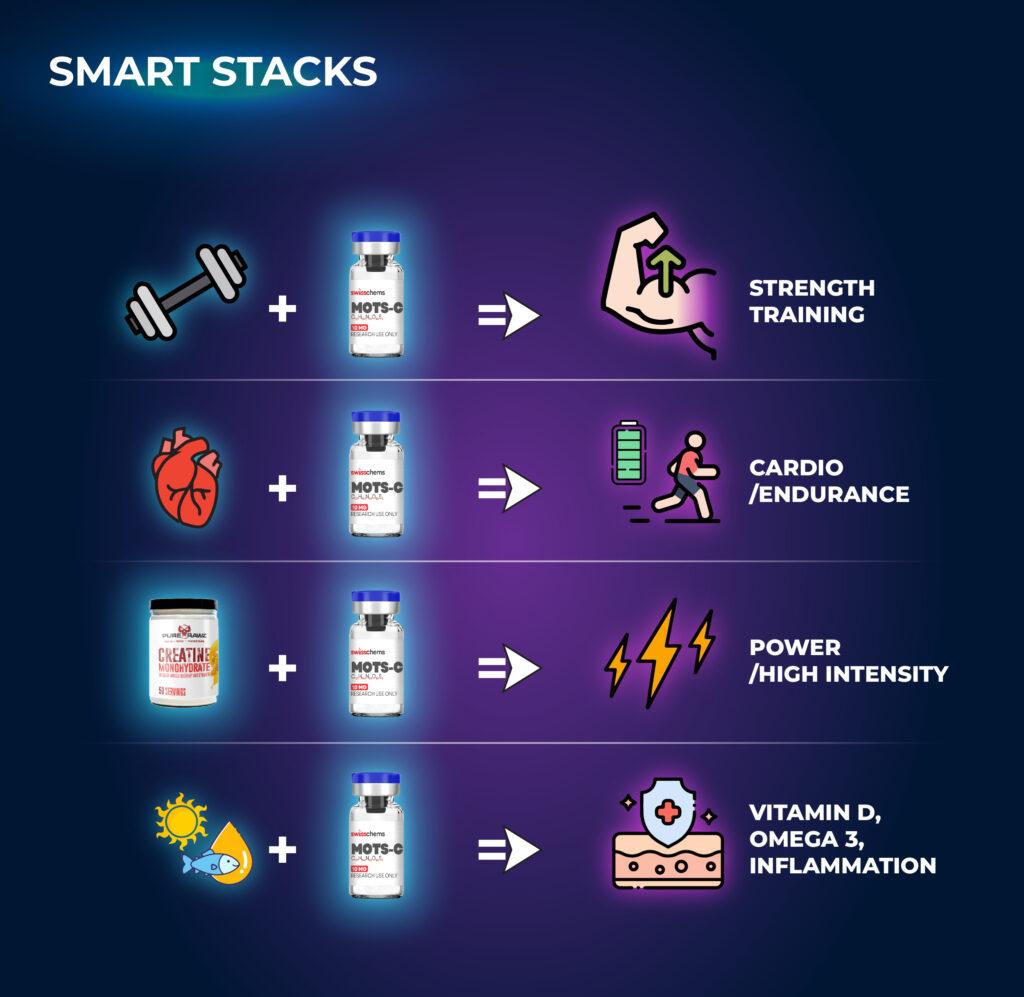
- MOTS-c plus Strength Training: Supports skeletal muscle metabolism and protein expression. Helps preserve muscle mass during a cut.
- MOTS-c plus Zone Two Cardio: Enhances fatty acid oxidation and mitochondrial biogenesis. Improves endurance performance.
- MOTS-c plus Creatine Monohydrate: Creatine supports energy production in high intensity sets. Together, they cover both mitochondrial and phosphagen systems.
- MOTS-c plus Vitamin D and Omega 3: Helps modulate inflammatory markers and supports muscle function.
Start simple. Add only one new stack element every two weeks. This lets you isolate effects and write a clear before and after.
Nutrition to Amplify Before and After
- Protein target each day
- Colorful vegetables and berries for polyphenols
- Omega 3 rich fish twice per week
- Fiber intake above 25 grams per day
- Hydration to support training and recovery
These steps improve insulin sensitivity and lipid metabolism. MOTS-c works best in this environment. Plan meals ahead and keep a simple food log during the cycle.
Training Plan to Showcase Results
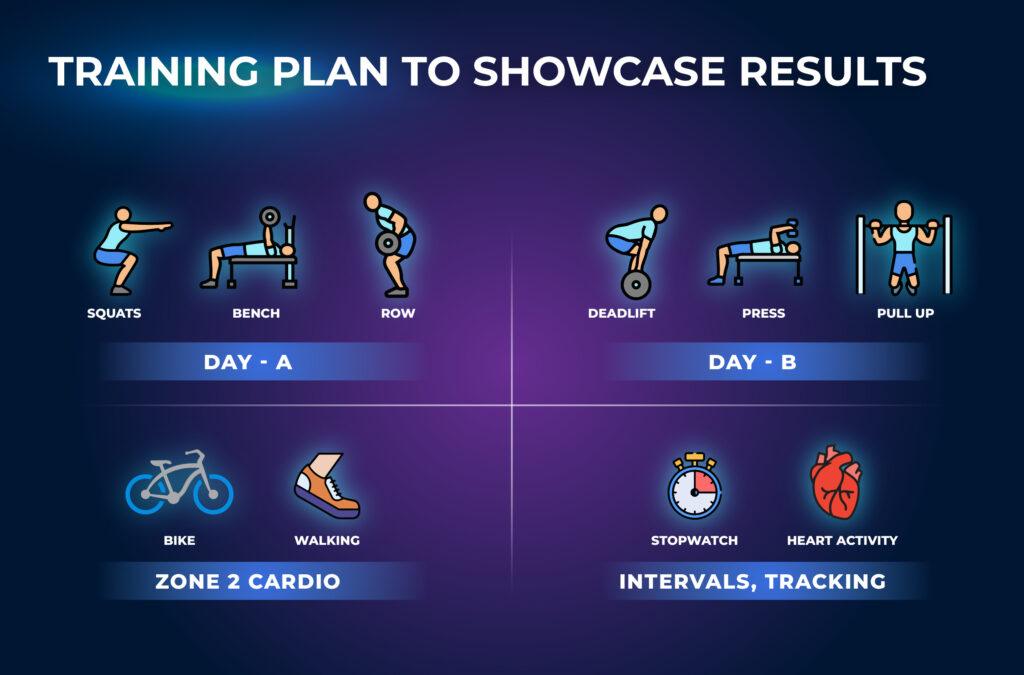
Two Day Strength Split
Day A: Squat, bench press, row, carry
Day B: Deadlift, overhead press, pull up, lunge
Use three to five sets per lift. Keep two reps in reserve. Progress each week.
Two Day Cardio Plan
One long zone two ride or brisk walk for 45 to 60 minutes. One interval day with 4 by 4 minute efforts at hard pace. Rest two minutes between efforts. Track heart rate and perceived exertion.
If recovery dips, scale volume before intensity. This keeps quality high while stress lowers.
Putting It All Together
MOTS-c sits at the crossroads of mitochondrial function and nuclear gene control. It helps cells handle metabolic stress. This translates into better glucose metabolism, improved insulin sensitivity, and support for fatty acid oxidation. Your before and after depends on training, diet, sleep, and consistent dosing under medical care.
Measure well. Train hard. Eat for your goal. Use MOTS-c only with expert guidance. Over time, the compound may help maintain muscle mass, reduce fat, and improve physical performance. The biggest wins come from the basics. The peptide sharpens the edge.
Think in blocks. Eight weeks of focused work, four weeks of consolidation, then a new goal. Carry forward the habits that moved the needle. Drop the ones that did not. This steady method turns a single before and after into a long arc of progress.
Finally, keep your expectations honest. MOTS-c is a promising tool, not magic. Your body changes when daily choices align with your goal. If you control the plan, track the work, and recover well, the peptide can help you go farther with the same effort.
Frequently Asked Questions (FAQs)
What is the role of MOTS-c in humans?
It is a mitochondrial derived peptide that helps regulate metabolic homeostasis. It may improve glucose uptake, insulin sensitivity, and fatty acid oxidation. Human trials are still small. Work with a clinician.
How fast will I see before and after changes?
Most notice energy shifts within two weeks. Body composition and performance changes take six to eight weeks with strong habits.
Does MOTS-c help with obesity and insulin resistance?
Animal work and early human data suggest benefits. The peptide supports skeletal muscle insulin sensitivity and lipid metabolism. It is not a replacement for diet and training.
Can MOTS-c affect gene expression?
Yes. MOTS-c can regulate nuclear gene expression in response to metabolic stress. This supports mitochondrial function and energy production.
What happens to MOTS-c levels with age?
Circulating MOTS-c levels tend to decline. Training can raise expression in muscle. This may support physical function in older adults.