Do You Need Vitamins for Sleep and Anxiety?
Yes, vitamins can play an important role in supporting both sleep quality and anxiety management. Many people lie in bed at night with racing thoughts, unable to relax.
Even after an exhausting day, sleep does not come easily. Anxiety and restlessness often go hand in hand, leaving the body tired but the mind wide awake. This cycle can affect energy during the day, mood stability, and overall health.
Science shows that nutrition plays a big role in how the body handles both stress and rest. The brain depends on vitamins and minerals to produce neurotransmitters like serotonin, dopamine, and GABA, which regulate mood and sleep.
When levels are low, the brain struggles to calm down, and anxiety symptoms become worse. Rest becomes light, broken, or delayed.
Vitamins for sleep and anxiety are not quick fixes, but they support the body’s natural systems.
Unlike prescription medications that often focus on symptoms, vitamins can strengthen the root processes that control relaxation, hormone balance, and brain chemistry. With consistent use, they help the body manage stress better and prepare for deeper, restorative sleep.
Key Takeaways
- Vitamins support natural sleep and mood balance by regulating neurotransmitters, hormones, and stress responses. 🌙
- Magnesium, vitamin D, vitamin C, vitamin E, and B-complex vitamins are the most effective supplements for reducing anxiety and improving rest. 💊
- Benefits include deeper sleep, less anxiety, better resilience, and improved mood stability. 😴
- Risks involve over-supplementation, poor-quality products, and potential interactions with other supplements or medications. ⚠️
- Lifestyle habits such as good sleep hygiene, stress management, and balanced nutrition can enhance the effects of vitamins and improve overall well-being. 🧘

Why Vitamins Matter for Sleep and Anxiety
The body cannot function without the right nutrients. Sleep and anxiety are deeply connected through the nervous system, and vitamins help regulate both.
Poor sleep often increases anxiety, while chronic anxiety often leads to poor sleep. This creates a cycle that becomes difficult to break without proper support.
Vitamins help balance hormones and neurotransmitters that affect mood and rest. For example, serotonin not only supports happiness but also converts into melatonin, the hormone that controls sleep cycles.
Deficiencies in vitamins that help create serotonin can reduce melatonin levels and disturb the circadian rhythm.
Stress also raises cortisol, the body’s main stress hormone. High cortisol makes it hard to relax at night. Certain vitamins lower cortisol and protect the adrenal glands from burnout. Others reduce oxidative stress caused by long-term anxiety, protecting brain cells from damage.
By providing what the brain and body need, vitamins act as building blocks for calmness, stability, and healthy sleep. They do not replace good habits like exercise or relaxation routines, but they give the nervous system the support it requires to function properly.
Science of Vitamins for Sleep and Anxiety
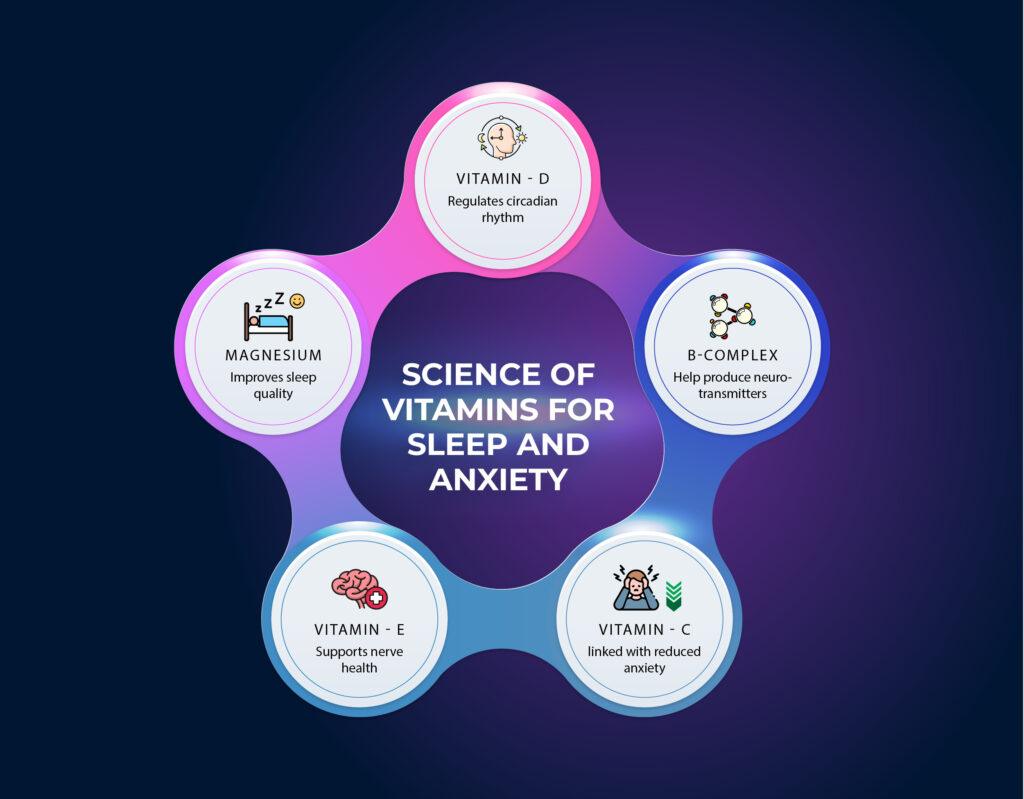
Research highlights several vitamins that directly affect anxiety levels and sleep quality. Each one works through different mechanisms, but together they create a foundation for mental calmness and rest.
Vitamin D
- Regulates circadian rhythm and mood.
- Low vitamin D is linked with insomnia, depression, and higher anxiety.
- Supports serotonin production, which influences melatonin.
- Deficiency is common in people with little sun exposure.
B Vitamins (B6, B12, Folate)
- Help produce neurotransmitters like serotonin, dopamine, and GABA.
- B6 supports serotonin and GABA synthesis for relaxation
- B12 and folate stabilize the nervous system and reduce stress-related fatigue.
- Low levels are linked with irritability, depression, and restless sleep.
Vitamin C
- Lowers cortisol, the stress hormone that disrupts sleep.
- Supports adrenal glands, which control stress response.
- Provides antioxidant protection for brain cells under chronic stress.
- Supplementation has been linked with reduced anxiety in clinical studies.
Vitamin E
- Protects brain cells from oxidative stress caused by long-term anxiety.
- Supports nerve health and mental resilience.
- Often works synergistically with vitamin C as an antioxidant defense system
Magnesium
- Calms the nervous system by activating GABA receptors.
- Relaxes muscles and lowers nighttime restlessness.
- Improves sleep quality in people with insomnia.
- Deficiency is common due to modern diets.
Other Supporting Nutrients
- Zinc helps regulate brain signaling.
- Omega-3 fatty acids reduce inflammation and stabilize mood.
- Herbal blends like valerian root and ashwagandha add calming effects when paired with vitamins.
Alternatives to Vitamins for Sleep and Anxiety
For some people, vitamins alone are not enough. Luckily, there are several compounds that are currently being researched, and so far studies are indicating positive results. Here are a few options that are currently being researched for their effects on relaxation and mental support:
L-Theanine
This naturally occurring amino acid promotes calming brain activity without causing drowsiness. Many people find it helps ease racing thoughts and improve sleep quality when taken before bed.
Phenibut HCL
A derivative of GABA, Phenibut is used in research for its anxiolytic (anti-anxiety) and sleep-supportive effects. However, caution is advised—it may be habit-forming and should be used under professional guidance.
Bromantane & Noopept
Both of these nootropic compounds are studied for their mood-stabilizing and cognitive-enhancing effects. While not classical sleep aids, they may help reduce anxiety and support a calmer mindset overall.
Calming Herbal Blends
In addition to foundational nutrients, Pumping Irons offers stimulant-free supplements and herbal blends with compounds like L-Theanine and GABA-friendly ingredients. These can act as gentler alternatives to traditional vitamins and support restful sleep without stimulants.
Benefits of Vitamins for Sleep and Anxiety
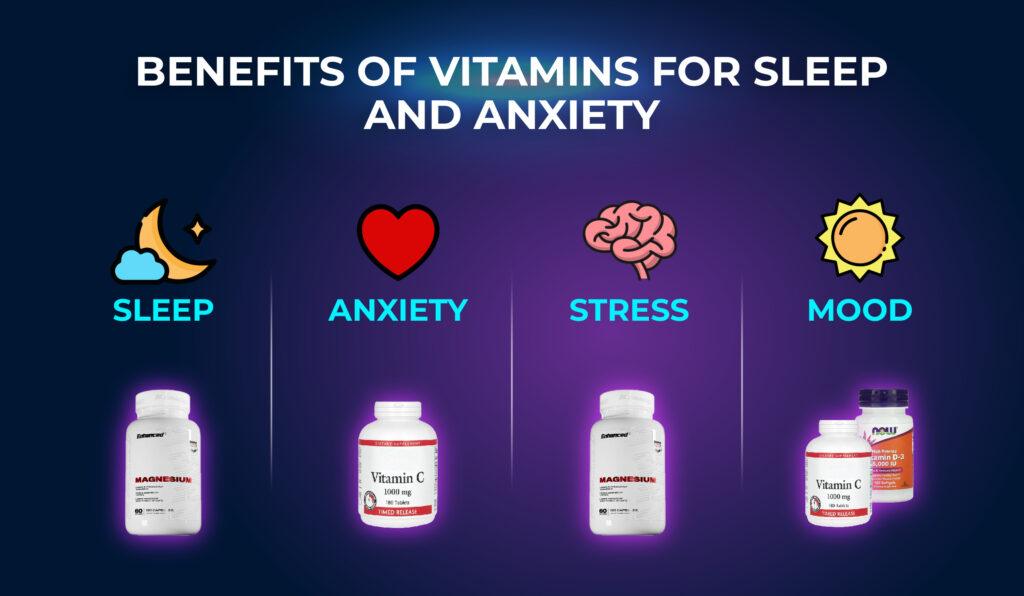
Good nutrition is more than fuel for the body. It also supports the mind. Specific vitamins strengthen the nervous system, regulate stress, and promote rest. With consistent intake, they create a stable foundation for better sleep and calmer moods.
Improved Sleep Quality
Vitamins help the body regulate the sleep cycle more effectively.
Magnesium reduces nighttime awakenings by calming the nervous system, while vitamin D helps maintain consistent circadian rhythm signals. B vitamins also contribute by supporting melatonin production.
This combination helps improve both sleep duration and the depth of restorative stages like REM and deep sleep, where most recovery happens.
Reduced Anxiety Symptoms
B-complex vitamins lower homocysteine levels, which are often elevated in anxious individuals. Lowering these levels reduces irritability and nervousness.
Vitamin C supports this by helping regulate cortisol, keeping stress responses under control.
Together, they promote a calmer state of mind, which helps reduce racing thoughts and worry patterns that make anxiety worse.
Better Stress Resilience
Chronic stress weakens the body over time, but antioxidants like vitamins C and E protect cells from damage. Magnesium also supports adrenal function, which prevents exhaustion during periods of long-term stress.
These nutrients improve resilience by giving the nervous system more resources to handle challenges without breaking down.
Enhanced Mood and Focus
When neurotransmitters like serotonin and dopamine are balanced, mood stability improves. This reduces sudden emotional swings that often come with anxiety.
Vitamins also play a role in energy metabolism, which prevents fatigue from disrupting concentration. The result is steadier mood regulation and sharper mental focus during the day.
A Natural and Non-Addictive Option
Many people worry about dependence or side effects from prescription sleep aids or anti-anxiety drugs. Vitamins provide a natural approach that works with the body instead of forcing chemical changes.
While they may not be as strong as medication in severe cases, they can reduce the need for higher doses of drugs and support long-term health without addictive risks.
Risks and Things to Watch Out For
Vitamins are powerful tools, but they are not risk-free. Using them carelessly can cause side effects or reduce the effectiveness of medications. Knowing what to watch out for helps you avoid mistakes and stay safe.
Over-Supplementation
Fat-soluble vitamins like D and E can accumulate in the body. Very high levels may lead to headaches, nausea, or more serious health problems. It is important to avoid excessive doses without medical supervision.
Medication Interactions
Vitamins can interact with drugs for anxiety, depression, or sleep. For example, vitamin B6 may change how certain antidepressants work. Anyone on medication should consult their doctor before starting supplements.
Digestive Side Effects
High doses of magnesium or vitamin C may cause diarrhea or cramping. Dividing doses throughout the day or taking them with meals helps reduce these effects.
Quality Concerns
Not all supplements are tested for purity or accuracy. Some contain fillers, hidden blends, or inaccurate dosages. Always choose brands with third-party testing and transparent labels.
How to Take Vitamins for Sleep and Anxiety
Timing, dosage, and absorption all affect how well vitamins work. Taking them correctly ensures maximum benefits for sleep and anxiety while lowering the chance of discomfort.
| Vitamin | Best Time to Take | Dosage Range | Absorption Tips |
| Vitamin D | Morning | 1000–2000 IU daily | Take with healthy fats |
| B Vitamins (B6, B12, Folate) | Morning | Balanced B-complex | Take with food for better absorption |
| Vitamin C | Any time, split doses | 500–1000 mg daily | Absorbs well with water; splitting doses helps |
| Vitamin E | With meals | 100–200 IU daily | Needs dietary fat for absorption |
| Magnesium | Evening | 200–400 mg | Magnesium glycinate is best for sleep |
Natural Alternatives if You Don’t Want Supplements
Many foods naturally supply the same nutrients that improve sleep and calm anxiety. Adding these to your diet is an easy, accessible way to support mental health.
| Vitamin | Food Sources | Notes for Sleep/Anxiety |
| Vitamin D | Salmon, sardines, fortified milk, sunlight | Supports circadian rhythm and melatonin production |
| B Vitamins | Leafy greens, eggs, whole grains, beans, lean meats | Help produce neurotransmitters that regulate mood |
| Vitamin C | Citrus fruits, bell peppers, kiwi, strawberries | Lowers cortisol and supports adrenal function |
| Vitamin E | Nuts, seeds, vegetable oils | Protects brain cells from oxidative stress |
| Magnesium | Spinach, pumpkin seeds, almonds, avocados | Relaxes muscles and calms the nervous system |
What to Consider When Buying
Choosing the right vitamin supplement makes all the difference. Labels, dosages, and product quality can determine whether a supplement helps or harms. Being selective ensures safety and effectiveness.
- Ingredient transparency: Always check for clear amounts listed on the label.
- Proper dosages: Look for levels that match research, not mega-doses.
- Bioavailability: Choose forms the body can absorb easily, like magnesium glycinate instead of magnesium oxide.
- Third-party testing: Independent verification ensures purity and safety.
- Brand reputation: Stick with companies known for quality, positive reviews, and
- transparency.
Where to Buy the Best Vitamins for Sleep and Anxiety
Ashwagandha Capsules – Enhanced Labs
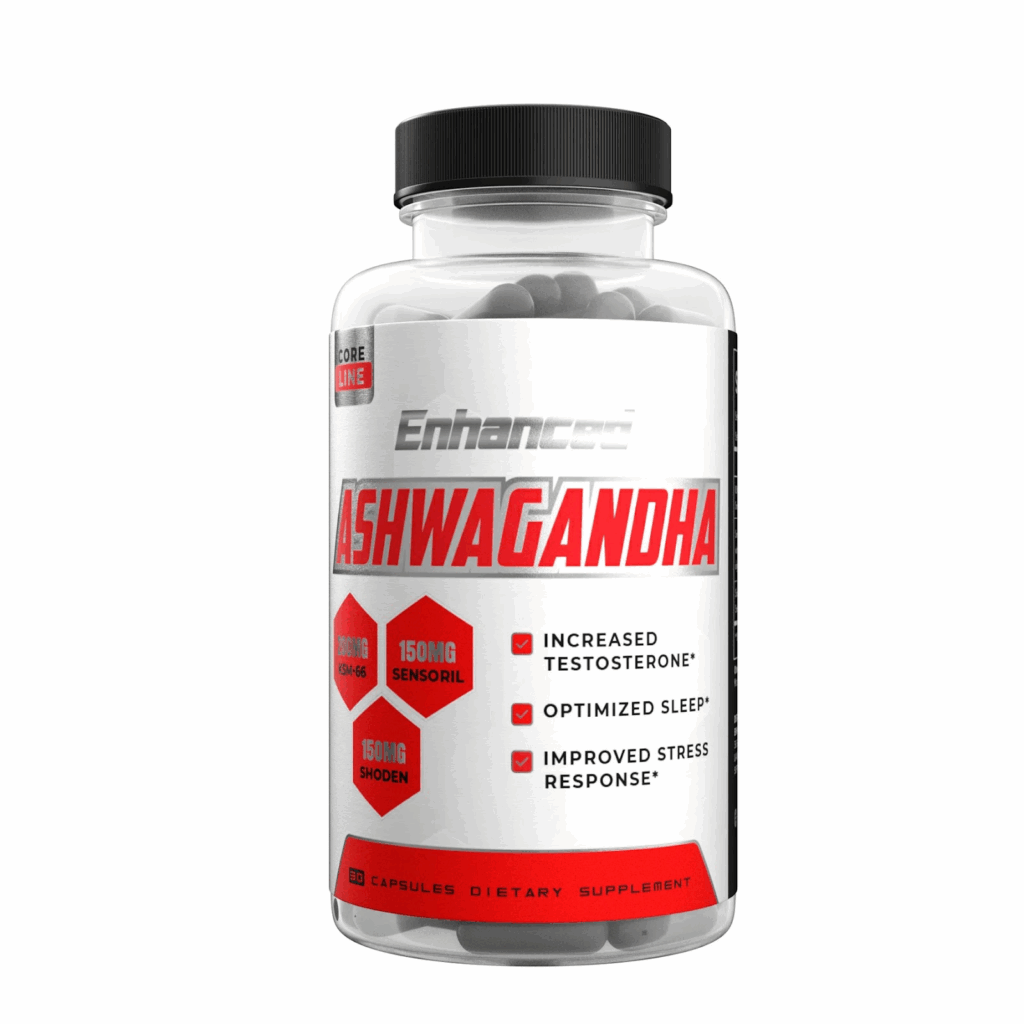
As discussed earlier, Ashwagandha is an adaptogen known for helping the body manage stress and promoting a calmer state of mind. Enhanced Labs offers high-quality capsules designed to support relaxation and overall well-being.
Disclaimer: Do not start any supplements without the advice of a healthcare professional.
Phenibut HCl – SwissChems
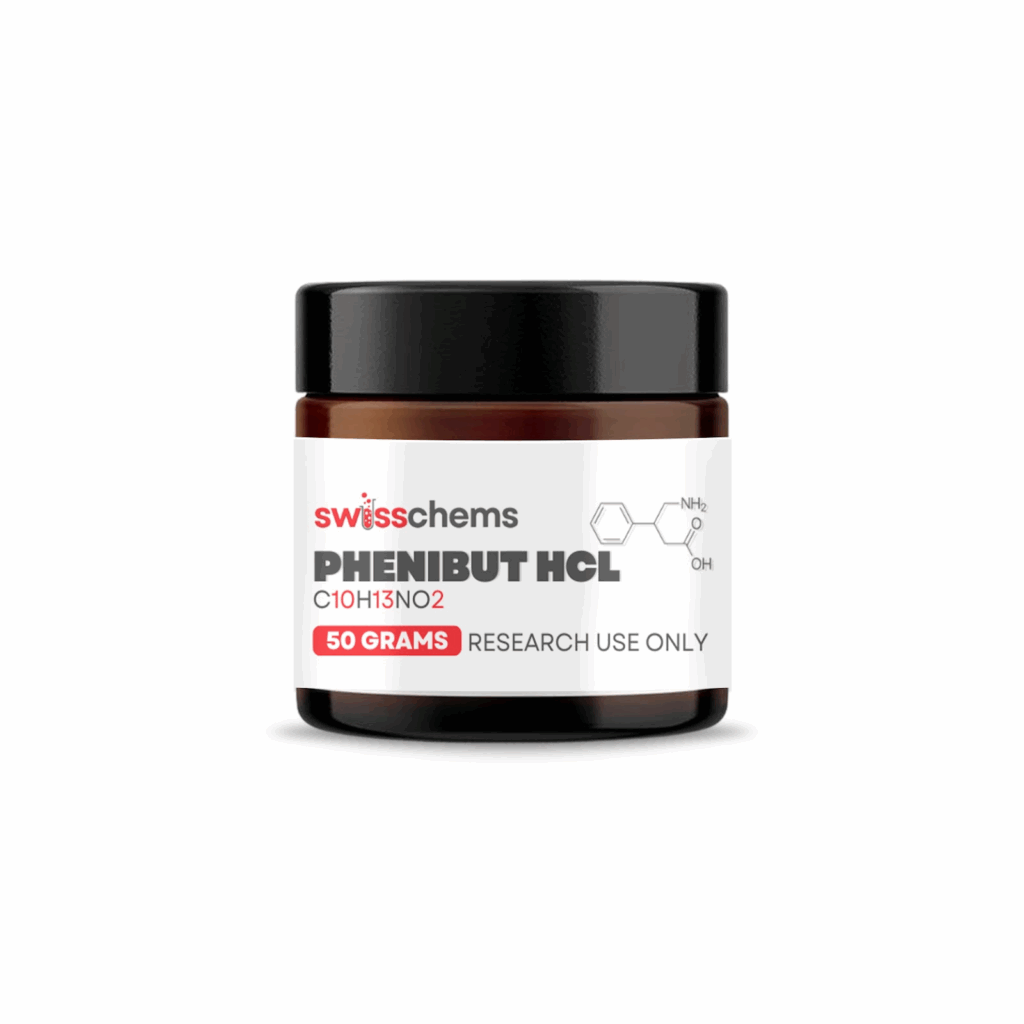
Phenibut HCl is a compound currently being studied for its calming and sleep-promoting effects. SwissChems provides it in high-purity form for those researching alternatives to traditional vitamins for anxiety and rest.
Disclaimer: This product is sold for research purposes only and is not intended for human consumption.
Magnesium Capsules – Enhanced Labs
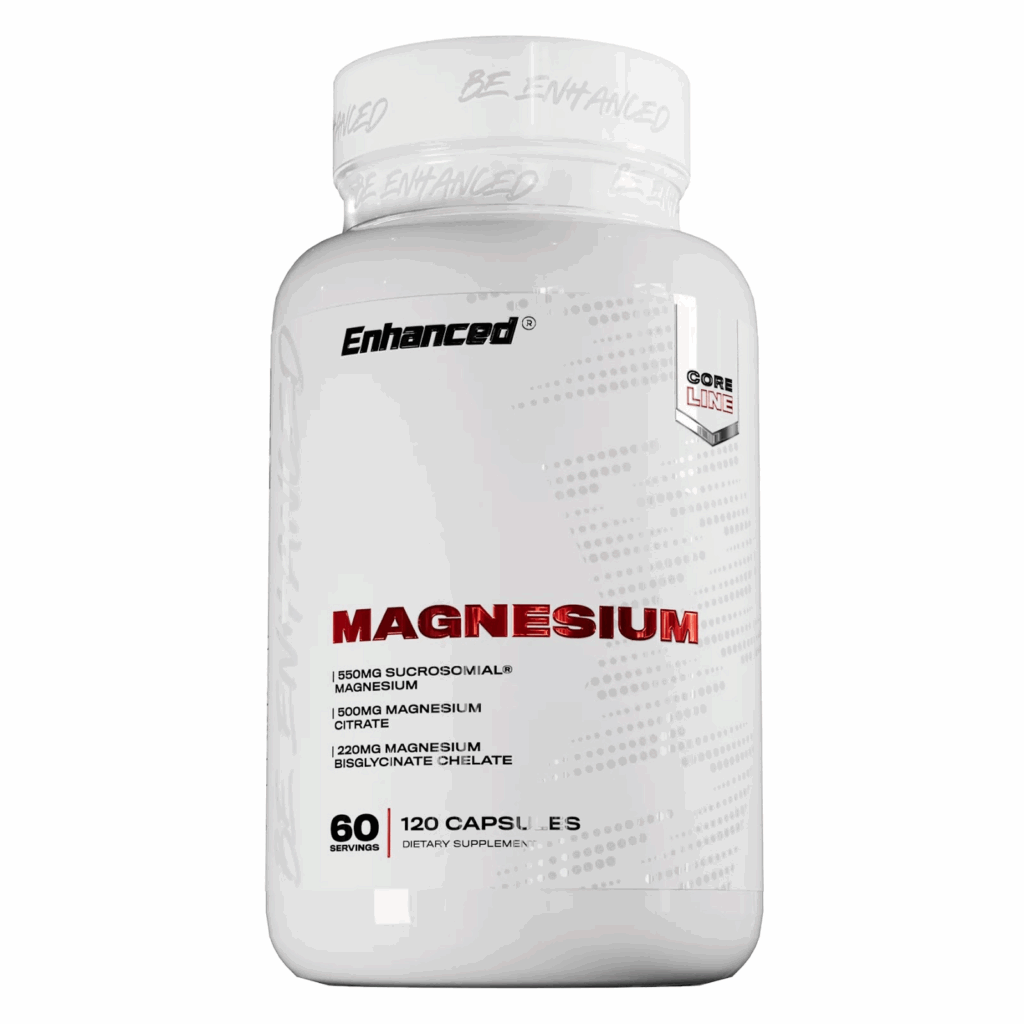
Magnesium plays a vital role in calming the nervous system and supporting restful sleep. With Enhanced Labs, this mineral is delivered in capsule form to help maintain healthy levels in the body.
Disclaimer: Do not start any supplements without the advice of a healthcare professional.
Conclusion
Sleep and anxiety are linked in a cycle that affects both body and mind. Poor rest worsens anxiety, and anxiety makes it harder to sleep. Breaking this cycle requires support at the root level. Vitamins give the brain and body the nutrients needed to balance hormones, neurotransmitters, and stress systems.
Unlike medications, vitamins work gradually, strengthening long-term resilience rather than masking symptoms. They fit best as part of a holistic approach that also includes exercise, healthy food, and good sleep hygiene. Their strength lies in supporting natural functions, making them a safe and sustainable choice for many people.
When choosing supplements, the focus should be on quality and consistency. Consulting with a healthcare provider and using trusted brands with transparent labeling ensures both safety and results.
Food-based vitamins remain powerful as well, and combining supplements with nutrient-rich meals creates the strongest foundation.
At the end of the day, vitamins for sleep and anxiety are not magic pills. They are tools that, when used wisely, help restore calmness and improve rest. With the right mix of nutrition, lifestyle, and awareness, anyone can take steps toward better nights and calmer days.
Frequently Asked Questions (FAQs)
Which vitamin is best for anxiety?
B vitamins, vitamin D, and magnesium are strongly linked to lower anxiety.
Can vitamins replace sleep medication?
No, but they can reduce dependence on medication by improving natural sleep systems.
How long before I notice results?
Magnesium can work quickly, while vitamin D may take several weeks to improve mood and rest.
Is it safe to take vitamins every day?
Yes, within recommended doses. Consult a doctor if you are also taking medication.
Can I combine multiple vitamins?
Yes, many are safe in combination. A B-complex or multivitamin is often the easiest way.