In the battle against breast cancer, few medications have changed the course of treatment as significantly as Exemestane (Aromasin). Known for its precision in targeting estrogen production, the hormone that fuels many breast cancers, this drug has become a cornerstone in postmenopausal therapy. But while its effectiveness is well established, many patients are often concerned about one crucial aspect: its side effects. Understanding how Exemestane works and what to expect can make a world of difference in managing both treatment and quality of life.
In this article, we’ll explore Exemestane and its side effects, how it works, and practical ways to manage them. You’ll also find comparisons with other aromatase inhibitors, guidance on who should avoid it, and when to seek medical help, offering a concise, science-backed overview for informed decision-making!
Key Takeaways
- Exemestane (Aromasin) is a potent aromatase inhibitor that lowers estrogen levels to help prevent breast cancer recurrence. 💊
- It is designed specifically for postmenopausal women with hormone receptors–positive breast cancer. 👩⚕️
- Common side effects include joint pain, fatigue, and hot flashes, while long-term use may affect bone density. ⚖️
- Regular medical supervision and lifestyle adjustments can help manage side effects effectively. 🩺
- Always consult a healthcare professional before starting or adjusting Exemestane treatment. ✅

What is Exemestane and What it Does?
Exemestane, commonly known by its brand name Aromasin, is a prescription medication used primarily in the treatment of hormone receptor-positive breast cancer in postmenopausal women. It belongs to a class of drugs called aromatase inhibitors, which work by reducing estrogen production in the body — a key factor that fuels the growth of certain breast cancers.
Unlike selective estrogen receptor modulators (SERMs) such as tamoxifen, which block estrogen’s action on breast tissue, exemestane permanently inactivates the aromatase enzyme, the enzyme responsible for converting androgens into estrogen. By doing so, it effectively lowers circulating estrogen levels, slowing or stopping the growth of estrogen-dependent tumors.
Doctors often prescribe exemestane:
- After initial treatment with tamoxifen for 2–3 years to further reduce the risk of cancer recurrence.
- As a first-line therapy in postmenopausal women whose cancer has spread beyond the breast.
Because of its potent estrogen-suppressing action, exemestane can significantly improve long-term survival and recurrence outcomes in breast cancer patients. However, the same mechanism that makes it effective can also lead to estrogen-deficiency–related side effects, such as bone thinning, hot flashes, or joint discomfort.
How does it work?
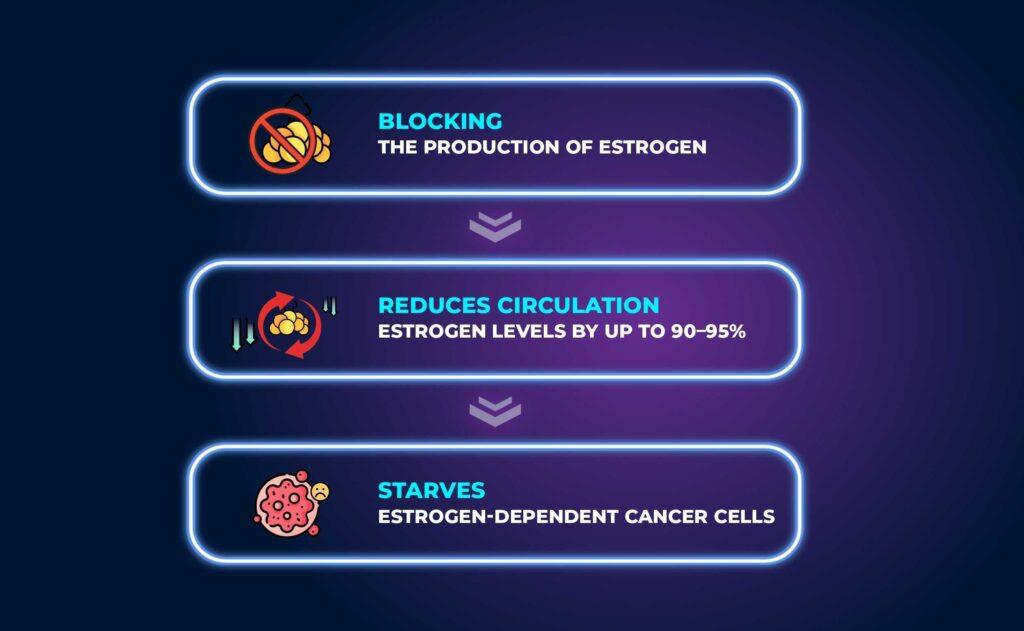
Exemestane works by blocking the production of estrogen, a hormone that plays a major role in the growth of certain types of breast cancer. It is classified as a steroidal aromatase inhibitor, which means it binds irreversibly to the aromatase enzyme, the enzyme responsible for converting androgens (produced by the adrenal glands) into estrogen in postmenopausal women.
By permanently disabling this enzyme, exemestane effectively reduces circulating estrogen levels by up to 90–95%. Since many breast cancer cells rely on estrogen to grow and multiply, lowering these hormone levels helps slow, halt, or even shrink the progression of hormone receptor-positive tumors.
This “irreversible” inhibition is what sets exemestane apart from other non-steroidal aromatase inhibitors such as anastrozole and letrozole. Because exemestane has a structure similar to the natural substrate of aromatase, it acts as a false target, tricking the enzyme into binding with it, after which the enzyme becomes permanently deactivated. This mechanism is sometimes referred to as “suicidal inhibition.”
In simpler terms, exemestane starves estrogen-dependent cancer cells of their fuel source, helping prevent tumor growth and reducing the likelihood of recurrence after initial treatment.
Where To Buy?
Exemestane, 750mg(25mg/ml)
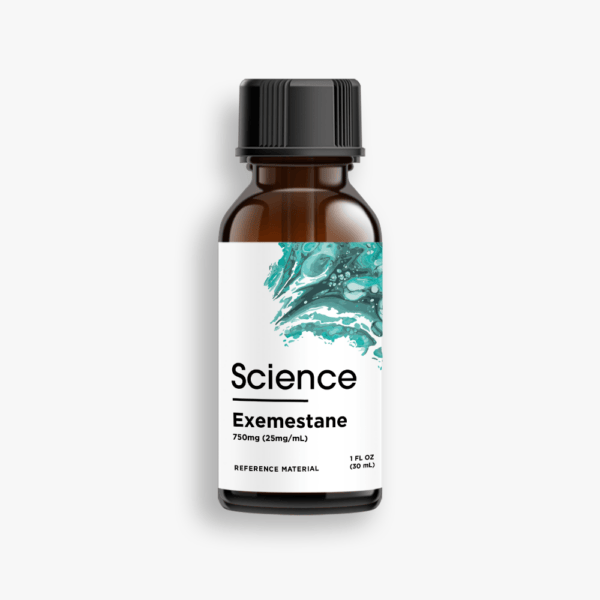
This product is a solution formulation of Exemestane (CAS 107868-30-4), a steroidal, irreversible aromatase inhibitor. It is supplied as a pre-dosed liquid for research use only, and is not intended for human or veterinary consumption. Exemestane functions by binding to and permanently inactivating the aromatase enzyme, thereby blocking the conversion of androgens into estrogens. Its use in research primarily facilitates studies into hormonal regulation, estrogen-dependent pathways, adipose tissue metabolism, and endocrine mechanisms.
Product Overview
🧪 Form: Liquid/solution
⚖️ Dosage: 25mg
⌛ Typical Cycle Duration: Treatment is continued until tumour progression is evident
💰 Average Cost: $34.99
🥇 Key Benefits: Facilitates aromatase inhibition and helps in combating breast cancer, reduces estrogen production, prevents breast cancer recurrence, and improves long-term survival outcomes
❤️🩹 Side Effects: May cause hot flashes, fatigue, joint or muscle pain, mood swings, cardiovascular risk, and insomnia
📚 Best Stack: Pairs well with Tamoxifen for sequential therapy, Vitamin D to counteract bone density, and Everolimus for advanced breast cancer
🙋 User Experience: Users report improvement in their condition alongside significant side effects
Disclaimer: Exemestane is a research-grade product and should be used only under the supervision of a healthcare professional. Always consult a healthcare professional before use. Dosage and formulation differ for research vs. prescription use.
Recommended Dosage Table
| Product | Dosage 💊 | Administration 💉 | Timing ⌚ |
| Exemestane | 25mg daily | Oral | Morning |
| Vitamin D | 800-2000IU daily | Oral | Morning |
| Everolimus | 10mg daily | Oral | Morning |
Exemestane Side Effects
Like other aromatase inhibitors, Exemestane (Aromasin) can cause both common and long-term side effects. Most are mild and manageable, but some may require ongoing monitoring or medical guidance. Understanding these effects helps users recognize what’s normal and when to seek professional advice.
Common Side Effects of Exemestanes
These side effects are typically mild and may improve as your body adjusts to the medication.
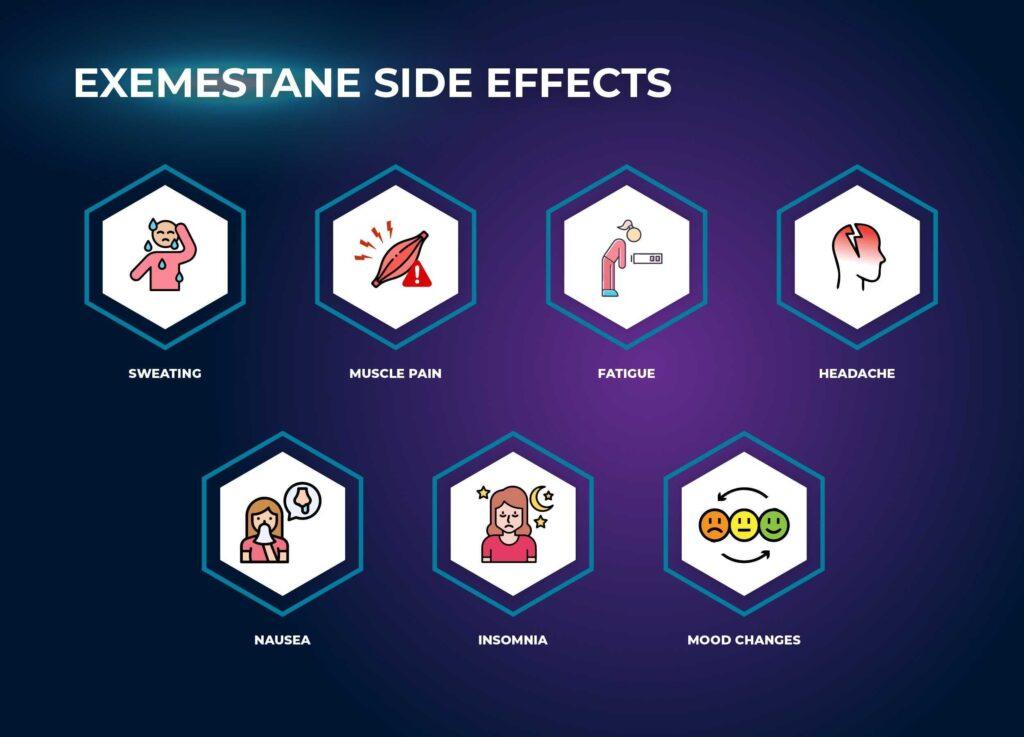
Hot Flashes and Sweating
A frequent reaction to lowered estrogen levels, hot flashes, and night sweats can disrupt comfort and sleep. Staying cool, dressing in layers, and avoiding caffeine or spicy foods may help.
Joint and Muscle Pain
Arthralgia (joint pain) and muscle stiffness are common complaints. Gentle stretching, regular movement, and anti-inflammatory nutrition can reduce discomfort.
Fatigue and Weakness
Hormonal shifts can affect energy metabolism and mood, causing fatigue. Maintaining hydration, balanced nutrition, and light exercise can restore vitality.
Headache and Dizziness
Mild headaches or dizziness may occur during the adjustment phase. These effects are generally short-lived and often improve with time.
Nausea and Digestive Upset
Taking exemestane after meals or with water can help minimize nausea or stomach irritation.
Insomnia or Sleep Issues
Estrogen reduction can influence sleep cycles, leading to difficulty falling or staying asleep. Practicing relaxation techniques and maintaining a bedtime routine may help.
Mood Changes
Fluctuating estrogen levels can affect mood-regulating neurotransmitters, occasionally leading to irritability or anxiety. If persistent, medical or psychological support may be helpful.
Long-Term Side Effects of Exemestane
Extended use of exemestane can lead to effects associated with sustained estrogen suppression. Regular medical check-ups can help detect and manage these early.
Bone Density Loss (Osteoporosis Risk)
Long-term estrogen reduction can weaken bones, increasing the risk of osteoporosis and fractures. Calcium, vitamin D, and resistance training are often recommended to maintain bone strength.
Chronic Joint and Muscle Discomfort
Persistent joint stiffness or pain may continue throughout treatment. Physical activity and anti-inflammatory strategies are key for relief.
Cardiovascular Changes
Prolonged estrogen suppression can influence cholesterol levels and cardiovascular health. Regular lipid monitoring and a heart-healthy diet are advised.
Mood and Cognitive Effects
Some users experience mood swings, anxiety, or memory lapses over time. These may be linked to estrogen’s neurological role and can be managed with professional support.
Liver Function Alterations
In rare cases, exemestane can affect liver enzyme levels. Routine blood tests help ensure liver health during long-term therapy.
Hair and Skin Changes
Gradual hair thinning, dry skin, or brittle nails may appear. Proper nutrition and gentle hair and skin care can reduce these effects.
Managing Side Effects
While Exemestane (Aromasin) is highly effective in reducing estrogen levels and controlling hormone-sensitive breast cancer, its side effects can sometimes affect daily life. Fortunately, most can be managed through a combination of lifestyle adjustments, medical monitoring, and supportive care.
Support Bone Health
Long-term estrogen suppression can reduce bone mineral density, increasing fracture risk. To prevent osteoporosis or fractures:
- Incorporate calcium and vitamin D–rich foods (dairy, leafy greens, fish).
- Engage in weight-bearing exercises like walking or resistance training.
- Ask your doctor about bone density scans (DEXA) or other monitoring methods and supplements if necessary.
Relieve Joint and Muscle Pain
For joint stiffness or muscle soreness:
- Try gentle stretching, yoga, or swimming to maintain flexibility.
- Apply warm compresses or take over-the-counter pain relief (only under medical guidance).
- Maintain a healthy weight to reduce joint stress.
Ease Hot Flashes and Night Sweats
Hot flashes are common, but manageable:
- Dress in light layers and keep your sleeping area cool.
- Avoid spicy foods, caffeine, and alcohol, which can trigger heat episodes.
- Practice deep breathing or relaxation exercises to calm the nervous system.
Combat Fatigue
If you feel constantly tired:
- Get adequate sleep and rest, aiming for a consistent schedule.
- Stay hydrated and eat balanced meals to support energy levels.
- Gentle daily movement (like walking) can reduce fatigue and improve mood.
Manage Mood Changes
Emotional fluctuations can occur due to hormonal shifts:
- Practice mindfulness, journaling, or meditation to reduce stress.
- Stay socially connected and seek emotional support from family or survivor groups.
- Consult your doctor if symptoms of anxiety or depression persist.
Protect Liver and Heart Health
Since exemestane may influence cholesterol or liver enzymes, regular blood tests are recommended.
- Adopt a heart-healthy diet rich in fruits, vegetables, whole grains, and omega-3s.
- Limit processed foods and alcohol intake.
Address Hair, Skin, and Nail Changes
For dryness or hair thinning:
- Use mild shampoos, nourishing oils, and moisturizing creams.
- Maintain adequate protein and biotin intake to support skin and hair health.
In essence, managing exemestane side effects involves a proactive approach, balancing medical follow-up with daily self-care. Always communicate new or worsening symptoms to your healthcare provider to ensure the safest, most comfortable treatment journey.
Exemestane vs Other Aromatase Inhibitors
Exemestane (Aromasin) is one of the major aromatase inhibitors (AIs) used to treat hormone receptor-positive breast cancer, alongside Letrozole (Femara) and Anastrozole (Arimidex). While all lower estrogen levels, they differ in structure, duration of action, and side-effect profile.
Exemestane vs Letrozole

- Mechanism: Exemestane is a steroidal, irreversible inhibitor; Letrozole is a non-steroidal, reversible inhibitor.
- Efficacy: Both offer similar cancer control in postmenopausal women.
- Side Effects: Letrozole may cause more joint pain and bone loss; Exemestane sometimes leads to less cholesterol disturbance.
- Best For: Often used after tamoxifen or as a switch therapy.
Exemestane vs Anastrozole
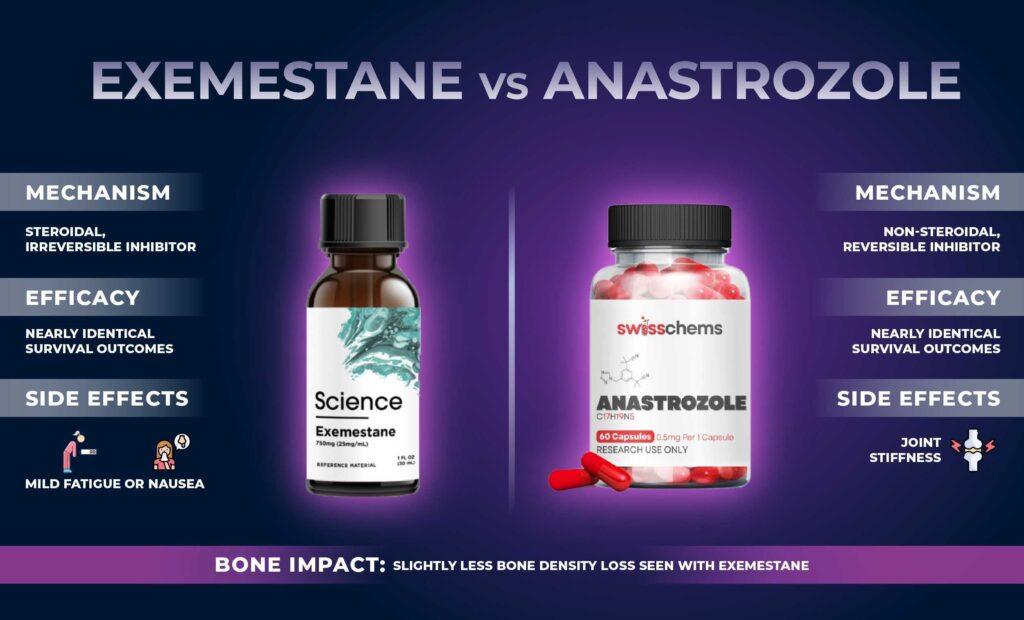
- Mechanism: Exemestane is steroidal and irreversible; Anastrozole is non-steroidal and reversible.
- Efficacy: Nearly identical survival outcomes.
- Side Effects: Anastrozole may cause more joint stiffness, while Exemestane can lead to mild fatigue or nausea.
- Bone Impact: Slightly less bone density loss seen with Exemestane.
Exemestane vs Tamoxifen
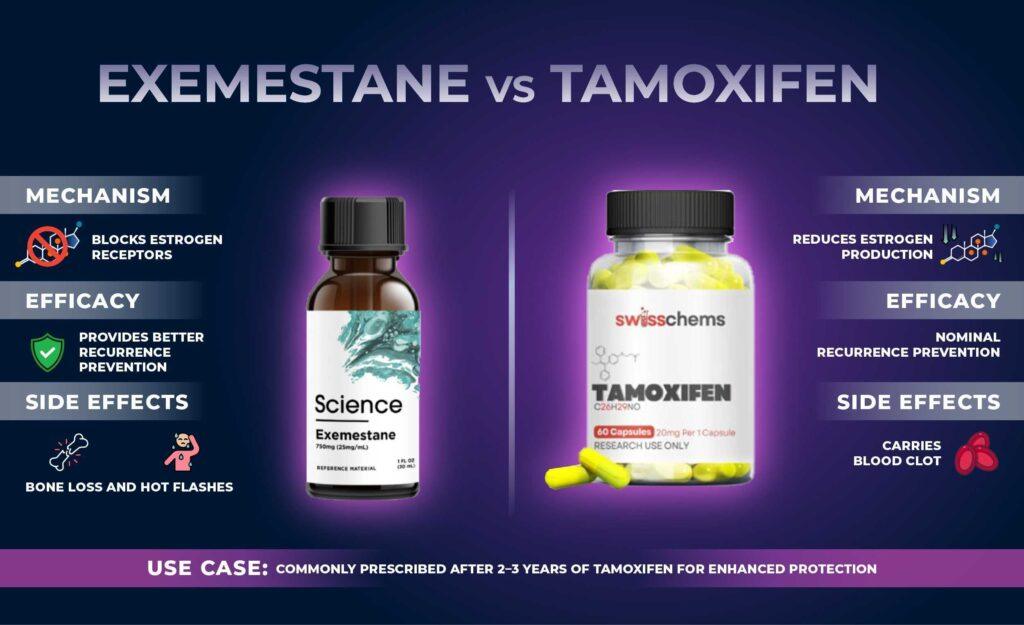
- Mechanism: Tamoxifen blocks estrogen receptors; Exemestane reduces estrogen production.
- Efficacy: Exemestane provides better recurrence prevention in postmenopausal women.
- Side Effects: Tamoxifen carries blood clot and uterine cancer risks; Exemestane may cause bone loss and hot flashes.
- Use Case: Commonly prescribed after 2–3 years of Tamoxifen for enhanced protection.
Who Should Avoid?
While Exemestane (Aromasin) is highly effective for hormone receptor-positive breast cancer in postmenopausal women, it’s not suitable for everyone. Certain health conditions, physiological states, and drug interactions may increase risks or reduce its effectiveness.
Premenopausal Women
Exemestane is approved only for postmenopausal women. In premenopausal women, estrogen levels remain high, and the drug is ineffective unless ovarian function is medically suppressed. Using it without supervision in this group can cause hormonal imbalance and adverse effects.
Pregnant or Breastfeeding Women
Exemestane should never be used during pregnancy or lactation. It can harm fetal development or pass into breast milk, posing risks to the baby. Women of childbearing potential should use effective contraception during and after treatment as advised by their doctor.
Individuals with Severe Liver or Kidney Disease
Since exemestane is metabolized by the liver and excreted through the kidneys, people with significant impairment in these organs should avoid or use it cautiously under strict medical supervision. Adjusted dosing or alternative treatments may be recommended.
Those with Osteoporosis or Low Bone Density
Because exemestane lowers estrogen levels, it can accelerate bone loss. Patients already diagnosed with osteopenia or osteoporosis should be monitored closely, and bone-protective therapy may be necessary.
People with Hypersensitivity to Exemestane or its Ingredients
Anyone with a known allergy or hypersensitivity to exemestane or any of its components should avoid it, as it may cause rash, swelling, or severe allergic reactions.
When To Seek Medical Help?
While most Exemestane (Aromasin) side effects are mild and manageable, certain symptoms can indicate serious or potentially harmful reactions that require immediate medical attention. Recognizing these warning signs early ensures timely intervention and safer treatment outcomes.
Signs of Severe Allergic Reaction
Seek emergency help if you experience:
- Swelling of the face, lips, tongue, or throat
- Severe rash, itching, or hives
- Difficulty breathing or dizziness
These may signal a serious allergic response requiring urgent medical care.
Unusual Bone Pain or Fractures
Persistent or sudden bone pain, loss of height, or fractures may indicate osteoporosis or bone weakening due to estrogen suppression. Your doctor may recommend a bone scan or calcium and vitamin D supplements.
Persistent Fatigue or Yellowing of Skin/Eyes
Extreme fatigue, dark urine, or jaundice (yellowing of skin or eyes) may suggest liver dysfunction, a rare but serious reaction that needs prompt evaluation.
Chest Pain or Shortness of Breath
Any chest tightness, irregular heartbeat, or difficulty breathing could signal cardiovascular complications. Contact your doctor or emergency services immediately.
Severe Mood Changes or Depression
If you experience persistent sadness, anxiety, or mood swings, especially if they affect your daily life, consult your healthcare provider. Hormonal fluctuations can impact emotional well-being and may require supportive care.
Vision or Neurological Changes
Blurred vision, confusion, or dizziness lasting more than a few days should be assessed promptly to rule out neurological or ocular effects.
Conclusion
Exemestane (Aromasin) remains a trusted and effective treatment for postmenopausal women with hormone receptor–positive breast cancer. By lowering estrogen levels, it helps prevent cancer recurrence and improve long-term survival outcomes. However, like any hormonal therapy, it carries the risk of short-term and long-term side effects that require careful management.
With regular monitoring, a healthy lifestyle, and open communication with your healthcare provider, most women can tolerate Exemestane well and continue benefiting from its protective effects.
In summary, Exemestane is a powerful therapeutic option, but it should always be used under medical supervision, with proper understanding of its effects, precautions, and follow-up care for optimal results and safety.
FAQs
How long can I safely take Exemestane?
Most patients take Exemestane for 2–5 years, depending on their cancer stage and the doctor’s recommendation.
Can Exemestane cause weight gain?
Yes, mild weight gain may occur due to hormonal changes and slower metabolism.
Is it safe to drink alcohol while on Exemestane?
It’s best to limit alcohol, as it can strain the liver and worsen fatigue.
Does Exemestane affect fertility?
Exemestane can suppress estrogen, potentially affecting fertility, it’s meant for postmenopausal use only.
What should I do if I miss a dose of Exemestane?
Take it as soon as you remember, but skip it if your next dose is near, never double up to make up for a missed dose.