Contents14 sections
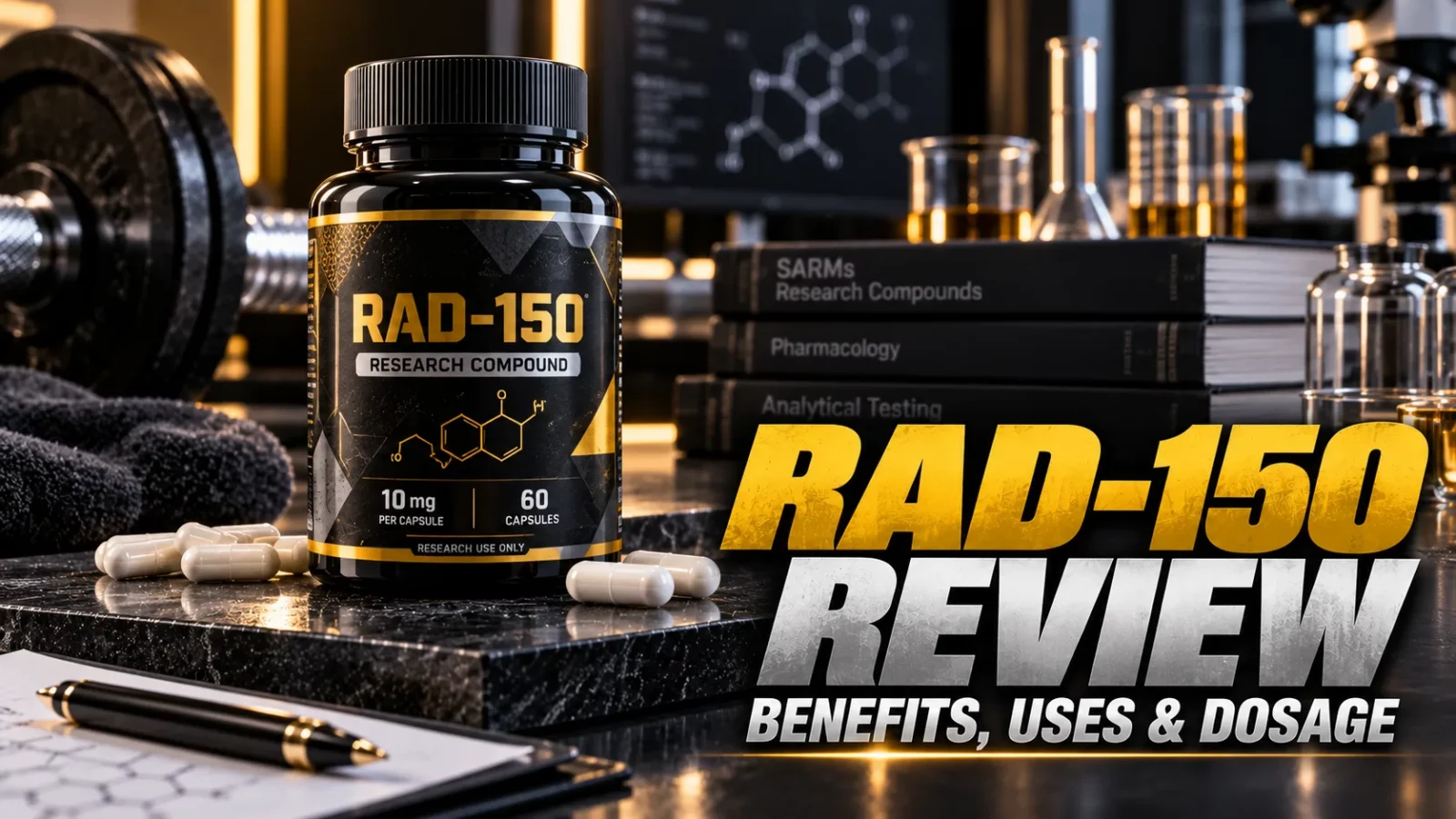
RAD 150 (TLB 150 Benzoate) is an esterified version of RAD 140 (Testolone) that offers longer-lasting effects due to increased half-life and bioavailability. It is dosed at 5-10mg per day for 8-week cycles and produces lean muscle gains, strength increases, and moderate fat loss. RAD 150 is a newer compound with limited clinical research, but early user data and its pharmacological relationship to RAD 140 provide a reasonable basis for evaluating its effects.
I have reviewed the available research on RAD 150 and monitored user reports extensively over the past two years. The esterification process that creates RAD 150 from RAD 140 is well-established chemistry, the same process used to create long-acting versions of testosterone (enanthate, cypionate) and other pharmaceuticals. The result is a SARM that stays active in the body longer, requires less frequent dosing, and may produce more stable blood levels than its parent compound.
This RAD 150 review covers how the compound works, realistic dosage guidelines, what results to expect and when, side effects and safety considerations, how RAD 150 compares to RAD 140, and practical stacking options.
The information on this site is for educational and informational purposes only, and is not medical advice. Always consult a qualified healthcare professional before using any supplement or medication, or making changes to your health, fitness, or nutrition routine.
Key Takeaways
- RAD 150 is an esterified form of RAD 140 with increased half-life and bioavailability. The ester bond allows for more sustained release and stable blood levels compared to standard RAD 140.
- Dosage ranges from 5-10mg per day for 8-week cycles. Start at 5mg to assess tolerance before increasing. The longer half-life means once-daily dosing is sufficient.
- Expected results include lean muscle gains of 4-8 lbs over an 8-week cycle, noticeable strength increases by weeks 2-3, and moderate body recomposition. Results are gradual, not dramatic within the first week.
- RAD 150 will suppress natural testosterone production. Post cycle therapy (PCT) with Nolvadex or Clomid is recommended after every cycle to restore hormonal balance.
- RAD 150 is not FDA-approved and has no published human clinical trials. All dosing information is based on anecdotal reports and extrapolation from RAD 140 research. Use involves inherent risk.
What Is RAD 150?
RAD 150, also known as TLB 150 Benzoate, is an esterified SARM created by adding a benzoate ester to RAD 140 (Testolone). It is classified as a selective androgen receptor modulator (SARM). RAD 140 was originally developed by Radius Health Inc. as a potential therapeutic agent for muscle wasting and breast cancer.
The esterification process attaches a benzoate ester group to the RAD 140 molecule, creating what is classified as an esterified SARM. This chemical modification does not change the compound’s fundamental mechanism of action. Instead, it alters its pharmacokinetics: how quickly the compound is absorbed, how long it remains active, and how stable it is in the bloodstream.
In practical terms, esterification gives RAD 150 three advantages over RAD 140:
- Longer half-life: RAD 150’s half-life is estimated at 48 hours or longer, compared to RAD 140’s approximately 16-20 hours. This means more stable blood levels with once-daily dosing.
- Increased bioavailability: A higher percentage of the ingested dose reaches systemic circulation and exerts its effects.
- Greater stability: The ester bond makes the compound more resistant to breakdown during digestion and first-pass liver metabolism.
The same esterification principle is used throughout pharmacology. Testosterone enanthate and testosterone cypionate are esterified versions of testosterone that last longer than unmodified testosterone. RAD 150 applies the same concept to a SARM.
How Does This Esterified SARM Work?
As an esterified SARM, RAD 150 works by selectively binding to androgen receptors. Unlike anabolic steroids, which bind to androgen receptors throughout the entire body (including the prostate, liver, and skin), SARMs are designed to target androgen receptors primarily in skeletal muscle and bone tissue.
When RAD 150 binds to androgen receptors in muscle tissue, it triggers:
- Increased protein synthesis: The muscle builds new contractile proteins at an accelerated rate, leading to hypertrophy.
- Enhanced nitrogen retention: Muscles retain more nitrogen, a building block of amino acids, supporting an anabolic environment.
- Metabolic acceleration: Overall metabolic rate increases, which can contribute to fat loss while preserving or building lean mass.
The selective nature of RAD 150’s binding means it is less likely to cause androgenic side effects such as prostate enlargement, hair loss, or acne compared to anabolic steroids. However, “selective” does not mean “zero systemic effects.” RAD 150 still interacts with the hormonal system and will cause testosterone suppression, as discussed in the side effects section below.
RAD 150 Benefits
Lean Muscle Gains
The primary RAD 150 benefit is increased lean muscle mass. By stimulating androgen receptors in skeletal muscle, RAD 150 accelerates the rate of muscle protein synthesis and shifts nutrient partitioning toward muscle growth. Users commonly report gains of 4-8 lbs of lean mass over an 8-week cycle, depending on training intensity, diet, and dosage.
These gains are “dry” gains, meaning they come with minimal water retention compared to compounds like MK-677 or certain anabolic steroids. The muscle has a harder, more defined appearance.
Strength Increases
Strength improvements are typically the first noticeable effect. Most users report measurable increases in their working weights by weeks 2-3 of a RAD 150 cycle. This is consistent with the androgen receptor activation in skeletal muscle, which enhances contractile force output.
Body Recomposition
RAD 150’s combination of muscle-building and metabolic effects makes it useful for body recomposition, simultaneously building muscle while reducing body fat. The metabolic increase means the body uses more calories at rest, and the preferential nutrient partitioning directs dietary protein toward muscle rather than fat storage.
Recovery
Users consistently report faster recovery between training sessions while on RAD 150. Reduced muscle soreness and the ability to train more frequently are commonly cited benefits. This aligns with the compound’s effect on protein synthesis, which accelerates the repair of damaged muscle fibers.
Increased Endurance
Some users report improved muscular endurance and stamina during training. This may be related to enhanced oxygen utilization and metabolic efficiency, though the mechanism is not well-documented specifically for RAD 150.
RAD 150 Dosage
| Experience Level | Daily Dose | Cycle Length | Notes |
|---|---|---|---|
| Beginner | 5mg | 6-8 weeks | Start here to assess tolerance |
| Intermediate | 7.5-10mg | 8 weeks | Standard effective dose |
| Advanced | 10-15mg | 8 weeks | Increased suppression risk |
Dosing Guidelines
The most common RAD 150 dosage protocol takes advantage of its extended half-life (estimated 48+ hours), which means once-daily dosing is sufficient. There is no need to split the dose as you might with shorter-acting SARMs.
Starting dose: 5mg per day. Run this for at least 2 weeks before considering an increase. The purpose is to assess individual tolerance and identify any early side effects before escalating.
Standard dose: 7.5-10mg per day for most users. This range appears to be the sweet spot for meaningful results with manageable side effects based on available user data.
Upper range: 10-15mg per day. Higher doses increase the likelihood and severity of testosterone suppression and other side effects. The additional gains at these doses are subject to diminishing returns.
Because RAD 150 is an esterified compound with greater potency per milligram, the recommended RAD 150 dosage is more conservative than typical RAD 140 doses. If you are familiar with RAD 140 at 10-20mg, start RAD 150 at roughly half that dose.
Cycle Length
The standard RAD 150 cycle length is 8 weeks. This duration balances sufficient time for the compound to produce meaningful results against the increasing testosterone suppression that occurs with longer cycles.
Cycles shorter than 6 weeks generally do not allow enough time for full effects to develop. Cycles longer than 8 weeks increase the depth of hormonal suppression and the difficulty of PCT recovery without proportionally better results.
RAD 150 Results Timeline
Week 1: Minimal noticeable effects. The compound is building to steady-state blood levels. Some users report a subtle increase in energy or motivation, but do not expect visible physical changes.
Weeks 2-3: Strength increases become noticeable. Working weights go up, and rep capacity may improve. Recovery between sessions starts improving.
Weeks 4-6: Lean muscle gains become visible. Body composition shifts are apparent in the mirror. Vascularity may increase as body fat decreases and muscle fullness increases. This is where the compound is at full effect.
Weeks 6-8: Continued gains, though the rate of progress may slow. Some users notice increasing signs of suppression (fatigue, reduced libido) toward the end of the cycle, signaling it is time to stop and begin PCT.
Claims of dramatic RAD 150 results within the first week are unrealistic. The compound needs time to reach stable blood levels and for androgen receptor activation to translate into visible tissue changes.
RAD 150 Side Effects
RAD 150 side effects are real and should not be dismissed. While the compound is generally better tolerated than anabolic steroids, it carries risks that increase with dose and cycle length. For a broader overview, see our guide to SARMs side effects.
Testosterone Suppression
This is the most significant side effect and occurs in virtually all users. RAD 150 activates androgen receptors, which signals the hypothalamic-pituitary-gonadal (HPG) axis to reduce natural testosterone production. The degree of suppression depends on dose and duration but should be assumed for any cycle.
Symptoms of suppression include fatigue, reduced libido, mood changes, and in some cases, reduced testicular size. This is why PCT is not optional after a RAD 150 cycle.
Water Retention
Some users experience mild subcutaneous water retention, particularly at higher doses. This can reduce muscle definition and cause a “puffy” appearance. It typically resolves after the cycle ends.
Headaches and Insomnia
These are the most commonly reported acute side effects. They tend to occur early in the cycle and often resolve as the body adjusts. If persistent, dose reduction usually helps.
Hormonal Effects
At higher doses, RAD 150 may cause elevated estradiol levels through indirect hormonal pathways. This can potentially lead to gynecomastia in predisposed individuals, though this is rare at standard doses. Having an aromatase inhibitor on hand is a reasonable precaution for those with a history of estrogen sensitivity.
Liver Stress
Like most orally administered SARMs, RAD 150 undergoes hepatic metabolism. At standard doses, liver enzyme elevations are typically mild and reversible. However, stacking RAD 150 with other hepatotoxic compounds or running extended cycles increases liver stress. Blood work monitoring liver enzymes (AST, ALT) before and after a cycle is recommended.
RAD 150 vs RAD 140
| Feature | RAD 150 (TLB 150) | RAD 140 (Testolone) |
|---|---|---|
| Chemical modification | Esterified (benzoate ester) | Parent compound (unmodified) |
| Half-life | ~48+ hours (estimated) | ~16-20 hours |
| Dosing frequency | Once daily | Once or twice daily |
| Bioavailability | Higher | Standard |
| Effective dose range | 5-10mg/day | 10-20mg/day |
| Onset of effects | Slightly slower (building to steady state) | Slightly faster |
| Research availability | Very limited (no published human trials) | More studied (phase 1 clinical trial data available) |
| Muscle gains | Comparable at effective doses | Comparable at effective doses |
| Suppression | Similar degree | Similar degree |
The key practical differences:
- RAD 150 offers more stable blood levels due to its longer half-life, which may translate to more consistent effects and fewer peaks and troughs.
- RAD 150 requires lower mg doses because the esterification increases bioavailability. Do not dose RAD 150 at the same mg level as RAD 140.
- RAD 140 has more research behind it, including an actual phase 1 clinical trial in postmenopausal breast cancer patients. RAD 150 has no published human clinical data.
When comparing RAD 150 vs RAD 140, the results are comparable for most users when doses are appropriately adjusted. RAD 150’s primary advantage is convenience (once-daily dosing) and potentially smoother effects from more stable blood levels. RAD 140’s advantage is a larger body of research and more available user data. For a deep dive on the parent compound, see our RAD 140 guide.
RAD 150 Stacks
RAD 150 + Cardarine (GW-501516)
This is the most popular RAD 150 stack. Cardarine is not a SARM; it is a PPARdelta agonist that enhances fat oxidation and endurance without additional hormonal suppression.
- RAD 150: 5-10mg/day
- Cardarine: 10-20mg/day
- Duration: 8 weeks
- Purpose: Lean mass + fat loss + endurance
This stack is effective for body recomposition because RAD 150 handles the muscle-building while Cardarine accelerates fat loss and improves cardiovascular endurance.
RAD 150 + MK-677 (Ibutamoren)
MK-677 is a growth hormone secretagogue that increases GH and IGF-1 levels. Combined with RAD 150, it enhances recovery, sleep quality, and overall anabolic signaling.
- RAD 150: 5-10mg/day
- MK-677: 10-25mg/day
- Duration: 8 weeks (RAD 150), MK-677 can extend longer
- Purpose: Maximum muscle growth + recovery
Note that MK-677 increases appetite significantly, which can be beneficial for bulking but counterproductive for cutting.
RAD 150 + LGD-4033 (Ligandrol)
Stacking two SARMs together amplifies both the anabolic effects and the suppression. This combination is used by experienced users seeking maximum lean mass gains.
- RAD 150: 5-7.5mg/day (reduce dose when stacking)
- LGD-4033: 5-10mg/day
- Duration: 8 weeks
- Purpose: Maximum lean mass
This stack requires PCT and carries higher suppression risk. Blood work before and after is strongly recommended.
Post Cycle Therapy for RAD 150
PCT is necessary after every RAD 150 cycle. The compound will suppress your natural testosterone production, and PCT helps restore it.
Standard PCT protocol:
- Nolvadex (Tamoxifen): 20mg/day for 4 weeks, or
- Clomid (Clomiphene): 25-50mg/day for 4 weeks
Begin PCT the day after your last RAD 150 dose. The compound’s long half-life means it will still be clearing your system during the first days of PCT, which is fine.
During PCT, expect a temporary dip in energy, strength, and motivation as your body transitions from exogenous androgen receptor activation back to natural testosterone production. This is normal and typically resolves within 2-4 weeks.
For a comprehensive breakdown of PCT protocols, see our guide on the best PCT cycle to keep gains.
Where to Buy Quality SARMs
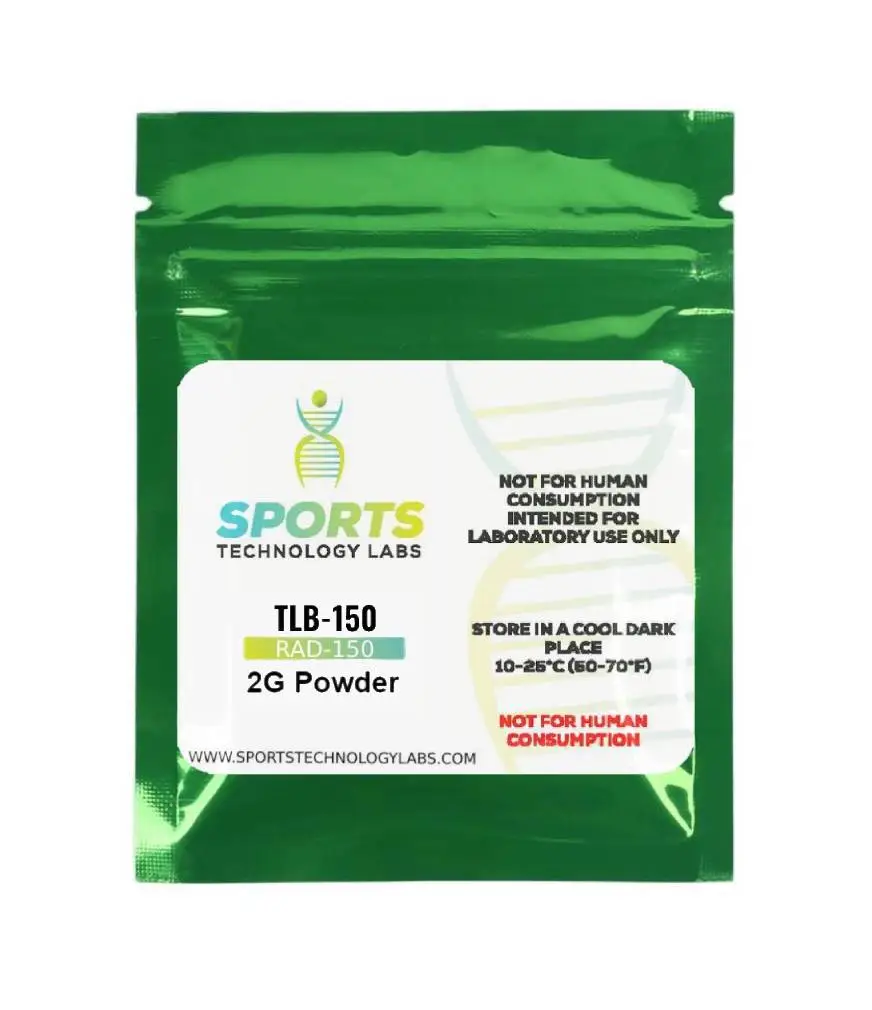
Quality sourcing matters significantly with SARMs. Because these compounds are unregulated, the market includes vendors selling underdosed, mislabeled, or contaminated products. When evaluating vendors, look for:
- Third-party Certificates of Analysis (COAs) from named, accredited laboratories
- Specific batch testing that matches the product you are purchasing
- Transparent business operations and responsive customer service
- Proper labeling with accurate compound identification
For our current tested and ranked vendor recommendations, see our guide to the best SARMs companies.
The Bottom Line
Based on this RAD 150 review, the compound is a viable SARM option for users seeking lean muscle gains, strength increases, and body recomposition with once-daily dosing convenience.
- As an esterified SARM, it provides a longer half-life and potentially smoother effects compared to RAD 140.
- The trade-offs are real: testosterone suppression requiring PCT, limited clinical research compared to its parent compound, and the inherent risks of using any unregulated esterified SARM or research chemical.
- Start conservatively at 5mg per day, run 8-week cycles, get blood work before and after, and always follow up with proper PCT.
Frequently Asked Questions
Pros
- One-business-day handling and typical US delivery of 2–5 business days.
- US customers can return eligible purchases within 60 days, although return shipping is the customer's responsibility.
- Provides detailed guidance on how to interpret COAs rather than simply displaying purity percentages.
Cons
- Customs delays can extend the stated 6–10-day international delivery estimate.
- Does not provide refund for shipments held by foreign customs or lost by foreign delivery services.
- US customers are responsible for the cost of returning products.
Disclaimer
Please read carefully
The information on this site is for educational and informational purposes only, and is not medical advice. Always consult a qualified healthcare professional before using any supplement or medication, or making changes to your health, fitness, or nutrition routine.
Not medical advice
Content here is not a substitute for professional medical advice.
Consult your doctor
Talk to your doctor before starting any supplement or new routine.
Use at your own risk
We are not responsible for adverse effects from acting on this.
Do your research
Make informed decisions about your own health.
No guarantees
Individual results vary. No claims about outcomes.
Important — Never disregard professional medical advice or delay seeking it because of something you read here. If you think you may have a medical emergency, call your doctor or your local emergency number right away.