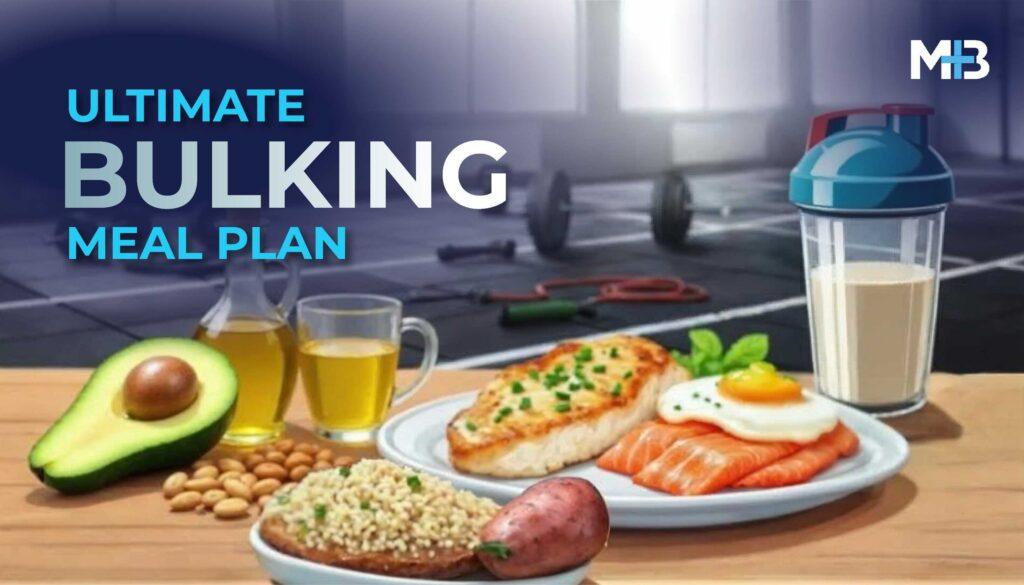
What is Bulking?
If you want to build muscle, you have to eat big. But don’t misunderstand! This means increasing your food intake with healthy, nutrient-dense choices, not just eating anything.
Bulking means eating more calories than your body burns so you can build muscle and gain healthy weight. Managing your daily caloric intake is crucial for bulking, as it ensures you’re consuming enough to support muscle growth without unnecessary fat gain.
A well-structured bulking plan helps you gain lean muscle mass while keeping body fat under control.
That means focusing on protein for muscle repair, complex carbs for energy, and healthy fats to support hormone balance.
To grow efficiently, aim for a calorie surplus of 250–500 calories above your maintenance level. While some people eat at maintenance to maintain weight, bulking requires a surplus to promote gaining weight, primarily as muscle.
It’s important to determine how many calories you need for bulking by calculating your maintenance calories and then adding the surplus. Tracking your caloric intake helps you stay on target and optimize your results.
Understanding your nutritional needs and creating a personalized, goal-based meal plan is the key to making your bulking phase both effective and sustainable.
Key Takeaways
- A successful bulk comes from a calorie surplus of 250–500 calories above maintenance, not from overeating junk calories. ⚖️
- Protein, complex carbs, and healthy fats form the foundation of a muscle-building diet that supports strength and recovery. 🍳
- Hydration, sleep, and recovery are just as important as training. Aim for 8–10 glasses of water and 7–9 hours of sleep daily. 💧
- Clean bulking is the healthiest long-term strategy for gaining lean muscle while keeping fat gain to a minimum. 🥦
- Consistency and progress tracking are key. Adjust your calories, macros, and workouts gradually for sustained growth. 📈

How Do Macronutrients and Meal Frequency Support Muscle Growth?
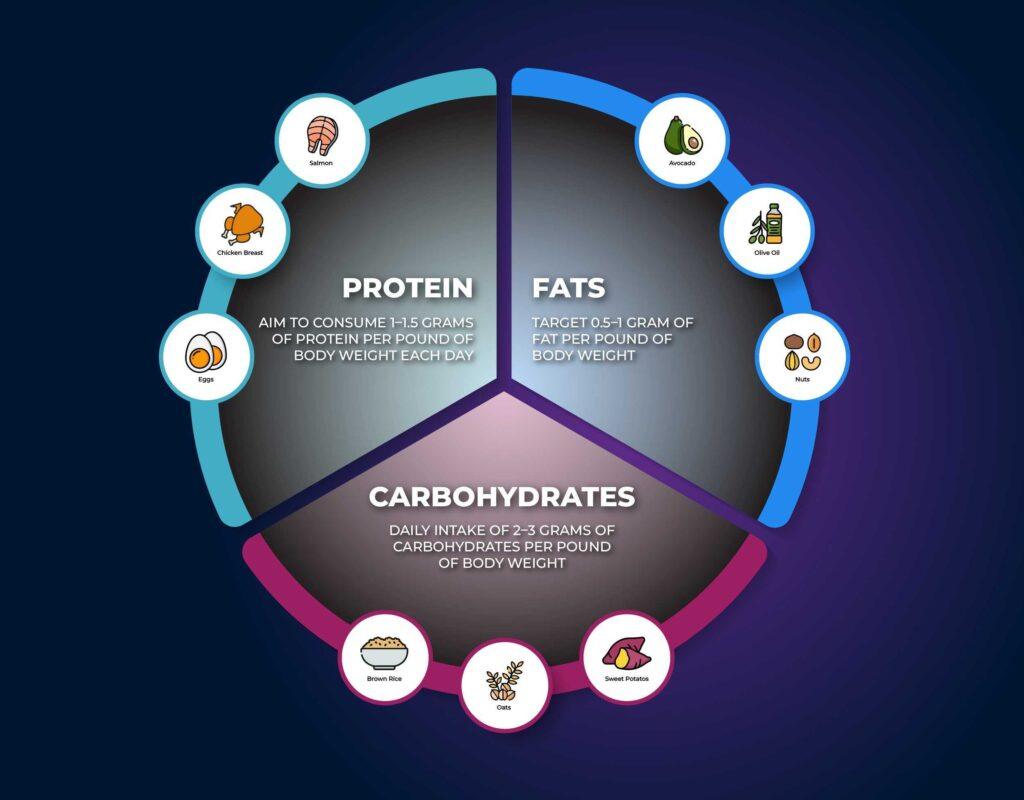
Macronutrients are the building blocks of a successful bulking plan. Getting the right balance helps your body repair muscle tissue, restore energy, and maintain optimal hormone function.
Protein is essential for building and repairing muscle. Aim to consume 1–1.5 grams of protein per pound of body weight each day to support muscle growth and recovery.
Carbohydrates provide the energy needed for intense workouts and muscle function. A daily intake of 2–3 grams of carbohydrates per pound of body weight helps fuel training and replenish glycogen stores.
Healthy fats play a vital role in hormone production and overall health. Target 0.5–1 gram of fat per pound of body weight to keep your body functioning efficiently.
For best results, eat 5–6 balanced meals per day, each including a source of protein, complex carbohydrates, and healthy fats.
Spacing meals every 2–3 hours helps maintain steady energy levels, keeps you feeling full, and supports continuous muscle growth and recovery throughout the day.
Why Are Hydration and Recovery So Important for Muscle Growth?

Hydration and recovery are often overlooked but are just as important as training and nutrition when it comes to building muscle. Staying properly hydrated supports nutrient delivery, energy production, and muscle repair, all of which are vital during a bulking phase. Proper hydration also aids digestion.
Aim to drink at least 8–10 glasses of water per day to prevent dehydration, which can cause muscle cramps, fatigue, and slower recovery after workouts.
Second, try to get 7–9 hours of sleep each night and take rest days when needed. This downtime is essential for your muscles to allow your muscles to recover and grow stronger.
Incorporating foam rolling, stretching, and self-myofascial release can further reduce soreness and improve mobility, helping you stay consistent with your training.
Finally, don’t skip your post-workout nutrition! A shake or meal containing both protein and carbohydrates helps replenish glycogen stores and kick-starts muscle repair for optimal recovery.
What’s the Difference Between Clean Bulking and Dirty Bulking?
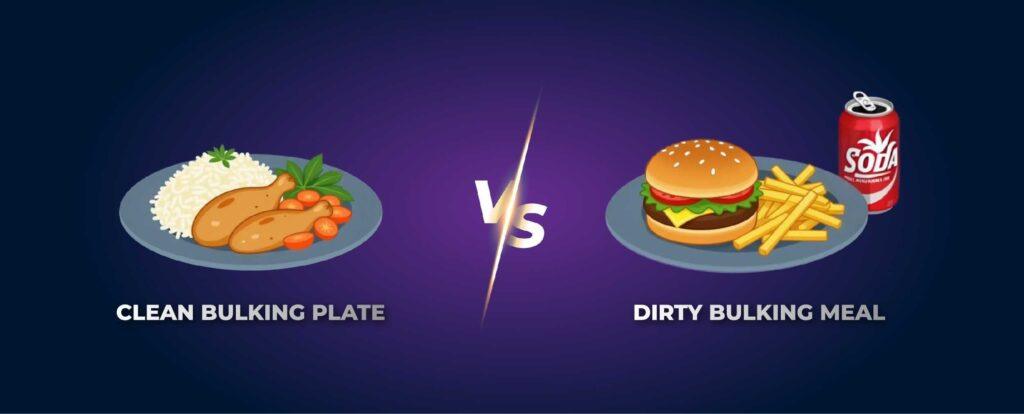
When it comes to gaining muscle, not all bulking approaches are created equal. The two main methods (clean bulking and dirty bulking) differ in both food quality and long-term results.
Clean bulking focuses on eating a balanced, nutrient-dense diet made up of lean proteins, complex carbohydrates, and healthy fats. This approach supports steady muscle growth while keeping body fat under control.
Dirty bulking, on the other hand, involves consuming high-calorie, low-nutrient foods like fast food, sugary snacks, and fried items to gain weight quickly.
It’s important to limit or avoid deep fried foods as part of a balanced bulking diet, as these can contribute to excess fat gain and poor health outcomes.
Consuming too many fried or processed foods can also lead to stomach upset, which may interfere with your training and nutrition goals. While dirty bulking may increase body mass faster, it often leads to excess fat gain and potential health issues over time.
A clean bulk is the more sustainable, effective strategy for building lean muscle. Prioritize whole foods such as chicken, fish, rice, oats, fruits, and vegetables, and avoid excessive junk food, sugary drinks, and processed snacks.
Consistency and patience are key. By sticking to a clean bulking diet, you’ll build quality muscle, support long-term health, and minimize unwanted fat gain.
Building a practical bulking diet plan starts with understanding your body’s needs and making smart, sustainable choices. Here’s how to structure your nutrition for consistent muscle growth and steady energy.
How to Create a Practical Bulking Diet Plan That Works
Building a practical bulking diet plan starts with understanding your body’s needs and making smart, sustainable choices. Here’s how to structure your nutrition for consistent muscle growth and steady energy.
How Many Calories Do You Need for Bulking?
Start by determining your maintenance calories, which are the number of calories your body needs to maintain its current weight.
- For most men, this is around 2,500 calories per day.
- For most women, it’s about 2,000 calories per day.
These numbers can vary depending on your age, activity level, and metabolism.
To support muscle growth, add a calorie surplus of 250–500 calories above maintenance.
- Men will typically aim for 2,750–3,000 calories daily.
- Women may target around 2,250–2,500 calories daily.
This controlled surplus provides enough energy for building new muscle without excessive fat gain.
How Much Protein Should You Eat to Build Muscle?
Protein is the cornerstone of any effective bulking diet. Aim for 0.5–0.8 grams of protein per pound of body weight per day, divided across 4–6 meals.
For example, someone weighing 180 pounds should consume 90–144 grams of protein daily.
Prioritize lean protein sources such as:
- Chicken breast
- Lean beef
- Fish and eggs
- Greek yogurt or cottage cheese
- Protein powder
Protein supports muscle repair, growth, and recovery, which are essential for progress during a bulk.
Why Are Healthy Fats Important for Bulking?
Healthy fats are vital for hormone production, nutrient absorption, and overall health.
Aim for 0.5–1 gram of fat per pound of body weight each day.
Include sources like:
- Olive oil
- Avocados
- Mixed nuts and seeds
These fats not only support muscle growth but also make meals more satisfying and nutrient-dense.
What Role Do Carbohydrates Play in a Bulking Diet?
Complex carbohydrates are your body’s main energy source for intense workouts. Aim for 2–3 grams of carbohydrates per pound of body weight per day.
Great carb options include:
- Sweet potatoes
- Brown rice
- Whole grains and oats
These foods replenish glycogen stores, fuel your training, and aid recovery between sessions.
How Often Should You Eat During a Bulk?
Meal frequency is key to maintaining steady energy and nutrient flow. Eat 4–6 balanced meals per day, spaced every 2–3 hours.
Each meal should include:
- A lean protein source
- A complex carbohydrate
- A portion of healthy fat
Example meals:
- Grilled chicken breast with sweet potatoes and green beans
- A protein shake blended with Greek yogurt, oats, and nuts
Regular, balanced meals help you stay fueled, support recovery, and optimize muscle growth throughout the day.
How Can You Build a Sustainable Bulking Routine?
By planning ahead and focusing on calorie goals, macronutrient balance, and consistent meal timing, you’ll create a sustainable bulking plan that fuels your training and supports lean muscle growth.
Smart, structured nutrition doesn’t just help you bulk. It keeps you energized, strong, and progressing toward your long-term fitness goals.
How Can Supplements Help You Build Muscle More Effectively?
While a well-balanced diet should always come first, certain supplements can enhance muscle growth, strength, and recovery when used correctly. They’re especially useful for filling nutritional gaps or supporting intense training routines.
Protein powder is one of the most popular choices for building muscle. It helps increase daily protein intake and supports muscle repair after workouts. Most people benefit from 1–2 scoops per day, depending on their protein needs.
Creatine monohydrate is another proven supplement that helps boost strength, power, and endurance. A daily dose of 3–5 grams can improve workout performance and support lean muscle gains over time.
Before adding any supplements to your routine, it’s important to consult a healthcare professional to ensure they fit your individual goals and health needs. Remember, supplements should complement, not replace, a diet built on whole, nutrient-dense foods.
What’s the Ideal Bulking Supplement?
Creatine Monohydrate
Creatine monohydrate is a naturally occurring compound made from three amino acids: arginine, glycine, and methionine. It plays a central role in the body’s energy system by helping regenerate ATP, the primary fuel source for short, high-intensity bursts of activity.
What makes creatine monohydrate stand out is its simplicity and effectiveness. It increases intramuscular creatine stores, leading to greater strength, power output, and endurance during training, all without altering hormone levels.
This supplement is widely used for its ability to support muscle growth, enhance recovery, and improve performance in resistance training and explosive sports. Many athletes and fitness enthusiasts also notice fuller muscle appearance due to increased water retention within the muscle cells.
Creatine monohydrate is often stacked with protein powders, beta-alanine, or carbohydrate sources to maximize uptake and performance benefits. It’s usually taken daily, either through a short loading phase of higher doses followed by maintenance, or simply as a consistent lower daily dose.
Disclaimer: This content is for informational purposes only. While creatine monohydrate is one of the most researched and widely used sports supplements, always consult a healthcare professional before beginning any supplementation protocol.
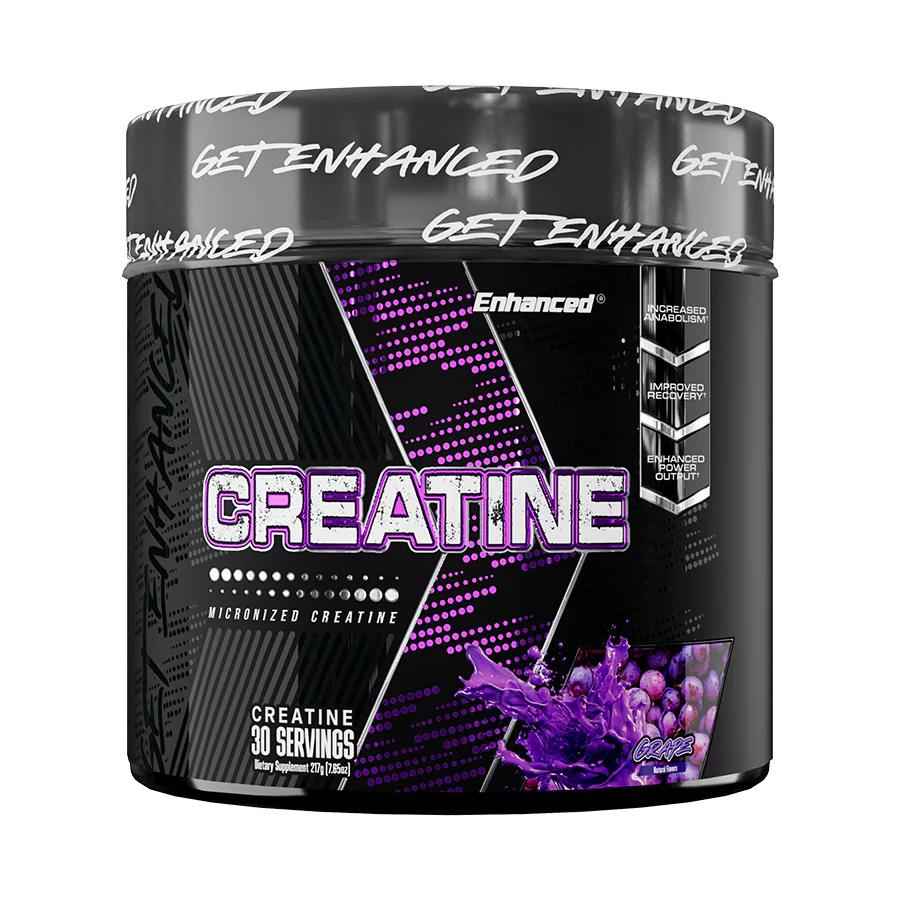
Creatine Monohydrate Overview
⭐ Top Benefits: Increased strength and power, enhanced muscle recovery, improved training endurance, fuller muscle appearance
🧪 Form: Powder or capsule (most commonly micronized powder for better absorption)
⌛ Max Time Used: Safe for long-term daily use; often taken continuously with no need to cycle
💰 Cost: $35.99
❤️🩹 Side Effects: Possible mild bloating or water retention, occasional stomach discomfort if taken without adequate water
📚 Best Stack: Frequently combined with whey protein, beta-alanine, or carbohydrate sources to maximize uptake and performance benefits
Copy Brawn10 for 10% off
- Increases intramuscular creatine stores to boost strength, power, and endurance
- Supports muscle growth, recovery, and overall training performance
- One of the most studied and proven supplements with strong safety data
- May cause mild water retention or bloating in some users
- Requires consistent daily use for best results, not an immediate performance booster
- Occasional stomach discomfort possible if taken without sufficient water
Disclaimer: This content is for informational purposes only. While creatine monohydrate is one of the most researched and widely used sports supplements, always consult a healthcare professional before beginning any supplementation protocol.
How Can You Monitor Progress and Adjust Your Bulking Plan Effectively?
Tracking your progress is essential for a successful bulking phase. Monitoring key indicators such as body weight, body fat percentage, and measurements helps you understand how your body is responding to your plan.
Taking progress photos and logging your workouts provides a clear picture of your development over time. If your progress stalls or changes too quickly, it may be time to adjust your calorie intake or macronutrient ratios.
For most people, increasing calories slightly supports continued muscle growth, while reducing them can help manage excess fat gain. The goal is not to incur rapid weight changes, but steady and controlled progress.
Always remember that patience and consistency are key. Small, gradual adjustments often lead to the best long-term results. If you’re unsure how to modify your plan safely, consult a qualified healthcare or nutrition professional for personalized guidance.
Staying flexible and adaptable ensures your bulking strategy evolves with your body, helping you stay positive, focused, and on track toward your muscle-building goals.
What Are the Most Effective Advanced Bulking Strategies?
Once you’ve mastered the basics of training and nutrition, incorporating advanced bulking strategies can help you continue building muscle and break through plateaus.
Periodization is one powerful approach. It involves alternating between training phases that focus on strength, hypertrophy, and recovery. This variation helps prevent overtraining and keeps your body progressing over time.
Wave loading is another effective technique where you alternate weights and reps across sets. For example, lifting heavier for fewer reps, then lighter for more. This method promotes progressive overload, one of the key principles for continuous muscle growth.
You can also experiment with advanced methods such as blood flow restriction (BFR) training, which can stimulate muscle growth using lighter weights. However, this should always be done carefully and ideally under professional supervision.
For some athletes, advanced supplements like HMB (beta-hydroxy beta-methylbutyrate) and beta-alanine can further enhance strength and recovery. As always, consult with a qualified healthcare professional before adding any new training methods or supplements to your routine.
By strategically applying these advanced techniques, you can push past plateaus, maximize performance, and take your muscle-building results to the next level.
Bulking on a Budget: Smart Choices for Maximum Gains

You don’t need a huge grocery bill to achieve your muscle building goals. Bulking on a budget is all about making smart, strategic choices with your food and supplements.
Start by choosing affordable protein sources like chicken breast, ground beef, and canned tuna. These can be bought in bulk and used in a variety of bulking meal plan. Stock up on complex carbohydrates such as brown rice, sweet potatoes, and oats, which are inexpensive, filling, and perfect for supporting muscle growth.
Healthy fats are calorie-dense and essential for hormone health, but you don’t need to buy them in large quantities. A small jar of peanut butter, a bottle of olive oil, or a bag of mixed nuts can last for weeks and add valuable calories to your meal plan.
Save money by buying frozen or canned vegetables, which are just as nutritious as fresh options and often more affordable. Plan your meals around weekly sales and seasonal produce to stretch your budget further. Avoid spending on junk food and sugar-sweetened beverages, which add calories but little nutrition.
When it comes to supplements, look for deals on protein powder and sports nutrition products like creatine monohydrate. Buying in bulk or choosing store brands can help you save without sacrificing quality.
By planning ahead, shopping smart, and focusing on whole foods, you can bulk effectively, support muscle growth, and keep body fat in check—all without overspending. Remember to stay hydrated, limit alcohol, and prioritize nutrient-dense foods to get the most out of your bulking phase.
Frequently Asked Questions
What should I eat when bulking?
Focus on nutrient-dense, whole foods that provide enough calories and macronutrients to support muscle growth. Build your meals around lean proteins (chicken, beef, fish, eggs), complex carbohydrates (rice, oats, potatoes, whole grains), and healthy fats (avocados, olive oil, nuts, seeds).
Including plenty of fruits and vegetables ensures you get essential vitamins and minerals for recovery and performance.
Is 3000 calories a day good for bulking?
It depends. For many people, 3,000 calories per day can create a moderate surplus ideal for building lean muscle. However, smaller individuals or those with slower metabolisms may need less, while highly active or larger individuals may need more.
Tracking your weight and progress weekly helps determine if you’re eating enough to grow without adding excess fat.
How do I get 3000 calories a day?
To reach 3,000 calories a day, eat 5–6 balanced meals spaced throughout the day. Each meal should include a protein source, complex carbs, and healthy fats. For example: oatmeal with peanut butter for breakfast, rice and chicken for lunch, and salmon with potatoes for dinner.
High-calorie snacks like trail mix, smoothies, nut butters, or protein shakes can help you meet your daily goal without feeling overly full.
Is 150g of protein a day enough to build muscle?
For most people, 150 grams of protein per day is sufficient for muscle growth, especially if you weigh around 150–180 pounds. The general guideline is to consume 1.0–1.2 grams of protein per pound of body weight daily.
If you’re heavier, more active, or in an intense training phase, you may benefit from slightly more protein to support recovery and muscle repair.
How fast should I expect to gain muscle while bulking?
Muscle growth takes time and consistency. Most people can expect to gain about 0.5 to 1 pound of muscle per week when following a proper bulking plan with a controlled calorie surplus and strength training routine.
Gaining faster than that usually means you’re adding excess fat. Focus on steady progress, track your performance, and make small adjustments to your diet as needed for the best results.