Tracking calories is a common way to manage body weight. Many people want to lose weight, but not everyone succeeds.
Some use calorie counting apps, measure food with cups, and study food labels. Others focus on eating fewer calories or try low calorie diets.
And so the debate continues: does calorie counting work? The straightforward answer is yes, calorie counting can help with weight loss and weight control, but the story is more complex than just numbers.
There are many factors, such as food quality, total calories, physical activity, metabolism, cell metabolism, and even the gut microbiome. The choices made for meals or snacks every week matter for weight management and true health.
Knowing the basics of calorie intake, weight gain risks, and how to maintain a healthy weight helps readers make better food choices. Let’s dive deep into the science, strategies, and potential pitfalls of counting calories.
Key Takeaways
- Calorie counting is effective for weight management for most people, but it’s not the only way to lose weight. 🏋️
- Focusing only on total calories can lead to poor food choices, making food quality just as important. 🍎
- Frequent tracking, using apps or journals, helps produce more consistent weight loss results. 📲
- Eating fewer calories than burned, called a calorie deficit, remains the most reliable way to lose weight. 🔥
- Obsessive calorie tracking can raise risks for eating disorders and disordered eating, especially in high-pressure environments. ⚠️

Counting Calories: The Fundamentals
A calorie is a simple measure of energy. The body burns calories for basic life functions and during physical activity.
The resting metabolic rate is the number of calories burned at rest. Eating more calories than burned causes weight gain. Eating fewer calories leads to losing weight.
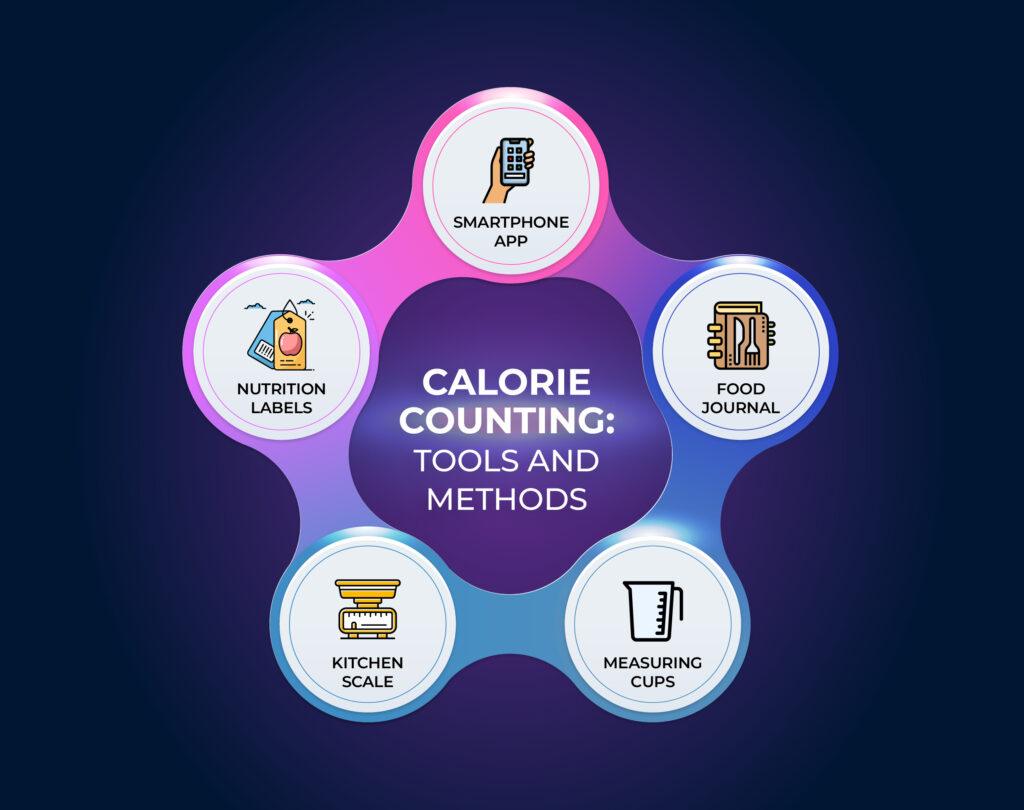
Counting calories means tracking the amount of energy from food and drink each day. Most people use calorie counting apps, food labels, or measuring cups to estimate daily calorie intake.
Food manufacturers list calorie figures, but these numbers may not be completely accurate. Consistent tracking helps improve results. People who write down or log how many calories they eat often see better weight control than those who guess.
Lose Weight: The Mechanism Behind Calorie Counting
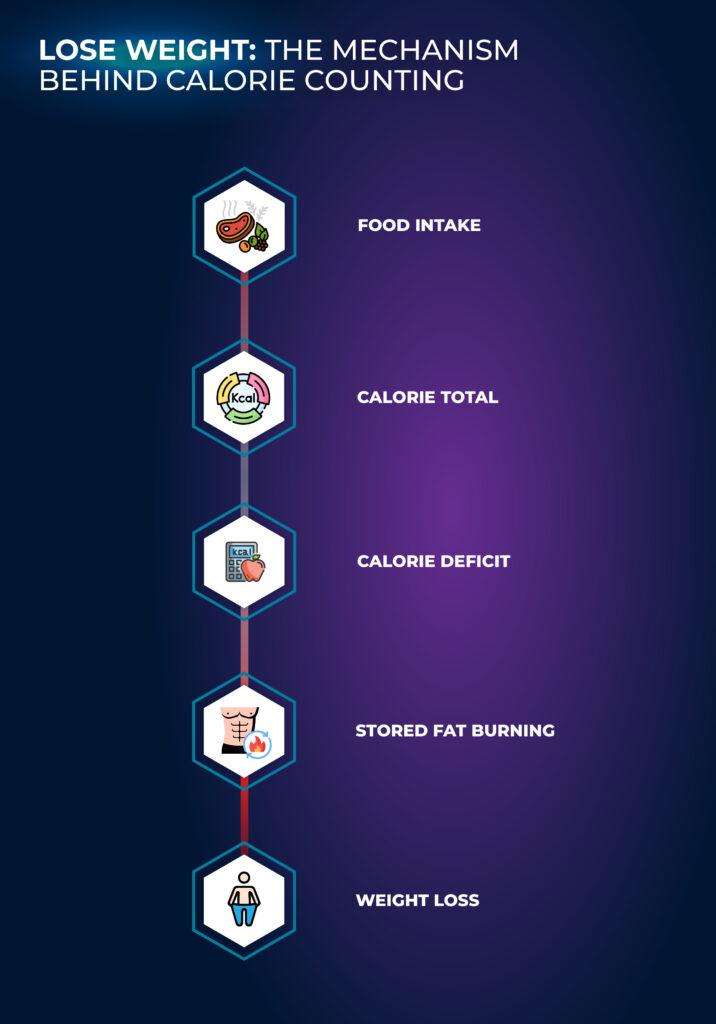
Every body requires a set amount of energy daily. To lose weight, a person must cut calories to create a calorie deficit.
The body then burns stored fat for energy, leading to weight loss. Replacing high calorie foods with vegetables, whole grains, and fruit supports better results.
For example:
- High calorie foods include ultra processed snacks, fast food, and sugary drinks.
- Vegetable-based meals tend to have fewer calories but more nutrients.
Portion sizes play a huge role. Large servings have more calories, which adds up quickly. Using measuring cups and checking food labels can reduce total calories per meal. A calorie deficit of 500 calories a day may help lose about a pound per week for some, but results differ by individual.
Calorie Counting: Tools and Methods
Many use calorie counting apps to track intake. These platforms estimate the number of calories in meals, snacks, and drinks.
Apps make tracking easier but are not perfect. Serving size estimates and calorie figures can be off. The more consistent someone tracks, the greater the chance for weight loss success.
Common tools:
- Calorie counting apps for smartphones.
- Food labels for packaged foods.
- Measuring cups and kitchen scales for precise portion sizes.
Apps rely on food databases from food manufacturers, which vary in quality. Ultra processed foods and processed foods may not match their listed calorie content. Still, apps help users record and limit calories more efficiently than guessing.
How Many Calories Does an Individual Need?
Daily calorie intake depends on several factors. These include age, body weight, activity level, metabolism, and even genetics.
Calculating how many calories each person needs is not an exact science. Athletic individuals might need more calories. Sedentary people need less.
To cut calories safely:
- Increase intake of vegetables, whole grains, and fruit.
- Limit high calorie foods, sugar, and fast food.
- Watch portion sizes and focus on high nutrient foods rather than low calorie diets alone.
Some ask about the same number of calories from different foods: for example, does a calorie from sugar equal a calorie from fat? Not all calories are created equal, as the body processes carbohydrates, fat, and protein differently.
Healthy Weight: Factors Beyond Calorie Counting
Losing weight and reaching a healthy weight require more than just calories. Food quality matters. Nutrient dense foods help maintain energy, build muscle, and improve metabolism.
The gut microbiome reacts to different foods, affecting weight gain or loss. High protein, high fiber meals keep hunger low and mood steady.
Food choices should focus on whole grains, fruit, vegetables, lean meats, fish, and healthy fats. Fast food, ultra processed foods, and refined sugars promote weight gain. Nutrition quality counts just as much as calorie content.
Food Quality: Not All Calories Are Created Equal
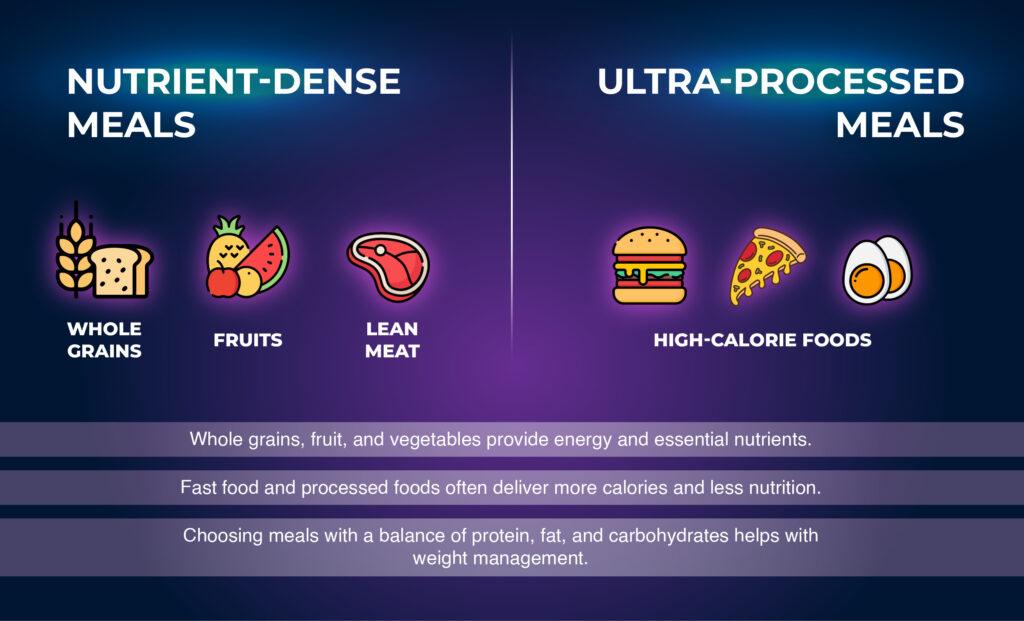
Several factors determine how the body uses calories. Cell metabolism reacts more positively to nutrient rich foods than processed ones.
Eating ultra processed or high calorie foods often triggers cravings and affects energy levels. The quality of calories impacts satiety, hormones, and fat storage.
- Whole grains, fruit, and vegetables provide energy and essential nutrients.
- Fast food and processed foods often deliver more calories and less nutrition.
- Choosing meals with a balance of protein, fat, and carbohydrates helps with weight management.
Counting calories helps bring awareness to what’s eaten, but food quality should always guide choices. Mixing low calorie diets with ultra processed foods might not result in better health or weight control.
Calories Matter, But So Do Other Factors
Calories are important for weight management but are not the full story. Metabolism is influenced by age, sleep, cell metabolism, physical activity, and drink choices. Eating only nutrient dense foods makes a difference for overall health.
Total calories eaten each week, the amount of energy expended, and the body’s unique traits help determine long-term success.
Eating disorders, dramatic weight loss efforts, and disordered eating are serious risks if calorie counting becomes obsessive. A balanced approach not only controls calorie intake but improves food quality and habits.
High Calorie Foods and Portion Sizes
Restaurant meals and fast food often have high calorie content. Many calories are hidden in sauces, dressings, and processed foods. Large portion sizes quickly raise total calories for the day.
Tips for controlling calories:
- Use smaller bowls and plates to limit serving size.
- Split high calorie meals when dining out.
- Choose vegetables, fruit, and lean protein as the foundation for meals.
Healthy weight maintenance demands regular attention to food quality and portion control. Avoiding ultra processed foods and added sugar is critical for lasting results.
Calorie Deficit: Path to Weight Management
A calorie deficit is necessary to lose weight. People who consistently maintain a calorie deficit, choose nutrient dense foods, and stay active burn more calories and see more dramatic weight loss. Body composition shifts with changes in caloric intake, exercise, and meal quality.
Long-term strategies:
- Track meals and snacks in real time.
- Focus on whole grains, lean meats, vegetables, and fruit.
- Adjust daily calorie intake based on progress, activity, and goals.
- Avoid overly restrictive diets that may lead to disordered eating.
Weight management is sustainable only when both total calories and food quality are included in the plan.
Disordered Eating: Risks of Obsessive Calorie Counting

Calorie counting apps and diets may trigger eating disorders for some, especially under stress. Obsessive tracking raises anxiety and risk for disordered eating. Signs include fear of more calories, avoiding entire food groups, and dramatic weight loss.
Warning signs:
- Tracking every meal, drink, and snack with no flexibility.
- Ignoring hunger or fullness.
- Emotional distress over calorie intake or weight gain.
Professional support is essential for anyone struggling with disordered eating patterns. Healthy weight management should focus on wellness, not perfection.
Created Equal: Myth Busting Around Calories
The myth that all calories are the same deserves rethinking. Science proves that the body responds differently depending on food sources, even with the same total calorie count.
Resting metabolic rate shifts, fat burning speeds up, and hormones react uniquely to high calorie foods or nutrient rich options.
Focus on quality, balance, and energy. Give importance to the calories that build strength, burn fat, and sustain workouts.
Healthy body weight and metabolism follow habits guided by science, not strict numbers alone.
Final Thoughts
Calorie counting works for weight loss, but its effectiveness depends on food quality, consistency, and awareness.
Professional athletes, trainers, and everyday health seekers benefit from tracking calories to achieve goals. However, the best results come from mixing calorie counting with balanced food choices each week.
Healthy weight is built from variety. Whole grains, vegetables, fruit, and lean meats support both fat loss and muscle gain. Calorie deficit and meal quality work together for lasting changes.
Those aiming to gain weight should also focus on nutrient density, not just adding high calorie foods. Sustainable weight management is more than numbers. It is a lifelong process, shaped by habits, education, and commitment to health.
Mindful eating, careful calorie control, and respect for the body’s needs lead to strength and confidence. Readers are equipped to make smart choices, personalize their diets, and create lasting, positive change.
Frequently Asked Questions (FAQs)
How accurate are calorie figures on food labels?
Calorie counts on labels may differ by up to 20 percent from the actual amount of energy provided. Actual intake varies due to food processing and absorption factors.
Are low calorie diets safe for long-term weight loss?
Low calorie diets can help lose weight fast, but may slow metabolism and risk nutrient shortages if used without professional guidance. Sustained results require balanced food quality and adequate nutrients.
Can calorie counting help prevent weight gain after reaching goal weight?
Yes, consistent tracking and adjusting caloric intake maintain a healthy weight and help prevent weight gain. Regular check-ins keep habits strong.
Do eating disorders always develop from calorie counting?
Not all cases of disordered eating come from tracking calories. Risks rise with obsession, anxiety over numbers, or extreme dietary habits. Balance and flexibility protect against disordered eating.
How does exercise influence calorie needs?
Physical activity raises the number of calories burned each day. Active individuals must eat more calories and nutrients to maintain energy, build muscle, and avoid fatigue.