What Is Rosuvastatin?
Rosuvastatin is a statin drug first approved in 2003, commonly sold under the brand name Crestor (with generics now widely available).
Statins are the standard treatment for managing cholesterol, and rosuvastatin ranks as one of the strongest in the group.
Its main target is LDL cholesterol (bad cholesterol). High LDL leads to cholesterol buildup in the arteries, narrowing them and raising the risk of heart attacks and strokes. Rosuvastatin works to bring LDL down fast and effectively.
Doctors prescribe it not just for high cholesterol, but also for people with added risk factors like diabetes, obesity, high blood pressure, or a family history of heart disease. It’s also given to patients who have already had a heart attack or stroke, to lower the chance of another event.
Because it’s potent, rosuvastatin is often the go-to choice when a major drop in LDL is needed quickly.
Key Takeaways
- Rosuvastatin is a statin compound that lowers cholesterol and reduces heart disease risk. 💊
- It works by blocking cholesterol production in the liver and clearing LDL from the blood. 🧬
- Benefits include lower LDL, reduced risk of heart attack and stroke, and anti-inflammatory effects. ❤️
- Side effects are rare but can include muscle aches and changes in liver enzymes. ⚠️
- Rosuvastatin is more potent than many other statins, making it useful for patients needing strong cholesterol control. 📈

How Does Rosuvastatin Work?
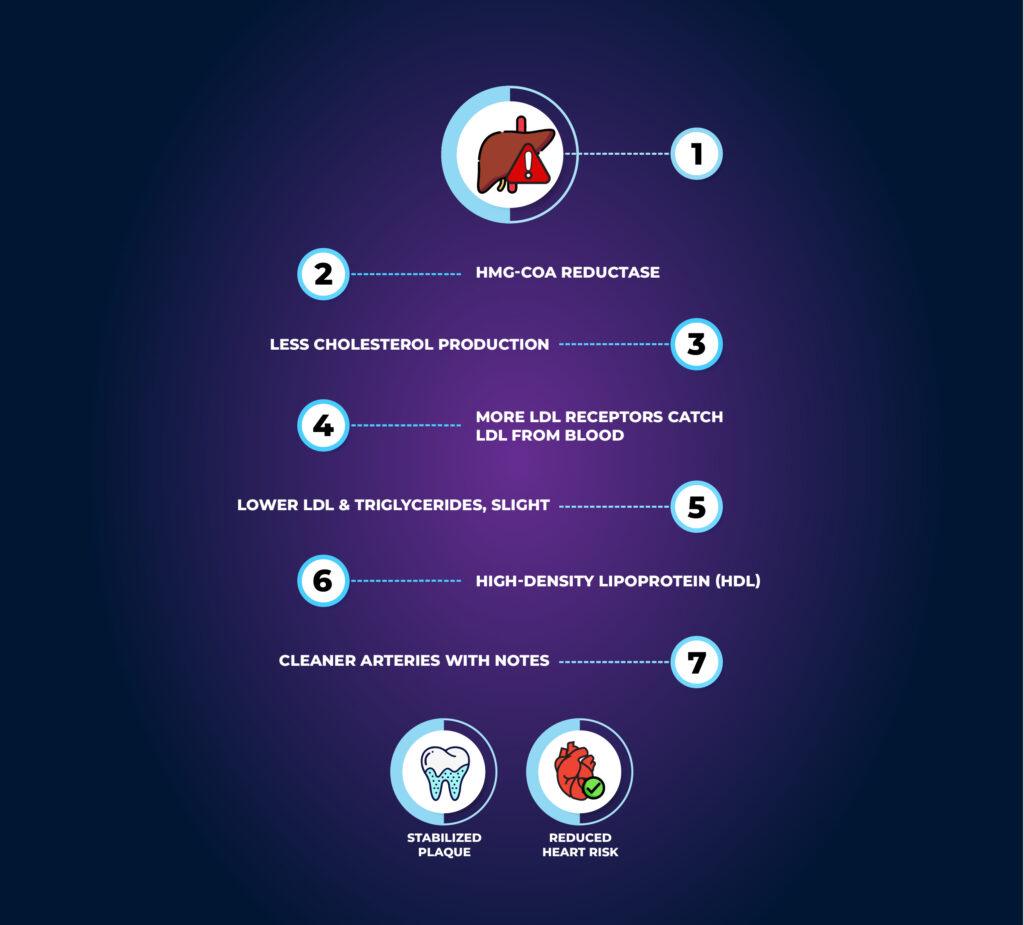
Rosuvastatin works mainly in the liver, where cholesterol is produced. It blocks the enzyme HMG-CoA reductase, which is responsible for a key step in cholesterol synthesis. With this enzyme inhibited, the liver makes less cholesterol.
At the same time, the liver produces more receptors that capture and remove LDL cholesterol from the bloodstream.
As more LDL is cleared, blood cholesterol levels drop. Triglycerides also decrease, and high-density lipoprotein (HDL), known as “good cholesterol,” may increase slightly.
Beyond cholesterol levels, rosuvastatin improves the health of arteries in other ways. It helps stabilize plaques so they are less likely to rupture.
A ruptured plaque can cause a sudden blockage and lead to a heart attack or stroke. Rosuvastatin also reduces inflammation in the blood vessels, which plays a major role in the development of cardiovascular disease.
These combined effects make rosuvastatin more than just a cholesterol-lowering drug. It directly reduces risk factors that damage blood vessels and increase the chance of cardiovascular events.
Benefits of Rosuvastatin
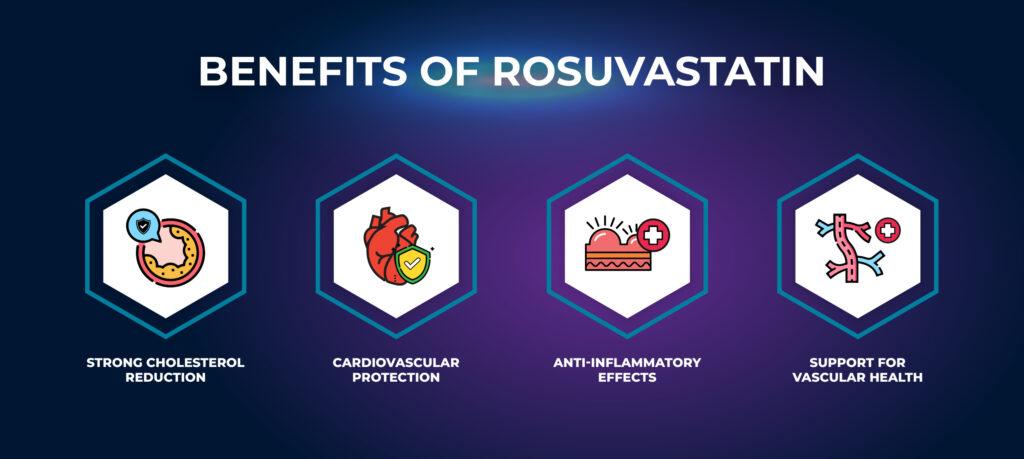
The benefits of rosuvastatin go beyond simple cholesterol reduction. It not only lowers LDL but also protects the heart, improves vascular health, and reduces inflammation. These combined effects make it one of the most effective statins available today.
Strong Cholesterol Reduction
Rosuvastatin is among the most powerful statins, capable of reducing LDL cholesterol by more than 60 percent at higher doses. Even at lower doses, it provides significant improvements. This strength allows doctors to use it in patients who require rapid and large reductions in cholesterol.
Cardiovascular Protection
Lowering cholesterol is only part of the story. By reducing LDL and stabilizing arterial plaques, rosuvastatin helps prevent heart attacks and strokes. Clinical trials confirm that patients on rosuvastatin have a significantly lower risk of major cardiovascular events.
Anti-Inflammatory Effects
Rosuvastatin lowers levels of C-reactive protein, a marker of inflammation in the body. Since inflammation is a key factor in atherosclerosis, this effect helps reduce cardiovascular risk even further.
Support for Vascular Health
Research suggests that rosuvastatin improves the function of the endothelium, the lining of blood vessels. Better endothelial function improves blood flow, reduces blood pressure, and protects against vascular injury.
Risks and Side Effects
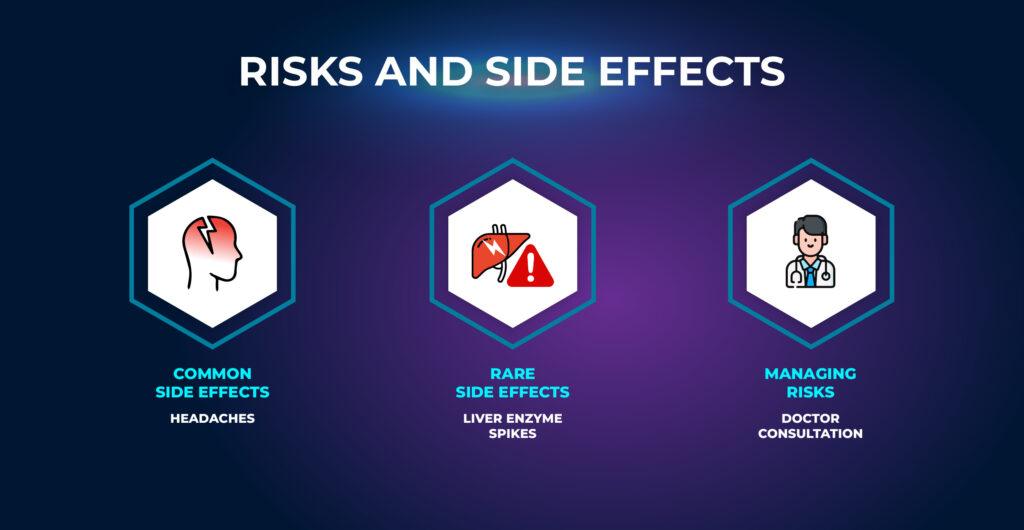
Like any compound, rosuvastatin has possible side effects. Most are mild and temporary, while serious effects are rare. Knowing these risks helps patients monitor their health and work with their doctor for safe use.
Common Side Effects
Some patients experience mild muscle aches, headache, or stomach upset. These symptoms often improve as the body adjusts.
Rare Side Effects
Severe muscle breakdown, known as rhabdomyolysis, is rare but possible, especially at higher doses. Rosuvastatin can also raise liver enzyme levels, which is why doctors recommend regular blood tests. A small increase in blood sugar may also occur, though the overall heart benefits outweigh this concern.
Managing Risks
Doctors typically prescribe the lowest effective dose and adjust based on results. If side effects appear, switching to a different statin or adjusting dosage usually resolves the issue.
Rosuvastatin vs Other Statins
Not all statins are equal. Some are stronger, some are weaker, and each has its own characteristics. Comparing rosuvastatin with other statins shows why it is often the drug of choice for patients who need significant cholesterol reduction.
| Statin | LDL Reduction | Half-life | Typical Use |
| Rosuvastatin | Up to 63% | ~19 hours | High-risk patients, strong LDL lowering |
| Atorvastatin | Up to 55% | ~14 hours | Widely prescribed, good for many patients |
| Simvastatin | Up to 40% | ~2 hours | Older option, less used today |
| Pravastatin | 20–34% | ~1–2 hours | Mild LDL lowering, safer for sensitive patients |
Rosuvastatin is not only more potent but also has a longer half-life. This makes it easier to take at any time of the day, unlike older statins that must be taken at night.
Rosuvastatin Dosage
Doctors prescribe rosuvastatin in doses ranging from 5 mg to 40 mg per day. The starting dose depends on the patient’s cholesterol level, cardiovascular risk, and overall health. For most adults, the starting point is 10 or 20 mg. The dose can then be adjusted based on blood test results and tolerance.
Because of its long half-life of around 19 hours, rosuvastatin offers flexibility. Patients can take it at any time of day, with or without food. This makes it easier to incorporate into daily routines compared to some older statins.
In addition to lowering cholesterol, doctors often prescribe rosuvastatin for patients who already suffered a heart attack or stroke.
It reduces the chance of recurrence and supports long-term recovery. Preventive use is also common in patients with diabetes or strong family history of cardiovascular disease.
Doctors emphasize that rosuvastatin is most effective when combined with lifestyle changes. Diet, exercise, and avoiding tobacco or excessive alcohol make the treatment plan stronger and more sustainable.
What to Consider Before Taking Rosuvastatin
Before starting rosuvastatin, patients should undergo a full cholesterol test and a review of their medical history. Doctors may also order liver function tests and discuss lifestyle habits that may affect treatment.
Patients should inform their doctor about all medications, supplements, and herbal products they use. Some drugs can interact with statins and increase the risk of side effects. For example, certain antivirals and antifungals may alter the way rosuvastatin is metabolized.
Special care is needed for patients with heavy alcohol use or pre-existing liver disease. Pregnant or breastfeeding women should not use rosuvastatin. Consistency is another key factor. Missing doses or stopping suddenly can reduce the effectiveness of therapy.
Most importantly, rosuvastatin should be obtained only from trusted pharmacies. Counterfeit or poorly manufactured drugs can be ineffective or unsafe.
Natural and Lifestyle Complements
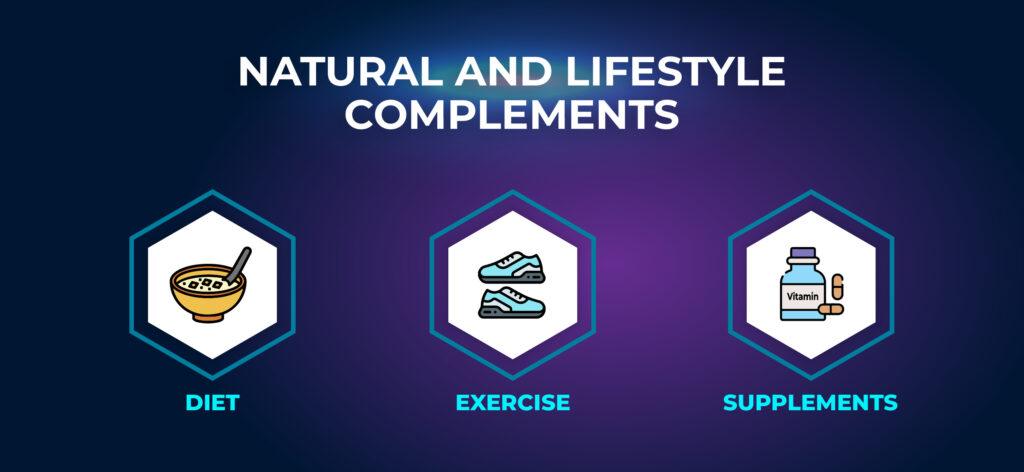
Rosuvastatin works best when combined with lifestyle habits that support cardiovascular health.
Diet
A diet rich in fiber helps reduce LDL cholesterol naturally. Foods like oats, beans, fruits, and whole grains are good choices. Omega-3 fatty acids from fish or supplements help lower triglycerides. Plant sterols, found in fortified foods, reduce cholesterol absorption in the gut.
Exercise
Regular aerobic exercise improves HDL cholesterol, reduces triglycerides, and strengthens the heart. Combining exercise with rosuvastatin maximizes cardiovascular protection.
Supplements
Some patients take Coenzyme Q10 to reduce mild muscle aches associated with statins. Vitamin D and magnesium may also support muscle and cardiovascular health, though these should be discussed with a healthcare provider.
These natural strategies are not replacements for rosuvastatin, but they enhance its effects and improve overall health outcomes.
Where to Buy Rosuvastatin
Rosuvastatin
Rosuvastatin is a synthetic lipid-lowering compound classified as a HMG-CoA reductase inhibitor. It works by reducing cholesterol production in the liver and increasing the number of LDL receptors, which enhances the clearance of low-density lipoproteins (LDL) from the bloodstream.
In research settings, Rosuvastatin is studied for its effects on cholesterol metabolism, endothelial function, inflammation modulation, and cardiovascular health. It is particularly noted for its high potency and long half-life among statin analogs.
Rosuvastatin has also shown potential in studies exploring its anti-inflammatory and antioxidant properties, as well as its possible role in reducing vascular inflammation and improving arterial flexibility.
This compound is typically administered orally in controlled laboratory studies and used to investigate mechanisms of lipid metabolism and atherosclerosis prevention.
Disclaimer: This content is for research and educational purposes only. Rosuvastatin is not approved for human or veterinary use outside of licensed medical supervision.
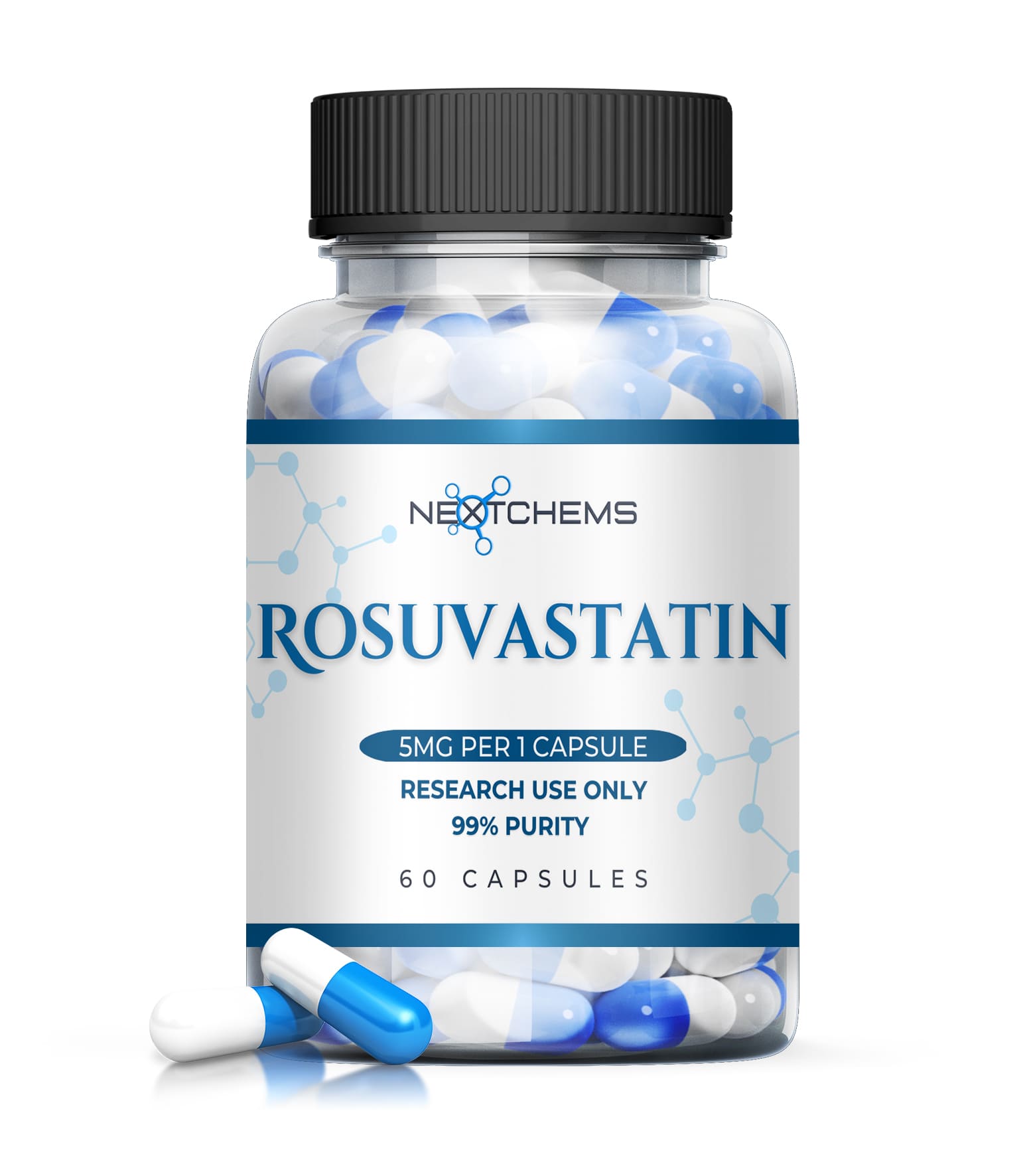
Rosuvastatin Overview
⭐ Top Benefits: Reduces LDL cholesterol, supports vascular health, exhibits anti-inflammatory properties
🧪 Form: Powder or capsule (depending on study design)
⌛ Typical Study Duration: Often used for 4–12 weeks in lipid regulation research
💰 Average Cost: $78.95 per gram (depending on supplier and purity)
❤️🩹 Possible Side Effects: Muscle soreness, mild liver enzyme elevation, fatigue (reported in human clinical data)
📚 Best Research Pairings: Commonly studied with CoQ10, omega-3 fatty acids, or antioxidants
Copy Brawn10 for 10% off
- Highly potent and effective HMG-CoA reductase inhibitor
- Long half-life allows for stable lipid-lowering activity
- Demonstrates anti-inflammatory and vascular protective effects in research
- May cause myopathy or liver enzyme elevation in sensitive subjects
- Limited data on long-term experimental dosing at research levels
- Requires careful handling and accurate measurement in lab environments
Rosuvastatin Alternatives
If rosuvastatin isn’t the right fit for you, there are other options on the table. Not everyone responds the same way to statins, and some people run into side effects they can’t tolerate.
You’ve got a few directions you can go:
- Non-Statin Meds: Options like ezetimibe, PCSK9 inhibitors, or bile acid sequestrants work differently and can be used if statins cause too much trouble.
- Lifestyle First: Dialing in your diet, dropping weight, and keeping exercise consistent can move the needle more than most people expect.
- Supplements: Omega-3 fatty acids, red yeast rice, and CoQ10 are often talked about for heart health. They’re not as strong as prescription meds, but they can play a supportive role.
Bottom line? If rosuvastatin doesn’t sit well with you, it doesn’t mean you’re out of options. You’ve got plenty of backup routes to keep cholesterol in check and protect your heart.
Conclusion
Rosuvastatin is one of the most effective compounds for lowering cholesterol and protecting against heart disease. It works by blocking cholesterol production in the liver, increasing LDL removal from the blood, and supporting vascular health.
Its potency and long half-life make it a reliable choice for patients who need strong cholesterol management.
The risks of rosuvastatin, while real, are uncommon and manageable. Most patients tolerate it well with proper monitoring.
The potential for side effects should not overshadow the fact that rosuvastatin significantly reduces the risk of heart attacks, strokes, and cardiovascular death.
When combined with lifestyle changes like healthy eating, exercise, and stress management, rosuvastatin becomes part of a comprehensive plan for heart health.
It is not only a treatment but also a preventive tool that helps patients secure long-term protection.
In the broader picture, rosuvastatin represents the progress of modern medicine. It shows how science can create solutions that extend life, reduce suffering, and give people control over their health.
For patients and doctors alike, it remains one of the most trusted options for cholesterol management.
Frequently Asked Questions (FAQs)
What is rosuvastatin mainly used for?
Rosuvastatin is prescribed to lower cholesterol, especially LDL cholesterol, and to reduce the risk of heart attacks and strokes.
How quickly does rosuvastatin lower cholesterol?
Most patients see improvements in their cholesterol levels within 2 to 4 weeks of starting treatment. Regular blood tests confirm the progress.
Is rosuvastatin stronger than atorvastatin?
Yes. On a milligram-to-milligram basis, rosuvastatin is more potent than atorvastatin, which means lower doses can achieve strong cholesterol reductions.
Can rosuvastatin be taken long-term?
Yes. Many patients take rosuvastatin for years under medical supervision. Long-term use is considered safe when liver function and muscle health are monitored.
What foods or drinks should I avoid while taking rosuvastatin?
Patients should limit alcohol and high-fat foods. Unlike some other statins, rosuvastatin has minimal interaction with grapefruit, but moderation is still recommended.