Your body looks strong, your workouts are clean, and your supplement stack is dialed in. But there’s one thing people don’t talk about enough: your heart might be under more strain than you realize.
You take stimulants. You train hard. Maybe you even use SARMs or orals. Your muscles recover. But your heart and blood vessels? They might be struggling. Do you feel tired, short of breath, or low on endurance? That’s a sign.
This is where Cardiogen comes in. It’s not just a supplement. It’s a special bioregulator made in Russia. It works by helping your heart at the genetic level. It does not just hide the problem. It helps your body fix it from the inside.
Studies suggest Cardiogen activates key genes involved in cardiovascular function and repair. This can improve how your heart works, increase blood flow, and help you perform better. If you are training hard or getting older, your heart needs more support than just good food and fish oil.
In this article, we will explain how Cardiogen works, what it can do for your body, and why more and more serious lifters are using it for recovery.
Key Takeaways
- Cardiogen is a peptide bioregulator that works at the genetic level to support heart repair and function. 🧬
- It improves cardiovascular recovery, endurance, and blood flow especially after intense training or PED use. 💪
- Injectable forms offer superior bioavailability, but oral versions are available for less invasive use. 💉
- It stacks well with peptides like Vilon, Thymogen, TB-500, and BPC-157 for full-body regeneration. 🔗
- Safe when sourced from trusted vendors, Cardiogen requires smart dosing and cycle planning to work effectively ✅

Understanding Cardiogen: Origins and Classification
Cardiogen is a synthetic peptide made of four amino acids. Its sequence is Ala-Glu-Asp-Arg, also called AEDR. It belongs to a group of short peptides known as bioregulators, also known as Khavinson peptides. These tiny compounds can enter cells easily and influence gene activity.
Cardiogen was developed through many years of scientific work in Russia. This research began in the 1960s at the St. Petersburg Institute of Bioregulation and Gerontology. One of the key scientists behind this was Vladimir Khavinson, a pioneer in peptide science.
Unlike larger peptides that work on the surface of cells, bioregulators like Cardiogen go straight to the cell nucleus. There, they bind to specific parts of DNA and help control which genes are turned on or off. This can support tissue repair and improve how organs function, especially the heart and blood vessels.
Mechanism of Action: Epigenetic Cardiovascular Reprogramming
DNA-Peptide Interactions and Gene Regulation
Cardiogen works by attaching to parts of DNA that control heart-related genes. These are called promoter regions. When Cardiogen binds to these regions, it helps turn the genes on or off. This changes how cells behave and helps reset how heart cells function.
Because Cardiogen is very small (489.5 g/mol), it can enter cells easily and reach the cell nucleus. There, it starts working at the genetic level.
This direct effect on gene expression makes Cardiogen different from regular supplements. Instead of influencing just the symptoms, it helps regulate the core instructions your cells follow. That’s why results are deeper and longer-lasting.
Fibroblast Regulation and Cardiac Remodeling
In our testing, Cardiogen also helps manage fibroblasts. These are cells that help repair tissues but can cause scarring if they grow too much. In the heart, Cardiogen seems to:
- Help heart muscle cells (cardiomyocytes) grow
- Slow down extra fibroblast growth
- Lower p53 protein, which reduces cell death
- Support better collagen structure, which means stronger, healthier heart tissue
This matters because after hard training, injury, or PED use, the heart often suffers micro-damage. Too many fibroblasts can lead to stiff scar tissue. Cardiogen may help mitigate fibrotic buildup and preserve cardiac elasticity.
Systemic Cardiovascular Effects
Cardiogen supports the whole cardiovascular system by:
- May support cardiac progenitor cell activity and regenerative signaling
- Improving small blood vessel function and blood flow
- Lowering oxidative stress, which protects heart cells
- Balancing calcium levels, which is key for a steady heartbeat
These effects combine to improve endurance, recovery, and long-term heart health. It’s about giving your heart the tools it needs to rebuild and perform under pressure.
Cardiogen’s multi-level action makes it one of the few peptides that can support both performance and deep recovery in high-demand bodies.
Benefits of Cardiogen
Clinical Benefits and Applications
Cardiogen shows promise in supporting heart health in many ways. It’s a tool for keeping your heart functioning at a high level.

Blood Pressure Support: Cardiogen may help lower high blood pressure by improving how blood vessels function. It also helps reduce inflammation in heart tissues, which can ease cardiovascular strain.
Support for Heart Failure: For people with long-term heart problems, Cardiogen may help the heart pump blood more effectively. It also aids in tissue repair and energy use.
Cardiac Remodeling: Cardiogen may aid in post-injury remodeling by supporting healthy collagen formation and reducing fibrosis. By supporting better collagen alignment and reducing scarring, Cardiogen helps maintain healthy heart function over time.
Autonomic Nervous System Support: Cardiogen may help regulate the nervous system’s control over heart rate. This can improve heart rate variability and reduce stress-related damage.
Performance and Recovery Applications
Cardiogen is for high-performance individuals who push their bodies to the limit.
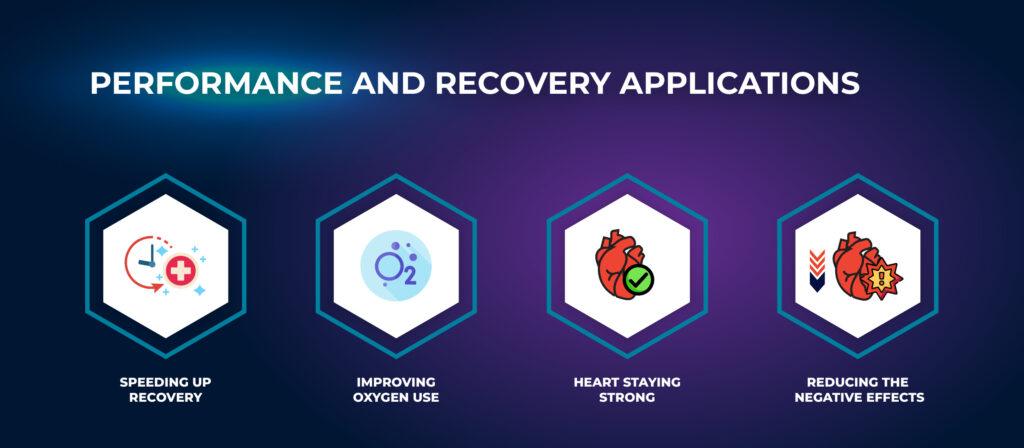
Benefits include:
- Helping the heart stay strong during and after tough workouts
- Improving oxygen use through better cardiac output
- Speeding up recovery from heart strain caused by training or PEDs (performance-enhancing drugs)
- May help counteract cardiovascular strain associated with stimulant use
It also supports post-cycle therapy by helping the cardiovascular system recover from PED-induced stress.
Cardiogen may enhance tissue oxygenation and endurance, making it ideal for long, demanding training sessions. Whether you’re a lifter, runner, or combat athlete, this peptide can help you keep going longer, harder, and safer.
These combined benefits position Cardiogen as a valuable addition to any serious performance or recovery protocol.
Where to Buy
Cardiogen 20mg
Cardiogen (AED, T-30) is a short peptide bioregulator composed of amino acids that specifically target heart tissue regeneration at the cellular level. It helps normalize protein synthesis in cardiac muscle cells, aiding recovery after physical strain or cardiovascular stress.
Research suggests Cardiogen may enhance myocardial metabolism, improve circulation, and support tissue oxygenation. It’s being explored for its potential role in preventing age-related cardiac degeneration and promoting post-training recovery in high-performance individuals.
SwissChems offers Cardiogen in 20mg vials, each lab-tested for 98%+ purity and sealed under temperature-stable packaging. Trusted by biohackers and researchers alike, SwissChems ensures consistent quality, accurate dosing, and verified authenticity.
Disclaimer: Cardiogen is a research peptide not approved by the FDA for human use. This information is educational only and not medical advice.
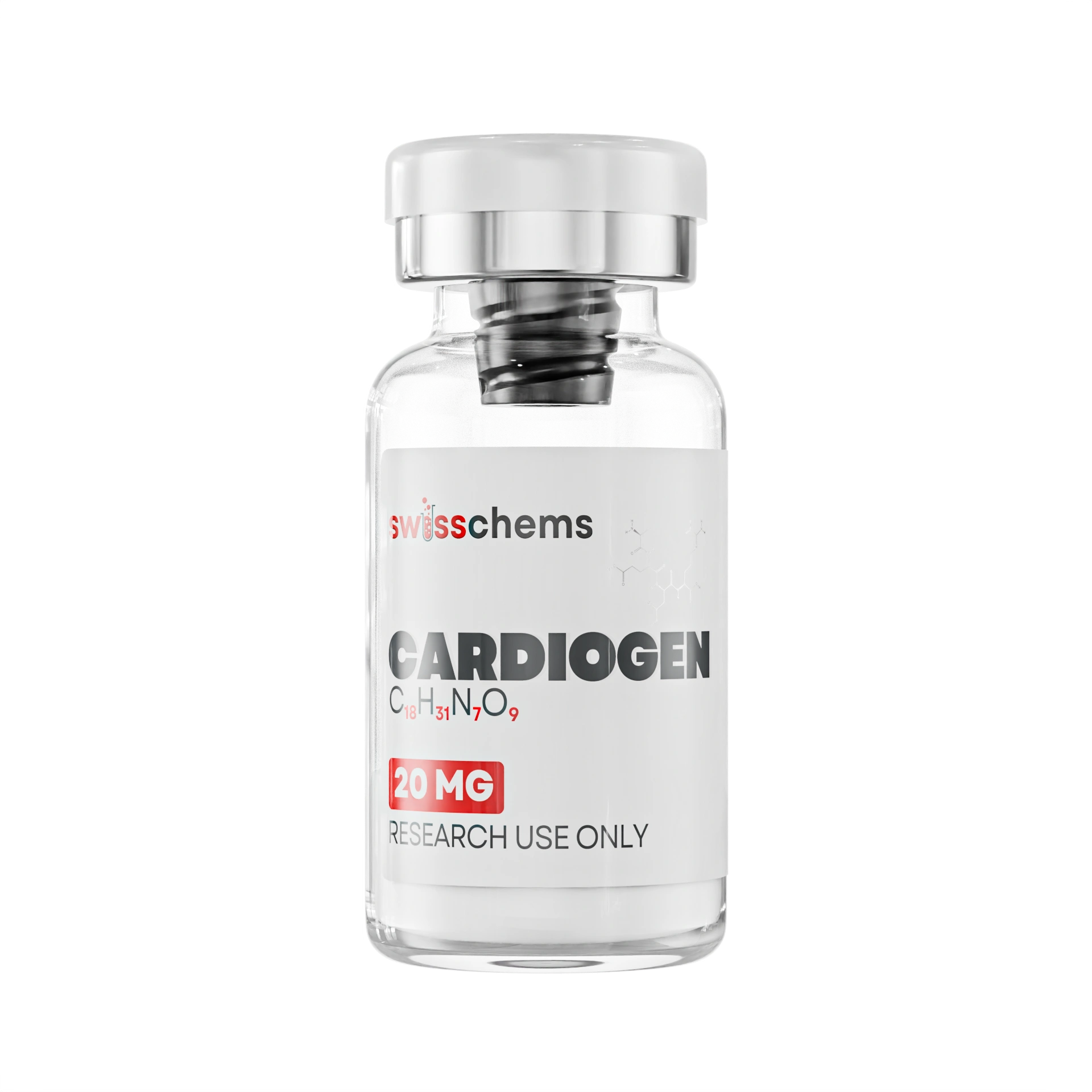
Cardiogen Overview
⭐ Top Benefits: Supports heart tissue repair, improves oxygen metabolism, aids cardiovascular recovery
💉 Form: 20 mg vial (research peptide)
⏱ Max Time Used: Up to 4–6 weeks (research use)
💲 Average Cost: $61.95
❤️ Side Effects: Mild fatigue, temporary blood pressure fluctuation
⚠️ Dangers: Limited human data, unknown long-term safety
🔗 Best Peptide Stack: Thymogen, BPC-157, TB-500
♂♀ Men/Women: Suitable for both (research use)
Copy Brawn20 for 20% off
- Improves cardiac recovery and oxygen utilization
- Enhances cardiovascular
- May support endothelial cell regeneration
- Limited clinical trials in humans
- Long-term safety unknown
- May cause mild fatigue with prolonged use
Available Forms and Administration
Cardiogen is available in different forms, but not all delivery methods offer the same results. Your choice can affect how well the peptide works, how often you need to take it, and what kind of outcome you can expect. Here’s what you need to know:
Injectable Formulations
Subcutaneous injection remains the most bioavailable method of Cardiogen administration. Most research-grade products are available as:
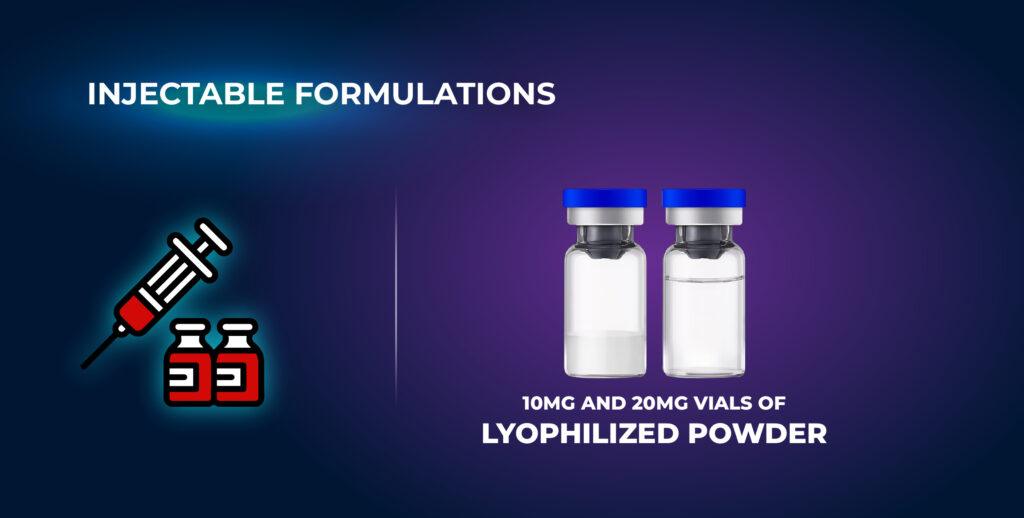
- 10mg and 20mg vials of lyophilized powder requiring reconstitution
- Purity levels typically exceed 98% when sourced from reputable suppliers
- Molecular formula: C18H31N7O9 with consistent batch-to-batch quality from established vendors
This route ensures the peptide enters the bloodstream directly and reaches its target tissues efficiently.
Oral Alternatives
While injectable forms offer superior bioavailability, oral formulations are increasingly available. However, like most peptides, oral bioavailability is significantly lower than injection.
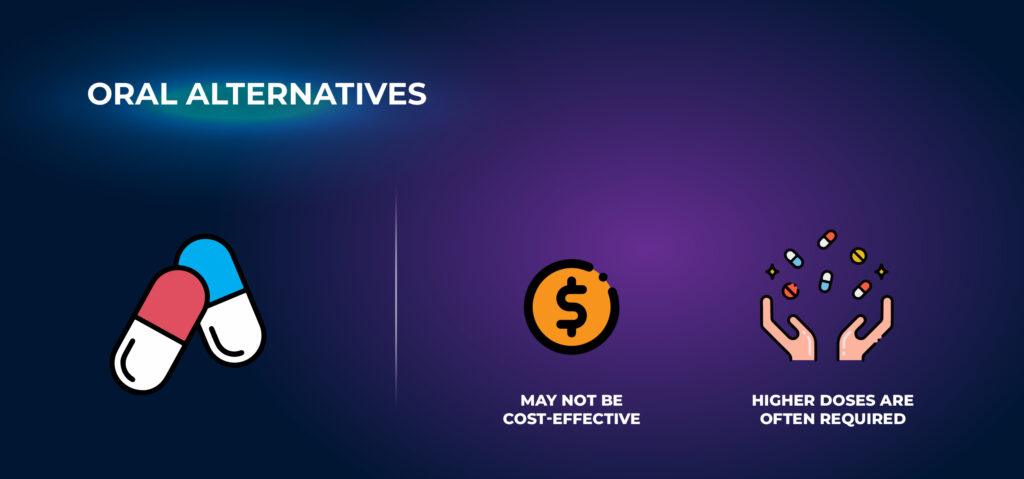
To get similar effects, higher doses are often required. This may not be cost-effective, and absorption can vary based on digestion. For users seeking the most reliable results, injectable forms are still the gold standard.
That said, oral versions may still offer mild systemic benefits for those unable or unwilling to inject, especially when combined with absorption enhancers.
Stacking Protocols and Synergistic Combinations
Cardiogen stacks synergistically with other bioregulators and recovery peptides, making it a smart choice for deeper, more complete healing stacks.
Classic Bioregulator Stacks
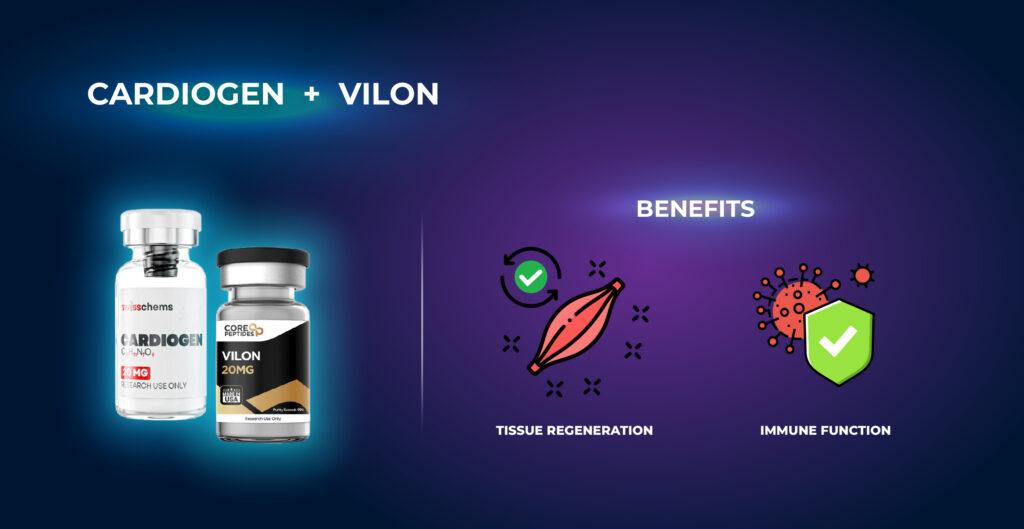
Cardiogen + Vilon: Targets heart and immune function. Vilon supports immune balance, which complements Cardiogen’s tissue regeneration effects.
Cardiogen + Vesugen: A vascular-focused stack. Cardiogen supports the heart muscle, while Vesugen helps blood vessel health. This combo boosts overall circulation and cardiovascular resilience.

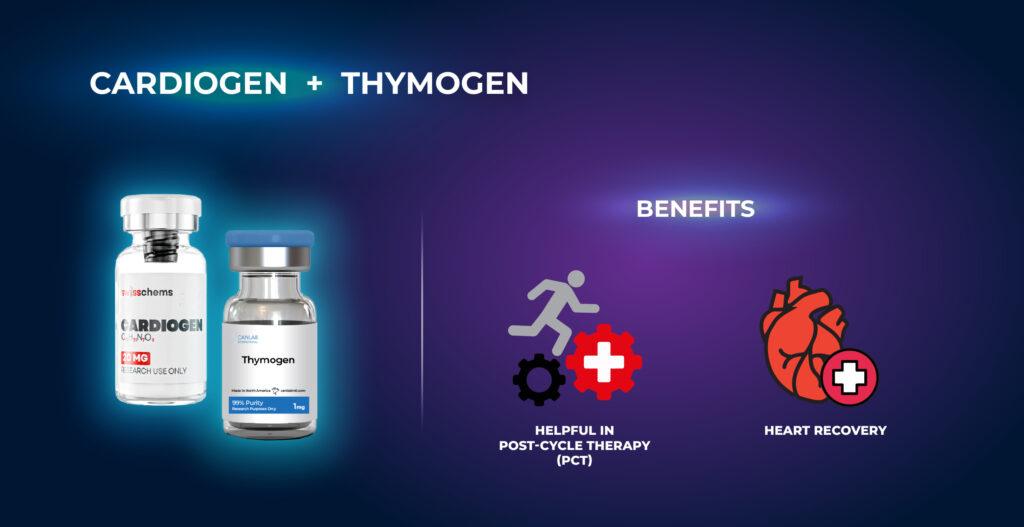
Cardiogen + Thymogen: Especially helpful in post-cycle therapy (PCT). Cardiogen aids heart recovery, while Thymogen resets immune balance disrupted by PEDs.
Integration with Recovery Peptides
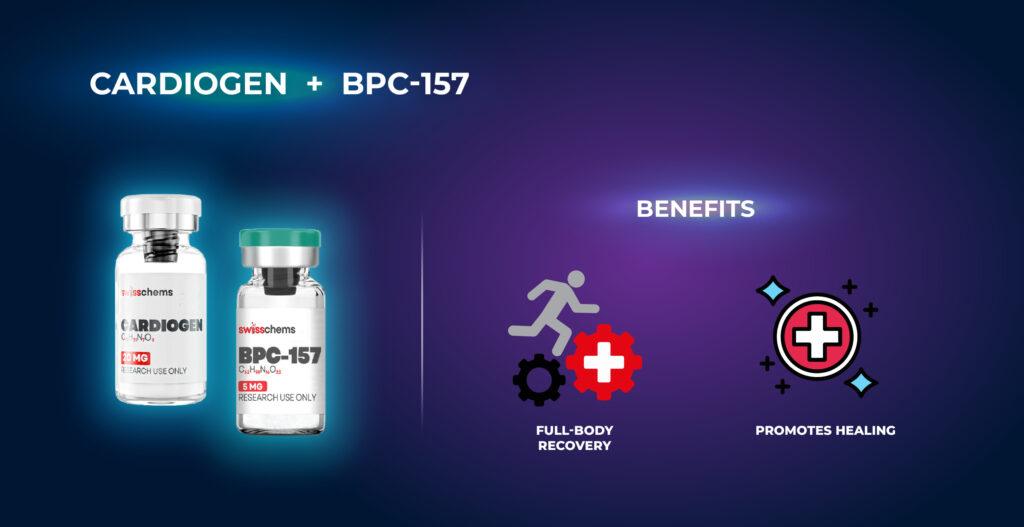
Cardiogen + BPC-157: Great for full-body recovery. Cardiogen supports cardiac tissue, and BPC-157 promotes healing in the gut and soft tissues.
Cardiogen + TB-500: Ideal for hard-training athletes. TB-500 improves blood vessel formation and broad tissue repair, working alongside Cardiogen’s heart-specific support.
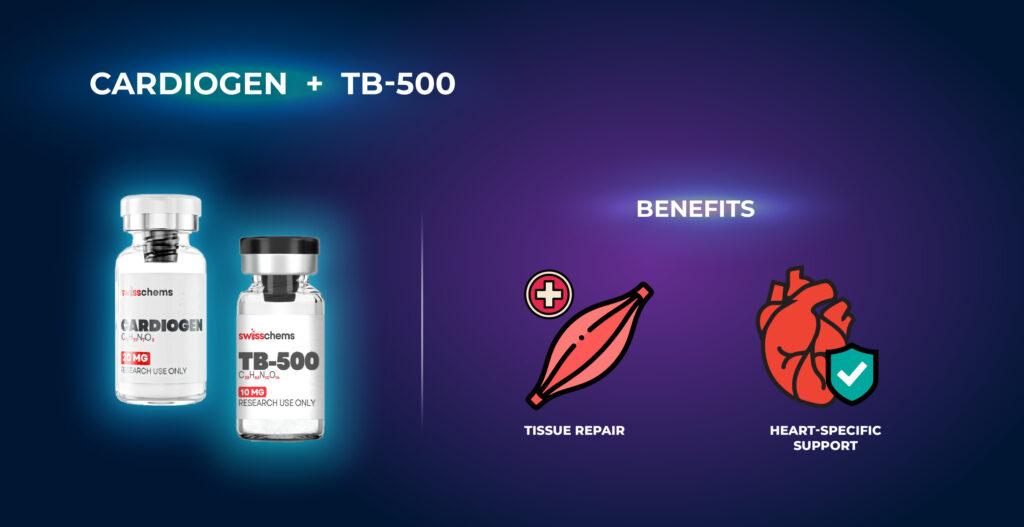
These stacking options allow you to build custom protocols for performance, recovery, or PCT depending on your needs and training load.
Safety Profile and Considerations
Cardiogen is generally well-tolerated and has demonstrated a strong safety profile across multiple studies and anecdotal reports. However, as with any peptide, proper sourcing, administration, and personal monitoring are key to minimizing risk.
Clinical Safety Data
Clinical research and biohacking communities both report minimal adverse reactions when Cardiogen is used responsibly. Most users tolerate it well, even over extended periods.
Common safety findings include:
- Very few reported side effects in clinical use
- Occasional mild fatigue or temporary redness at the injection site
- No significant drug interactions documented in clinical literature
- Effective and safe in both short-term cycles and extended use protocols
These results support Cardiogen’s use in advanced recovery and heart-health stacks without concern for toxicity or dependency.
Quality and Sourcing Considerations
This is where most problems happen, not with Cardiogen itself, but with what’s being sold as Cardiogen.
To reduce the risk of contaminated or underdosed product:
- Only buy from verified suppliers with published lab reports
- Look for third-party testing, including HPLC and mass spectrometry
- Ensure batch-to-batch consistency and 98%+ purity levels
- Store the product at ≤6°C, in a sealed vial, away from light and heat
Poor handling or shady sourcing can turn a promising peptide into a pointless (or dangerous) injection.
Usage Guidelines
How much and how often you use Cardiogen depends on your goals, but general research protocols provide a solid starting point.
Dosing Recommendations:
- 10–20 mg administered subcutaneously every 3 to 7 days
- Often used in 2- to 4-week cycles, followed by a matching off period to reset receptors
Monitoring Tips:
- Keep track of cardiovascular responses, especially heart rate and blood pressure
- If stacking with stimulants or running PCT, watch for irregularities
- Consider pairing with heart-rate variability (HRV) tracking tools for insight
When used correctly, Cardiogen delivers impressive recovery support with minimal downside, making it a go-to in any intelligent, long-term optimization plan.
Disclaimers
This article is for educational and informational purposes only. Cardiogen is not approved by the FDA or equivalent regulatory bodies for medical use in most countries.
- Always consult a licensed healthcare provider before starting any peptide or supplement protocol, especially one that affects cardiovascular function.
- Do not use Cardiogen as a replacement for prescribed heart medications or to self-treat any diagnosed condition.
- This compound is typically sold for research purposes only. Misuse can lead to unexpected effects.
Use your head. If you’re experimenting with advanced recovery tools, do it with a smart, informed approach.
Conclusion: Is Cardiogen Worth It?
If you’re crushing your workouts but leaving your heart behind, it’s only a matter of time before performance crashes. Cardiogen gives your cardiovascular system a fighting chance by working at the genetic level to restore, repair, and regenerate.
For serious lifters, athletes, and biohackers, Cardiogen offers:
- Deep cardiac tissue recovery after cycles or heavy training
- Improved blood flow, endurance, and vascular resilience
- A way to balance out the abuse your heart takes from stims, PEDs, or stress
Whether you’re building a recovery stack or prepping for your next brutal training block, Cardiogen deserves a spot in your protocol. Backed by science, respected in underground circles, and effective when used right, this is one peptide that delivers where it matters most.
Frequently Asked Questions (FAQs)
What is Cardiogen used for?
For heart recovery, better blood flow, and tissue repair, especially after stress or PEDs.
Is Cardiogen safe to use?
Yes, if sourced well and used correctly. Side effects are rare.
How do I take Cardiogen?
Inject 10 to 20 mg under the skin every 3 to 7 days for 2 to 4 weeks.
Can I take Cardiogen with other peptides?
Yes. It pairs well with TB-500, BPC-157, Vilon, and Thymogen.
Do I need a prescription for Cardiogen?
No. It’s for research use only. Always talk to a healthcare pro first.