Contents8 sections
Cortisol is the primary stress hormone in the human body, and chronically elevated levels are linked to weight gain, impaired sleep, weakened immunity and declining cognitive function. Finding the right supplements to reduce cortisol can make a measurable difference—but only when they are backed by clinical evidence. The challenge is that modern life keeps cortisol elevated far beyond what the acute stress response was designed for. Chronic psychological stress, poor sleep and overtraining can all push cortisol production into a sustained pattern that the body was never meant to maintain.
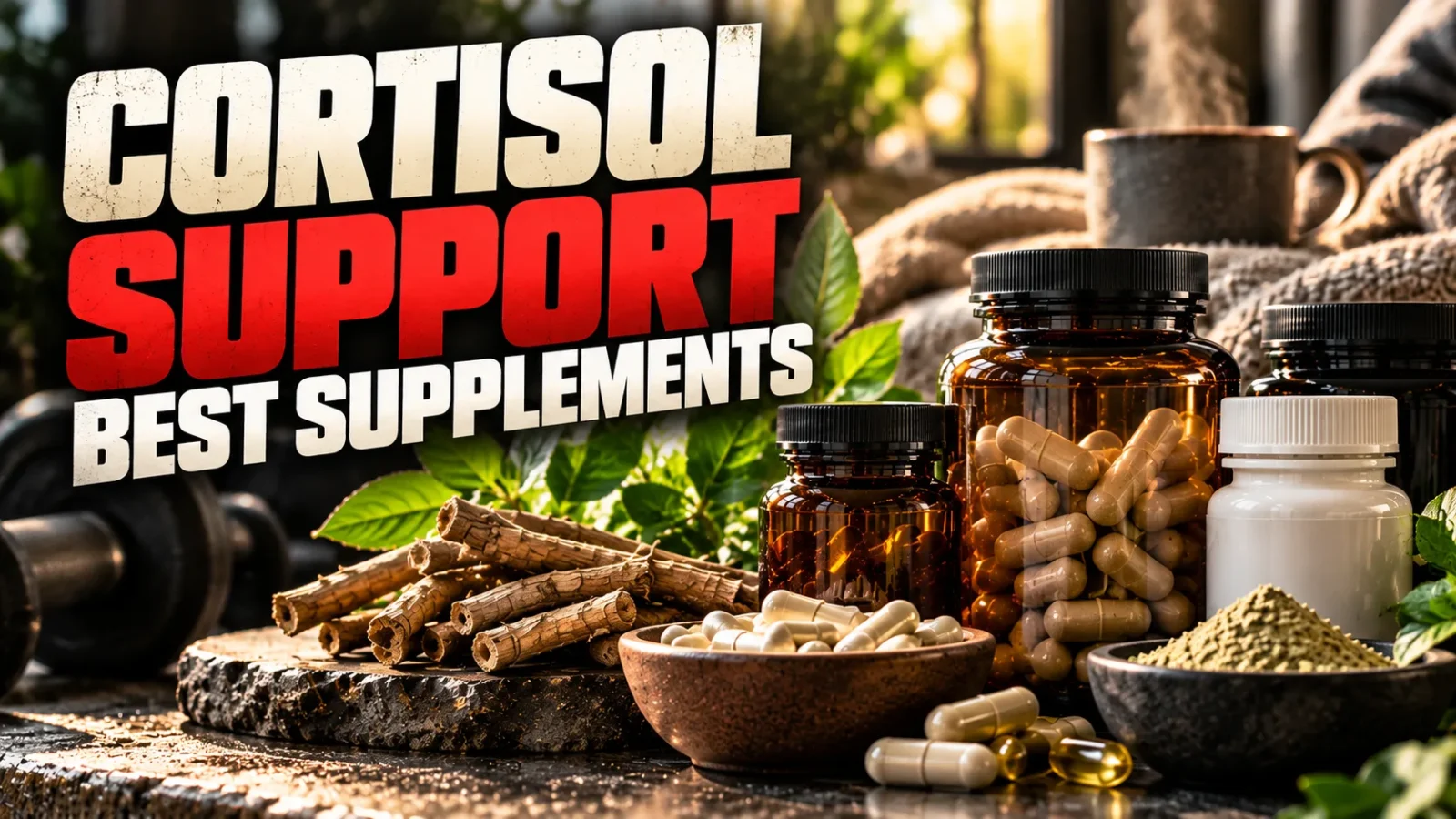
The best supplements to reduce cortisol covered in this guide each have published clinical evidence supporting their effectiveness. L-theanine modulates neurotransmitter activity. Magnesium acts as a cofactor in the HPA axis. Ashwagandha and rhodiola rosea are both adaptogens for stress with direct cortisol-lowering effects demonstrated in randomized controlled trials.
This article covers how each supplement works, what the research shows and how to use them for the best results.
Key Takeaways
- Cortisol is essential for acute stress response but becomes damaging when chronically elevated, contributing to abdominal fat storage, immune suppression, poor sleep and cognitive decline.
- L-theanine promotes alpha brain wave activity and reduces cortisol without causing sedation, making it effective for daytime stress management.
- Magnesium deficiency is directly associated with elevated cortisol, and supplementation has been shown to reduce cortisol in people with inadequate magnesium status.
- Ashwagandha (Withania somnifera) reduced serum cortisol by up to 30% in a 60-day randomized, double-blind, placebo-controlled trial.
- Rhodiola rosea improved stress tolerance and reduced fatigue-related cortisol spikes in clinical studies, with effects typically appearing within one to two weeks of consistent dosing.
What Is Cortisol and Why Does It Matter?
Cortisol is a steroid hormone produced by the adrenal glands as part of the hypothalamic-pituitary-adrenal (HPA) axis. When the brain perceives a stressor, the hypothalamus signals the pituitary gland to release adrenocorticotropic hormone (ACTH), which triggers cortisol secretion from the adrenal cortex.
Under normal conditions, cortisol follows a diurnal rhythm. Levels peak in the early morning to support wakefulness and energy, then decline through the afternoon and evening to allow the body to prepare for sleep. This pattern is essential for regulating metabolism, immune function, blood pressure and cognitive performance.
The problem begins when cortisol stays elevated. Chronic psychological stress, sleep deprivation, excessive stimulant use and overtraining can all flatten or disrupt the normal cortisol curve. The consequences of sustained high cortisol include:
- Abdominal fat storage. Cortisol promotes visceral fat accumulation, particularly around the midsection, independent of total caloric intake
- Immune suppression. Chronically elevated cortisol suppresses immune cell activity, increasing susceptibility to illness and slowing recovery
- Impaired sleep. Elevated evening cortisol interferes with the natural drop needed for melatonin release and restorative sleep
- Cognitive decline. Prolonged cortisol exposure is associated with reduced hippocampal volume and impaired memory
- Mood disturbance. Anxiety, irritability and depressive symptoms are common when cortisol remains chronically above the normal range
- Muscle catabolism. Cortisol is catabolic. Sustained elevation breaks down lean tissue, which is particularly problematic for athletes and anyone following a natural muscle-building program

The best supplements to reduce cortisol target regulation through different mechanisms. Some act directly on the HPA axis. Others address nutrient deficiencies that contribute to dysregulated cortisol. All have clinical data supporting their use as part of a broader cortisol management strategy.
The 4 Best Supplements to Reduce Cortisol
| Supplement | Typical Form | Daily Dose | Best Time | Primary Benefit |
|---|---|---|---|---|
| L-Theanine | Powder or capsules | 200-400 mg | Morning or afternoon | Calm focus without sedation |
| Magnesium | Capsules or powder | 200-400 mg elemental | Evening | HPA axis regulation, sleep |
| Ashwagandha | Capsules | 240-600 mg extract | Morning or evening | Direct cortisol reduction |
| Rhodiola Rosea | Capsules | 100-400 mg extract | Morning | Stress resilience, energy |
1. L-Theanine
L-theanine is an amino acid found naturally in green tea that crosses the blood-brain barrier and modulates neurotransmitter activity. It increases alpha brain wave production, which is associated with a state of relaxed alertness without drowsiness.
A 2016 review published in Beverages found that L-theanine supplementation significantly reduced stress responses and cortisol levels in subjects exposed to cognitive stressors. The mechanism involves increasing GABA, serotonin and dopamine activity while simultaneously reducing excitatory neurotransmission.
What to look for. L-theanine is sold as a bulk powder or in capsules. Powder allows precise dosing and is usually the cheapest option per serving, while capsules are more convenient. Choose a product with a single ingredient and third-party testing for purity.
Dosage. Most clinical studies use 200-400 mg daily. Many users stack L-theanine with caffeine at a 2:1 ratio for enhanced focus without the jittery edge caffeine can produce on its own.
Side effects. L-theanine is well-tolerated at standard doses. Mild digestive discomfort has been reported in isolated cases but is uncommon.
Best for. Anyone looking for daytime stress reduction without sedation. Particularly effective for people who rely on caffeine and want to offset its cortisol-raising effects.
2. Magnesium
Magnesium is a cofactor in over 300 enzymatic reactions, including those that regulate the HPA axis. Deficiency is common in Western diets, and the Cleveland Clinic reports that inadequate magnesium status is directly associated with elevated cortisol and increased anxiety.
The relationship is bidirectional. Stress depletes magnesium, and magnesium deficiency amplifies the stress response. Correcting a deficiency with supplementation has been shown to reduce cortisol and improve markers of stress in multiple clinical settings.
What to look for. The form matters. Magnesium glycinate, citrate and threonate are better absorbed than magnesium oxide, which is cheap but poorly absorbed. Glycinate is a good default for stress and sleep because it is gentle on digestion.
Dosage. Most adults benefit from 200-400 mg of elemental magnesium daily, ideally taken in the evening since magnesium promotes relaxation and supports sleep quality. Check the label for elemental magnesium, not the total compound weight.
Side effects. Excessive magnesium intake can cause loose stools or diarrhea. Starting at a lower dose and increasing gradually is the standard approach. Anyone with kidney disease should consult a physician before supplementing.
Best for. People who are training hard, sleeping poorly or consuming high amounts of caffeine. All three scenarios deplete magnesium. Pairs well with ashwagandha and vitamin D3 for comprehensive stress management.
3. Ashwagandha
Ashwagandha (Withania somnifera) is the most studied adaptogen for stress and the most researched single-ingredient cortisol-reducing supplement available. A 2019 randomized, double-blind, placebo-controlled trial published in Medicine found that ashwagandha supplementation reduced serum cortisol levels by up to 30% over 60 days compared to placebo. The participants also reported significant improvements in perceived stress, sleep quality and overall well-being.
The NIH Office of Dietary Supplements classifies ashwagandha as having possible benefits for stress, anxiety and sleep, noting that the evidence for cortisol reduction is among the strongest of any herbal supplement.
What to look for. Choose a standardized root extract rather than plain root powder. Standardized extracts such as KSM-66, Sensoril and Shoden list their withanolide content and have their own clinical data, so you know what dose you are actually getting.
Dosage. Most clinical studies use 240-600 mg of a standardized extract daily, run over 8-12 weeks. Some users cycle ashwagandha with periodic breaks, though the clinical data does not mandate cycling for the durations tested.
Side effects. Mild digestive discomfort and drowsiness are the most commonly reported effects. Ashwagandha may impact thyroid hormones with prolonged use. Anyone with thyroid conditions should discuss supplementation with their physician.
Best for. Anyone dealing with chronic stress, elevated cortisol confirmed by testing, or stress-related sleep disruption. Ashwagandha has the strongest clinical evidence of any single supplement for direct cortisol lowering.
4. Rhodiola Rosea
Rhodiola rosea is a Scandinavian adaptogen with clinical evidence supporting its effects on stress resilience, fatigue reduction and cognitive performance under stress. A 2022 systematic review found that rhodiola improved stress tolerance and reduced fatigue-related cortisol dysregulation across multiple trials.
Rhodiola works primarily by modulating the stress response at the HPA axis level. Rather than suppressing cortisol outright the way ashwagandha does, rhodiola appears to normalize cortisol patterns, preventing the excessive spikes that occur under acute and chronic stress.
What to look for. Pick an extract standardized to 3% rosavins and 1% salidroside, which matches the ratios used in the majority of clinical research. Third-party certification such as NSF Certified for Sport or USP Verified is a useful quality signal, especially for tested athletes.
Dosage. 100-400 mg of standardized extract daily, split into one or two doses. Rhodiola is best taken in the morning or early afternoon. Taking it late in the day can interfere with sleep patterns due to its mild stimulatory effect.
Side effects. Mild digestive discomfort has been reported in some users. Rhodiola’s stimulatory properties mean it can cause restlessness or insomnia if taken too close to bedtime.
Best for. People dealing with stress-related fatigue, burnout or cognitive decline under pressure. Rhodiola is particularly useful for athletes and professionals who need sustained mental performance during high-demand periods.
How to Use Supplements to Reduce Cortisol Effectively
Cortisol-reducing supplements work best when combined with lifestyle practices that support healthy hormone regulation. None of these supplements are a substitute for the fundamentals.
Address sleep first. Cortisol and melatonin have an inverse relationship. Poor sleep keeps cortisol elevated overnight, and elevated cortisol keeps sleep shallow. Magnesium and ashwagandha both have sleep-supportive effects that can help restore the natural cortisol decline at night.
Time your doses. Rhodiola and L-theanine are better suited to morning or early afternoon dosing. Magnesium is ideal in the evening. Ashwagandha can be taken at either time, though many users prefer evening dosing for its calming effects.
Stack strategically. The four cortisol management supplements in this guide target different mechanisms and can be combined. A practical stack might include L-theanine and rhodiola in the morning for calm energy, and magnesium and ashwagandha in the evening for recovery and sleep.
Manage expectations. Clinical studies typically show measurable cortisol changes within two to four weeks. Ashwagandha trials run 60 days to demonstrate their full effect. These adaptogens for stress modulate cortisol—they do not eliminate it. The goal is a healthy cortisol curve, not suppressed cortisol.
Test, don’t guess. Salivary cortisol testing at four time points throughout the day provides a useful picture of your cortisol pattern. A healthcare provider can order this test and interpret the results in the context of your symptoms.
Side Effects and Precautions

Supplements to reduce cortisol, including the dietary supplements listed above, are generally well-tolerated, but there are practical considerations worth noting.
Digestive discomfort. Magnesium in particular can cause loose stools at higher doses. L-theanine, ashwagandha and rhodiola may cause mild GI upset in sensitive individuals, usually resolved by taking the supplement with food.
Drowsiness. Ashwagandha and magnesium both have calming properties that can cause drowsiness, especially at higher doses. This is generally a feature rather than a side effect when taken in the evening, but can be problematic if dosing is not timed correctly.
Hormonal considerations. Ashwagandha may influence thyroid hormone levels and has been reported to affect reproductive hormones with prolonged use. Anyone with a thyroid condition, or women who are pregnant or breastfeeding, should consult a healthcare provider before supplementing.
Drug interactions. Ashwagandha may potentiate the effects of sedatives and thyroid medications. Magnesium can interfere with the absorption of certain antibiotics and bisphosphonates. Disclose all supplements to your prescribing physician.
Sleep disruption. Rhodiola rosea has mild stimulatory effects. Taking it after 2:00 p.m. can interfere with sleep onset in some individuals. L-theanine does not have this issue and can be taken at any time.
The Bottom Line
The best supplements to reduce cortisol are ashwagandha, magnesium, L-theanine and rhodiola rosea. Each works through a different mechanism, and all have published clinical data behind them.
- Chronically elevated cortisol is not something to ignore. It degrades sleep, strips lean tissue, stores visceral fat and suppresses immune function.
- Ashwagandha has the strongest direct evidence, with a 30% cortisol reduction in a 60-day RCT. Magnesium corrects one of the most common deficiencies driving HPA axis dysregulation.
- L-theanine provides calm focus without sedation. Rhodiola builds stress resilience and reduces fatigue-related cortisol spikes.
- None of these replace sleep, exercise and stress management. When the fundamentals are in place and cortisol stays high, start with one supplement, give it four weeks and track the response.
Frequently Asked Questions
Disclaimer
Please read carefully
Not medical advice
Content here is not a substitute for professional medical advice.
Consult your doctor
Talk to your doctor before starting any supplement or new routine.
Use at your own risk
We are not responsible for adverse effects from acting on this.
Do your research
Make informed decisions about your own health.
No guarantees
Individual results vary. No claims about outcomes.
Important — Never disregard professional medical advice or delay seeking it because of something you read here. If you think you may have a medical emergency, call your doctor or your local emergency number right away.