You train hard, eat clean, and track your sleep. Recovery still feels slower, joints ache, and focus drops by midday. Supplement aisles are filled with quick fixes and miracle claims. You want results you can feel and proof you can trust.
The anti-aging industry makes billions each year. Many products do not have strong human clinical evidence. That gap creates noise, hype, and wasted money. We focus on what holds up in real people.
Our method is simple. Human studies come first, promising ideas come next. Here are plain meanings. Mitochondria are your cell’s energy makers. Autophagy is the cell’s clean up. Senolytics may help the body clear worn out cells. References from trusted databases like NCBI and ScienceDirect will appear in each section.
When we say anti-aging, we mean better health span. Think stronger muscles, clearer thinking, steady blood sugar, healthy skin, and deeper sleep. You will see which anti-aging supplements can move these markers and who benefits most. We also cover dosing, cycling, and common mistakes to avoid.
Key Takeaways
- Ubiquinol is the star supplement for energy, mitochondrial function, and protecting against oxidative stress ⚡
- Omega-3s, vitamins D/C/E, collagen, curcumin, and astaxanthin are the most science-backed allies for healthy aging 🧬
- Lifestyle habits like sleep, protein intake, and daily movement maximize the benefits of any supplement 🌞
- Choose evidence-based products with third-party testing and proven dosages for safe, measurable results 📊
- Healthy aging is about stacking small wins, consistent choices add up over time 💪

How to Judge Anti-Aging Supplements and Dietary Supplements
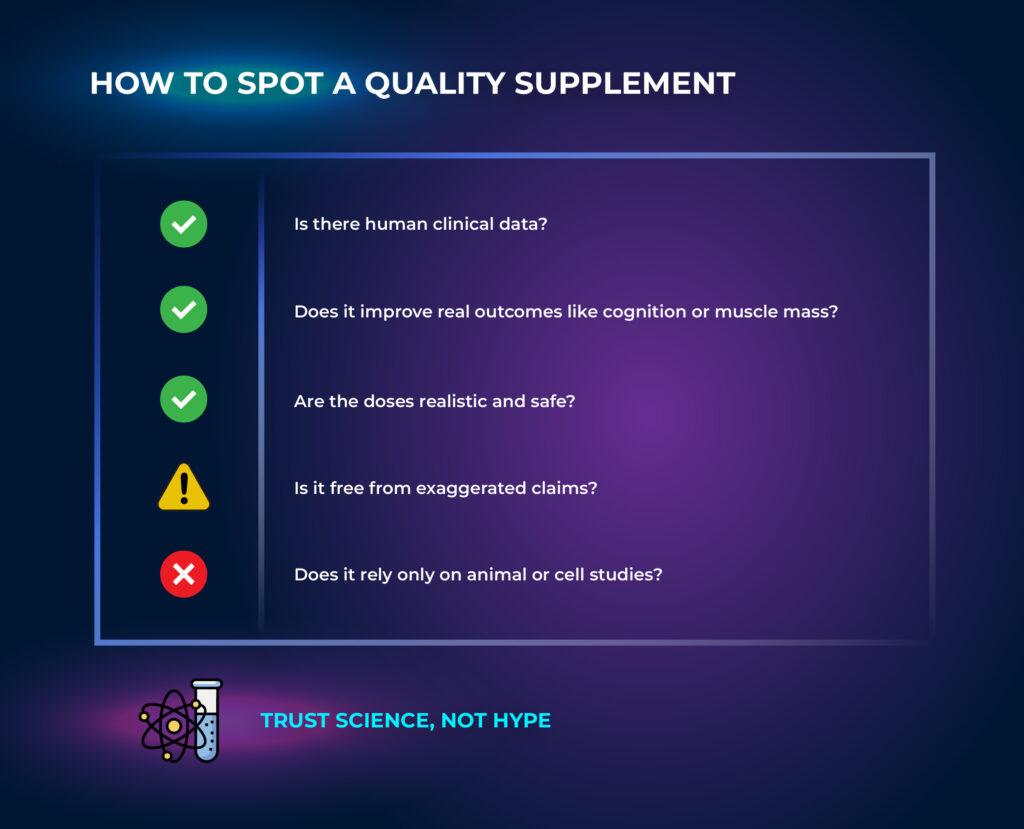
Before you buy, judge the proof. Strong evidence protects your health and your wallet. Use this quick checkpoint so hype does not win. When it comes to anti-aging supplements, evidence suggests you must look at human research first. A healthy diet, regular training, and healthy habits will always set the base, but the right dietary supplements can promote healthy aging when chosen well.
Evidence Hierarchy in Healthy Aging Research
- Human randomized controlled trials: Gold standard for cause and effect. Look for solid sample size, real world doses, and clear outcomes. Studies show vitamin D, C, and E protect cell membranes. Their antioxidant effects support bone health, immunity, and brain function.
- Human observational studies: Show patterns in large groups. Useful for signals and safety, but not final proof. Studies link fatty fish with lower cardiovascular risk, green tea with better brain function, and sun exposure with vitamin D.
- Animal and mechanistic studies: Explain how a compound might work. Good for ideas, not enough for decisions. For example, amino acid studies often explain collagen production, mitochondrial function, or anti inflammatory effects. More research is often needed before moving from animal studies to human diseases.
Outcomes That Matter: Muscle Mass, Joint Health, and Brain Health
- Physical function: Grip strength, gait speed, 6 minute walk test. These reflect muscle mass, muscle function, and joint health.
- Metabolic health: Insulin sensitivity, HbA1c, fasting glucose, and blood glucose control. These help reduce risk of age related diseases and metabolic disorders.
- Cardiovascular markers: Blood pressure, lipid profile, hs CRP. These connect to age related conditions like heart disease and skin cancer risks.
- Sleep quality: Sleep efficiency and time in deep sleep. Healthy sleep supports mental health and energy metabolism.
- Cognitive function: Processing speed, memory, attention. Strong links exist between age related cognitive decline, mild cognitive impairment, Alzheimer’s disease, and brain health. Anti-aging vitamins and compounds with anti inflammatory properties may improve cognitive function.
- Skin health: Elasticity, hydration, wrinkle depth, and collagen production. Supplements with antioxidant properties can improve skin texture, skin hydration, and skin elasticity. They may slow skin aging and smooth age related changes in skin texture.
If a supplement cannot move at least one of these markers in people, be careful. Favor products with repeatable human data and clear methods. That is how you select anti-aging supplements that promote longevity and overall health.
What Good Studies Look Like
Pick trials with a control group and random assignment. Placebo control reduces bias. Blinding means neither the volunteer nor the researcher knows who gets the pill. Look for preregistered trials and clear methods. Results should report effect size and confidence, not only P values. Good human studies on anti-aging vitamins often measure body weight, nerve function, cognitive decline, and inflammatory processes.
Quality and Purity Checks
Choose brands with third party testing. Look for certificates of analysis that confirm identity, dose, and contaminants. Avoid heavy metals, solvents, and microbes. Prefer facilities that follow current good manufacturing practices. Stable shelf life and clear storage directions also matter when supplements claim many health benefits.
Dose and Form Matter
Forms change absorption. Examples include magnesium glycinate versus oxide, ubiquinol versus ubiquinone, and curcumin with a proven carrier. Use doses that match human trials. Mega dosing with high dose vitamin blends adds risk without proof. Balance all the vitamins with food sources like fatty fish, green tea, and sun exposure.
Time Frame and Durability
Many outcomes need time. Strength, skin aging, and skin changes often take 8 to 12 weeks. Metabolic health and sleep markers can shift sooner. Favor products that show health benefits that last beyond the first month. Watch for rebound when you stop.
Who Benefited in Studies
Match the study to you. Older adults, younger adults, and the aging population respond differently. Baseline status matters. Deficient people often gain more from repletion of vitamin D or vitamin C. Women with bone health issues or those facing age related symptoms may also benefit. If the study group is healthy young men only, be careful when you generalize.
Safety and Interactions
Read adverse events in the trial reports. Note interactions with blood thinners, thyroid meds, SSRIs, and diabetes drugs. Stop if you notice rash, chest pain, swelling, or mood changes. Check liver and kidney warnings on the label. Supplements can interact with prescription medications. When in doubt, talk to a clinician.
How to Test a Supplement on Yourself
Set a baseline. Record morning pulse, sleep hours, steps, and training numbers. Add one change at a time. Recheck in 8 to 12 weeks. Keep a short journal so you can see patterns in energy metabolism, brain health, and skin health.
Red Flags to Watch Out When Choosing Anti-Aging Supplements
Grand claims with no human data. Proprietary blends that hide doses. Before and after photos without methods. Studies only in animals or cells. Reviews that read like ads.
Use this checklist to filter the field. Strong evidence first, quality forms next, then a calm test on your body. That process helps you pick dietary supplements with real health benefits that promote healthy aging, support cellular health, reduce oxidative stress, and improve overall health for a healthy life.
Foundational: Always Address First
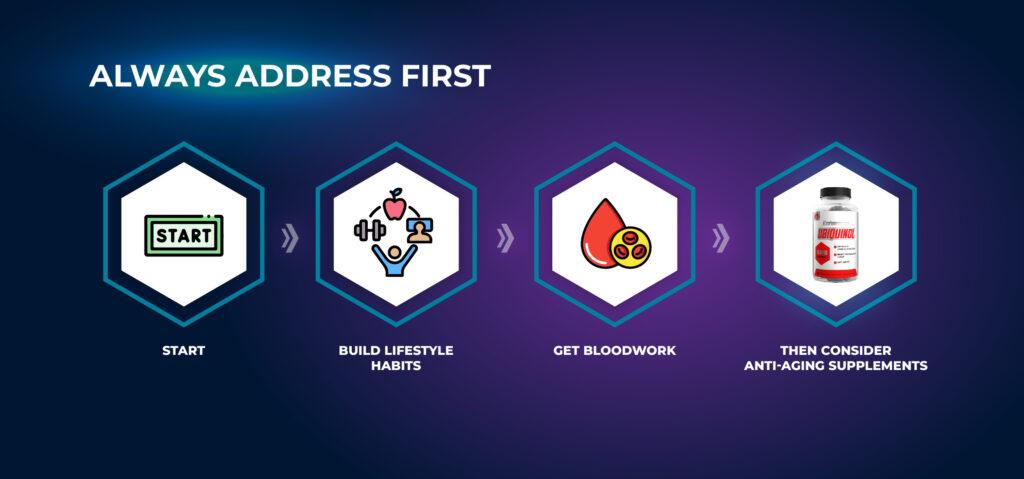
Before you add anti-aging supplements, build the basics. Sleep, protein, resistance training, daily steps, and sun exposure for vitamin D are the true cornerstones of healthy aging. These healthy habits protect against age related conditions and make any dietary supplements work better. Evidence suggests that healthy habits reduce oxidative stress, support cellular health, and promote longevity.
Core Lifestyle Practices
- Sleep: Aim for deep, efficient rest. Poor sleep speeds up cognitive decline, mild cognitive impairment, and skin aging. Good sleep supports immune function, brain health, mental health, and muscle recovery. It also improves overall health and lowers risk of age related diseases.
- Protein and resistance training: Protein intake plus weight training preserve muscle mass and muscle function in older adults. Stronger muscles improve balance, joint health, and quality of life. A healthy diet rich in amino acid sources promotes collagen production, bone health, and smoother skin.
- Movement and steps: Daily walking and activity maintain cardiovascular health, blood pressure, and body weight. Regular activity reduces risk of age related diseases and cardiovascular diseases. It also protects brain function and supports nerve function in the aging population.
- Sunlight: Supports vitamin D production, which helps bone health, immune function, and overall health. Balanced sun exposure promotes healthy aging, but excess raises risks of skin cancer and skin aging. Combine with antioxidants like vitamin C and vitamin E to protect cell membranes and improve skin texture.
Basic Bloodwork Before Stacking
Check simple blood markers before you invest in anti-aging vitamins:
- Vitamin D, ferritin, vitamin B12.
- Fasting insulin, HbA1c, blood glucose.
- Lipids and hs CRP.
These tests show your current status. If you are low, even the best anti-aging supplements may not help until you fix these basics. For example, low vitamin D or B12 can cause fatigue, mild cognitive impairment, or age related symptoms that dietary supplements cannot fully correct without repletion. Human studies confirm that correcting these deficiencies improves cognitive function, brain health, and overall health.
Supplements with Anti-Aging Promise
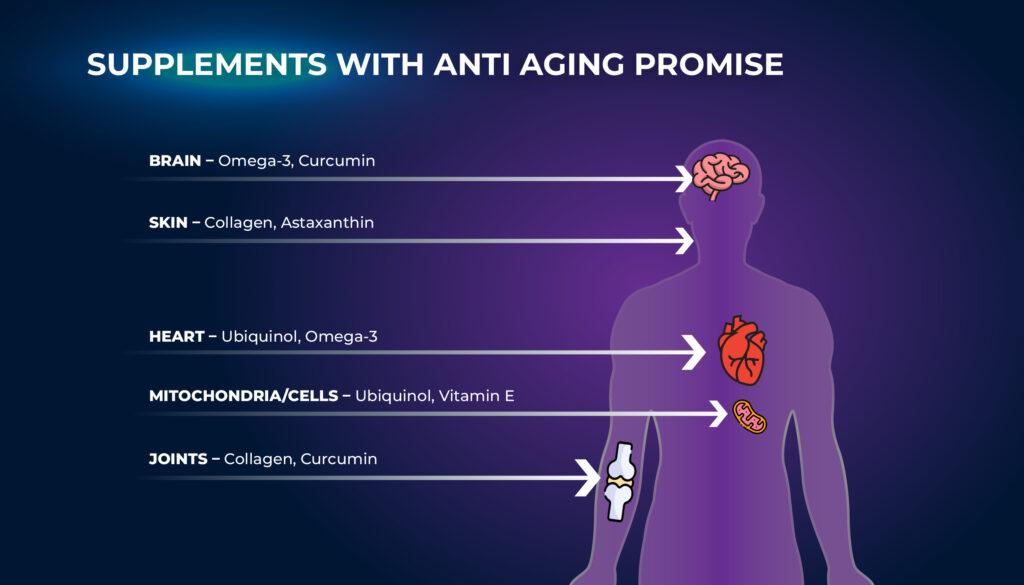
Beyond lifestyle, certain supplements stand out for their strong role in healthy aging. Unlike hype driven products, these are backed by human research and show clear health benefits. Highlighting Ubiquinol alongside other proven compounds helps you build a foundation that supports energy, cognition, and skin health.
Ubiquinol
Ubiquinol is the active form of CoQ10 and one of the best studied anti-aging supplements. It fuels mitochondrial function, energy metabolism, and cardiovascular health. Levels decline with the aging process, so adding Ubiquinol can improve brain health, muscle performance, and protect cell membranes from oxidative stress. Its antioxidant properties support skin health, cognitive function, and overall health. Ubiquinol is a top choice for promoting longevity and resilience.
Omega 3 Fatty Acids
Found in fatty fish, Omega 3s reduce inflammatory processes, improve blood pressure, and protect against cardiovascular diseases. They also support joint health, mental health, and smooth skin aging. Evidence suggests they improve brain function and may reduce risks tied to age related cognitive decline.
Vitamin D, C, and E
These anti-aging vitamins play critical roles. Vitamin D supports bone health, immune function, and muscle function. Vitamin C promotes collagen production, skin elasticity, and skin hydration. Vitamin E protects cell membranes with strong antioxidant properties. Together they protect against age related symptoms and improve overall health.
Collagen Peptides
Collagen peptides support skin texture, joint health, and bone health. They help reduce skin aging by boosting collagen production, leading to smoother skin and improved skin elasticity. With Vitamin C, their effect is even stronger.
Curcumin and Astaxanthin
Curcumin offers anti-inflammatory effects, supporting joint health and reducing age related conditions. Astaxanthin, a powerful antioxidant, improves skin texture and hydration while protecting against oxidative stress. Both work well for recovery, skin health, and cellular health.
These supplements, especially when combined with healthy habits, can improve cognitive function, promote longevity, and support a healthy life.
Build Your Stack by Goal
It is easier to choose anti-aging supplements when you build stacks based on your goals. These templates keep it simple, safe, and effective.
Metabolic and Energy Support
- Stack: Ubiquinol, Omega 3, Magnesium, Creatine, CoQ10. Optional add NR or NMN for extra mitochondrial function support.
- Timing: Take Ubiquinol, Omega 3, and CoQ10 with meals in the morning or midday. Creatine can be taken anytime. Magnesium works best in the evening to support sleep.
- Notes: Do not combine too many mitochondrial boosters at once. Cycle NR/NMN to avoid tolerance. Always monitor blood glucose and body weight.
Skin and Joint Health
- Stack: Collagen peptides, Vitamin C, Astaxanthin, Hyaluronic acid, Vitamin E.
- Timing: Collagen and Vitamin C in the morning for collagen production. Astaxanthin and Vitamin E with meals for absorption. Hyaluronic acid daily for skin hydration.
- Notes: This stack improves skin texture, skin elasticity, and joint health. Supports smoother skin and slows skin aging. Pair with sun protection to reduce skin cancer risk.
Brain and Mood
- Stack: Ubiquinol, Omega 3, Creatine, Magnesium, GlyNAC.
- Timing: Ubiquinol and Omega 3 in the morning, Creatine pre or post workout, Magnesium and GlyNAC in the evening.
- Notes: Supports brain health, cognitive function, and mental health. May reduce risk of age related cognitive decline, mild cognitive impairment, and Alzheimer’s disease. Monitor tolerance with GlyNAC.
Recovery and Inflammation
- Stack: Omega 3, Curcumin, Astaxanthin, Ubiquinol.
- Timing: Take with meals for better absorption. Curcumin and Astaxanthin can be cycled to maintain anti inflammatory effects. Ubiquinol in the morning for energy support.
- Notes: Helps reduce inflammatory processes, supports muscle function, and improves overall health. Useful for older adults or younger adults training hard. Promotes joint health and faster recovery.
General Tips
- Take anti-aging vitamins like Vitamin D and Vitamin E with fatty fish or healthy fats for better absorption.
- Avoid mixing high dose vitamin blends with multiple antioxidants around workouts, as this may blunt adaptation.
- Cycle certain compounds such as curcumin or high potency antioxidants, giving the body breaks to reset.
- Spread doses through the day to protect cell membranes, reduce oxidative stress, and support cellular health for a healthy life.
Dosing, Cycling, and Interactions
Smart use of anti-aging supplements is not only about what you take, but how you take them. The aging process and age related conditions make careful planning important.
Start Low and Assess
Begin with the lowest effective dose. This reduces risk of side effects and lets you track improvements in muscle mass, skin health, or cognitive function. Gradually titrate upwards only if needed.
Cycling
Some compounds like curcumin or high potency antioxidants work best when cycled. Continuous daily use may blunt their anti inflammatory effects. Cycling reduces tolerance and maintains benefits.
Common Interactions
Anti-aging supplements may interact with prescription medications. Key examples include:
- Anticoagulants: Omega 3, Curcumin, and Vitamin E may increase bleeding risk.
- Thyroid medications: Certain supplements can change hormone levels.
- SSRIs: Some compounds influence mood and serotonin balance.
- Statins: Ubiquinol and CoQ10 can reduce side effects but also interact with dose response.
When to Stop and Reassess During the Aging Process
If you notice fatigue, rash, swelling, abnormal blood pressure, or mood changes, stop the supplement and reassess. Bloodwork every 3 to 6 months helps track safety. Human studies show that supplement effects can shift over time, so regular check ins keep your plan effective and safe.
Safety and Who Should Avoid What
Anti-aging supplements can offer many health benefits, but they are not for everyone. Certain groups need to take extra care or avoid use completely.
- Pregnancy and breastfeeding: Most dietary supplements should be avoided. Human research is very limited, and safety is not confirmed.
- Autoimmune flares: Some compounds with strong immune function effects may worsen inflammatory processes. Work with a clinician before trying new products.
- Clotting disorders: Supplements with anti inflammatory properties such as Omega 3, Curcumin, and Vitamin E may thin blood and increase risk.
- Liver or kidney disease: Extra stress from high dose vitamin use or other dietary supplements can cause harm. Always check bloodwork and follow medical advice.
If you take prescription medications, always check interactions with a health professional. Evidence suggests that supplements can change how drugs work in the body. A clinician can help track blood pressure, blood glucose, or other markers while you try anti-aging strategies. This makes sure you get the health benefits while staying safe.
Where to Buy the Best Anti-Aging Supplements
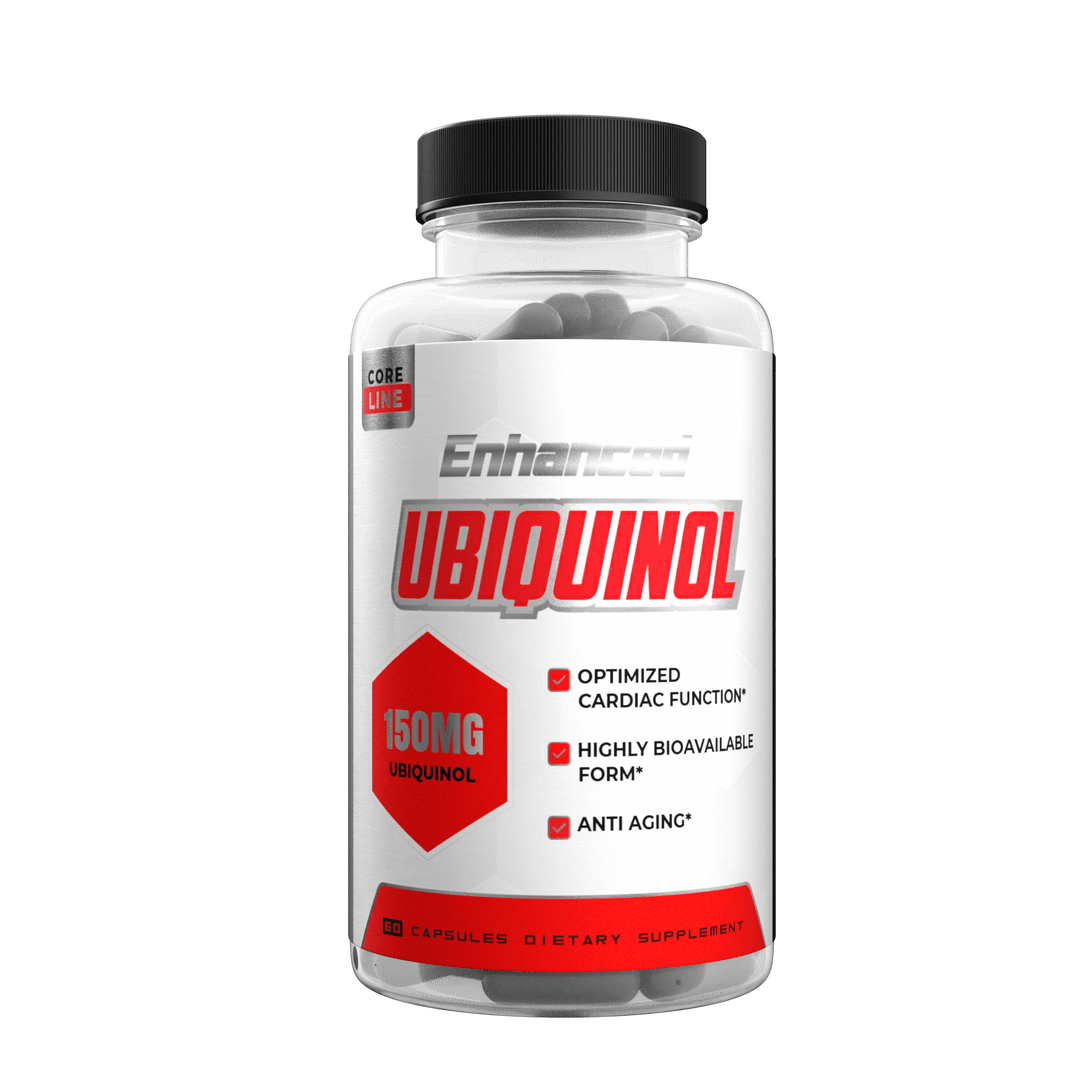
If you’re serious about mitochondrial function, cellular health, and energy metabolism, an online option like Enhanced Ubiquinol deserves a look. Ubiquinol is the active, highly bioavailable form of CoQ10, a potent antioxidant and key driver of ATP production, meaning more energy and less oxidative stress at the cellular level.
Why This Product Stands Out
- Formulated with high-bioavailability ubiquinol, it supports heart health, brain function, and anti-aging at the mitochondrial level.
- CoQ10 levels decline with age. Studies show that ubiquinol absorbs better than ubiquinone and raises plasma CoQ10 levels more effectively
- Clinical work in non-elite athletes found ubiquinol improved muscle performance and reduced markers of muscle damage after intense exercise.
Quick Shopping Tips for Anti-Aging Supplements
| Checklist | What to Look For |
| High purity & testing | Prefer products with certificates of analysis and made in facilities following current Good Manufacturing Practices. |
| Evidence-based form & dose | Match human trial doses, e.g., ubiquinol at 100–200 mg is common for energy and mitochondrial support. |
| Transparent label | Avoid proprietary blends. Opt for full disclosure of ingredients and exact amounts. |
| User feedback | Real reviews (when available) can help gauge effects on energy, recovery, and skin. |
Final Thoughts on Healthy Aging and the Role of Anti-Aging Supplements
Healthy aging is not about chasing miracles. It is about combining healthy habits and smart dietary supplements. Anti-aging vitamins such as vitamin D, vitamin C, and vitamin E support bone health, immune function, and skin health, while supplements like Ubiquinol, Omega 3, Collagen, Curcumin, and Astaxanthin add targeted support for energy, cognition, and skin.
Smart choices rely on human studies, safe doses, and products manufactured under strict quality standards. Supplements like Ubiquinol, collagen peptides, and Omega 3 support longevity. Antioxidant-rich compounds improve skin texture and brain health. At the same time, lifestyle habits like sleep, training, diet, and stress management remain the foundation.
Readers who see both the promise and limits of supplements can build a strategy that is realistic and effective. Aim for progress in muscle mass, skin elasticity, cognitive function, and overall health rather than quick fixes. Each smart step helps you live a healthier life with more energy, smoother skin, and stronger resilience against age related diseases.
In the end, anti-aging is about stacking small, science backed wins. When you combine the right products, careful monitoring, and a healthy lifestyle, you set yourself up not only for a longer life, but a stronger and more vibrant one.
Frequently Asked Questions (FAQs)
Do anti-aging supplements really work?
Yes, when chosen carefully. Evidence shows supplements like Ubiquinol, Omega-3s, and vitamins D/C/E support heart, brain, skin, and overall health.
Which supplement is best for energy and resilience?
Ubiquinol, the active form of CoQ10, stands out for boosting mitochondrial energy, cardiovascular health, and brain function.
What supplements are best for skin health?
Collagen peptides, vitamin C, vitamin E, and astaxanthin improve skin texture, elasticity, hydration, and slow visible aging.
Are these supplements safe for everyone?
Not always. People who are pregnant, breastfeeding, or dealing with clotting, liver, or kidney conditions should consult a doctor first.