What Is Hormonal Balance and Why Does It Matter for Men?
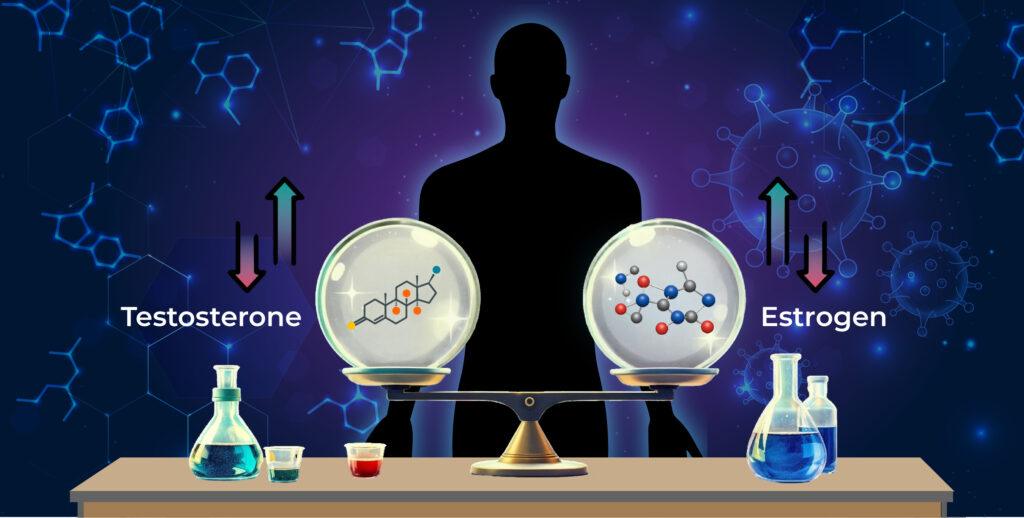
Hormonal balance is one of the most important foundations of male health, influencing everything from energy and mood to muscle growth and overall vitality.
When testosterone and estrogen levels fall out of balance, it can lead to a wide range of physical and emotional changes that impact performance and well-being.
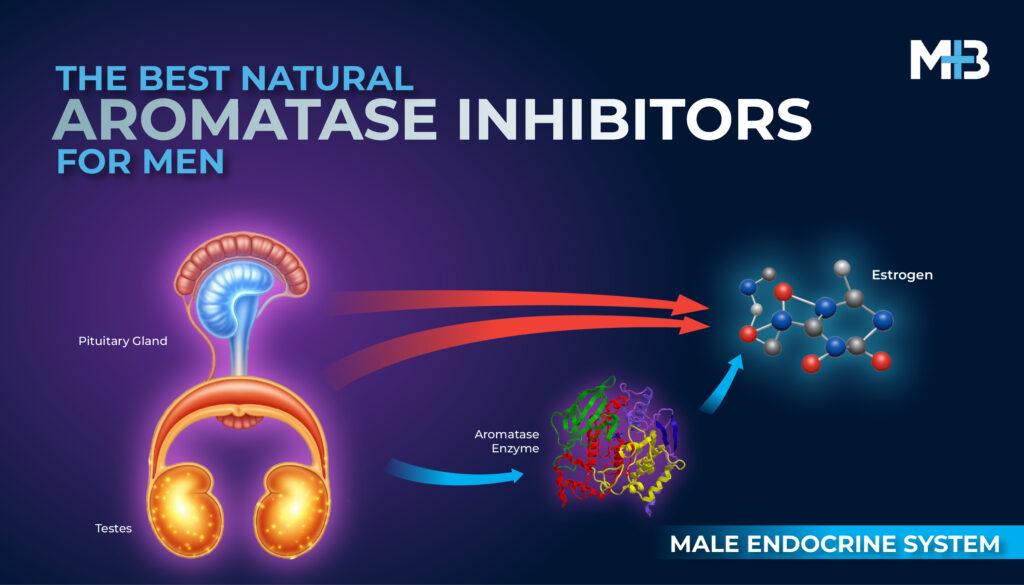
A key factor in maintaining this balance is the aromatase enzyme, which converts testosterone into estrogen.
While some estrogen is essential for normal function, excessive conversion can lower testosterone levels and cause unwanted effects such as water retention, fatigue, reduced libido, or gynecomastia.
This is where aromatase inhibitors, like anastrozole, exemestane, or letrozole, come in. These are compounds that help limit the conversion of testosterone to estrogen, keeping hormonal activity within a healthy range.
Natural aromatase inhibitors have gained popularity among men seeking a safer, gentler way to support hormone balance.
Derived from plants, herbs, and certain foods, these compounds can help regulate estrogen levels without the harsh side effects often associated with pharmaceutical options.
Understanding how to maintain proper hormone balance allows men to make informed, evidence-based decisions about their health.
Incorporating natural aromatase inhibitors into a balanced lifestyle can be an effective strategy for promoting optimal testosterone function, reducing excess estrogen, and supporting long-term hormonal stability.
Key Takeaways
- Maintaining a healthy balance between testosterone and estrogen is vital for male health, energy, and hormonal stability. ⚖️
- Aromatase inhibitors work by preventing testosterone from converting into estrogen, helping sustain optimal hormone levels. 🧬
- Natural inhibitors like DIM, indole-3-carbinol, and grape seed extract offer safe, plant-based support for managing estrogen. 🌿
- Regular blood testing ensures hormone therapies and supplements are effective while protecting liver and endocrine health. 💉
- Lifestyle habits, including clean nutrition, consistent exercise, and quality sleep, form the foundation of sustainable hormone balance. 💪

How Does Estrogen Affect Men’s Health?
Estrogen isn’t just a female hormone. It also plays an important role in male physiology. In men, estrogen helps regulate libido, mood, bone health, and cholesterol metabolism.
However, when estrogen levels become too high, they can interfere with testosterone production and disrupt the delicate hormonal balance that supports optimal male performance.
Excess estrogen in men can lead to issues such as erectile dysfunction, fatigue, low libido, and reduced testosterone levels.
Over time, this imbalance may also contribute to weight gain, water retention, and decreased bone mineral density, a condition often referred to as estrogen dominance.
One of the primary ways to manage elevated estrogen levels is by using aromatase inhibitors (AIs). These are compounds that block the aromatase enzyme, which converts testosterone into estrogen.
By reducing this conversion, AIs help preserve higher testosterone levels and a healthier hormonal ratio.
Another class of compounds known as Selective Estrogen Receptor Modulators (SERMs) can also play a role.
Rather than lowering estrogen itself, SERMs block estrogen from binding to its receptors in specific tissues, reducing estrogenic activity while maintaining balance in other systems.
In more severe cases, such as aromatase excess syndrome, where the body produces too much aromatase, medical aromatase inhibitors may be prescribed to control estrogen levels and restore hormonal equilibrium.
Ultimately, understanding estrogen’s role in the male body is key to maintaining both hormonal and metabolic health. Keeping estrogen and testosterone in proper proportion supports vitality, muscle development, and long-term wellness.
What Are the Benefits of Aromatase Inhibitors for Men?
When the aromatase enzyme is overactive, too much testosterone converts into estrogen, disrupting hormonal stability and leading to unwanted symptoms.
By blocking the aromatase enzyme, aromatase inhibitors (AIs) can help restore this balance. Lowering estrogen levels naturally promotes higher circulating testosterone, which may enhance mood, strength, and reproductive health.
Many men turn to natural aromatase inhibitors as a safer and more sustainable option for long-term support.
Compounds like indole-3-carbinol (I3C) and diindolylmethane (DIM) (found in cruciferous vegetables such as broccoli, cauliflower, and Brussels sprouts) have been shown in studies to support healthy estrogen metabolism and limit excessive aromatase activity.
Beyond hormonal optimization, research suggests that controlling aromatase activity may also reduce the risk of hormone-sensitive cancers, including certain types of breast and prostate cancer.
When combined with testosterone therapy, aromatase inhibitors can help maintain proper hormonal ratios, preventing the estrogen buildup that sometimes accompanies hormone replacement treatments.
Incorporating natural aromatase inhibitors through diet or supplementation can therefore be an effective strategy to promote hormonal balance, improve overall vitality, and support long-term wellness.
What Are the Best Natural Aromatase Inhibitor Options?

Natural aromatase inhibitors are gaining attention for their ability to support healthy hormone balance without the side effects often associated with pharmaceutical options.
These compounds, found in certain foods and plant extracts, help regulate estrogen production by limiting the activity of the aromatase enzyme responsible for converting testosterone into estrogen.
One of the most studied natural compounds is indole-3-carbinol (I3C), a phytonutrient found in cruciferous vegetables such as broccoli, cauliflower, kale, and Brussels sprouts. I3C supports estrogen metabolism and helps reduce excessive estrogen buildup, promoting a more favorable hormonal balance in men.
Another powerful option is grape seed extract, which contains polyphenols known to inhibit aromatase activity. Research suggests that it may also provide antioxidant benefits, protecting cells from oxidative stress while supporting testosterone function.
Soy isoflavones have also been explored for their potential aromatase-inhibiting properties. Although they can reduce estrogen levels, higher doses are typically required to achieve measurable effects, and responses may vary depending on individual hormone sensitivity.
Additionally, diindolylmethane (DIM) (a metabolite of indole-3-carbinol) acts as a natural estrogen regulator. DIM helps the body convert stronger forms of estrogen into weaker, less active forms, reducing overall estrogenic load and promoting a healthier hormonal environment.
Collectively, these natural compounds offer a gentle yet effective way to support hormonal balance.
Regular intake of cruciferous vegetables and targeted supplementation can help reduce aromatase activity, improve testosterone-to-estrogen ratios, and enhance overall endocrine health.
How Do Estrogen Blockers Work and What Are They Used For?
Estrogen blockers play a vital role in maintaining healthy hormone balance by reducing the impact of excess estrogen in the body.
Both prescription medications and natural compounds can function as estrogen blockers, helping to regulate hormonal activity, support testosterone levels, and prevent estrogen dominance.
In medical contexts, aromatase inhibitors (AIs) are often prescribed to treat hormone-sensitive conditions such as breast cancer, as they effectively lower estrogen production by inhibiting the aromatase enzyme.
In men, these same compounds can be used to manage high estrogen levels that interfere with testosterone function, improving hormonal stability and overall vitality.
Another class of compounds, known as Selective Estrogen Receptor Modulators (SERMs), work differently. Rather than reducing estrogen production, SERMs block estrogen from binding to its receptors in specific tissues.
This action helps minimize estrogenic effects in areas like the breast or pituitary gland while allowing normal activity in other systems.
Prescription options such as clomiphene citrate (Clomid) are commonly used in male hormone therapy to increase endogenous testosterone production.
By blocking estrogen’s negative feedback on the hypothalamus and pituitary gland, Clomid encourages greater luteinizing hormone (LH) and follicle-stimulating hormone (FSH) release—two key drivers of natural testosterone synthesis.
Beyond clinical use, natural estrogen blockers derived from foods and herbal sources offer a gentler approach for supporting hormonal balance.
Whether through prescription medication or natural alternatives, estrogen blockers can help reduce the risk of hormone-related concerns such as low testosterone, erectile dysfunction, fatigue, and mood fluctuations.
Why Are Blood Tests Important for Hormone Balance?
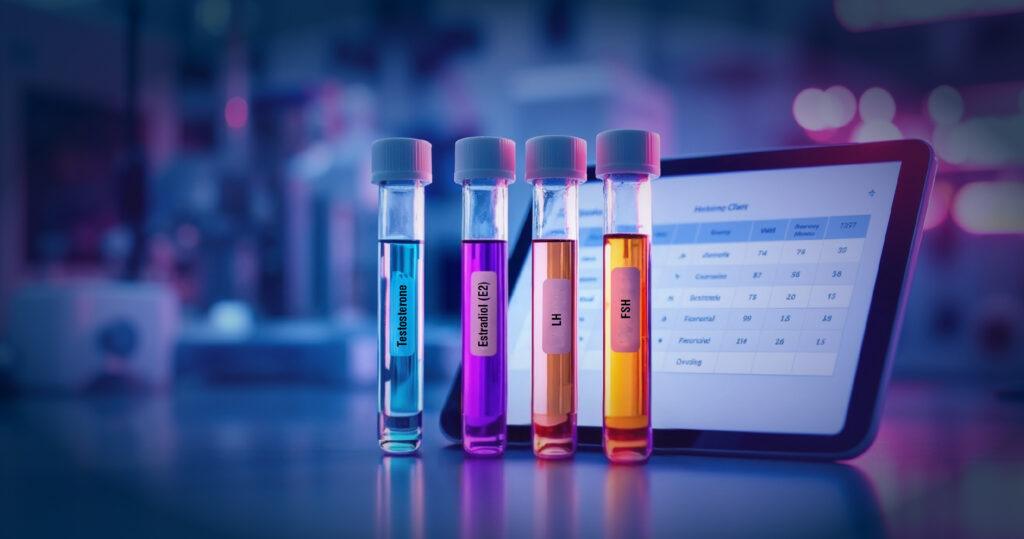
Regular blood testing is one of the most important steps in maintaining proper hormone balance, especially when using aromatase inhibitors or undergoing testosterone therapy.
Hormones such as testosterone, estradiol (E2), luteinizing hormone (LH), and follicle-stimulating hormone (FSH) should be monitored to ensure that therapy or supplementation is working effectively and safely.
Blood tests provide a clear picture of how the body is responding to aromatase inhibitors, revealing whether estrogen levels are being properly controlled and testosterone is remaining within a healthy range.
This data-driven approach helps prevent both estrogen dominance and excessively low estrogen levels, which can negatively impact mood, libido, and bone health.
A qualified healthcare professional can interpret test results and make personalized recommendations for dosage adjustments or additional interventions to maintain optimal hormone balance.
Routine testing can also uncover early signs of potential issues such as hormonal resistance, nutrient deficiencies, or endocrine disruption.
In addition to monitoring hormone levels, liver function tests are particularly important when using aromatase inhibitors, as these compounds are metabolized through the liver.
Tracking enzymes such as ALT and AST helps ensure that liver health remains stable throughout treatment.
Ultimately, regular blood work offers a precise and proactive way to safeguard hormonal health, guiding adjustments that keep testosterone and estrogen in ideal balance for long-term wellness and performance.
What Lifestyle Changes Support Hormonal Balance Naturally?

While supplements and aromatase inhibitors can play a role in managing hormone levels, lifestyle choices remain one of the most powerful ways to promote natural hormonal balance.
Simple, consistent habits can help optimize testosterone production, lower estrogen dominance, and support overall endocrine health.
A balanced diet rich in lean protein, healthy fats, and cruciferous vegetables such as broccoli, kale, and cauliflower can naturally support estrogen metabolism.
Regular exercise, particularly strength training and high-intensity interval training (HIIT), further enhances testosterone levels while reducing body fat. This is the main site where excess estrogen is often produced.
Reducing alcohol intake and avoiding exposure to synthetic hormones or endocrine-disrupting chemicals (such as those found in plastics or certain personal care products) can also help limit unnecessary estrogen buildup.
Maintaining insulin sensitivity through a nutrient-dense diet and active lifestyle supports both testosterone production and efficient hormone regulation.
Equally important are sleep and stress management. Chronic stress raises cortisol, which can suppress testosterone and disrupt hormonal signaling, while insufficient sleep interferes with recovery and hormone synthesis.
Prioritizing 7 to 9 hours of quality sleep and practicing mindfulness or relaxation techniques can restore balance naturally.
Finally, keeping body fat levels in check, particularly around the midsection, is critical. Adipose tissue converts testosterone into estrogen via the aromatase enzyme, meaning excess fat can directly contribute to hormonal imbalance.
A healthy body composition therefore supports both higher testosterone and lower estrogen levels.
Together, these lifestyle factors form the foundation of sustainable hormone health, complementing the benefits of natural aromatase inhibitors and ensuring long-term endocrine stability.
Where Can You Buy Reliable Aromatase Inhibitors?
When sourcing aromatase inhibitors (AIs) such as anastrozole or letrozole, it’s important to choose reputable, research-grade suppliers that emphasize purity, verified testing, and transparent quality control. The accuracy and consistency of these compounds directly affect the reliability of any hormone-related research or laboratory testing.
One trusted source within the research community is SwissChems, a supplier known for producing high-quality, independently tested compounds.
Both anastrozole and letrozole are available through SwissChems in research-grade form, each offering distinct properties valuable for endocrine and post-cycle studies.
Anastrozole is a potent nonsteroidal aromatase inhibitor commonly used in clinical and research settings to suppress estrogen synthesis by blocking the aromatase enzyme. It is often studied for its ability to maintain testosterone levels and prevent estrogenic side effects, making it a key compound in hormonal regulation research.
Letrozole is another highly effective AI, known for its stronger estrogen suppression compared to anastrozole. In experimental settings, it is used to study estrogen-dependent pathways, fertility modulation, and post-cycle testosterone recovery models.
SwissChems provides detailed Certificates of Analysis (COAs), third-party lab results, and clear product data for all compounds. This transparency ensures researchers receive authentic, verified materials suitable for precise laboratory use.
Note: All aromatase inhibitors from SwissChems are sold strictly for laboratory research purposes only. These compounds are not approved for human consumption and must be handled under appropriate research and safety protocols.
Conclusion
Balancing testosterone and estrogen is essential for men’s overall health, performance, and longevity. When estrogen levels rise too high, they can disrupt energy, mood, and muscle development. However, with the right approach, hormonal balance can be restored naturally and safely.
Aromatase inhibitors offer an effective way to control excess estrogen, supporting optimal testosterone production and endocrine stability.
Natural compounds such as indole-3-carbinol (I3C), DIM, and grape seed extract provide gentle yet measurable support, while lifestyle habits like regular exercise, a clean diet, and stress management reinforce long-term balance.
Ultimately, achieving hormonal harmony requires an integrated strategy, combining natural inhibitors, responsible supplementation, professional testing, and disciplined lifestyle practices to maintain consistent testosterone and estrogen levels for peak vitality.
Frequently Asked Questions – FAQs
1. What are aromatase inhibitors and how do they work?
Aromatase inhibitors (AIs) are compounds that reduce the body’s production of estrogen by blocking the aromatase enzyme, which converts testosterone into estrogen. By limiting this process, AIs help maintain a healthier balance between testosterone and estrogen levels.
2. What is the difference between anastrozole and letrozole?
Both anastrozole and letrozole are nonsteroidal aromatase inhibitors, but they differ in strength and duration. Anastrozole provides moderate, controlled estrogen suppression, while letrozole is more potent and longer-acting, offering deeper estrogen reduction when needed in research applications.
3. Can aromatase inhibitors increase testosterone levels?
Yes. By lowering estrogen production, aromatase inhibitors can indirectly increase circulating testosterone levels. This can support studies focused on hormone recovery, testosterone regulation, and metabolic health.
4. Are natural aromatase inhibitors as effective as pharmaceutical ones?
Natural options such as indole-3-carbinol (I3C), diindolylmethane (DIM), and grape seed extract can support estrogen metabolism and reduce mild estrogen buildup. However, pharmaceutical AIs like anastrozole and letrozole produce stronger, more consistent results in controlled research settings.
5. What are the potential side effects of aromatase inhibitors?
When estrogen levels become too low, possible side effects may include fatigue, joint discomfort, or decreased bone density. These effects are typically related to dosage and duration of use, highlighting the importance of careful monitoring in any research protocol.