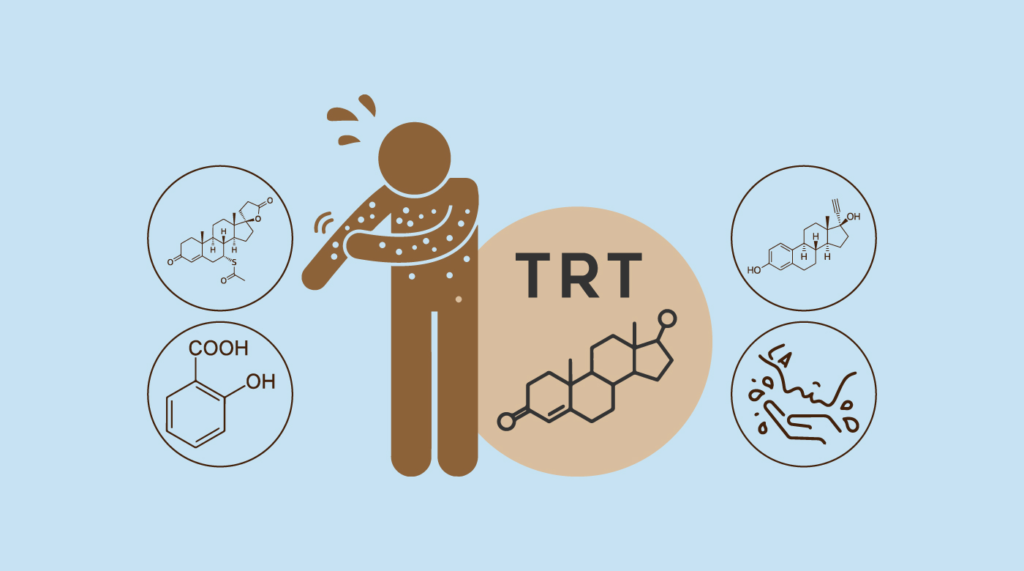
Acne is a common skin condition that can be caused by a variety of factors, including hormonal changes. It is perhaps one of the most common skin conditions affecting both men and women and the number one cause of shame for teenagers. Acne can be extremely embarrassing and can cause a great deal of anxiety, depression, and even social withdrawal.
Acne, despite its reputation as a teenager’s torment, can affect people of all ages. According to the American Academy of Dermatology (AAD), about 50 million Americans suffer from acne. [1]
Every year, thousands of men use testosterone replacement therapy (TRT) to counter the effects of low testosterone, such as fatigue and low libido. Used properly, it can gradually improve these symptoms and help you feel like your old self again.
However, TRT (like most medications) may also come with some side effects, which include acne. In fact, acne is one of the most common side effects associated with testosterone therapy.
So how does TRT affect the skin, and does TRT and Acne influence one another? Let’s dive in.
Key Takeaways
- TRT can trigger acne by increasing testosterone levels that boost sebum (skin oil) production, leading to clogged pores and acne, often on the face, chest, and back ⚠️
- While common, acne only affects a minority (estimated 5-10%) of men undergoing TRT 🙅♂️
- Proper hygiene, targeted topical treatments (like benzoyl peroxide, salicylic acid, retinoids), supplements (like Zinc), and sometimes prescription medications can effectively manage TRT-induced acne 🧴
- Back acne is common since the back has a high concentration of sebaceous glands, making it a frequent site for TRT-related breakouts 🔙
- Always discuss acne concerns with your healthcare provider; they can adjust TRT protocols or recommend specific treatments 🩺

What is Testosterone Replacement Therapy?
Testosterone replacement therapy (TRT) is a common treatment for men with low testosterone levels. As men age, it is not uncommon for their testosterone levels to decline, which can lead to a number of changes and symptoms that can be both inconvenient and uncomfortable.
This is where TRT comes in to save the day. If testosterone levels are not where they should be, it could have a profound impact on your quality of life. That’s why TRT is used to bring testosterone levels back up to where they should be.
Some research has shown that testosterone levels in men change substantially around the age of 40. [2] Although testosterone levels tend to decline with age, not all men develop hypogonadism as they grow older.
TRT usually involves taking testosterone in the form of injections, gels, patches, or pellets that are placed under the skin (though injections are the most common). The aim of TRT is to bring your testosterone levels back to where they should be so that you can experience the benefits that come with having normal testosterone levels.
This is a long-term treatment, which means that it is something you will likely have to do for the rest of your life. However, it is important to bear in mind that TRT is not a cure for low testosterone levels – it is simply a way of managing the condition.
Testosterone has, unfortunately, been linked to the development of acne in many men–the kind that affects your face and body. In the below section, we’ll explore how testosterone can cause acne and what you can do about it.
TRT and Acne – How Does Testosterone Cause Acne?
Acne is caused by a variety of factors, but one of the most common is hormonal changes. When your hormones are out of balance, it can lead to an increase in sebum production. Although it most commonly affects teenagers, it is also a common problem for adults, which can be a result of hormonal changes happening when you begin testosterone replacement therapy.
Because testosterone has anabolic and androgenic properties (meaning it helps to build muscle and increase hair growth), it can also cause sebaceous glands to increase sebum production and lead to oily skin. This increased oil production is a primary driver behind the TRT and acne connection. This will lead to clogged pores, allowing germs to flourish around your hair follicles and lead cystic acne (a red inflamed pimple that has bursted under the skin rather than on the outside) to develop. [3]
[Note: There are several research which link testosterone to acne development which has also helped link hormonal acne formation from the constant flood of hormones in teens. Though there is no research to indicate the acne severity in men undergoing TRT.]
Acne caused by testosterone therapy is usually seen on the face, chest, and upper back–the areas of the body with the highest concentration of sebum. However, it can also occur on the arms, legs, and buttocks.
One thing to keep in mind is that not all men who use TRT will develop acne. In fact, only a small minority of men using TRT (between 5 and 10 percent) will experience this side effect. However, if you are one of the unlucky few, there are some things you can do about it.
Focus on Back Acne: Understanding TRT and Back Acne
Many men on TRT specifically notice breakouts on their back, often termed “bacne.” Why the back? It simply has a higher density of sebaceous glands compared to many other body parts. When TRT ramps up sebum production systemically, these high-density areas are prime targets for clogged pores and inflammation.
This phenomenon is sometimes casually called “steroid back acne,” though it’s more accurately androgen-induced acne, as TRT involves replacing a natural androgen, testosterone, not necessarily synthetic anabolic steroids (which can cause much more severe acne). Managing TRT and back acne often requires diligent hygiene, using body washes with salicylic acid or benzoyl peroxide, and potentially prescription topicals if severe.
TRT Before and After Face: What Changes?
When discussing trt before and after face, the primary change related to acne is often increased oiliness and potential breakouts, which is already mentioned. TRT is meant to bring your testosterone back to normal levels, not push it to the extreme like some illegal steroids, which can change your facial features more noticeably.
So, while you might experience clearer skin improving if low T contributed to poor skin health before TRT, the more common scenario after starting TRT (if acne occurs) is oilier skin and new or worsening breakouts on the face, particularly along the jawline, chin, and sometimes forehead.
Significant changes in facial bone structure are not expected from standard TRT protocols so you can stop worrying about that!
What Can You Do About TRT-Induced Acne?
If you are using TRT and develop acne, the first thing you should do is talk to your doctor or healthcare provider. They will be able to advise you on the best course of action and may be able to help with
There are also a number of things you can do at home to help manage and treat your acne breakouts while on TRT.
Maintain Proper Skin Hygeine

Although this is not a quick fix, maintaining proper skin hygiene is important for preventing and treating acne. This means washing your face at least twice a day with a mild cleanser. For body acne, especially trt and back acne use body wash when showering, and apply topicals such as benzoyle peroxide or salicylic acid to areas where acne develops.
You should also avoid touching your face, as this can transfer bacteria from your hands to your face and make acne worse. If you must touch your face, make sure you wash your hands first.
If you’re interested in making your skin feel fresh and glowing 24/7, check out our article on the 5 Best Peptides for Skin which can help you understand how the pros are doing it.
Stay Hydrated

There is no one-size-fits-all solution when it comes to acne, but, in general, drinking plenty of water and staying hydrated can help. Water helps to flush toxins out of your system and keeps your skin healthy.
Try to drink at least eight glasses of water a day, or more if you can. You should also avoid sugary drinks, as they can contribute to dehydration.
Topical Treatments
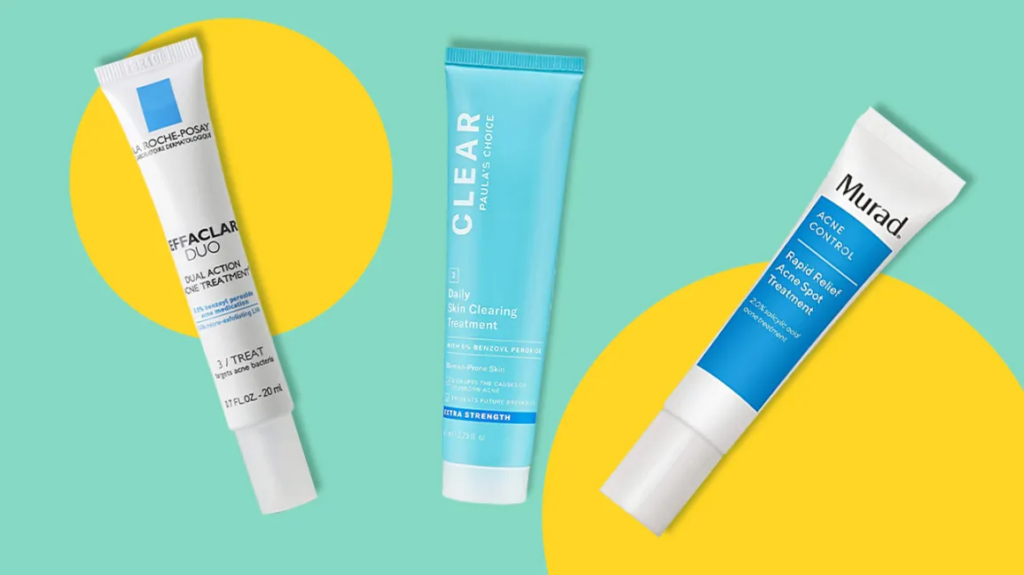
When a pimple appears, you may be tempted to pop it. However, this can actually make acne worse and cause scars. Instead, try using a one of the more common topical ointment available such as benzoyl peroxide or salicylic acid. These ointments can help to reduce inflammation and kill bacteria.
Retinoids are another form of a topical acne treatment. They work by helping to unclog pores and prevent an excess build up of dead skin cells. However, they can sometimes make acne worse before it gets better, so it is important to start with a small amount and increase gradually as your skin adjusts.
Zinc Supplementation
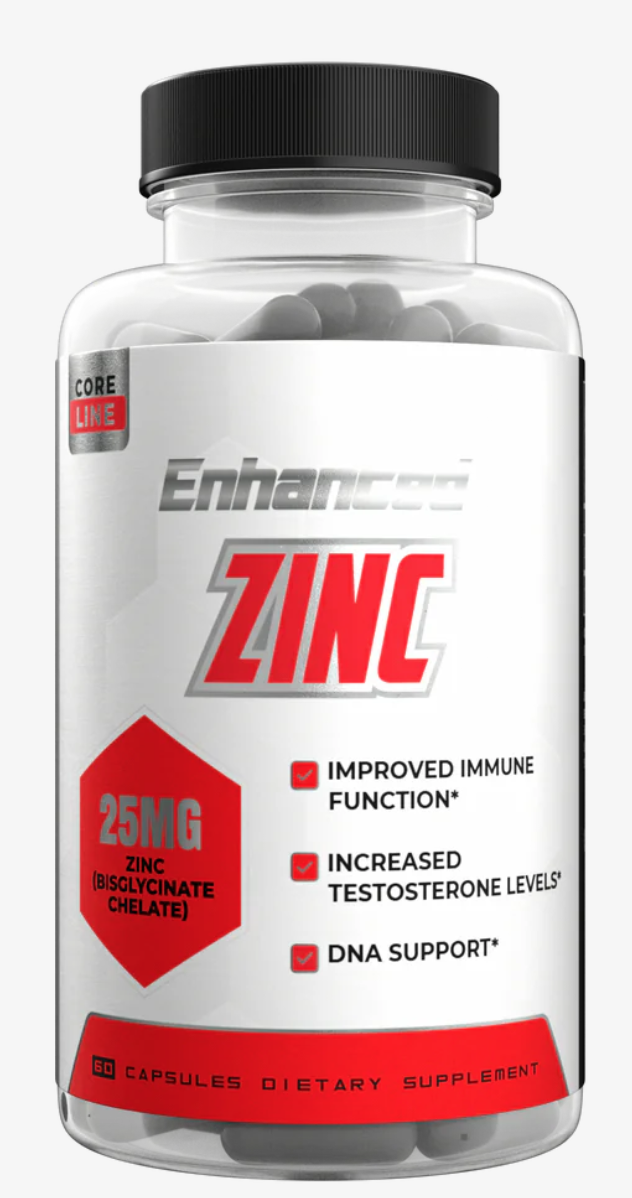
Zinc is perhaps one of the most well-known treatment that helps reduce acne. Zinc helps to reduce inflammation and can also kill bacteria. It is available in pill form or as a topical ointment.
If you choose to take zinc orally, it is important not to take more than the recommended dosage, as too much zinc can be harmful. In general, one study showed that the safe recommendation for zinc intake while undergoing TRT is about 220 mg per day, twice a day. [4]
If you’re interested in buying high quality Zinc supplements, check out Zinc by Enhanced Labs, which is scientifically formulated and bonded with amino acid glycine increasing nutrient and mineral absorption.
Other Acne Treatments
Aside from natural, at home, remedies. There are also potent prescription treatments available.
One well known prescription medication used to treat acne is isotretinoin (also known as Accutane). It is one of the most potent prescription treatments. The medication works by reducing the size of the sebaceous glands and the amount of skin oil production. It also helps to unclog pores and prevent the formation of new acne.
Isotretinoin is a very effective treatment, but it does have a reputation for being prescribed for severe acne. This medication has some serious side effects, so it is important to talk to your doctor before starting this medication.
How Long Does Acne Last When Caused by TRT?
This is a common question without a single easy answer. The duration of TRT and acne varies greatly from person to person. Factors influencing how long does acne last include:
Individual Sensitivity: Some men are simply more genetically predisposed to acne than others. Just like some are predisposed to cut down fat faster than the rest due to their body type.
TRT Dosage and Levels: Higher fluctuations or peak testosterone levels might trigger more significant breakouts initially.
Adjustment Period: Often, acne is worse during the initial months of TRT as the body adjusts to new hormone levels. It may improve over time.
Treatment Effectiveness: How quickly and consistently you implement effective skincare and treatments plays a huge role.
For some, acne might be mild and resolve within a few months with basic care. For others, especially those prone to acne or with higher dosages, it might persist and require ongoing management or prescription intervention.
Consistent treatment is key; improvement often takes 6-12 weeks to become noticeable.
The Ultimate Benefit
Despite knowing the link between testosterone and acne, men still seek out testosterone therapy to increase their levels of the hormone. This risk does not happen to everyone, but it is important to be aware of the potential side effects before starting TRT.
If you are concerned about your acne as a result of TRT, you may also want to consider speaking to your doctor about changing to any of the other forms to administer testosterone (i.e. gels, creams, or patches). These methods may help to reduce the risk of developing acne.
At the end of the day, the decision to start TRT is a personal one. It is important to weigh the pros and cons before starting any form of hormone therapy including the potential for side effects like acne, before starting any form of hormone therapy.
Effective management strategies exist for TRT and acne, allowing many men to enjoy the benefits of optimized testosterone levels without significant skin issues.
Frequently Asked Questions (FAQs)
Will stopping TRT make the acne go away?
Generally, yes. If TRT is the primary trigger, stopping the therapy will likely lead to the acne resolving over time as hormone levels return to baseline. However, stopping TRT also means losing its benefits, so management is usually preferred.
Is TRT acne different from regular acne?
The mechanism (increased sebum, clogged pores, bacteria, inflammation) is similar. However, TRT-induced acne often appears or worsens in adulthood and frequently affects the chest and back (trt and back acne) in addition to the face, which might differ from typical teenage patterns.
Can changing my TRT injection frequency help with acne?
Possibly. Some find that more frequent injections of smaller doses lead to more stable blood levels and potentially less acne compared to larger, less frequent doses causing higher peaks. Discuss this with your doctor.
Are there any supplements besides Zinc that help with TRT acne?
While Zinc has the most direct research, general skin health support might help. Ensuring adequate Vitamin A, Vitamin D, and Omega-3 fatty acids can support overall skin health and potentially modulate inflammation, though they aren’t direct cures for TRT acne.
Does diet affect TRT-induced acne?
Diet’s role in acne is complex and individual. However, some find that high-glycemic foods (sugary snacks, refined carbs) and excessive dairy intake can worsen acne.