What is Melanotan 1 Peptide?
Melanotan 1 peptide, also known as afamelanotide, is a synthetic analogue of the naturally occurring hormone alpha-melanocyte-stimulating hormone (α-MSH).
This 13-amino-acid peptide was originally developed as a sunless tanning agent due to its ability to stimulate melanin production, but it has since been repurposed for medical use. Its primary approved indication is the prevention of phototoxic reactions in people with erythropoietic protoporphyria (EPP), a condition marked by extreme sensitivity to sunlight, whereby afamelanotide helps increase pain-free light exposure.
In addition to serving as a photoprotective treatment, Melanotan 1 has shown promise in research exploring broader physiological implications. Studies indicate potential roles in anti-inflammatory regulation, modulation of appetite and metabolism, and even neurological functions, although these areas are still under investigation and have not yet been clinically established.
Key Takeaways
- Melanotan 1 stimulates natural-looking tanning and enhanced photoprotection via increased eumelanin expression ☀️
- Clinically, it’s notably used to reduce phototoxic pain in patients with erythropoietic protoporphyria (EPP) 🩺
- Unregulated use, especially online purchases or nasal sprays, poses serious risks, including pigmentation changes and unknown health effects ⚠️
- Systemic and skin-related side effects, such as nausea, mole alteration, and local reactions, highlight the need for caution† 🚨
- Always consult a qualified healthcare provider before considering Melanotan 1 for any purpose 👩⚕️

Let’s explore this product in detail, from the science behind its enhanced skin-darkening capabilities to its medical applications in treating photosensitivity and potential sexual benefits, and from safety considerations and side effects to concerns about unregulated use. In this detailed guide you will gain insight into how Melanotan 1 works, where it’s currently being used clinically, what risks may be involved, and why cautious, informed decision-making is essential!
Mechanism of Action
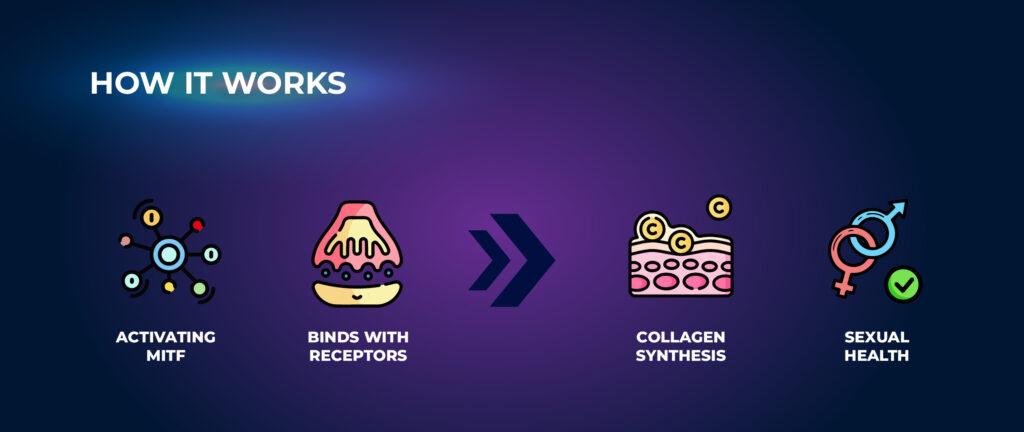
Melanotan 1 (afamelanotide) is a synthetic analog of the hormone α-MSH that selectively binds to the melanocortin-1 receptor (MC1R) on melanocytes, stimulating skin pigmentation by boosting eumelanin production, even without UV exposure.
Thanks to strategic amino acid modifications, it exhibits higher affinity and greater potency than α-MSH, enhancing cAMP production and activating MITF and tyrosinase, the key drivers of melanogenesis, while also promoting antioxidant protection and DNA repair in skin cells.
Beyond pigmentation, afamelanotide’s broader therapeutic profile includes anti-inflammatory and anti-fibrotic effects: in animal models, α-MSH analogs have reversed liver and skin fibrosis by modulating matrix metalloproteinases (MMPs) and their inhibitors (TIMPs), and suppressing fibrogenic signals like TGF-β1 and collagen synthesis. These findings are from animal models and require further human studies. Unlike Melanotan 2, Melanotan 1 is less associated with sexual function. Most evidence of erectile improvements comes from Melanotan 2 studies.
Where to Buy?
Science Bio Melanotan 1 Peptide
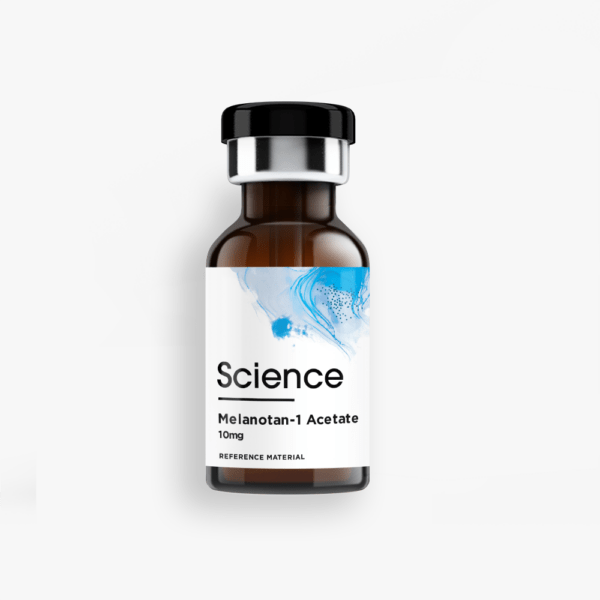
This premium product from Science Bio is a superpotent melanotropic peptide, an analog of alpha‑melanocyte‑stimulating hormone (α‑MSH). Melanotan‑1 mimics this hormone to stimulate melanin production, promoting skin pigmentation to achieve tanned skin, and potentially protecting against UV-related damage. It’s used both for cosmetic purposes and in clinical settings to manage photosensitivity disorders.
Product Overview
🧪 Form: Solid white powder in a 3 mL glass aliquot, Melanotan‑1 Acetate (counterion) as the active compound.
⚖️ Dosage: 0.5-1mg
⌛️ Cycle Duration: 4-8 weeks
💰 Cost: Priced between $34.99 and $44.99 per aliquot
🥇 Key Benefits: Stimulates melanin production for a tan-like appearance with reduced UV exposure. Clinically explored for protecting against actinic keratoses, squamous cell carcinoma, and photosensitivity disorders like erythropoietic protoporphyria
❤️🩹 Side Effects: Use of Melanotan analogs has been associated with nausea, facial flushing, fatigue, vomiting, changes in mole appearance, hyperpigmentation of lips, gums, and nail beds. Severe adverse events reported include allergic reactions, kidney damage, and potential increases in skin cancer risk (e.g., melanoma), especially from unregulated products. Long-term safety data is lacking
📚 Best Stack: It can be stacked with Melanotan 2 and Vitamin D3 to achieve better skin health
🙋 User Experience: Anecdotally, users cite rapid tanning and aesthetic enhancement, though many warn of health risks, inconsistent product quality, and medical complications. Health authorities emphasize that these products are unregulated, potentially adulterated, and illegal in many regions
Recommended Dosage Table
| Product | Dosage 💊 | Administration 💉 | Timing ⌚ |
| Melanotan 1 Peptide | 0.5-1mg every 24-48 hours | Subcutaneous Injection | Morning |
| Melanotan 2 | 0.5-1mg every 24-48 hours | Subcutaneous Injection | Morning |
| Vitamin D3 | 1000-4000 IU daily | Oral | Morning |
*Note: Dosing listed here reflects anecdotal reports and not official medical guidelines.
Benefits of Melanotan 1 Peptide
Melanotan 1 (afamelanotide), a synthetic α-MSH analog, has diverse advantages. From promoting sunless tanning to offering medical relief for photosensitivity disorders, its unique properties are opening doors across skin health and wellness.
Sunless Tanning & Photoprotection
Melanotan 1 stimulates eumelanin production via melanocortin-1 receptor (MC1R) activation, delivering a controlled, natural-looking tan without UV exposure. This not only minimizes the risk of sunburn and premature aging but also enhances the skin’s natural defense system. Increased melanin absorbs harmful UV rays and reduces oxidative stress, acting as a quasi “internal sunscreen.”
Enhanced DNA Repair & Anti-Cancer Potential
Early research suggests Melanotan 1 can mitigate UV-induced DNA damage by reducing markers such as thymine dimer formation and sunburn cells. While melanin reduces UV damage, unregulated melanotan use has been linked to melanoma risk, making safety an open question.
Treatment of Photosensitivity Disorders
Legally marketed as Scenesse, afamelanotide is FDA-approved for reducing pain and increasing light tolerance in patients with erythropoietic porphyria (EPP)—a rare and debilitating genetic condition. It’s also being researched for conditions such as polymorphic light eruption, solar urticaria, and vitiligo, showing promising early results.
Repigmentation in Pigment Disorders
Melanotan 1 may support repigmentation in conditions like vitiligo when used alongside phototherapy, as seen in some clinical pilot trials. It has also shown potential in alleviating skin conditions such as solar urticaria and improving outcomes in vitiligo management.
Anti-Inflammatory & Acne-Reducing Effects
Preliminary evidence indicates that Melanotan 1 may help reduce inflammatory skin lesions, including those seen in acne and other dermatologic disorders. Its activation of melanocortin pathways appears to modulate inflammation, though more robust studies are needed to confirm its therapeutic scope.
Risks and Side Effects
Afamelanotide (Melanotan 1) has legitimate therapeutic uses under medical supervision, but the risks, especially from unregulated self-use, are significant. Monitoring skin changes, consulting healthcare professionals, and avoiding unauthorized forms are essential for safety.
Injection-Related Reactions
Subcutaneous administration of afamelanotide can lead to localized side effects, such as bruising, redness, swelling, itching, or pain at the implant site.
Systemic Effects
Common systemic symptoms include nausea, headaches, dizziness, fatigue, drowsiness, decreased appetite, cough, sore throat, and flu-like signs.
Skin and Pigmentation Concerns
Melanotan 1 may intensify skin pigmentation, darken existing freckles or moles, and even stimulate new mole formation, changes that are especially concerning for lighter-skinned individuals.
Safety of Unregulated Forms
Unapproved products, often sold online in unregulated forms like nasal sprays or DIY injections, pose unknown risks. These can include allergic reactions, contamination, and variable dosing, alongside reported symptoms such as high blood pressure, nausea, vomiting, skin discoloration, and even potential links to skin cancer.
Pregnancy and Breastfeeding
There is a paucity of safety data for afamelanotide during pregnancy or while breastfeeding. Due to unknown risks to mother and child, it is advised to avoid use unless prescribed by a healthcare professional.
Combination with Solar UV Radiation
Clinical investigations into Melanotan 1 (afamelanotide) paired with UV-B light or natural sunlight suggest a synergistic skin tanning response. When used in conjunction with UV exposure, the peptide enhances skin pigmentation, increases eumelanin production, diminishes the presence of sunburn cells, and prolongs the duration of a tan.
While this combination may offer more rapid and sustained pigmentation, potentially aiding photoprotection, it also raises public health concerns. Accelerated tanning may inadvertently heighten the risk of eruptive pigmented lesions and contribute to sun-induced skin damage or carcinogenesis, underscoring the importance of cautious application and further research in controlled clinical settings.
Netnographic Findings and User Perception
In the rapidly evolving world of online peptide markets, Melanotan 1 has garnered significant attention despite regulatory challenges and public health concerns. Users frequently seek information about its tanning-enhancing effects on forums and unregulated marketplaces, where oversight is minimal and misinformation can thrive. Preliminary findings from netnographic research suggest that users are drawn to its promise of accelerated pigmentation—even as many remain unaware of the associated risks and lack of clinical backing. This growing interest underscores a clear need for improved education, more rigorous regulation, and enhanced public health monitoring to ensure safe usage and to counter the potential for misuse.
Conclusion
In summary, Melanotan 1 (afamelanotide) offers promising avenues for both photoprotection and therapeutic benefit—most notably in conditions like erythropoietic protoporphyria—through its ability to stimulate eumelanin production and enhance UV defense. Yet its growing popularity in unregulated online markets highlights a troubling gap in oversight, education, and safety monitoring. While scientifically intriguing, the peptide’s use carries significant caveats, from side effects and skin-related risks to unknown long-term outcomes, especially when administered outside clinical supervision. As such, cautious, well-informed decision-making is essential. Stakeholders, including healthcare professionals, regulatory bodies, and consumers, must collaborate to ensure responsible dissemination, evidence-based application, and ongoing research into Melanotan 1’s full potential and limitations.
FAQs
Is Melanotan 1 safe to use for tanning on its own?
While it can stimulate melanin production, using it without medical supervision and proper UV protection carries risks like pigment changes and other side effects.
How quickly does tanning occur after using Melanotan 1?
Some users experience noticeable tanning within days, but the timing depends on individual response and whether it’s combined with UV exposure.
Can I use Melanotan 1 during pregnancy or breastfeeding?
No—safety during pregnancy or lactation hasn’t been established, so it’s best avoided unless prescribed by a medical professional.
Will using Melanotan 1 change existing moles or create new ones?
Yes, pigmentation changes like darkening of moles or new melanocytic growths have been reported and warrant dermatological monitoring.
Does Melanotan 1 protect your skin from sun damage?
It may boost melanin levels, offering some UV defense, but it should not replace sunscreen or proper sun-safety practices.