What Is the HMG Peptide?
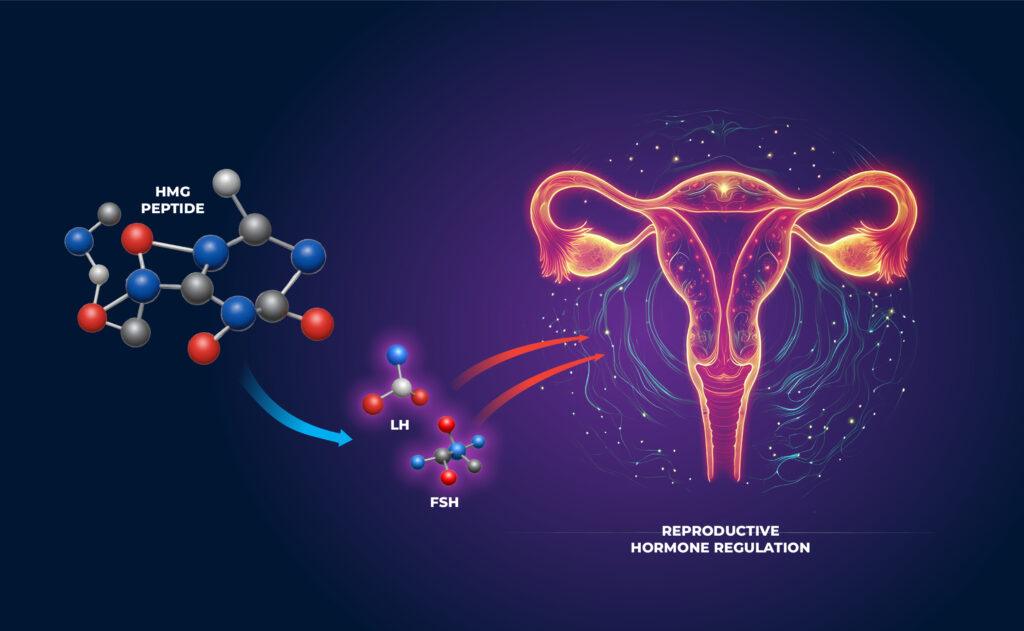
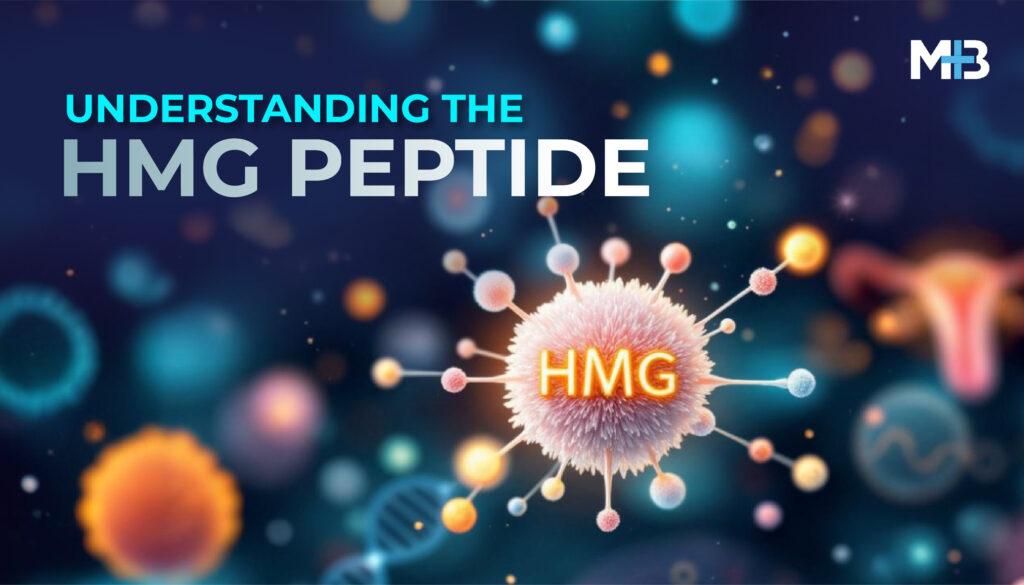
HMG peptide, short for Human Menopausal Gonadotropin, is a biologically active compound widely used in fertility and hormone research.
It combines two major reproductive hormones: follicle-stimulating hormone (FSH) and luteinizing hormone (LH). These are both essential for reproductive health and overall endocrine function in men and women.
Developed initially as a fertility treatment, HMG is derived from the purified urine of postmenopausal women, a natural source of these gonadotropins.
In both medical and laboratory contexts, it is used to stimulate testosterone production in men and promote ovulation in women, helping correct hormone-related infertility.
In men, research shows that HMG peptide can increase sperm count and motility, especially in individuals with hypogonadotropic hypogonadism, a condition characterized by reduced gonadotropin secretion.
In women, it encourages ovarian follicle growth and egg maturation, improving the chances of successful conception.While its most common use is in fertility medicine, the HMG peptide has broader implications in endocrinology and metabolic research, where it continues to be studied for its potential to regulate hormones and influence cellular signaling.
Key Takeaways
- HMG peptide combines follicle-stimulating hormone (FSH) and luteinizing hormone (LH), making it a core research compound for studying fertility and hormonal regulation. 🧬
- It supports testosterone production in men and promotes ovulation in women, aiding investigations into reproductive function and endocrine balance. ⚖️
- Clinical studies show that HMG can restore sperm production, enhance egg maturation, and improve overall reproductive outcomes in hormone-deficient conditions. 🔬
- hCG and Kisspeptin are two commonly researched alternatives that target similar hormonal pathways within the hypothalamic–pituitary–gonadal (HPG) axis. 🔁
- Proper storage, sterile handling, and medical supervision are essential to maintain HMG peptide stability and ensure reliable experimental results. 🧊

How Does the HMG Peptide Work in the Body?
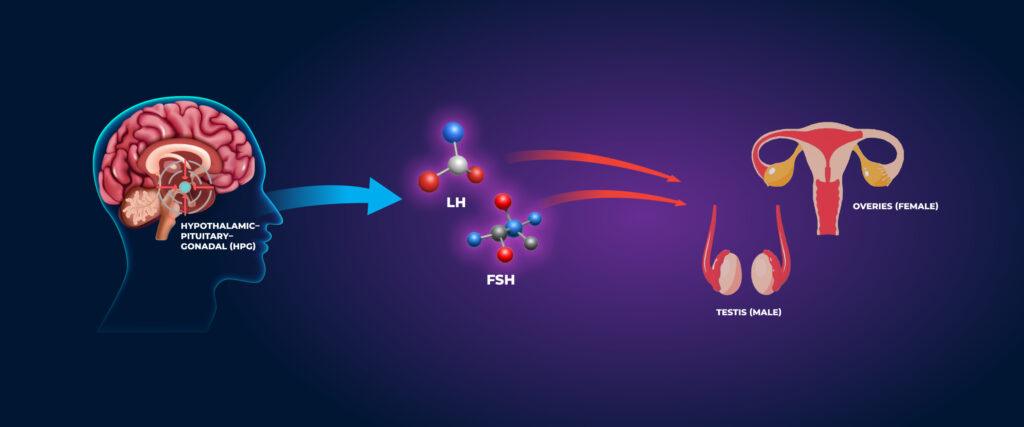
The biological mechanism of HMG peptide revolves around its ability to influence the body’s hormonal communication systems.
It stimulates gonadotropin receptors in the pituitary gland, leading to increased secretion of FSH and LH, both of which play key roles in the hypothalamic–pituitary–gonadal (HPG) axis.
How Does HMG Work in Men?
In men, the release of FSH and LH from pituitary stimulation activates the testes:
- FSH promotes the maturation of sperm cells within the seminiferous tubules.
- LH triggers the Leydig cells to produce testosterone, essential for sperm development, muscle maintenance, and libido.
This dual hormonal stimulation enhances sperm quantity and quality, helping correct infertility caused by hormonal deficiency.
How Does HMG in Women?
In women, HMG peptide mimics natural hormonal signaling by stimulating the ovaries.
- FSH supports the growth of ovarian follicles.
- LH initiates ovulation, the release of a mature egg for fertilization.
By enhancing both phases of the ovulatory process, HMG helps regulate menstrual cycles and supports successful conception when used in fertility treatment protocols.
What Does Clinical Research Say About HMG Peptide Therapy?

Clinical and preclinical studies have extensively evaluated the effects of HMG peptide in both male and female fertility.
In controlled research settings, HMG has been shown to restore normal reproductive function, enhance hormone balance, and stimulate gonadal activity when endogenous hormone production is impaired.
Research in Men
In men with hypogonadotropic hypogonadism, HMG therapy stimulates testosterone production and spermatogenesis by activating the Leydig and Sertoli cells within the testes.
Studies report significant improvements in sperm count, morphology, and motility, which are key factors in male fertility restoration.
Research in Women
In female fertility research, HMG peptide is a foundational component of ovulation induction and in vitro fertilization (IVF) protocols.
By encouraging multiple follicles to mature, it increases the likelihood of successful egg retrieval and fertilization. When combined with human chorionic gonadotropin (hCG), HMG can produce even stronger ovulatory responses.
Ongoing Investigations
Researchers continue to explore the broader endocrine and metabolic effects of HMG, including its influence on androgen levels, ovarian reserve, and long-term hormone regulation.
Because of its dual hormonal action, it serves as a model compound for studying peptide-hormone interactions in both reproductive and systemic health.
How Do HMG-CoA Reductase Inhibitors Differ from HMG Peptide?
Although both share the “HMG” acronym, HMG-CoA reductase inhibitors (better known as statins) have a completely different biological function.
These compounds are cholesterol-lowering drugs that target the enzyme 3-hydroxy-3-methyl-glutaryl-coenzyme A reductase in the liver.
By blocking this enzyme, statins slow the production of low-density lipoprotein (LDL) or “bad cholesterol,” which reduces the risk of atherosclerosis, heart disease, and stroke.
Common examples include atorvastatin, simvastatin, and rosuvastatin. These medications are among the most prescribed worldwide for cardiovascular protection.
The similarity in naming often causes confusion, but HMG peptide relates to fertility and hormone signaling, while HMG-CoA reductase inhibitors relate to lipid metabolism and cardiovascular health.
What Are High Mobility Group (HMG) Proteins?
The High Mobility Group (HMG) proteins are another biologically distinct entity that shares the HMG abbreviation. These proteins are non-histone chromatin proteins that help regulate DNA architecture and gene expression.
How Do HMG Proteins Work?
HMG proteins bind directly to DNA, modifying its structure to make specific genes more or less accessible for transcription. This process is vital for regulating cell growth, differentiation, and DNA repair.
Essentially, they act as “architectural” regulators, determining how genetic information is accessed and expressed.
Why Are They Important?
Beyond gene regulation, HMG proteins are linked to fertility, embryonic development, immune responses, and cancer biology.
Dysregulation of these proteins can disrupt normal cell function and has been associated with cancer progression, inflammatory disorders, and autoimmune conditions, making them a key focus of molecular research.
Where to Buy Reliable HMG Peptide
Human Menopausal Gonadotropin (HMG) is a purified protein complex studied for its ability to interact with specific gonadotropin receptors in laboratory models.
It contains both follicle-stimulating hormone (FSH) and luteinizing hormone (LH) analogs derived from human menopausal urine, allowing researchers to explore its effects on cellular signaling and reproductive hormone pathways.
In controlled experiments, HMG has been shown to influence the differentiation and maturation of gonadal cells, providing valuable insight into hormonal regulation mechanisms.
Its dual-hormone activity makes it a key compound for studying reproductive endocrinology and fertility-related biochemical processes.
Disclaimer: This content is for informational purposes only. HMG 75 IU has not been approved for medical use by the FDA or other regulatory agencies. For laboratory research use only.
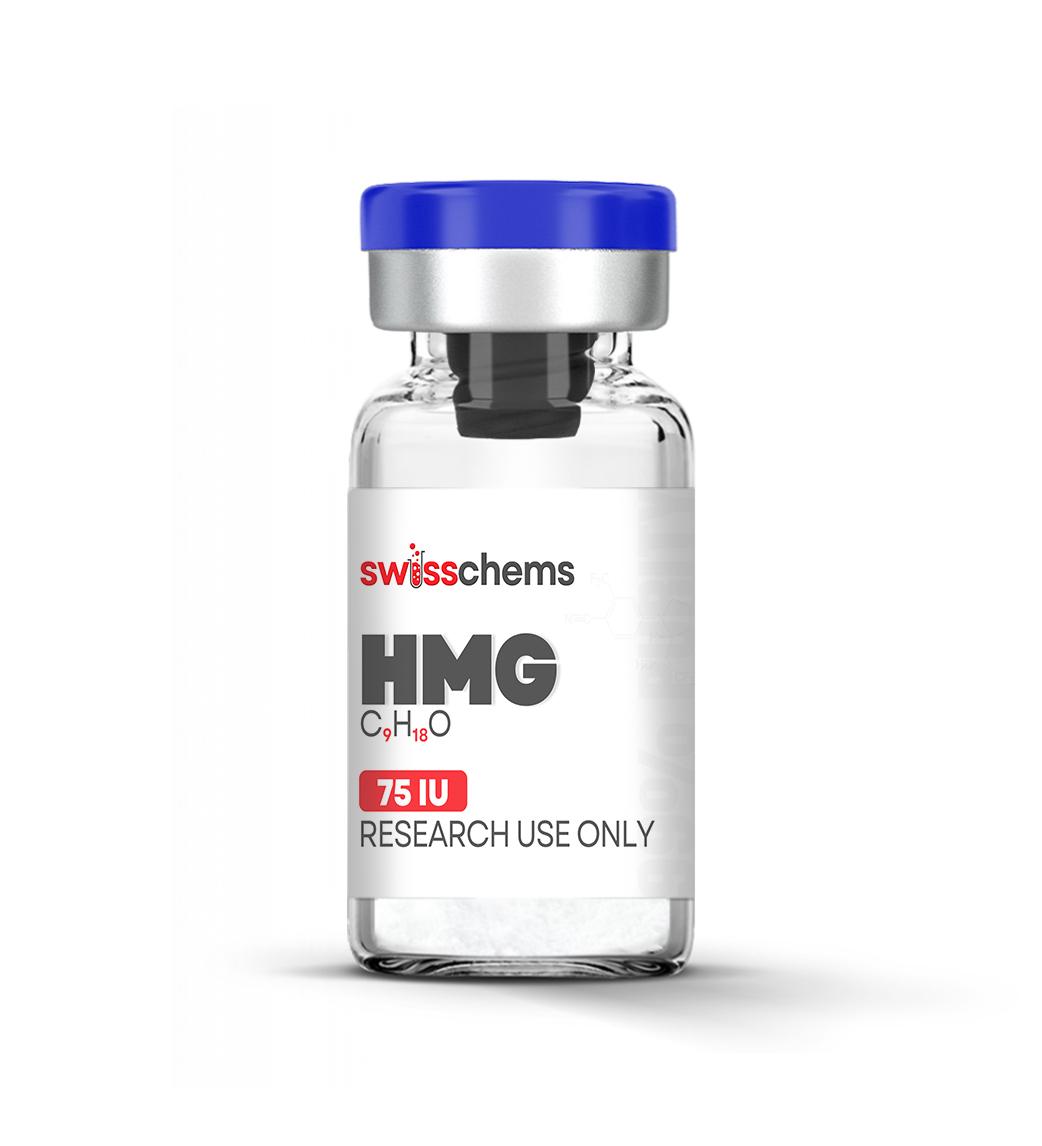
HMG
Human Menopausal Gonadotropin (HMG) is a purified protein complex studied for its ability to interact with specific gonadotropin receptors in laboratory models. It contains both follicle-stimulating hormone (FSH) and luteinizing hormone (LH) analogs derived from human menopausal urine, allowing researchers to explore its effects on cellular signaling and reproductive hormone pathways.
In controlled experiments, HMG has been shown to influence the differentiation and maturation of gonadal cells, providing valuable insight into hormonal regulation mechanisms.
Its dual-hormone activity makes it a key compound for studying reproductive endocrinology and fertility-related biochemical processes.
Disclaimer: This content is for informational purposes only. HMG 75 IU has not been approved for medical use by the FDA or other regulatory agencies. For laboratory research use only.
HMG Overview
⭐ Top Benefits: Enables research into gonadotropin receptor interactions
🧪 Form: Lyophilized peptide (vial)
⌛ Shelf Life: 36 months (under proper storage conditions)
💰 Average Cost: $37.95 – $341.95
❤️🩹 Side Effects: None known in research models; for research use only
📚 Best Peptide Stack: hCG, FSH analogs, LH analogs
Copy Brawn10 for 10% off
- High purity and freeze-dried for stability
- Consistent molecular profile for reproducible results
- Long shelf life and easy reconstitution
- Research use only, not for human consumption
- Limited availability in certain regions
- Must be handled under sterile lab conditions
What Are the Potential Risks and Side Effects of HMG Peptide?

HMG peptide therapy is generally considered safe when administered under qualified medical supervision. However, because it directly affects hormonal systems, side effects may occur.
Common Reactions
Some individuals experience mild side effects such as:
- Injection site irritation or redness
- Headaches or mood fluctuations
- Temporary bloating or fatigue
These symptoms are usually short-lived and resolve as hormone levels stabilize.
Specific Risks for Women
In women, excessive ovarian stimulation may cause Ovarian Hyperstimulation Syndrome (OHSS), a potentially serious condition that can lead to abdominal discomfort or fluid retention.
There is also an increased chance of multiple pregnancies (twins or triplets) due to the stimulation of multiple follicles.
Safety Guidelines
To minimize risks, HMG therapy should always be performed under strict medical supervision, with regular monitoring of hormone levels and ovarian response.
It should not be used by individuals who are pregnant, breastfeeding, or have hormone-sensitive cancers.
Alternatives to HMG Peptide
What other compounds are studied as potential alternatives to HMG? Two of the most commonly researched options are Human Chorionic Gonadotropin (hCG) and Kisspeptin, both of which play key roles in reproductive hormone signaling and regulation in laboratory models.
1. Human Chorionic Gonadotropin (hCG)
hCG is a glycoprotein hormone that mimics the biological activity of luteinizing hormone (LH). In research, it is often used to study steroidogenesis, gonadal stimulation, and the hormonal feedback mechanisms that regulate reproductive function.
Its LH-mimicking action makes it a functional substitute in experiments focused on the same receptor pathways targeted by HMG.
2. Kisspeptin
Kisspeptin peptides act upstream in the hormonal cascade by stimulating gonadotropin-releasing hormone (GnRH) secretion from the hypothalamus.
This activity indirectly influences both LH and FSH release, making Kisspeptin valuable for studies investigating central control of reproductive hormone signaling.
Researchers often compare Kisspeptin to HMG when examining neuroendocrine modulation and feedback regulation within the hypothalamic–pituitary–gonadal (HPG) axis.
How Should HMG Peptide Be Stored and Handled?

Proper storage and handling are crucial to maintain the integrity and effectiveness of HMG peptide. Like most peptides, it is sensitive to temperature, light, and moisture.
- Storage temperature: 2–8°C (36–46°F)
- Environment: Cool, dry, and protected from sunlight
- Handling: Use sterile instruments when reconstituting or administering
Avoid freezing or subjecting the compound to heat, as this can degrade the peptide structure. Unused or expired material should be disposed of safely according to biomedical waste protocols. Proper storage ensures consistent potency and reliable research outcomes.
What Are the Different Forms and Names of HMG Peptide?
Human Menopausal Gonadotropin (HMG) is also marketed under the name Menotropin and may appear in research or clinical formulations under several brand labels. It typically comes in two main forms:
- Lyophilized (freeze-dried) powder, which must be reconstituted with sterile solution.
- Ready-to-use liquid formulations for subcutaneous or intramuscular injection.
In fertility research and treatment protocols, HMG may be used alone or in combination with human chorionic gonadotropin (hCG) or follicle-stimulating hormone (FSH) to enhance ovulatory and spermatogenic responses.
Because concentrations vary by manufacturer, verifying authenticity, purity, and dosage accuracy is essential before any experimental or clinical use.
Are There Natural Peptides Similar to HMG in Food Sources?
Not all peptides are synthetic or pharmacological. Some occur naturally in food and play beneficial roles in human physiology. These are called bioactive food-derived peptides, and they have gained popularity in nutraceutical research.
What Are Food-Derived Peptides?
Food peptides are small protein fragments found in foods such as milk, eggs, soy, and fish. They exhibit biological activities that may help regulate blood pressure, immune response, and oxidative stress.
What Are Their Benefits?
- Milk peptides have been studied for mild blood pressure-lowering effects.
- Egg and fish peptides may promote tissue repair and antioxidant protection.
- Soy peptides can contribute to cholesterol balance and inflammation reduction.
These compounds are often used in nutraceuticals, or food-based supplements designed to support overall health.
However, product quality and dosage consistency vary widely. Anyone considering them should consult a qualified professional to ensure safety and compatibility with other treatments.
Why Is the HMG Peptide Important for Research and Fertility Treatment?
The HMG peptide continues to be a cornerstone compound in reproductive and hormonal research. By combining FSH and LH, it effectively mimics the body’s natural fertility signals, helping restore balance and function in individuals with hormonal deficiencies.
In men, it promotes testosterone production and sperm development; in women, it supports ovulation and egg maturation, both critical to conception.
Beyond reproduction, researchers are exploring how HMG’s hormonal influence may intersect with broader metabolic and endocrine regulation.
Although highly effective, it must always be used under medical supervision, as improper dosing can cause hormonal imbalance or overstimulation.
When handled and stored correctly, HMG peptide remains a stable, reliable, and essential agent in both clinical fertility protocols and peptide-based research.
Frequently Asked Questions
What is HMG peptide?
HMG peptide, or Human Menopausal Gonadotropin, is a hormone-based compound containing FSH (follicle-stimulating hormone) and LH (luteinizing hormone).
It’s primarily used in medical and research settings to study fertility, testosterone production, and hormonal regulation in both men and women.
What’s the difference between HMG and HCG?
While both HMG and HCG influence reproductive hormones, they work differently. HCG (Human Chorionic Gonadotropin) mimics LH and primarily stimulates testosterone or ovulation directly.
HMG, on the other hand, contains both FSH and LH, providing a broader effect by supporting sperm production in men and egg maturation in women.
How is HMG peptide used in bodybuilding?
In research and athletic studies, HMG has been explored for its potential to restore natural testosterone levels and stimulate fertility after anabolic steroid use.
It’s sometimes studied as a post-cycle therapy (PCT) option due to its ability to encourage hormone recovery. However, it’s important to note that this use remains experimental and should only occur under professional supervision.
Can HMG help with male infertility?
Yes, in clinical applications, HMG is prescribed to treat hypogonadotropic hypogonadism—a condition that lowers sperm count and testosterone production.
By stimulating the testes through LH and FSH activity, HMG may help increase sperm count, motility, and overall reproductive health.
Are there any HMG peptide benefits?
Research and clinical data suggest that HMG peptide can boost fertility, restore hormone balance, and support natural testosterone function.
It may also improve sperm quality and ovulation outcomes. Still, these effects are highly dependent on the individual, dosage, and medical oversight, making professional monitoring essential.