Modern life often leaves us feeling depleted, imbalanced, or stuck in cycles of low energy, poor recovery, and declining vitality. Despite following healthy routines, many people still struggle with chronic stress, fatigue, and unexplained symptoms that traditional approaches fail to resolve. These challenges suggest a deeper need to understand and support the body’s natural regulatory systems.
That’s where bioregulators come into focus. Quietly gaining traction in the fields of anti-aging, regenerative health, and performance optimization, these unique compounds act synergistically with the body’s biological processes and are changing the way we think about long-term wellness.
In this article, we’ll introduce the concept of bioregulators, explore how they work to achieve optimal functioning, uncover some of the best bioregulators, and see why they may be the missing link in your health strategy.
Key Takeaways
- Bioregulators are compounds that help regulate the immune system, metabolic processes, and cellular health 🧬
- They work by influencing gene expression and restoring the body’s natural balance without overstimulation ⚖️
- Unlike synthetic drugs, bioregulators often mimic molecules already found in the body for safer, more targeted action 🌿
- They differ from peptides, SARMs, and nootropics by offering a broader range of regulatory effects across multiple systems 🧠
- Always consult a qualified healthcare provider before starting any bioregulator or supplement regimen to ensure safety🩺

What Are Bioregulators?
Bioregulators are a class of naturally occurring or synthetic compounds that help maintain the body’s internal stability, also known as homeostasis. These powerful molecules influence various physiological processes such as immune function, metabolism, inflammation, hormone balance, and cellular regeneration. While often overlooked in mainstream wellness conversations, bioregulators are now gaining attention in the fields of anti-aging, performance optimization, and regenerative medicine.
The term bioregulator was first introduced in Russian medical literature during the late 20th century, particularly through the pioneering work of Professor Vladimir Khavinson. His research at the St. Petersburg Institute of Bioregulation and Gerontology focused on small peptides that regulate gene expression and cellular function, especially in aging tissues.
Broadly, bioregulators are substances that modulate biological systems to help restore or maintain balance. Unlike medications that force a specific response, bioregulators encourage the body to self-correct and optimize performance for improved overall health.
Natural vs Synthetic Bioregulators
Bioregulators can be classified based on their origin:
- Natural bioregulators include short peptides, amino acids, adaptogens, and other compounds found in food, plants, and the human body. For example, thymic peptides support immune regulation, while pineal-derived peptides influence sleep-wake cycles and melatonin production.
- Synthetic bioregulators: Engineered in labs to replicate or enhance the effects of natural molecules. These are often used in therapeutic settings to target specific organs or support tissue health with high precision, particularly in aging or degeneration.
Core Functions of Bioregulators
Bioregulators play diverse roles in supporting systemic health. Their core functions include:
- Regulating gene expression for the regeneration and repair of damaged tissues
- Balancing immune functions, reducing chronic inflammation
- Enhancing mitochondrial activity and cellular energy production
- Optimizing hormonal signaling, including stress and reproductive hormones
- Protecting organs and tissues from age-related decline or oxidative damage
These effects are often organ-specific, meaning certain bioregulators target different organs of a particular system, like the brain, liver, or immune cells, for more refined action.
Mechanism of Action

Bioregulators exert their effects primarily at the epigenetic and cellular signaling levels. Many, especially peptide-based bioregulators, act as molecular messengers that bind to DNA or cellular receptors to:
- Turn on or off specific genes involved in regeneration, immunity, or metabolism
- Stimulate natural repair pathways, rather than introducing foreign agents
- Improve cell-to-cell communication within tissues and organs
- Restore optimal function in aging or dysfunctional cells without forcing unnatural changes
This mechanism makes them fundamentally different from drugs that override the body’s systems. Instead, bioregulators work with the body’s intelligence to promote balance, making them ideal for long-term health support.
Types of Bioregulators
Depending on their function and origin, they are broadly categorized into four types: peptide bioregulators, hormone bioregulators, neurotransmitter bioregulators, and adaptogen bioregulators. Each plays a distinct role in supporting physiological health, aging, and optimizing performance.
Peptide Bioregulators
Peptide bioregulators are short amino acid chains that act as signaling molecules, guiding cellular repair, gene expression, and organ regeneration. These compounds target specific tissues, like the liver, brain, or thymus, by normalizing protein synthesis at the DNA level.
Core Functions and Mechanism of Action:
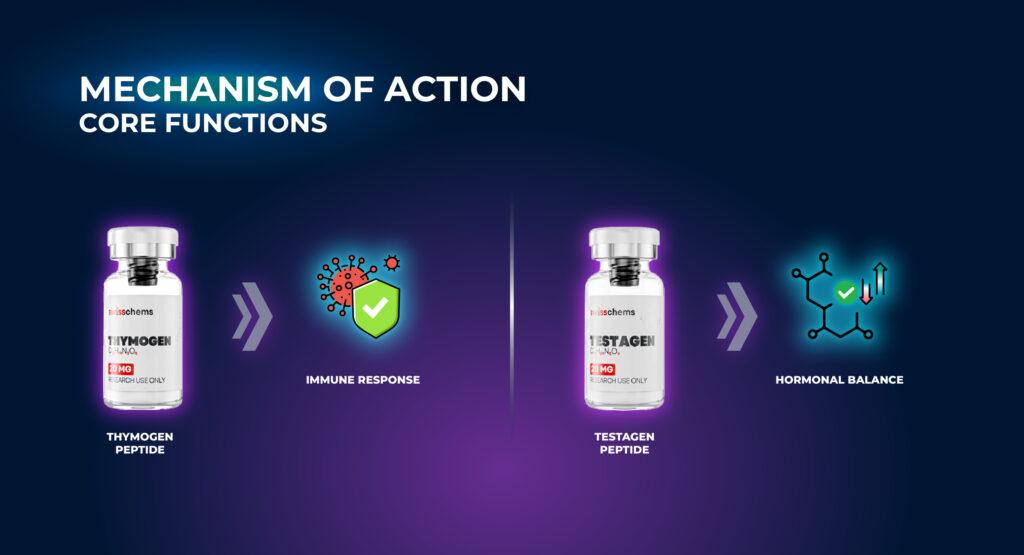
Peptide bioregulators function by binding to specific DNA sequences and modulating the transcription of genes that regulate cell function. For example, thymus peptides help modulate immune response, while pineal peptides support circadian rhythm and hormonal balance. Their precision makes them powerful tools in regenerative medicine, stress recovery, and age-related degeneration. A few other examples of peptide bioregulators include Thymogen, Testagen, and Vilon.
- Where to Buy Thymogen 20mg?

Thymogen 20 mg is a lyophilized peptide bioregulator used via injection after reconstitution. It mimics the naturally occurring thymus-derived dipeptide Glu–Trp and works by modulating immune function, reducing inflammation, and supporting tissue regeneration. Its mechanism targets gene expression and immune signaling pathways to promote faster healing and systemic balance.
Product Overview:
🧪 Form: Injectable
⚖️ Dosage: 100mcg per day
⌛️ Cycle Duration: 8–12 weeks
💰 Cost: Approx. $67.95
🥇 Key Benefits: Thymogen supports immune modulation, accelerates recovery from injuries, and promotes tissue repair. It also plays a role in improving gut lining integrity, reducing systemic inflammation, enhancing joint recovery, and supporting cognitive clarity
❤️🩹 Side Effects: This peptide is generally well tolerated. In rare cases, users may experience mild side effects such as nausea, fatigue, or headaches, which typically resolve on their own
📚 Best Stack: CoQ10, ALCAR, NAD⁺ boosters, and structured exercise or rehab protocols
🙋 User Experience: Users often report faster healing from soft tissue and joint injuries, improved digestion and gut comfort, noticeable reduction in inflammation, and better focus and mental sharpness during consistent use
- Where to Buy Swiss Chems Testagen 20mg?
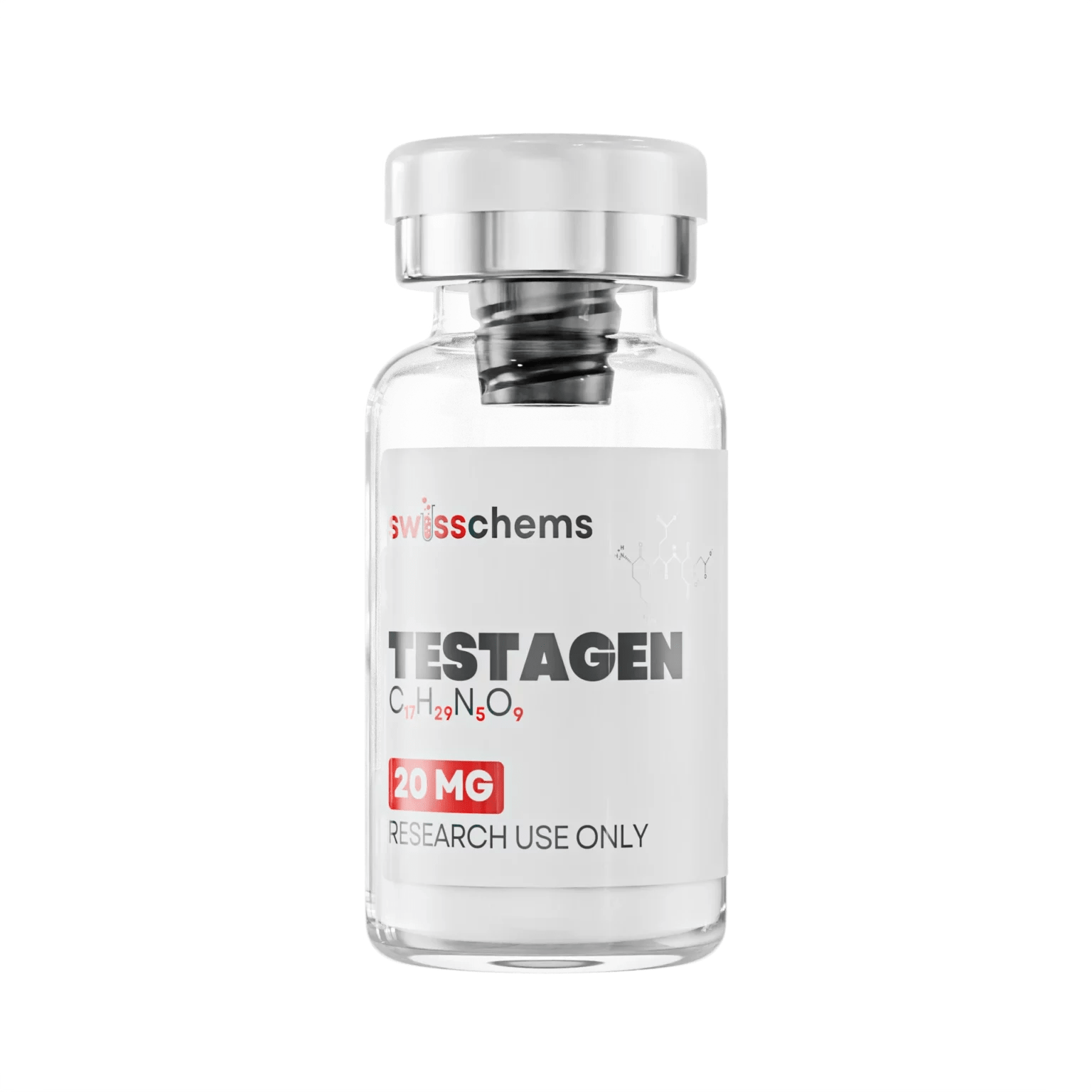
Testagen is a short bioregulatory peptide that targets pituitary and thyroid signaling while supporting immune stem-cell differentiation, making it a promising candidate for endocrine balance and immune modulation
Product Overview:
🧪 Form: Injectable
⚖️ Dosage: Typically 10-20mg per day
⌛️ Cycle Duration: 10 days
💰 Cost: Approximately $59.95 per 20 mg vial
🥇 Key Benefits: Testagen supports hormonal regulation by influencing pituitary–thyroid pathways and encourages immune system resilience through stem-cell differentiation. It potentially balances endocrine function and enhances systemic homeostasis
❤️🩹 Side Effects: Generally well tolerated. Some users may experience mild fatigue, headache, or transient injection-site discomfort; no serious adverse effects have been reported in available anecdotal reports
📚 Best Stack: Pairing Testagen with mitochondrial boosters (e.g., CoQ10, ALCAR), NAD⁺ precursors, and regular exercise may amplify energy balance, recovery, and endocrine support
🙋 User Experience: Users commonly report enhanced energy balance, improved mood, and hormonal well-being, alongside subtle gains in immune resilience and metabolic health over extended use
- Where to Buy Swiss Chems Vilon 20mg?

Vilon 20 mg is a synthetic dipeptide (Lys–Glu) provided as a lyophilized powder for injection. It functions as a bioregulator by reactivating gene expression in aging cells, enhancing immune response, and supporting tissue regeneration across multiple systems.
Product Overview:
🧪 Form: Injectable
⚖️ Dosage: 5mg per day
⌛️ Cycle Duration: 10-12 days
💰 Cost: Approx. $63
🥇 Key Benefits: Vilon promotes immune system rejuvenation, supports faster tissue repair, reduces inflammation, enhances gut and skin health, and may improve cellular energy and overall vitality
❤️🩹 Side Effects: Generally well tolerated. Mild side effects such as fatigue or slight injection-site discomfort may occur but are rare.
📚 Best Stack: CoQ10, ALCAR, collagen support, and structured wellness or rehab protocols
🙋 User Experience: Users frequently report faster recovery, improved skin elasticity, better immune function, and enhanced mental clarity and energy during use.
Hormone Bioregulators
Hormone bioregulators are substances that regulate the release, balance, and feedback mechanisms of endogenous hormones like cortisol, testosterone, estrogen, and thyroid hormones. These substances don’t replace hormones but rather support the body’s ability to balance them naturally.
Core Functions and Mechanism of Action:

They work via the hypothalamic-pituitary axis (HPA), modulating signaling cascades that influence hormone secretion. For example, adaptogenic herbs or hormone-sensitive peptides may support adrenal balance, while others influence gonadal function. Hormone bioregulators are often used to address fatigue, metabolic imbalance, or age-related diseases linked to hormonal decline.
Neurotransmitter Bioregulators
Neurotransmitter bioregulators are compounds that influence the synthesis, release, or reuptake of brain chemicals like serotonin, dopamine, acetylcholine, and GABA. These regulators help balance mood, focus, sleep, and cognitive performance to protect against neurodegenerative diseases.
Core Functions and Mechanism of Action:
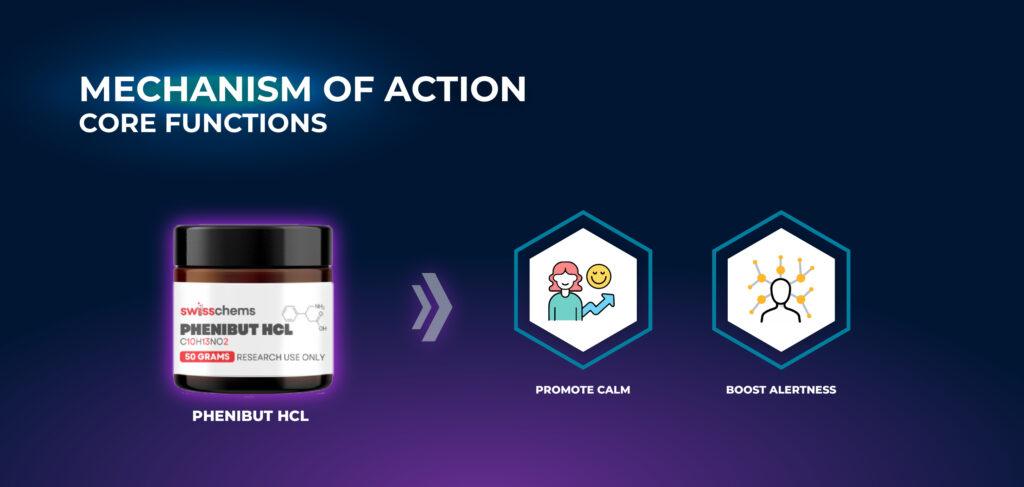
These bioregulators act either by inhibiting breakdown enzymes (like MAO or COMT), enhancing receptor sensitivity, or promoting neurotransmitter production. For example, GABA-supporting bioregulators may promote calm and better sleep, while dopamine-targeting compounds can boost motivation and alertness. An example of such a bioregulator is Phenibut HCL.
Adaptogen Bioregulators
Adaptogen bioregulators are naturally derived compounds, often from herbs or fungi, that help the body resist and adapt to physical, emotional, and environmental stress. Unlike synthetic stimulants or sedatives, adaptogens restore homeostasis by enhancing the body’s resilience and stress response without overstimulating vital systems.
Core Functions and Mechanism of Action:
Adaptogens work primarily through the hypothalamic-pituitary-adrenal (HPA) axis and the sympathoadrenal system, which regulate stress hormones like cortisol and adrenaline. By modulating these systems, adaptogen bioregulators reduce the negative effects of chronic stress, improve mental clarity, stabilize energy levels, and support immune function. Common examples include Rhodiola rosea, ashwagandha, and Panax ginseng, which are known for improving focus, endurance, and emotional balance.
Recommended Dosage Table for Peptide Bioregulators
| Product | Dosage 💊 | Administration 💉 | Timing ⌚ |
| Thymogen | 100mcg | Injectable | Once a day |
| Testagen | 10-20mg | Injectable | Morning and Evening |
| Vilon | 5mg | Injectable | Once a day |
Bioregulators Vs SARMs: What’s The Difference?
As interest in performance enhancement and anti-aging therapies grows, many people wonder whether bioregulators and SARMs (Selective Androgen Receptor Modulators) are similar, or if one is better than the other. While both can influence the body’s internal systems, their mechanisms, safety profiles, and long-term benefits are fundamentally different.
Understanding the distinction between bioregulators and SARMs is crucial for anyone exploring tools for longevity, recovery, or muscle optimization.
What Are SARMs?
SARMs are synthetic compounds designed to selectively bind to androgen receptors in the body. Their goal is to mimic the effects of anabolic steroids, such as increased muscle mass and strength, without causing widespread hormonal disruption.
Common SARMs include Ostarine (MK-2866), Ligandrol (LGD-4033), and RAD-140, all of which target skeletal muscle tissue while aiming to minimize activity in areas like the prostate or heart.
How Bioregulators Differ from SARMs
Bioregulators and SARMs differ significantly in origin, function, and safety. Bioregulators are either naturally derived (like peptides or adaptogens) or synthetically formulated to support homeostasis, regulate gene expression, and promote tissue repair across various systems like immune, endocrine, nervous, and more. In contrast, SARMs are synthetic compounds designed to stimulate muscle growth by binding to androgen receptors, primarily targeting skeletal muscle and bone. While bioregulators act gently and holistically on multiple pathways, SARMs deliver aggressive, localized effects that can disrupt hormonal balance if misused.
Bioregulators Vs Nootropics: What’s The Difference?
With brain health and cognitive performance becoming top wellness goals, nootropics have surged in popularity. But how do they compare to bioregulators, especially in terms of mechanism, safety, and long-term benefits?
Although both aim to enhance human function, bioregulators and nootropics operate in fundamentally different ways—one working to restore balance, the other to boost specific aspects of performance.
What Are Nootropics?
Nootropics, often referred to as smart drugs or cognitive enhancers, are substances that improve mental performance, including memory, focus, mood, creativity, and alertness. They can be natural (like L-theanine or Bacopa monnieri) or synthetic (like modafinil, racetams, or Noopept).
Their primary mechanism is to stimulate neurotransmitter activity, increase blood flow to the brain, or modulate brain wave patterns to create enhanced mental states.
How Bioregulators Differ from Nootropics
While nootropics aim for short-term cognitive boosts, bioregulators work on a deeper level, often restoring neurological health and protecting brain tissue from stress, aging, and inflammation. They regulate gene expression, reduce oxidative damage, and support neuroplasticity, not just performance.
Unlike nootropics, which often push brain chemistry to work harder or faster, bioregulators encourage the body to self-correct and optimize function over time, supporting long-term cognitive resilience.
Applications in Health and Wellness
Bioregulators offer a versatile and holistic approach to enhancing health, with proven benefits in disease prevention, immune support, cellular repair, and stress resilience. Unlike conventional treatments that force a biological response, bioregulators restore balance at the genetic and cellular level, making them ideal for long-term wellness strategies.
Immune and Inflammatory Support
Bioregulators help regulate immune function, making the body more resilient against infections, autoimmune reactions, and chronic inflammation. Thymic peptides, for example, enhance T-cell activity and support overall immune efficiency.
Cellular Repair and Anti-Aging
These compounds promote tissue regeneration, mitochondrial health, and DNA repair, helping slow the aging process and improve recovery from injury or stress. They are widely used in longevity and anti-aging protocols.
Mental Health and Stress Reduction
Some bioregulators influence the nervous and endocrine systems, reducing stress, anxiety, and emotional fatigue. Unlike stimulants, they support mental calmness without overstimulation or dependency.
Integrative Wellness
Because bioregulators work in harmony with the body, they are often used alongside other therapies, enhancing results without disrupting natural processes. This makes them valuable in functional medicine, biohacking, and holistic care.
Safety and Efficacy
Bioregulators have a long-standing history of safe and effective use in human health, particularly in Eastern Europe, where peptide-based bioregulators have been studied for decades. Clinical trials and observational studies have shown that these compounds support organ function, immune regulation, and cellular repair without triggering adverse effects.
Unlike many synthetic drugs or performance enhancers, bioregulators work by reinforcing the body’s natural regulatory systems rather than overriding them. This makes them inherently safer, especially for long-term use in wellness, recovery, and aging support.
Their excellent safety profile with no known toxicity or withdrawal effects makes them suitable for individuals seeking gentle, non-invasive solutions to improve vitality, cognitive function, and disease prevention. As a result, peptide bioregulators are increasingly recognized as a valuable tool in the fight against aging and chronic degeneration, with growing interest from functional medicine, anti-aging clinics, and biohacking communities.
Conclusion
Bioregulators represent a breakthrough in modern health optimization, offering a science-backed, natural way to support the body’s regulatory systems. Whether you’re focused on boosting immunity, slowing the aging process, improving mental clarity, or promoting cellular repair, bioregulators provide a safe and effective foundation for long-term wellness. Unlike synthetic drugs or one-dimensional supplements, they work holistically to restore balance at the genetic and cellular levels. As research continues to grow, bioregulators are emerging as a key tool in the pursuit of vitality, resilience, and longevity. Adding them to your wellness routine under professional guidance could be one of the smartest investments in your health.
FAQs
What are bioregulators used for?
Bioregulators are used to support immune function, slow aging, enhance cellular repair, and promote overall wellness.
Are bioregulators the same as peptides?
Some bioregulators are peptides, but not all. Bioregulators include various natural or synthetic compounds that regulate biological systems.
Are bioregulators safe to use long-term?
Yes, studies show that bioregulators are generally safe for long-term use with no known toxicity when used appropriately.
Can bioregulators improve mental health?
Yes, certain bioregulators may help reduce stress, improve mood, and support neurological balance.
Do I need a prescription for bioregulators?
While some therapeutic bioregulators require a prescription, many natural forms are available as over-the-counter supplements.