
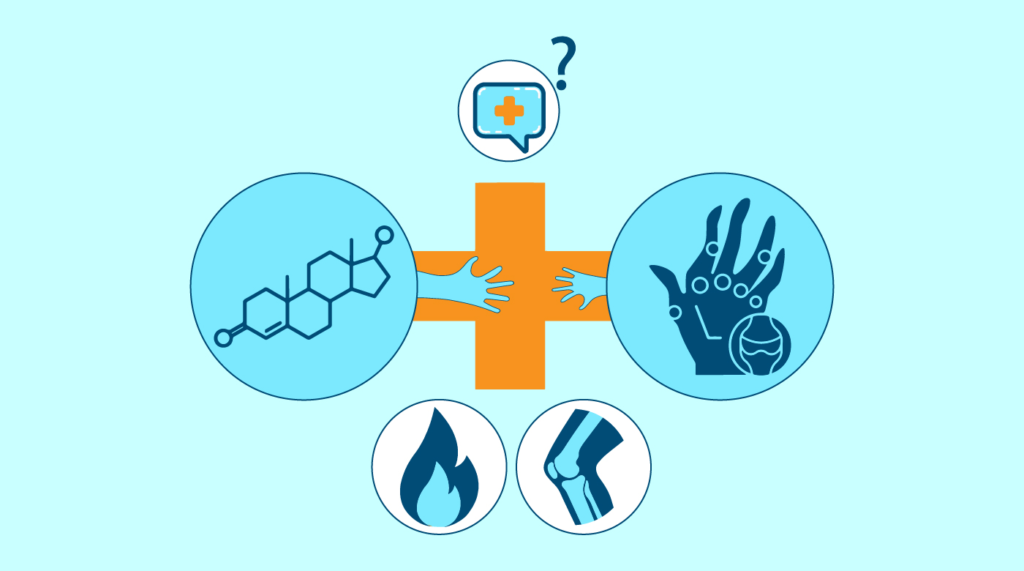
It’s no secret that testosterone is essential for men’s health. There is a direct relationship between declining testosterone levels and the development of arthritis as men age.
When we think of testosterone, we typically think of its role in libido and muscle mass, but it is also essential for bone health., but Does Testosterone Help Arthritis?
It’s not funny when your knees, wrists, or fingers ache from pain. People usually joke that it might be arthritis, but in this article, we’ll explore another possibility: low testosterone levels.
What is Arthritis?
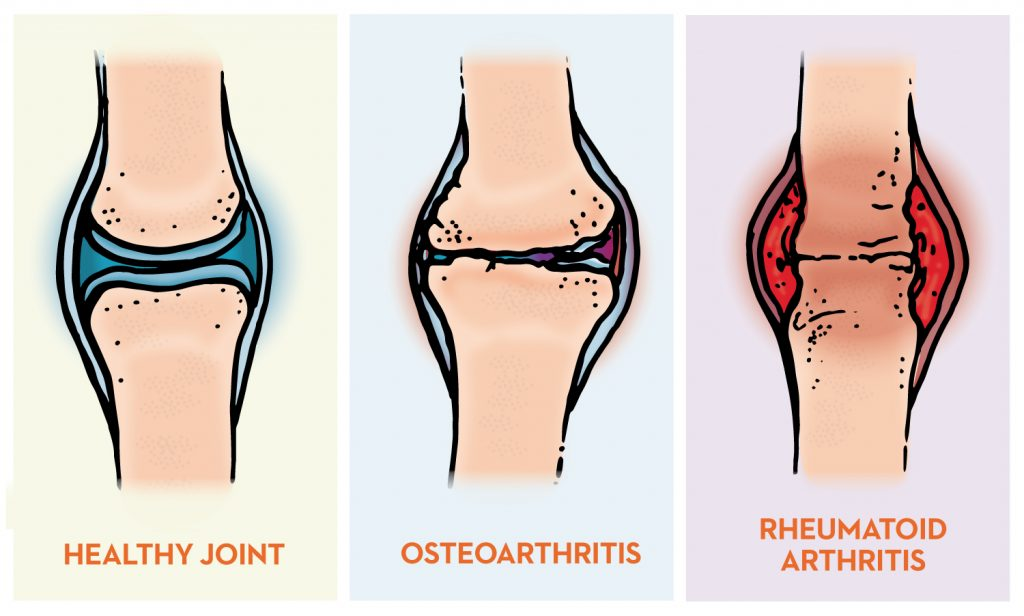
The word arthritis is used to describe inflammation of the joints. This can cause pain, stiffness, and swelling. There are many different types of arthritis, but the two most common are osteoarthritis and rheumatoid arthritis.
Osteoarthritis
Osteoarthritis (meaning “bone-with-inflammation”) is the most common form of arthritis. It is caused by the breakdown of cartilage, which is the tissue that cushions the ends of bones in your joints. This breakdown can be due to normal wear and tear, or it can be caused by an injury.
Hands, knees, hips, and spine are the most common locations on the body where osteoarthritis discomfort occurs. If it’s due to ordinary use and tear, pain is typically manageable; however, if the joints are damaged, it might be more challenging to manage.
Rheumatoid Arthritis
Rheumatoid (meaning “of the joints”) arthritis is an autoimmune disease. This means that your body’s immune system, which is supposed to protect you from infection, attacks healthy tissue instead. In the case of rheumatoid arthritis, this reaction takes place in your joints’ lining, and it is caused by excessive inflammation targeting your cartilage.
The bone tissue may eventually wear away and fuse together. Essentially, this is your body’s way of protecting itself.
The Connection Between Testosterone and Arthritis
It has been shown that men with low testosterone levels (hypogonadism) have a greater likelihood of developing rheumatoid arthritis than men with normal levels in the same age group. [1]
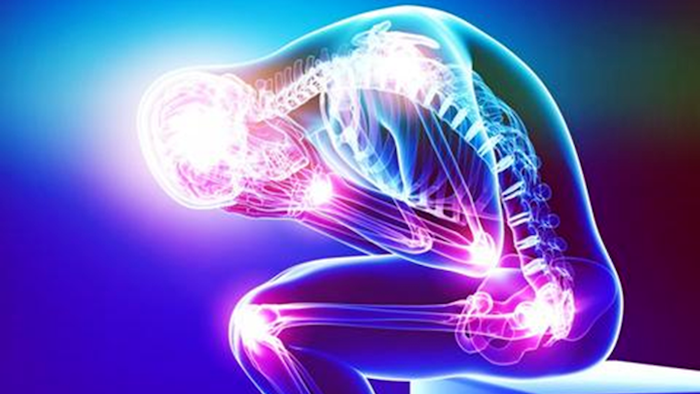
This likelihood of men developing arthritis is largely in part due to the role of testosterone on bone development. Testosterone is essential for the development of bone mass; it promotes bone growth and strengthens bones.
One study showed that testosterone treatment improved arthritis symptoms in rats. After eight weeks of treatment, the rats had increased bone density and decreased inflammation. [2]
This was the first time that a relationship between testosterone and arthritis had been demonstrated. Later research also confirmed that elderly men with higher testosterone levels had better bone mineral density (BMD) than those with lower concentrations.
They also discovered that they were less likely to fracture. [3]
How Testosterone Helps Bones
Testosterone isn’t just essential for the growth of bones; it also helps to improve bone density. Testosterone binds to receptors in bone cells and increases the production of a protein called osteocalcin (osteo meaning “bone” and calcin meaning “calcium” in Greek).
Osteocalcin helps to maintain the structure of bones and helps promote bone formation and fight against bone loss. [4]
Osteocalcin also helps to regulate insulin levels and can help to prevent type 2 diabetes. Diabetes is a risk factor for developing osteoarthritis, so by keeping your osteocalcin levels up, you can help to reduce your risk. [5]
Testosterone also inhibits the action of a protein called sclerostin. Sclerostin helps to regulate bone formation, and when it’s inhibited, bones can grow stronger. Testosterone therapy has been shown to improve bone density and reduce the risk of fractures in men with low testosterone levels.
Testosterone Replacement Therapy (TRT)
Before you run to your doctor asking for a testosterone prescription, there are a few things you should know. For one, testosterone replacement therapy is not without its risks.
TRT can increase your risk of heart disease, sleep apnea, and prostate cancer. It can also cause acne, shrinkage of the testicles, and enlargement of the breasts. However, these side effects are exceedingly common in men who abuse testosterone than in those who use it as prescribed by a doctor.
If you and your doctor feel that testosterone replacement therapy (TRT) is right for you, there are a few different ways to go about it. Testosterone therapy can be administered through injections, gels, patches, or pellets that are placed under the skin.
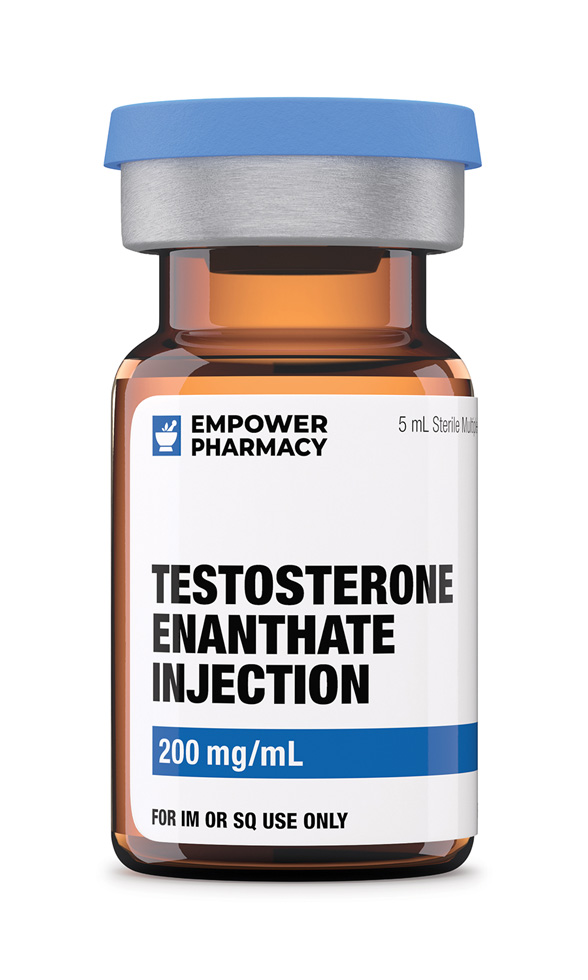
What was found was that men who were on long-term TRT had a significant increase in their bone density, as quick as within a year. They compared it to men who were not on on testosterone therapy and found that it even normalized BMD. [6]
There are a number of other studies which confirm that testosterone replacement therapy can be helpful because of its stimulation of osteoblast (bone-forming cells) and its ability to reduce osteoclast (bone-resorbing cells) activity.
Why Testosterone Therapy Strengthens Bones
Testosterone plays a critical role in bone health by activating testosterone receptors to promote bone growth and regeneration. Low testosterone levels leave these receptors underactive, weakening bones and increasing the risk of fractures.
This is promising for men with low testosterone who experience arthritis-related pain. Testosterone therapy may reduce pain and improve bone strength. However, long-term effects beyond a year require further research.
Like skin, bones constantly regenerate, replacing old tissue with new, healthy bone. Maintaining optimal testosterone levels is vital to support this process and prevent osteoporosis and fractures.
Is Arthritis Treatable with TRT?
While TRT may not be the end all, be all arthritis treatment that you’re looking for, it could potentially help to improve the symptoms of arthritis and other conditions that are brought on by low testosterone levels.
The goal of TRT is to help manage and keep symptoms associated with low testosterone levels at a low. It is important to keep in mind that majority of arthritis (typically osteoarthritis) is a result of direct injury or trauma to the joints. This can be a result of:
- not warming up properly prior to exercise
- car accident
- impactful injury from repetitive motions associated with a job or hobby
- joints that are not properly aligned
Natural Remedies to Help with Arthritis and Low T
A good way to naturally help and prevent arthritis and chronic joint pain is simple: exercise. Exercise not only helps to keep our joints healthy and mobile, but it also helps to improve our overall cardiovascular health and helps with boosting testosterone levels.
There is a number of evidence that show that incorporating moderate intensity aerobic exercise, like walking, can actually help to improve osteoarthritis symptoms and help increase testosterone. Depending on the type of pain experiencing, you can even find exercises that are low-impact to prevent pain and further injury.
Exercises that Help with Boosting Testosterone and Relieve Joint Pain

A good exercise for boosting testosterone is through resistance training. This type of training has been seen to helps increase levels of testosterone and improve joint health. This was as seen as fast as just a few minutes right after exercise. [7]
If you’re considering TRT, be sure to speak with your doctor about the potential risks and side effects. TRT is generally only recommended for men who have very low testosterone levels and are experiencing symptoms because of it.










I have had 4 total jiont replacement surgeries. I’m 62 y.o. and have used testosterone after 3 of the surgery 200mg dose. On cycle for 8 weeks. The recovery rate was incredible. My 1st replacement was 12 years ago and I did not use testosterone, the recovery was about 18 months. I had my hip replaced 4 months ago and at 8 weeks I was 100%. Physical therapists and my Surgen said they have never seen m such a speedy recovery. My surgen has done over 3000 hips.wow amazing drug side effects and all.