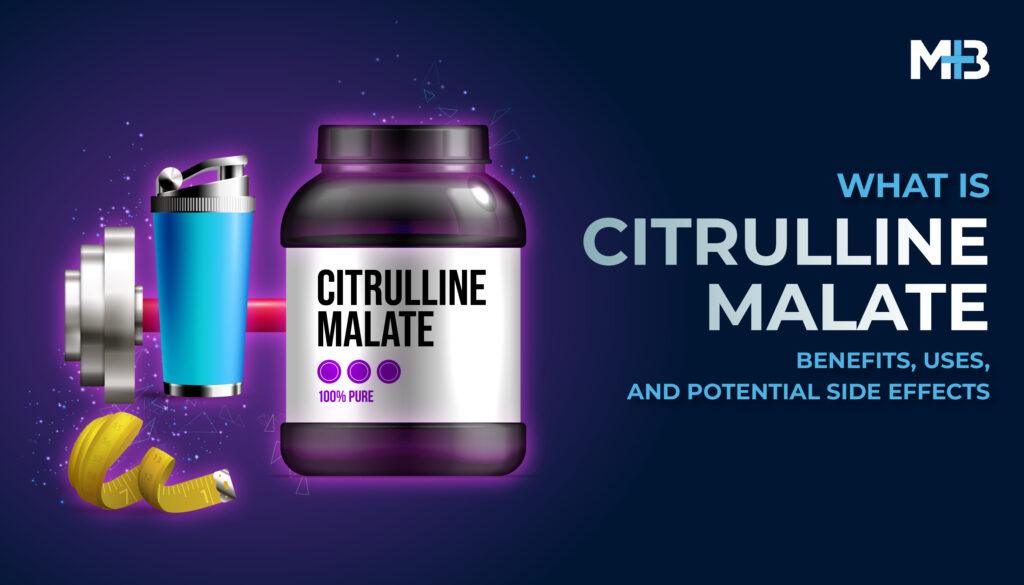
Citrulline malate has become one of the most talked-about supplements in sports nutrition, and for good reason! It’s known for its ability to support endurance, recovery, and circulation, making it a favorite among lifters and athletes alike.
Whether used as a standalone supplement or stacked with others, citrulline continues to prove its value in performance enhancement. Understanding how it works, and how to use it effectively, can help maximize its benefits and support long-term training goals.
Key Takeaways
- Citrulline malate combines L-citrulline and malic acid to enhance nitric oxide production, improve blood flow, and support energy metabolism. 💪
- L-citrulline alone can be just as effective for boosting circulation and muscle performance, making it a preferred option for many athletes. 🏋️♂️
- Regular citrulline supplementation may help reduce muscle soreness, improve endurance, and promote faster recovery between workouts. 🔁
- Natural food sources like watermelon contain citrulline, but supplements offer a more concentrated and consistent dosage. 🍉
- For reliable, research-backed results, Enhanced Labs provides pure L-citrulline in a formula designed for performance and vascular support. ⚡

A Breakdown of the Compound
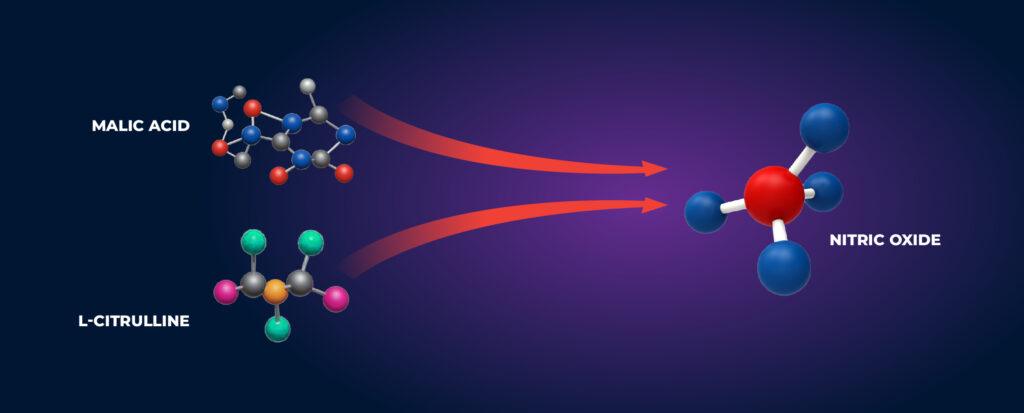
Citrulline malate is a combination of L-citrulline (a nonessential amino acid) and malic acid. While the body can produce citrulline naturally, supplementing with it can enhance several important processes beyond basic protein synthesis. These include energy production and nitric oxide synthesis, both essential for physical performance.
Citrulline malate is typically found in powder or capsule form and is often used to boost endurance, reduce fatigue, and support recovery after training sessions.
How Citrulline Malate Works
Once ingested, citrulline is converted into arginine in the body. This raises plasma arginine levels, which in turn boosts nitric oxide production. It’s a key factor for blood vessel dilation and improved blood flow.
Malic acid complements this effect by supporting cellular energy production through the Krebs cycle, a critical process that helps reduce fatigue. Together, these two compounds enhance endurance and make workouts feel smoother and more efficient.
Benefits of Citrulline
Citrulline’s benefits reach beyond the gym. Its role in improving circulation, managing fatigue, and supporting metabolic health makes it a well-rounded supplement for performance and recovery alike.
Improved Blood Flow and Heart Health
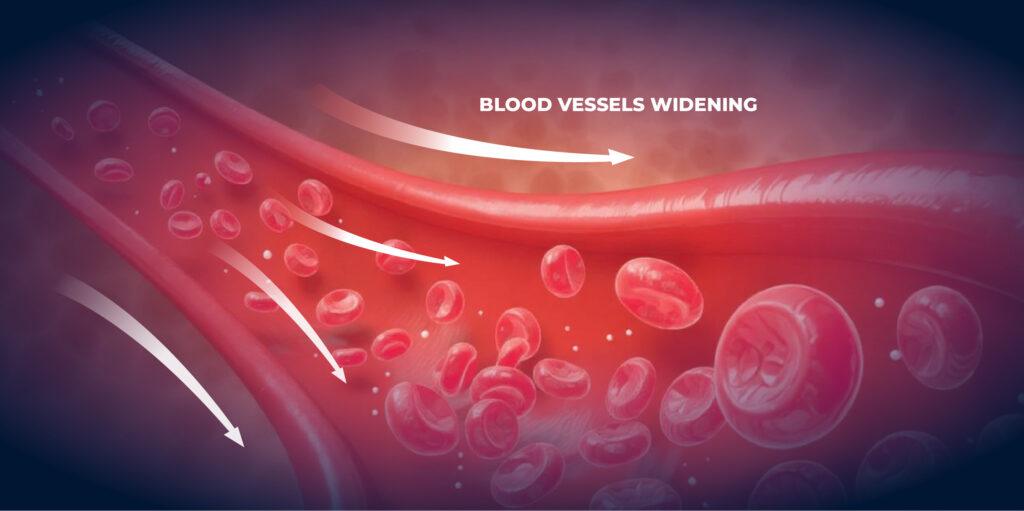
One of citrulline’s biggest strengths is its ability to boost nitric oxide levels, improving circulation and blood vessel flexibility. This can help lower blood pressure, support cardiovascular health, and even enhance erectile function.
Better circulation also means more oxygen and nutrients reach working muscles, improving both endurance and post-exercise recovery. Some studies suggest citrulline may aid in managing systolic blood pressure and overall heart health, though further research is still needed.
Enhanced Exercise Performance

For active individuals, citrulline malate has been shown to reduce muscle soreness and improve recovery between sessions. Supplementing with it may help minimize post-workout fatigue and allow for more consistent training. It’s often taken before workouts to enhance blood flow and delay the onset of exhaustion during high-intensity activity.
Role in Metabolic Health
Beyond performance, citrulline supports the urea cycle, which helps the body eliminate ammonia, a compound that builds up during prolonged exercise and contributes to fatigue. By helping clear this byproduct, citrulline supports stamina and keeps energy levels steady throughout long workouts.
Overall, citrulline malate offers a versatile blend of benefits—from better endurance to faster recovery—making it one of the more effective natural aids for physical performance.
Effects of Citrulline on Athletic Performance

Citrulline malate’s reputation in sports circles didn’t come out of nowhere. Its consistent results in improving performance and recovery have made it a staple for both professional athletes and fitness enthusiasts.
Performance and Recovery
The main mechanism behind citrulline’s effectiveness lies in its ability to increase nitric oxide production. This promotes better blood flow to muscles, enhancing oxygen delivery and nutrient transport during training. These effects contribute to longer, stronger workouts and reduced post-training soreness.
Scientific Insights
Studies on L-citrulline supplementation have shown measurable improvements in resistance training performance, endurance, and recovery. Participants in these studies often report lower levels of fatigue and quicker recovery times after intense sessions.
By supporting circulation and reducing ammonia accumulation, citrulline helps maintain energy output through multiple sets or extended endurance activities. Some findings also point to its ability to lower perceived exertion, helping users train harder without feeling as worn down.
Beyond the Gym
Interestingly, the benefits of citrulline extend to heart health as well. Its vasodilatory effects can help reduce blood pressure and support healthy blood flow—benefits that carry over to both performance and general wellness.
Interactions and Precautions
Like any supplement, citrulline works best when used safely and responsibly. Although it’s well-tolerated by most people, there are a few things worth keeping in mind.
Medication and Health Considerations
Because citrulline can affect blood flow and nitric oxide production, it may interact with certain blood pressure medications, heart treatments, or erectile dysfunction drugs. Combining them could amplify the effects of these medications, potentially causing dizziness or lightheadedness.
Those with heart conditions, low blood pressure, or anyone preparing for surgery should always consult a healthcare provider before supplementing with citrulline.
Safe Supplementation Practices
Most users tolerate citrulline well, but starting with a lower dose and monitoring for any side effects is recommended. Common reactions, like mild stomach upset, are rare and typically temporary.
If any unusual symptoms occur, it’s best to discontinue use and seek medical guidance. Staying mindful of your health ensures you can take advantage of citrulline’s benefits without unnecessary risks.
Food Sources of Citrulline
Citrulline isn’t just found in supplements. It’s also present in several fruits and vegetables. This makes it easy to include in your diet naturally, even if you don’t take it as a powder or capsule.
Natural Sources

Watermelon tops the list, offering about 1.5 grams of citrulline per 100 grams of fruit. Both the flesh and rind are good sources, and watermelon juice is an easy, refreshing way to increase intake.
Other foods like melons, cucumbers, and squash also provide small amounts of citrulline. While these won’t deliver performance-level doses, they contribute to overall amino acid balance in the body.
Supplementation and Dosage
For those seeking measurable performance benefits, citrulline is available in L-citrulline or citrulline malate forms. L-citrulline offers pure amino acid support, while citrulline malate adds malic acid, which enhances energy production.
A daily intake of 2 to 5 grams is commonly recommended for improving circulation, reducing fatigue, and supporting exercise performance. Some users may experience minor digestive discomfort at higher doses, but side effects are rare.
Combining food sources with supplementation can help ensure steady results for recovery, endurance, and vascular health—all without the need for synthetic performance enhancers.
Where to Buy Citrulline
L-Citrulline from Enhanced Labs
Enhanced Labs L-Citrulline is a clinically dosed nitric oxide booster designed to deliver skin-splitting pumps, improved endurance, and enhanced vascularity during workouts. Each serving provides 6 g of pure L-Citrulline, a naturally occurring amino acid that increases nitric oxide production, improving blood flow and nutrient delivery to working muscles.
Research shows that L-Citrulline supplementation can reduce fatigue, enhance exercise performance, and accelerate recovery by increasing oxygen and nutrient transport. It also supports cardiovascular health through improved vasodilation and circulation.
Manufactured in an FDA-inspected facility, Enhanced Labs ensures every batch meets strict purity and potency standards. This stimulant-free formula contains no proprietary blends—only the clinically validated dose your body needs for peak pump performance.
Disclaimer: L-Citrulline is a dietary supplement. This information is educational only and not medical advice.
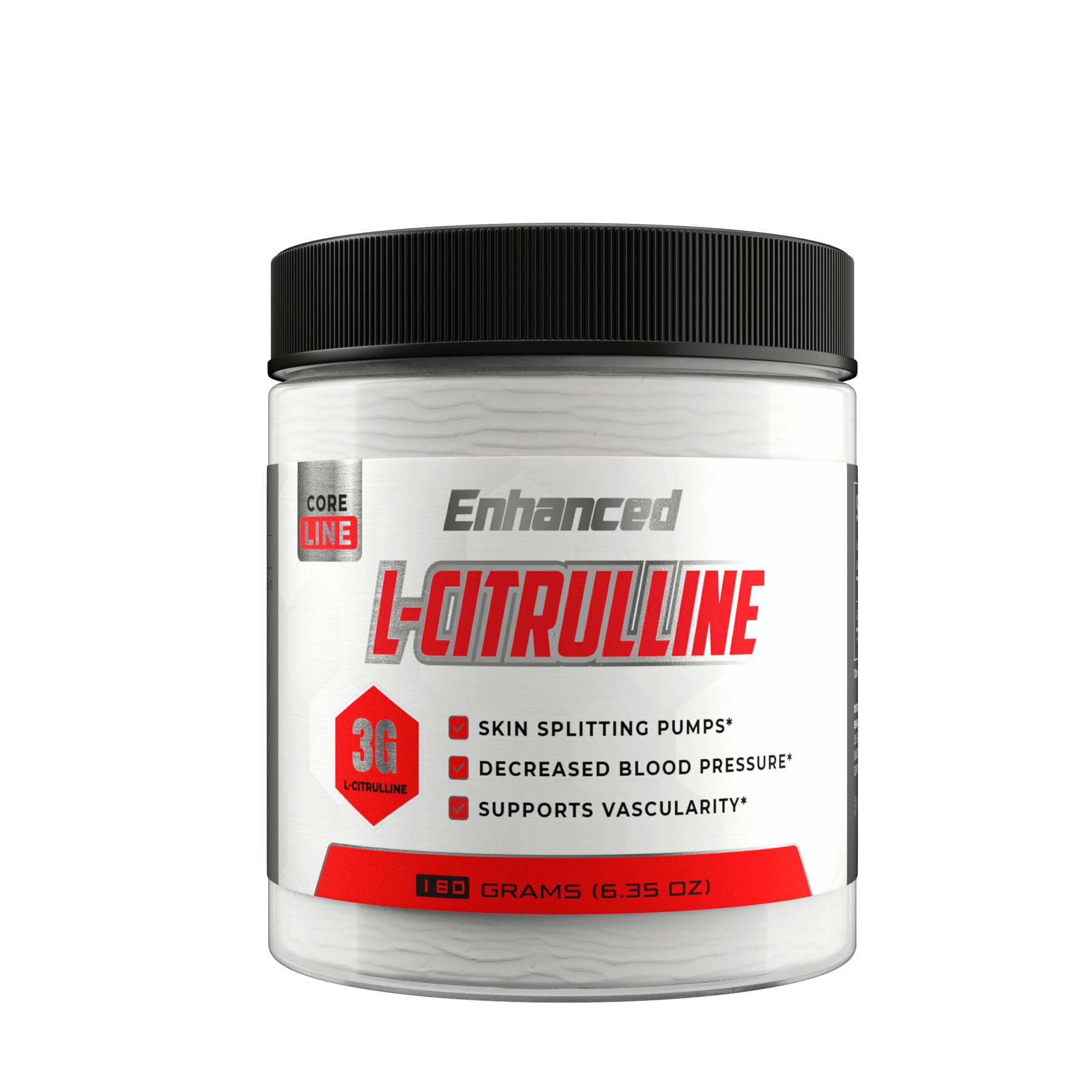
L-Citrulline Overview
⭐ Top Benefits: Boosts nitric oxide, enhances muscle pumps, improves workout endurance
💊 Form: Powder (6 g L-Citrulline per serving)
⏱ Suggested Use: 1 serving (6 g) before training
💲 Average Cost: $22.79 (150 g tub)
❤️ Side Effects: Mild stomach upset or headache (rare)
⚠️ Dangers: May lower blood pressure in sensitive individuals
🔗 Best Stack: Beta-Alanine, Creatine, Agmatine Sulfate
♂♀ Men/Women: Suitable for both athletes
Copy Brawn20 for 20% off
- Clinically dosed (6 g per serving) for maximum pump and endurance
- Stimulant-free and safe for daily use
- Manufactured in FDA-inspected facility
- May cause mild dizziness in low-BP individuals
- Requires consistent pre-workout use for best results
- Limited flavor options available
Disclaimer: The information provided here is for educational and research purposes only. These statements have not been evaluated by the FDA. This product is not intended to diagnose, treat, cure, or prevent any disease.
Alternatives to Citrulline
While citrulline malate stands out for boosting blood flow and reducing muscle fatigue, there are a few other supplements that can provide similar benefits.
Arginine was once the go-to nitric oxide booster before citrulline took the spotlight. However, citrulline tends to be more effective at raising plasma arginine levels since it bypasses the liver’s breakdown process.
Beta-alanine is another popular choice, known for buffering lactic acid and improving muscular endurance during high-intensity training.
Athletes focused on stamina and recovery might also consider creatine monohydrate, which supports ATP regeneration, or beetroot extract, a natural source of dietary nitrates that enhance nitric oxide production.
Each of these can complement or serve as an alternative to citrulline, depending on training goals.
How to Stack Citrulline Malate
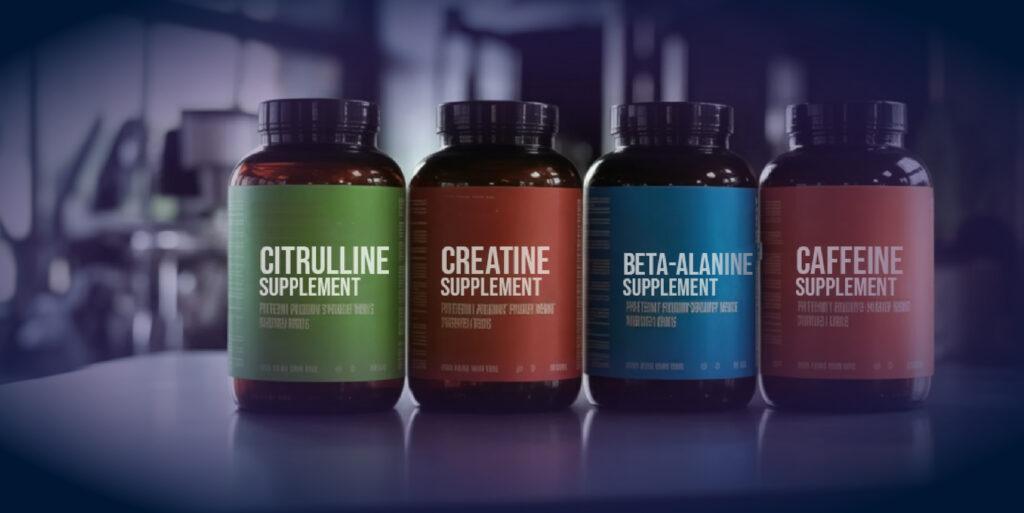
Citrulline malate stacks well with other performance supplements, making it a versatile addition to pre-workout routines.
A common combination includes beta-alanine, creatine, and BCAAs, which together support endurance, muscle recovery, and strength output. For energy and focus, pairing citrulline malate with caffeine or tyrosine can further enhance workout intensity.
When stacking, it’s best to start with 6 to 8 grams of citrulline malate about 30 to 45 minutes before training. This dosage has been consistently shown to improve endurance and reduce post-exercise fatigue.
Because it’s non-stimulant, it pairs well with nearly any pre-workout setup without causing jitters or energy crashes.
Conclusion
Citrulline malate continues to be one of the most reliable supplements for improving endurance, strength, and recovery. Its ability to enhance blood flow and reduce fatigue makes it a top choice among athletes, bodybuilders, and anyone looking to maximize workout performance naturally.
While it’s generally safe and well-tolerated, paying attention to dosage and product quality can make all the difference in achieving consistent results.
Whether taken alone or as part of a supplement stack, citrulline malate remains a well-supported and effective option for pushing performance to the next level.
Frequently Asked Questions – FAQs
1. What’s the difference between L-citrulline and citrulline malate?
L-citrulline is the pure amino acid responsible for boosting nitric oxide and improving blood flow. Citrulline malate combines it with malic acid, which may support energy production during exercise.
2. When is the best time to take citrulline supplements?
Most athletes take citrulline 30–60 minutes before workouts to support blood flow, endurance, and performance.
3. Can citrulline help with muscle recovery?
Yes, citrulline helps clear ammonia from the body and improves circulation, which can reduce post-exercise muscle soreness and speed up recovery.
4. Are there any side effects of citrulline?
Citrulline is generally well-tolerated. Some users may experience mild stomach discomfort if taken in high doses.
5. Where can I buy a quality citrulline supplement?
For those looking for a high-quality, pure L-citrulline formula, Enhanced Labs is a trusted option designed to support performance and vascular health.