As more fitness enthusiasts look for efficient ways to enhance physical performance and mental clarity, the trend of mixing creatine in coffee has gained popularity. This simple habit combines two of the most researched ergogenic aids, creatine for muscle-powered bursts and caffeine for heightened alertness, packed in a single drink. While both compounds individually offer proven benefits, combining them raises intriguing questions about timing, tolerance, and effectiveness, making it a conversation point among people in the health and fitness community.
Let’s uncover the practical exploration of the creatine‑coffee phenomenon. You’ll discover how both caffeine and creatine perform their individual functions synergistically, the scientifically supported advantages of pairing the two, their potential downsides, and actionable advice on dosage, hydration, and timing. By weaving together expert studies, real-world recommendations, and user-tested insights, this piece is designed to inform your supplement strategy and boost both performance and convenience!
Key Takeaways
- Mixing creatine with coffee delivers a potent combo for muscular endurance and heightened mental alertness for peak workouts. 💪
- Timing is critical: Take caffeine after your creatine loading phase for best strength and power results. ⏱️
- Stay well-hydrated, while creatine draws water into muscle cells, caffeine may increase urine output, so plan hydration accordingly. 💧
- Begin with moderate doses (3–5 g creatine plus a standard cup of coffee) to assess digestion and tolerance before scaling up. ⚠️
- Before combining creatine supplements, especially if you have health conditions or take medications, consult a healthcare professional for personalized guidance. 🩺

What is Creatine and How Does it Work?
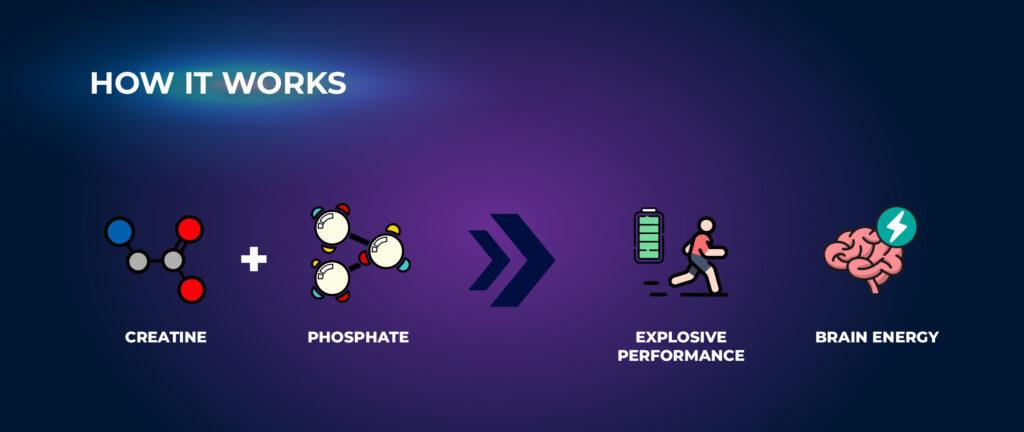
Creatine is a naturally occurring compound found and synthesized in the kidneys, liver, and pancreas from the amino acids glycine, arginine, and methionine, and is also obtained through dietary sources such as red meat and fish. About 95% of the body’s creatine is stored in skeletal muscle, with the remainder found in high-energy-demand tissues, including the heart, brain, and retina.
Within muscle cells, creatine combines with a phosphate group to form phosphocreatine (PCr), a quick-access energy reserve. The enzyme creatine kinase catalyzes the reversible reaction by which PCr donates its phosphate to ADP, regenerating ATP during short bursts of high-intensity activity like sprinting or weightlifting.
This ATP–PCr system provides rapid energy when the rate of ATP demand temporarily exceeds the capacity of oxidative or glycolytic pathways.
Supplementation with creatine, typically in the form of creatine monohydrate increases muscle stores of both free creatine and phosphocreatine by up to ~20% after a standard loading phase (about 20 g/day for 5 days), enhancing the ability to regenerate ATP and boosting short-duration explosive performance. Beyond enhancing muscle performance, creatine also plays an important role in brain energy metabolism.
Research shows that supplementating creatine can elevate brain creatine stores and support cognitive performance, especially in conditions of stress, sleep deprivation, or aging. Meta‑analytical evidence indicates creatine supplementation improves memory, attention, and processing speed, although the degree of benefit varies depending on age and baseline creatine levels.
Where to Buy Creatine?
Enhanced Labs Creatine Monohydrate 5000mg
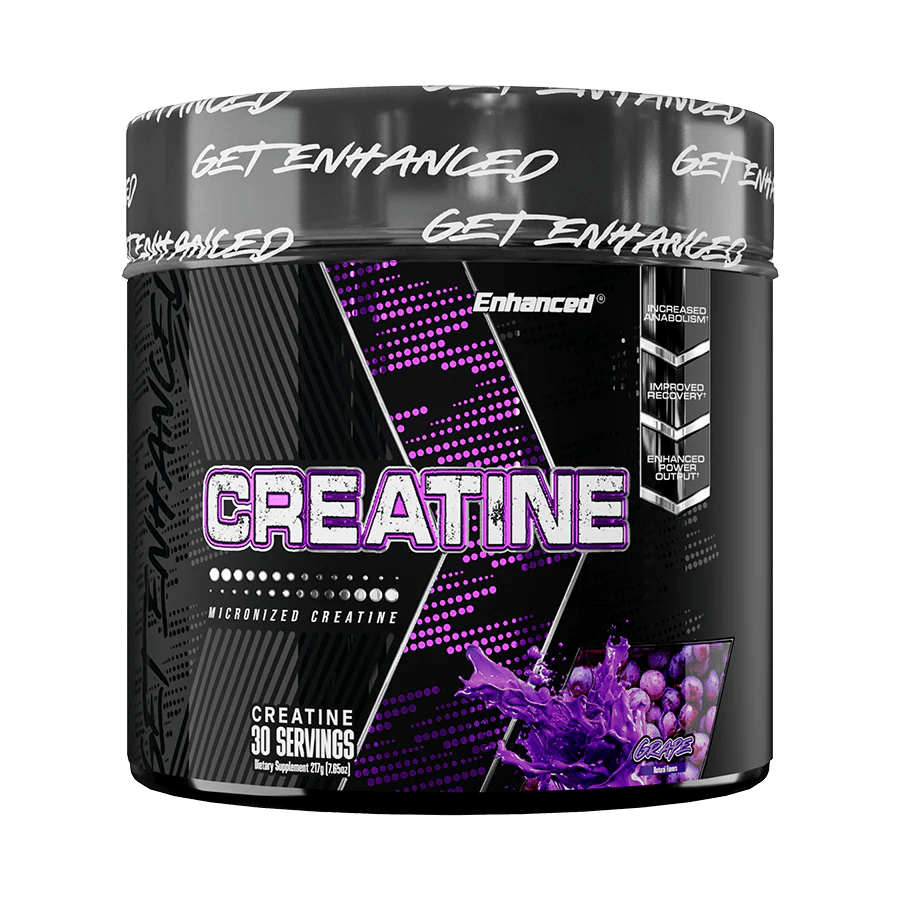
Looking to supercharge your morning coffee? Enhanced Labs Creatine Monohydrate blends seamlessly into coffee, offering a convenient and effective way to kickstart your day with both mental alertness and muscular performance. This high-quality supplement uses 100% micronized creatine monohydrate for superior absorption, making it an ideal choice for fitness enthusiasts who want to boost strength, recovery, and focus without adding extra steps to their routine.
Product Overview
🧪 Form: Micronized Powder (mixes easily into hot or cold beverages like coffee)
⚖️Dosage: 5g per scoop, daily
⏳ Cycle Duration: Typically 8–12 weeks
💰 Price: $35.99
🏋️♂️ Key Benefits: Enhanced muscle strength and energy, Quicker post-workout recovery, Boosted performance during high-intensity training, and Supports cognitive function—perfect for early-morning workouts or busy days
🧠 Best Stacks: For even better results, stack with whey protein for increased muscle mass, beta-alanine for endurance, or BCAAs for recovery (optional). These can be taken separately throughout the day or around your workouts
❤️ Side Effects: Generally well-tolerated, though a few users may notice mild bloating or stomach discomfort when first starting
🙋 User Feedback: Many users report enhanced mental and physical performance as well as faster recovery when incorporating creatine into their daily coffee ritual
Recommended DosageTable
| Product | Dosage 💊 | Administration 💉 | Timing ⌚ |
| Enhanced Labs Creatine Monohydrate | 5g/scoop | Mix with 8-10 ounces of water or coffee | Daily, preferably, post-workout |
Can Creatine be Mixed in Coffee?
To understand and appreciate why people combine creatine with coffee, it’s important to understand how each compound works:
- Creatine is a naturally occurring substance stored in your muscles. It helps regenerate ATP (adenosine triphosphate), your body’s primary energy currency, especially during short bursts of high-intensity activity like weightlifting or sprinting.
- Caffeine, found in coffee, is a stimulant that acts on the central nervous system. It improves focus, reduces perceived effort, and increases wakefulness and reaction time.
When taken together, these two supplements target different physiological systems: creatine supports muscular energy production, while caffeine enhances brain alertness and endurance capacity. For this reason, many fitness enthusiasts find blending creatine powder into their daily cup of coffee, an efficient, time-saving habit many athletes swear by.
Is It Safe and Effective?
Research on creatine and caffeine used together has produced mixed but largely favorable results. Early studies in the late 1990s suggested caffeine might blunt creatine’s effects on muscular power. However, more recent research indicates no significant negative interactions when the two are taken together in moderate doses.
Experts now agree that taking creatine with caffeine is generally safe, as long as:
- You stay well-hydrated (since both can alter water balance).
- You avoid high doses of caffeine (>400mg/day), which may lead to jitteriness or gastrointestinal discomfort.
- You don’t take both too close to bedtime, as caffeine can interfere with sleep.
Tips for Mixing Creatine in Coffee
If you decide to combine creatine with coffee:
- Let your coffee cool slightly before mixing in creatine to preserve its stability. Very hot liquids (above 60–70°C) may degrade some of the creatine over time.
- Use micronized creatine monohydrate, which dissolves more easily and has a finer texture.
- Stir thoroughly to avoid gritty residue at the bottom of your cup.
Mixing creatine into coffee is both safe and potentially beneficial, merging the power of two well-researched supplements into one efficient dose. While individual responses may vary, this combo can support enhanced focus, improve exercise performance, and boost energy when used strategically. For best results, experiment with timing, temperature, and hydration to find what works best for your routine.
Benefits of Adding Creatine in Coffee
Combining creatine with coffee offers a powerful synergy that can elevate both physical and mental performance. When creatine is added to a caffeine-rich cup, users often experience:
Enhanced Strength, Power & Endurance
Creatine increases intramuscular phosphocreatine stores, boosting ATP regeneration for swift, high-intensity efforts like sprinting or lifting. Caffeine, by stimulating the central nervous system, sharpens focus and sustains endurance. A systematic review found that when caffeine (~5–7 mg/kg) is taken about one hour after a creatine loading phase, performance often improves more than with creatine alone.
Mental Clarity & Focus
Caffeine blocks adenosine receptors, enhancing alertness, reaction speed, and mood. Simultaneously, creatine supports brain energy stores, improving cognitive tasks, especially under stress or sleep deprivation.
Simplified Routine
Mixing creatine into coffee streamlines supplement intake by combining two frequent habits, your morning caffeine boost and your creatine dose, into one convenient ritual.
Potential Fatigue Resistance
This combo can help delay both mental and physical fatigue. Creatine sustains cellular energy, while caffeine enhances vitality and suppresses tiredness, offering endurance benefits during workouts or demanding tasks
Side Effects: The Potential Downside
While mixing creatine into coffee might seem convenient, it’s important to understand several potential downsides, especially when timing, dosage, or hydration aren’t managed carefully.
Digestive Discomfort
Taking creatine and caffeine together can increase the risk of gastrointestinal upset. Creatine may draw additional water into the intestines, while caffeine stimulates gut motility and acid production. Combined, this can result in bloating, cramps, nausea, or diarrhea, particularly during high-dose loading phases or on an empty stomach.
Hydration and Fluid Balance Issues
Caffeine acts as a mild diuretic, increasing urine output, while creatine promotes water retention in muscles. This opposing effect on hydration can raise the risk of dehydration if fluid intake is not sufficient, especially during physical activity or hot weather.
Possible Blunted Creatine Effects During Loading
Scientific reviews indicate that chronic caffeine intake during creatine loading (e.g., taking caffeine daily while consuming ~0.3 g/kg/day creatine for several days) may interfere with the performance benefits typically seen with creatine loading. Conversely, consuming caffeine after the loading phase appears to preserve or even enhance those benefits.
Opposing Effects on Muscle Relaxation
Creatine tends to decrease muscle relaxation time, helpful for high power output, whereas caffeine may increase it. These conflicting effects could theoretically reduce the efficiency of muscle contractions when both are used together during phases of intense exercise.
Jitters, Anxiety & Sleep Disturbance
High caffeine intake can lead to jitters, restlessness, and insomnia—particularly when consumed later in the day. Combining caffeine and creatine does not mitigate these effects, and for sensitive individuals, may amplify them.
Individual Variability in Response
People respond differently to the combination of monohydrate powder and caffeine. While some experience no issues, others may have noticeable GI discomfort, hydration imbalance, or reduced performance, even at moderate doses. This variability underscores the importance of individual experimentation and cautious monitoring.
Other Creatine‑Specific Effects
Creatine supplementation alone may cause temporary body weight gain due to water retention, mild digestive discomfort, or occasional muscle cramps. These effects are usually managed through proper hydration and dose adjustments and are most notable during the loading phase.
Things to Keep in Mind
- Hydration matters: Creatine promotes water retention in muscles, whereas caffeine is a diuretic—staying well hydrated is essential .
- Timing is key: Best results occur when caffeine is taken after creatine loading, not simultaneously during the loading phase
- Monitor tolerance: Starting with moderate doses—e.g., 3–5 g of creatine and a standard cup of coffee—allows you to assess your response without overloading.
Conclusion
Mixing creatine in coffee presents a practical and potentially powerful way to combine the physical energy boost of phosphate-loaded creatine with the mental sharpness of caffeine. When timed correctly, particularly with caffeine taken after a creatine-loading phase, this combo may support enhanced energy, power, and cognitive clarity without impairing creatine’s full potential.
However, combining these two supplements isn’t without risk. Some studies suggest that daily caffeine intake during creatine loading may blunt ergogenic benefits, while the duo may exacerbate digestive issues and affect hydration balance if fluids and timing aren’t managed.
Ultimately, adding creatine to your daily caffeine fix can be a smart, time-saving strategy. For many, it supports better focus, increased energy, and improved workout output. To get the most from this blend, be strategic about timing, hydrate consistently, and adapt based on your body’s response.
FAQs
What happens if I mix creatine with coffee every day?
Mixing creatine with coffee is generally safe and may combine the strength and energy benefits of both, but daily use, especially during creatine loading could slightly reduce creatine’s full performance benefits according to some studies.
Will creatine get destroyed by hot coffee?
Hot coffee may degrade a small amount of creatine, but the impact is minimal. Using lukewarm or cooled coffee helps preserve full potency.
Can combining caffeine and creatine cause stomach upset?
Yes, combining caffeine’s digestive stimulation with creatine’s water retention in the gut can lead to cramps, bloating, or diarrhea in sensitive individuals.
Could adding creatine to coffee dehydrate me?
Possibly, creatine pulls water into muscle cells while caffeine mildly increases urine output. If you don’t increase water intake, dehydration risk rises with this combo.
Is the creatine-and-coffee combo more effective than taking them separately?
The evidence is mixed: acute caffeine after creatine loading can boost performance, but chronic concurrent intake during loading may blunt creatine’s gains. Timing them separately may yield the best overall results.