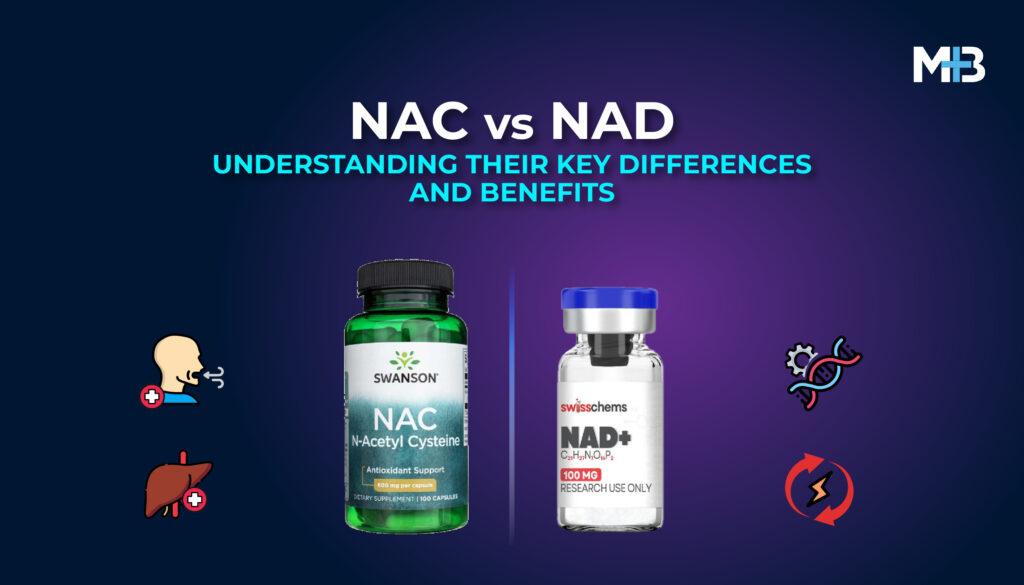
NAC vs NAD: What’s the Difference?
The main difference between NAC and NAD is that NAC is an antioxidant that helps the body make glutathione, while NAD is a coenzyme that fuels cellular energy and repair.
NAC, a potent antioxidant, is renowned for its ability to replenish glutathione levels, aiding in detoxification and supporting respiratory and liver health. Conversely, NAD is a crucial coenzyme involved in energy metabolism, DNA repair, and cellular maintenance.
As you age, NAD levels naturally decline, leading to various health challenges. Supplementing with NAD precursors like Nicotinamide Riboside (NR) or Nicotinamide Mononucleotide (NMN) has shown promise in restoring these levels and promoting overall wellness.
Key Takeaways
- NAC (N-Acetyl Cysteine) is a powerful antioxidant precursor promoting glutathione production, immune health, detox support, and respiratory function. 🛡️
- NAD (Nicotinamide Adenine Dinucleotide) is a central coenzyme in cellular energy production, DNA repair, and anti-aging pathways. ⚡
- While NAC provides defense, NAD powers cellular vitality; together, they form a potent synergy. 🔗
- Appropriate timing and understanding of each supplement’s mechanism are crucial for safety and effectiveness. ⏱️
- It is important to consult a qualified healthcare professional before starting any supplement, as clinical guidance is crucial for safety. 👨⚕️

What is NAC?
N-Acetylcysteine (NAC) is a derivative of the amino acid cysteine that serves as a powerful antioxidant precursor—essentially fueling the production of glutathione, one of the body’s most potent antioxidants responsible for protecting cells from oxidative damage and stress.
It helps reduce oxidative stress and inflammation, making it particularly valuable for respiratory health, especially in conditions like chronic obstructive pulmonary disease (COPD), by loosening mucus and mitigating inflammation.
With its inherent antioxidant properties, NAC can help protect cells from damage and support overall health and wellness.
Clinically, NAC is used to support liver function, particularly as an antidote to acetaminophen (paracetamol) overdose, by replenishing glutathione and preventing toxin-induced liver injury.
NAC is an easily accessible supplement and is widely available again after temporary regulatory restrictions in the U.S. and used to replenish glutathione levels, thereby boosting immune health and supporting overall wellness.
Mechanism of Action

Boosting Glutathione Production
NAC serves as a precursor to cysteine, which is the rate-limiting substrate needed for glutathione synthesis. Elevated glutathione levels enhance the body’s antioxidant defense systems and help maintain a balanced cellular redox environment.
Antioxidant and Anti-Inflammatory Effects
Through increasing glutathione, NAC helps neutralize reactive oxygen species (ROS) and reduce inflammation by decreasing pro-inflammatory markers like TNF-α and interleukins via modulation of NF-κB activity.
Mucolytic Action and Respiratory Support
NAC exhibits mucolytic properties that break down mucus in the airways, aiding respiratory clearance. In conditions such as COPD, NAC use has been shown to reduce exacerbations and respiratory symptom severity.
Liver Protection and Detoxification
In cases of acetaminophen overdose or other toxic insults, NAC restores depleted glutathione, enabling the neutralization of harmful metabolites, such as NAPQI, thus preventing liver cell damage.
What is NAD?
Nicotinamide Adenine Dinucleotide (NAD⁺) is a crucial coenzyme present in every living cell, serving as a central player in metabolic and regulatory processes. It’s best known for its ability to shuttle electrons, acting as a key redox coenzyme in the production of cellular energy (ATP), and as a co-substrate for enzymes involved in DNA repair, epigenetic regulation, and cell signaling.
As you age, NAD⁺ levels naturally decline, and this is closely linked to mitochondrial dysfunction, impaired DNA repair, decreased cellular resilience, and the onset of age-associated conditions, ranging from cognitive decline to metabolic disorders.
Because of its widespread roles, NAD⁺ has emerged as a promising target for promoting healthy aging. Many researchers believe that restoring NAD⁺ levels could help enhance energy metabolism, support cognitive function, and improve overall cellular health.
To boost NAD⁺ levels safely and effectively, most people rely on precursor compounds, nicotinamide riboside (NR) and nicotinamide mononucleotide (NMN), which the body converts into NAD⁺.
These precursors currently represent the most viable route to elevate cellular NAD⁺ and are widely used in research and practical supplementation strategies.
Mechanism of Action
Redox Reactions & Energy Production
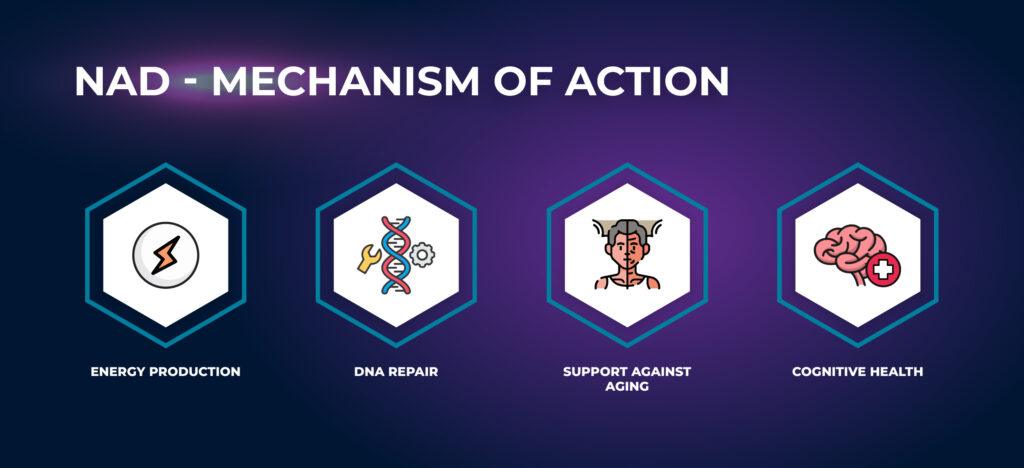
NAD⁺ alternates between its oxidized (NAD⁺) and reduced (NADH) forms to shuttle electrons during metabolic pathways such as glycolysis, β-oxidation, and the citric acid cycle. NADH then donates electrons in the mitochondrial electron transport chain, driving ATP synthesis. The NAD⁺/NADH balance is vital for maintaining cellular energy and metabolic homeostasis. ([turn0search15], [turn0search24])
DNA Repair & Gene Regulation
NAD⁺ serves as a substrate for several enzyme classes:
- PARPs (Poly ADP-ribose polymerases): play essential roles in DNA repair.
- Sirtuins: NAD⁺-dependent deacetylases that regulate gene expression, mitochondrial function, and longevity pathways.
- CD38: Involved in cellular signaling processes, including calcium regulation and immune function.
Support Against Aging & Age-Related Diseases
Research strongly supports the idea that a decline in NAD⁺ contributes to genomic instability, mitochondrial failure, and cellular senescence—hallmarks of aging. Restoring NAD⁺ through lifestyle or supplementation has been shown to rejuvenate tissue functions and may delay the progression of various age-related diseases.
Metabolic & Cognitive Health
In animal studies, elevating NAD⁺ levels through NMN supplementation improved cognitive health, enhanced mitochondrial function, reduced inflammation, and extended lifespan. This supports the hypothesis that targeting NAD⁺ metabolism offers a potent intervention for metabolic health and cellular resilience.
NAC vs NAD: Key Differences
While their acronyms might be easy to mix up, NAC (N-Acetyl Cysteine) and NAD⁺ (Nicotinamide Adenine Dinucleotide) serve entirely different but equally vital functions in your body’s cellular health. NAD⁺ fuels energy, supports DNA repair, and promotes longevity, whereas NAC primarily strengthens your antioxidant defense and aids detoxification. Understanding what sets these two apart is essential for choosing the right supplement strategy to match your wellness goals, whether you’re optimizing energy, supporting detox, or enhancing longevity.
Chemical Nature & Role
NAC is an amino acid derivative, specifically N-acetylcysteine, that supports antioxidant defense by promoting glutathione synthesis.
NAD, on the other hand, is a coenzyme (derived from vitamin B₃) essential for cellular redox reactions and metabolic regulation.
Primary Function
NAC acts as an antioxidant and detoxifier by boosting glutathione and helping clear harmful compounds.
NAD powers cellular energy production, supports DNA repair, and activates longevity pathways like sirtuins.
Health Focus
Both have their specialised areas of performance. NAC shines in areas like respiratory health, liver protection, and mood/immune support.
Whereas NAD is geared toward enhancing anti-aging, cognitive function, metabolic health, and cellular vitality
Supplement Delivery
NAC is typically taken directly as a capsule, powder, or injectable and absorbed systemically.NAD⁺ itself has poor oral bioavailability, so most people increase levels through precursors like nicotinamide riboside (NR) or nicotinamide mononucleotide (NMN). Direct NAD⁺ is mainly used in clinical or research settings, while NMN and NR are widely available as supplements.
Cellular Distribution
NAC, once processed, contributes broadly as cysteine throughout your body, especially in the liver.
On the other hand, NAD works at a cellular level, fueling mitochondria, supporting nuclear DNA repair, and maintaining metabolic balance.
Testing & Tracking
NAC’s effect is often inferred through glutathione levels, which are measurable but may not fully reflect availability in all tissues.
NAD levels require specialized intracellular testing (like NAD+/NADH redox profiling) to accurately reflect cellular metabolic status.
NAC vs NAD: How do they work synergistically?
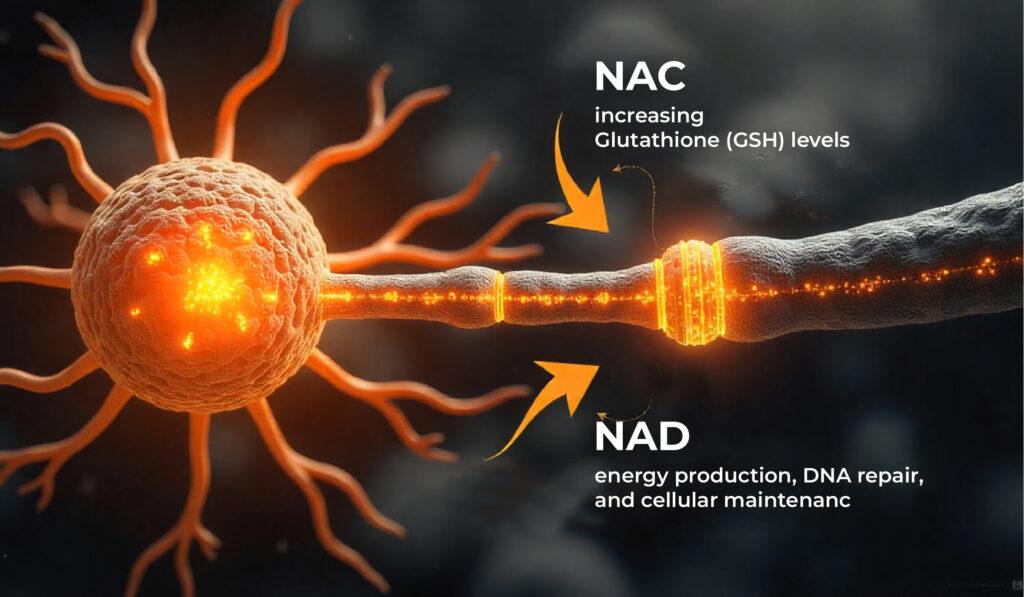
NAC and NAD may work hand in hand to support stronger, healthier cells. NAD⁺ provides the fuel for energy production and DNA repair, while NAC strengthens the body’s antioxidant defenses. Together, they form a complementary duo:
- NAD energizes the cell by powering mitochondrial ATP production, activating sirtuins, and supporting DNA repair.
- NAC protects the cell by replenishing glutathione, reducing oxidative stress, and calming inflammation.
This pairing is especially useful for those managing high stress, aging-related decline, or demanding physical performance.
How To Supplement NAC and NAD?
Here are the recommended dosages o maximize the benefits of NAC and NAD supplementation:
- NAC (N‑Acetylcysteine): For oral supplementation, take 600–1,200 mg daily, preferably on an empty stomach, either 30 minutes before or 2 hours after your meal to enhance absorption and effectiveness.
- NAD Precursors (NR or NMN): For general supplementation, NAD⁺ precursors like NMN or NR are commonly taken orally in doses of 250–500 mg daily. Injectable NAD⁺ protocols exist but are used under medical supervision in clinical settings.
Important Note: These dosages are general guidelines. Individual requirements may vary based on health status, age, and specific treatment goals. Always consult with a healthcare professional before initiating any supplementation regimen.
Where To Buy NAD+?
NAD+
NAD+ (Nicotinamide Adenine Dinucleotide) is a naturally occurring coenzyme found in every living cell. It plays a critical role in redox reactions, acting as an electron carrier in key metabolic processes such as glycolysis, the citric acid cycle, and oxidative phosphorylation.
What makes NAD+ so essential is its dual form: oxidized (NAD⁺) and reduced (NADH). This balance allows it to function as a core driver of cellular energy production and biochemical reactions tied to metabolism, DNA repair, and longevity research.
In experimental settings, NAD+ is studied for its potential links to improved mitochondrial function, healthier aging, and enhanced recovery at the cellular level. Because NAD+ levels naturally decline with age, it has become a key focus in longevity and biohacking research circles.
Disclaimer: This content is for informational purposes only. NAD+ has not been approved for medical use by the FDA or other regulators. Products are sold strictly for laboratory research use only and are not for human consumption.
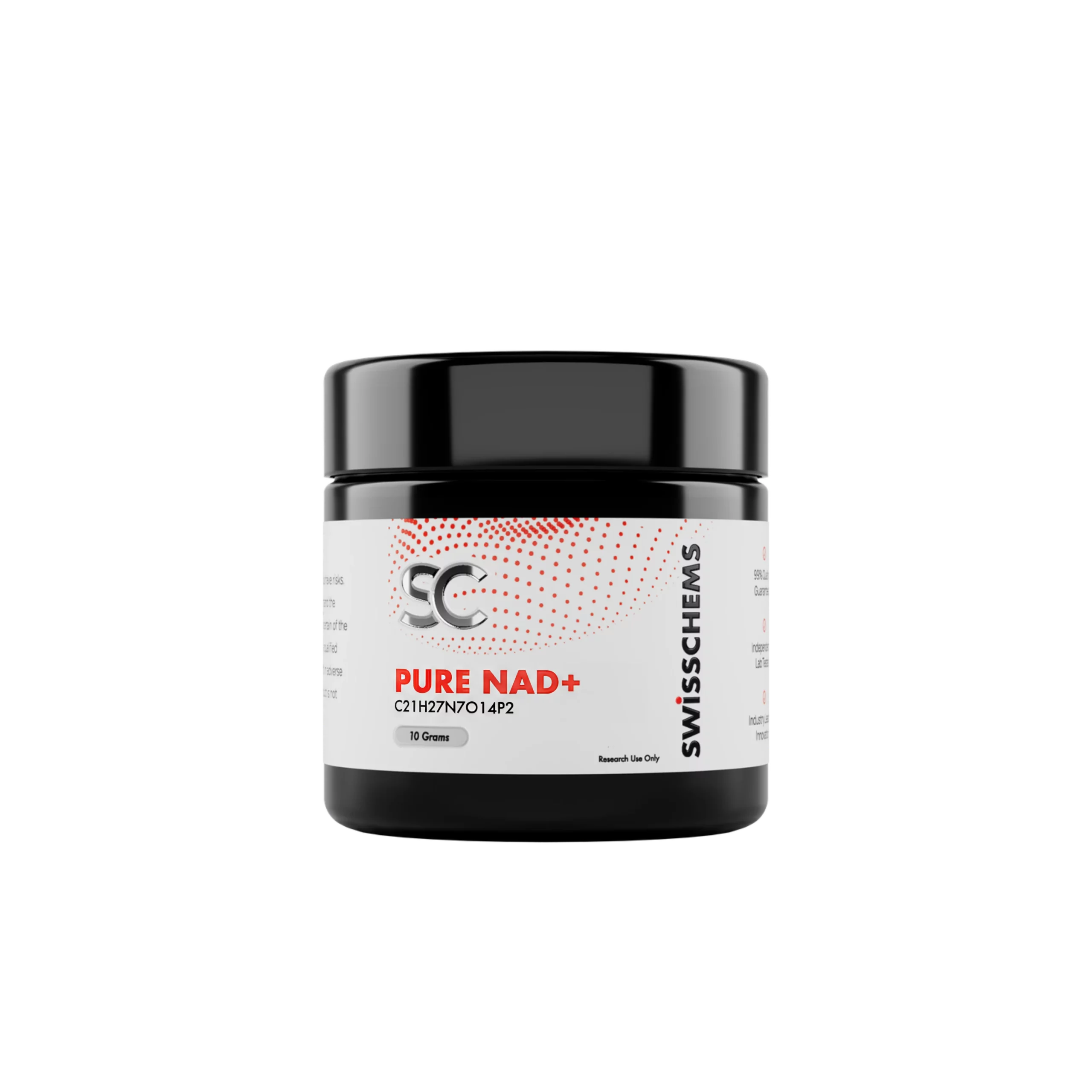
NAD+ Overview
⭐ Top Benefits (Research Context): Supports cellular energy production, promotes DNA repair processes, studied for longevity applications
🧪 Form: Powder (10 grams per container)
⌛ Shelf Life: 36 months (if stored properly)
💰 Average Cost: $39.99 per 10g container
❤️🩹 Side Effects: Not studied for human consumption; safety data limited to laboratory research
📚 Best Stack (Research Use): Often investigated alongside NMN (Nicotinamide Mononucleotide), NR (Nicotinamide Riboside), or other NAD+ precursors for synergistic metabolic effects
Copy Brawn10 for 10% off
- Central coenzyme in cellular metabolism
- Studied for mitochondrial support and healthy aging
- Declines naturally with age, driving longevity research interest
- Side effects may include headaches, fatigue, nausea, or muscle pain
- Not FDA-approved for human use
- For laboratory research only; long-term human data unavailable
Benefits of NAC vs NAD
N-Acetylcysteine (NAC) and Nicotinamide Adenine Dinucleotide (NAD) are both vital compounds that support various aspects of cellular health and overall wellness. While they function differently within the body, their combined effects can enhance physiological processes and promote longevity.
NAC: Antioxidant and Detoxification Support
NAC is a precursor to glutathione, one of the body’s most potent antioxidants. By boosting glutathione levels, NAC helps neutralize free radicals, reduce oxidative stress, and support liver detoxification processes. This makes it beneficial for individuals exposed to environmental toxins or those seeking to support their body’s natural detox pathways.
NAD: Cellular Energy and Repair
NAD is essential for energy production within cells, particularly in the mitochondria. It plays a crucial role in metabolic processes, DNA repair, and maintaining mitochondrial function.
As NAD levels naturally decline with age, supplementation with NAD precursors like Nicotinamide Riboside (NR) or Nicotinamide Mononucleotide (NMN) can help restore these levels, potentially improving energy metabolism and supporting healthy aging.
Synergistic Benefits of Combining NAC and NAD
While NAC and NAD serve distinct functions, their combined supplementation may offer synergistic benefits. NAC’s antioxidant properties can protect cells from oxidative damage, while NAD’s role in energy production and repair processes supports overall cellular function. Together, they may enhance metabolic health, support immune function, and promote longevity.
Incorporating both NAC and NAD precursors into a wellness regimen may provide comprehensive support for cellular health and overall well-being. However, it’s essential to consult with a healthcare provider before starting any new supplement regimen to ensure safety and appropriateness for individual health needs.
Alternatives to NAC and NAD
In case you don’t know where you stand on the NAC vs NAD debate, there are other options that may provide similar benefits. These alternatives can sometimes be easier to access, more affordable, or better suited to individual needs.
Glutathione Supplements
Since NAC is mainly valued for boosting glutathione, some people choose to take glutathione directly. Liposomal glutathione or acetylated glutathione forms tend to have better absorption compared to standard capsules.
Vitamin B3 (Niacin, NR, and NMN)
NAD itself is difficult to absorb when taken directly, so precursors are often used. Niacin (vitamin B3), nicotinamide riboside (NR), and nicotinamide mononucleotide (NMN) all help the body naturally increase NAD⁺ levels, supporting energy and repair pathways.
Alpha-Lipoic Acid (ALA)
ALA is another antioxidant that helps regenerate other antioxidants, including glutathione. It supports mitochondrial energy production and may complement or substitute for NAC in promoting cellular defense.
Coenzyme Q10 (CoQ10)
CoQ10 supports mitochondrial function and energy production, similar to NAD’s role in fueling cellular vitality. It’s often used for heart health and general energy support.
Lifestyle Approaches
Not all alternatives come in supplement form. Regular exercise, good sleep, and a diet rich in antioxidant-rich foods (like berries, leafy greens, and cruciferous vegetables) can naturally boost glutathione and support healthy NAD⁺ levels.
Considerations and Safety: NAC vs NAD
When considering supplementation with NAC or NAD, be aware of potential side effects, interactions, and safety considerations. While both supplements offer health benefits, understanding their proper use is crucial.
NAC
- Potential Side Effects: Common side effects of NAC include gastrointestinal issues such as nausea, vomiting, diarrhea, and abdominal discomfort.
- Allergic Reactions: Some individuals may experience allergic reactions, including rash, itching, or swelling.
- Drug Interactions: NAC may interact with certain medications, including nitroglycerin, increasing the risk of side effects.
- Pre-existing Conditions: Individuals with asthma or a history of gastrointestinal ulcers should use NAC with caution.
NAD
- Potential Side Effects: Some users report mild side effects such as nausea, diarrhea, or stomach discomfort, especially when taken on an empty stomach.
- Allergic Reactions: Allergic reactions to NAD supplements are rare but can occur.
- Pre-existing Conditions: Individuals with liver or kidney issues should consult a healthcare provider before using NAD supplements.
- Pregnancy and Breastfeeding: Due to limited safety data, NAD supplements are not recommended during pregnancy or breastfeeding.
General Recommendations
- Consult Healthcare Providers: Before starting any new supplement regimen, especially if you have underlying health conditions or are taking other medications.
- Monitor for Side Effects: Be vigilant for any adverse reactions and discontinue use if necessary.
- Quality Assurance: Choose supplements from reputable sources to ensure quality and purity.
Conclusion
N-Acetylcysteine (NAC) and Nicotinamide Adenine Dinucleotide (NAD) each play important roles in cellular health.
NAC works mainly as an antioxidant, helping the body fight oxidative stress, support detoxification, and protect overall function.
NAD, on the other hand, is critical for energy production, DNA repair, and healthy metabolism — though levels naturally decline with age.
Supplementing with NAD precursors like NR or NMN can help restore these levels and support performance and longevity.
Taken together, these two compounds may complement one another instead of forcing you to choose between NAC vs NAD: NAC protects cells, while NAD drives energy and repair. The result is stronger cellular function, better resilience, and potential benefits for long-term health.
That said, supplementation should be done carefully. Always consult a healthcare professional before starting, especially if you have existing health conditions or take medication. With the right approach, NAC and NAD can be valuable additions to a well-rounded health plan.
FAQs
Can NAC and NAD be taken together?
Yes, timing matters: NAD with food in the morning, NAC on an empty stomach later.
Which is better for anti-aging—NAC or NAD?
NAD supports energy, repair, and longevity directly. NAC defends against oxidative stress. For anti-aging, NAD is foundational, but NAC enhances resilience.
Are there any side effects?
NAC may cause mild digestive symptoms or a sulfur odor. NAD precursors may cause transient nausea or flushing. Both are generally safe when used correctly.
What forms of NAD are most effective?
Oral precursors like NMN and NR are common. High-quality supplements or IV/injectables offer better absorption—but require supervision.
Is NAC safe during pregnancy?
NAC has been used clinically with good safety data, but always consult your healthcare provider first.