What Is Vascularity?
Vascularity refers to the visibility of veins and blood vessels beneath the skin — a trait often linked with muscularity, leanness, and peak physical conditioning. Beyond aesthetics, improved vascularity indicates enhanced blood flow, circulation, and cardiovascular health.
Several key factors determine how visible your veins appear, including genetics, body fat percentage, and muscle mass. Generally, lower body fat and greater muscle development make veins more pronounced and defined.
Achieving a lean, vascular look comes down to nutrition, exercise, and lifestyle habits. A balanced diet rich in nitrate-containing foods (like beets and leafy greens), regular resistance training, and consistent cardiovascular activity all help enhance blood flow and vein visibility.
Understanding these factors and applying them strategically is the foundation for developing a vascular, healthy, and well-conditioned physique.
Key Takeaways
- Lower body fat and more muscle make veins stand out and boost vascularity. 💪
- Eat nitrate-rich foods like beets and spinach to improve blood flow naturally. 🥬
- Combine resistance training and HIIT to enhance circulation and definition. 🏋️♂️
- Stay hydrated, manage stress, and get enough sleep for better vascular health.💧
- Use supplements like creatine and L-citrulline to support muscle pumps and endurance. ⚡

What Are Factors That Affect Vascularity?

Several factors determine how visible your veins appear, including body fat percentage, muscle mass, blood flow, and genetics.
Body fat percentage plays the biggest role. Lower body fat levels make veins more noticeable by reducing the layer of fat beneath the skin. Maintaining a calorie deficit through proper nutrition and regular exercise helps reveal more definition over time.
Muscle mass also influences vascularity. As your muscles grow, they push veins closer to the surface of your skin. Incorporating resistance training and a protein-rich diet supports muscle development and improves vascular appearance.
Blood flow and blood pressure contribute as well. Increased circulation and healthy blood pressure levels help veins appear fuller and more defined. Regular physical activity and a balanced diet rich in heart-healthy foods can promote both.
Lastly, genetics play a role in how easily your veins show. While you can’t change your genetic makeup, lifestyle factors like consistent training, proper hydration, and maintaining a lean physique can help maximize your vascular potential.
Diet and Nutrition
Your diet plays a major role in how vascular your body appears and how efficiently your circulatory system functions. A well-balanced, nutrient-rich diet supports both muscle development and healthy blood flow, which are key for visible veins.
Including nitrate-rich foods like beetroot, spinach, and other leafy greens can significantly enhance vascularity. These foods increase nitric oxide production, which helps dilate blood vessels and improve circulation.
Maintaining a proper balance of protein, carbohydrates, and healthy fats is essential for building lean muscle and reducing body fat. A moderate calorie deficit can help reveal more definition and make veins more prominent.
Hydration is equally important. Drinking enough water keeps blood volume high and prevents the flat, “dehydrated” look that reduces vascularity.
Lastly, limiting excess sugar and saturated fats helps reduce inflammation and support overall vascular health. By following a clean, balanced diet and staying consistent, you’ll not only enhance vein visibility but also improve your overall fitness and cardiovascular function.
How Does Exercise Improve Vascularity?

Regular exercise is one of the most effective ways to enhance vascularity, as it promotes muscle growth, fat loss, and improved blood circulation.
Resistance training plays a key role by building muscle and increasing blood flow to targeted areas. Exercises that focus on specific muscle groups such as bicep curls, tricep extensions, squats, and leg presses help push blood toward the muscles, making veins more visible over time.
Cardiovascular exercise like running, cycling, or rowing also supports vascularity by improving heart health and reducing overall body fat, which helps veins appear closer to the skin’s surface.
In addition, high-intensity interval training (HIIT) can be particularly effective. By combining short bursts of intense effort with brief recovery periods, HIIT boosts circulation, burns fat, and enhances nitric oxide production, all of which contribute to better vein visibility.
Combining regular exercise with a balanced diet and proper hydration helps maximize vascularity while supporting overall health and performance.
What Is Blood Flow Restriction Training and How Does It Improve Vascularity?

Blood flow restriction training (BFRT) is a technique that involves limiting blood flow to the muscles during exercise to enhance muscle growth, strength, and vascularity. This is typically done using cuffs or elastic bands that gently restrict venous blood flow while allowing arterial flow to continue.
BFRT can be especially beneficial for individuals who are new to training or have limited mobility, as it allows for muscle stimulation using lighter weights while still promoting significant growth and circulation improvements. The increased blood flow during and after training contributes to greater vascular development and vein visibility.
It is important to perform BFRT under the guidance of a qualified trainer or healthcare professional to ensure proper technique and safety. Incorrect application can increase the risk of injury or restrict circulation too severely.
BFRT can also be incorporated into a comprehensive fitness plan alongside resistance training and cardio. When used safely and consistently, it can help improve vascularity, muscle tone, and overall cardiovascular health.
How Can You Reduce Body Fat to Improve Vascularity?
Reducing body fat is one of the most effective ways to make veins more visible and enhance vascularity. This can be achieved through a balanced combination of diet, exercise, and lifestyle habits.
Maintaining a calorie deficit—consuming slightly fewer calories than your body burns each day—helps lower body fat and reveal more definition. Most people notice increased vascularity when reaching around 10–15% body fat, depending on genetics and muscle mass.
Including both high-intensity interval training (HIIT) and strength training in your fitness routine can accelerate fat loss while preserving muscle. These forms of exercise boost metabolism, increase muscle density, and support long-term body composition improvements.
In addition, getting adequate sleep and managing stress are essential for regulating hormones that influence fat storage. Poor sleep and chronic stress can raise cortisol levels, making it harder to lose fat and maintain lean muscle.
By combining proper nutrition, consistent training, and recovery, you can effectively reduce body fat and achieve a more vascular, defined physique.
How Can Lifestyle Changes Help Improve Vascularity?
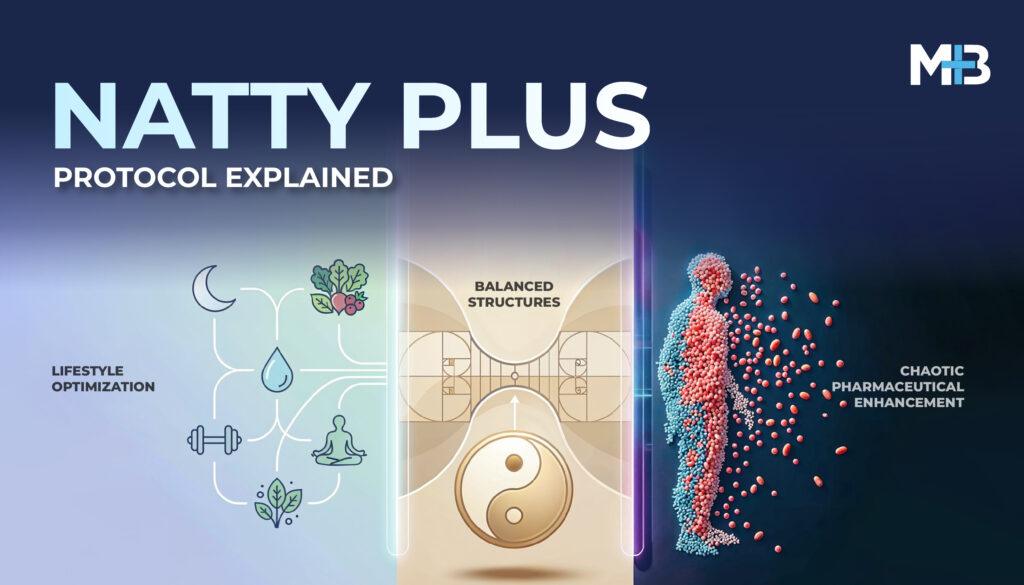
Simple lifestyle changes can make a significant difference in improving vascularity and overall circulation. Habits such as quitting smoking and reducing stress can greatly enhance blood flow, as both smoking and chronic stress cause blood vessels to constrict, reducing vein visibility and cardiovascular efficiency.
Getting regular exercise and maintaining a healthy weight also play a major role. Consistent physical activity helps lower inflammation, improve circulation, and support the heart and vascular system, all of which contribute to more prominent veins.
Incorporating stress-management practices like meditation, deep breathing, or yoga can further promote relaxation and increase blood flow throughout the body. These techniques help counteract the negative effects of stress on vascular health.
Finally, ensure you get enough sleep and maintain a balanced diet rich in whole, nutrient-dense foods. Proper rest and nutrition help regulate hormones, reduce inflammation, and support the processes that make veins more visible and your body healthier overall.
What Are Supplements That Can Help Increase Vascularity?
Certain supplements can enhance vascularity by boosting nitric oxide production, improving blood flow, and supporting muscle fullness. While diet and training are the foundation, these supplements can provide an extra edge when used correctly.
L-Citrulline and L-Arginine
L-Citrulline and L-Arginine are both amino acids are precursors to nitric oxide, a molecule that widens blood vessels and improves circulation. This leads to greater muscle pumps, increased endurance, and enhanced vein visibility during workouts.
L-Citrulline
L-Citrulline is a naturally occurring amino acid that plays a key role in nitric oxide production, which helps dilate blood vessels, improve circulation, and enhance overall vascularity. It’s known as one of the most effective supplements for achieving powerful muscle pumps, increased endurance, and improved exercise performance.
What sets L-Citrulline apart is its ability to boost nitric oxide levels more efficiently than arginine itself, leading to better blood flow, enhanced nutrient delivery, and reduced muscle fatigue during intense workouts.
This supplement supports both aesthetic and performance goals, giving muscles a fuller, more vascular appearance while also promoting cardiovascular health and stamina. Many athletes and fitness enthusiasts use L-Citrulline pre-workout to enhance endurance, pump, and recovery.
L-Citrulline is often combined with creatine, beta-alanine, or nitric oxide boosters like agmatine for synergistic effects. It’s typically taken 30–45 minutes before training for optimal results.
Disclaimer: This content is for informational purposes only. While L-Citrulline is well-studied for its performance and circulation benefits, always consult a healthcare professional before beginning any supplementation regimen.
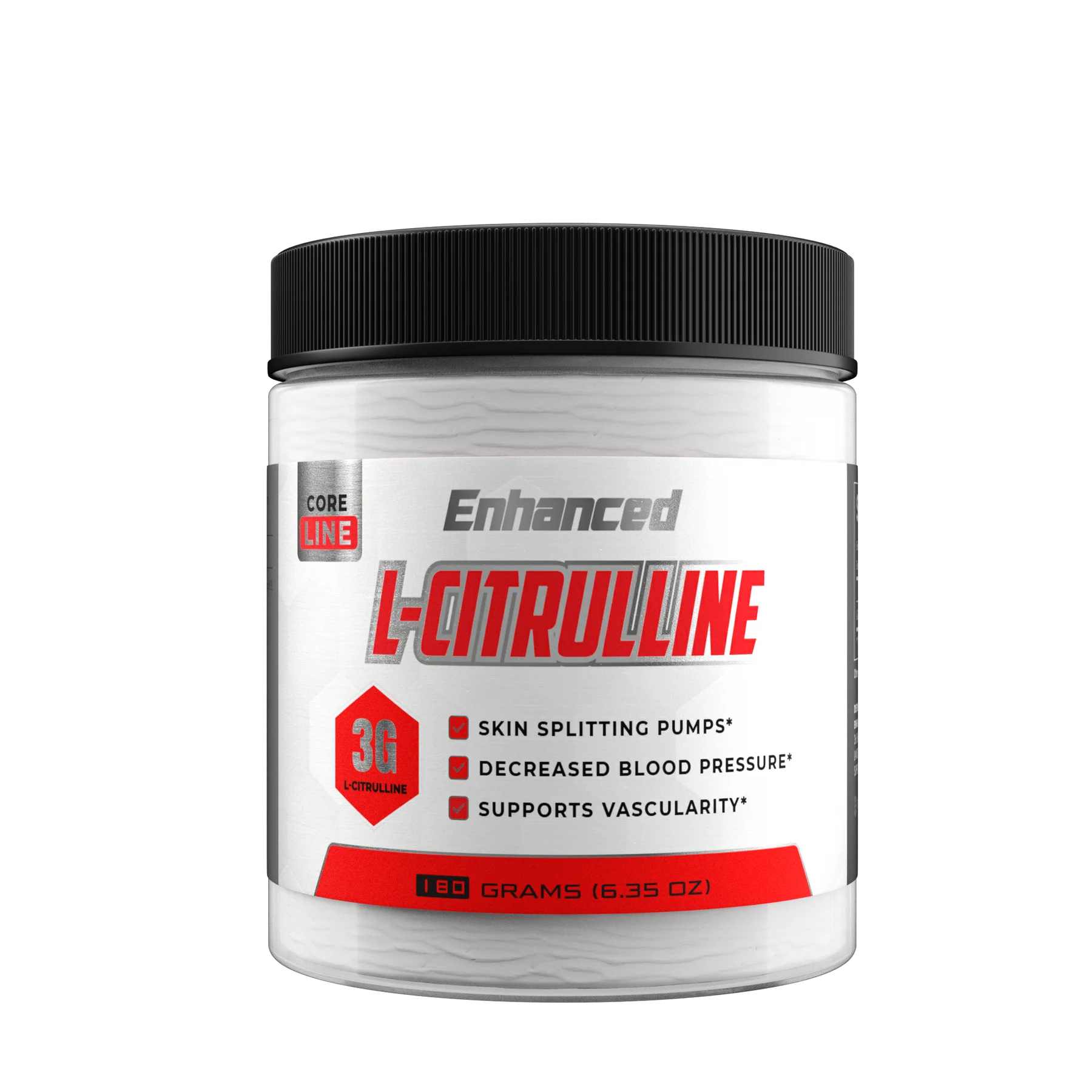
L-Citrulline Overview
⭐ Top Benefits: Enhanced vascularity and muscle pumps, improved endurance, better recovery, supports heart health
🧪 Form: Powder (commonly pure L-Citrulline or malate form for increased absorption)
⌛ Max Time Used: Safe for long-term daily use; often used continuously for performance maintenance
💰 Cost: $22.79
❤️🩹 Side Effects: Generally well tolerated; possible mild stomach upset at higher doses
📚 Best Stack: Often paired with creatine, agmatine sulfate, or beta-alanine for amplified nitric oxide production and performance benefits
Copy Brawn10 for 10% off
- Enhances blood flow and vascularity by increasing nitric oxide production, leading to better pumps and endurance during workouts.
Improves exercise performance and recovery, reducing fatigue and supporting sustained training intensity.
Supports cardiovascular health by promoting healthy circulation and helping regulate blood pressure levels.
- May cause mild stomach discomfort in some users, especially at higher doses or when taken on an empty stomach.
- Results are gradual, requiring consistent use over time rather than providing an immediate performance boost.
- Limited standalone effects. It works best when combined with other supplements like creatine, beta-alanine, or nitrates for optimal results.
Creatine Monohydrate
Creatine monohydrate is a naturally occurring compound made from three amino acids: arginine, glycine, and methionine. It plays a central role in the body’s energy system by helping regenerate ATP, the primary fuel source for short, high-intensity bursts of activity.
What makes creatine monohydrate stand out is its simplicity and effectiveness. It increases intramuscular creatine stores, leading to greater strength, power output, and endurance during training, all without altering hormone levels.
This supplement is widely used for its ability to support muscle growth, enhance recovery, and improve performance in resistance training and explosive sports. Many athletes and fitness enthusiasts also notice fuller muscle appearance due to increased water retention within the muscle cells.
Creatine monohydrate is often stacked with protein powders, beta-alanine, or carbohydrate sources to maximize uptake and performance benefits. It’s usually taken daily, either through a short loading phase of higher doses followed by maintenance, or simply as a consistent lower daily dose.
Disclaimer: This content is for informational purposes only. While creatine monohydrate is one of the most researched and widely used sports supplements, always consult a healthcare professional before beginning any supplementation protocol.
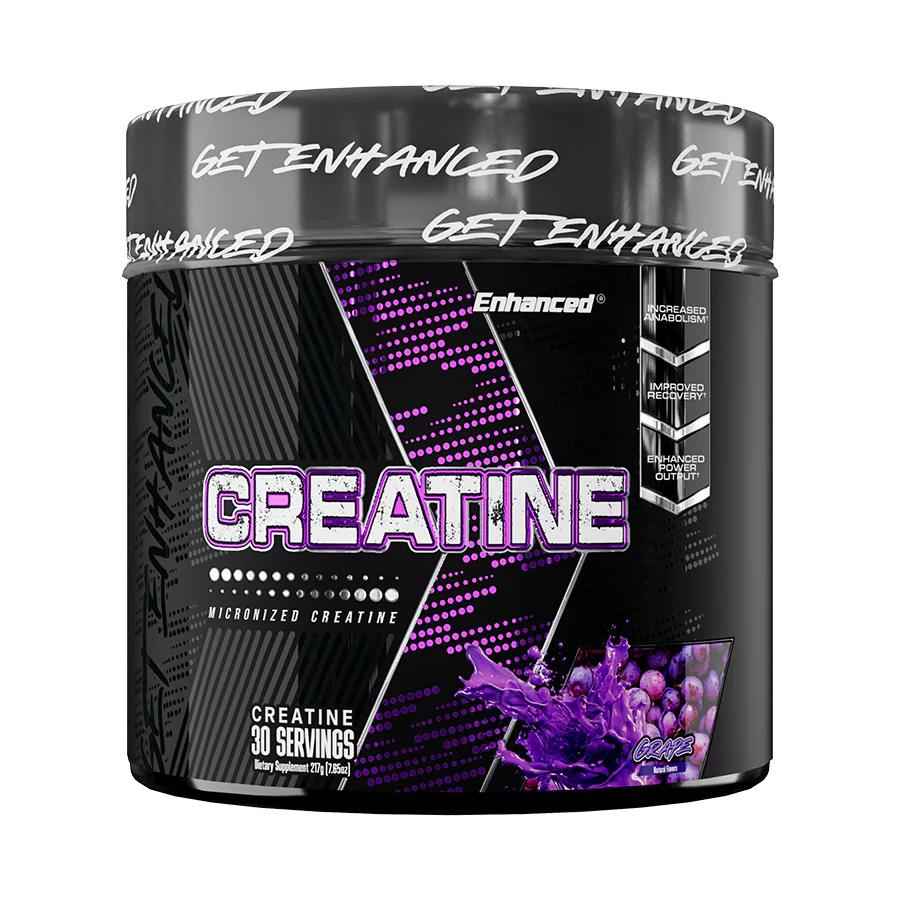
Creatine Monohydrate Overview
⭐ Top Benefits: Increased strength and power, enhanced muscle recovery, improved training endurance, fuller muscle appearance
🧪 Form: Powder or capsule (most commonly micronized powder for better absorption)
⌛ Max Time Used: Safe for long-term daily use; often taken continuously with no need to cycle
💰 Cost: $35.99
❤️🩹 Side Effects: Possible mild bloating or water retention, occasional stomach discomfort if taken without adequate water
📚 Best Stack: Frequently combined with whey protein, beta-alanine, or carbohydrate sources to maximize uptake and performance benefits
Copy Brawn10 for 10% off
- Increases intramuscular creatine stores to boost strength, power, and endurance
- Supports muscle growth, recovery, and overall training performance
- One of the most studied and proven supplements with strong safety data
- May cause mild water retention or bloating in some users
- Requires consistent daily use for best results, not an immediate performance booster
- Occasional stomach discomfort possible if taken without sufficient water
Conclusion
Improving vascularity takes time, consistency, and a balanced approach to training, nutrition, and recovery. Staying patient and dedicated to your plan will yield noticeable results over time.
Incorporate variety into your workouts to keep your body challenged and your motivation high. Mixing resistance training, cardio, and mobility work helps promote blood flow and prevent progress plateaus.
Remember to listen to your body and allow for rest days when needed. Recovery is just as important as training for supporting blood flow, reducing inflammation, and improving overall health.
Finally, celebrate your progress, no matter how small. Recognizing milestones along the way helps you stay motivated, disciplined, and confident as you continue improving vascularity and fitness.
Frequently Asked Questions (FAQ)
1. How to increase vascularity in arms?
To make veins in your arms more visible, lower your body fat through a clean, balanced diet and regular exercise. Focus on resistance training movements like curls, dips, and pushdowns to build muscle and improve circulation.
2. How to increase muscle vascularity?
To boost overall muscle vascularity, build lean muscle mass, maintain a slight calorie deficit to reduce body fat, and use supplements like L-Citrulline or creatine to enhance nitric oxide production and circulation.
3. How to increase arm vascularity?
Increase arm vascularity by combining strength training with proper hydration and a diet rich in nitrate-containing foods such as beets and spinach. These habits promote better blood flow and vein definition.
4. How to increase forearm vascularity?
For more defined veins in your forearms, perform high-repetition exercises like wrist curls, farmer’s carries, and grip training. Pair this with low body fat, proper hydration, and consistent recovery for best results.
5. What’s the best way to maintain vascularity long-term?
To maintain vascularity, focus on sustainable habits like strength training, balanced nutrition, proper hydration, and stress management. Keeping body fat low while supporting muscle growth ensures consistent vein visibility and overall vascular health.