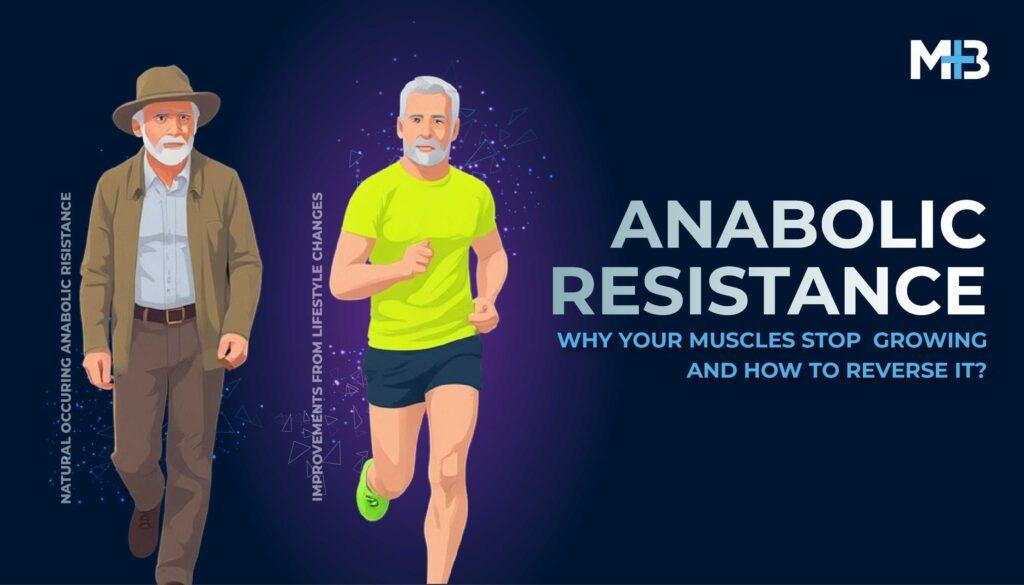
Have you ever noticed that no matter how much protein you eat or how consistently you train, building muscle just doesn’t come as easily as it used to? This frustrating plateau isn’t just in your head—it’s rooted in biology. With age or inactivity, muscles become less responsive to protein and exercise. This reduces muscle growth efficiency. This phenomenon, known as anabolic resistance, makes it harder for the body to synthesize new muscle tissue, even with proper nutrition and workouts. It’s one of the key reasons behind age-related muscle loss (sarcopenia), slower recovery, and declining strength over time.
The good news? Anabolic resistance isn’t permanent. By understanding why it happens and how to counter it, you can retrain your muscles to grow stronger and recover faster, at any age. In this article, we’ll break down what anabolic resistance is, its common causes and warning signs, and the most effective ways to overcome it through nutrition, training, and effective lifestyle strategies!
Key Takeaways
- Anabolic resistance reduces your muscles’ ability to grow, but it’s completely reversible with the right approach. 💪
- Consistent resistance training and leucine-rich protein are the foundation for restoring muscle sensitivity. 🧬
- Anti-inflammatory foods and good sleep enhance recovery and anabolic signaling naturally. 🌿
- Managing stress and staying active throughout the day keeps your metabolism and hormones in balance. ⚖️
- Small, consistent habits create long-term results, helping you maintain strength, energy, and vitality. 🔥

What is Anabolic Resistance?
Anabolic resistance is a condition in which the body’s muscles become less responsive to anabolic stimuli—such as dietary protein, amino acids, or strength training—that normally stimulate muscle growth and repair. In simpler terms, it means your muscles are not efficiently turning protein into muscle tissue, even when you’re eating well and exercising regularly.
This condition is most common in older adults. However, it can also affect younger individuals with poor nutrition, inactivity, or metabolic dysfunction. It plays a major role in sarcopenia (age-related muscle loss), reduced strength, and slower recovery from exercise or injury.
At a cellular level, anabolic resistance is linked to impairments in mTOR signaling, insulin sensitivity, and amino acid uptake. These disruptions blunt the muscle’s ability to synthesize new protein, leading to gradual declines in lean muscle mass and physical performance.
Understanding anabolic resistance is crucial because it’s not an inevitable part of aging—it’s a reversible process that can be improved through nutrition, exercise, and targeted supplementation.
Causes of Anabolic Resistance
Several factors contribute to the development of anabolic resistance, often acting together over time:

Aging and Hormonal Changes
With age, there’s a natural decline in anabolic hormones such as testosterone, growth hormone, and IGF-1, which regulate muscle protein synthesis. This hormonal drop reduces the body’s sensitivity to dietary amino acids and exercise stimuli.
Sedentary Lifestyle
Prolonged inactivity or a lack of resistance training reduces muscle fiber recruitment, decreases mitochondrial activity, and leads to insulin resistance, all of which blunt the anabolic response to protein intake.
Inadequate or Poor-Quality Protein Intake
Not all proteins are equal. Diets low in leucine-rich proteins (like whey, eggs, and fish) or insufficient total protein intake fail to trigger the mTOR pathway, the key driver of muscle growth.
Insulin Resistance and Inflammation
Metabolic dysfunction, such as insulin resistance, oxidative stress, or chronic inflammation, interferes with nutrient delivery to muscle cells. Elevated inflammatory markers (like TNF-α and IL-6) further suppress protein synthesis.
Poor Recovery and Sleep Deprivation
Muscle repair happens primarily during rest. Insufficient sleep and elevated cortisol levels impede anabolic signaling and slow tissue recovery.
Signs & Symptoms of Anabolic Resistance
Signs of anabolic resistance may develop gradually, making it easy to overlook until noticeable changes occur. Key signs include:
- Difficulty gaining or maintaining muscle mass despite consistent training and adequate protein intake.
- Slower recovery after workouts or injuries.
- Reduced muscle strength and endurance.
- Increased body fat percentage or loss of muscle tone.
- Persistent fatigue or reduced exercise motivation.
- Plateaus in training results, even with progressive overload.
If you notice these signs, it may be time to reassess your nutrition, training strategy, and recovery habits. Early intervention can significantly improve your anabolic sensitivity and restore your muscle-building potential.
How To Overcome Anabolic Resistance?
Reversing anabolic resistance requires a strategic approach that focuses on improving your body’s response to protein, exercise, and recovery signals. While this condition becomes more common with age or inactivity, it can be effectively managed, and even reversed, through consistent lifestyle changes. The foundation lies in combining nutrient timing, resistance training, metabolic health, and adequate recovery. By optimizing these factors, you can restore your muscles’ ability to efficiently synthesize protein and rebuild lean tissue.

Prioritize High-Quality Protein Intake
Protein is the cornerstone of overcoming anabolic resistance. Muscles need a consistent supply of amino acids, especially leucine, to trigger the muscle protein synthesis (MPS) process. Consuming around 1.6–2.2 grams of protein per kilogram of body weight per day, evenly spread across meals, ensures continuous anabolic stimulation.
Each meal should ideally contain 25–30 grams of high-quality protein, sourced from options like whey, eggs, chicken, fish, or lean red meat. For vegetarians or vegans, combining multiple plant-based proteins or choosing leucine-fortified blends can provide similar benefits. Regular protein intake supports cellular repair, reduces muscle breakdown, and gradually re-sensitizes muscles to anabolic triggers.
Engage in Regular Resistance Training
Exercise, particularly resistance training, is one of the most effective ways to counter anabolic resistance. It activates critical cellular pathways such as mTOR, which directly stimulates muscle protein synthesis. Incorporating progressive overload (gradually increasing resistance, repetitions, or intensity) challenges the muscles and enhances their ability to adapt and grow.
Compound exercises like squats, presses, and deadlifts recruit multiple muscle groups and maximize anabolic response. Additionally, specialized techniques such as eccentric training or blood flow restriction (BFR) can further stimulate growth, especially for older adults or those dealing with mobility limitations.
Improve Insulin Sensitivity
Restoring insulin sensitivity is vital because insulin facilitates amino acid and glucose transport into muscle cells. When insulin signaling is impaired, muscle tissue struggles to utilize nutrients efficiently, worsening anabolic resistance. Improving insulin sensitivity starts with reducing refined carbohydrates and added sugars, emphasizing fiber-rich vegetables, healthy fats, and slow-digesting carbs like oats and quinoa. Incorporating moderate physical activity, such as daily walks, light cardio, or resistance workouts, enhances glucose metabolism. Even simple habits like walking after meals can improve insulin action and nutrient delivery to muscles.
Manage Inflammation and Oxidative Stress
Chronic inflammation and oxidative stress are major contributors to anabolic resistance. Elevated inflammatory cytokines such as TNF-α and IL-6 interfere with anabolic signaling and muscle recovery. Adopting an anti-inflammatory diet rich in omega-3 fatty acids, fruits, vegetables, and polyphenols (found in foods like berries and green tea) can help lower inflammation. Adequate hydration, stress management, and minimizing alcohol or processed foods further support muscle recovery and cellular health. Over time, reducing inflammation restores a more favorable environment for muscle growth and nutrient absorption.
Optimize Sleep and Recovery
Muscle growth doesn’t happen in the gym; it happens during recovery. Sleep is when the body releases key anabolic hormones like growth hormone and testosterone, both essential for muscle repair and regeneration. Prioritizing 7–9 hours of quality sleep per night supports hormone balance and recovery efficiency.
Consistent sleep schedules, reduced screen exposure before bed, and relaxation practices such as meditation or stretching enhance sleep quality. Additionally, taking rest days between workouts allows the body to repair muscle fibers, preventing overtraining and promoting optimal anabolic function.
Stay Consistent and Patient
Reversing anabolic resistance is not an overnight process—it requires sustained effort. Consistency in training, nutrition, and recovery gradually reprograms your body’s metabolic and cellular responses. By maintaining a balanced diet, staying active, and allowing your body adequate time to recover, you can restore its natural ability to synthesize protein and build lean muscle. Over time, these lifestyle adjustments not only combat anabolic resistance but also enhance overall strength, energy, and longevity.
How Can Supplements Help Combat Anabolic Resistance?
Targeted supplementation plays a vital role in countering anabolic resistance by enhancing nutrient absorption, activating key muscle-building pathways, and promoting faster recovery. The right combination of supplements can help rebalance the body’s anabolic response, improve protein utilization, and sustain overall muscle health and performance.
Below are some of the most effective supplements to help you overcome anabolic resistance:
Creatine Monohydrate
Creatine monohydrate is a naturally occurring compound made from three amino acids: arginine, glycine, and methionine. It plays a central role in the body’s energy system by helping regenerate ATP, the primary fuel source for short, high-intensity bursts of activity.
What makes creatine monohydrate stand out is its simplicity and effectiveness. It increases intramuscular creatine stores, leading to greater strength, power output, and endurance during training, all without altering hormone levels.
This supplement is widely used for its ability to support muscle growth, enhance recovery, and improve performance in resistance training and explosive sports. Many athletes and fitness enthusiasts also notice fuller muscle appearance due to increased water retention within the muscle cells.
Creatine monohydrate is often stacked with protein powders, beta-alanine, or carbohydrate sources to maximize uptake and performance benefits. It’s usually taken daily, either through a short loading phase of higher doses followed by maintenance, or simply as a consistent lower daily dose.
Disclaimer: This content is for informational purposes only. While creatine monohydrate is one of the most researched and widely used sports supplements, always consult a healthcare professional before beginning any supplementation protocol.
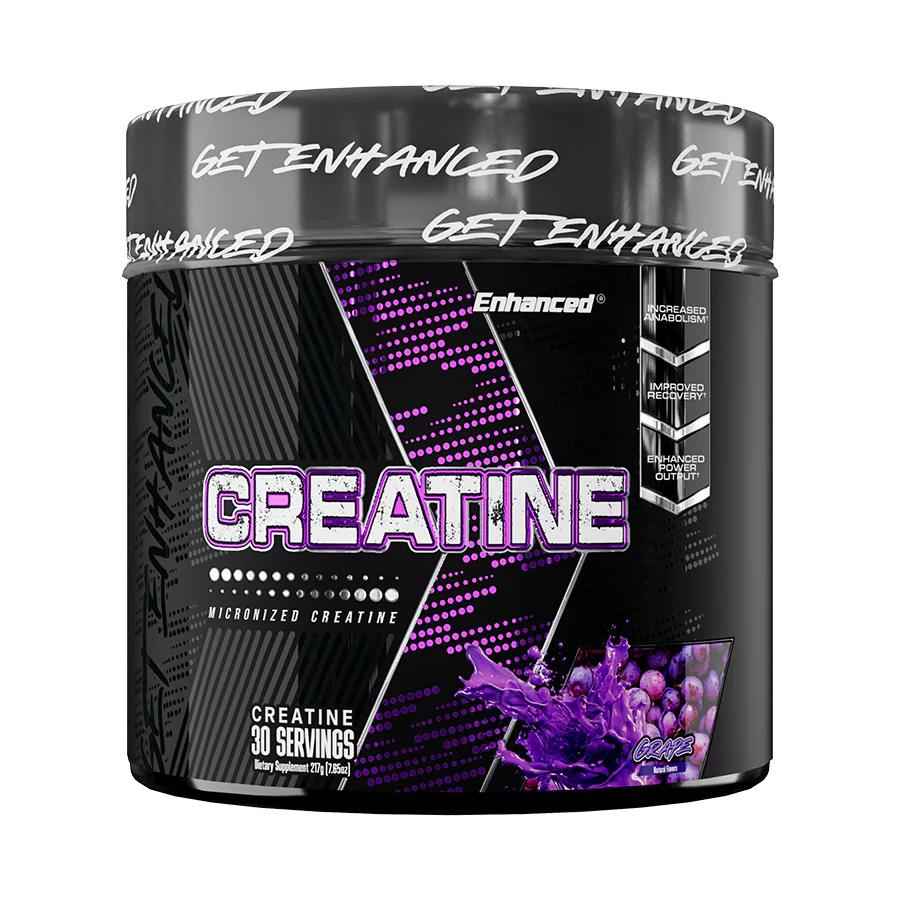
Creatine Monohydrate Overview
⭐ Top Benefits: Increased strength and power, enhanced muscle recovery, improved training endurance, fuller muscle appearance
🧪 Form: Powder or capsule (most commonly micronized powder for better absorption)
⌛ Max Time Used: Safe for long-term daily use; often taken continuously with no need to cycle
💰 Cost: $35.99
❤️🩹 Side Effects: Possible mild bloating or water retention, occasional stomach discomfort if taken without adequate water
📚 Best Stack: Frequently combined with whey protein, beta-alanine, or carbohydrate sources to maximize uptake and performance benefits
Copy Brawn10 for 10% off
- Increases intramuscular creatine stores to boost strength, power, and endurance
- Supports muscle growth, recovery, and overall training performance
- One of the most studied and proven supplements with strong safety data
- May cause mild water retention or bloating in some users
- Requires consistent daily use for best results, not an immediate performance booster
- Occasional stomach discomfort possible if taken without sufficient water
Whey Protein Isolate
Enhanced Labs IO Clear Whey is a clear whey isolate protein designed for ultra-clean, fast absorption and a smooth, refreshing taste. Unlike traditional milky protein shakes, IO Clear Whey is processed using IO plasma filtration technology, enhancing bioavailability and digestion while removing excess sugar, lactose, fats, and bloat-causing compounds.
This formula is ideal for lifters, athletes, and anyone who wants high-quality protein without heavy texture or stomach discomfort. Each serving delivers refined whey protein isolate to support muscle repair, recovery, and lean growth—with light, juice-like flavors you can sip anytime.
Manufactured in an FDA-inspected facility, IO Clear Whey is free of unnecessary fillers and optimized for purity, mixability, and absorption.
Disclaimer: IO Clear Whey is a dietary supplement. This information is educational only and not medical advice.

IO Clear Whey Overview
⭐ Top Benefits: Lean muscle support, fast absorption, zero heavy bloat
💊 Form: Clear whey isolate powder (20 servings)
⏱ Suggested Use: 1 scoop anytime — ideal post-workout
💲 Average Cost: $55.99
❤️ Side Effects: Generally well tolerated; rare mild digestive sensitivity
⚠️ Dangers: Contains dairy-derived proteins (not suitable for milk allergies)
🔗 Best Stack: Creatine Monohydrate, L-Citrulline, EAA/BCAA
♂♀ Men/Women: Suitable for all training levels
Copy Brawn10 for 10% off
- Crystal-clear, refreshing flavor profile
- Faster digestion than standard whey
- Great for athletes who dislike heavy shakes
- Higher price point than standard whey
- Contains dairy (not vegan-friendly)
- Limited flavor selection
EAA
Enhanced EAA is a complete essential amino acid supplement formulated to fuel recovery, muscle growth, and performance. It provides all nine essential amino acids, including BCAAs in the optimal 2:1:1 ratio, for a full-spectrum approach to muscle repair and endurance.
Unlike traditional protein powders, Enhanced EAA delivers amino acids in a fast-absorbing, instant-mixing form that works quickly during and after training. It helps reduce muscle soreness, prevent protein breakdown, and maintain lean mass even during calorie deficits.
Athletes and fitness enthusiasts use Enhanced EAA to support training intensity, improve recovery times, and sustain consistent progress. With high-quality ingredients and rapid bioavailability, it’s ideal for those looking to optimize their results beyond basic BCAA supplementation.
Disclaimer: This content is for informational purposes only. Enhanced EAA is a dietary supplement and not intended to diagnose, treat, or cure any medical condition. Always consult a healthcare professional before use.
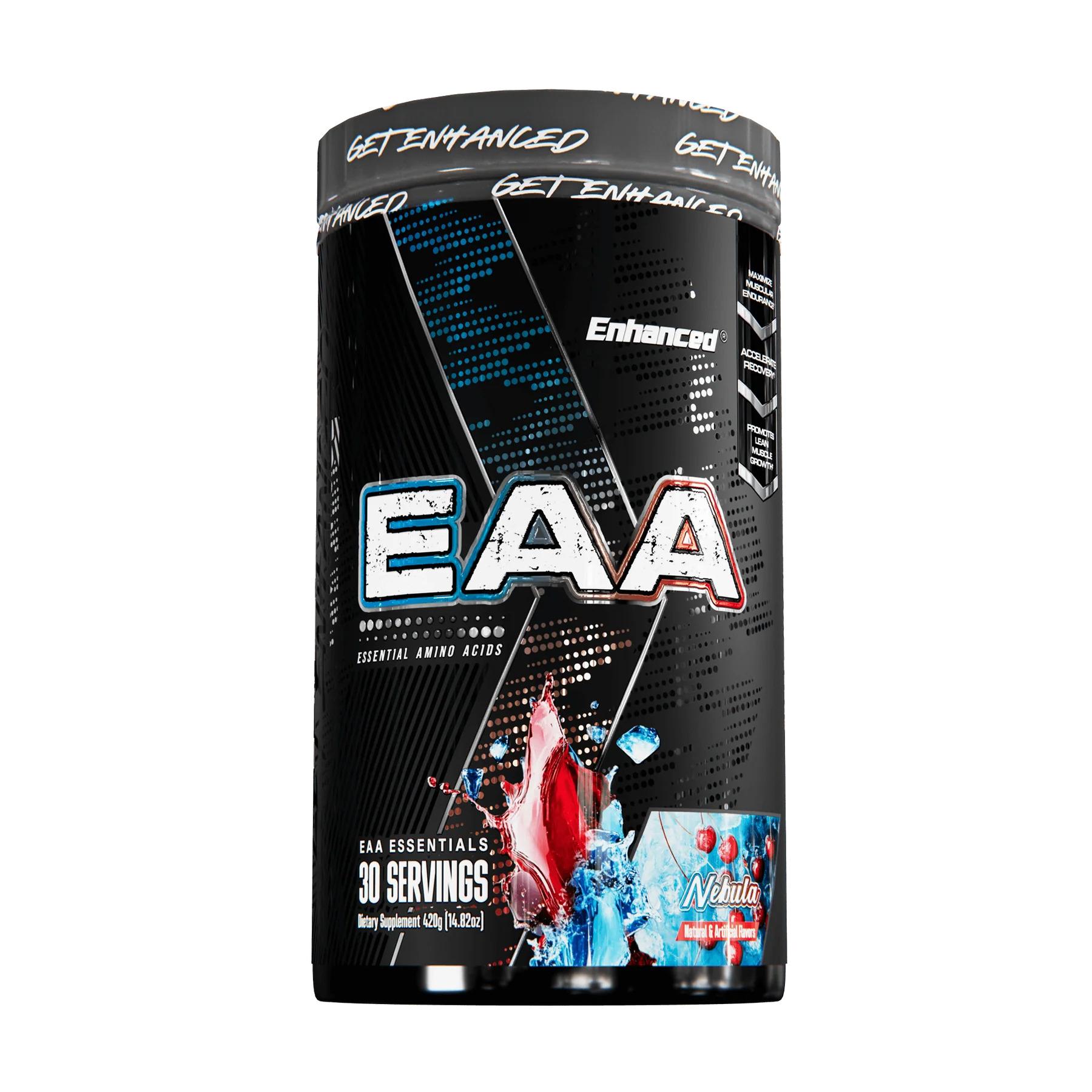
EAA Overview
⭐ Top Benefits: Faster recovery, reduced soreness, lean muscle maintenance, improved endurance
🧃 Form: Powder (instant-mixing formula)
⌛ Max Time Used: Can be taken daily (pre-, intra-, or post-workout)
💰 Average Cost: $39.99 per 30-serving tub
⚡ Side Effects: Mild bloating or stomach sensitivity possible in some users
📚 Best Stack: Commonly paired with creatine, glutamine, or pre-workout formulas for enhanced results
Copy Brawn10 for 10% off
- Complete essential amino acid profile for full muscle recovery
- Instant-mixing technology for rapid absorption and zero clumping
- Helps prevent muscle breakdown and supports lean muscle growth
- Not a substitute for whole-food protein intake
- May require multiple daily servings for heavy training schedules
- Taste preference may vary by flavor
Ashwagandha
Enhanced Ashwagandha is a natural adaptogenic herbal extract designed to support stress management, hormonal balance, improved sleep quality, and overall mood regulation. Made from high-quality Withania somnifera root, this formula helps your body adapt to physical and mental stress while promoting a calm, focused state.
Research shows Ashwagandha may lower cortisol, improve testosterone levels in men, and enhance recovery, libido, and cognitive clarity. It is widely used by athletes, entrepreneurs, and high-performers to maintain resilience and mental sharpness during demanding training or life stressors.
Manufactured in an FDA-inspected facility, Enhanced Labs ensures purity, potency, and consistent dosing for reliable daily use.
Disclaimer: Ashwagandha is a dietary supplement. This information is educational only and not medical advice.
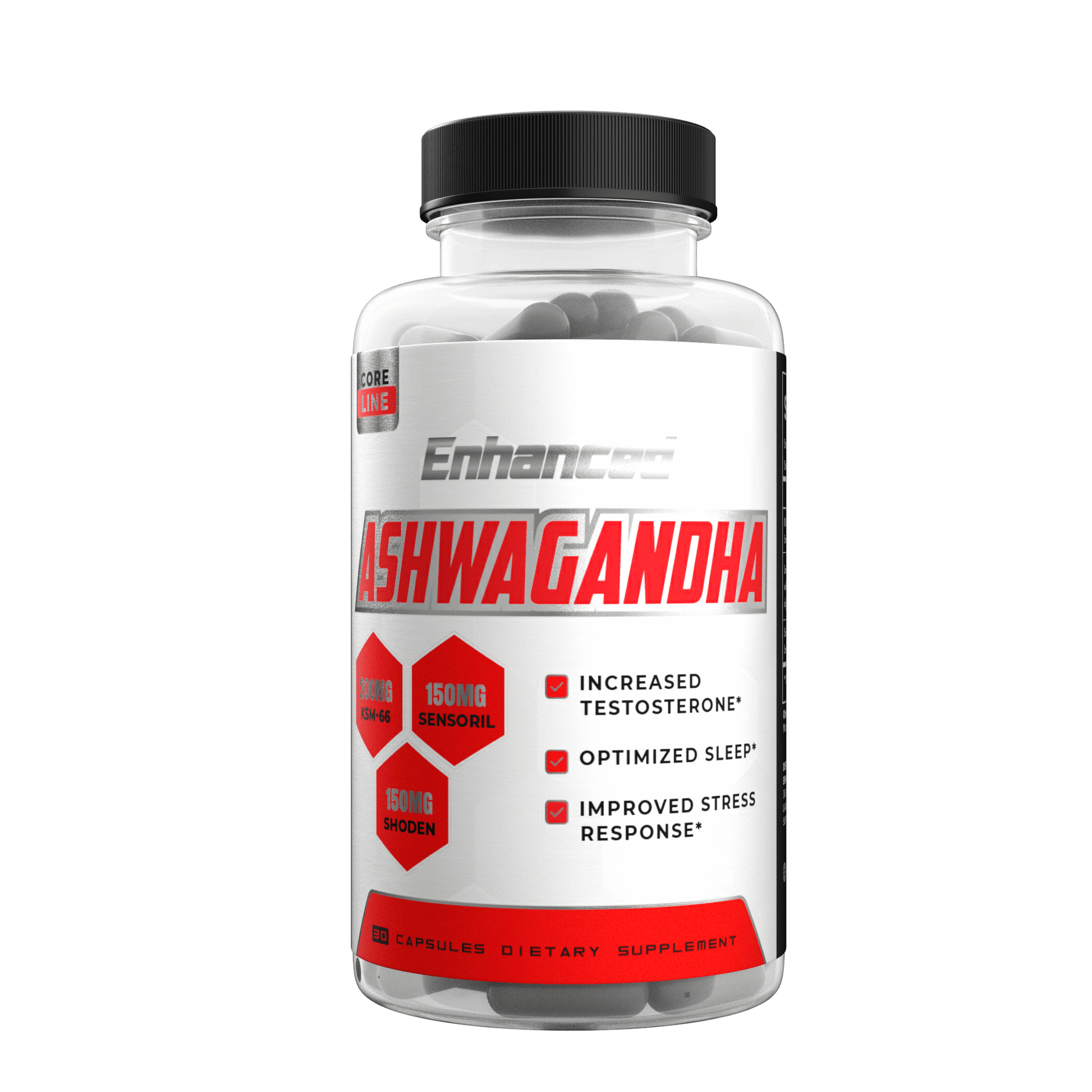
Ashwagandha Overview
⭐ Top Benefits: Reduces stress, improves sleep, supports testosterone
💊 Form: Capsules (60 count)
⏱ Suggested Use: 1–2 capsules daily
💲 Average Cost: $26.99
❤️ Side Effects: Mild drowsiness or digestive upset (rare)
⚠️ Dangers: Not recommended for pregnancy or thyroid medication users
🔗 Best Stack: Magnesium, Zinc, Omega-3s
♂♀ Men/Women: Suitable for both
Copy Brawn20 for 20% off
- Supports stress relief and calm focus
- May boost testosterone and recovery
- Made in FDA-inspected facility
- Effects build gradually over 1–2 weeks
- May cause slight drowsiness in some users
- Not suitable for those with hyperthyroidism
Disclaimer: Always consult a qualified healthcare professional before starting any new dietary supplement, especially if you have existing medical conditions, are taking medication, or are under a physician’s care.
Recommended Dosage Table
| Product | Dosage 💊 | Administration 💉 | Timing ⌚ |
| Creatine Monohydrate | 5 grams | Oral(mixed in water or beverage) | Post-workout, preferred for muscle recovery |
| Whey Protein | 1-2 scoops | Oral(mixed in water) | Post Workout or Between Meals |
| Enhanced EAA | 1 scoop | Oral(mixed in water) | Pre-Workout or During training |
| Ashwaganda | 1 Capsule daily | Oral | Morning |
Lifestyle and Nutrition Hacks for Anabolic Resistance
Beyond structured training and balanced nutrition, small lifestyle adjustments can significantly enhance your body’s anabolic response. These daily habits optimize hormone function, nutrient utilization, and overall muscle recovery, helping you overcome anabolic resistance more effectively.

Distribute Protein Evenly
Instead of consuming most of your protein at one meal, spread intake evenly throughout the day. Consistent amino acid availability keeps muscle protein synthesis active and prevents long catabolic gaps.
Eat a Leucine-Rich Breakfast
Start your day with leucine-dense foods such as eggs, Greek yogurt, or whey protein. This morning, anabolic trigger enhances muscle protein utilization and reduces muscle breakdown after overnight fasting.
Focus on Anti-Inflammatory Foods
Include omega-3 fatty acids, berries, olive oil, and leafy greens to lower inflammation and oxidative stress. Reducing chronic inflammation improves nutrient signaling and muscle recovery efficiency.
Stay Hydrated
Even mild dehydration can impair nutrient transport and muscle function. Drinking enough water, especially around workouts, ensures optimal cellular hydration and supports anabolic signaling.
Support Gut Health
A healthy gut improves nutrient absorption and reduces inflammation, both crucial for muscle health. Incorporate probiotics and fiber-rich foods such as yogurt, kefir, and vegetables to support digestive and metabolic balance.
Conclusion
Anabolic resistance may be a natural part of aging or inactivity, but it’s far from irreversible. By combining consistent strength training, adequate protein intake, and targeted lifestyle improvements, you can re-sensitize your muscles to anabolic signals and restore healthy growth and recovery. Supporting your body with anti-inflammatory nutrition, quality sleep, and stress management further enhances these effects.
The key is long-term consistency, small daily actions that improve how your body utilizes protein and responds to exercise. With the right approach, you can overcome anabolic resistance, preserve lean muscle, and maintain strength, vitality, and resilience well into later life!
FAQs
What is anabolic resistance?
Anabolic resistance is when muscles become less responsive to protein and exercise, making it harder to build or maintain muscle mass.
Can anabolic resistance be reversed?
Yes, it can be reversed through consistent strength training, high-quality protein intake, and improved lifestyle habits.
How much protein should I eat to overcome anabolic resistance?
Aim for 1.6–2.2 grams of protein per kilogram of body weight daily, spread evenly across meals.
Does age cause anabolic resistance?
Age contributes to it, but inactivity, poor diet, and inflammation are equally influential and can be managed at any age.
What’s the fastest way to improve anabolic sensitivity?
Combine progressive resistance training with leucine-rich protein and anti-inflammatory nutrition for the best results.