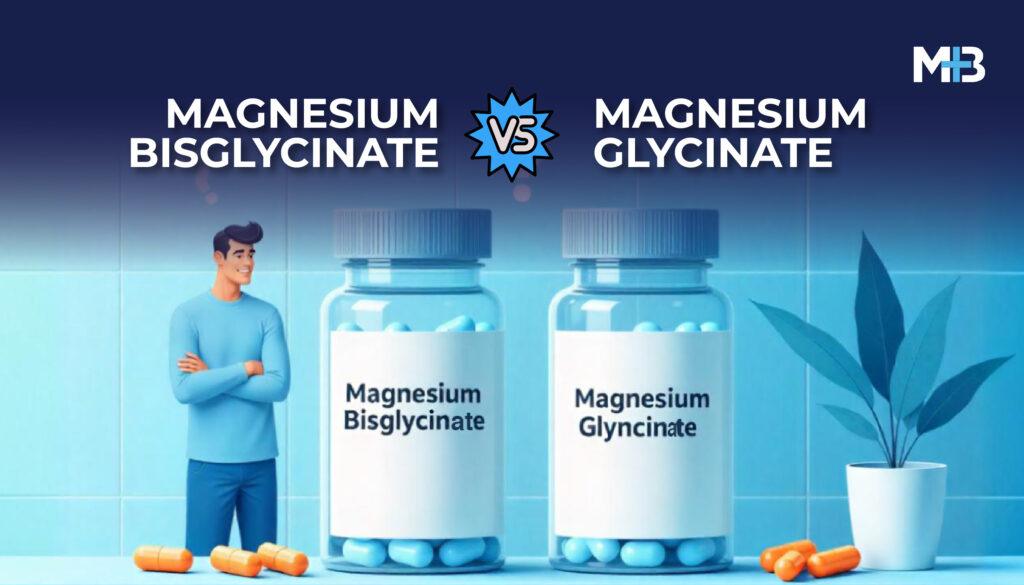
Magnesium Bisglycinate vs Magnesium Glycinate: The Big Question
Magnesium is one of the most important minerals for human health. It helps regulate sleep, reduce anxiety, support muscle recovery, and control hundreds of biochemical reactions in the body.
Many people turn to supplements to correct deficiencies, but confusion often arises when comparing magnesium bisglycinate vs magnesium glycinate.
At first glance, they sound almost identical. Supplement companies often promote bisglycinate as a superior option, but is it truly different from glycinate, or is it just marketing?
Key Takeaways
- Both magnesium glycinate and bisglycinate are bound with glycine, an amino acid that promotes calmness and sleep. 🌙
- Bisglycinate has two glycine molecules, while glycinate has one. This is the main structural difference. 🔬
- Absorption rates appear similar, but some argue bisglycinate may have a slight edge in bioavailability. 📈
- Both forms are gentle on digestion and less likely to cause diarrhea compared to citrate or oxide. 🧑⚕️
- The practical differences are small in magnesium bisglycinate vs magnesium glycinate, so choosing often comes down to cost, availability, and personal preference. 💰

Magnesium Glycinate vs Magnesium Bisglycinate: What’s the Difference?
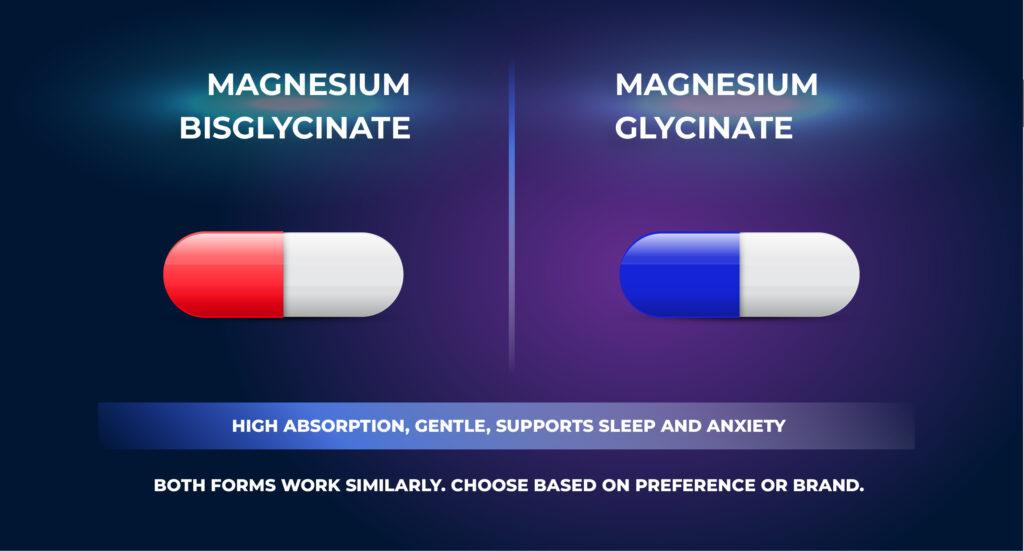
Magnesium glycinate is a supplement made by binding magnesium to glycine, a calming amino acid. This process is called chelation, where an amino acid “escorts” magnesium through the digestive tract for easier absorption.
Glycine itself has calming effects on the brain. It interacts with receptors that reduce nervous system activity, which is why magnesium glycinate is popular for sleep and anxiety.
Magnesium bisglycinate is very similar, but instead of being bound to one glycine molecule, each magnesium atom is bound to two. This “bis” structure is often described as “fully chelated.” Supplement companies market this as superior because the double bond may, in theory, improve stability and absorption.
In reality, both forms deliver magnesium and glycine to the body. The difference is more structural than functional. Some manufacturers even use the terms interchangeably, which can confuse buyers.
For practical purposes, both are highly absorbable, gentle, and effective for people looking to reduce stress and improve rest.
How Does Magnesium Bisglycinate Work in the Body?
Magnesium bisglycinate is a chelated form of magnesium, meaning the mineral is bound to two glycine molecules. This structure helps the body absorb it more efficiently compared to other forms of magnesium. Once absorbed, magnesium bisglycinate plays a role in hundreds of biochemical processes, including energy production, nerve signaling, and muscle function.
The glycine component also contributes calming effects, as glycine itself is an amino acid that supports relaxation and healthy sleep. This makes magnesium bisglycinate especially useful for people seeking stress relief, better rest, or reduced muscle tension.
How Does Magnesium Glycinate Work in the Body?
Magnesium glycinate is another highly bioavailable form of magnesium, in which magnesium is bound to a single glycine molecule. Like bisglycinate, this form is gentle on the stomach and easily absorbed by the intestines. Once inside the body, magnesium glycinate supports nerve function, muscle recovery, and balanced neurotransmitter activity.
The presence of glycine enhances its calming benefits, helping regulate the nervous system and support steady sleep cycles. Many people choose magnesium glycinate when looking for a well-tolerated option that addresses both physical and mental stress.
| Feature | Magnesium Bisglycinate | Magnesium Glycinate |
| Chemical Structure | Magnesium bound to two glycine molecules | Magnesium bound to one glycine molecule |
| Absorption | Highly bioavailable, slightly higher absorption due to double glycine binding | Also highly bioavailable, gentle on the stomach |
| Calming Effects | Stronger potential calming effect (extra glycine supports relaxation and sleep) | Calming, but slightly less than bisglycinate |
| Best For | Stress relief, anxiety support, sleep quality, muscle relaxation | General magnesium support, muscle recovery, nervous system balance |
| Digestive Tolerance | Gentle on digestion, less likely to cause stomach upset | Also gentle, preferred for those sensitive to other forms of magnesium |
| Use Case | Often recommended for people struggling with sleep and chronic stress | Good all-around option for daily magnesium needs |
Absorption and Bioavailability
Bioavailability refers to how well your body absorbs and uses a nutrient. For magnesium, absorption can vary widely depending on the form.
Magnesium oxide, for example, has poor bioavailability, only about 4% is absorbed. In contrast, chelated forms like glycinate and bisglycinate are absorbed much better.
Bisglycinate is marketed as having superior absorption because of its double glycine bond.
While this sounds convincing, scientific evidence comparing glycinate and bisglycinate head-to-head is still limited. Most studies group them together under “chelated magnesium.”
In practice, both are highly bioavailable, and the difference is unlikely to be dramatic for most people.
Tolerability and Side Effects
One of the main reasons people choose glycinate forms is digestive comfort. Many magnesium supplements, like citrate and oxide, can cause diarrhea, bloating, or stomach cramps. Glycinate and bisglycinate stand out because they are gentle and well-tolerated, even at higher doses.
Both forms are less likely to cause digestive distress because glycine helps smooth absorption and reduces irritation in the gut. That makes them ideal for people who have had trouble tolerating other magnesium forms in the past.
Practical Use Cases: Magnesium Bisglycinate vs Magnesium Glycinate
Choosing between glycinate and bisglycinate often comes down to personal needs. Both work well for relaxation, but some subtle distinctions may help guide the decision.
| Situation | Better Choice | Reason |
| Sensitive stomach | Either, slight edge to bisglycinate | Both are gentle, but some report bisglycinate is smoother |
| Budget-conscious | Glycinate | More affordable and widely available |
| Seeking maximum absorption | Bisglycinate | Marketed as higher absorption, though evidence is limited |
| General wellness (sleep, anxiety, recovery) | Either | Both support relaxation and are well tolerated |
Think of them as different shades of the same supplement. Whichever you pick, you’re still getting a high-quality form of magnesium.
Cost and Availability
Another factor is price and accessibility. Magnesium glycinate is more widely available. You’ll find it in most supplement shops and online retailers at competitive prices.
Magnesium bisglycinate is less common and often positioned as a premium product. Some brands market it aggressively, which drives up cost. For many people, the higher price may not deliver significantly better results.
| Form | Availability | Average Cost | Value |
| Magnesium Glycinate | Widely available | Moderate | Best value for most users |
| Magnesium Bisglycinate | Less common | Higher | May appeal to those seeking “premium” absorption |
Other Magnesium Forms at a Glance
Magnesium comes in several forms, each with unique benefits and drawbacks. Understanding how glycinate and bisglycinate compare to other types can help you choose the right one for your specific health goals.
| Magnesium Form | Key Feature | Best Use | Drawback |
| Glycinate / Bisglycinate | Gentle on the stomach, calming effect | Sleep, relaxation, anxiety support | More expensive than other forms |
| Citrate | Highly soluble, acts as a mild laxative | Easing constipation | May cause loose stools in sensitive users |
| Oxide | High magnesium content per capsule | Occasional laxative use | Very low absorption |
| Malate | Linked with malic acid for energy production | Muscle recovery and reducing fatigue | Less effective for calming or sleep |
| Threonate | Crosses the blood–brain barrier | Cognitive support, memory, focus | Costly and still under research |
Buying Tips
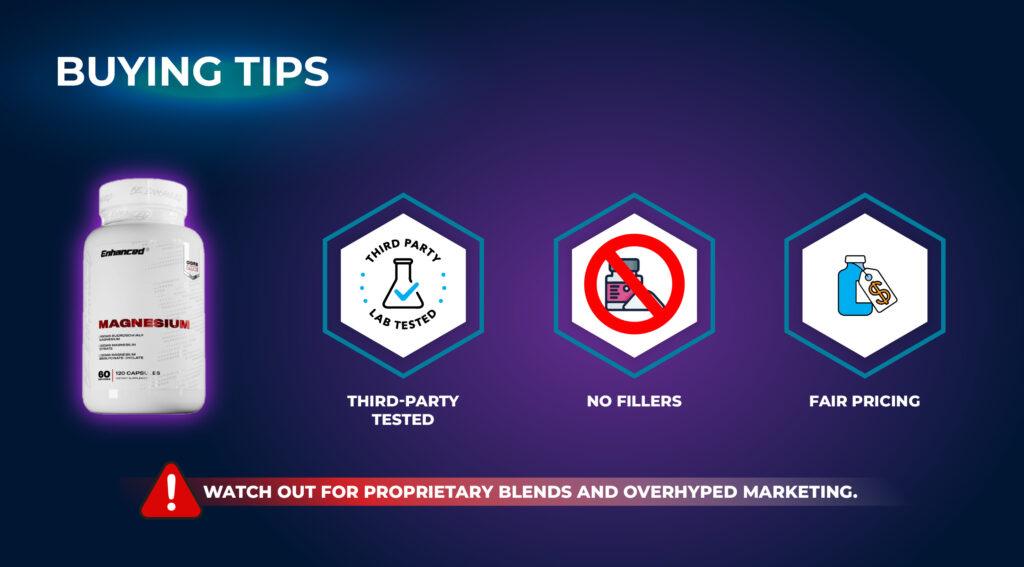
With so many options on the market, choosing the right brand matters as much as choosing the right form.
- Look for ingredient transparency: Labels should clearly state “magnesium glycinate” or “magnesium bisglycinate” without hiding dosages in proprietary blends.
- Choose trusted brands: SwissChems is one reliable source known for third-party testing and transparent formulas. Quality control ensures you’re actually getting what the label claims.
- Avoid unnecessary fillers: Stick to clean formulas without artificial additives.
- Don’t overpay for hype: Bisglycinate often comes with a premium price tag. Remember, the differences in performance are small.
Where to Buy Magnesium Bisglycinate vs Magnesium Glycinate
If choosing between magnesium bisglycinate and magnesium glycinate feels limiting, Enhanced Magnesium by Enhanced Labs offers a powerful alternative.
Magnesium – Enhanced Labs
Enhanced Magnesium features a blend of three premium magnesium forms: Magnesium Bisglycinate, Sucrosomial® Magnesium, and Magnesium L-Threonate, each selected for enhanced absorption, bioavailability, and targeted benefits.
This comprehensive formula is designed to support muscle function, energy metabolism, neural health, and cognitive performance. Its inclusion of L-Threonate allows for potential brain benefits such as memory support and stress modulation.
Athletes and health-focused individuals often turn to Enhanced Magnesium to help with recovery, muscle contractility, sleep quality, and overall mineral balance. The triple form blend aims to reduce common magnesium supplementation issues like gastrointestinal discomfort.
Disclaimer: This content is for informational and educational purposes only. Enhanced Magnesium is a dietary supplement, not intended to diagnose, treat, cure, or prevent any disease. Always consult a healthcare professional before starting any new supplement.
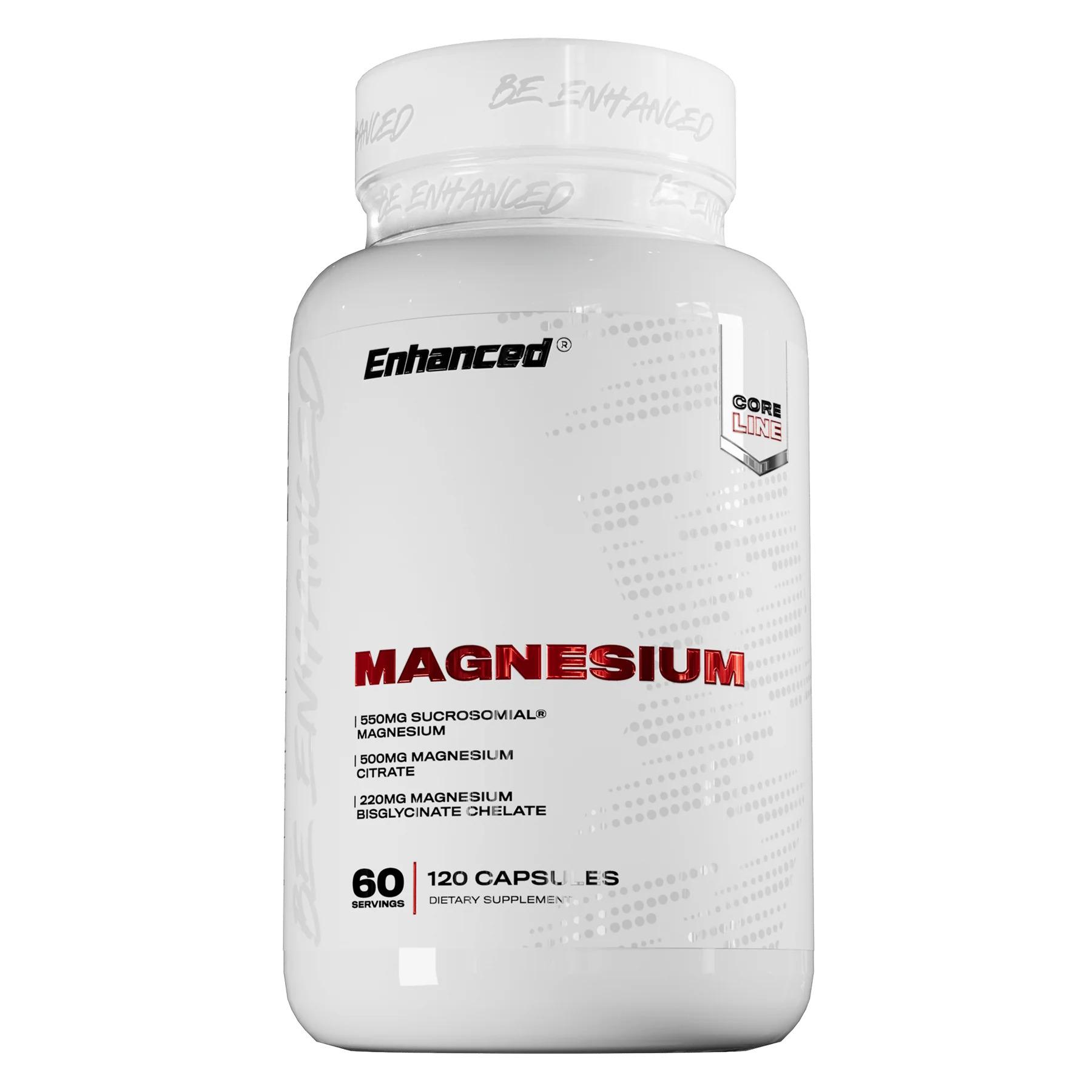
Magnesium Overview
⭐ Top Benefits: Supports muscle relaxation, sleep quality, neural health, energy balance
🧪 Form: Capsules (triple magnesium blend)
⌛ Typical Use Duration: Daily supplement, cycling as tolerated
💰 Price: $36.99 for 120 capsules
❤️🩹 Side Effects: Rare; mild loose stools or stomach discomfort possible in sensitive individuals
📚 Best Stack: Works well with electrolytes, B-complex vitamins, and recovery supplements
Copy Brawn10 for 10% off
- Delivers three distinct magnesium forms for comprehensive absorption and effect
- Helps support muscle function, relaxation, and cognitive health
- Typically milder on digestion compared to some single-form magnesium supplements
- May cause mild gastrointestinal discomfort in sensitive users
- Supplement may interact with certain medications (e.g. antibiotics, diuretics)
- Long-term high-dose effects not fully studied in all populations
Alternatives to Magnesium
1. Ashwagandha
An adaptogenic herb often used to reduce stress and promote calm. It helps regulate cortisol levels, which may improve sleep quality and reduce feelings of anxiety.
2. L-Theanine
An amino acid found in green tea, L-theanine promotes relaxation without causing drowsiness. When paired with caffeine, it also supports focus and calm energy, making it useful for those who struggle with anxiety and mental restlessness.
3. Phenibut (for research only)
Phenibut is a GABA analogue known for its calming effects on the nervous system. It may support sleep and reduce anxiety, though it’s regulated differently in many regions.
4. Valerian Root
A natural herbal supplement often taken before bed to support sleep onset and improve sleep quality. It’s one of the most studied herbal alternatives to magnesium for insomnia.
5. GABA Supplements
Gamma-aminobutyric acid (GABA) is the brain’s main calming neurotransmitter. Supplementing with GABA may help reduce racing thoughts and prepare the body for sleep.
Conclusion: Magnesium Bisglycinate vs Magnesium Glycinate
Magnesium glycinate vs magnesium bisglycinate? These two compounds are more alike than different. Both are chelated with glycine, both are highly absorbable, and both are gentle on the stomach. The structural difference (one glycine vs two) may offer bisglycinate a slight theoretical advantage, but the evidence is not conclusive.
For most people, the choice comes down to price, availability, and personal tolerance. Glycinate is easier to find and more affordable, while bisglycinate may appeal to those looking for a “fully chelated” premium option.
Either way, you’re choosing one of the most effective and calming forms of magnesium available. Consistency, quality, and overall lifestyle habits matter far more than picking one form over the other. Paired with a nutrient-rich diet and good sleep hygiene, magnesium can be a powerful ally for calmer nights and better health.
Frequently Asked Questions (FAQs)
Magnesium bisglycinate vs magnesium glycinate – are they the same?
They are very similar. Bisglycinate has two glycine molecules, while glycinate has one. Their effects are nearly identical.
Which one is more bioavailable?
Some argue bisglycinate has a slight edge, but scientific evidence is limited. Both are highly bioavailable compared to oxide or citrate.
Can I take magnesium glycinate every day?
Yes, it’s one of the safest and best-tolerated forms of magnesium. Stick to recommended doses.
Do I need both glycinate and bisglycinate?
No, they perform the same role. Choose one and take it consistently.
Can I use magnesium for kids or elderly?
Yes, but always check dosage with a healthcare provider, as needs vary by age and health condition.