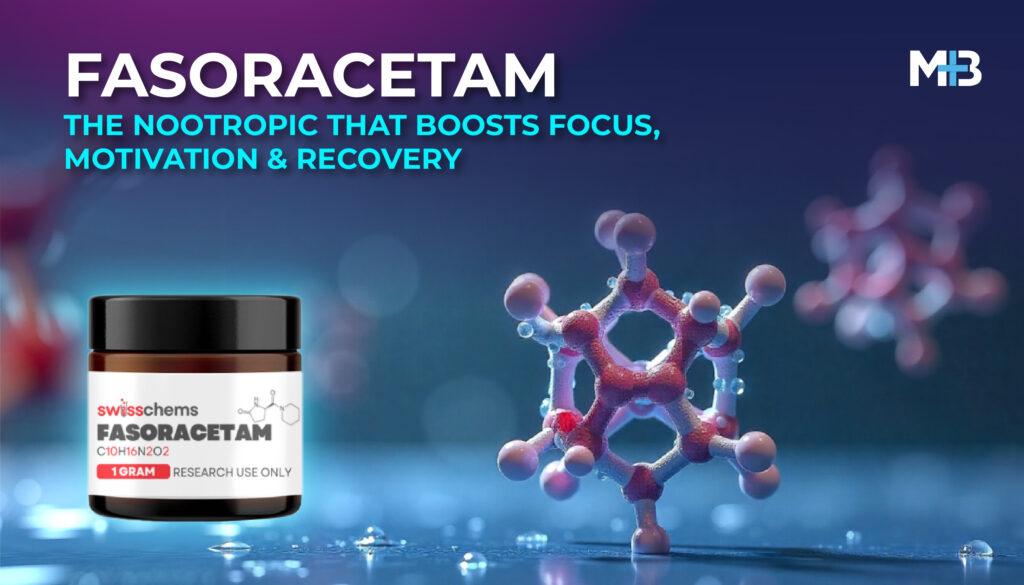
In a world where cognitive performance is paramount, Fasoracetam has emerged as an active drug in the realm of nootropics. Belonging to the racetam family, this compound has garnered attention for its unique mechanism of action and potential therapeutic benefits. Developed in the late 1980s by the Japanese pharmaceutical company Nippon Shinyaku, Fasoracetam was initially explored for the treatment of vascular dementia. However, due to insufficient efficacy, its development for this indication was discontinued. Subsequently, research shifted towards its potential in addressing neuropsychiatric disorders, particularly Attention Deficit Hyperactivity Disorder (ADHD). Fasoractam’s ability to modulate key neurotransmitter systems, glutamate, GABA‑B, and acetylcholine showed quite promising results and positioned it as a competent product for mood and cognitive enhancement.
Let’s delve into the multifaceted aspects of Fasoracetam and explore its mechanisms of action, potential benefits, and safety profile. Additionally, we will discuss the limitations and future directions of Fasoracetam research, offering insights into its potential role in cognitive health!
Key Takeaways
- Fasoracetam is a non-stimulant nootropic from the racetam family that plays an important role in cognitive enhancement without typical stimulant side effects. 🧬
- It modulates neurotransmitter systems to potentially enhance focus, mood, and cognitive recovery. 🧠
- Common side effects include mild fatigue, headaches, and gastrointestinal discomfort. ⚠️
- Clinical studies have shown significant improvements in ADHD(Attention Deficit Hyperactivity Disorder) symptoms with Fasoracetam treatment. 📈
- This compound is for research purposes only and must be used under the strict supervision of a healthcare professional. 🩺

What is Fasoracetam?
Fasoracetam is a synthetic nootropic compound belonging to the racetam family, chemically known as (5R)-5-(piperidine-1-carbonyl)pyrrolidin-2-one. It carries the molecular formula C₁₀H₁₆N₂O₂ and a molecular weight of approximately 196.25 g/mol, indicating its compact, organic structure built around a pyrrolidone and piperidine backbone.
Beyond its primary name, Fasoracetam is referred to by several other designations in scientific literature and development pipelines, including NS-105, NFC-1, NB-001, LAM-105, AEVI-001, and MDGN-001, among others. These synonyms reflect its evolving use as both a research compound and a potential therapeutic candidate under different development stages.
Fasoracetam’s ability to influence neurotransmitter systems suggests it may support improved focus, motivation, and mental recovery. Research indicates that Fasoracetam may enhance synaptic plasticity, promote a calming effect on the nervous system, and facilitate memory processes.
While clinical studies are still limited, early findings and anecdotal reports have contributed to its growing popularity among individuals seeking cognitive support. However, it’s important to note that further research is necessary to fully understand its effectiveness and safety profile.
Mechanism of Action: How Does It Boost Focus, Motivation, and Recovery?
The basic science behind Fasoracetam’s action has to do with its ability to balance and enhance three major pathways: glutamatergic neurotransmitter system, cholinergic and GABAergic systems, each playing a unique role in sharpening focus, uplifting motivation, and aiding cognitive function and recovery.
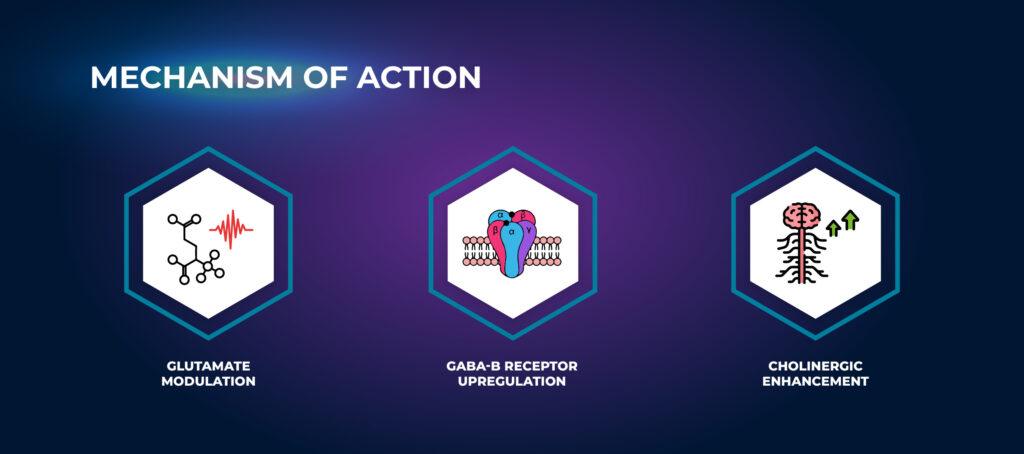
- Glutamate Modulation: In the glutamatergic neurotransmitter system, Fasoracetam activates metabotropic glutamate receptors (mGluRs), essential gatekeepers of learning and attention. This modulation appears particularly helpful for adolescents with CNS disorders like ADHD(Attention Deficit Hyperactivity Disorder) as a result of mGluR mutations.
- A clinical study showed that adolescents with these genetic variants experienced significant improvements in ADHD symptoms after five weeks of fasoracetam treatment.
- GABA-B Receptor Upregulation: Beyond simply inducing a calming effect, fasoracetam seems to help the brain upregulate GABA-B receptors. This can enhance mental resilience and support motivation, especially after stressors. Clinical applications in rodents have shown that GABA-B receptor activation aids in overcoming states akin to “learned helplessness”, a classic model of depleted motivation. Although direct human data are lacking, these findings suggest a potentially restorative role for fasoracetam.
- Cholinergic Enhancement: Fasoracetam also supports the cholinergic system by promoting choline uptake, particularly in central cholinergic neurons specific to learning and memory. By boosting acetylcholine synthesis helps bolster memory formation, sustain attention, and facilitate mental recuperation after demanding tasks. While direct clinical trials are limited, these mechanisms align with known roles of acetylcholine in cognition.
Where to Buy Fasoracetam?
Fasoracetam
Fasoracetam is a synthetic compound researched for its interactions with metabotropic glutamate receptors (mGluRs)and cholinergic pathways, both of which play key roles in cognitive function, memory formation, and neuronal communication. Laboratory models suggest Fasoracetam may influence neurotransmitter balance, enhance synaptic plasticity, and modulate glutamate signaling in controlled research environments.
This compound’s unique structure allows for selective receptor binding, making it a popular subject in studies exploring nootropic activity, mood regulation, executive function, and neurochemical modulation.
SwissChems provides Fasoracetam in high-purity powder form (1 gram total), stored in sealed, contamination-resistant jars to preserve potency and stability for precise laboratory applications.
Disclaimer: Fasoracetam is a research compound and is not FDA-approved. This information is educational and intended for scientific research only.
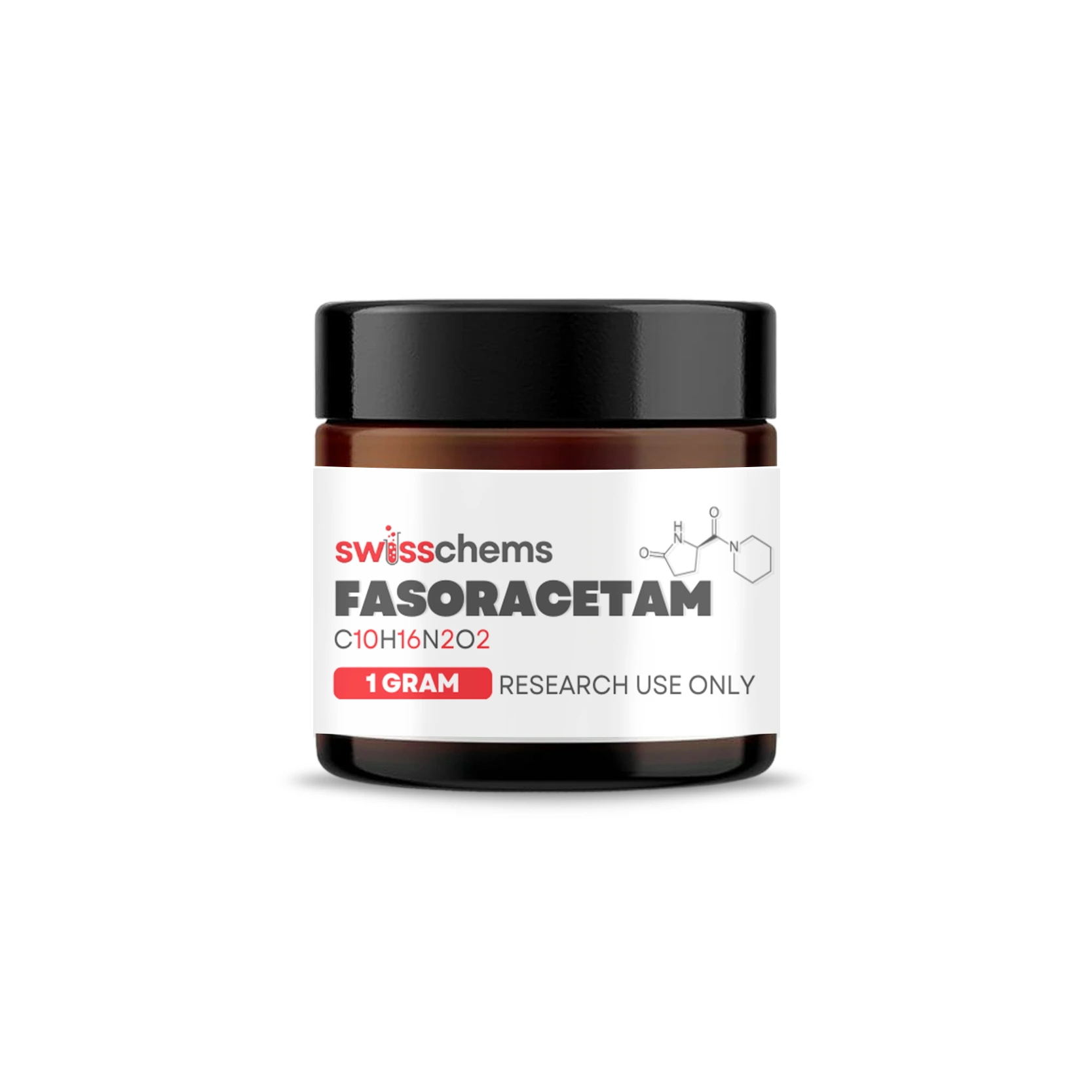
Fasoracetam Overview
⭐ Top Benefits: Supports cognitive research, neurotransmitter modulation, synaptic signaling
🧪 Form: Powder (1 gram jar)
⏱ Max Time Used: Variable depending on research protocol
💲 Average Cost: $20.99
⚡ Side Effects: Mild headache, fatigue, transient cognitive overstimulation
⚠️ Dangers: May interact with cholinergic or glutamatergic agents; requires precise handling
🔗 Best Research Stack: Noopept, Coluracetam, Alpha-GPC, Phenylpiracetam
♂♀ Men/Women: Suitable for both (research use only)
Copy Brawn20 for 20% off
- Enhances neurotransmitter-related research outcomes
- Pure powder allows flexible, custom dosing for experiments
- Supports studies on memory, attention, and executive function
- Requires precise micro-measurement equipment
- Effects vary widely between research models
- Limited human data outside preliminary studies
Disclaimer: This compound is experimental and not approved for human use. For laboratory/research purposes only.
Recommended Dosage Table
| Product | Dosage 💊 | Administration 💉 | Timing ⌚ |
| Fasoracetam | 10-20mg daily in two doses | Oral | Morning |
| CPD-Choline | 250-500mg once or twice | Oral | Morning |
| Alpha-GPC | 300-600mg once or twice daily | Oral | Morning |
| Noopept | 10-30mg/day | Oral | Morning or Early Afternoon |
| L-Theanine | 100-400mg/day | Oral | Evening |
Important Stacking Guidelines
When stacking, researchers often pair fasoracetam (AM dose) with a single cholinergic source (either CDP-choline OR Alpha-GPC, not both together, to avoid excess choline). Timing in the morning with food is common in anecdotal practice to support cognitive effects during the day.
Pair fasoracetam with one choline donor and add one supportive compound (either for focus, mood, or energy), keep stacks simple to minimize unpredictable interactions.
Benefits of Using Fasoracetam
Fasoracetam stands out in the world of nootropics for its multi-faceted potential to support focus, mood, memory, and cognitive resilience. Most of the evidence comes from animal studies and early human trials, so while the findings are promising, they remain preliminary.
Improved ADHD Symptoms
Fasoracetam has shown notable promise in reducing ADHD symptoms, particularly in adolescents with adhd with specific genetic mutation status in glutamatergic signaling. A placebo-controlled study reports, young individuals with such mutations experienced marked improvements in attention and behavior, with no signs of tolerance or dependence emerging during the five-week trial.
Enhanced Memory and Learning
Further studies suggest fasoracetam helps reverse memory impairments, especially those triggered by disrupted choline function or by GABA-B receptor agonists like baclofen. These effects are thought to stem from boosted acetylcholine synthesis and the modulation of inhibitory GABA signaling.
Mood Lifting and Anxiolytic Effects
Fasoracetam may promote a calm, uplifted state by balancing glutamate and GABA activity. This dual action is believed to support mood regulation, reduce anxiety, and provide a gentle sense of well-being, without the jittery side effects of stimulants.
Support During Withdrawal or Tolerance Reversal
Numerous anecdotal reports indicate that fasoracetam may assist with recovery from tolerance to GABA-ergic substances, such as phenibut or similar compounds, by helping restore GABA-B receptor function.
Neuroplasticity and Cognitive Resilience
Emerging evidence suggests fasoracetam may enhance neuroplasticity, helping the brain form new connections and adapt better to challenges. Though most of this is based on preclinical findings, it hints at a potential role in long-term cognitive health and resilience.
Who Should Use Fasoracetam?
Fasoracetam may be particularly meaningful for individuals diagnosed with ADHD who also carry specific genetic variants in their metabotropic glutamate (mGluR) networks. A notable clinical trial revealed that adolescents with ADHD and these mGluR-related mutations experienced significant improvements in attention and behavior with fasoracetam treatment, whereas individuals without these genetic markers are unlikely to benefit.
Beyond that niche group, Fasoracetam may appeal to those looking for a balanced, non-stimulant cognitive boost, especially users who want to enhance focus, reduce mental fog, or support mood without jittery side effects. Its ability to modulate multiple neurotransmitter systems, glutamate for cognitive clarity, GABA-B for emotional calm, and acetylcholine for memory and learning makes it a subtle yet multi-pronged nootropic option.
Safety, Side Effects & Cautions
From the available data and user reports, Fasoracetam appears generally well-tolerated when used responsibly. The most common side effects mirror those seen with other racetams: mild fatigue, headaches, and occasional digestive discomfort. Some users have also noted reduced libido or diminished orgasmic response as potential side effects.
However, caution remains essential. Human research on fasoracetam is still limited, and its long-term safety has not been established. People with kidney issues should consult a doctor, as fasoracetam is primarily excreted through the kidneys. And because we lack data on its effects during pregnancy or breastfeeding, use by those populations is not advised.
Individual experiences add another layer to consider. Some users report severe withdrawal symptoms upon discontinuation, resembling the intense physical and emotional effects seen with GABA-B–acting substances like phenibut. Others describe prolonged drowsiness, brain fog, high heart rate, or overstimulation lasting days or even weeks after use.
Limitations & Next Steps
While Fasoracetam shows promise, its development and application face several limitations. Its efficacy appears limited to a specific subset of individuals, those with ADHD who have certain genetic metabotropic glutamate receptor mGluR mutations. A clinical trial demonstrated significant improvements in this group, but broader applicability remains unproven. Additionally, fasoracetam was discontinued in Phase 3 trials for vascular dementia due to lack of efficacy, and its development for other conditions has been halted.
Moving forward, research should focus on identifying biomarkers to predict which individuals would benefit most from Fasoracetam, enhancing personalized treatment approaches. Exploring its potential in other neurodevelopmental disorders, such as DiGeorge syndrome, is underway. However, without regulatory approval or large-scale clinical validation, Fasoracetam remains an experimental compound. Individuals considering its use should consult healthcare professionals to weigh potential benefits against risks.
Latest Research & Potential New Uses of Fasoracetam
Emerging research is rekindling interest in Fasoracetam beyond its initial trajectory. While development for older indications like vascular dementia and ADHD largely halted due to limited efficacy, new clinical exploration has surfaced, most notably involving DiGeorge syndrome (22q11.2 deletion syndrome).
As of 2023, Fasoracetam (also referred to by code names such as NFC-1 or AEVI-001) is in Phase II clinical trials targeting this rare developmental disorder, signaling revived therapeutic potential in genetic conditions.
At the preclinical level, studies in animal models continue to uncover promising neurobiological effects. Fasoracetam’s capacity to enhance cholinergic transmission, specifically by increasing acetylcholine release and modulate mGluR1 and mGluR5 metabotropic glutamate receptors supports improved neural plasticity and cognitive resilience. Its interaction with the GABAergic system further suggests anxiolytic and mood-regulating properties, which may open pathways for treating mood disorders beyond cognition.
Despite these fascinating prospects, researchers emphasize that Fasoracetam remains experimental. Human research is still sparse, with many findings rooted in animal studies.
Conclusion
Fasoracetam stands out as an intriguing nootropic, born from efforts to treat dementia, later repurposed with promising early results for ADHD patients with specific genetic profiles. Although its ability to enhance focus, mood, and cognitive recovery is backed by impressive preclinical and niche clinical findings, the majority of its hype still rests on limited human data. As a racetam that modulates key neurotransmitters, glutamate, GABA-B, and acetylcholine, it holds genuine scientific credibility, yet broader efficacy remains unproven.
Looking ahead, the true promise of Fasoracetam lies in precision-driven research: identifying who can genuinely benefit, validating its safety, and uncovering the fine-tuned dosing needed for real-world impact. Until then, it remains a nuanced tool hopeful, not sensational. With cautious awareness and emerging evidence-based application, Fasoracetam may yet prove itself a notable asset in cognitive health’s future.
FAQs
What is fasoracetam and how does it work?
Fasoracetam is a nootropic compound that modulates key neurotransmitter systems, glutamate, GABA‑B, and acetylcholine to potentially enhance focus, mood, and cognitive recovery.
Who should consider using fasoracetam?
Individuals with ADHD who have specific genetic mutations affecting metabotropic glutamate receptors may benefit from fasoracetam, as clinical studies have shown improvements in this subgroup.
What are the common side effects of fasoracetam?
Users have reported generally mild side effects such as headaches, fatigue, and gastrointestinal discomfort; however, these are generally transient and not experienced by everyone.
Is fasoracetam safe for long-term use?
Long-term safety data on fasoracetam are limited, and while it appears well-tolerated in short-term studies, caution is advised due to the lack of extensive human clinical trials.
How should fasoracetam be dosed?
Typical doses range from 20 to 100 mg per day, often taken once or twice daily; it’s recommended to start with the lowest effective dose and consult with a healthcare professional before increasing.