What is NSI-189?
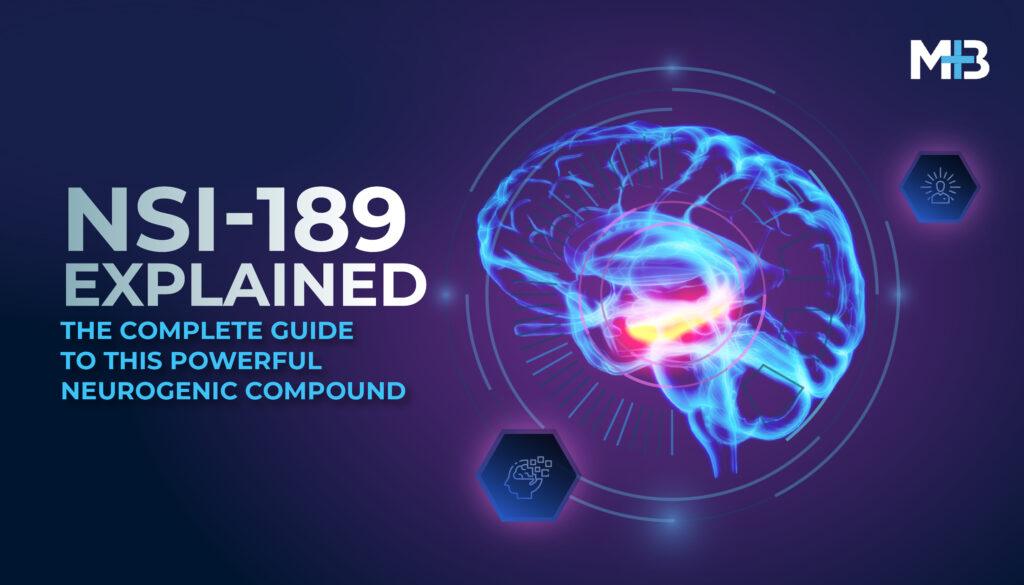
NSI-189 is an experimental neurogenic compound that emerged from Neuralstem Inc.’s efforts to develop a next-generation therapy for major depressive disorder (MDD), one capable of reshaping the brain at a structural level. Unlike conventional antidepressants, which primarily modulate neurotransmitters, NSI-189 belongs to a novel class of nicotinamide–pyrazine hybrids designed to stimulate the formation of new neurons within the hippocampus, a region central to memory, mood regulation, and stress adaptation.
Early laboratory findings revealed that NSI-189 could enhance hippocampal neurogenesis by 20–30%, a striking effect that positioned it as one of the few compounds with measurable regenerative influence on brain architecture. This sparked significant interest not only in clinical research but also within the broader nootropics community, where it gained attention for its potential to support cognition, emotional balance, and long-term neural resilience. Although NSI-189 progressed through Phase I and early Phase II trials with encouraging outcomes, it ultimately did not receive FDA approval. Today, it remains classified as a research-only compound, yet continues to be studied for its unique ability to promote neuroplasticity and hippocampal growth, qualities that may hold relevance for mood disorders, cognitive decline, and brain health optimization.
Key Takeaways
- NSI-189 promotes hippocampal neurogenesis, supporting long-term brain health and structural enhancement 🧠
- It offers potential mood stabilization and cognitive improvement beyond traditional antidepressants 🌟
- Effects are gradual, emphasizing neural regeneration over quick symptom relief ⏳
- Safety data is limited; it remains a research-only compound requiring cautious use ⚠️
- NSI-189 exemplifies a forward-thinking approach to optimizing cognition, emotion, and resilience 🚀

How NSI-189 Works: Mechanism of Action
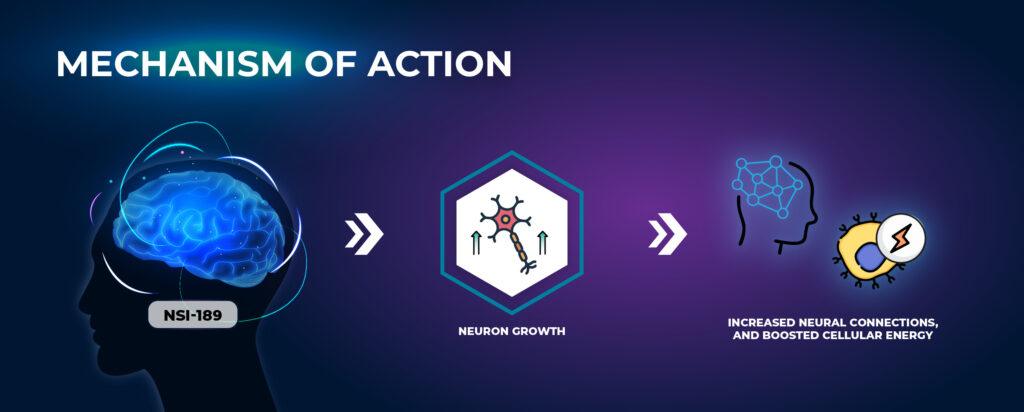
NSI-189’s mechanism of action is unusually sophisticated for a compound initially explored as an antidepressant. Rather than simply altering neurotransmitter levels, it targets the structural foundation of the brain, particularly the hippocampus, a region that often shows reduced volume in individuals with chronic stress or depression. Its effects unfold through multiple complementary pathways that collectively enhance neurogenesis, synaptic plasticity, and cellular resilience.
Stimulation of Hippocampal Neurogenesis
The core mechanism behind NSI-189 is its ability to promote the formation of new neurons. Preclinical models consistently show increased proliferation of neural stem cells within the hippocampus. This is not a temporary or superficial effect; it represents genuine cellular growth that may contribute to improved:
- Memory formation
- Emotional regulation
- Stress tolerance
This neurogenic activity sets NSI-189 apart from typical antidepressants, which rarely induce structural brain changes.
Upregulation of Neurotrophic Factors (BDNF Pathways)
NSI-189 appears to influence the expression of brain-derived neurotrophic factor (BDNF) and related growth factors. BDNF acts as a molecular “fertilizer” for the brain, supporting:
- Neuron survival
- Synaptic connectivity
- Long-term plasticity
By enhancing these trophic signals, NSI-189 may help stabilize neural circuits that are impaired or underactive in mood disorders.
Enhancement of Mitochondrial Function
Emerging evidence suggests that NSI-189 may improve mitochondrial efficiency, contributing to healthier energy metabolism within neurons. Better mitochondrial function supports:
- Faster neural communication
- Greater mental stamina
- Reduced cognitive fatigue
This metabolic component may be why some users report improved clarity, drive, and focus even at lower doses.
Modulation of Stress-Related Pathways
Chronic stress reduces hippocampal volume through cortisol-driven damage. NSI-189’s neurogenic and neuroprotective actions may counteract this effect by:
- Strengthening hippocampal structure
- Increasing resilience to stress hormones
- Rebuilding damaged neural circuits
This offers a more foundational approach to mood regulation compared to neurotransmitter-only strategies.
Structural and Functional Brain Enhancement
Ultimately, NSI-189 aims to restore and reinforce the architecture of the hippocampus. Increased neuron density and connectivity may translate into:
- Elevated mood
- Improved memory
- More adaptive cognitive function
- Greater emotional stability
These effects take time to develop — aligning with the compound’s long-term neurotrophic profile rather than fast-acting stimulant-like mechanisms.
Where To Buy NSI-189?
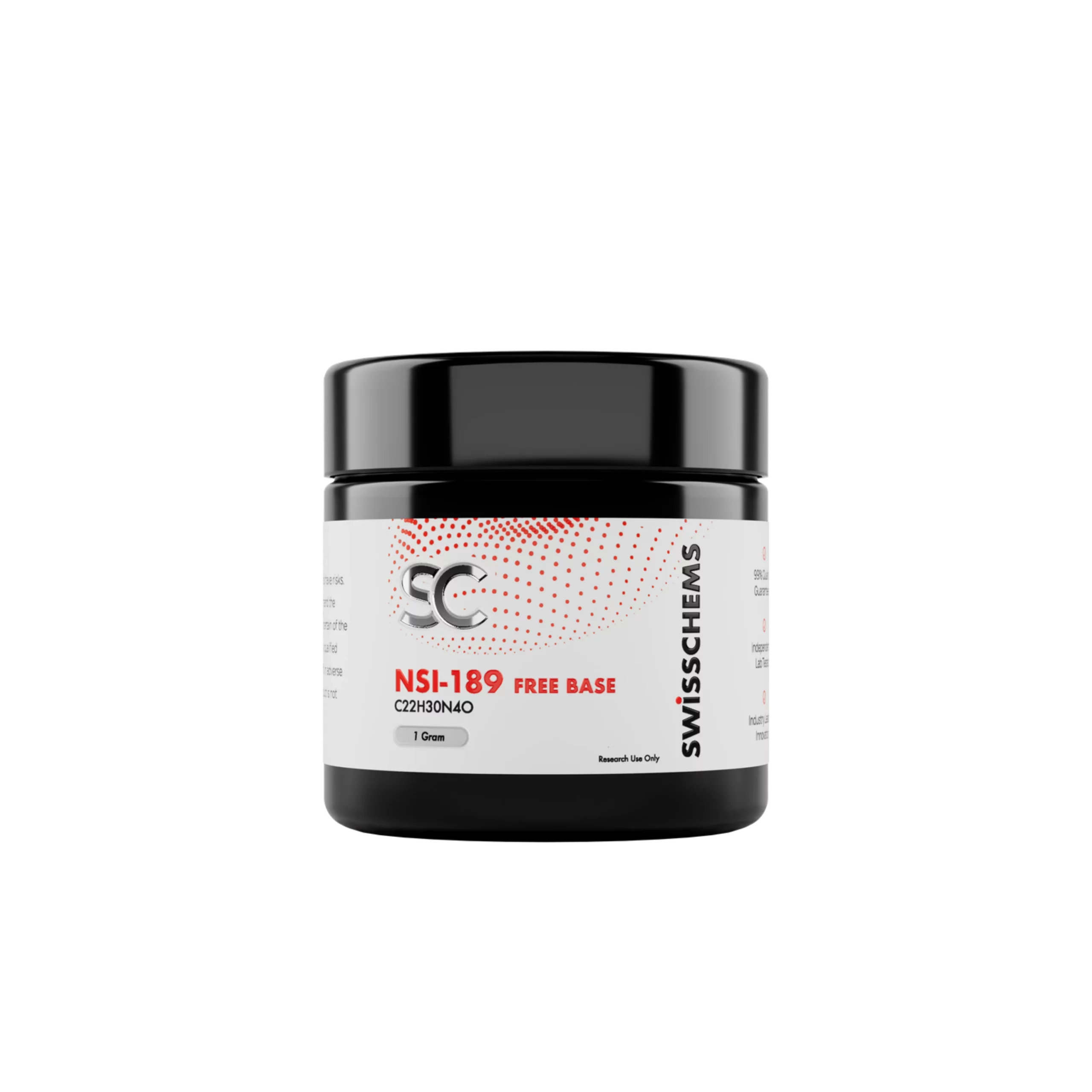
NSI-189 Free Base
NSI-189 Free Base (1g Powder) is a benzylpiperazine–aminopyridine compound studied for its potential activity on neurogenic and neurotrophic pathways. Research has explored its interaction with hippocampal neurogenesis, cognitive support mechanisms, and neuronal resilience under stress-related conditions.
As a lipophilic pyridine-derived molecule, NSI-189 demonstrates strong bioavailability and efficient cellular permeability in vitro. Laboratory models suggest it may influence synaptic signaling, neural plasticity, and mood-regulation pathways, making it a widely studied compound in neuroregeneration research.
SwissChems supplies NSI-189 Free Base in 1-gram powder jars, tested for ≥98% purity and packaged in tamper-proof, temperature-controlled containers. Known for quality and consistency, SwissChems remains a trusted source within the research community.
Disclaimer: NSI-189 is a research chemical not approved by the FDA for human consumption. This information is for educational purposes only and is not medical advice.
NSI-189 Overview
⭐ Top Benefits: Supports neurogenesis pathways, may aid mood research, cognitive resilience
🧪 Form: Powder (1 gram)
⏱ Max Time Used: 2–8 weeks (research use)
💲 Average Cost: $22.99
❤️ Side Effects: Head pressure, fatigue, restlessness
⚠️ Dangers: Limited human data; requires precise handling
🔗 Best Stack: Noopept, Lion’s Mane extract (research), CDP-Choline
♂♀ Men/Women: Suitable for both (research use)
Copy Brawn20 for 20% off
- Studied for neurogenic and neurotrophic activity
- Lipophilic structure supports strong bioavailability
- May support cognitive and mood-related pathways
- Research-grade purity and consistency
- Research-only compound
- Very limited long-term safety data
- Requires accurate micro-measurement
- Potential for mild neurological side effects
Recommended Dosage Table
| Product | Dosage 💊 | Administration 💉 | Timing ⌚ |
| NSI-189 | 10-40mg/day | Oral | Morning |
| Noopept | 10-30mg/day | Oral | Morning |
| Alpha-GPC | 300-600mg once or twice daily | Oral | Evening |
Science-Backed Benefits of NSI-189
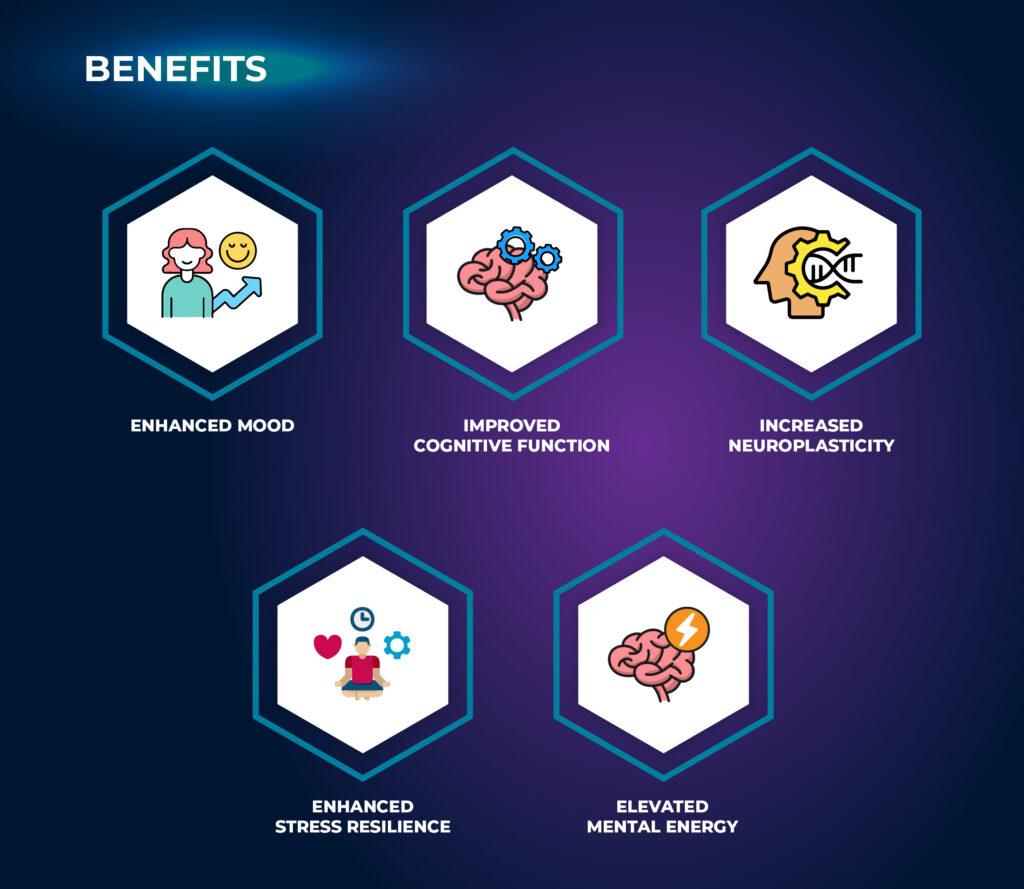
Although NSI-189 remains an experimental compound, its early clinical data and preclinical research reveal a compelling profile of cognitive, emotional, and neuroprotective benefits. Unlike traditional mood-support agents that primarily influence neurotransmitters, NSI-189 acts at the structural level, stimulating neural growth, improving hippocampal function, and strengthening the brain’s long-term resilience. Below are the most consistently reported and scientifically supported benefits.
Enhanced Mood and Emotional Stability
One of the most significant findings from early trials is NSI-189’s potential to lift mood and maintain emotional balance. This effect is believed to stem from increased hippocampal neurogenesis and improved neural connectivity , two factors linked directly to better mood regulation. Users and early studies report:
- Reduced feelings of low mood
- More stable emotional responses
- Improved overall sense of well-being
Rather than offering a short-lived boost, NSI-189 seems to support mood in a more foundational way by reinforcing the brain regions that govern emotional processing.
Improved Cognitive Function and Memory
NSI-189’s ability to promote neurogenesis translates into meaningful cognitive enhancements. The hippocampus plays a central role in learning, memory consolidation, and spatial reasoning, and improvements in this region often correlate with:
- Sharper memory recall
- Better learning efficiency
- Increased mental clarity
- Enhanced retention of new information
These effects typically accumulate gradually, reflecting the compound’s long-term neurotrophic mechanism rather than any immediate stimulant-like response.
Increased Hippocampal Volume and Neuroplasticity
Perhaps the most striking benefit is the potential for actual growth of hippocampal tissue. Preclinical data indicate that NSI-189 may increase hippocampal volume and improve the structural integrity of neural pathways. Greater hippocampal volume is associated with:
- Stronger cognitive performance
- Greater resilience to stress
- Improved mood regulation
- Enhanced adaptive thinking
This structural expansion is what differentiates NSI-189 from most compounds in its category.
Enhanced Stress Resilience
By strengthening hippocampal structure and supporting healthier neural circuitry, NSI-189 may help buffer the brain against chronic stress. This happens through:
- Improved regulation of stress hormones
- Increased neuroplasticity
- Healthier emotional processing
Individuals under high cognitive or emotional load may experience improved composure, better focus under pressure, and more balanced responses to daily stressors.
Elevated Motivation and Mental Energy
Some users report a noticeable improvement in drive, productivity, and sustained mental energy. While this benefit is more anecdotal, it may relate to the compound’s influence on neuronal metabolism and mitochondrial function. Better cellular energy production can manifest as:
- Reduced brain fog
- Greater initiative
- Increased task engagement
This is not stimulant-based energy but a deeper sense of cognitive readiness.
NSI-189 vs Similar Compounds
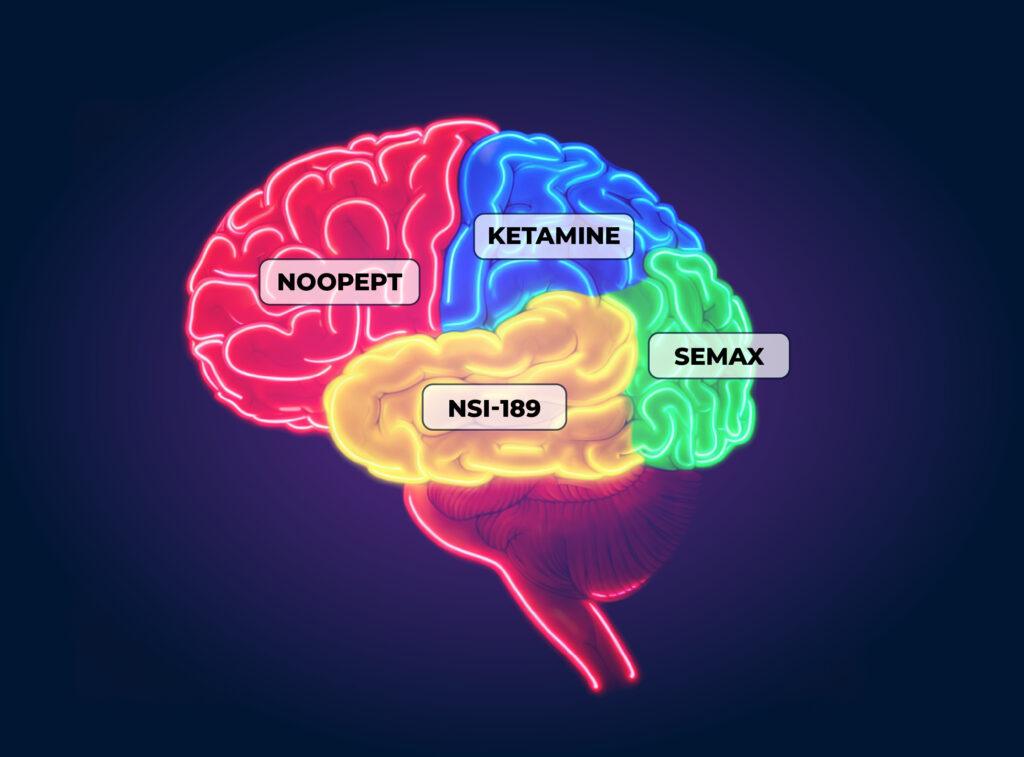
While NSI-189 stands out for its neurogenic properties, it’s often compared to other nootropics and mood-modulating compounds that influence cognitive function, neuroplasticity, or depressive symptoms through different mechanisms. Understanding how NSI-189 contrasts with similar agents can help clarify where it fits within the broader landscape of neuroactive compounds.
NSI-189 vs Semax
Semax is a synthetic peptide derived from ACTH fragments, known for its rapid cognitive and neuroprotective effects. Unlike NSI-189, which focuses on long-term neurogenesis and hippocampal growth, Semax primarily enhances neurotransmission, BDNF expression, and short-term cognitive performance.
Its effects tend to be more immediate, improving focus, mental clarity, and stress resistance, whereas NSI-189 works more gradually, reshaping brain structure over weeks to months. Semax is often favored for acute cognitive enhancement, while NSI-189 is valued for deeper, structural benefits.
NSI-189 vs Noopept
Noopept is a fast-acting nootropic known for enhancing memory, learning, and neuroprotection through increased NGF/BDNF activity and improved synaptic efficiency. While both compounds influence neuroplasticity, Noopept operates mainly through neurotransmitter modulation and synaptic signaling, yielding quicker cognitive improvements.
NSI-189, by contrast, has a more targeted impact on the hippocampus, promoting new neuron formation and long-term structural changes. Noopept is typically preferred for immediate cognitive enhancement, whereas NSI-189 is explored for foundational brain rebuilding and mood regulation.
NSI-189 vs Ketamine (for Depression)
Ketamine is a rapid-acting antidepressant that works through NMDA receptor antagonism, leading to rapid increases in glutamate signaling and fast relief of depressive symptoms, often within hours. NSI-189, on the other hand, does not provide instant relief. Its effects emerge over weeks as it supports hippocampal neurogenesis, improves connectivity, and long-term mood stabilization. Ketamine is ideal for acute, treatment-resistant depression requiring quick intervention, while NSI-189 represents a potential long-range strategy focused on structural brain restoration rather than immediate symptom reduction.
Safety & Side Effects
NSI-189 is generally well-tolerated in the limited clinical studies conducted, but it remains an experimental compound, and long-term safety data are scarce. Reported side effects are typically mild and may include headaches, fatigue, or slight gastrointestinal discomfort.
Because it directly influences neurogenesis and hippocampal function, caution is advised for individuals with pre-existing neurological conditions, mood disorders, or those taking other psychoactive medications. As with any research compound, proper dosing, medical supervision, and sourcing from reputable laboratories are essential to minimize potential risks.
Who Should Avoid NSI-189?
NSI-189 is not suitable for everyone due to its experimental nature and potent effects on brain structure. Individuals who should avoid it include:
- Pregnant or breastfeeding women, as safety data are lacking.
- People with severe neurological or psychiatric conditions should not unless under strict medical supervision.
- Those taking other psychoactive or antidepressant medications, due to potential interactions.
- Minors or adolescents, as developing brains may respond unpredictably.
Given its research-only status, anyone considering NSI-189 should proceed with caution and prioritize safety, ideally consulting a healthcare professional before use.
Conclusion
NSI-189 represents a pioneering approach in neuropharmacology, distinguished by its capacity to rebuild and fortify hippocampal architecture, enhance cognitive performance, and support emotional equilibrium at a structural level rather than merely modulating neurotransmitters. While preliminary research and anecdotal evidence underscore its promising neurogenic and mood-stabilizing effects, the compound remains experimental, with long-term safety yet to be fully elucidated. For those seeking a sophisticated, forward-looking strategy to optimize brain function, NSI-189 exemplifies the potential of true neural regeneration, demanding judicious use and careful consideration of its research-only status.
FAQs
Is NSI-189 safe for long-term use?
Long-term safety is not fully established, so caution is advised.
How quickly can I expect effects from NSI-189?
Noticeable benefits usually appear gradually over several weeks.
Can NSI-189 be stacked with other nootropics?
It may be combined cautiously, but interactions are largely unstudied.
Is NSI-189 legal to buy and use?
NSI-189 is a research chemical and is not FDA-approved for human use.
Will NSI-189 improve memory and focus?
Early studies and user reports suggest potential improvements in cognition and memory over time.