You have probably heard the term muscular dystrophy and thought about muscle weakness and wheelchairs. You may not know how many actors, athletes, musicians, and creators live with this disease and still chase big dreams. Their stories show progress in research and the power of the disability community when people raise funds and speak up.
This guide brings science and real lives together. You will learn what muscular dystrophy is, how the most common type differs from others, and how famous people with muscular dystrophy use their platforms to spread awareness. You will also see the role of the Muscular Dystrophy Association in developing treatments and improving medical care.
Key Takeaways
- Famous people with muscular dystrophy help the world see visible physical disability with more respect and understanding. 🧠
- Duchenne muscular dystrophy is the most common type in children while myotonic dystrophy is common in adults. 🧬
- Real stories from actors, a voice actor, a pro athlete, and musicians show how families, friends, and organizations provide strong support. 🤝
- Developing treatments bring hope, but daily care and smart rehab still protect muscle strength and quality of life. 💪
- September is Muscular Dystrophy Awareness Month and October features many Walk and Roll events that raise money and awareness for research. 📅

Muscular Dystrophy: What It Is And Why It Happens
Muscular dystrophy is a group of genetic diseases. The genes that keep muscles healthy do not work as they should. Over time, muscles waste and become weak. Symptoms may start in early childhood, the teen years, or adult life. The stage and rate of change vary between people. Some types affect breathing muscles and the heart. That is why early diagnosis, routine checkups, and many doctors on your team matter.
The Most Common Type
Duchenne muscular dystrophy is the most common type in children. It mainly affects boys. It starts with trouble running, climbing, and getting up from the floor. As time passes, muscle wasting affects the legs and hips, then the arms, and later the breathing muscles and heart. Becker muscular dystrophy is related to Duchenne but usually milder and later in onset.
Other Common Types:
- Myotonic dystrophy: Often begins in adult life. It causes weakness and trouble relaxing muscles after use. It can affect the heart, eyes, and hormones.
- Facioscapulohumeral muscular dystrophy: Weakness starts in the face, shoulders, and upper arms. It can progress slowly and differently in each person.
- Congenital muscular dystrophy: Symptoms start at birth or in very young children. Ullrich congenital muscular dystrophy is one form.
- Spastic muscular dystrophy: Some people use this term for forms that include tight muscles and spasticity. Doctors usually describe the exact genetic type instead. If you see the term in media, ask for the precise diagnosis so you understand the care plan.
Famous People With Muscular Dystrophy
These public figures show different faces of the disease. They also show how interest, family support, and community action can change lives.
Jillian Mercado: Model, Actor, And Disability Advocate
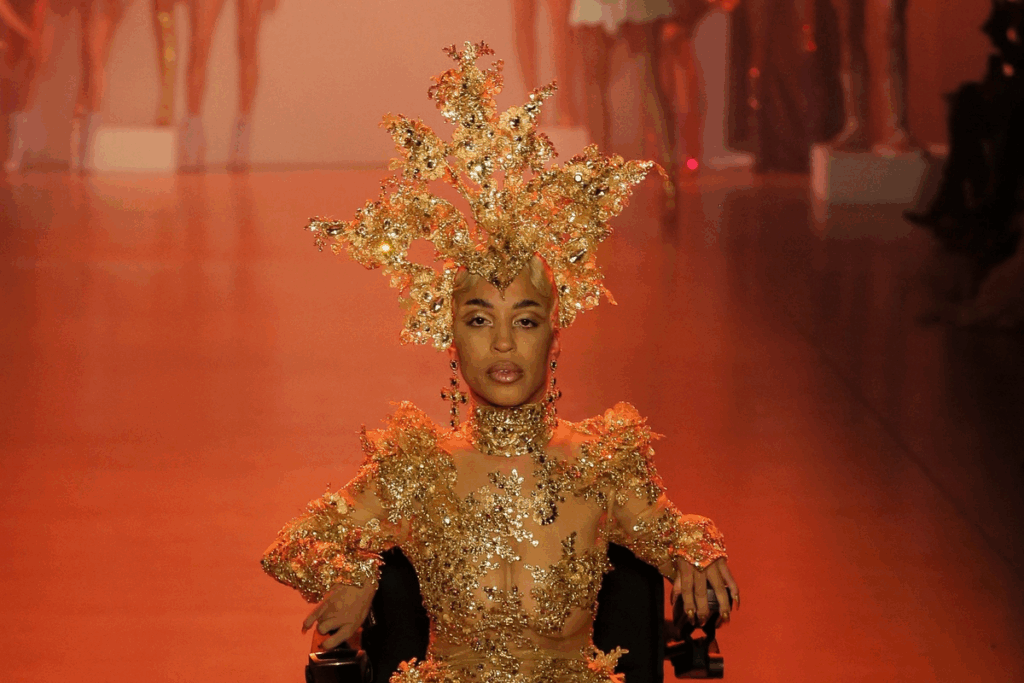
Jillian Mercado lives with spastic muscular dystrophy and uses a wheelchair. She works across fashion and TV. She appeared in major brand campaigns and acted in a popular series. Jillian speaks often about representation. She talks about how kids and young people need to see people with visible physical disability in media and at events. Her advocacy helps the disability community by pushing for inclusive sets, accessible venues, and real casting of actors with disabilities. Her work inspires school programs and foundation projects that raise awareness.
Why her story matters: She shows how a person can build a career in fashion with muscle weakness and fatigue. She also shows how an actor with a disability can open doors for others.
Morgan Hoffmann: Professional Golfer With FSHD
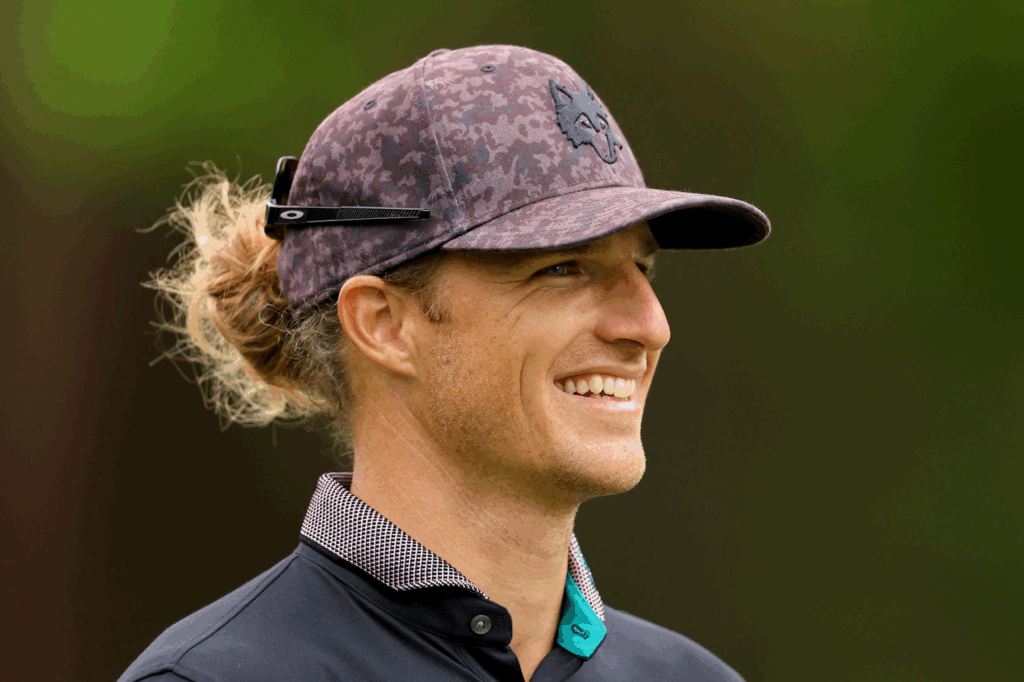
Morgan Hoffmann is a pro golfer who was diagnosed with facioscapulohumeral muscular dystrophy. He shared his diagnosis after years of searching for answers. He adjusted training and recovery, stayed active, and continued to compete. He started wellness projects with his wife and used his platform to raise funds for research and medical care.
Why his story matters: He shows how an athlete can adapt while protecting muscle strength. He also shows how to use sport to spread awareness and support the community.
Sophie Kim: Actor With Ullrich Congenital Muscular Dystrophy
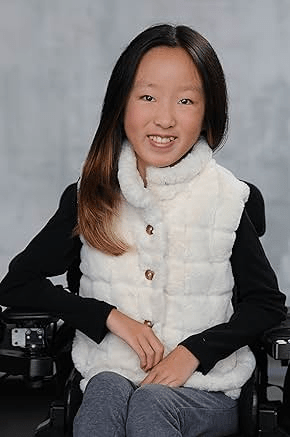
Sophie Kim is a young actor with Ullrich congenital muscular dystrophy. She uses a wheelchair and plays characters who also use a wheelchair. This gives kids and families a true picture on screen. Sophie speaks at schools and events to encourage kids to follow their dreams and to ask for access without shame.
Why her story matters: She shows how early diagnosis and strong family support help a young person stay active in school and work. She also shows how to speak to friends and the world about disability with pride.
Gilbert Gottfried: Comedian And Voice Actor With Myotonic Dystrophy Type 2
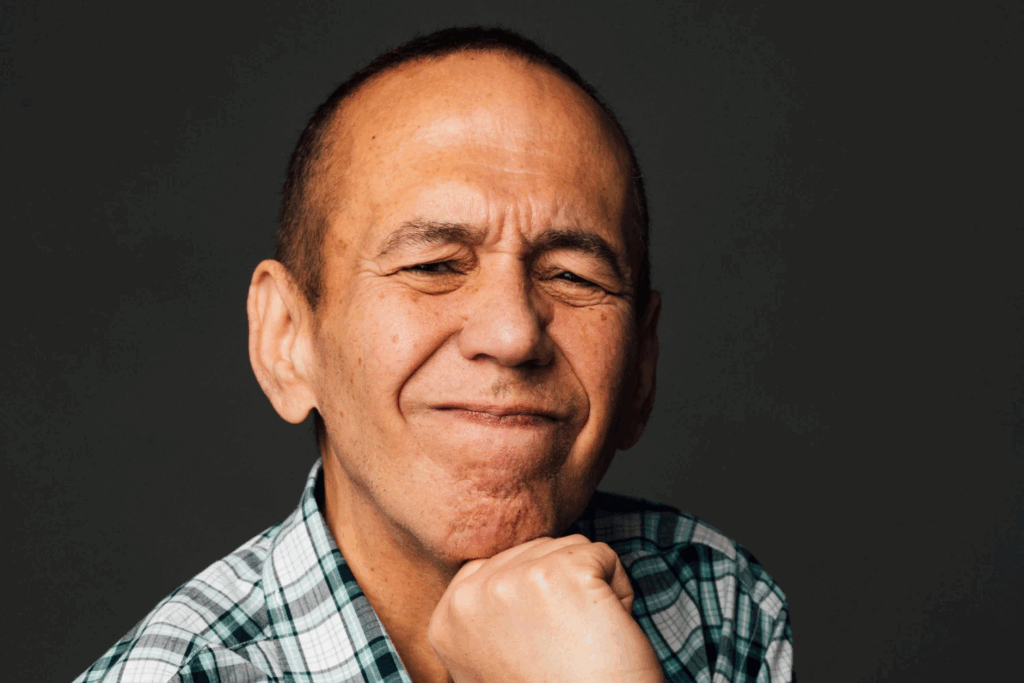
The late Gilbert Gottfried was a world famous comedian and voice actor. He lived with myotonic dystrophy type 2. This type can affect muscles and the heart. His passing brought global attention to the disease and its complications. Fans and other celebrities helped spread awareness and raise money for research.
Why his story matters: He reminded us that muscular dystrophy can affect adults and can involve the heart. He also showed how a voice actor and comedian can make a difference by helping the world learn about symptoms and risks.
Bradley Walker: Country And Gospel Singer
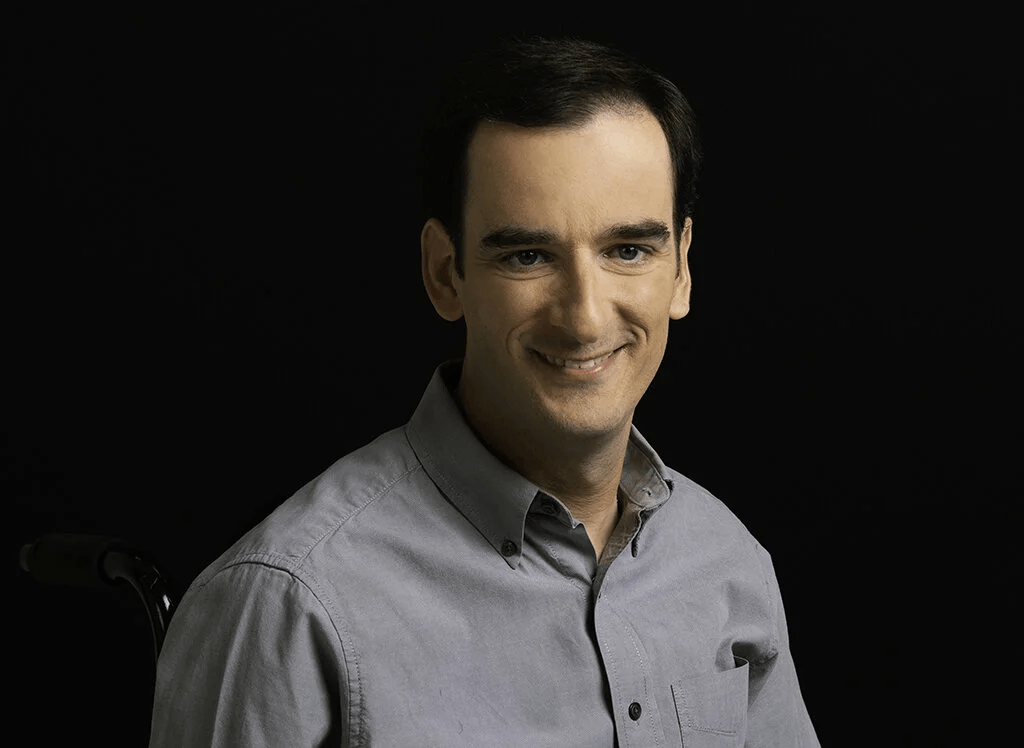
Bradley Walker was born with muscular dystrophy and has used a wheelchair since childhood. He performs country and gospel music, tours, and records. His story shows how a person can build a music career and stay active with help from friends, family, and accessible stages.
Why his story matters: He shows how music and community support can overcome barriers at school, at work, and on tour.
Ryan Levinson: Ocean Athlete With FSHD
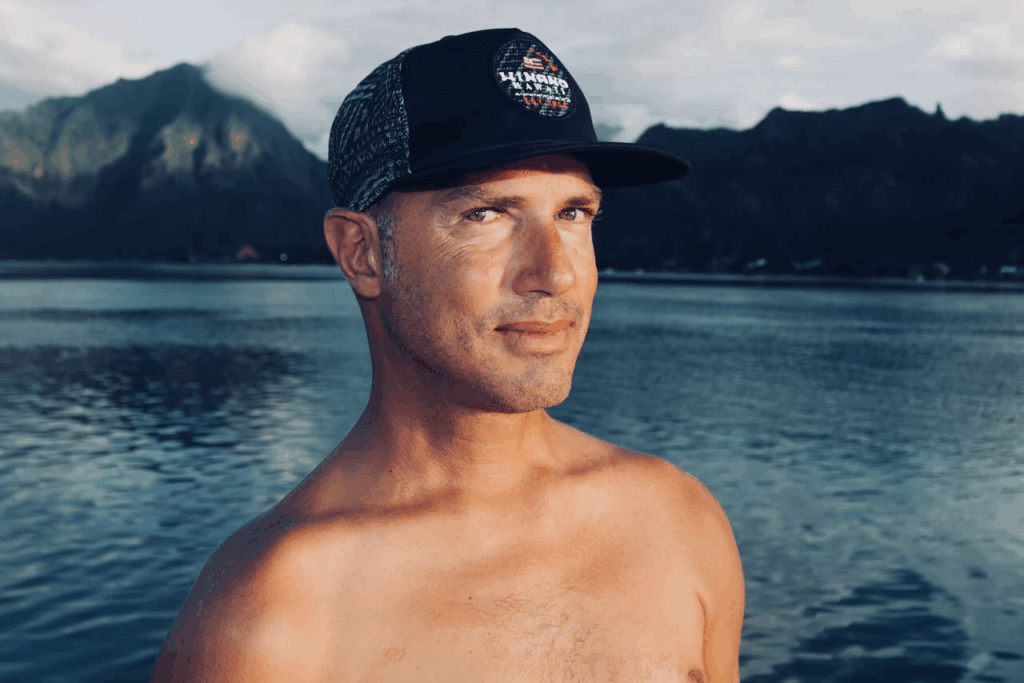
Ryan Levinson is an endurance water athlete diagnosed with FSHD in his twenties. He kept training and later lived at sea for long periods with his wife. He shares tips on movement and energy management for people with muscle weakness. His story brings hope to young people who love sport and the outdoors.
Why his story matters: He shows how to stay active and safe. He also shows how to use social media and film to raise awareness for research and community support.
Trevor Bentham: Screenwriter And Longtime Partner Of Sir Nigel Hawthorne
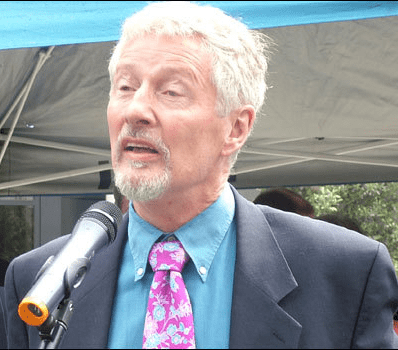
Trevor Bentham is a British screenwriter who was diagnosed with muscular dystrophy in the late 1990s. He and his partner supported local care organizations. His work adds to the long history of artists who create while living with disabilities.
Why his story matters: He shows how relationships, community ties, and writing can build awareness and support.
The Muscular Dystrophy Association And Other Organizations
The Muscular Dystrophy Association supports patients and families through care centers, research grants, and community programs. It also organizes the famous telethon history that many people know from TV. Media hosts like Nancy O’Dell have supported the cause after seeing illness in their own families. The Association and its partners help raise money for research and bring medical teams together.
- Awareness and events: September is Muscular Dystrophy Awareness Month. Many people join local events to raise funds and speak about symptoms, diagnosis, and support. There are also disease specific days in September such as World Duchenne Day and Myotonic Dystrophy Awareness Day. In October many chapters and partner groups host Walk and Roll events to keep the momentum.
- FSHD Society: This group focuses on facioscapulohumeral muscular dystrophy. It runs Walk and Roll to Cure FSHD events and funds labs that study new treatments. Actors and athletes often attend, which brings more attention and money to research.
Symptoms, Complications, And Daily Life
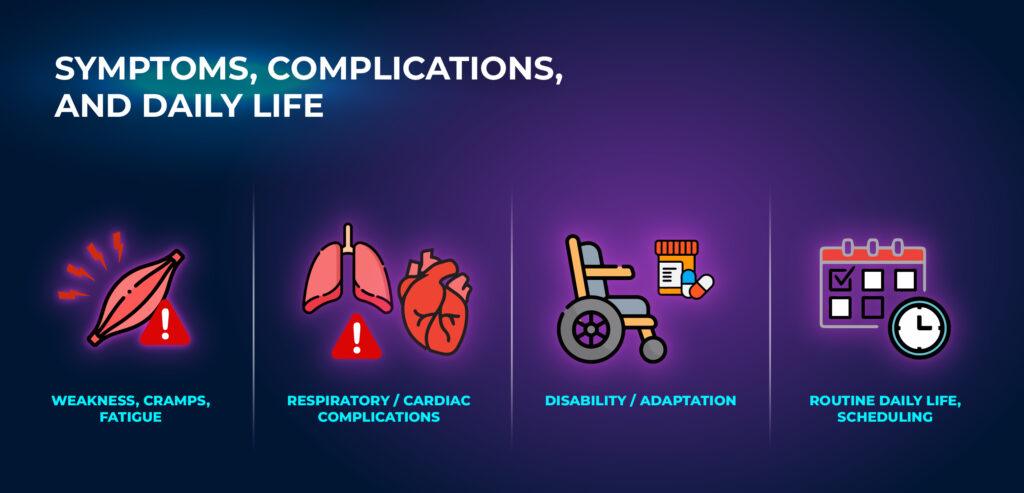
Muscle weakness and fatigue are the core symptoms. Many people also deal with contractures, pain, and changes in posture. Some types affect the heart. Others affect breathing or feeding. Complications can include falls, respiratory infections, and sleep problems. That is why regular medical care and screenings matter. Many doctors can be involved such as neurologists, cardiologists, pulmonologists, and rehab teams.
Daily routines can protect function. People pace their activity, break tasks into stages, and use mobility aids before muscles are overworked. They also train safely with guidance to maintain muscle strength without damage. Friends and families learn how to help without taking over. Schools and employers can make simple changes so people stay active and productive.
Treatments Now And What Is Coming Next
There is no single cure yet. Care focuses on slowing muscle wasting, managing symptoms, and protecting the heart and lungs. The plan depends on the type and the age at diagnosis.
Current pillars of care:
- Regular heart and lung checks and prompt treatment of complications
- Physical therapy and gentle, well planned exercise to protect joints and function
- Assistive devices to reduce strain and keep people independent
- Nutrition support for energy and recovery
- Vaccinations and sleep support to lower infection and fatigue risk
Developing treatments:
- Gene therapy for Duchenne. Gene delivery is now used in clinical care for some people with Duchenne. The goal is to restore a form of dystrophin to reduce muscle damage. Doctors and families continue to watch safety and long term outcomes.
- Antisense and RNA targeted drugs. Some approved medicines help certain Duchenne mutations make more functional dystrophin. More studies are under way to expand who can benefit.
- FSHD research. Labs are testing ways to shut down the DUX4 gene that drives muscle damage in FSHD. Early trials look at safety and the right dose.
- Myotonic dystrophy research. Scientists are working on treatments that target the toxic RNA that causes symptoms. Care teams also manage heart rhythm and other system issues to reduce risk.
These steps bring hope, but smart monitoring is essential. Talk with your care team about benefits and risks. Ask about clinical trials and registries. Join advocacy groups that keep families updated on progress.
Training, Rehab, And Staying Active
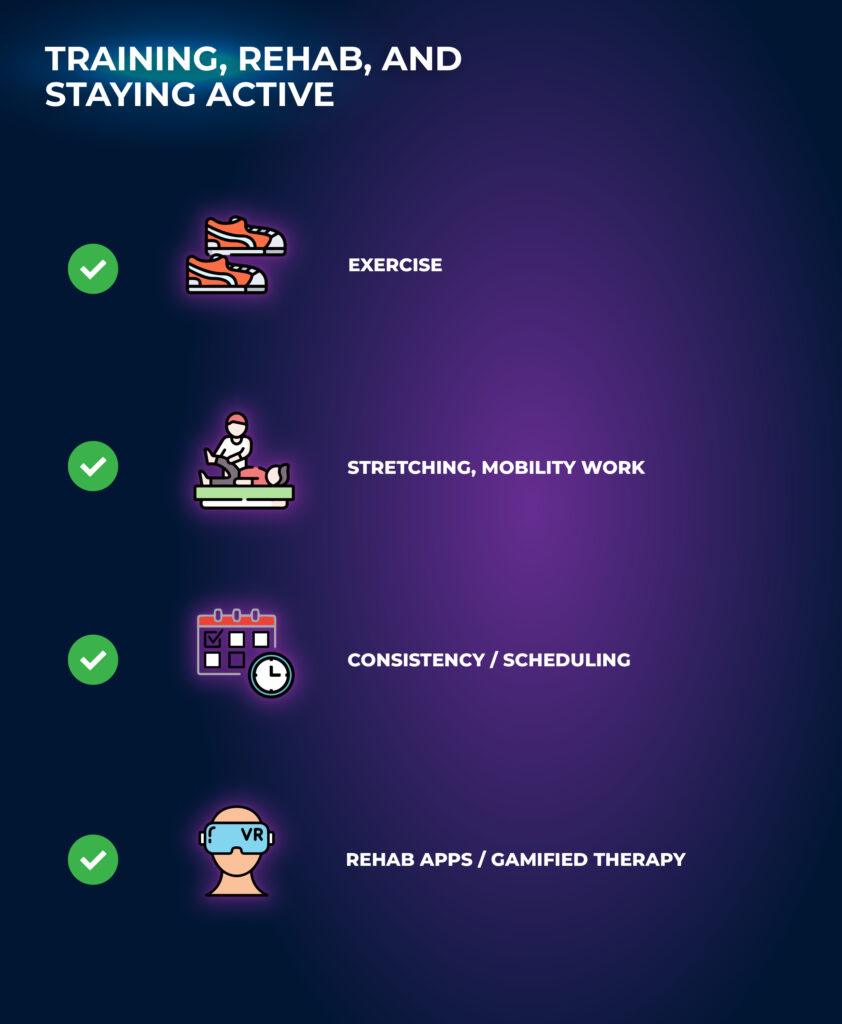
Strong bodies respond better to daily life. Safe movement matters even with muscle weakness. Here is how many people with muscular dystrophy stay active.
- Keep intensity moderate. Choose low impact cardio like swimming, hand cycling, or assisted cycling. Aim for short bouts with rest between sets.
- Protect joints. Use braces or supports if your team recommends them. Keep the range of motion with gentle stretching.
- Use energy wisely. Plan tasks across the day. Take short rests before fatigue sets in.
- Work with a pro. A physical therapist or experienced coach can build a plan that fits your type and stage.
- Listen to symptoms. Stop sessions if you feel unusual pain, dark urine, or breathing changes. Share these signs with your doctors.
How Advocacy And Media Change The Conversation
Celebrities and public figures bring attention to rare and common types of muscular dystrophy. When an actor shares a diagnosis, fans learn the difference between types. When a voice actor passes from complications, people learn how these diseases affect the heart and the whole body. When a golfer stays on tour, kids with disabilities see an athlete who looks like them. These moments raise awareness and drive donations that fund research and care.
- Storytelling matters. People remember a person more than a statistic. That is why interviews, films, and social posts about kids and adults with muscular dystrophy change minds.
- Community events work. Walk and Roll days in October and campaigns in September pull schools, gyms, and clubs together. They create a shared idea of hope and progress.
- Allies count. Media hosts, spouses, friends, and fans help raise money and keep interest high. They support families during diagnosis and through every stage of life.
How To Support And Get Involved
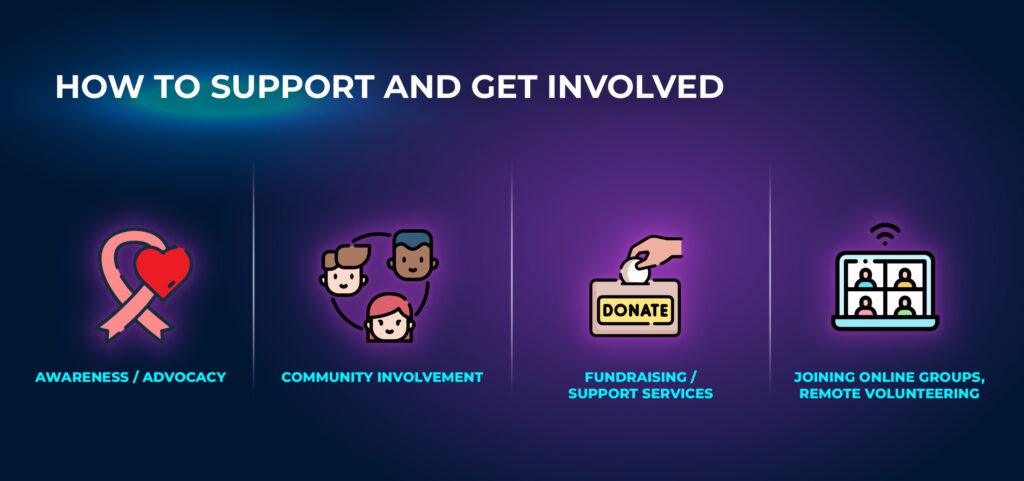
- Join or donate to the Muscular Dystrophy Association. Your gift supports research, clinics, and family services.
- Take part in September awareness campaigns. Share accurate information, wear awareness colors, and post your story.
- Join October Walk and Roll events in your area. Bring friends and help raise funds for research.
- Support inclusive casting and accessible venues. Buy tickets and shows that include actors with disabilities.
- Share this article with a family who is newly diagnosed. Simple information creates hope and a clear next step.
Final Word
Famous people with muscular dystrophy make a difference when they tell the truth about symptoms, barriers, and support. Their work inspires progress in science and in society. With strong medical care, smart training, and steady advocacy, the disability community can move faster toward better treatments and better lives.
At Muscle and Brawn, we support awareness events in September and community walks in October by teaching people how to move well, recover well, and speak up for access. We believe an inclusive strength culture helps everyone. When more people train, adapt, and advocate together, progress speeds up for the whole community.
Frequently Asked Questions (FAQs)
What is the difference between Duchenne and Becker muscular dystrophy?
Both come from changes in the dystrophin gene. Duchenne usually starts earlier and progresses faster. Becker often starts later and progresses more slowly. Doctors confirm the type with genetic testing.
Is spastic muscular dystrophy a formal diagnosis?
Spasticity can appear in some forms, but doctors usually use the precise genetic name such as myotonic dystrophy, FSHD, or a specific congenital muscular dystrophy. Ask your team to explain the exact type and what that means for symptoms and treatment.
Can people with muscular dystrophy exercise?
Yes. The plan must fit the person and the diagnosis. Many people do better with low to moderate intensity and frequent rest. Training should avoid heavy eccentric loads that can damage fragile muscle fibers. A physical therapist can tailor a safe program.
What role does the Muscular Dystrophy Association play?
The MDA connects patients to care centers, funds research, and supports advocacy. It also coordinates September awareness campaigns and year round events that raise money for treatments and community support.
Are there cures?
There is no universal cure yet. Treatments can slow damage, manage symptoms, and in some cases target the genetic cause. Research progress is rapid. Many families join studies and registries to help speed the work.