
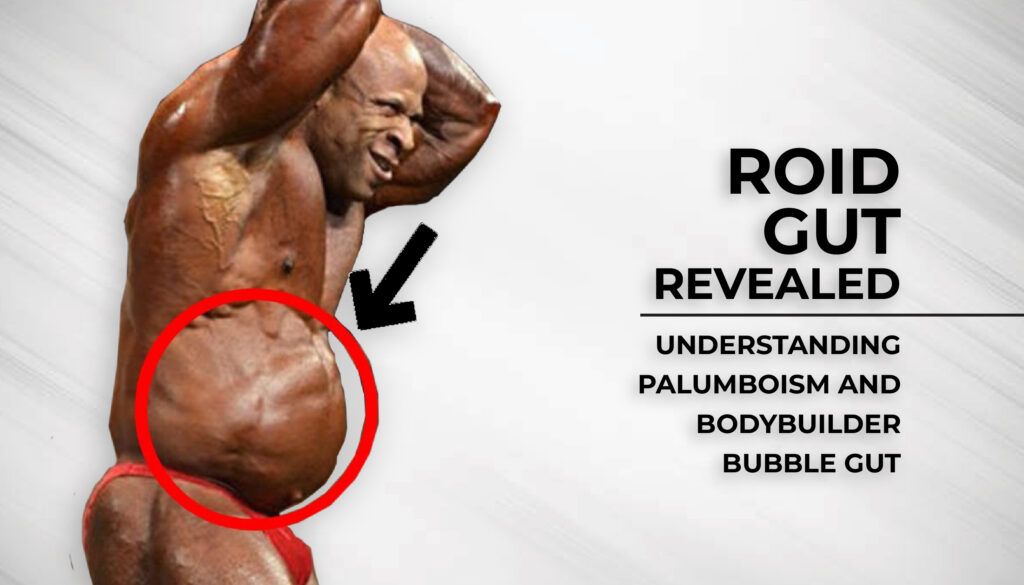
Have you ever noticed how some bodybuilders and fitness models have extremely big and bulky muscles, but their abdominal regions/stomachs protrude out in a strange way? It’s like a big bubble in the middle of all those muscles.
This above phenomenon, colloquially known as “Roid Gut” or “Palumboism,” has long been a subject of fascination and concern within the bodybuilding community.
In this article, I delve deep into the complexities of Roid Gut, unraveling the mysteries behind this enigmatic condition and its association with Palumboism. Beyond the surface glamour of a bodybuilder’s belly lies a fascinating yet controversial aspect that challenges conventional notions of physical perfection.
I will be shedding light on the history, pathophysiology, underlying contributing factors as well as long-term implications that contribute to its development. From the iconic figures of bodybuilding’s golden era to the modern-day athletes pushing the boundaries of muscularity, we’ll uncover the secrets behind the bubble gut phenomenon.
Key Takeaways
- Roid Gut, also seen as a bulging midsection in some bodybuilders, is becoming widely prevalent in the new bodybuilding community. 🏋️♂️
- Palumboism, the condition linked to this bubble gut phenomenon, occurs as muscle mass increases considerably due to prolonged use of anabolic steroids, HGH, and insulin. 💉
- Understand why Roid Gut happens—it’s not just about big muscles but also hormonal imbalances and changes in the abdomen’s structure. 🔄
- While Roid gut has its own aesthetics, it has both acute and chronic health implications for the human body. 🩺
- Increased awareness of Roid Gut’s prevalence and health risks is crucial for the bodybuilding community and athletes. 🚨

Exploring Roid Gut: What is Palumboism?
Palumboism, named after bodybuilder Dave Palumbo, is a rare and perplexing condition characterized by the abnormal growth of visceral organs, particularly the intestines, leading to a distended abdomen in individuals with extremely muscular physiques.
This phenomenon is often observed in competitive bodybuilders who engage in prolonged and intensive use of anabolic steroids, human growth hormone drugs (HGH), and high insulin use to achieve exaggerated muscle mass and excessive growth.
The hallmark of Palumboism is the disproportionate protruding midsection, resulting in a “bubble gut” appearance that contrasts sharply with the lean and sculpted aesthetic typically associated with bodybuilding.
While the exact mechanisms underlying Palumboism remain elusive, it is believed to stem from the dysregulation of hormonal pathways, chronic inflammation, and structural changes within the abdominal cavity.
Despite its prevalence in the bodybuilding community, Palumboism remains a subject of debate and speculation among athletes, coaches, and medical professionals.
Understanding the complexities of this condition is crucial for preserving the integrity of the sport and safeguarding the health and well-being of individuals striving for extreme physical transformation.
Who is Dave Palumbo?
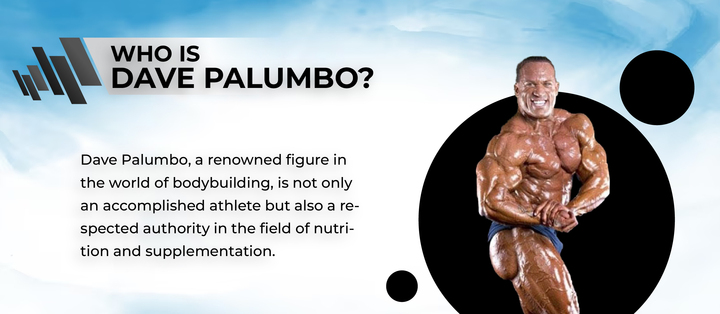
Dave Palumbo, a renowned figure in the world of bodybuilding, is not only an accomplished athlete but also a respected authority in the field of nutrition and supplementation.
Born in 1968, Palumbo rose to prominence during the 1990s as one of the competitive professional bodybuilders, earning accolades for his impressive physique and dedication to the sport.
Beyond his achievements on the stage, Palumbo is best known for his contributions to the bodybuilding community as a coach, journalist, and entrepreneur.
Founder of multiple health and bodybuilding-related startups as well as Species Nutrition, Palumbo has played a pivotal role in disseminating knowledge and promoting a holistic approach to fitness and wellness.
As the namesake of “Palumboism,” a condition that is named after his surname, Dave Palumbo remains a central figure in discussions surrounding the risks and rewards of extreme muscle growth in bodybuilding.
His legacy extends far beyond the confines of the gym, leaving an indelible mark on the sport and inspiring countless athletes to pursue their passion for physical excellence.
Anatomy of Roid Gut: Understanding Bodybuilder Bubble Gut
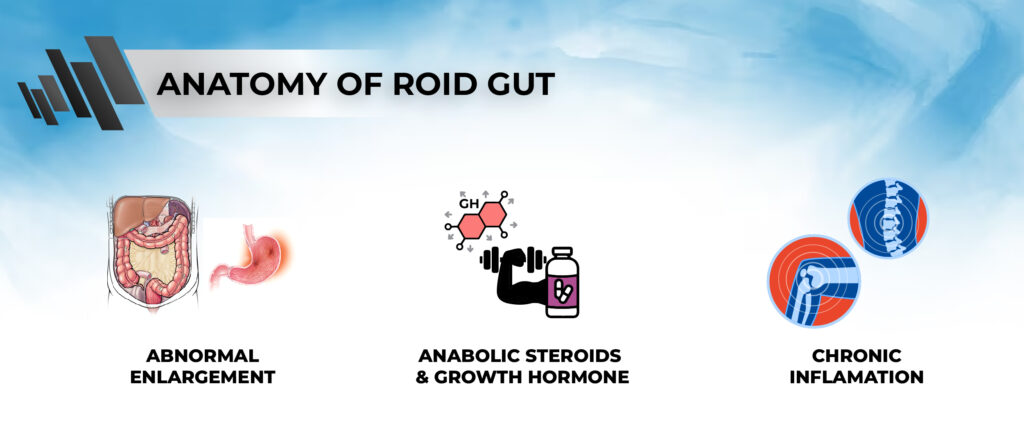
Roid Gut is characterized by the abnormal enlargement of visceral organs, particularly the stomach muscles and intestines, within the abdominal cavity.
This expansion often manifests as a protrusion of the midsection, creating a stark contrast to the lean and sculpted appearance desired in bodybuilding circles.
Several factors contribute to the development of Roid Gut, including the intensive use of anabolic steroids, growth hormone, and insulin for prolonged periods.
These exogenous substances can disrupt hormonal balance, leading to hypertrophy of the visceral adipose tissue and alterations in organ size and function.
Furthermore, chronic inflammation and insulin resistance may exacerbate the distension of the abdomen, perpetuating the cycle of Roid Gut development.
Structural changes within the abdominal cavity, such as weakened abdominal muscles and compromised diaphragmatic integrity, can also play a role in exacerbating the prominence of the bubble gut.
Abdominal Muscle Hypertrophy: What happens to the muscles?
The abdominal muscles undergo profound hypertrophy, or muscle growth, in response to intense resistance training and anabolic stimulus (1).
This hypertrophic response is a natural adaptation to the demands placed upon the muscles, resulting in increased muscle building, size, strength, and endurance (2).
Specifically, the rectus abdominis, external obliques, internal obliques, and transversus abdominis—the primary muscles comprising the abdominal wall—undergo hypertrophy through the process of myofibrillar and sarcoplasmic hypertrophy.
Myofibrillar hypertrophy involves the enlargement of individual muscle fibers, leading to enhanced contractile strength and power.
Meanwhile, sarcoplasmic hypertrophy involves the expansion of the sarcoplasm, the fluid-filled cytoplasm surrounding the muscle fibers, resulting in increased muscle volume and endurance.
As the abdominal muscles hypertrophy in response to training stimuli, they become more pronounced and defined, contributing to the coveted “six-pack” appearance.
However, in the context of Roid Gut, abdominal muscles in individuals with Roid Gut often undergo rapid and disproportionate hypertrophy in response to the prolonged use of anabolic steroids, hgh and insulin (3).
This leads to an exaggerated enlargement of the rectus abdominis, external obliques, internal obliques, and transversus abdominis muscles.
Roid Gut-induced hypertrophy results in an uneven distribution of muscle mass within the abdominal region, leading to a distended gut.
The muscles may become overly developed and hypertrophied, contributing to the pronounced bulge and distortion characteristic of Roid Gut.
The hypertrophy of abdominal muscles in Roid Gut may be accompanied by structural changes within the abdominal cavity, including weakened abdominal wall muscles and compromised diaphragmatic integrity.
These alterations further contribute to the prominence of the bubble gut and distort the natural anatomy of the midsection.
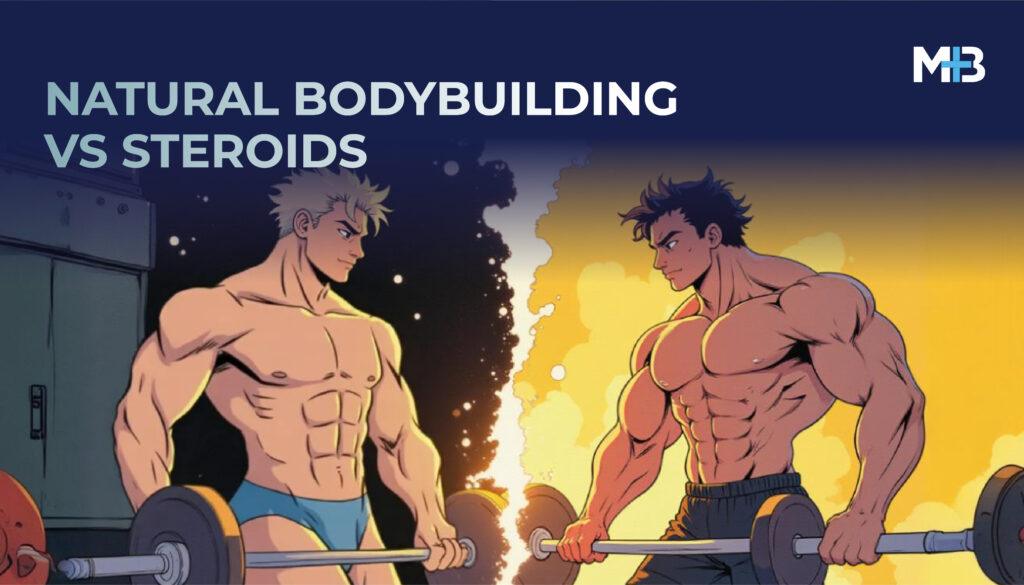
Comparison with Natural vs. Roid Gut-induced muscle growth
| Aspect | Natural Muscle Growth | Roid Gut-Induced Muscle Growth |
| Stimulus-Response Paradigm 🏋️♂️ | Driven by progressive overload, adapting to increasing resistance. | Involves the administration of anabolic substances affecting hormonal pathways. |
| Hypertrophy 💪 | Gradual and proportional muscle growth. | Rapid and excessive muscle hypertrophy, particularly in the abdomen. |
| Aesthetics 👌 | Balanced, symmetrical physique with defined muscle groups. | Distorted abdominal profile, marked by visceral organ enlargement. |
The process of muscle growth, whether achieved naturally or through the use of anabolic substances, presents intriguing contrasts in both mechanisms and outcomes.
Understanding the differences is essential to explain the complexities of Roid Gut-induced muscle hypertrophy and its implications within the realm of bodybuilding.
Natural Muscle Growth:
Stimulus-Response Paradigm:
Natural muscle growth is primarily driven by the physiological principle of progressive overload, wherein muscles adapt to increasing resistance and workload over time.
Moderate Hypertrophy:
In natural bodybuilding, muscle hypertrophy occurs gradually and proportionately in response to consistent training, nutrition, and recovery practices.
Defined Aesthetics:
Natural muscle growth tends to result in a balanced and symmetrical physique, characterized by well-defined muscle groups and minimal visceral organ enlargement, and at the same time maintains muscle mass.
Roid Gut-Induced Muscle Growth:
Exogenous Stimuli:
Roid Gut-induced muscle growth often involves the administration of anabolic steroids, growth hormone, and insulin, which exert profound effects on hormonal pathways and protein synthesis.
Rapid and Excessive Hypertrophy:
The use of anabolic substances can lead to rapid and disproportionate muscle hypertrophy, particularly in the abdominal region, resulting in the development of Roid Gut.
Distorted Aesthetics:
Roid Gut-induced muscle growth is characterized by a distorted and disproportionate abdominal profile, marked by visceral organ enlargement and abdominal distension, detracting from the desired aesthetic of bodybuilding.
Unraveling the Causes: Why Do Bodybuilders Develop Roid Gut/Palumboism?
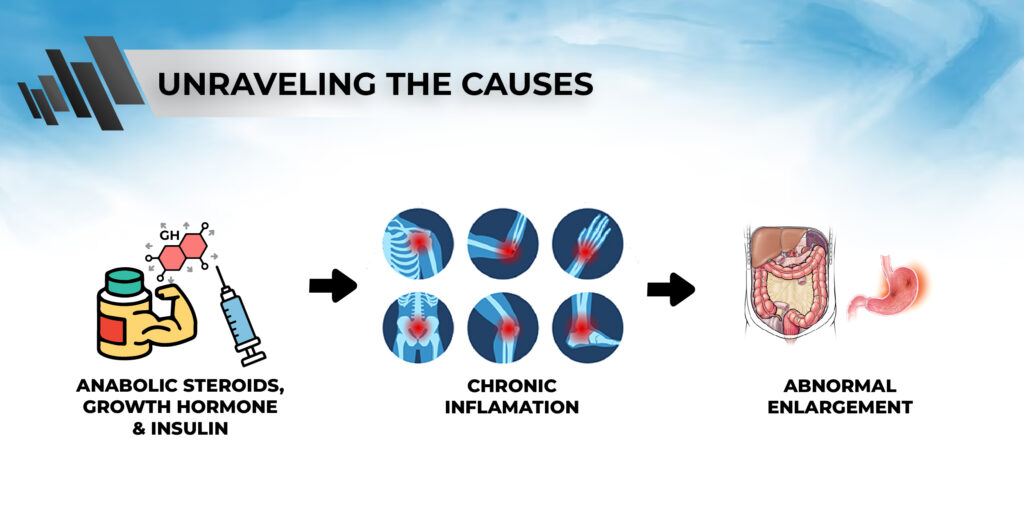
Bodybuilders develop Roid Gut due to a combination of factors, primarily stemming from the prolonged and intensive use of anabolic steroids, growth hormone, and insulin.
These substances, while enhancing muscle growth and performance, can disrupt hormonal balance and metabolic processes.
Anabolic substances can cause hypertrophy (enlargement) of visceral organs, particularly the intestines, liver, and kidneys, leading to the protrusion of the abdomen and stomach distension.
Exogenous hormones such as steroids and growth hormones can disrupt the body’s natural hormonal balance, leading to dysregulation of metabolism and fluid/water retention, contributing to abdominal distension.
Prolonged insulin abuse, often employed to enhance muscle growth and recovery, can lead to insulin resistance—a condition where cells become less responsive to insulin. This can result in increased abdominal fat deposition and bloating.
The use of anabolic substances can promote chronic inflammation, particularly in visceral adipose tissue. Persistent inflammation may contribute to the enlargement of visceral organs and exacerbate abdominal distension.
Overdevelopment of abdominal muscles, combined with weakened abdominal wall muscles and compromised diaphragmatic integrity, can contribute to the prominence of Roid Gut.
The Health Risks and Aesthetic Consequences of Roid Gut
| Health Risks | Aesthetic Consequences |
| 💊 Hypertrophy of visceral organs | 💔 Disproportionate midsection |
| 🔄 Compression of surrounding structures | 📉 Diminished symmetry |
| ❤️ Elevated risk of cardiovascular diseases | 📏 Disruption of harmonious proportions |
| 🩺 Chronic inflammation and dyslipidemia | 🏟️ Negative impact on-stage presentation |
| 🔄 Hormonal imbalances | 👎 Evokes negative perceptions and stereotypes |
| 💉 Insulin resistance | 🧠 Emotional challenges |
Roid Gut often involves hypertrophy of visceral organs, such as the intestines, liver, and kidneys, which can compromise organ function and increase the risk of metabolic disorders.
The enlargement of visceral organs may lead to compression of surrounding structures, impeding digestion, and contributing to gastrointestinal discomfort and bloating.
Excessive abdominal distension and visceral fat accumulation associated with Roid Gut are linked to an elevated risk of cardiovascular diseases, including hypertension, atherosclerosis, and coronary artery disease.
Chronic inflammation and dyslipidemia stemming from Roid Gut-induced metabolic disturbances further exacerbate cardiovascular risk factors, amplifying the likelihood of adverse cardiac events.
Prolonged use of anabolic steroids and growth hormones in the pursuit of extreme muscularity can disrupt the body’s natural hormonal balance, leading to endocrine disorders such as hypogonadism, infertility, and thyroid dysfunction.
Hormonal imbalances may also manifest as insulin resistance, impairing glucose metabolism and exacerbating metabolic dysfunction associated with Roid Gut.
Abdominal distension and visceral organ enlargement may contribute to gastrointestinal issues, including indigestion, acid reflux, and constipation.
Chronic inflammation within the gastrointestinal tract, coupled with alterations in gut microbiota composition, may predispose individuals with Roid Gut to gastrointestinal disorders such as inflammatory bowel disease and irritable bowel syndrome.
Roid Gut detracts from the desired aesthetic of bodybuilding, resulting in a disproportionate and bulging midsection that contrasts sharply with the lean and sculpted appearance sought after by athletes.
The prominence of Roid Gut disrupts the symmetry and balance of the physique, diminishing overall visual appeal and undermining competitive advantage on stage.
The exaggerated abdominal distension associated with Roid Gut disrupts the harmonious proportions and symmetry of the physique, detracting from the sculpted lines and muscular delineation characteristic of elite bodybuilders.
Asymmetry resulting from Roid Gut-induced abdominal protrusion may negatively impact an athlete’s stage presentation and scoring in competitive bodybuilding.
The presence of Roid Gut can evoke negative perceptions and stereotypes within the bodybuilding community and beyond, potentially impacting an athlete’s reputation and career prospects.
Public scrutiny and criticism surrounding Roid Gut may undermine an athlete’s confidence and self-esteem, contributing to psychological distress and emotional challenges.
Managing and Preventing Roid Gut: Strategies for Bodybuilders
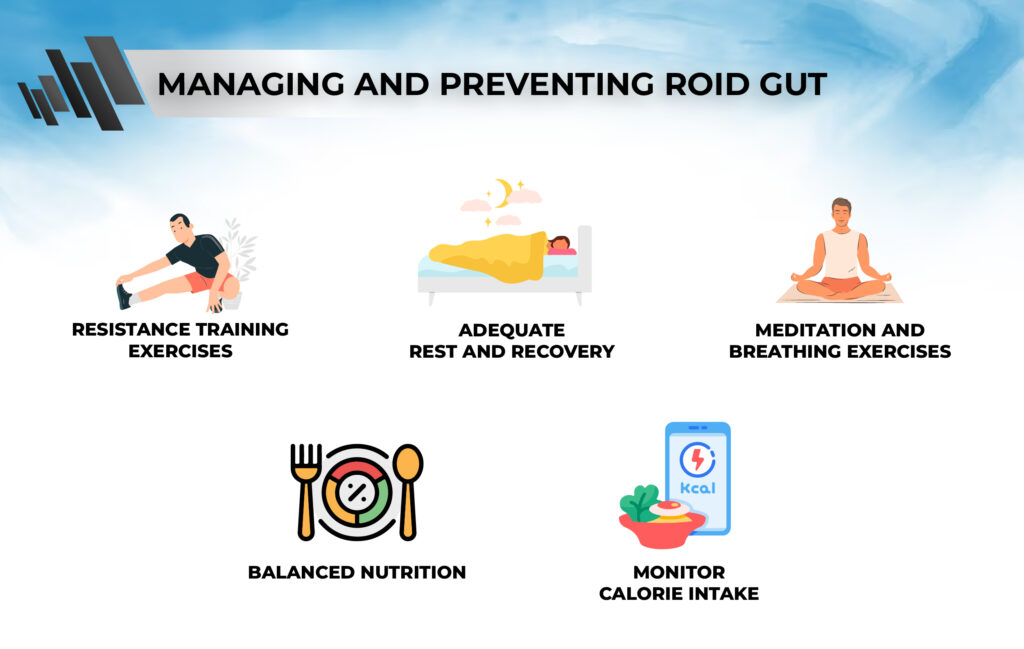
The emergence of Roid Gut poses significant challenges for bodybuilders, necessitating proactive measures to mitigate its development and manage its impact on health and aesthetics.
By adopting a comprehensive approach that encompasses lifestyle modifications, nutritional interventions, and prudent supplementation practices, athletes can prevent bubble gut/Roid gut development while optimizing their physique and performance.
Prioritize resistance training exercises that target all major muscle groups, emphasizing proportional development and symmetry. Incorporate core-strengthening exercises to maintain abdominal muscle balance and integrity, promoting a stable midsection.
Ensure adequate rest and recovery between training sessions to facilitate muscle repair and growth, minimizing the need for excessive supplementation.
Implement strategies such as foam rolling, stretching, and massage therapy to alleviate muscle tension and improve flexibility. There is substantial anecdotal evidence that stress-reduction techniques such as meditation, deep breathing exercises, and mindfulness practices mitigate cortisol levels and promote overall well-being.
Prioritize sufficient sleep and establish a consistent sleep schedule to optimize recovery and hormonal balance.
Emphasize a balanced and nutrient-dense diet comprising lean proteins, complex carbohydrate-rich foods, healthy fats, and a variety of fruits and vegetables.
Monitor calorie intake and macronutrient distribution to support muscle growth while minimizing excess body fat accumulation.
Maintain adequate hydration by consuming sufficient water throughout the day, especially during intense training sessions and periods of increased perspiration.
Increase the consumption of fiber-rich foods such as whole grains, legumes, fruits, and vegetables in your diet to promote digestive health and regularity, reducing the risk of gastrointestinal discomfort and bloating.
Conclusion: Building Strength, Safely and Sustainably
Roid Gut is a harsh reminder to prioritize health over extreme aesthetics in bodybuilding. Avoiding palumboism ensures fairness and longevity.
A holistic approach with balanced training, proper nutrition, and safe supplementation minimizes health risks linked to Roid Gut.
Shifting to sustainable, evidence-based methods supports long-term health and aesthetic balance without performance-enhancing drugs.
Promoting education, awareness, and responsible choices empowers bodybuilders to achieve goals while protecting physical and mental health.







What, if anything is done to “fix” it on those that have it?