
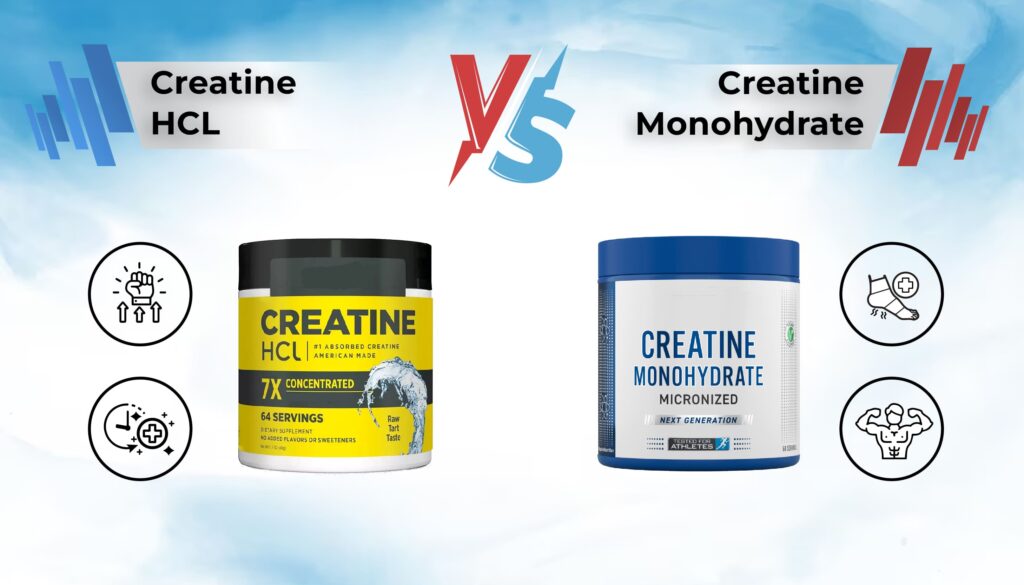
We gym freaks are constantly debating Creatine HCL vs Monohydrate. Now you’ve probably heard of creatine and even take it to bulk up, increase muscle mass, or even beat your PRs.
Today, I’m going to resolve this infamous debate between creatine monohydrate and creatine HCL. Did you know that while both have Creatine as the primary ingredient, they are totally different?
That’s right, while both are awesome for muscle growth and athletic performance, they’ve got some key differences.
So, as promised, today I’ll break down the whole creatine HCL vs monohydrate debate and finally resolve it so you can pick the right one for your fitness journey.
Whether you’re after increased muscle mass or lean strength, there’s a form of creatine to supercharge your workouts!
Key Takeaways
- Solubility: Creatine HCL dissolves faster, making it easier to take! 🧪
- Dosage: You need less creatine HCL to get similar results compared to creatine monohydrate supplements. ⚖️
- Cost: Creatine monohydrate is easier on the wallet. 💸
- Side Effects: HCL tends to cause less bloating and water retention! 😅

What is Creatine?
Before diving into the creatine HCL vs monohydrate battle, let’s see what creatine is. Creatine is a naturally occurring compound found in the body, specifically in your muscle cells, and it’s made up of three amino acids.
These little molecules help your body produce adenosine triphosphate (ATP), the power cell that helps your muscles keep up during high-intensity workouts.
While your body produces creatine naturally, you can increase its levels through creatine supplementation. This extra creatine allows your muscles to store more energy, giving you a harder workout but with faster recovery.
Doesn’t matter if you’re taking creatine HCL or creatine monohydrate, the goal is the same: more energy for more muscle gain.
The Best Creatine HCL and Monohydrate Supplements Out There
When it comes to creatine, picking the right brand is key. As always, I’ve reviewed the top products out there and have the best two creatine monohydrate and two creatine HCL products for you. An heir and a spare, amirite?
The Best Creatine Monohydrate Products
1. Behemoth Labz Creatine Monohydrate
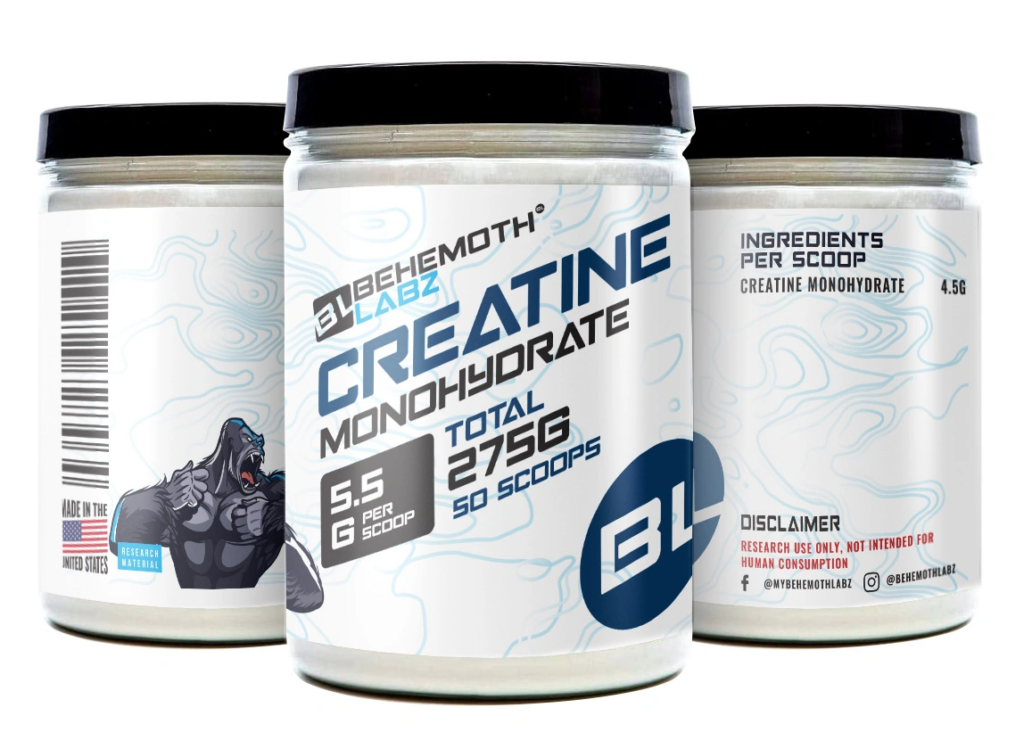
Known for its cutting-edge approach to supplements, Behemoth Labz is a leader in research-backed products designed to deliver serious results.
- 🧪 Form: Powder
- ⚖️ Dosage: 5 grams per serving
- ⌛️ Cycle Duration: Continuous use
- 💰 Average Cost: $40 per 500g
- 🥇 Key Benefits: Pure creatine monohydrate in an easy-to-mix powder form. This one’s perfect for loading and maintaining those gains.
- ❤️🩹 Side Effects: Potential for slight water retention.
- 📚 Best Stack: Pair with protein powder for the ultimate post-workout shake.
- 🙋 User Experience: Users noticed improved endurance during high-intensity workouts.
- BUY HERE
2. PureRawz Creatine Monohydrate
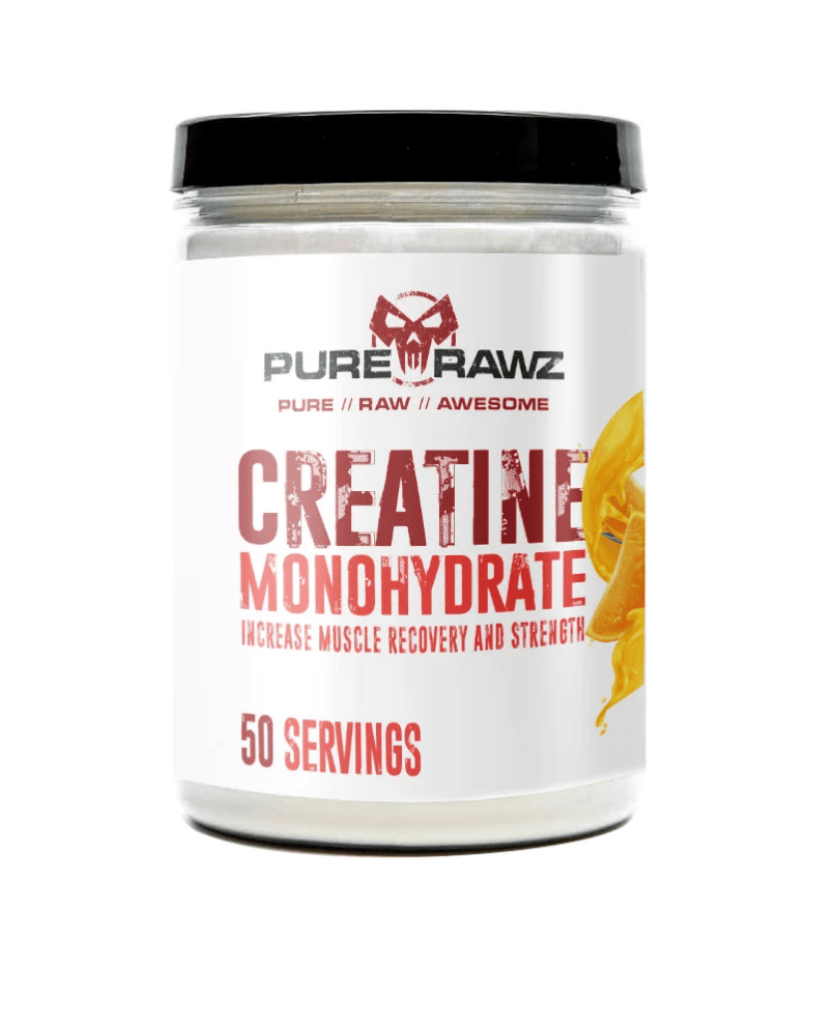
PureRawz is all about purity and quality. They’re known for their third-party-tested, high-standard products. Their creatine monohydrate is no exception—pure, simple, and powerful!
- 🧪 Form: Powder
- ⚖️ Dosage: 5 grams per serving
- ⌛️ Cycle Duration: Continuous use
- 💰 Average Cost: $34 per 500g
- 🥇 Key Benefits: High-quality micronized creatine monohydrate, making it easier to dissolve in water.
- ❤️🩹 Side Effects: Minor bloating, but nothing major.
- 📚 Best Stack: Combine with BCAAs for better recovery.
- 🙋 User Experience: Users loved how quickly it dissolved. They reported feeling the extra pump and muscle strength after just a few days of consistent use.
- BUY HERE
The Best Creatine HCL Products
1. Ballistic Creatine HCL Powder
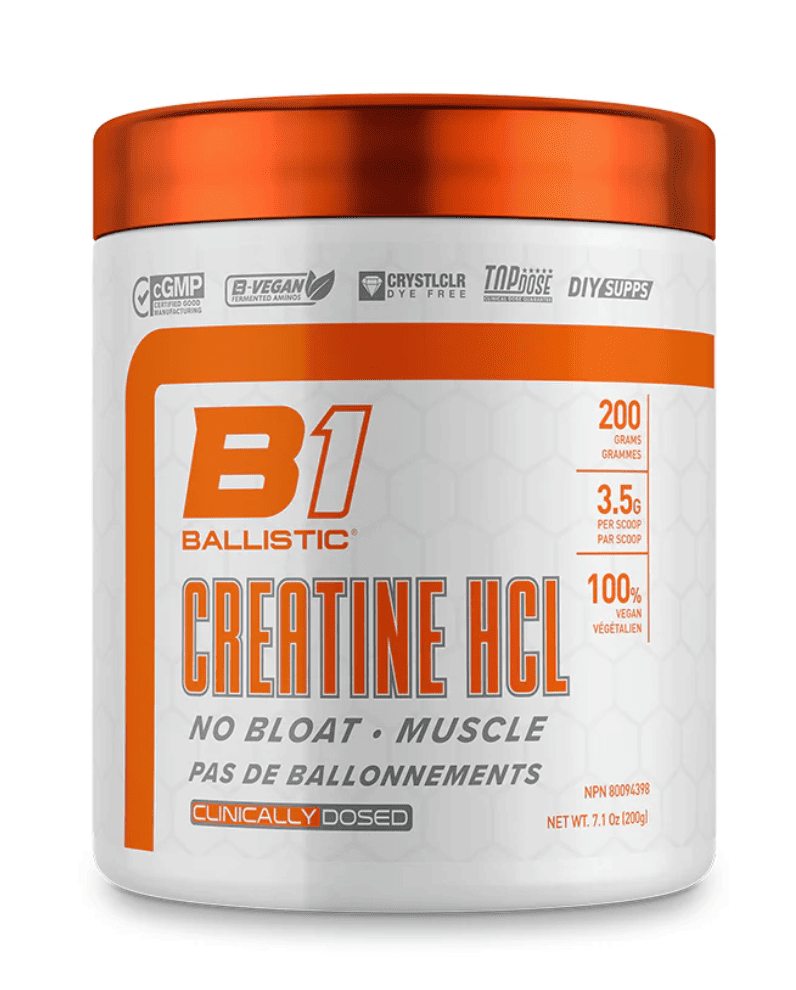
Ballistic Supplements has a no-nonsense approach to fitness supplements. They’re all about maximizing results while keeping things clean and simple.
- 🧪 Form: Powder
- ⚖️ Dosage: 1-2 grams per serving
- ⌛️ Cycle Duration: Continuous use, no loading needed
- 💰 Average Cost: $29 per 200g
- 🥇 Key Benefits: Super concentrated—just a tiny scoop gets you through the day! No bloating or stomach discomfort, and it dissolves instantly.
- ❤️🩹 Side Effects: None that I noticed!
- 📚 Best Stack: Mix with pre-workout for an extra kick.
- 🙋 User Experience: Users literally called it magical. The energy boost was reported to be evident and the lack of water retention was beloved.
- BUY HERE
2. Kaged Creatine HCL (Powder & Capsules)
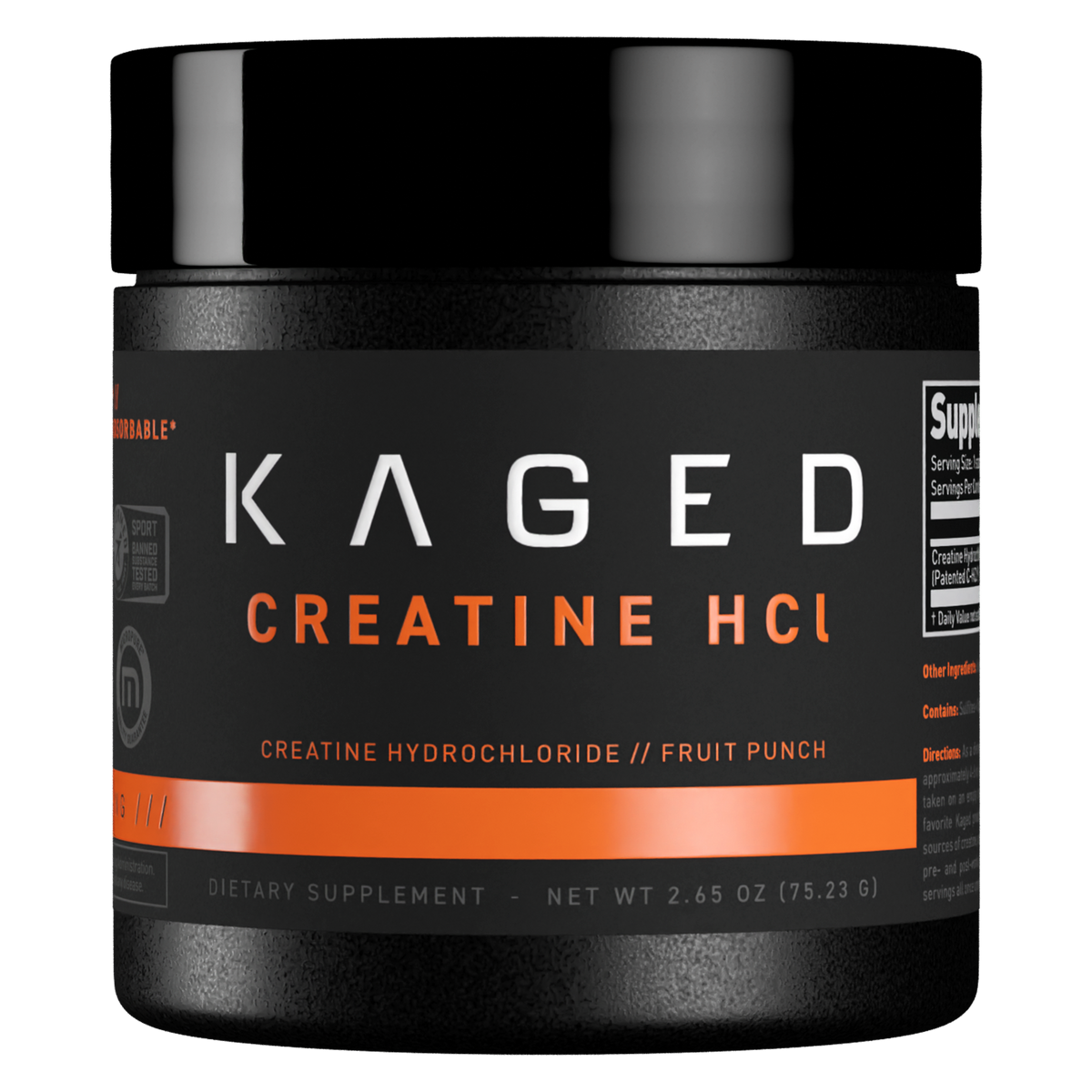
Kaged Muscle is all about science-driven, performance-enhancing supplements, and their creatine HCL product is a testament to that.
- 🧪 Form: Powder or capsules
- ⚖️ Dosage: 1.5 grams per serving
- ⌛️ Cycle Duration: Continuous use
- 💰 Average Cost: $20 for 75 servings (powder)
- 🥇 Key Benefits: The capsules are super convenient if you’re not a fan of mixing powders. Great for travel! Plus, no loading phase needed.
- ❤️🩹 Side Effects: Zero bloating, which was a big plus.
- 📚 Best Stack: Add it to your morning routine with multivitamins.
- 🙋 User Experience: Users reported that the powder dissolved in seconds, with the capsules touted as equally effective. No stomach issues were experienced while there were noticeable strength gains within the first week.
- BUY HERE
Benefits of Creatine Supplementation
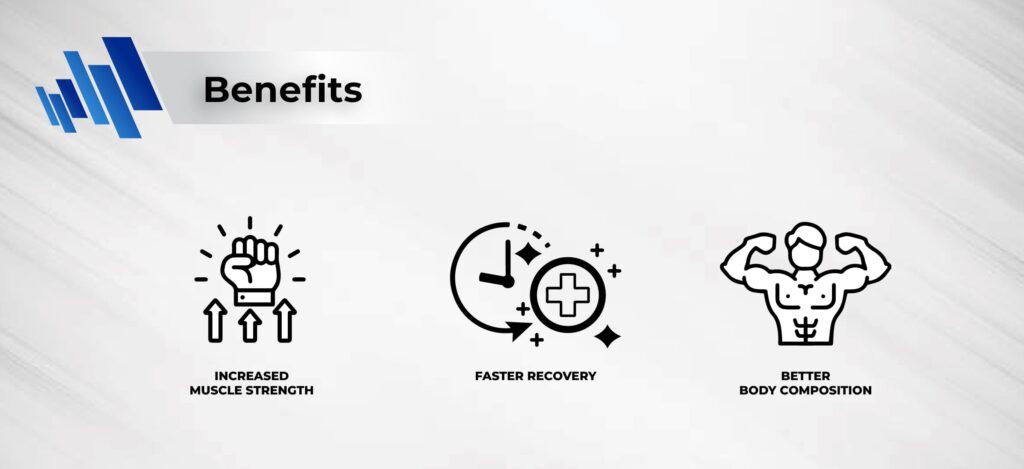
So, what’s the big deal with creatine supplementation? Both creatine monohydrate and creatine HCL have significant other benefits beyond just building muscle mass:
- Increased Muscle Strength: Both forms of creatine help increase muscle strength and resistance training capacity by increasing the creatine phosphate levels in your muscles.
- Faster Recovery: Creatine allows quicker recovery after intense workouts by speeding up ATP regeneration, which is crucial for muscle recovery.
- Better Body Composition: Adding creatine to your regimen improves your overall body composition by boosting lean body mass gains and weight loss.
And if that’s not enough, creatine also has some potential benefits for brain health—but we’ll save that for another day!
Types of Creatine Supplements
While there are various types of creatine on the market, there’s only two giants: creatine monohydrate and creatine HCL.
Creatine Monohydrate
The most popular, and the most researched form of creatine supplement is creatine monohydrate. It’s the classic variant and the ideal choice for building muscle mass and increasing muscle strength.
Since it’s composed of creatine molecules and a water molecule, it’s about 90% pure creatine by weight.
If you’ve ever taken creatine in the monohydrate form, you’ve very likely started with a loading phase; this helps fill your muscle cells with more creatine. More creatine in your muscles allows you to smash your goals and pump it to the max.
After the creatine loading phase, you’ll probably move to a daily creatine monohydrate supplementation of 3-5 grams daily to maintain your gains.
Creatine Hydrochloride (HCL)
On the other hand creatine HCL, or creatine hydrochloride, is the new modern kid on the block. Bonding creatine with hydrochloric acid, allows the former to dissolve quickly in water and absorb much faster in your body. Unlike monohydrate, creatine HCL doesn’t require a loading phase. This means you can take smaller doses (around 1-2 grams) while still seeing those amazing results!
Since it’s more soluble, the HCL form is also less likely to cause bloating or water retention, which can be a significant factor if you’re trying to avoid that “puffy” look.
Key Differences Between Creatine HCL and Monohydrate
Let’s get to the big question: what sets creatine HCL and creatine monohydrate apart? While both do have the same active ingredient, their absorption and effects differ slightly.
- Solubility: Creatine HCL is way more water-soluble than monohydrate. The HCL form of creatine dissolves better and absorbs comparatively faster in your system.
- Dosage: Compared to the standard 3-5 gram daily dosage of creatine monohydrate supplements, you can take a much lower dose of HCL (around 1-2 grams).
- Loading Phase: Creatine monohydrate requires a loading phase in order to saturate your muscles fully, while HCL doesn’t, making it simpler to get started with.
- Side Effects: Creatine monohydrate does cause some water retention and occasional bloating as it pulls water into your muscle cells. Creatine hydrochloride, on the other hand, tends to have fewer side effects.
How to Choose the Best Creatine Variant for Your Fitness Goals
So, creatine HCL vs monohydrate, which do you choose? Here’s the lowdown:
- If you’re looking for the most well-researched and budget-friendly option, creatine monohydrate is your go-to. It’s the gold standard for a reason, with a plethora of scientific evidence backing up its touted benefits.
- However, if you don’t like that bloat-y water retention that monohydrate causes, or even if you want a more concentrated dose, creatine HCL is your friend.
At the end of the day, both HCL and monohydrate will help you increase your muscle mass, improve your body composition, and bolster your muscle recovery. The choice is dependant on what feels right for your body and suits your fitness journey.
Loading Phase and Dosage for Creatine Supplements
Now, let’s talk about how to take these bad boys! Now I’ve been harping on about loading phases and by now you’re thinking, “Do I really have to load up on creatine before I start seeing results?” Well, it depends on which form you choose.
Creatine Monohydrate Dosage
With creatine monohydrate, many users go for a loading phase to see faster changes. The usual loading phase involves taking 20 grams of creatine per day (split into 4 doses) for about 5-7 days.
This phase helps fill your muscle cells with creatine so you start feeling those strength gains and performance boosts quicker. After you complete the loading phase, you can shift to a maintenance dose of 3-5 grams per day.
- Loading Phase: 20 grams per day for 5-7 days.
- Maintenance: 3-5 grams per day.
Creatine HCL Dosage
One of the greatest things about creatine hydrochloride is that you don’t need a loading phase! Just start with a regular daily dose right away of around 1-2 grams per day, depending on your body weight and fitness goals.
Since creatine HCL is more concentrated and has faster absorbption rate, you don’t need as much of it to get the same benefits.
- No Loading Phase Needed: Just 1-2 grams daily from the get-go!
Best Time to Take Creatine and How to Stack It
Wondering when to take creatine? The truth is, timing doesn’t matter as much as consistency.
Take creatine whenever it suits you. Whether as part of your pre-workout to boost performance or post-workout to aid recovery, both work equally well.
The key is sticking to your daily dose to enjoy maximum benefits.
Stacking Creatine
Now, let’s talk stacks! Creatine pairs effectively with many other supplements to give you an extra edge in the gym. Here’s a little stack magic for you:
- Protein: Combining creatine with a protein shake post-workout helps fuel muscle recovery and protein synthesis.
- BCAAs: Throw in some BCAAs for more endurance during your workouts and to reduce muscle fatigue.
- Beta-Alanine: Want to level up even more? Stack creatine with beta-alanine to fight muscle fatigue and improve overall endurance.
Just remember to follow the recommended dosages and ALWAYS check with a healthcare professional if you’re unsure about combining supplements.
Side Effects and Safety of Creatine HCL vs Monohydrate
Right, now let’s address the elephant in the room: side effects. The good news? Since Creatine is one of the most researched supplements out there, it’s been repeatedly proven as safe. Both creatine monohydrate and creatine HCL are generally safe for most people in the right dosages, but they do come with a few potential side effects.
Creatine Monohydrate Side Effects
The most common issue with creatine monohydrate is water retention. Since creatine pulls water into your muscle cells, some users report bloating, puffiness, and even temporary weight gain. This isn’t harmful at all, but it is quite irritating if you’re trying to keep lean.
- Water Retention: Some users experience bloating and temporary weight gain.
- Cramps or Stomach Issues: This can happen if you’re not drinking enough water throughout the day.
Creatine HCL Side Effects
Here’s where creatine HCL shines: it has fewer reported side effects, especially the absence of bloating or stomach discomfort. Since you’re taking a lower dose, your stomach rests easier and is less likely to bloat.
- Less Bloating: HCL’s smaller dosage means less water retention.
- Fewer Stomach Issues: Most users find HCL easier to digest.
Cycling and Withdrawal from Creatine Supplements
Do you need to cycle creatine? Nope! Unlike many other supplements that require breaks to reset your body’s tolerance, creatine can be taken continuously without any problems.
What’s funny is, consistently taking creatine is the key to seeing optimum results.
Withdrawal from Creatine
Want more? Here’s more! If you stop taking creatine, don’t fret, there is no dramatic withdrawal effect. Your body will just naturally return to its baseline creatine levels over time.
While you might see a tiny drop in strength or performance (since your muscle creatine stores are no longer saturated), you won’t lose all your gains overnight.
- No Need to Cycle: Creatine can be taken continuously.
- No Major Withdrawal: You might feel a small dip in performance after stopping, but nothing dramatic.
Which is Better for You?
Alright, now that I’ve laid it all out, you’re probably wondering: “Which one should I pick?” Well, as I said the choice is based on your personal goals, preferences, and how your body reacts to these different forms of creatine.
Creatine monohydrate is like that trusty old pair of sneakers—reliable, affordable, and effective. It’s perfect if you don’t mind a loading phase and can live with a little water retention. Plus, it’s backed by a mountain of scientific evidence, making it the gold standard in the world of creatine supplements.
On the flip side, if you’re all about efficiency and hate feeling bloated, creatine HCL is your friend. It’s easy on the stomach, needs no loading phase, and still gives you that lean muscle mass without the puffiness.
Plus, with smaller dosages and faster absorption, it’s a winner for users who like a more streamlined approach to their fitness routine.
Ultimately, the Creatine HCL vs Monohydrate decision depends on your fitness style. If cost is a factor for you and you’re okay with a classical supplement approach, monohydrate supplements are a solid choice.
If you want to avoid any risk of temporary bloating and prefer a more concentrated form, creatine hydrochloridemight just be the game-changer you’ve been waiting for.
Conclusion – Creatine Showdown: Monohydrate vs. HCL
Both creatine monohydrate and creatine HCL are excellent for building muscle and enhancing athletic performance.
Creatine monohydrate is the classic choice with decades of proven results. It’s affordable, effective, and perfect for most fitness enthusiasts.
Creatine HCL, the newer alternative, offers faster absorption, smaller doses, and fewer side effects like water retention or bloating. It’s a top pick for pure strength gains.
Why wait? Choose your creatine, hit the gym, and crush your fitness goals today!
Frequently Asked Questions
1. Can you take creatine HCL and monohydrate together?
Yes, but it’s unnecessary. Both forms work similarly, so stick to one for the best results.
2. Is one safer than the other?
Both are safe. However, HCL tends to cause fewer digestive issues than monohydrate.
3. How long does it take to see results with each?
With monohydrate, results show after the loading phase (about a week). HCL works within a few days.
4. Do I need to cycle creatine?
No cycling is needed! You can take creatine consistently without a break.










BCAAs are useless.