
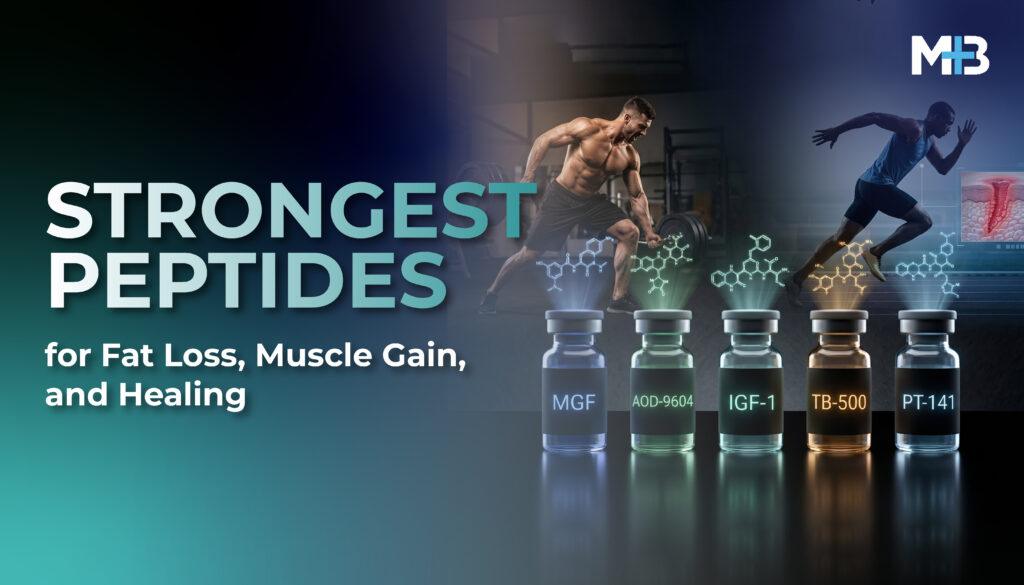
If you’ve spent any time in serious lifting circles recently, you’ve probably heard the word ‘peptides’ thrown around more than pre-workout flavors. And there’s a reason for that. These short chains of amino acids are generating real excitement among researchers, athletes, and biohackers alike.
Unlike anabolic steroids, which flood the body with synthetic hormones, peptides work with your own biology. They send signals to your glands and tissues, nudging your body to produce more of what it already makes whether that’s growth hormone, healing factors, or fat-burning enzymes. The result? Potentially powerful effects with a more targeted mechanism than traditional performance-enhancing drugs.
That said, not all peptides are created equal. Some are dramatically more potent than others. In this guide, we cut through the noise and focus on the ones with the most compelling research behind them broken down by goal.
Key Points
- The most potent anabolic peptides tend to work by triggering growth hormone release (e.g., CJC-1295, Ipamorelin).
- Different peptides target different goals: fat loss, muscle growth, healing, or sexual health.
- Peptides work best alongside a well-structured training program and dialed-in nutrition.
- Most peptides discussed here are unregulated research compounds, not approved drugs for general consumer use.
- Always seek medical supervision before experimenting with any peptide protocol.

How We Selected These Peptides
The Muscle & Brawn team spent months reviewing peer-reviewed research, clinical trial data, user-reported outcomes, and expert commentary to build this list. We weren’t looking for hype. We were looking for signal.
Our selection criteria focused on three things: mechanism of action (how the peptide actually works), quality of existing evidence (human trials where available, animal data where not), and real-world feedback from experienced users. Every peptide on this list has a credible biological rationale and meaningful supporting data.
We also separated them by primary use case rather than lumping everything together because the ‘best peptide’ is entirely dependent on what you’re trying to achieve.
The Strongest Peptides According to Goal
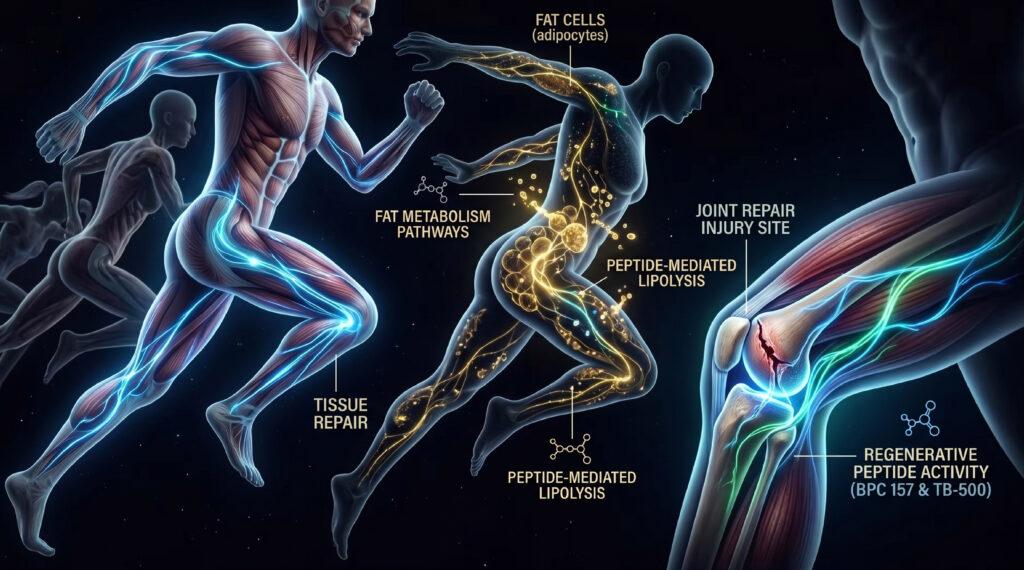
Best Peptide for Muscle Growth: MGF (Mechano Growth Factor)
When it comes to raw muscle-building potential, MGF is one of the most intriguing compounds in the peptide toolkit. It sits within the IGF-1 family (specifically as an alternatively spliced variant of insulin-like growth factor-I) and it’s triggered naturally when your muscles are placed under mechanical stress, like during heavy resistance training.
Here’s what makes it special: after intense training, IGF-1 gets spliced into MGF, which then activates satellite cells (your muscle’s repair crew) and kicks off the hypertrophy cascade. Research also suggests that MGF expression declines significantly as we age, which may help explain why older lifters struggle more to hold onto lean mass.
As a research peptide, exogenous MGF is used to try to replicate and amplify that post-training signal. It’s essentially giving your body a head start on muscle repair and growth.
MGF Overview
MGF (Mechano Growth Factor) is a naturally occurring splice variant of IGF-1 that is released in response to mechanical stress, such as resistance training or muscle injury. It plays a short-lived but critical role in initiating muscle repair by activating satellite cells and signaling the early stages of tissue regeneration. Due to its rapid degradation in the body—often within minutes—its effects are highly localized and transient, closely tied to acute recovery processes.
Rather than acting as a systemic growth factor that elevates overall IGF-1 levels, MGF functions as an immediate, injury-responsive signal that helps trigger muscle adaptation at the site of stress. This localized and time-sensitive mechanism is what makes it particularly relevant in research focused on muscle repair and regeneration, though its instability has limited its practical applications compared to longer-lasting analogs like PEGylated variants.
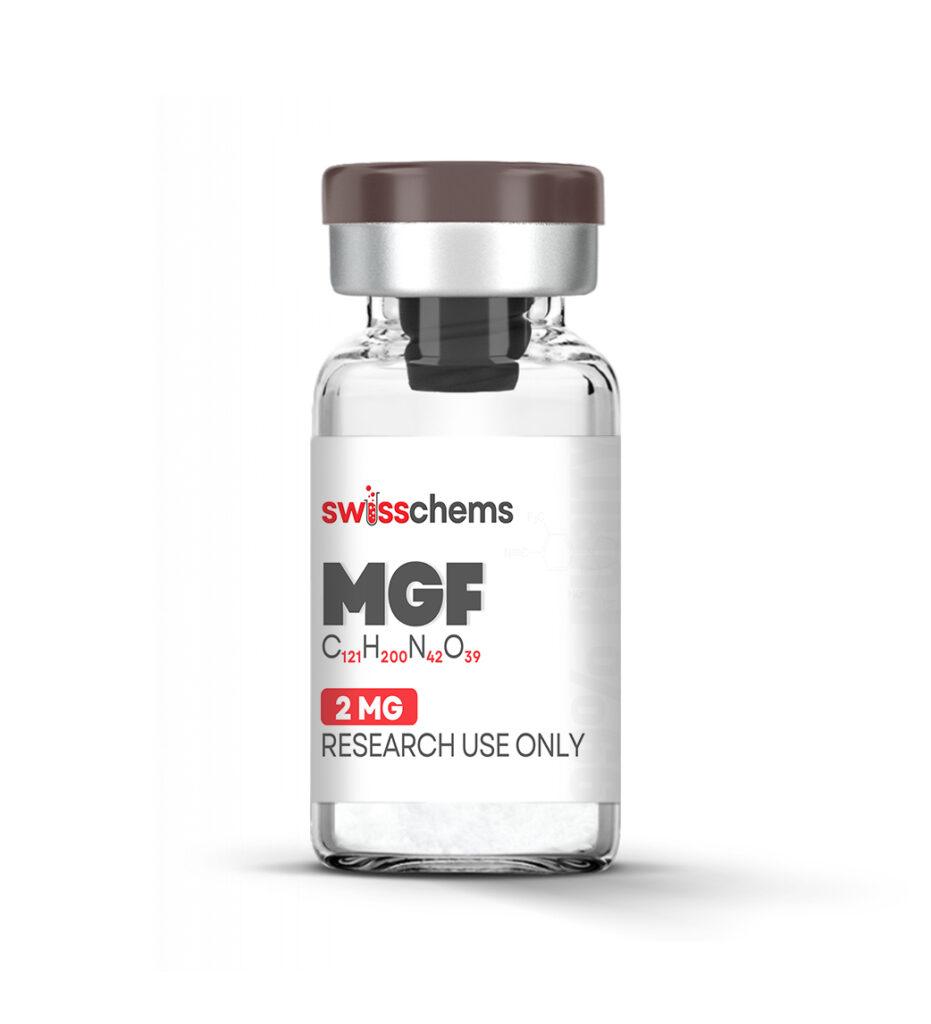
MGF Overview
🔵 Primary Purpose: Muscle repair, recovery, localized tissue regeneration
🧪 Form: Injectable solution (reconstituted from lyophilized powder)
⚗️ Common Concentration: 100–300 mcg per dose (research context)
💰 Average Cost: $40–$100 per 2mg vial
⏳ Typical Application: Post-training or injury (short activity window)
🧬 Chemical Formula: Not standardized (IGF-1 Ec splice variant peptide)
⚖️ Molecular Mass: ~2,800–3,000 Da
🧾 CAS Number: Not officially assigned (research compound)
🔗 Other Names: MGF, Mechano Growth Factor, IGF-1 Ec
🌿 Primarily Used For: Muscle repair, satellite cell activation, injury recovery research
Copy Brawn20 for 20% off
- Rapidly activates satellite cells after muscle stress
- Supports localized muscle repair and regeneration
- Naturally occurring in response to training stimuli
- Extremely short half-life limits effectiveness
- Requires precise timing for potential benefits
- Very limited human research and clinical validation
What About MGF With PEG?
If regular MGF is a sprint, PEG-MGF is the marathon version. PEGylation (the process of attaching polyethylene glycol molecules to the MGF peptide) dramatically extends its half-life from just a few minutes in the bloodstream to somewhere in the range of several days. Standard MGF gets cleared from your system so fast that it barely has time to do its job unless it’s injected directly into muscle tissue at precisely the right moment post-workout.
PEG-MGF solves that problem entirely. Because it stays active in circulation far longer, it can be administered subcutaneously (under the skin rather than intramuscularly) and still reach muscle tissue systemically. This makes it a much more practical option for most people. The tradeoff is that PEG-MGF works more gradually than its unmodified counterpart; you’re trading that acute post-workout spike for a slower, more sustained activation of satellite cells over multiple days.
For anyone running MGF as part of a broader peptide stack, PEG-MGF is generally considered the more user-friendly and effective form, especially if daily intramuscular injections aren’t something you want to commit to.
PEG MGF Overview
MGF PEG (PEGylated Mechano Growth Factor) is a modified version of a naturally occurring splice variant of IGF-1, developed to extend its stability and activity in the body. While native MGF is rapidly degraded within minutes, PEGylation significantly prolongs its half-life, making it more practical for research into muscle repair, recovery, and tissue regeneration. Despite early interest, it has not progressed through formal clinical development and remains a research compound.
Rather than acting like systemic growth factors that broadly elevate IGF-1 levels, MGF PEG is believed to play a more localized role in activating satellite cells—precursors to muscle cells—following mechanical stress or injury. This targeted signaling is what makes it particularly interesting in performance and recovery contexts, as it may support muscle adaptation and repair without the same systemic effects associated with traditional growth hormone or IGF-1 therapies.
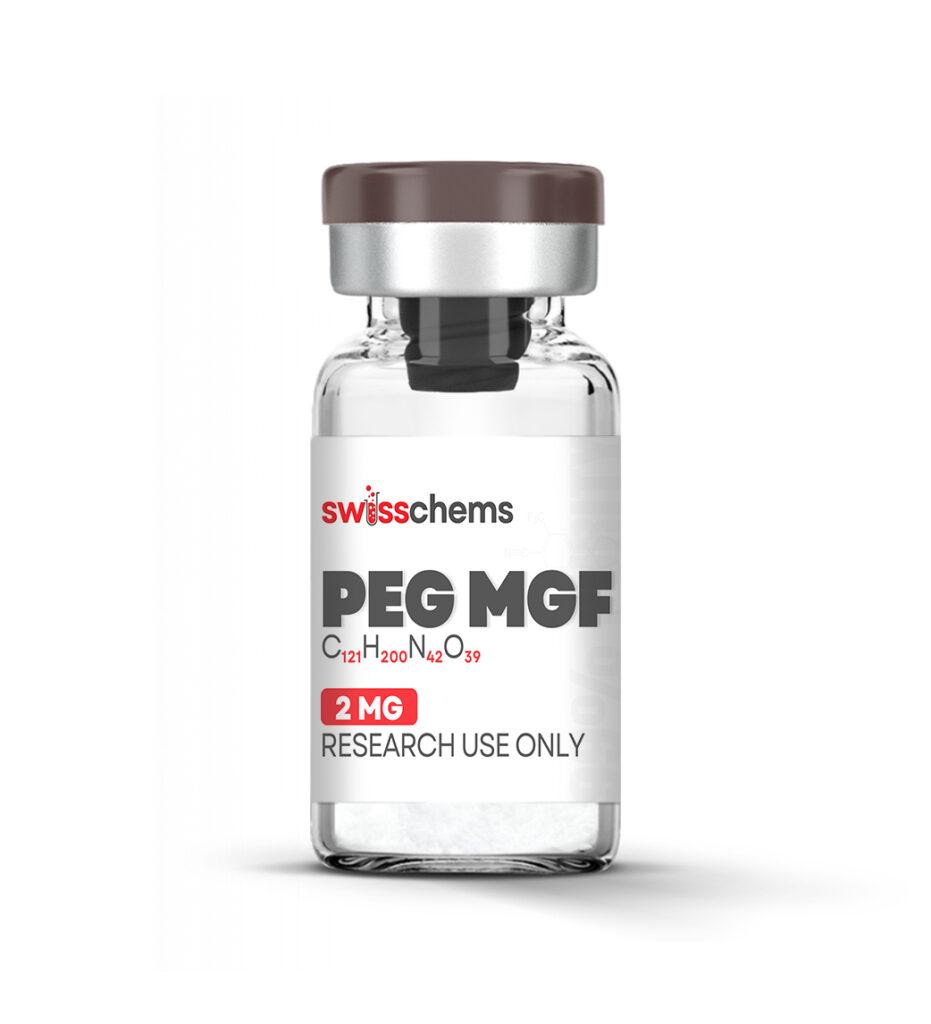
PEG MGF Overview
🔵 Primary Purpose: Muscle repair, recovery, hypertrophy support, tissue regeneration
🧪 Form: Injectable solution (reconstituted from lyophilized powder)
⚗️ Common Concentration: 100–400 mcg per dose (research context)
💰 Average Cost: $50–$120 per 2mg vial
⏳ Typical Application: Once daily or post-training (research protocols vary)
🧬 Chemical Formula: Not standardized (PEGylated IGF-1 Ec peptide variant)
⚖️ Molecular Mass: ~2,000–3,000+ Da (varies with PEG modification)
🧾 CAS Number: Not officially assigned (research compound)
🔗 Other Names: PEG-MGF, PEGylated Mechano Growth Factor
🌿 Primarily Used For: Muscle recovery, injury repair, satellite cell activation, performance research
Copy Brawn20 for 20% off
- Significantly longer half-life than native MGF
- May enhance muscle repair and recovery signaling
- Targets localized satellite cell activation pathways
- Very limited human clinical research available
- Not approved for medical or therapeutic use
- Quality and purity vary widely between suppliers
Strongest Peptide for Fat Loss: Tesamorelin
If you want to talk about the peptide with the strongest real-world clinical backing for fat loss, the conversation starts and ends with Tesamorelin. Unlike most compounds in this space that are backed primarily by animal studies and anecdotal reports, Tesamorelin has actually been through the full clinical trial gauntlet and it passed.
Here’s how it works: Tesamorelin is a synthetic analogue of growth hormone-releasing hormone (GHRH). Rather than dumping exogenous growth hormone directly into your system, it signals your own pituitary gland to release GH in a natural, pulsatile pattern. That downstream GH surge then raises IGF-1 levels, which accelerates fat metabolism. It’s specifically targeting visceral fat, the deep abdominal fat packed around your organs that’s both the hardest to shift and the most dangerous to carry.
The clinical results are genuinely impressive. Multiple randomized, placebo-controlled trials have demonstrated that Tesamorelin produces significant reductions in visceral adipose tissue (roughly 15 to 18 percent trunk fat reduction over six months) without eating into lean muscle mass. It also improves lipid profiles and has been linked to meaningful reductions in cardiovascular risk. No other peptide on this list has that level of evidence behind it.
Tesamorelin is FDA-approved under the brand name Egrifta for reducing excess abdominal fat in HIV patients with lipodystrophy. Physicians can and do prescribe it off-label for visceral fat reduction in the general population — making it one of the few peptides in this space you can access through a legitimate clinical channel.
The tradeoff compared to more accessible research peptides is that Tesamorelin requires a prescription, tends to be more expensive, and long-term safety data outside the HIV population is still building. But if you’re serious about fat loss and want the peptide with the most science behind it, Tesamorelin is the honest answer.
Tesamorelin
Tesamorelin (Egrifta) is a synthetic analog of Growth Hormone–Releasing Hormone (GHRH), studied for its ability to modulate metabolic pathways, lipolysis, and adipose-related signaling.
Research models show Tesamorelin may influence IGF-1 activity, enhance lipolytic gene expression, and support reductions in visceral adipose tissue (VAT). It is also being investigated for cognitive benefits and improved metabolic function in experimental settings.
SwissChems provides Tesamorelin in 2mg lyophilized vials, lab-tested for ≥98% purity, sealed in tamper-proof, temperature-controlled packaging to ensure peptide stability and molecular integrity.
Disclaimer: All information on Tesamorelin is for educational purposes only. Consult a healthcare professional before conducting research on these compounds.

Tesamorelin Overview
⭐ Top Benefits: Supports adipose modulation, IGF-1 pathway activity, & metabolic regulation
💉 Form: 2mg lyophilized research peptide (1 vial)
⏱ Max Time Used: 4–6 weeks (research use)
💲 Average Cost: $27.95 – $255.95
❤️ Side Effects: Mild injection-site irritation, transient appetite changes
⚠️ Dangers: May elevate IGF-1 signaling; limited long-term human safety data
🔗 Best Peptide Stack: Ipamorelin, CJC-1295 (no DAC), AOD-9604
♂♀ Men/Women: Suitable for both (research use)
Copy Brawn20 for 20% off
- Supports reduction of visceral adipose markers in research models
- Enhances metabolic pathway activation (GHRH → GH → IGF-1 axis)
- Synergizes well with fat-loss peptides in experimental use
- High purity & stable lyophilized format
- Requires precise reconstitution and handling
- IGF-1 modulation requires cautious use
- Very limited long-term safety data
- Higher cost compared to other metabolic peptides
Best Peptide for Muscle Growth + Fat Loss: IGF-1 LR3
If you want a peptide that works on multiple fronts simultaneously, adding muscle while stripping fat, IGF-1 LR3 deserves serious attention. It’s a modified, longer-acting version of Insulin-Like Growth Factor 1, engineered to resist deactivation so it stays active in the body significantly longer than the naturally occurring hormone.
What sets IGF-1 apart is how broadly it acts. In muscle tissue specifically, it ramps up protein synthesis, helps shuttle glucose into cells, and creates a positive nitrogen balance — all of the conditions you need for an anabolic environment. It also appears to down-regulate glucocorticoids (stress hormones that promote muscle breakdown and inflammation), which adds another recovery-boosting layer to its profile.
The LR3 modification extends the half-life dramatically compared to standard IGF-1, making it more practical to use in a research context. It’s considered by many experienced users to be one of the most potent peptides available for dual body composition purposes.
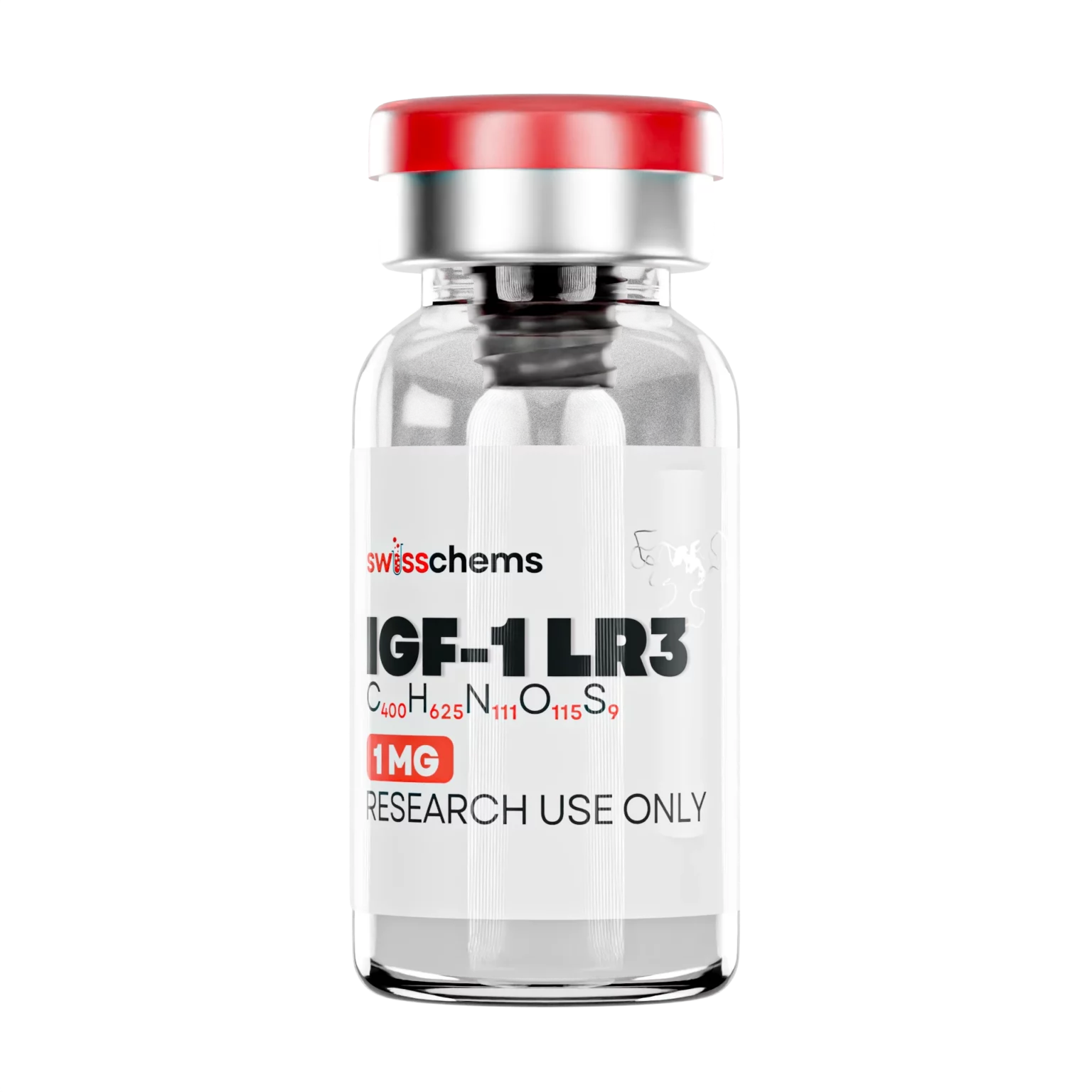
IGF-1 LR3 Overview
IGF-1 LR3 (Long R3 Insulin-like Growth Factor-1) is a modified analog of IGF-1 engineered to increase its potency and half-life in the body. By altering its amino acid sequence and reducing its binding affinity to IGF-binding proteins, IGF-1 LR3 remains active for significantly longer than native IGF-1, making it more suitable for sustained research into muscle growth, nutrient partitioning, and cellular proliferation. Despite its performance-oriented interest, it has not undergone full clinical approval and is primarily studied as a research compound.
Rather than functioning as a short-lived, localized repair signal like MGF, IGF-1 LR3 exerts more systemic effects by promoting anabolic signaling across multiple tissues. It enhances glucose and amino acid uptake while activating pathways associated with muscle hypertrophy and cell growth. This broader, longer-lasting mechanism is what makes it particularly compelling in research focused on overall growth and recovery, though it also comes with a higher likelihood of systemic effects compared to more localized peptides.
IGF-1 LR3 Overview
🔵 Primary Purpose: Muscle growth, recovery, nutrient partitioning, cellular proliferation
🧪 Form: Injectable solution (reconstituted from lyophilized powder)
⚗️ Common Concentration: 20–100 mcg per dose (research context)
💰 Average Cost: $60–$150 per 1–2mg vial
⏳ Typical Application: Once daily (protocols vary due to long half-life)
🧬 Chemical Formula: Modified IGF-1 analog (83 amino acids)
⚖️ Molecular Mass: ~9,200 Da
🧾 CAS Number: Not officially standardized (research compound)
🔗 Other Names: Long R3 IGF-1, IGF-1 LR3
🌿 Primarily Used For: Muscle hypertrophy, recovery, anabolic research, cell growth studies
Copy Brawn20 for 20% off
- Longer half-life than native IGF-1
- Promotes systemic anabolic and growth signaling
- Enhances nutrient uptake and recovery processes
- Higher risk of systemic side effects
- Limited long-term human safety data
- Not approved for medical use
Strongest Peptide for Healing & Recovery: TB-500
Every serious athlete eventually faces the injury question. Whether it’s a nagging tendon, a torn muscle fiber, or a joint that just won’t cooperate, how fast you heal determines how quickly you can get back to training hard. TB-500 has become one of the most talked-about compounds in this space.
TB-500 is a synthetic version of the active region of Thymosin Beta-4, a naturally occurring peptide found throughout the human body. Its mechanism centers on actin, which is a protein critical to cell structure and movement. By enhancing the body’s uptake and response to actin, TB-500 accelerates cell growth, proliferation, and migration, particularly in the types of cells responsible for wound closure and tissue repair.
On top of that, TB-500 promotes angiogenesis (the formation of new blood vessels) which improves blood flow to injured areas, delivering the oxygen and nutrients needed for faster healing. It also has notable anti-inflammatory properties, which can reduce the chronic inflammation that slows recovery and leads to scar tissue formation.
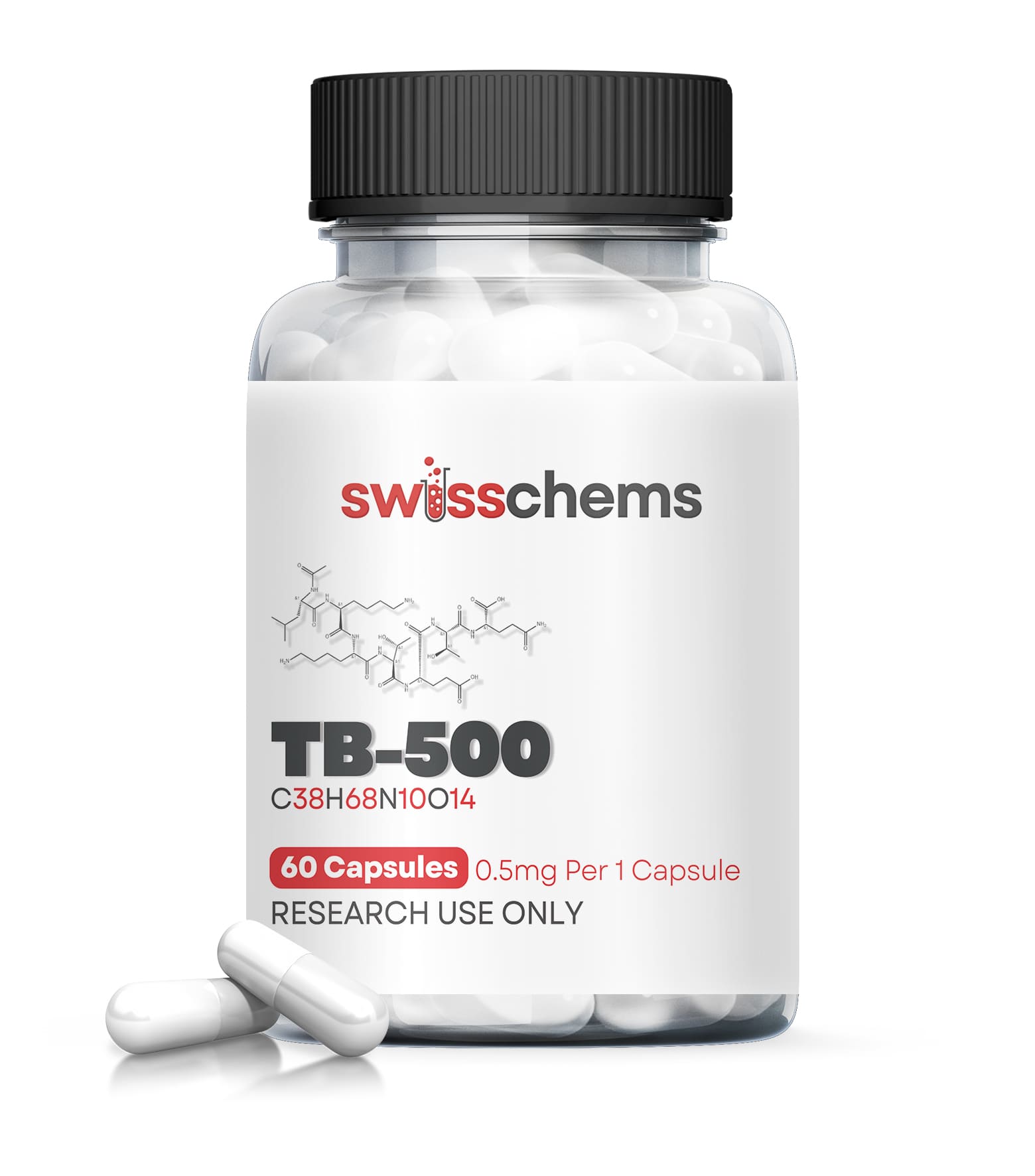
TB-500
TB-500 is a synthetic peptide fragment of Thymosin Beta-4, a naturally occurring protein found in almost all human and animal cells. It plays a key role in cell migration, blood vessel formation, and tissue regeneration, making it a valuable compound for recovery-focused research.
Unlike anabolic agents that stimulate muscle growth through hormonal pathways, TB-500 works on a cellular level by improving healing speed, flexibility, and recovery from soft tissue injuries. Researchers often explore its effects on muscle repair, inflammation reduction, and cardiovascular protection.
This peptide is widely recognized for promoting faster wound healing, increased endurance recovery, and enhanced circulation to damaged areas. Its ability to regulate actin, a critical component of cell structure and movement, makes it uniquely suited for studies involving injury recovery and tissue remodeling.
TB-500 is often studied alongside BPC-157 for synergistic regenerative effects, with both compounds showing complementary benefits for muscle, tendon, and ligament repair. It is typically administered via subcutaneous or intramuscular injection in a research setting.
Disclaimer: This content is for informational purposes only. TB-500 has not been approved for medical use by the FDA or other regulatory agencies. Always consult a qualified professional before handling or researching peptides.
TB-500 Overview
⭐ Top Benefits: Accelerated tissue repair, reduced inflammation, enhanced recovery, improved flexibility
🧪 Form: Injectable peptide (vial)
⌛ Max Time Used: Commonly 4–6 weeks (research context; limited long-term data)
💰 Average Cost: $42.36 per 10-mg vial
❤️🩹 Side Effects: Possible fatigue, mild lethargy, temporary injection site redness or irritation
📚 Best Peptide Stack: Often paired with BPC-157, GHK-Cu, or CJC-1295 for advanced regenerative research
Copy Brawn20 for 20% off
- Promotes cellular regeneration and tissue repair
- Reduces inflammation and enhances flexibility
- Supports healing of muscles, tendons, and ligaments
- Limited human research and not approved for medical use
- May cause mild fatigue or injection site irritation
- Short research duration limits understanding of long-term effects
Strongest Peptide for Sexual Health: PT-141 (Bremelanotide)
PT-141, also known by its generic name Bremelanotide, takes a fundamentally different approach to sexual dysfunction than drugs like Viagra or Cialis. Rather than acting on blood flow mechanics, PT-141 works at the level of the brain, specifically by activating melanocortin receptors in the central nervous system that regulate sexual desire and arousal.
Originally developed as a tanning agent (it was derived from Melanotan II), researchers quickly noticed its potent pro-sexual effects in clinical trials. It has since been studied for both erectile dysfunction in men and hypoactive sexual desire disorder in women, earning the informal nickname ‘female Viagra’ in some research circles.
Importantly, a version of this compound called Vyleesi (bremelanotide injection) was approved by the FDA in 2019 for treatment of hypoactive sexual desire disorder (HSDD) in premenopausal women. This makes PT-141 one of the few peptides on this list with actual FDA approval in a specific context, though research-grade PT-141 is a separate product from the pharmaceutical version.
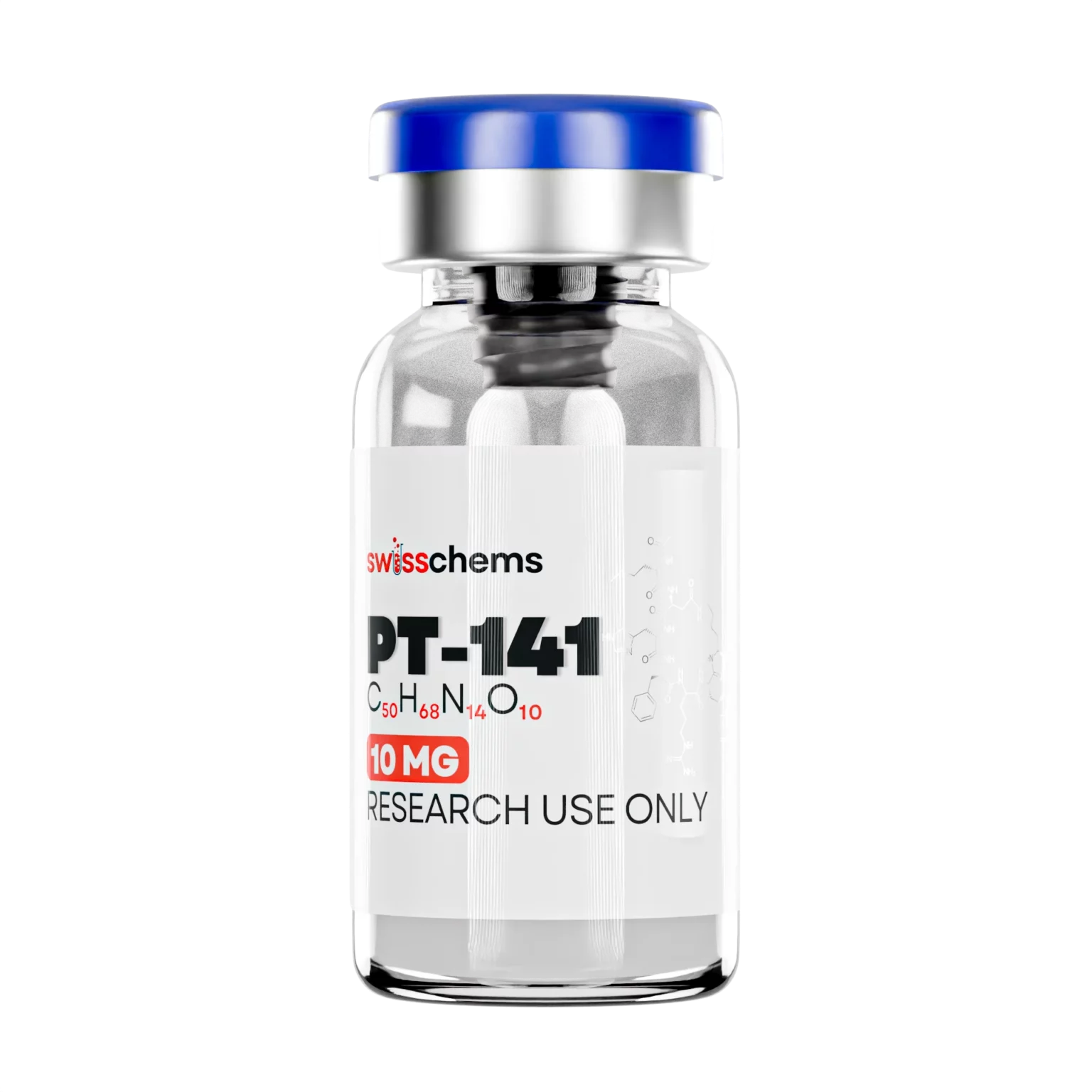
PT-141 (Bremelanotide) Overview
PT-141 (Bremelanotide) is a synthetic peptide derived from the melanocortin family, originally developed from Melanotan II and studied for its effects on sexual function and arousal. Unlike many compounds targeting hormonal pathways, PT-141 works through the central nervous system, specifically activating melanocortin receptors involved in sexual response. It has undergone clinical development and is approved in certain contexts (e.g., for hypoactive sexual desire disorder in premenopausal women), though it is also widely encountered in research and off-label discussions.
Rather than influencing sex hormones like testosterone or estrogen, PT-141 acts directly on neural pathways associated with desire and arousal. By stimulating melanocortin receptors in the brain, it can enhance sexual motivation and response independent of hormonal levels. This centrally acting mechanism is what makes it distinct from traditional therapies, as it targets the neurological component of sexual function rather than peripheral or endocrine factors.
PT-141 (Bremelanotide) Overview
🔵 Primary Purpose: Sexual arousal, libido enhancement, erectile function support
🧪 Form: Injectable solution (reconstituted from lyophilized powder)
⚗️ Common Concentration: 0.5–2 mg per dose (clinical/research context)
💰 Average Cost: $80–$180 per 10mg vial
⏳ Typical Application: As needed, ~30–60 minutes before activity
🧬 Chemical Formula: C50H68N14O10
⚖️ Molecular Mass: ~1025.2 Da
🧾 CAS Number: 189691-06-3
🔗 Other Names: Bremelanotide, PT-141
🌿 Primarily Used For: Libido enhancement, sexual dysfunction research, arousal support
Copy Brawn20 for 20% off
- Works independently of testosterone or estrogen levels
- Fast-acting effects when used on demand
- Can be effective for both men and women
- Common side effects include nausea, flushing, and headache
- May temporarily increase blood pressure and heart rate
- Requires subcutaneous injection rather than oral dosing
Strongest Peptide Stacks

Most advanced users don’t run peptides in isolation. They stack them strategically to get synergistic effects. Here are the most evidence-backed combinations for each goal:
Fat Loss Stack
Core: CJC-1295 + Ipamorelin
This GHRH/GHRP combination drives growth hormone pulses that accelerate fat metabolism and improve overall body composition. Adding AOD 9604 targets fat tissue more directly, while Melanotan II may further support appetite suppression.
The key to making a fat loss stack work is pairing it with a caloric deficit and consistent training. Peptides enhance the process, they don’t replace it.
Muscle Growth Stack
Core: IGF-1 LR3 + GHRP-6 + Ipamorelin
This combination stimulates both growth hormone secretion and downstream IGF-1 activity, creating an environment primed for protein synthesis and lean mass accumulation. Adding TB-500 and BPC-157 on top can help manage the wear and tear that comes with high-volume training.
Recovery & Healing Stack
Core: TB-500 + BPC-157
These two peptides are widely regarded as the gold standard for injury recovery. TB-500 drives new blood vessel formation and cell migration; BPC-157 stimulates growth factors that rebuild damaged tissue from within. Adding GHK-Cu and Thymosin Beta-4 can further enhance collagen synthesis and reduce scar formation.
Conclusion
The peptide landscape is evolving fast, and there’s no shortage of compounds claiming to be the next big thing. But the ones covered in this guide stand out because they have real biological mechanisms, meaningful research backing, and a track record among advanced users that’s hard to ignore.
There are peptides that have demonstrated the potential to help whether your goal is building serious muscle, accelerating fat loss, recovering from an injury faster, or addressing sexual health concerns. The key is approaching them intelligently: understanding the science, respecting the risks, and never substituting a research compound for professional medical care.
At Muscle & Brawn, we’ll continue to update this guide as new research emerges. The science is moving quickly, and so should your understanding of it.
Frequently Asked Questions
Which peptide is most like HGH?
The peptide that is most similar to HGH (human growth hormone) is a growth hormone releasing hormone (GHRH) or growth hormone secretagogue (GHS). These peptides work by stimulating the release of HGH from the pituitary gland in the brain, resulting in increased levels of HGH in the body. Peptides like Ipamorelin and CJC-1295 are examples of GHRH and GHS that can mimic the effects of HGH without the negative side effects associated with anabolic steroids.
What peptide builds the most muscle?
When it comes to building muscle mass, there are several peptides for muscle growth that have been shown to be effective. Peptides like Ipamorelin and CJC-1295 work by increasing the production of growth hormone, which can lead to greater muscle mass and improved body composition.
What is the strongest fat burning peptide?
The strongest fat burning peptide is arguably HGH Fragment 176-191, also known as AOD-9604. This peptide works by mimicking the effects of the natural hormone ghrelin, which stimulates the release of growth hormone and promotes lipolysis (the breakdown of fat cells). By increasing the body’s ability to burn fat, AOD-9604 can lead to significant reductions in body fat and improved body composition [7].
Are peptides better than steroids?
Peptides and steroids are both compounds that can be used to enhance athletic performance and promote muscle growth. However, there are significant differences between the two. While steroids are synthetic versions of the hormone testosterone and can have serious side effects, peptides are naturally occurring compounds that work by stimulating the body’s own natural processes. Peptides can be safer and more targeted in their effects, with fewer side effects than steroids.








Can I combine AOD9604 with GRHP2 with the anti aging and muscle gains of the latter combined with fat loss of the former? I’ve found a reputable supplier offering them as nasal sprays (my preference)
The GHRP2 will make you vert very hungry, so, might not be the best idea.