You train hard. You push your limits. Then one wrong move can derail your progress and slow down your recovery.
For athletes and lifters, injury is not just painful. It is frustrating. The recovery takes time, but with the right methods, you can achieve targeted healing. Progress feels slow, and you start to wonder if you’ll come back stronger. Even with rest, ice, painkillers, or rehab, it often feels like nothing really works.
Most traditional recovery methods only hide the pain. They do not help your body rebuild what is broken. Tendons, ligaments, and cartilage do not get much blood. Because of this, healing takes longer and is often incomplete, making it essential to use methods with anti-inflammatory effects.
Peptides can change this. These are short chains of amino acids that send signals in your body. They tell your cells to repair, reduce swelling, and start building new tissue. Science supports this. Research shows that peptides help you heal better and faster.
If you want real recovery, then you need to learn about the best peptides for injury recovery. Let us break it down, with science to back it up.
Key Takeaways
- Peptides help your body heal by triggering natural repair processes at the cellular level. 🔬
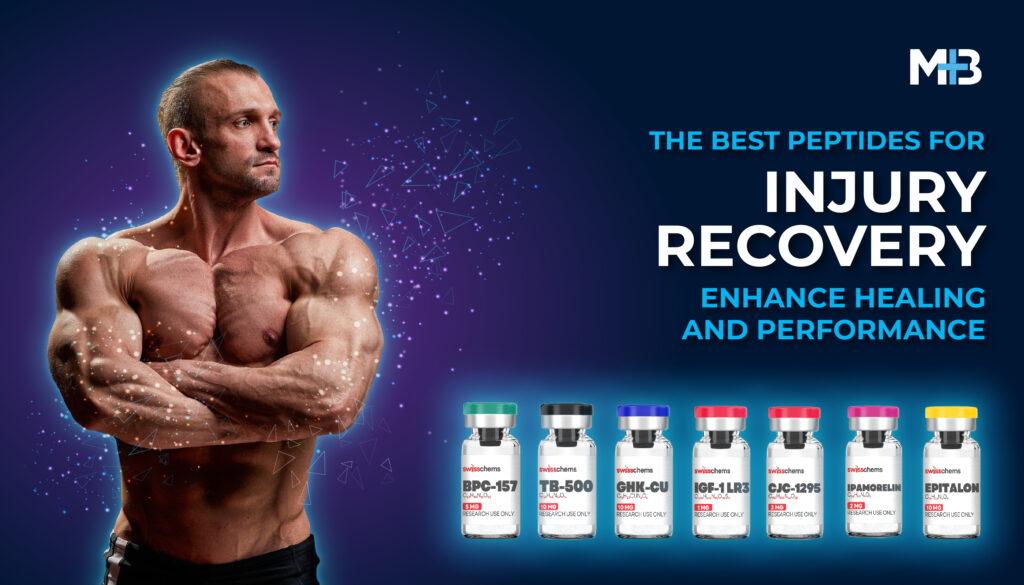
- BPC-157, TB-500, GHK-Cu, and IGF-1 LR3 are top peptides for soft tissue, joint, and muscle recovery. 💪
- Stacking peptides can improve results by targeting multiple healing pathways at once. 🧩
- Even recreational athletes and aging adults can benefit from safe and research-backed peptide therapy. 🧓
- Choosing high-quality, lab-tested peptides is essential for safe and effective recovery. ✅

How the Best Peptides for Injury Recovery Work: Blood Flow, Growth Hormone, and More
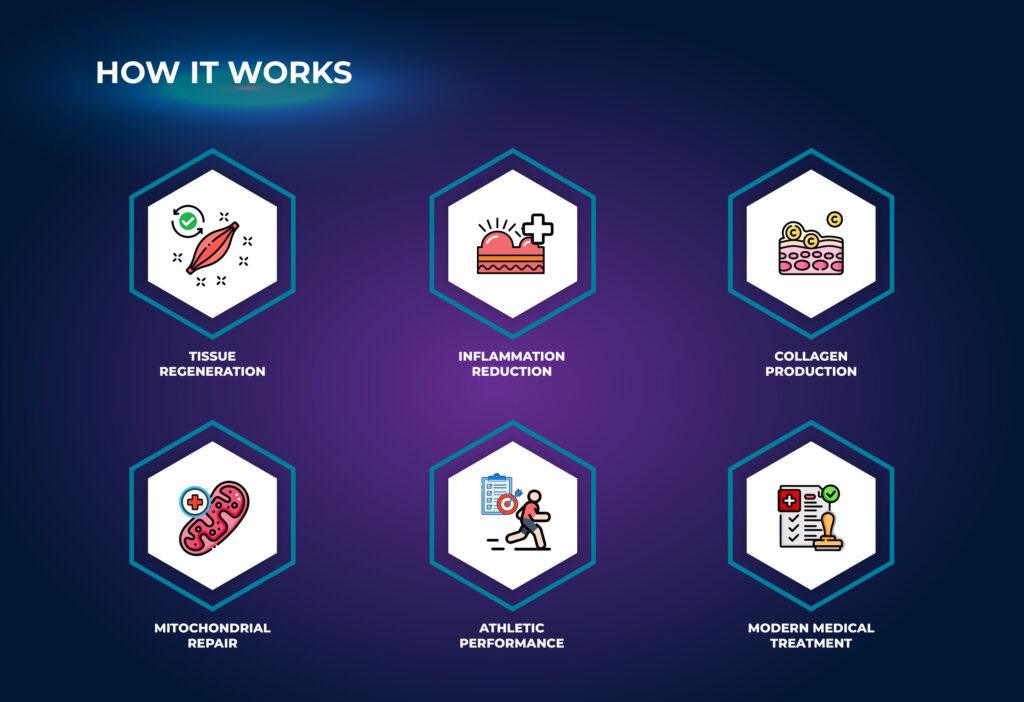
Peptides support healing in a way that targets the root of the injury. They help the body fix what is broken at a cellular level. This is why many call them recovery peptides. Some are natural peptides, while others are synthetic peptides designed to boost the body’s repair processes.
1. Tissue Regeneration and Blood Flow: Peptides trigger new tissue growth by activating growth factors. This leads to faster recovery from soft tissue damage, skeletal muscle strain, and even the formation of granulation tissue in wounds.
Key actions include:
- Stimulating angiogenesis (formation of new blood vessels)
- Improving blood flow to injured areas
- Supporting oxygen and nutrient delivery
- Speeding up soft tissue regeneration
2. Inflammation Reduction and Immune Modulation: Chronic inflammation delays healing. Peptides help regulate this by calming the immune system and modulating immune responses, as well as reducing oxidative stress.
They work by:
- Lowering inflammatory markers
- Supporting immune balance and immune recovery
- Reducing joint pain and swelling
- Preventing cellular damage during recovery
3. Collagen Production and Connective Tissue Healing: Strong connective tissue is key for full recovery. Peptides like BPC-157 and GHK-Cu support collagen production, the main protein in tendons, ligaments and connective tissue.
They contribute to healing by:
- Increasing collagen synthesis
- Enhancing blood vessel growth
- Improving tissue structure and durability
- Supporting tendon, ligament, and joint repair
4. Mitochondrial Repair and Cellular Energy: Healing requires energy. Peptides boost mitochondrial function so cells can repair faster.
This is especially useful for aging athletes and includes:
- Promoting natural growth hormone release
- Stimulating the pituitary gland with growth hormone secretagogues like CJC-1295 and Ipamorelin
- Increasing protein synthesis and lean muscle mass
- Supporting tissue healing and muscle regeneration
5. Systemic Healing and Athletic Performance: Peptide therapy does more than fix injuries. It supports overall performance and recovery for athletes under heavy stress or training loads.
These benefits include:
- Accelerating recovery in severe injuries or slow-healing wounds
- Supporting nerve regeneration and tissue remodeling
- Enhancing wound healing and soft tissue repair
- Boosting systemic recovery and immune modulation
6. Peptides in Modern Medical Treatment: Peptides are becoming a trusted tool in sports medicine and clinical research. They are used beyond cosmetic treatments.
In modern protocols:
- Peptides are combined with hydrolyzed collagen or stem cells
- They improve skin elasticity, wound repair, and muscle recovery
- Multiple peptides are now under World Anti-Doping Agency review due to their performance effects
If you’re dealing with chronic pain, slow healing, or want to enhance recovery with science-backed support, peptide therapy could be your solution.
Best Peptides for Injury Recovery
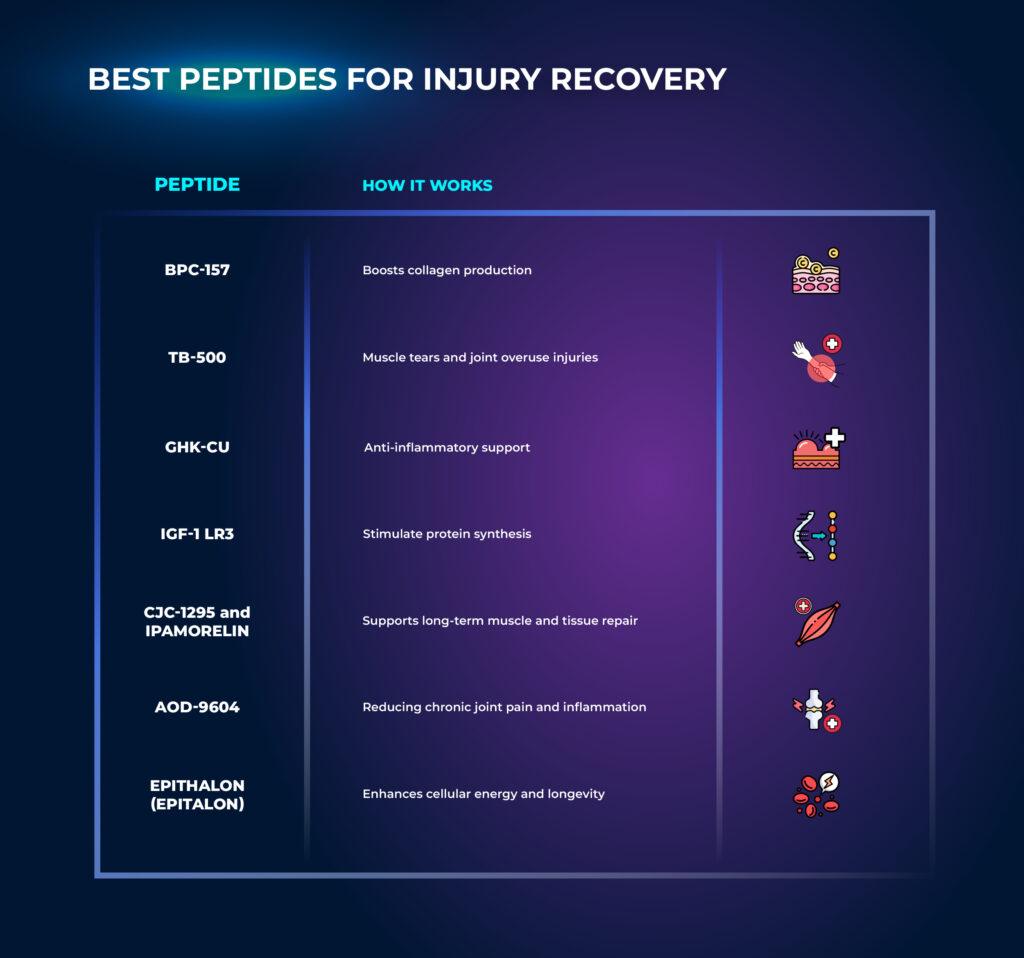
These are the best peptides for injury recovery, backed by research and used in modern peptide therapy protocols.
BPC-157: The Body Protection Compound That Speeds Up Injury Recovery
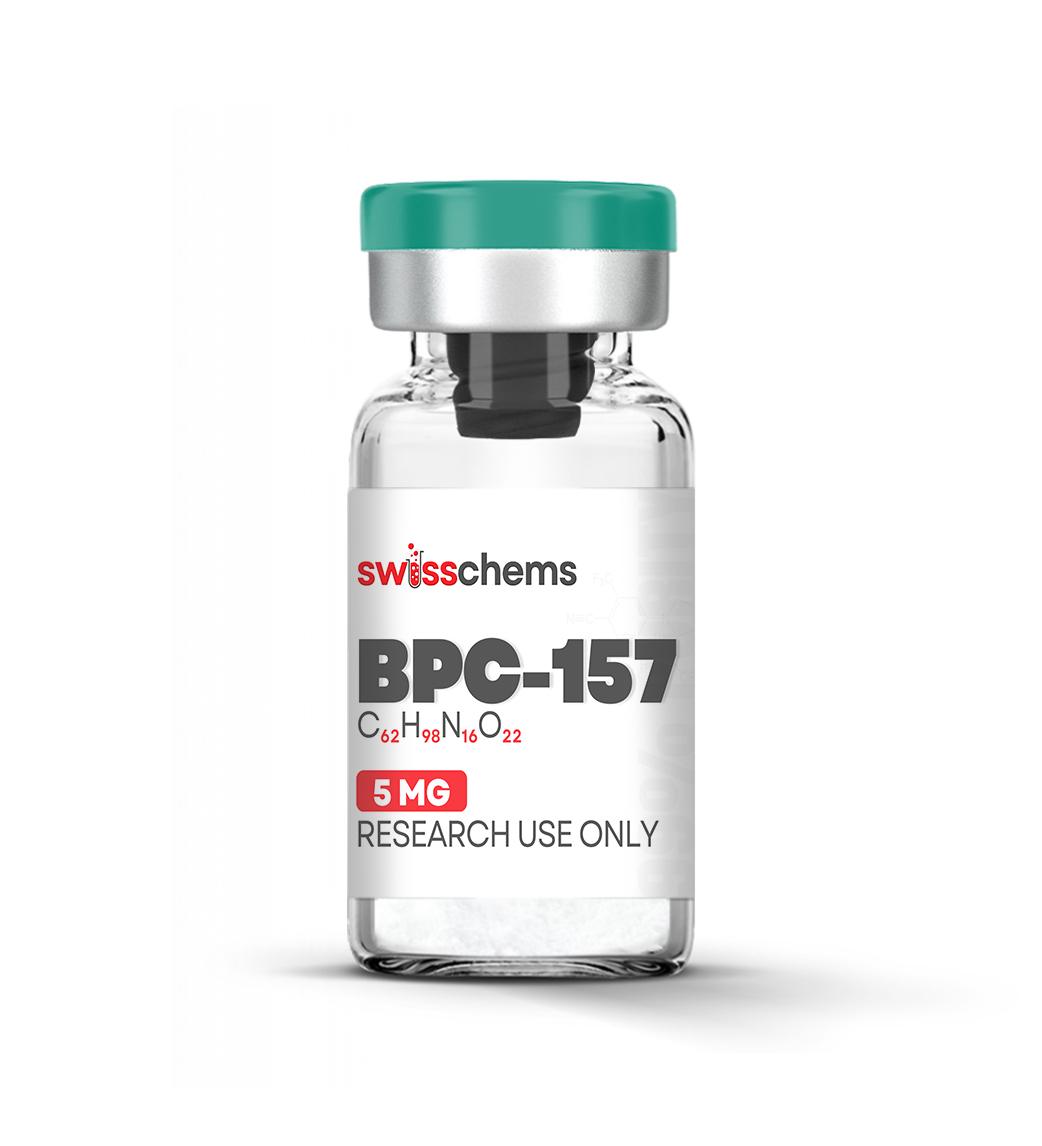
This synthetic peptide, derived from gastric juice, is widely known as the body protection compound. It is best known for promoting soft tissue repair, supporting tendon and ligament recovery, and accelerating muscle healing.
Benefits include:
- Activates growth factors
- Boosts collagen production
- Improves blood flow and reduces inflammation
- Supports wound healing and nerve regeneration
It is commonly used for muscle strains, tendon injuries, and ligament tears. Research shows BPC-157 can speed up recovery with minimal risk. Most BPC-157 research comes from animal studies, with limited human data. Results may not fully translate.
TB-500 for Injury Recovery: Boost Tissue Repair and Blood Flow
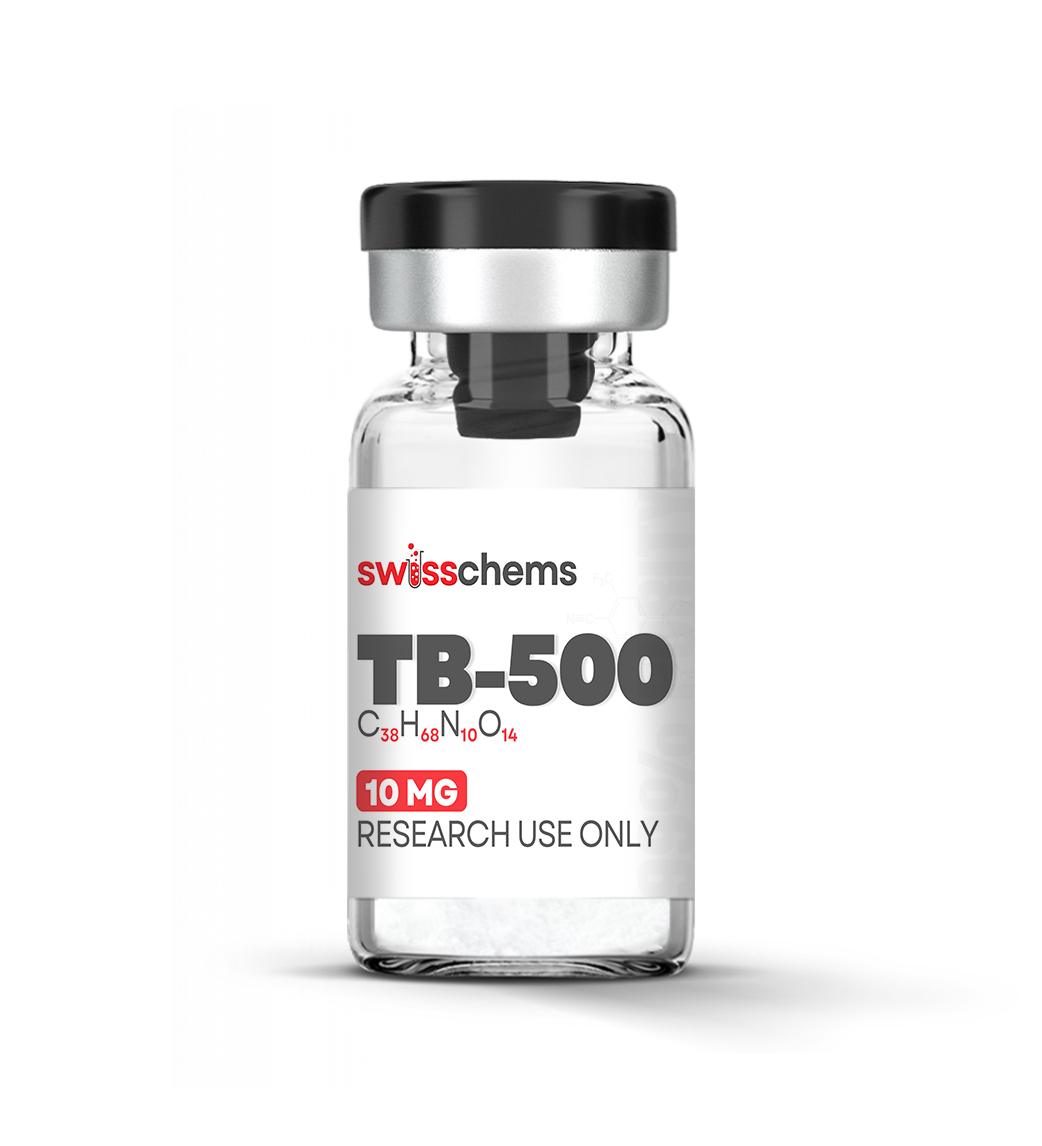
TB-500 is a synthetic version of a naturally occurring peptide involved in healing. It improves tissue regeneration, enhances cell migration, and reduces fibrosis.
Best for:
- Poorly vascularized tissue like ligaments and tendons
- Muscle tears and joint overuse injuries
Many users combine TB-500 with BPC-157 for a synergistic effect. It works well for faster recovery in chronic or stubborn injuries. Not FDA-approved for human use; available only as a research chemical.
GHK-Cu: A Peptide Powerhouse for Collagen, Blood Flow, and Nerve Regeneration
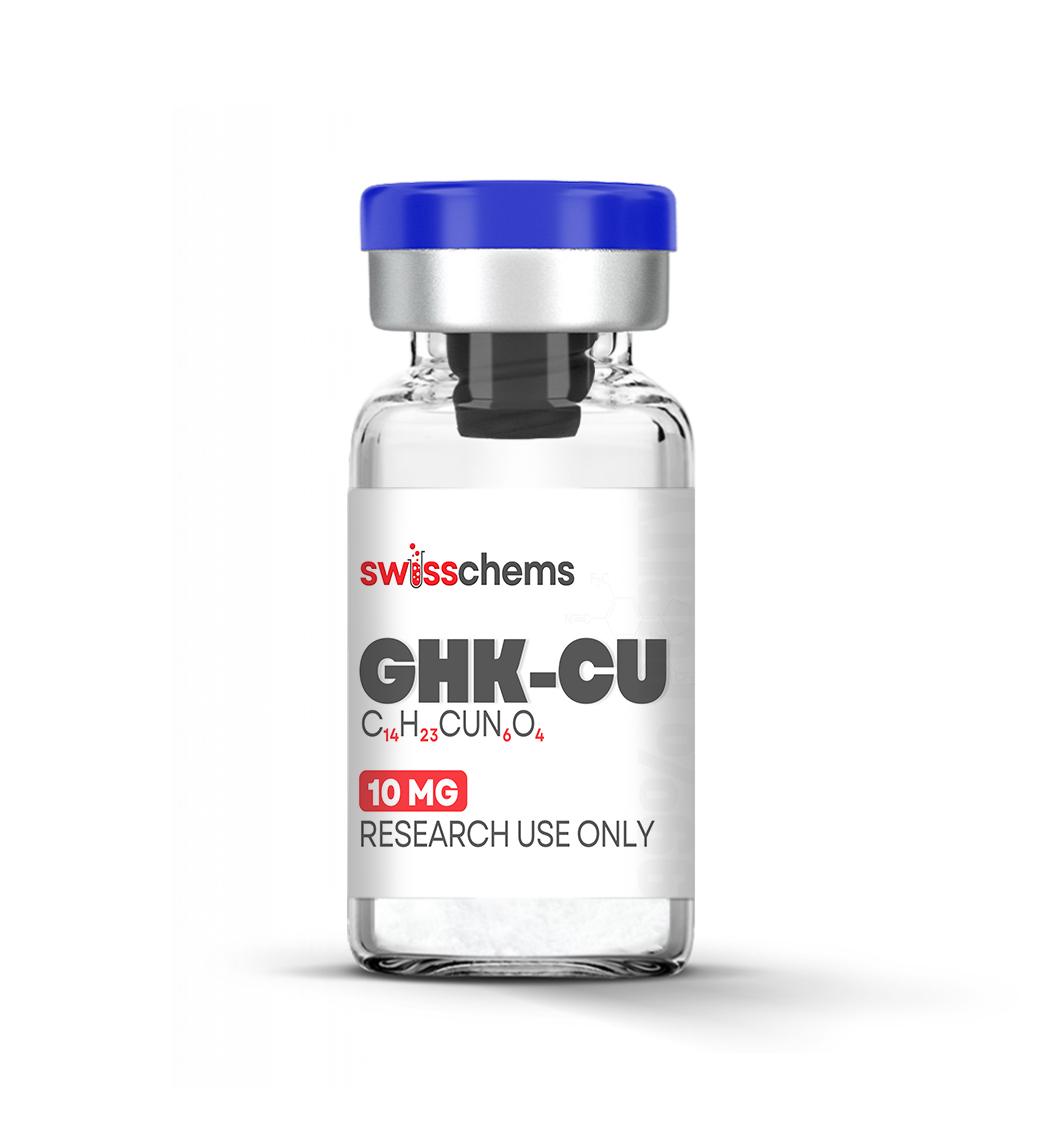
GHK-Cu is a naturally occurring copper peptide found in human plasma. It is known for improving collagen synthesis, blood vessel formation, and nerve regeneration.
Key uses:
- Chronic wounds and skin repair
- Anti-inflammatory support
- Promoting tissue healing and elasticity
This peptide is safe for topical or systemic use and is widely used in cosmetic and clinical treatments. Topical effects are well-studied in wound healing and cosmetic applications, but systemic injection data for injury recovery is limited.
IGF-1 LR3: A Growth Hormone Peptide to Support Muscle Mass and Soft Tissue Healing

IGF-1 LR3 is a more stable and longer-lasting form of insulin-like growth factor. It plays a major role in increasing muscle mass, regeneration, and tissue repair.
It helps:
- Stimulate protein synthesis
- Prevent muscle wasting
- Improve lean muscle mass post-injury
It is typically used via subcutaneous injection and is part of advanced peptide therapy plans for athletes. Use in humans is not approved outside research; potential risks include abnormal tissue growth if misused.
CJC-1295 and Ipamorelin: Stimulate Natural Growth Hormone for Full-Body Recovery
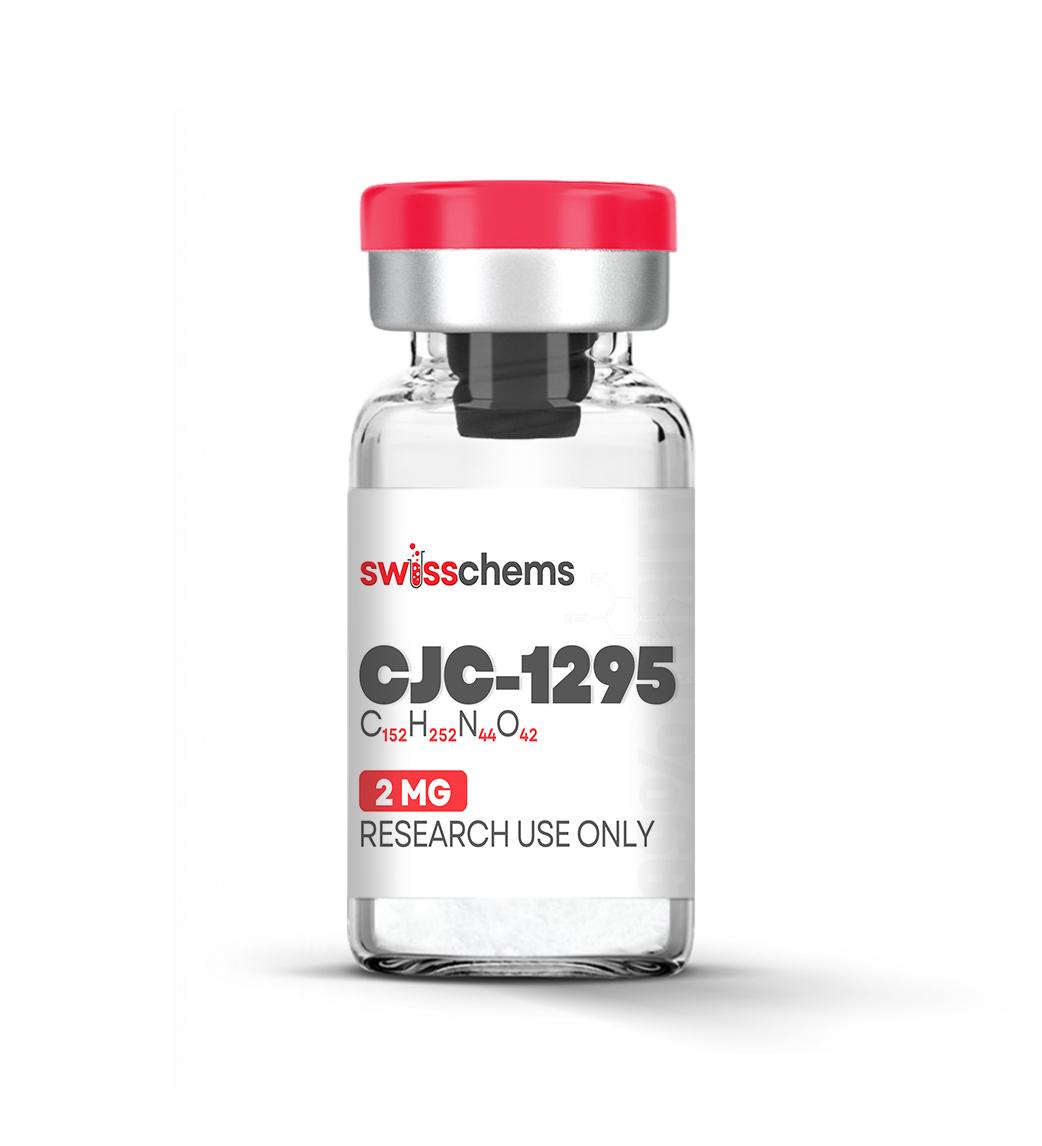
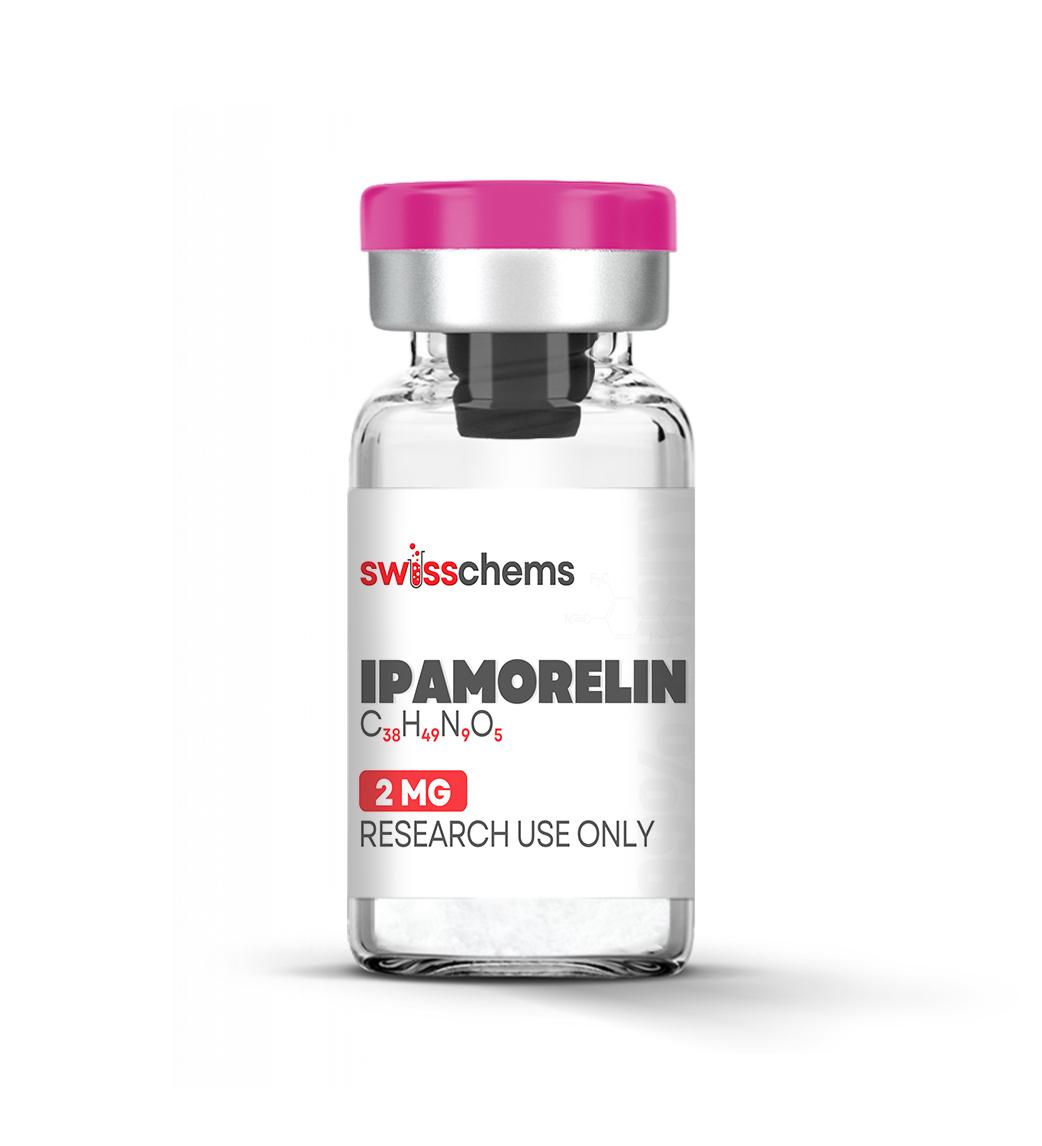
These two peptides stimulate natural growth hormone release. CJC-1295 is a GHRH analog, while Ipamorelin is a selective GHRP. Together, they enhance IGF-1 levels and promote whole-body recovery. Overuse can disrupt natural GH cycles and may cause water retention, joint pain, or insulin sensitivity changes.
Combined benefits:
- Supports long-term muscle and tissue repair
- Improves sleep and fat metabolism
- Enhances performance and anti-aging effects
This stack is popular for those recovering from injuries and looking to maintain youthful energy and performance.
BUY NOW – CJC-1295 without DAC 2 mg
AOD-9604: From Fat Loss to Joint Pain Recovery and Cartilage Regeneration
AOD-9604 is a peptide fragment of human growth hormone originally designed for fat loss. However, it also shows strong regenerative effects on cartilage and joints. Evidence for cartilage regeneration in humans is weak—most data relates to fat metabolism and animal cartilage models.
Ideal for:
- Osteoarthritis
- Weight-bearing joint injuries like knees or hips
- Reducing chronic joint pain and inflammation
Studies show better results when combined with hyaluronic acid for joint support.
Epithalon (Epitalon): Anti-Aging Peptide for Mitochondrial Health and Injury Recovery
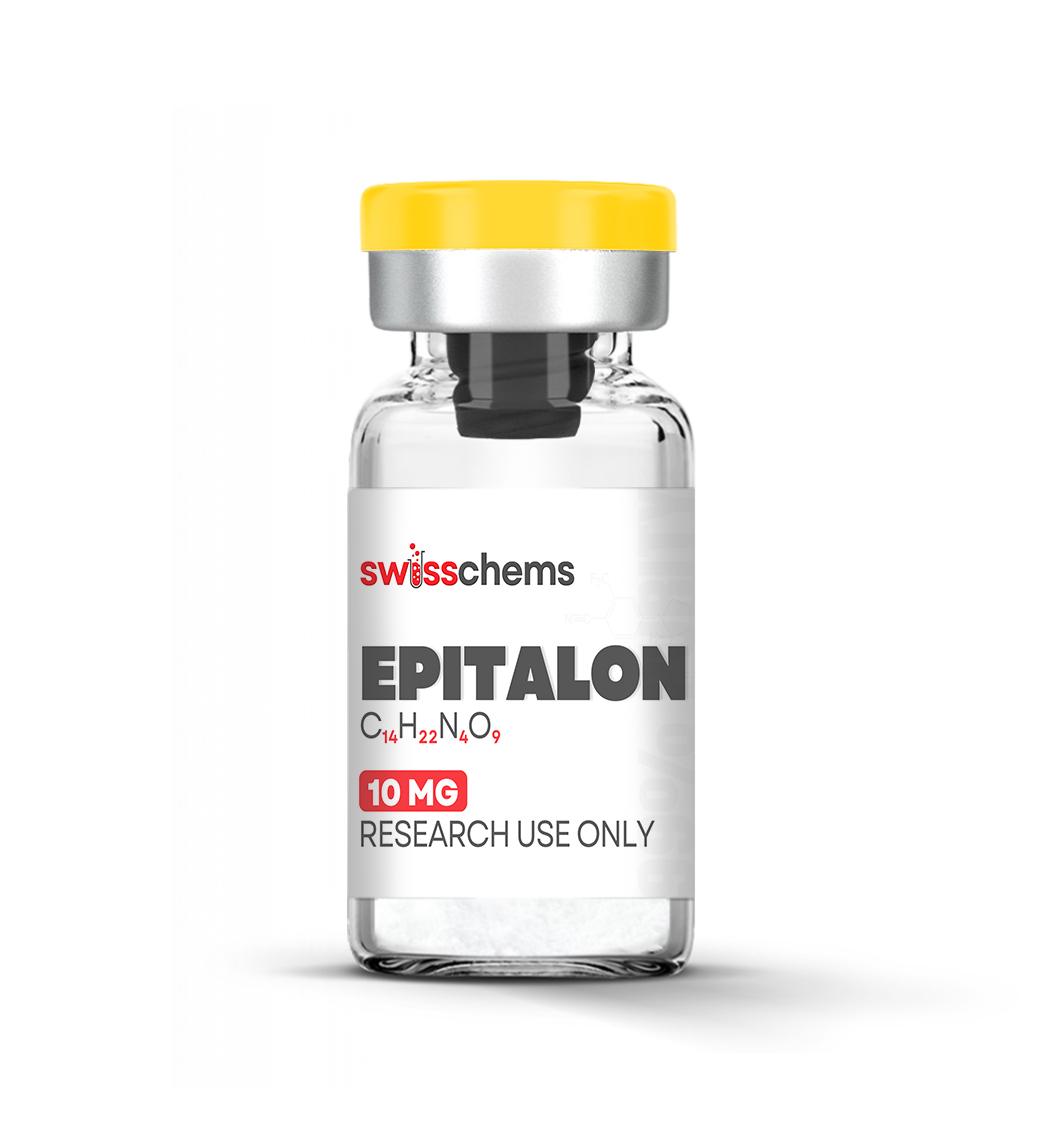
Epithalon is a synthetic peptide modeled after one produced in the pineal gland. It helps restore mitochondrial function, regulate cell aging, and improve recovery in fatigued tissues. Most human studies are Russian, small-scale, and not peer-reviewed in major Western journals.
Key effects:
- Increases telomerase activity
- Reduces oxidative stress
- Enhances cellular energy and longevity
It is often used by aging athletes or individuals with slow recovery needs.
Stacking Peptides for Synergistic Recovery
Some peptides work well on their own. But stacking them can boost their effects. When used together, peptides can support multiple healing pathways at the same time. This speeds up recovery and improves the quality of tissue repair.
Best stacks:
- BPC-157 + TB-500 – This combo is popular for soft tissue repair. BPC-157 speeds up wound healing and reduces inflammation, while TB-500 enhances cell migration and tissue regeneration. Together, they offer faster and stronger healing.
- CJC-1295 + Ipamorelin + IGF-1 LR3 – This stack is effective for athletes recovering from muscle damage. It supports muscle repair, joint strength, and even cartilage recovery by increasing growth hormone and IGF-1 levels.
Why stacking works: Each peptide has its own role in recovery. One may reduce inflammation, while another increases collagen or improves blood flow. When combined, they act on different but complementary systems. This leads to improved immune recovery as well as faster healing.
- More complete tissue regeneration
- Faster recovery timelines
- Greater results than using a single compound alone
Safety and timing: Stacking should be done with caution. Using too many peptides at once can overstimulate your system or lead to unwanted effects. Always:
- Follow clinical or research-based protocols
- Adjust timing based on the stage of injury
- Consult a healthcare professional before starting a peptide stack
Used strategically, stacking peptides can enhance healing without unnecessary risks. It’s about smart recovery, not just faster results.
Who Benefits from Peptides? From Athletes to Aging Adults with Joint Pain

Peptide therapy is not just for elite athletes or bodybuilders. It can benefit a wide range of people who are struggling with slow healing or stubborn injuries that involve soft tissue, muscle tissue, or connective tissue.
Ideal candidates include:
- Athletes, gym-goers, and martial artists dealing with frequent strain or wear-and-tear to skeletal muscle
- Aging adults who recover slowly or have chronic joint pain due to reduced growth hormone levels
- Recreational lifters and weekend warriors with nagging injuries involving tissue damage or inflammation
Even those who do not train professionally can see real improvements. Many peptides, especially naturally occurring peptides like BPC-157 and GHK-Cu, are showing promising results in everyday users, thanks to their roles in collagen production, blood flow, and tissue regeneration.
Peptides make the most sense for injuries that heal poorly or incompletely on their own, such as:
- Chronic tendinopathy
- Ligament tears and connective tissue healing issues
- Cartilage degeneration and joint pain
- Muscle ruptures and repetitive strain injuries
If you’ve tried conventional recovery methods with limited success, peptide therapy could offer a smarter, more targeted medical treatment. These recovery peptides work deep at the cellular level, promoting healing through immune modulation, enhanced protein synthesis, and support for growth factors that regulate the body’s repair processes.
Peptide Therapy Caution: Growth Hormone Effects, Long-Term Risks, and Safety Tips
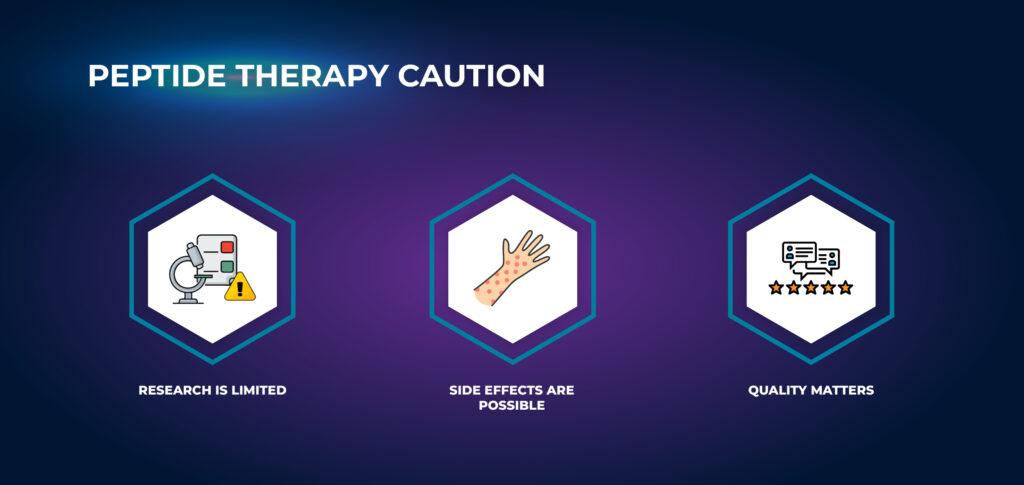
While peptide therapy holds great promise for injury recovery, muscle growth, and enhanced recovery, it’s important to approach it with realistic expectations and proper caution.
Research status: Many of the best peptides for injury recovery are still classified as research compounds. Most available evidence comes from preclinical animal studies or small-scale clinical trials. Large, long-term human data is limited. This applies even to widely used options like BPC-157 and growth hormone secretagogues.
Known side effects: In general, peptides show a low risk profile in animal models. However, potential side effects can include:
- Allergic reactions, especially at subcutaneous injection sites
- Off-target effects that may impact endocrine balance
- Long-term risks with synthetic peptides or growth hormone analogs
Peptides that stimulate human growth hormone, such as CJC-1295 and Ipamorelin, can also influence the pituitary gland and hormone levels. These changes may affect immune responses, natural growth hormone cycles, and overall endocrine function.
Sourcing and quality control: Not all peptides on the market are created equal. Poor sourcing can lead to ineffective or contaminated products.
To protect your health and recovery process:
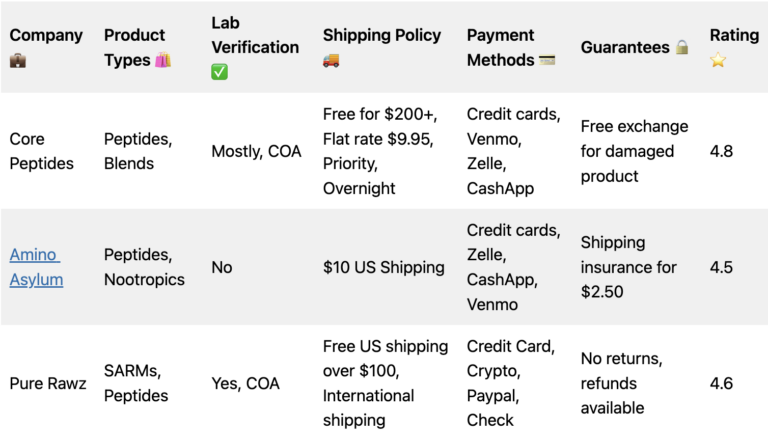
- Only buy from trusted vendors with transparent COAs and third-party testing
- Avoid products without labeling, batch info, or proof of purity
- Be cautious with products marketed without FDA approval or real clinical backing
When used responsibly, recovery peptides can support wound healing, tissue repair, muscle regeneration, and connective tissue remodeling. But care is essential, especially when aiming for enhanced athletic performance, systemic recovery, or use alongside stem cell therapy or hydrolyzed collagen stacks.
How to Choose the Best Peptides for Injury Recovery: Purity, COAs, and Trusted Sources
The quality of your peptide therapy depends on purity, sourcing, and transparency.
1. Verified Testing: Always choose vendors that provide third-party Certificates of Analysis (COAs) to confirm purity and safety.
2. Clear Labels and Reputable Sources: Avoid products with vague labels or missing details. Go for suppliers who clearly list purity, batch numbers, and sourcing.
3. Research-Backed Compounds: Stick to peptides with supporting data. BPC-157, TB-500, GHK-Cu, and IGF-1 LR3 are among the most studied for injury recovery, blood flow, and collagen production.
4. Proper Storage: Peptides are delicate. Make sure they’re stored and shipped correctly, especially if lyophilized. Follow usage instructions.
5. No Hype: Avoid sellers promising miracle cures or marketing unapproved medical claims. Stick with vendors who follow best practices and disclose all information.
Choosing the right peptides protects your results, your recovery, and your health.
Conclusion: How Peptides Like BPC-157 and GHK-Cu Speed Up Injury Recovery
Injury recovery does not have to be slow or frustrating. With the right approach, you can help your body heal and come back stronger. Peptide therapy gives you access to powerful tools that are effective in promoting healing, like BPC-157, TB-500, GHK-Cu, and IGF-1 LR3. These work inside your body to speed up healing, reduce inflammation, and rebuild tissue.
You do not have to be a professional athlete to benefit. Weekend warriors and people dealing with chronic pain can use peptides too. When used properly, they can support soft tissue repair, muscle regeneration, and healing of joints and tendons.
The science is still growing, but the results are promising. If traditional treatments are not enough, peptides may help you recover faster and better. Trust the research. Follow a careful process. Choose safe sources. Your body deserves smart recovery.
Frequently Asked Questions (FAQs)
Can I use peptides while taking prescription medications?
Yes, but always consult your doctor to avoid potential interactions.
How long does it take to see results from peptide therapy?
Some users report results in 1–2 weeks, but full recovery effects often take several weeks.
Do peptides require refrigeration?
Yes, most peptides should be refrigerated, especially after reconstitution.
Is peptide therapy legal in sports competitions?
Some peptides are banned by the World Anti-Doping Agency. Always check before use.
Can peptides be taken orally instead of injection?
Most are delivered via subcutaneous injection. Oral forms have low bioavailability and are less effective.