

Contents15 sections
The best peptides for muscle growth work through four distinct pathways: growth hormone release, IGF-1 signaling, actin-mediated tissue repair, and myostatin inhibition. CJC-1295 with Ipamorelin is the most widely used combination for sustained GH elevation, Sermorelin is the most studied GHRH analog in clinical settings, TB-500 addresses recovery and muscle cell proliferation directly, Hexarelin produces the sharpest GH pulse of the secretagogues, and Follistatin targets the body’s built-in muscle growth limiter.
None of these compounds are approved for muscle building in healthy adults. The evidence supporting them ranges from well-designed human pharmacokinetic studies to preclinical animal research, and the quality of that evidence varies significantly by compound. This guide covers what the published research actually shows for each peptide, how the mechanisms work, and where the data is strong versus where claims outrun the science.
Key Takeaways
- CJC-1295 with Ipamorelin is the most common muscle growth peptide stack, combining sustained GH elevation with a clean side effect profile. A human study showed CJC-1295 increased mean GH levels by 46% and IGF-1 by 45% (PMID 17018654).
- Sermorelin is the only GHRH analog with clinical trial data showing a lean body mass increase in humans, though the evidence comes from a small, older study in elderly men (PMID 9141536).
- TB-500 works through actin regulation rather than the GH axis, making it mechanistically distinct from every other peptide on this list. The research is primarily preclinical.
- Hexarelin produces the strongest acute GH spike of the peptidyl secretagogues, but repeated dosing reduces its potency. Preclinical data shows it protects skeletal muscle mitochondria during catabolic states.
- Follistatin inhibits myostatin, the body’s primary brake on muscle growth. Animal data is compelling, but human trial data for muscle hypertrophy does not exist yet.
- All peptides discussed here are prohibited under the WADA Prohibited List. Competitive athletes subject to drug testing should not use them.
Muscle Growth Peptide Comparison
| Features | TB 500 | Sermorelin | Hexarelin | Follistatin | CJC-1295 |
|---|---|---|---|---|---|
| 💪 Muscle Strength | ✅ | ✅✅ | ✅ | ✅✅✅ | ✅✅ |
| 🩸 Wound Healing | ✅✅ | ✅✅ | 🚫 | ✅ | ✅ |
| 🏃♂️ Endurance | ⬆️⬆️ | ⬆️⬆️ | ⬆️ | ⬆️⬆️ | ⬆️ |
| 💉 Bodybuilding Dosage | 1-8 mg/Week | 200-300 mcg/Day | 200-300 mcg/Day | 50-100 mcg/Day | 300 mcg/Day |
| 💉 Injectable | Yes | Yes | Yes | Yes | Yes |
| 🔄 Cycle length | 4 Weeks | 4 Weeks | 12-16 Weeks | 10 to 30 Days | 12-16 Weeks |
| 💦 Fat Loss | 🚫 | ✅ | ✅✅ | 🚫 | ✅ |
| 🧠 Cognitive Function | ✅ | ✅ | 🚫 | 🚫 | ✅ |
| 🫀 Cardiovascular health | ✅ | ✅ | ✅✅ | Probably | ✅ |
| 🩺 Side Effects | Mild | Mild to Severe | Slightly Severe | Severe | Very Mild |
| 🧬 Increased Protein Synthesis | ✅ | ✅✅ | ✅ | ✅✅✅ | ✅✅ |
| 🥛 Calcium Retention | 🚫 | 🚫 | 🚫 | 🚫 | ✅ |
Best Peptide for Muscle Growth + And Recovery – TB500
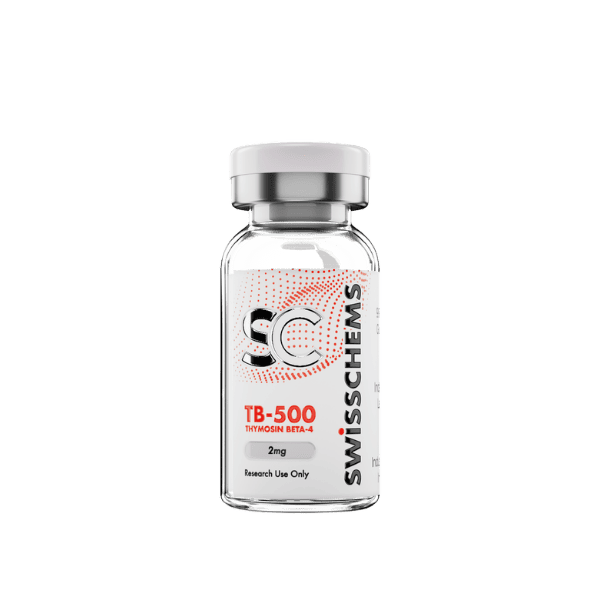
TB-500 is a synthetic version of the naturally occurring peptide LKKTETQ.
The peptide segment (17)LKKTETQ(23) is the active site within the protein thymosin β(4) responsible for actin binding, cell migration, and wound healing (9).
As discussed earlier, actin is the main contractile protein in the muscle fibers.
The increased reception leads to enhanced cell growth and proliferation of myocytes (muscle cells). This also leads to increased muscle strength and solid stamina.

Overview
- Form: Lyophilized powder
- Researched Dosage: 2 mg to 5 mg per week, often split into two doses, during a 4-6 week loading phase; then 2 mg to 2.5 mg every 1-2 weeks for maintenance
- Typical Cycle: 4-8 weeks
- Cost: $23.96-$25.16
- Stacking Options: BPC-157, GHK-Cu, CJC-1295/Ipamorelin
Pros
- Thought to help regulate actin, a protein involved in cell movement and structure, which may help with tissue repair and recovery.
- Animal studies suggest it may speed up healing in muscle, tendon, ligament and skin, and may reduce inflammation.
- Commonly paired with BPC-157 because the two peptides are believed to support recovery in different ways.
Cons
- May encourage new blood vessel growth and cell migration, which raises a theoretical concern about speeding up existing tumors. Long-term human safety data is very limited.
- Not an approved human medication. The FDA lists it as a bulk substance with potential safety risks (Category 2), and WADA bans it for tested athletes.
Best Growth Hormone Peptide Antagonist – Sermorelin
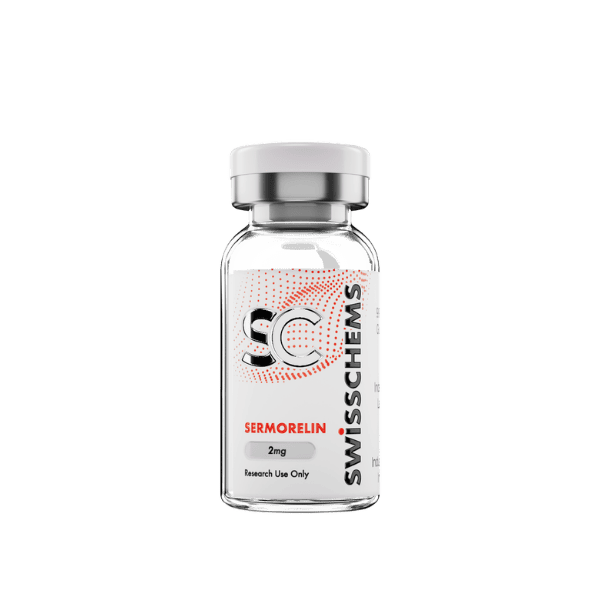
Sermorelin acetate is the acetate salt of an amidated synthetic 29-amino acid peptide (GRF 1-29 NH 2 ) that corresponds to the amino-terminal segment of the naturally occurring human growth hormone-releasing hormone (GHRH or GRF) consisting of 44 amino acid residues (11).
It mimics the action of the naturally occurring growth hormone-releasing hormone (GHRH).
The subsequent binding of sermorelin to the growth hormone-releasing hormone receptors (GHRHr) stimulates somatotrophic cells to secrete growth hormone (GH).
Higher growth hormone (GH) levels stimulate the production of new muscle fibers at a faster rate. This leads to the bulking of muscles.
Sermorelin users have also reported experiencing greater muscle gain after intense workout sessions.
Overview
- Form: Lyophilized powder
- Researched Dosage: 200 mcg to 500 mcg daily, usually taken before bed
- Typical Cycle: 8-12 weeks, with some protocols running 3-6 months
- Cost: $25.95
- Stacking Options: Ipamorelin, GHRP-2, GHRP-6
Pros
- A copy of the first 29 amino acids of natural growth hormone-releasing hormone, so it prompts the pituitary to release its own growth hormone.
- Keeps the body’s normal growth hormone pulses and feedback loop working, unlike taking synthetic growth hormone directly.
- Was once FDA-approved as Geref for children with growth hormone deficiency, so it has more human data than most peptides in this group.
Cons
- Half-life is very short, about 10-20 minutes, so it usually needs a daily injection.
- Reported side effects include flushing, headache, dizziness and redness or swelling where it’s injected.
- Approved version was taken off the US market in 2008 (the maker cited business reasons), and WADA bans it for tested athletes.
Best Peptide for Muscle Development: Hexarelin
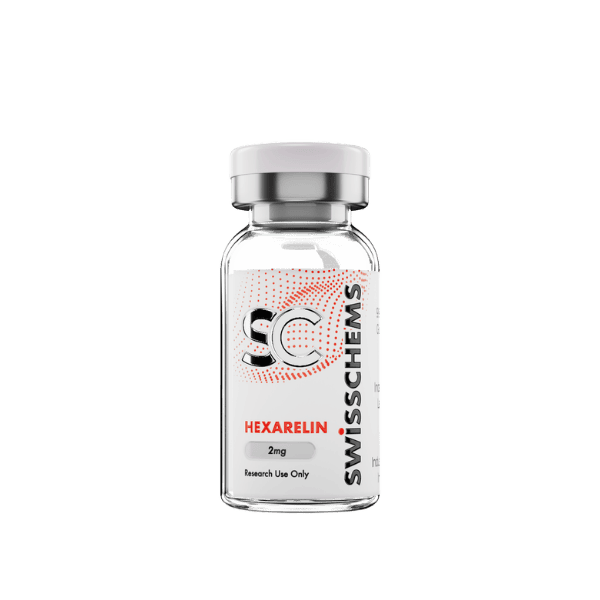
Hexarelin acetate, a growth hormone-releasing peptide (GHRP) consisting of 6 amino acid chains, falls under the growth hormone secretagogue category, contributing to the regulation of plasma growth levels and aiding in the development of new muscle tissue.
Hexarelin, functioning similarly to the naturally occurring hormone ghrelin, engages with growth hormone secretagogue receptors (GHSr), found in the hippocampus and peripheral organs, thereby triggering the release of growth hormone (GH).
This hormonal cascade plays a significant role in the enhancement of muscle development and serves as a powerful building block for muscle tissue growth.
The growth hormone (GH) release induced by Hexarelin results in the expansion of lean body mass, making it an effective method to build muscle mass.
Furthermore, it aids in fortifying body strength, which can be a valuable alternative to potentially harmful anabolic steroids or injectable peptides, all while remaining well within the peptide’s legal boundaries.
This translates to improved body composition and the alleviation of muscle soreness, contributing to a healthier, more muscular physique.
Overview
- Form: Lyophilized powder
- Researched Dosage: 100 mcg to 200 mcg, 1-3 times daily
- Typical Cycle: 4-8 weeks
- Cost: $21.56
- Stacking Options: CJC-1295 (no DAC), Sermorelin, IGF-1 LR3
Pros
- One of the strongest synthetic growth hormone-releasing peptides (GHRPs) and may cause a large growth hormone release.
- Animal studies suggest it may protect the heart, separately from its growth hormone effects.
- Works on a different pathway than GHRH analogs, so pairing them may release more growth hormone than either one alone.
Cons
- Effects often fade after a few weeks of steady use because the body gets used to it so quickly
- Can raise cortisol and prolactin more than milder GHRPs like ipamorelin.
- Not an approved human medication, long-term safety data is limited, and WADA bans it for tested athletes.
Best Peptide for Increasing Bone Density: Follistatin
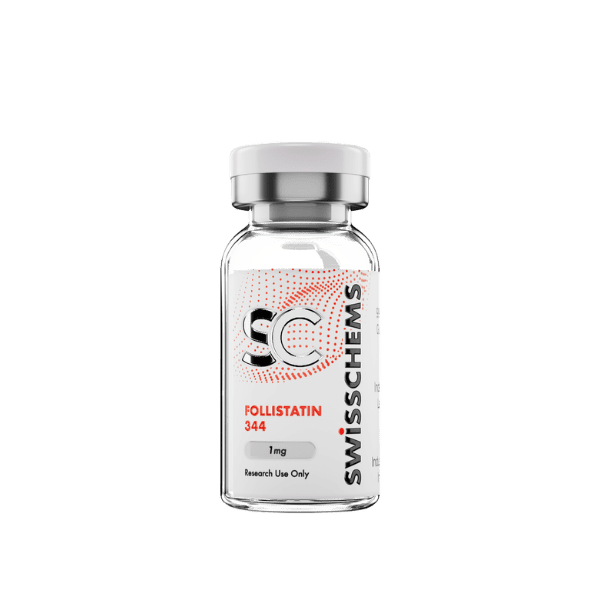
Meet Follistatin, the unsung hero in the world of bone density enhancement. This powerhouse peptide, with its 323 amino acids and a glycoprotein structure, plays a pivotal role in defying gravity for your bones.
Acting as a myostatin inhibitor, Follistatin kicks the limits off muscle growth, ensuring your skeletal structure becomes a fortress of strength.
Say goodbye to brittle bones as Follistatin steps in, inhibiting activin to maintain optimal hormone levels.
Overview
- Form: Lyophilized powder
- Researched Dosage: 100 mcg daily
- Typical Cycle: 10-30 days
- Cost: $139.99
- Stacking Options: IGF-1 LR3, MGF/PEG-MGF, ACE-031
Pros
- Binds and neutralizes myostatin, a protein that limits muscle growth, which may allow more muscle to develop.
- In animal and gene therapy studies, raising follistatin levels has led to large increases in muscle size and strength.
- Binds activin, which may affect muscle growth, fat metabolism and tissue repair.
Cons
- A large, fragile protein, so research-grade products may be impure, mislabeled or poorly absorbed.
- Lowers FSH (follicle-stimulating hormone), so it may affect reproductive hormones and fertility.
- Almost no human studies on injected Follistatin-344. Its safety and effects in people are largely unknown.
Best Peptide for Muscle Growth + Fat Loss – CJC1295
CJC-1295, a peptide analog of growth hormone-releasing hormone (GHRH), comprises 29 amino acids.
It also causes the pulsatile release of growth hormone (GH) from the pituitary gland. CJC-1295-induced growth hormone (GH) release offers a wide array of effects on muscle growth.
It causes the retention of calcium which is important for muscle contraction. It triggers increased protein synthesis required for muscle growth.
CJC-1295 also sets up a balance between muscle mass and fat loss leading to enhanced strength for bodybuilders.
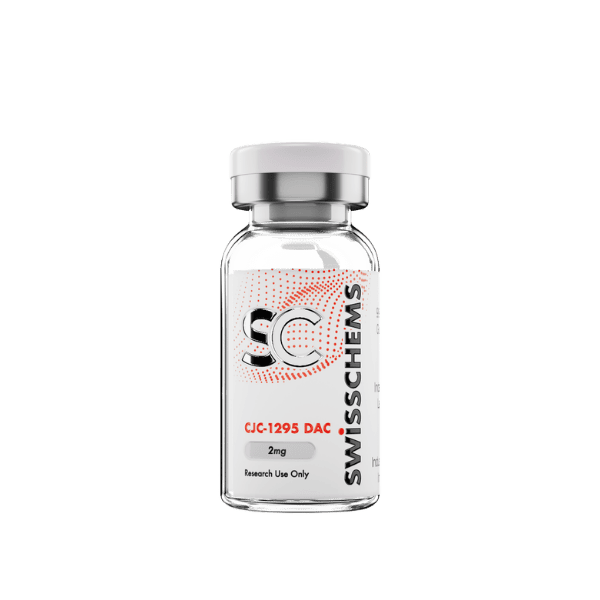 Growth Hormone Secretagogue
Overview
- Form: Powder
- Researched Dosage: 1mg twice weekly
- Typical Cycle: 12-16 weeks
- Cost: $47.95
- Stacking Options: Ipamorelin, BPC-157, NAD+
Pros
- The DAC component extends CJC-1295's activity, allowing it to produce a more sustained increase in growth hormone and IGF-1 compared with shorter-acting forms
- Increased GH/IGF-1 signaling may support changes in lean body mass and fat metabolism
- Its extended duration means it does not require the same frequent administration associated with shorter-acting growth hormone–releasing peptides.
Cons
- Has not been established as a safe or effective muscle-building treatment for healthy adults.
- Increasing GH/IGF-1 can affect glucose metabolism and may contribute to issues such as insulin resistance, elevated blood glucose, or fluid retention.
- Because the DAC formulation has an extended duration of action, unwanted effects may persist longer than with shorter-acting peptides.
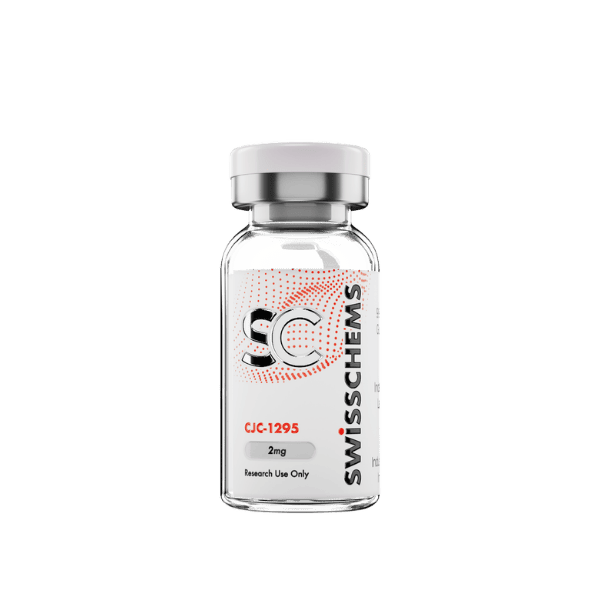
Overview
- Form: Peptide vial for subcutaneous injection (2 mg)
- Researched Dosage: 100 mcg, 1-3 times daily
- Typical Cycle: 8-12 weeks
- Cost: $42.95 (1 vial), $429.50 (10 vials)
- Stacking Options: Ipamorelin, GHRP-6, Hexarelin
Pros
- Also called Mod GRF (1-29), it is a GHRH analog with four amino acid swaps that stop enzymes from breaking it down so quickly.
- It boosts the size of natural growth hormone pulses instead of creating a constant elevation, which keeps normal feedback intact.
- Paired with a GHRP like Ipamorelin, it may release several times more growth hormone than either peptide alone.
Cons
- A 2 mg vial covers only about 7-20 days at typical doses, so a full cycle takes several vials.
- Doses should be taken on an empty stomach, since food and insulin blunt the growth hormone release.
- It is not an approved human medication, SwissChems sells it for research use only, and WADA bans it.
Do Peptides Actually Work For Muscle Growth?
The short answer is yes, but the mechanism matters more than most guides acknowledge, and not all peptides work the same way.
Peptides don’t build muscles by themselves. Your pituitary gland produces growth hormone, and as you age, the signal that tells the gland to keep producing that hormone weakens. GHRH-analog peptides like CJC-1295 and Sermorelin restore that signal, prompting your body to release more of its own GH. Growth hormone then travels to the liver, where it’s converted into IGF-1. This is the compound that actually drives muscle cell growth and repair.
There are four distinct pathways worth understanding before you decide what to run:
The GH axis pathway is the most common route. Peptides like Sermorelin, Hexarelin, and CJC-1295 signal the anterior pituitary to release growth hormone. Some work by stimulating the release signal; others by suppressing somatostatin, which is the hormone whose job is specifically to put the brakes on GH production. Block the brake, and GH stays elevated longer. Most experienced users combine both approaches because they hit the same endpoint from two angles simultaneously.
The IGF-1 route is one step further downstream. GH released into circulation travels to the liver, which responds by producing IGF-1. IGF-1 is what actually drives muscle protein synthesis, which is the direct building of new tissue. This is why GH secretagogues produce their muscle-building effects over weeks rather than days. The pathway has multiple steps and each one takes time.
The actin sensitivity pathway is where TB-500 sits, and it’s mechanistically distinct from everything above. Your muscle fibers contract and relax through the interaction of actin and myosin. TB-500 increases the body’s responsiveness to actin, which accelerates the growth and proliferation of muscle cells directly. No hormonal cascade required. This also explains why TB-500 is so valued for injury recovery; the same mechanism that drives muscle cell growth also drives wound healing and tissue repair.
The myostatin inhibition pathway is Follistatin-344’s territory, and it’s arguably the most aggressive of the four. Myostatin is the body’s built-in limiter on muscle growth. It’s a protein specifically designed to prevent muscle from developing beyond a certain point. Follistatin-344 inhibits myostatin. Remove the limiter, and muscle fiber development can accelerate beyond what the GH axis produces alone. In animal studies the results look promising, but in humans these remain research-only compounds for now.
The reason experienced users stack peptides rather than running a single compound is that these pathways are largely independent of each other. CJC-1295 driving GH release and TB-500 increasing actin sensitivity are doing fundamentally different things to different systems — which is why combining them can produce more than either alone.
How To Take Peptides for Muscle Growth
Most peptides are administered via subcutaneous or intramuscular injection after reconstitution from lyophilized powder. Injectable delivery is generally considered more reliable for achieving consistent systemic concentrations than oral alternatives, which is why the majority of research protocols and vendors use this format.
Timing matters more for some compounds than others. IGF-1 LR3 is most effective post-workout. CJC-1295 and Ipamorelin are typically dosed before sleep to align with the body’s natural nocturnal GH pulse. TB-500 timing is more flexible given its mechanism.
Results take 8 to 12 weeks of consistent use, paired with structured training and nutrition. No peptide here overrides bad habits.
Best Peptide Stacks for Muscle Growth
| Peptide Stack | Description |
| CJC-1295 DAC with GHRP-6 or GHRP-2 💪🔬🚑 | Combination maximizing growth hormone release. CJC-1295 DAC is a long-acting GHRH analog. When combined with GHRP-6 or GHRP-2, significant GH release may occur. |
| Ipamorelin 🌟🔬 | Safe and effective GHRP with fewer side effects. Can be combined with CJC-1295 (without DAC) for synergistic effects. |
| IGF-1 LR3 or IGF-1 DES 🏋️♂️💉🛠️ | Direct role in muscle growth. LR3 has a longer half-life, while DES is a shorter, more potent version. Use post-workout for muscle growth and repair. |
| BPC-157 and TB-500 🩹🔄🚑 | Not directly related to muscle growth but included for injury recovery and healing properties. |
The efficacy and safety of peptides largely depend on individual physiology, goals, and how they’re administered.
When it comes to muscle growth, several peptides have garnered attention for their potential effects on increasing muscle mass and strength.
It’s always crucial to consult with a medical professional before starting any peptide regimen. That said, here’s a popular peptide stack for muscle growth:
CJC-1295 DAC with GHRP-6 or GHRP-2
This is a popular combination that maximizes growth hormone release. CJC-1295 DAC is a long-acting growth hormone-releasing hormone (GHRH) analog.
When combined with a growth hormone-releasing peptide (GHRP), like GHRP-6 or GHRP-2, it can lead to significant GH release.
Ipamorelin
Another GHRP, it’s considered one of the safest and most effective for GH release, with fewer side effects (fewer hunger spikes than GHRP-6 and no cortisol or prolactin spikes).
It can be combined with CJC-1295 (without DAC) for synergistic effects.
IGF-1 LR3 or IGF-1 DES
IGF-1 (Insulin-like Growth Factor-1) plays a direct role in muscle growth. LR3 has a longer half-life, and DES is a shorter, more potent version.
They can be used post-workout to help with muscle growth and repair.
BPC-157 and TB-500
While they aren’t directly related to muscle growth, these peptides are often included in muscle-building stacks due to their injury recovery and healing properties.
Remember, the combination and dosage will depend on individual goals and needs.
Additionally, it’s vital to be aware of potential side effects, both of individual peptides and when they’re combined. The legal status of peptides can also vary by country or region.
It’s essential to ensure you are complying with local regulations and using peptides responsibly. Always consult with a medical professional before starting any peptide regimen.
Are Peptides Safe For Bodybuilding/Muscle Growth?
Most peptides in this guide have not completed full human clinical trials for muscle growth specifically. The safety data that exists comes from a mix of animal studies, smaller human trials focused on other indications, and long-term user experience rather than controlled longitudinal research.
The side effect profiles for most of these compounds, at research doses, tend to be mild: injection site irritation, transient water retention, appetite changes, mild fatigue. The more aggressive the compound (Hexarelin, Follistatin-344), the more caution is warranted.
All peptides discussed in this article are prohibited under the WADA prohibited list. Competitive athletes subject to drug testing should not use these compounds under any circumstances.
The responsible approach is to treat all of these as research compounds: get baseline bloodwork, work with a medical professional, start conservatively, and monitor your response over time..
Which is the Best Peptide Stack For Muscle Growth?
A lot of bodybuilders stack peptides to experience optimum synergistic benefits. Amongst the stacked peptides, the most common is the use of CJC-1295 and ipamorelin.
Ipamorelin, also a growth hormone secretagogue (GHS), comprises 5 amino acids. It binds with receptors located peripherally, such as on myocytes and adipocytes.
As both the peptides work towards increasing the serum levels of growth hormone (GH), they can be used well together to build muscle significantly, lose body fat, and cause a boost in overall energy levels.
Since both the peptides have different half-lives, these can work together to supplement each other’s effects.
The Bottom Line
CJC-1295 with Ipamorelin is the strongest starting point for muscle growth peptides — the most human data, the cleanest side effect profile, and the most forgiving learning curve.
- The evidence for every peptide on this list ranges from solid pharmacokinetics to early-stage animal research. None are approved for muscle building, and the gains they produce depend entirely on training, nutrition, and recovery being dialed in first.
- Start with baseline bloodwork, work with a physician, and treat these as research compounds with real effects and real risks — not supplements from a health food store.
Frequently Asked Questions
Disclaimer
Please read carefully
The information on this site is for educational and informational purposes only, and is not medical advice. Always consult a qualified healthcare professional before using any supplement or medication, or making changes to your health, fitness, or nutrition routine.
Not medical advice
Content here is not a substitute for professional medical advice.
Consult your doctor
Talk to your doctor before starting any supplement or new routine.
Use at your own risk
We are not responsible for adverse effects from acting on this.
Do your research
Make informed decisions about your own health.
No guarantees
Individual results vary. No claims about outcomes.
Important — Never disregard professional medical advice or delay seeking it because of something you read here. If you think you may have a medical emergency, call your doctor or your local emergency number right away.



Hello i have few doubts on peptides usage friends are saying if we use peptides we are unfit for sexual life and testosterone count will decrease. could you please suggest me which one best and what are the side effects it will accures.
What is better PEPTIDES for long term health,when not using them,,
Found lost alot weight about year after stopping PEPTIDES,
Some athletes have mentioned use a natural pulse hormone release,more easier I to maintain weight not lose all your hard work gaining muscle strength.
So what is the healthiest hormone release peptide thay won’t play around with me as much,,, was using CJC1295 with DAC,is what I used that n sarms 22,
Gopi you can give some ideas what is the healthier option for when you stopp don’t want to crash again must get back my weight,any ideas would be appreciated
Thanks for your time
Thanks for all the muscle growth information.Also I would appreciate which peptides are the best for circulation and sex;thanks, Eddie
Check out our guide on PT 141, the SEX peptide.
Evening,
after doing research and hearing some positive comments from Victor Martinez i am very interested in using peptides, primarily to lose weight and maintain my muscle mass. I am an older athlete 60 years old therefore would ask you to recommend the best for helping to lose weight as i’m struggling just using a caloric deficit, i note you also state in your post that they have to be mixed before injecting, and also i’m a bit confused as to whether you inject as a normal steroid or can use insulin needles in the belly area, and finally could you advise on dosage timescales etc. and a safe site to purchase from in the UK
Apologies for all the questions
Steve