Is NAD+ a Peptide?
The short answer is no, NAD+ isn’t a peptide, but there is some overlap. This is a common question in anti-aging and performance circles.
A common question in biohacking circles is, is NAD+ a peptide, or is it something completely different? Clearing up this confusion helps set the stage for understanding its role in energy, recovery, and longevity.
Peptides are short chains of amino acids. They’re the body’s messengers and repair signals. Think of hormones like insulin, healing agents like BPC-157, or regulators of growth and metabolism.
Your body builds them from genes via ribosomes, giving them precise instructions to tell cells what to do.
NAD+, on the other hand, is a completely different beast. It’s a dinucleotide coenzyme made from niacin (vitamin B3) and adenine. It’s not a messenger or a builder—it’s a helper molecule, fueling enzymes so they can do their jobs.
NAD+ powers energy transfer, supports redox reactions, and plays a role in DNA repair. Without it, your cells can’t run efficiently, no matter how many peptides you take.
So why the confusion? It comes down to marketing and overlap.
Both peptides and NAD+ are pitched for longevity, recovery, and performance. Both are featured in wellness clinics, sometimes side by side—NAD+ IV drips next to peptide injections. And both attract biohackers chasing energy, performance, and anti-aging results.
If you’ve ever wondered, is NAD+ a peptide, it helps to look at how it functions differently. Peptides act as signaling messengers, while NAD+ powers the actual energy machinery inside cells. They often work in the same playbook but are chemically and functionally distinct.
Key Takeaways
- NAD+ is not a peptide. It is a coenzyme made from vitamin B3 that supports energy and DNA repair. 💡
- Peptides are chains of amino acids that act as messengers, growth factors, or healing signals. 🔗
- NAD+ powers life itself, fueling mitochondria, DNA repair, and longevity proteins like sirtuins. ⚡
- Peptides act more directly, influencing muscle growth, healing, or fat loss in targeted ways. 🏋️
- NAD+ and peptides complement each other, and many biohackers use both in their protocols. 🔥

Benefits of Boosting NAD+
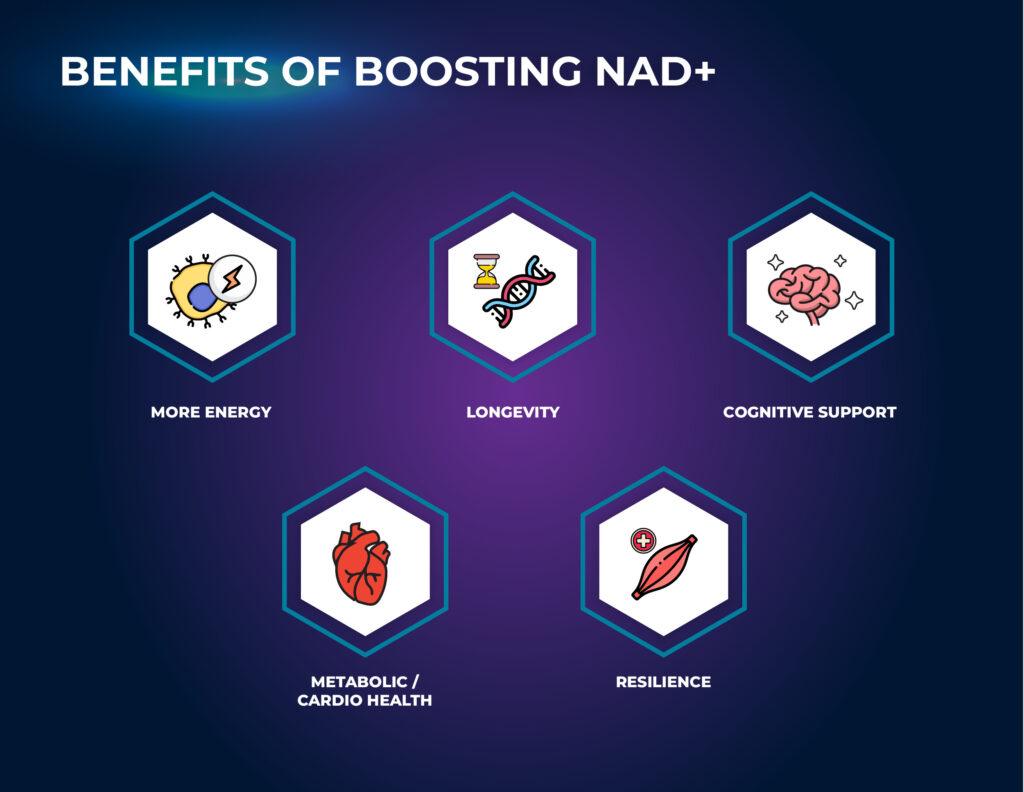
Raising NAD+ levels has become one of the hottest topics in aging research. Animal studies are robust, and human data is growing. Here’s a deeper look at what boosting NAD+ can do:
More Energy and Performance
NAD+ is essential for producing ATP, the energy currency of cells. When NAD+ levels rise, mitochondrial activity becomes more efficient, giving the body and brain a boost. Athletes and high performers often report more sustained stamina during workouts, faster recovery of energy between sessions, and reduced fatigue during periods of stress.
Longevity and Anti-Aging Effects
Declining NAD+ is linked to aging and age-related disease. By supporting enzymes like sirtuins and PARPs, boosting NAD+ can enhance DNA repair, regulate inflammation, and improve cellular resilience to stress.
Animal studies show that NAD+ precursors such as NMN can extend lifespan and reverse age-related decline. Human research is still emerging, but early results indicate potential benefits for metabolic and vascular health.
Brain and Cognitive Support
Neurons require massive amounts of energy to function properly. NAD+ helps power their mitochondria and shields them from oxidative damage. Studies suggest that boosting NAD+ may improve memory and learning, enhance focus and clarity, and offer protection against neurodegenerative processes.
Metabolic and Cardiovascular Health
Higher NAD+ levels support insulin sensitivity, lipid metabolism, and vascular function. Research indicates improvements in glucose regulation, reductions in triglycerides and LDL cholesterol, and better blood vessel dilation, which can promote overall cardiovascular health.
Recovery and Resilience
NAD+ plays a role in DNA repair and countering oxidative damage, which can shorten recovery times and improve resilience to physical and mental stress. Many athletes and wellness enthusiasts use NAD+ IV treatments to bounce back faster and maintain peak performance during demanding periods.
Risks and Side Effects
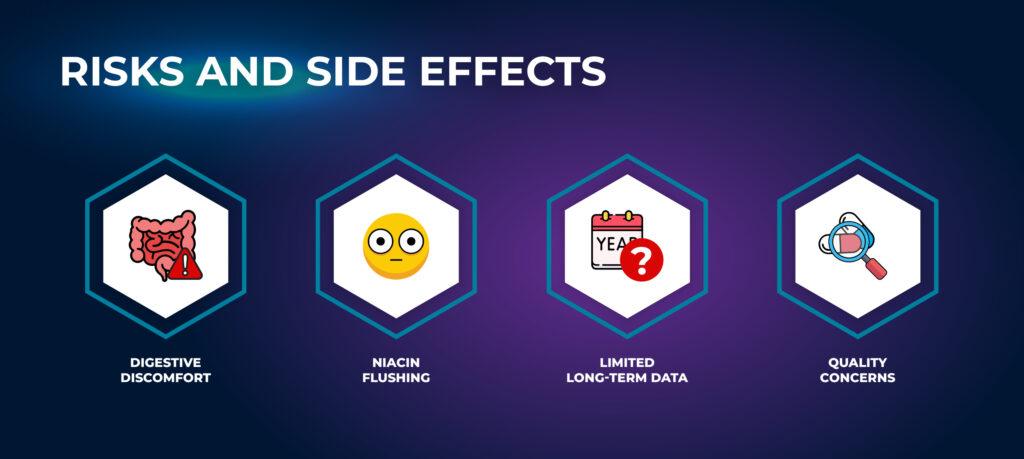
NAD+ is a natural molecule that’s essential for life, and boosting it with supplements is generally considered safe. That said, some side effects can occur, particularly when taking oral precursors like NMN or NR. These compounds may cause mild digestive discomfort, including bloating, nausea, or diarrhea, especially at higher doses.
Certain NAD+ precursors can also increase niacin levels, which may trigger skin flushing, a feeling of warmth, or mild itching. While these effects are harmless, they can be uncomfortable for some users.
Another consideration is that long-term data in humans is still limited. Animal studies show strong results, but large-scale human trials are ongoing. So far, short-term use of NAD+ boosters appears safe, but the full long-term picture is not yet clear.
Quality is another key factor. Poorly made or underdosed supplements are common in the market, and contamination is always a risk. Choosing a trusted, high-quality supplier is critical to getting safe and effective results.
When used responsibly, NAD+ boosters have one of the strongest safety profiles among modern supplements, especially when compared to stimulants, anabolic steroids, or other harsh pharmaceuticals. They’re generally well-tolerated and provide a relatively low-risk way to support energy, recovery, and overall health.
How to Increase NAD+ Levels
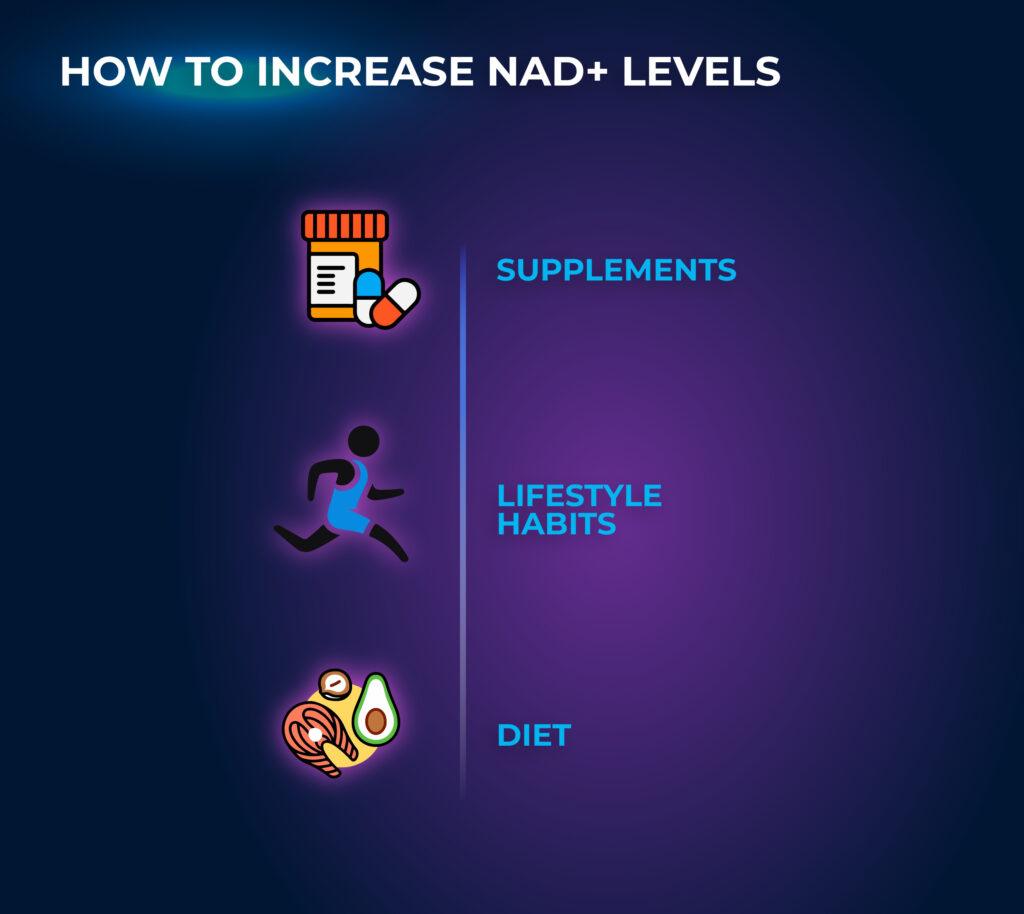
Boosting NAD+ can be achieved through a mix of supplements, lifestyle habits, and diet, each offering unique benefits.
Supplements
Supplementation is the most direct way to raise NAD+. NMN (nicotinamide mononucleotide) acts as a direct precursor, converting quickly inside cells, and has become a favorite among biohackers.
NR (nicotinamide riboside) is another well-researched option, with human trials showing it can increase NAD+ levels and support vascular health.
For more immediate effects, NAD+ IV therapy delivers the molecule directly into the bloodstream, often used in clinics for recovery, detox, or anti-aging purposes.
Lifestyle Habits
Lifestyle habits also play a major role in supporting NAD+ production. Exercise promotes mitochondrial biogenesis and upregulates enzymes that recycle NAD+.
Intermittent fasting can boost NAD+ by lowering energy intake and activating longevity pathways, while caloric restriction—supported by strong animal data—has been shown to raise NAD+ levels and extend lifespan.
Diet
Diet is another key piece of the puzzle. Foods rich in niacin, like turkey, salmon, mushrooms, and peanuts, provide the building blocks for NAD+.
Green vegetables offer antioxidants and polyphenols that support NAD+ pathways, and whole grains provide cofactors necessary for NAD+ metabolism.
By combining smart supplementation, consistent lifestyle habits, and a nutrient-rich diet, NAD+ levels can be restored closer to youthful levels, countering the decline most adults experience with age.
What to Consider Before Buying NAD+ Boosters
The NAD+ market is booming, but that doesn’t mean every product is worth your time (or money). Here’s what separates the good from the junk:
Ingredient Transparency
If a label doesn’t list exact amounts of NMN, NR, or NAD+, skip it. “Proprietary blends” are usually just a way to hide underdosed formulas.
Third-Party Testing
Without lab testing, you’re gambling on purity and potency. Real suppliers back their products with verified results.
Form and Absorption
Not all delivery methods hit the same. Sublingual powders and capsules tend to absorb better than standard pills, while IV therapy delivers the fastest results—though it comes with a higher price tag.
Cost vs Value
Bargain-bin NAD+ supplements are often weak and ineffective. Quality costs more, but it’s an actual investment in results, not wasted capsules.
Brand Reputation
Stick with companies that consistently deliver tested, reliable products. SwissChems, for example, offers NAD+ precursors backed by testing along with a full lineup of research-grade peptides.
Where to Buy NAD+
NAD+
NAD+ (Nicotinamide Adenine Dinucleotide) is a naturally occurring coenzyme found in every living cell. It plays a critical role in redox reactions, acting as an electron carrier in key metabolic processes such as glycolysis, the citric acid cycle, and oxidative phosphorylation.
What makes NAD+ so essential is its dual form: oxidized (NAD⁺) and reduced (NADH). This balance allows it to function as a core driver of cellular energy production and biochemical reactions tied to metabolism, DNA repair, and longevity research.
In experimental settings, NAD+ is studied for its potential links to improved mitochondrial function, healthier aging, and enhanced recovery at the cellular level. Because NAD+ levels naturally decline with age, it has become a key focus in longevity and biohacking research circles.
Disclaimer: This content is for informational purposes only. NAD+ has not been approved for medical use by the FDA or other regulators. Products are sold strictly for laboratory research use only and are not for human consumption.
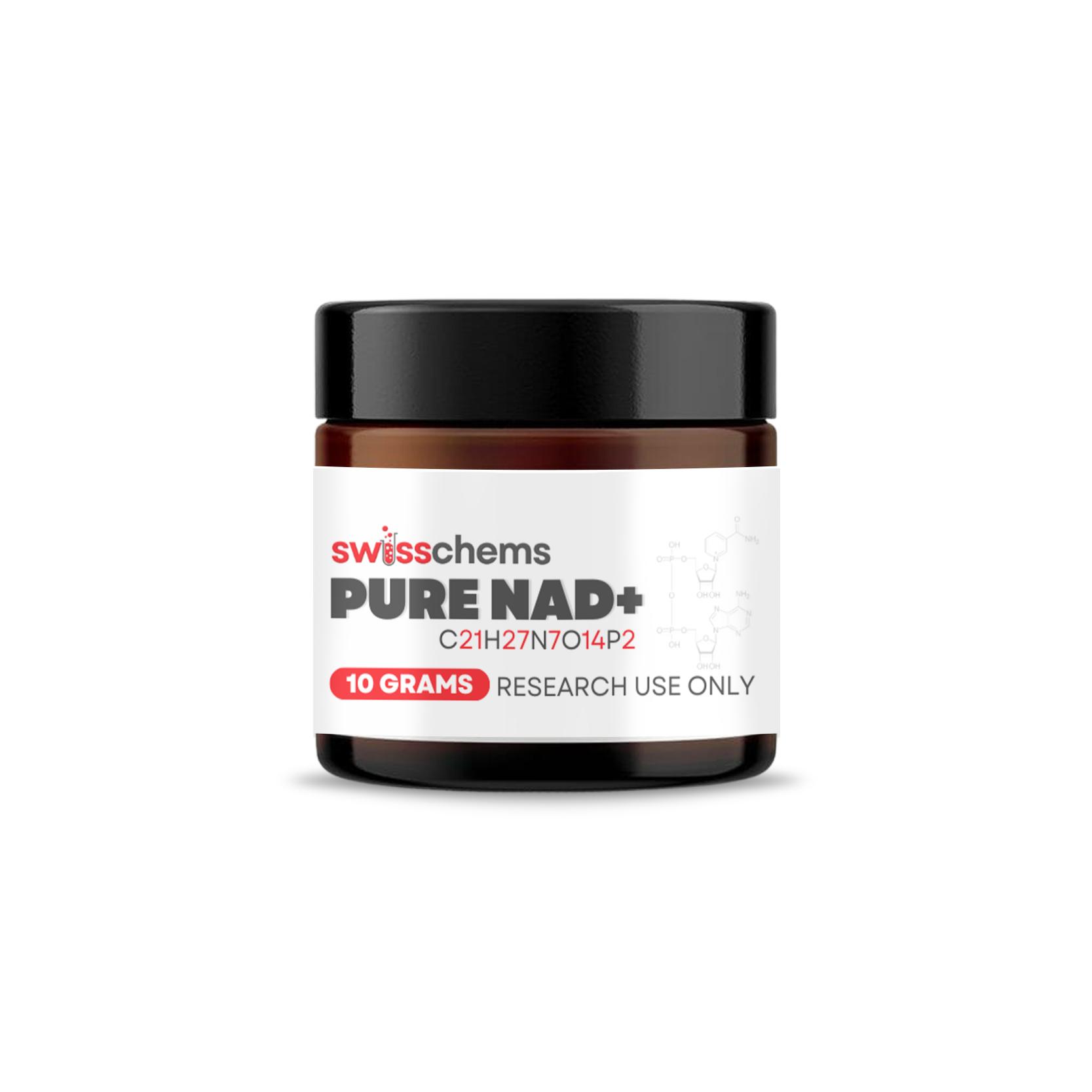
NAD+ Overview
⭐ Top Benefits (Research Context): Supports cellular energy production, promotes DNA repair processes, studied for longevity applications
🧪 Form: Powder (10 grams per container)
⌛ Shelf Life: 36 months (if stored properly)
💰 Average Cost: $39.99 per 10g container
❤️🩹 Side Effects: Not studied for human consumption; safety data limited to laboratory research
📚 Best Stack (Research Use): Often investigated alongside NMN (Nicotinamide Mononucleotide), NR (Nicotinamide Riboside), or other NAD+ precursors for synergistic metabolic effects
Copy Brawn10 for 10% off
- Central coenzyme in cellular metabolism
- Studied for mitochondrial support and healthy aging
- Declines naturally with age, driving longevity research interest
- Side effects may include headaches, fatigue, nausea, or muscle pain
- Not FDA-approved for human use
- For laboratory research only; long-term human data unavailable
Do Peptides Still Matter?
Yes, peptides definitely have a lot to offer. When people ask is NAD+ a peptide, the answer is no—it’s a coenzyme, not a chain of amino acids. But because both are often used for anti-aging and performance, the mix-up makes sense. If NAD+ is the “fuel” of life, peptides are the “instructions.” They tell the body what to do, repair, or build.
While NAD+ supports the foundation of cellular health, peptides often produce more specific and faster results.
Here are some peptides that are currently being researched intensively:
BPC-157
BPC-157 (short for “Body Protection Compound-157”) is a synthetic peptide made up of 15 amino acids. It doesn’t occur naturally in the body but is derived from a partial sequence found in human gastric juices.
The peptide is best known for its regenerative and healing potential. It supports recovery by promoting angiogenesis (the growth of new blood vessels) through activation of the vascular endothelial growth factor (VEGF). This helps build a stronger vascular network, which is essential for repairing muscle, tendons, and connective tissue.
BPC-157 also works by inhibiting 4-hydroxynonenal, a compound that slows tissue growth and healing. By blocking this negative factor, BPC-157 accelerates wound repair, particularly around tendons and soft tissue.
Many users run BPC-157 for injury recovery, gut health, and overall healing support. It’s available in different forms, most commonly as an injectable or nasal spray.
Disclaimer: This content is for informational purposes only. BPC-157 is not intended to diagnose, treat, cure, or prevent any disease. Always consult a healthcare professional before adding new supplements to your regimen.
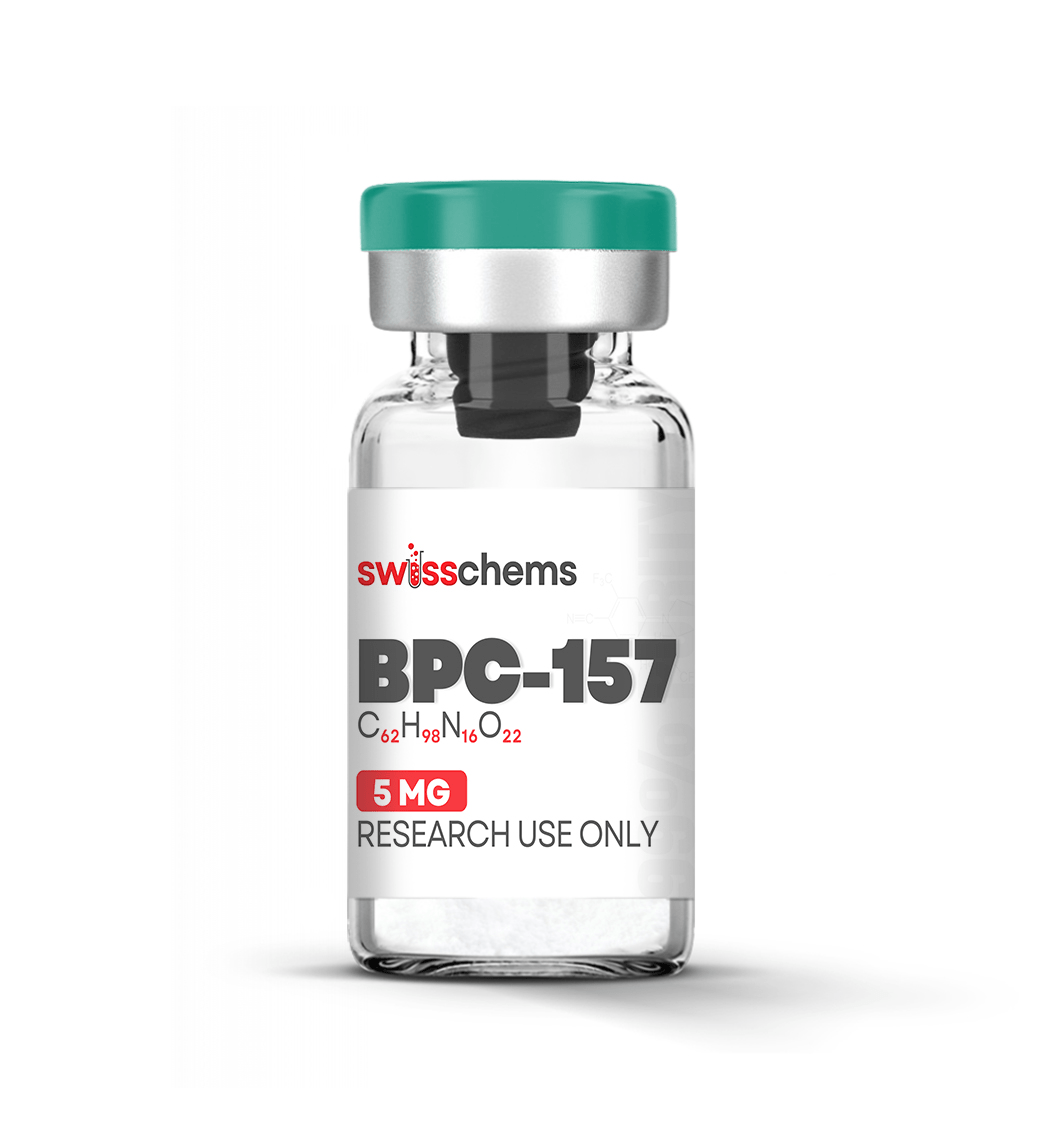
BPC-157 Overview
⭐ Top Benefits: Recovery from injury, tendon/ligament repair
🧪 Form: Injectable liquid, nasal spray
⌛ Max Time Used: Up to 14 weeks
💰 Average Cost: $39.99 per 5mg vial
❤️🩹 Side Effects: Possible abdominal pain, injection site irritation
📚 Best Peptide Stack: Often paired with TB-500, HGH, or IGF-1
Copy Brawn10 for 10% off
- Supports faster recovery from injuries and tendon damage
- May improve gastric function and gut health
- Strong regenerative effects through angiogenesis
- Can cause abdominal discomfort in some users
- Injection site pain is a common complaint
- Limited long-term human research available
TB-500
TB-500 is a synthetic peptide fragment of Thymosin Beta-4, a naturally occurring protein found in almost all human and animal cells. It plays a key role in cell migration, blood vessel formation, and tissue regeneration, making it a valuable compound for recovery-focused research.
Unlike anabolic agents that stimulate muscle growth through hormonal pathways, TB-500 works on a cellular level by improving healing speed, flexibility, and recovery from soft tissue injuries. Researchers often explore its effects on muscle repair, inflammation reduction, and cardiovascular protection.
This peptide is widely recognized for promoting faster wound healing, increased endurance recovery, and enhanced circulation to damaged areas. Its ability to regulate actin, a critical component of cell structure and movement, makes it uniquely suited for studies involving injury recovery and tissue remodeling.
TB-500 is often studied alongside BPC-157 for synergistic regenerative effects, with both compounds showing complementary benefits for muscle, tendon, and ligament repair. It is typically administered via subcutaneous or intramuscular injection in a research setting.
Disclaimer: This content is for informational purposes only. TB-500 has not been approved for medical use by the FDA or other regulatory agencies. Always consult a qualified professional before handling or researching peptides.
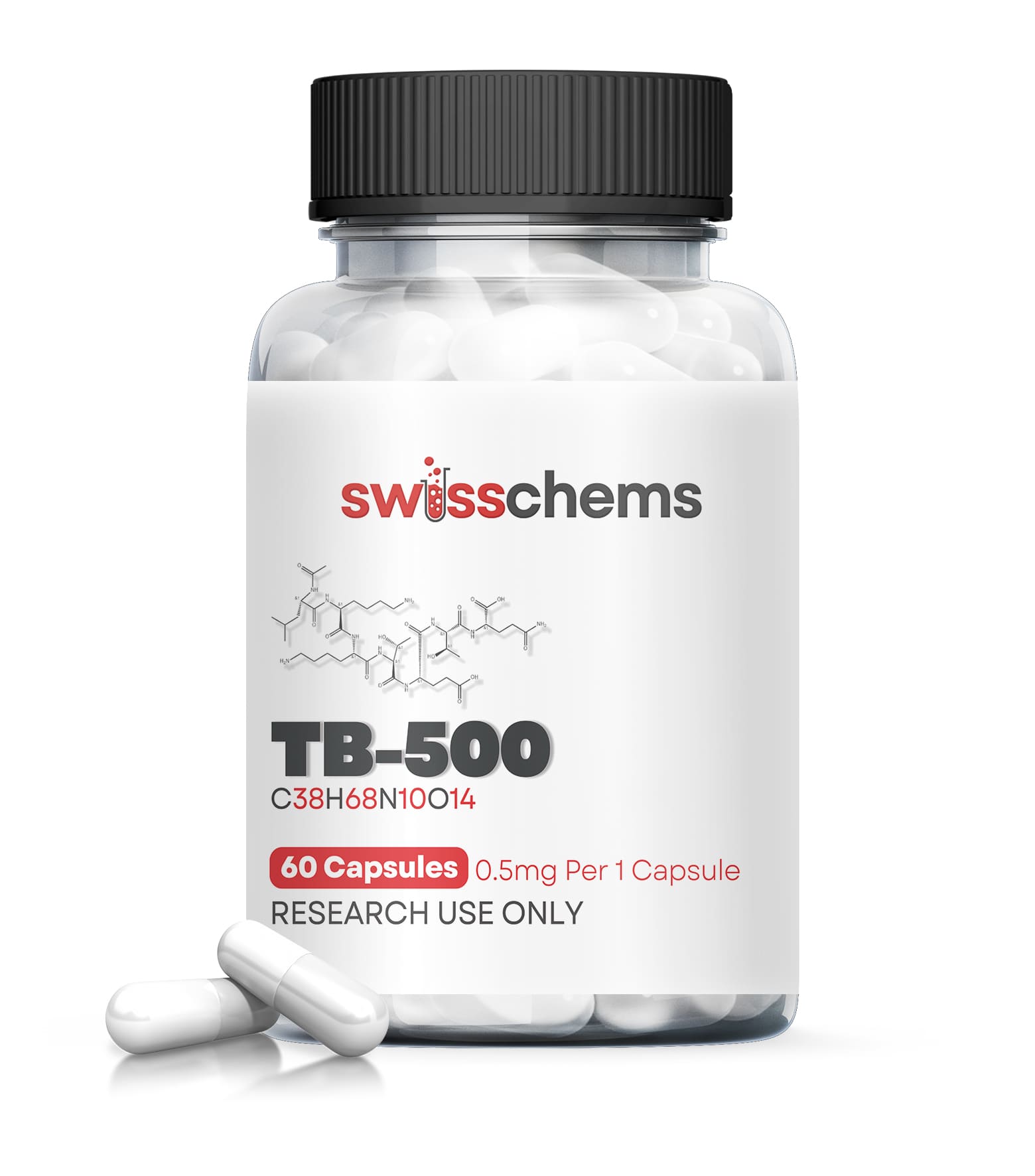
TB-500 Overview
⭐ Top Benefits: Accelerated tissue repair, reduced inflammation, enhanced recovery, improved flexibility
🧪 Form: Injectable peptide (vial)
⌛ Max Time Used: Commonly 4–6 weeks (research context; limited long-term data)
💰 Average Cost: $42.36 per 10-mg vial
❤️🩹 Side Effects: Possible fatigue, mild lethargy, temporary injection site redness or irritation
📚 Best Peptide Stack: Often paired with BPC-157, GHK-Cu, or CJC-1295 for advanced regenerative research
Copy Brawn10 for 10% off
- Promotes cellular regeneration and tissue repair
- Reduces inflammation and enhances flexibility
- Supports healing of muscles, tendons, and ligaments
- Limited human research and not approved for medical use
- May cause mild fatigue or injection site irritation
- Short research duration limits understanding of long-term effects
Ipamorelin
Ipamorelin is a synthetic peptide made up of five amino acids, classified as a growth hormone secretagogue. Rather than supplying growth hormone directly, it stimulates the pituitary gland to release more of it in a controlled manner.
What makes Ipamorelin stand out is its selectivity — it boosts GH without significantly affecting cortisol, prolactin, or other hormones.
This peptide is widely used for its ability to support recovery, promote deeper sleep, and help preserve lean muscle. Many athletes and fitness enthusiasts notice faster recovery between training sessions and improved energy balance.
Ipamorelin is often stacked with CJC-1295 (without DAC) or similar GH-releasing peptides to maximize its effects. It’s usually administered via subcutaneous injection, with dosing split daily or multiple times per day due to its short half-life.
Disclaimer: This content is for informational purposes only. Ipamorelin has not been approved for medical use by the FDA or other regulators. Always consult a healthcare professional before using peptides.
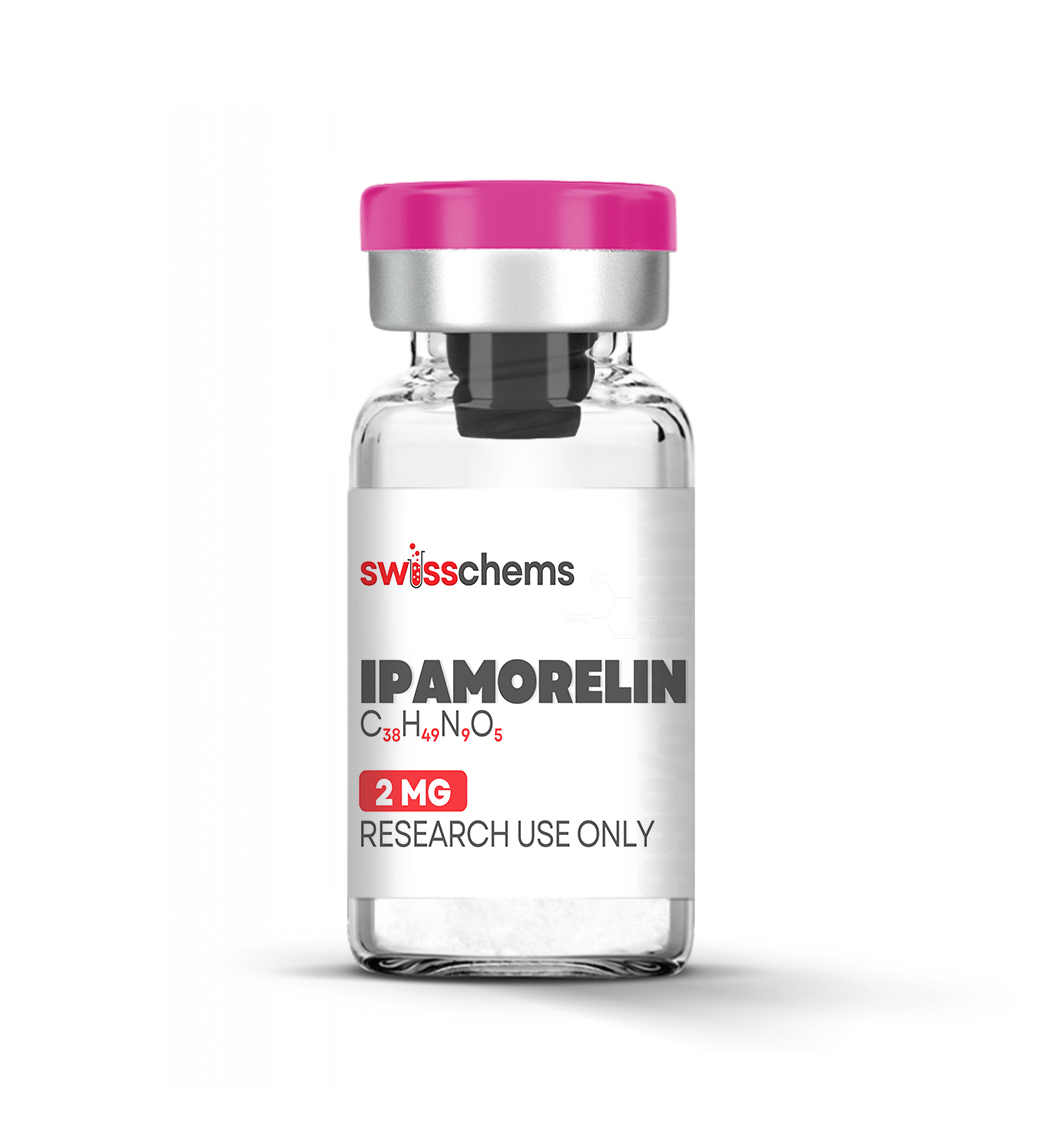
Ipamorelin Overview
⭐ Top Benefits: Faster recovery, improved sleep, lean muscle support, fat loss aid
🧪 Form: Injectable solution (vial)
⌛ Max Time Used: Commonly 8–12 weeks (research context; limited long-term data)
💰 Average Cost: $17.56 per 2mg vial
❤️🩹 Side Effects: Possible headaches, mild nausea, temporary water retention, injection site irritation
📚 Best Peptide Stack: Frequently combined with CJC-1295 (no DAC), MOTS-c, or other GH secretagogues for synergistic results
Copy Brawn10 for 10% off
- Stimulates GH release with minimal impact on other hormones
- Supports recovery, sleep quality, and lean mass retention
- Generally considered to have a milder side effect profile compared to stronger GH analogs
- Short half-life requires frequent or carefully timed dosing
- Limited human clinical research and long-term data
- Injection site discomfort and mild side effects possible
Sermorelin
Sermorelin is a synthetic peptide analog of Growth Hormone-Releasing Hormone (GHRH-1-29) that encourages the pituitary gland to release endogenous growth hormone (GH). Rather than introducing GH directly, it prompts the body to produce it naturally in pulsatile patterns aligned with its physiological rhythms.
What sets Sermorelin apart is its regulatory harmony. It boosts GH while maintaining more natural endocrine balance and minimizing risks of hormone overshoot. This approach helps reduce side effects commonly linked to direct GH therapies.
This peptide is popularly used in research for supporting muscle mass, reducing fat accumulation, improving bone density, and enhancing recovery. Because it stimulates natural GH secretion, it is often favored in protocols aiming for more physiological outcomes.
Sermorelin is frequently stacked with IGF-1, peptides, or receptor modulators to amplify regenerative and recovery effects in research settings. It is usually administered via subcutaneous injection in controlled cycles.
Disclaimer: This content is for informational and research purposes only. Sermorelin is not approved for human or veterinary use by regulatory agencies.
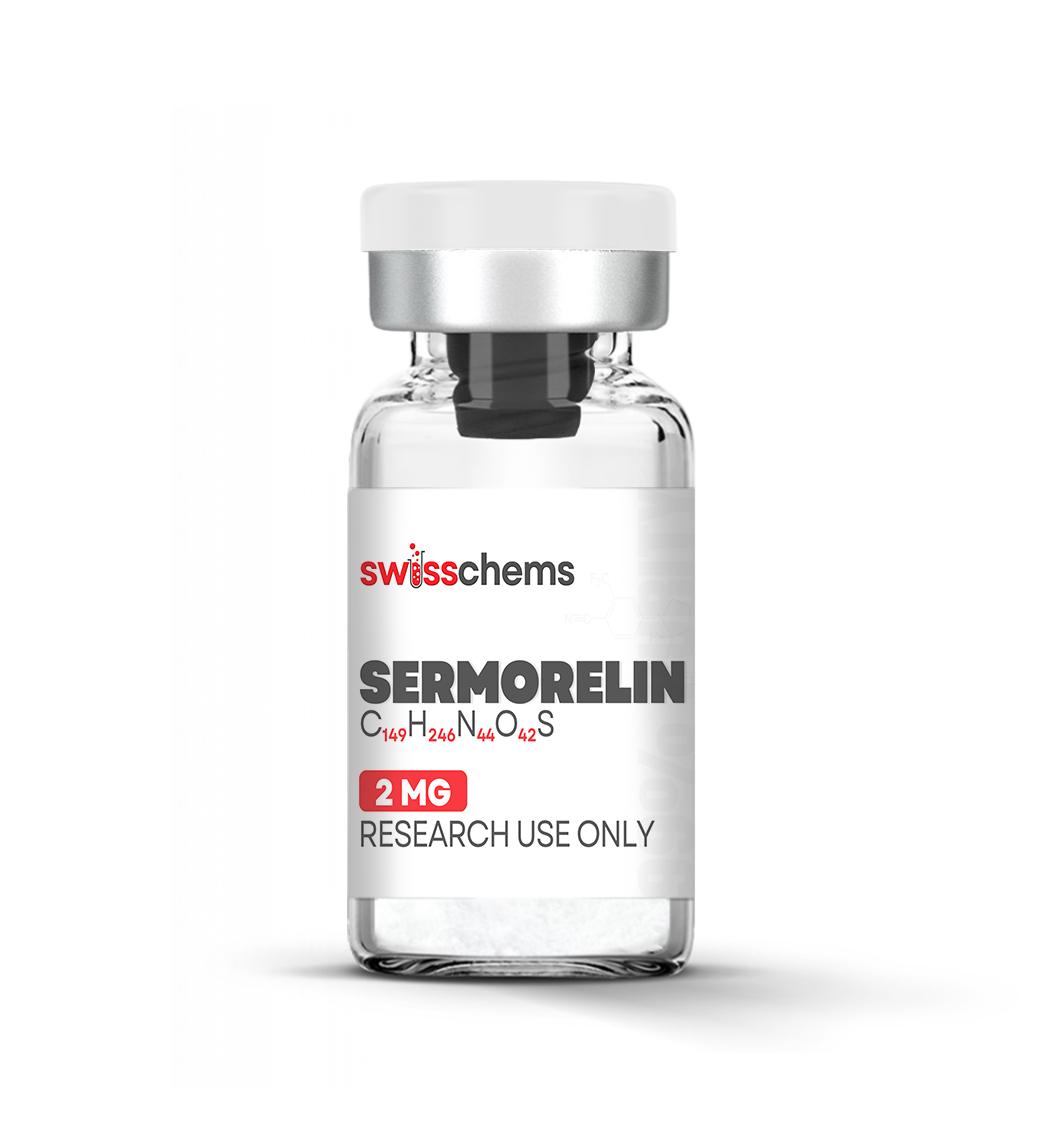
Sermorelin Overview
⭐ Top Benefits: Natural GH stimulant, supports lean mass, aids recovery, potential anti-aging
🧪 Form: Injectable peptide (vial)
⌛ Typical Cycle Use: Often studied for 8–12 weeks in research
💰 Price Range: $25.95 for one 2-mg vial
❤️🩹 Possible Side Effects: Flushing, local injection irritation, water retention
📚 Best Stacks: Often paired with IGF-1 peptides, CJC-1295, or other GH modulators
Copy Brawn10 for 10% off
- Stimulates natural, pulsatile GH release
- May support lean muscle, bone health, and recovery
- Less harsh on endocrine balance compared to exogenous GH
- Limited long-term human data, not legally approved for clinical use
- Requires injection, not available in oral form
- Variable response depending on individual pituitary health
Disclaimer: The compounds listed above are sold strictly for research purposes only and are not approved for human consumption.
Can You Use Peptides With NAD+?
This is where things start to get interesting. NAD+ provides the foundation — powering mitochondria, supporting DNA repair, and keeping cells youthful. Peptides, on the other hand, give the precise instructions to heal, grow, or adapt. When used together, they cover both broad cellular health and highly targeted outcomes.
For example, athletes sometimes combine NAD+ IV therapy with BPC-157 injections. The NAD+ ensures cells have the energy and repair capacity, while BPC-157 directs those resources to damaged tendons, joints, or gut tissue.
Similarly, pairing NAD+ with TB-500 may accelerate recovery from inflammation by combining cellular fuel with tissue-regenerating signals.
In performance circles, growth hormone–releasing peptides like Ipamorelin or Sermorelin are also studied alongside NAD+. With mitochondria running efficiently from NAD+, the growth signals from these peptides may translate into better strength gains, body composition improvements, and overall recovery.
For fat loss protocols, NAD+ can improve energy metabolism while peptides like AOD-9604 guide the body to specifically burn fat stores.
In short, NAD+ isn’t a peptide — but when paired with them, it amplifies their effects, creating a synergy that many biohackers and clinics are exploring.
Disclaimer: The compounds discussed here are not FDA-approved for medical use. They are sold strictly for research purposes only and are not intended for human consumption.
NAD+ vs Peptides: Detailed Comparison
| Feature | NAD+ (Boosters, IV, NMN, NR) | Peptides (BPC-157, TB-500, Ipamorelin, etc.) |
| Structure | Coenzyme made of nucleotides | Short chains of amino acids |
| Main Role | Supports energy production, DNA repair, longevity pathways | Act as messengers to trigger growth, healing, fat loss, or hormonal balance |
| How It Works | Fuels sirtuins, PARPs, and mitochondria to keep cells alive and functional | Bind to receptors or mimic natural hormones to produce specific effects |
| Primary Uses | Anti-aging, brain health, recovery, metabolism, endurance | Muscle repair, faster recovery, fat loss, injury healing, hormone regulation |
| Delivery | Supplements (NMN, NR), NAD+ IV drips, injections | Injections, oral capsules, sprays, or research compounds |
| Effect Timeline | Subtle, long-term support for cellular health | Faster, targeted effects depending on peptide |
| Legal Status | Legal and widely available as dietary supplements (NMN, NR). NAD+ IV offered in clinics. | Many are “research use only” in most countries. Some (like collagen peptides) are legal for supplements. |
| Cost | Supplements: $40–100/month; IV drips: $300–600/session | Ranges from $50/month (basic peptides) to several hundred depending on protocol |
| Safety | Well tolerated, mild digestive issues possible. Low long-term risk. | Generally safe but vary by peptide. Risks include injection-site irritation or hormonal imbalances if misused. |
| Accessibility | Easy to buy online or through clinics. SwissChems offers tested NMN, NR, and NAD+ boosters. | Access depends on regulation. Often sold as “research peptides,” not always easy for casual consumers. |
Conclusion
So, is NAD+ a peptide? The answer is no. NAD+ is not a chain of amino acids but a coenzyme essential for life. It powers mitochondria, fuels DNA repair, and activates longevity pathways.
Peptides, on the other hand, are messengers. They provide precise instructions for growth, healing, or fat metabolism. Both are powerful but in different ways.
The truth is, NAD+ and peptides are not competitors. They are partners. NAD+ builds the foundation by keeping cells energized and protected, while peptides act as tools that guide the body toward specific goals.
For biohackers, athletes, and anyone serious about longevity, the smartest strategy is not asking which one is better, but learning how to use them together. With quality NAD+ boosters and trusted peptide suppliers like SwissChems, it’s possible to build protocols that improve energy, speed recovery, and support a longer, healthier life.
Frequently Asked Questions (FAQs)
Is NAD+ a peptide?
No. One of the most common questions we get is, is NAD+ a peptide?
It’s a coenzyme, not a peptide.
Why do people confuse NAD+ with peptides?
Because both are popular in longevity and biohacking clinics, often offered together.
Is NAD+ the same as NMN or NR?
No. NMN and NR are precursors that convert into NAD+.
Can NAD+ supplements slow aging?
They may by supporting DNA repair and longevity proteins, but large human trials are still needed.
Are NAD+ injections better than pills?
IV drips deliver NAD+ directly but are expensive. NMN and NR are more practical for daily use.
Can NAD+ replace peptides?
No. NAD+ fuels foundational health, but peptides deliver targeted effects. Many use both together.
Is NAD+ safe?
Yes. It is well tolerated, with only mild digestive upset reported in some users.