
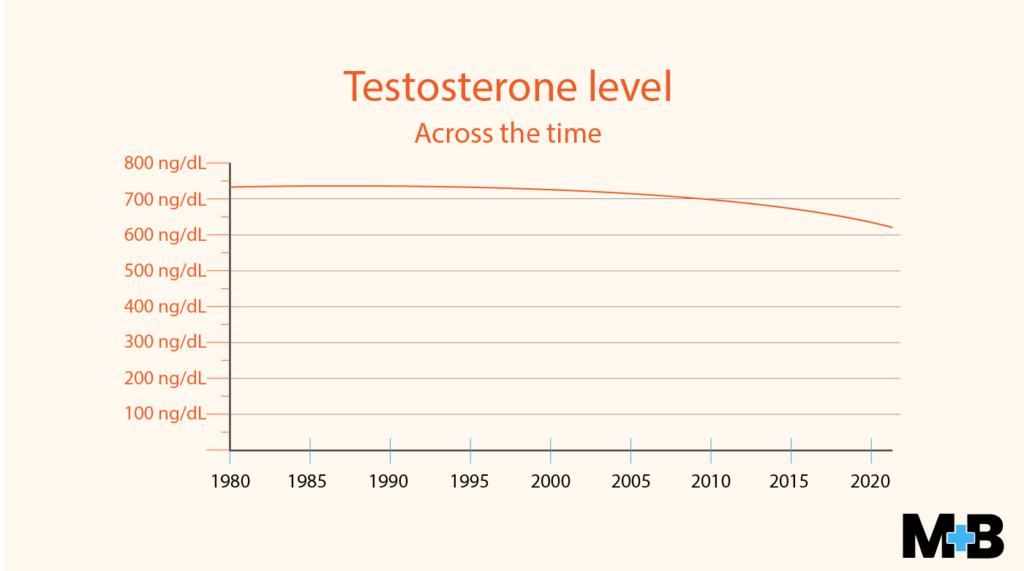
Studies suggest that Testosterone levels have dropped by 20% in the past 40 years, and will continue to do so [1].
Let’s dive into some of the scariest Testosterone statistics and facts to show you how the world is changing.
We’ll be looking at:
- Testosterone levels in aging men
- Testosterone levels in young men
- How environmental factors impact Testosterone
- Which men have the Highest Testosterone
- Which men have the Lowest Testosterone
- Best ways to increase Testosterone
- What you’re doing that decreases your Testosterone
Let’s see some stats.
Key Testosterone Level Statistics
- Average Testosterone levels have been dropping by 1% per year since the 1980s
- Low Testosterone is often missed by doctors, and it is estimated 40 – 50% of all men above the age of 45 suffer from Low Testosterone levels
- 30 – 50% of all Obese or Type 2 Diabetic men over 45 years old suffer from hypogonadism
- The higher the MBO (body mass index) of the male, the more likely they are to have low Testosterone
- The most common symptoms of Low Testosterone are low sex drive, muscle loss, and depression
- Testosterone can be affected by where you live, men in developed countries typically have higher Testosterone levels
- Low Testosterone has been linked to a massive increase in cardiovascular disease
- Studies suggest that women prefer men with higher Testosterone
- Studies suggest that men with higher Testosterone tend to make more money
- Researchers are finding that Testosterone doesn’t necessarily increase aggression, but rather increases male-to-male competition
All Testosterone Level Statistics
1. In 1980 the average Testosterone levels were 747 ng/dL, but today that has fallen to 679 ng/dL, decreasing 1% per year
There are various factors that could lower your Testosterone levels such as being overweight, being too stressed, following an unhealthy diet, smoking, having low muscle mass, depression, xenohormones, blood sugar levels, and sleeping too little.
2. Most men past the age of 30 will begin to experience some symptoms of Low Testosterone
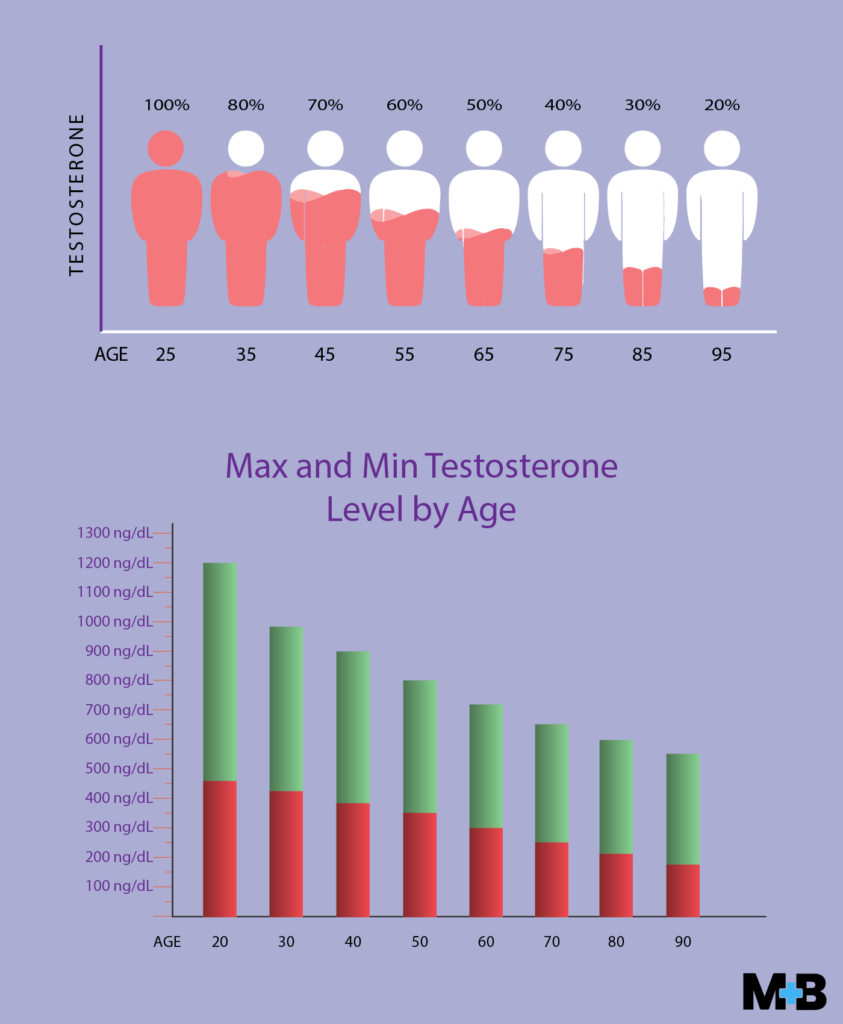
While Testosterone levels naturally decrease with age, most men will experience this sooner than ever before in history. The world has just become too strenuous for the body to cope.
3. Men who suffer from Diabetes are twice as likely to suffer from low Testosterone as well.
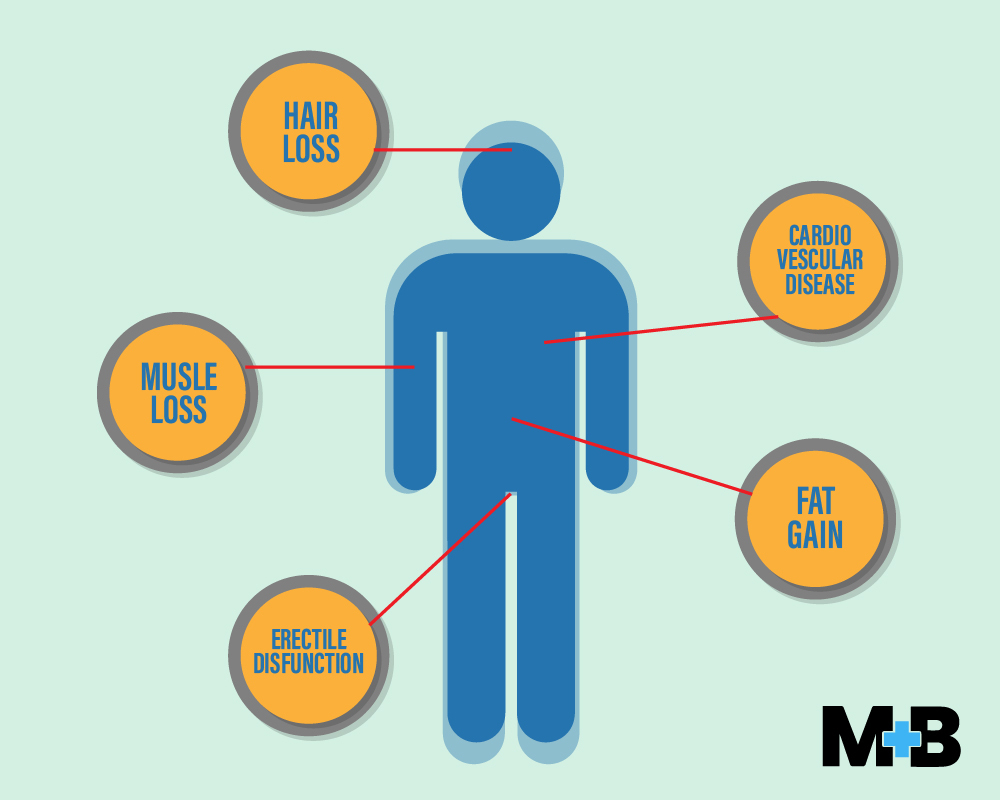
Low Testosterone can cause an increase in visceral fat, increasing the risk of Diabetes. There are various studies that link Low Testosterone to an increase in cardiovascular disease.
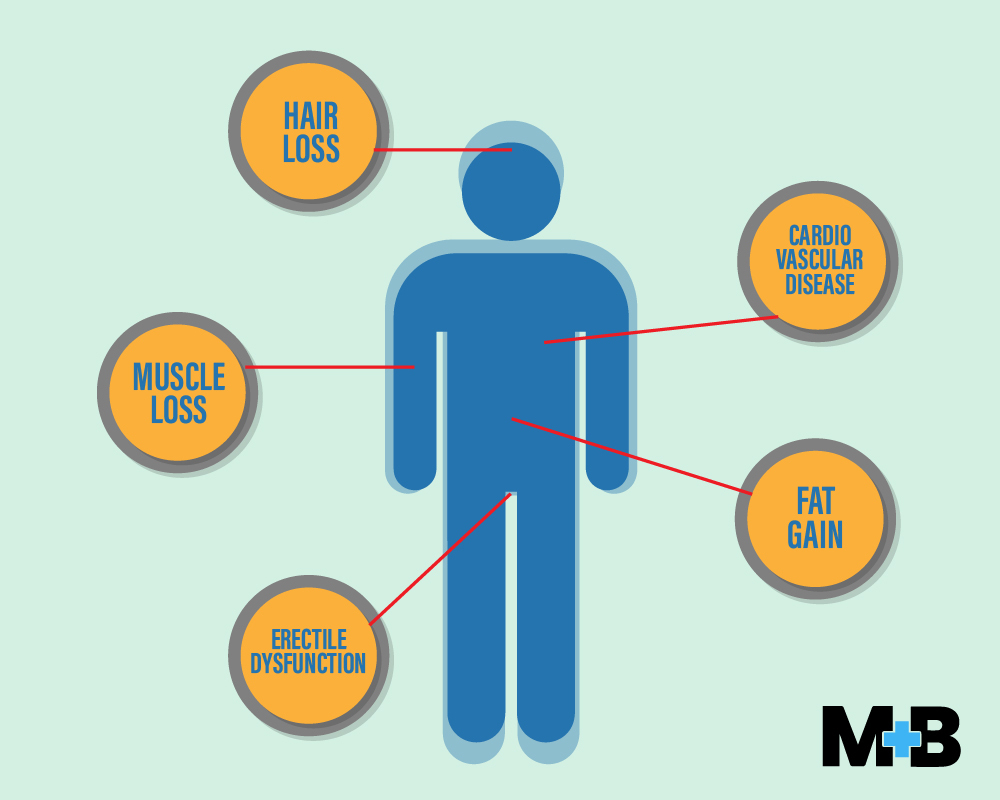
4. The most common symptoms of Low Testosterone are fat gain, muscle loss, depression, and erectile dysfunction.
Most men will begin to notice a reduction in Test levels when they just feel “off”. Their health might take a hit and they will begin to suffer mentally. From there, their bodies will begin to change slightly by gaining more fat around the abdomen.
5. There is a definite link between socioeconomic status and Testosterone levels.

While the link isn’t perfect, studies and surveys have found that higher Testosterone levels lead to more success and higher income. This in turn reduces overall stress, which could keep Testosterone levels from falling as the male ages.
6. Men with higher Testosterone levels report better happiness and are more likely to find themselves in healthy relationships.

While too much Testosterone is unhealthy (Steroids), having a normal and healthy amount of Testosterone has been shown to help men feel happy and fulfilled in their daily lives.
7. Scientists are not sure why, but men with low Testosterone are far more likely to suffer from depression and even consider suicide.
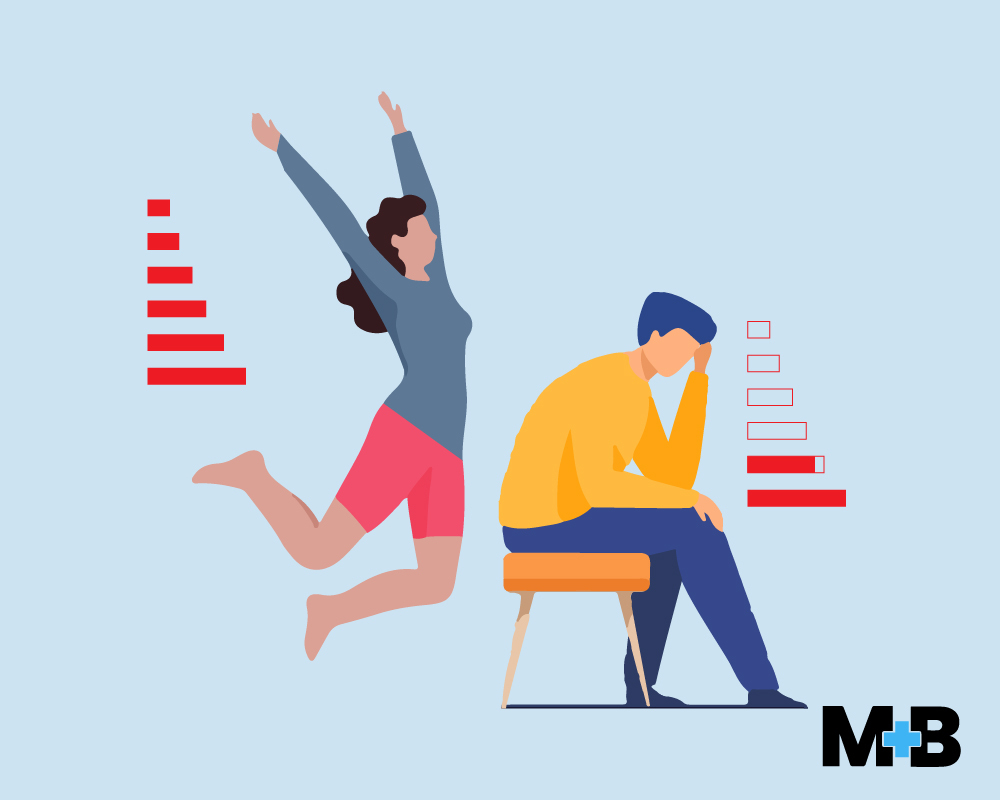
It is no secret that men’s mental health is not respected in the modern world. Men with low Testosterone are far more likely to suffer from mental illness and consider suicide.
8. Men with low Testosterone are more fragile – literally.
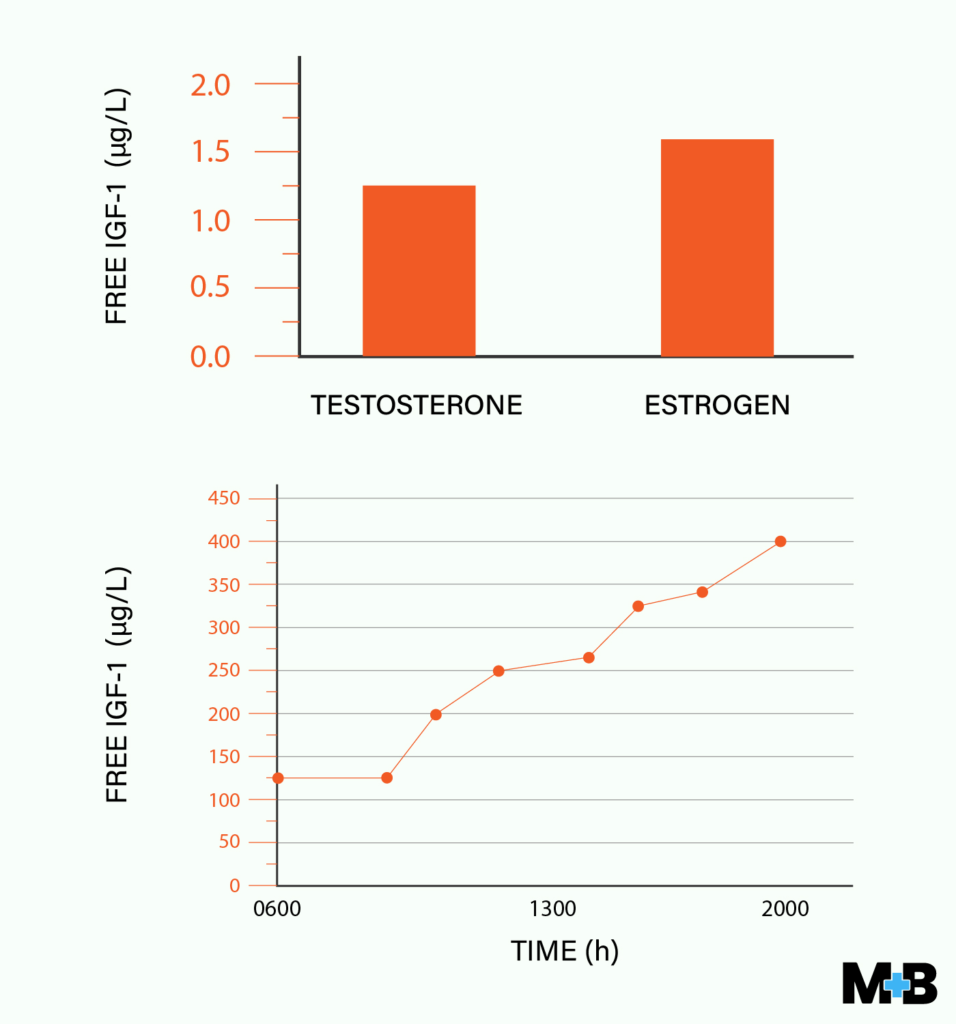
There is a direct link between fragile bones and low Testosterone. Testosterone and Estrogen are both key factors in bone health, and aging men are more likely to develop osteoporosis if they have low Test levels.
9. Men with normal Testosterone levels are 20% less likely to develop Cardiovascular diseases, on average.
It might seem like the opposite would be true, but low Testosterone dramatically increases the risk of cardiovascular disease. Men who do suffer from Low T and went on TRT saw massive improvements in their physical and mental health.
10. Testosterone Replacement Therapy is still frowned upon.
While there are thousands of articles and videos on Menopause, barely anyone talks about Andropause. TRT clinics still struggle to get licenses and to have insurance companies work with them. This has improved recently, but women are far more likely to get hormonal treatment due to stigmas.
11. The Connection Between Testosterone Levels and COVID-19 Risk.
Low testosterone increases your risk of severe COVID-19. Studies reveal men with low testosterone face higher complications during infection.
Conversely, abusing anabolic steroids and maintaining extremely high androgen levels also appears to heighten susceptibility to severe COVID-19.
Balancing testosterone is key to supporting overall health and potentially mitigating COVID-19 risks. Proper hormone levels protect your immune system and reduce vulnerabilities.
Maintain optimal testosterone levels by focusing on lifestyle changes, avoiding steroid misuse, and consulting with healthcare providers when needed.
12. The FDA says only two supplements actually raise Testosterone levels.
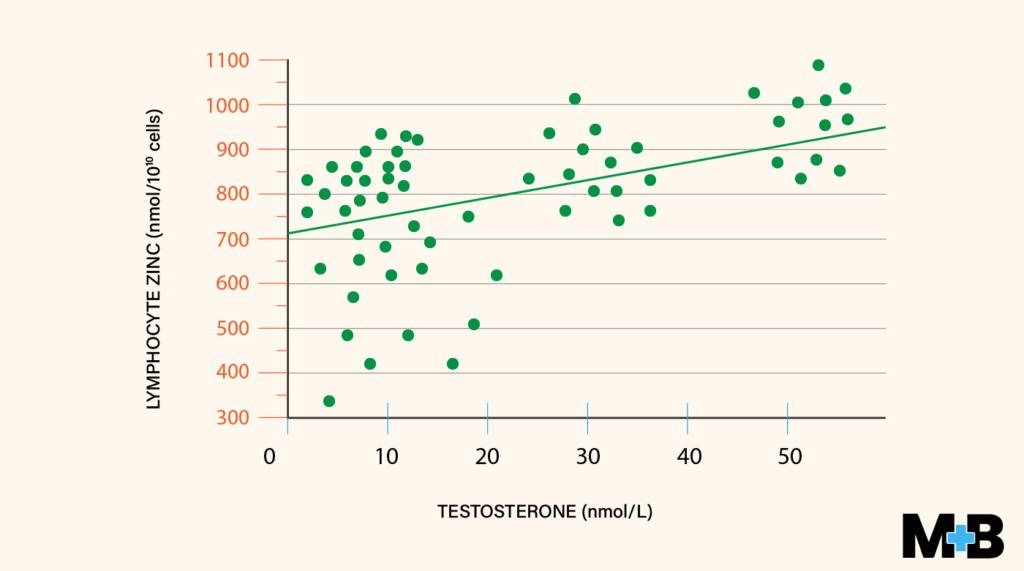
The FDA has looked at most of the Testosterone boosters available online that make massive claims about raising Test levels by 2 – 4 fold and found that only two supplements actually work. Zinc and B vitamins are the only ones that have actual studies supporting them. This is why ZMA (Zinc, Magnesium, Vitamin B6) is a popular Testosterone booster.
Conclusion
Testosterone plays a vital role in overall health, especially for men. Unfortunately, declining testosterone levels in young men are on the rise, with numerous factors contributing to this trend. Scientists struggle to identify one definitive cause, making it a widespread concern.
Low testosterone increases the risk of cardiovascular diseases and mental health disorders in men. If you or someone you know experiences symptoms of low testosterone, testing blood levels is essential for proper diagnosis.
Today, accessing testosterone replacement therapy (TRT) is easier than ever. Online TRT clinics offer convenient solutions to help men regain their health and confidence. Don’t ignore the signs—take action for a healthier future.
What is a good level of Testosterone?
“Normal” Testosterone falls in a range of 300 – 1000 ng/dL. That said, what is “good” to you will depend on your age and individual life. A 19-year-old powerlifter with 400 ng/dL is a bit red flag, but a 50-year-old accountant (that’s overweight) with 400 ng/dL is pretty good. Be sure to have your Free Testosterone tested as well, as this is a true reflection of Test levels.
Does masturbating reduce Testosterone?
No, there is no evidence that masturbation will have any effect on Testosterone levels.
How can you increase your Testosterone?
The easiest way to do this is by living a healthy life. Exercise, follow a healthy diet, sleep more than 8 hours, avoid alcohol and smoke, and try to stress less!
Does holding sperm increase Testosterone?
Semen retention does increase Testosterone, yes. However, this is only acutely, and the levels drop again rather quickly if you do ejaculate.
What are the signs of low Testosterone in a man?
There are various signs to look out for such as low mood, low energy, poor sexual health, depression, muscle loss, and fat gain.
How do I fix low Testosterone?
If you suffer from a severe case of hypogonadism, you will need TRT or medical treatment. However, if you just happen to have lower Test levels due to life, then change your lifestyle! Try to live healthier and try to stress less.
What causes Testosterone levels to drop?
Age, damage to gonads, steroid use, drug use, depression, obesity, genetics, and even external factors such as xenohormones.
Does exercise increase Testosterone?
Not only does exercise increase Testosterone, but it also increases GH and IGF levels as well.
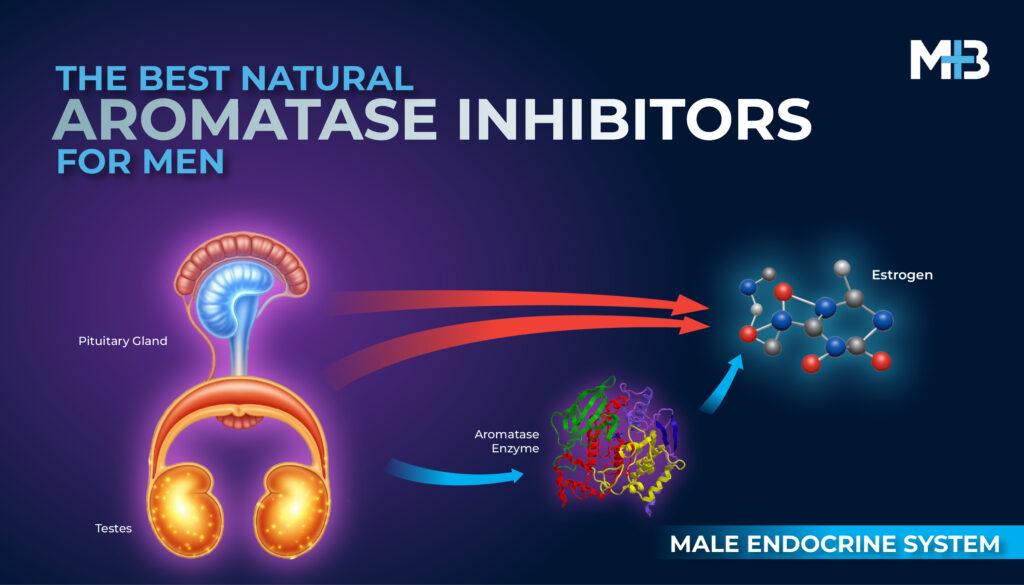







Any suggestions on how to raise free testosterone? Or lower SHBG?
Boron supplementation