Contents12 sections
You finished your bulk and now the cut is biting back. The scale stalls, your pumps fade and cravings hit at night. You want a cutting stack that helps you lose fat without giving back the muscle you worked for.
Fat loss comes from a sustained calorie deficit, and no cutting stack replaces that. What a good stack can do is help you control appetite, keep energy steady and train hard, so you keep muscle while body fat drops. Protein and lifting do most of the work; caffeine and green tea catechins add a small nudge. Helpful, not magic.
This guide ranks the options by evidence and risk: natural basics first, then peptides as an experimental layer, then why steroids don’t belong in a first cut. You also get three ready-made stacks and a simple 8-week plan.
Key Takeaways
- A steady calorie deficit drives fat loss. The best cutting stack simply helps you hold that deficit without burning out.
- High protein (about 1.6-2.4 g per kg of body weight a day), heavy lifting and creatine are what protect muscle and strength while you diet.
- Caffeine with green tea catechins gives a small lift to energy use and fat oxidation, but sleep and recovery still come first.
- Peptides such as MOTS-c or CJC-1295 with ipamorelin are research compounds with little human data in dieting lifters. They are not part of a beginner stack.
- Cutting steroid stacks suppress natural testosterone and strain the heart. For a first cut they add risk you don’t need.
Cutting Stack Basics: What Actually Burns Fat
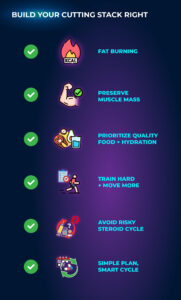
Before you pick a single product, lock in the fundamentals. Every supplement in this guide only works on top of them.
Energy balance comes first
Fat loss happens when you take in less energy than you burn, so your body draws on stored fat for fuel. A common target is losing about 0.5-1% of body weight per week: fast enough to see progress, slow enough to keep strength.
Keeping muscle while you diet
Your main goal in a cutting cycle is keeping the muscle you have. Two things matter most: enough protein every day to support muscle protein synthesis, and lifting heavy enough to give your body a reason to keep that tissue. Supplements come a distant third.
Food, water and tracking
Build meals around protein, fiber-rich carbs and healthy fats. Stay hydrated for training and appetite control. Water retention shifts with salt, carbs and stress and can hide fat loss on the scale for days, so track your waist, progress photos and gym numbers as well as body weight.
Training and daily movement
Resistance training anchors the cut. Lift three to four times per week and keep the loads heavy, even if volume drops a little. Add low-impact cardio such as incline walking or cycling on rest days, and keep daily steps high. That raises calorie burn without eating into recovery the way extra hard sessions do.
Why steroids are not in a beginner stack
Anabolic steroids and cutting steroid stacks do help hold muscle in a deficit, but they carry serious risks: worse cholesterol, raised blood pressure and hormonal imbalances. Any steroid cycle, even plain testosterone enanthate, suppresses your own testosterone, which is why people follow it with post cycle therapy (PCT). Even then, full recovery is not guaranteed. None of that is needed for a successful first cut.
How We Picked the Best Cutting Stack
We judged every option by what matters in a real cut: more fat loss, less muscle loss and better adherence.
- Human evidence: human trials on weight loss, fat oxidation, strength or appetite at realistic doses.
- Safety and legality: low-risk, legal options first.
- Practical fit: simple dosing, reasonable cost and no damage to sleep.
The Core Cutting Stack for Beginners
The best cutting stack for beginners doesn’t have to be complicated. These basics cover protein, strength, energy, hydration and fullness, and most of them have solid human data behind them.
| Supplement | Job on a cut | Commonly used amount | Good to know |
|---|---|---|---|
| Whey or casein protein | Helps you hit your protein target and stay full | Enough to reach 1.6-2.4 g/kg/day total protein | Food first; powder for convenience |
| Creatine monohydrate | Keeps strength and training quality up | 3-5 g/day | Can add a little water weight in the first weeks |
| Caffeine (coffee or caps) | Focus, drive and a small rise in energy use | 3-6 mg/kg before training in studies | FDA cites up to 400 mg/day as generally safe for healthy adults; avoid it within 6 hours of bed |
| Green tea extract | Works with caffeine to nudge fat oxidation | Label dose, with food | Concentrated extracts are linked to rare liver injury at high doses |
| Electrolytes and water | Hydration and training output | As needed, more on sweaty days | Most useful on lower-carb days and long sessions |
| Fiber (food or psyllium) | Fullness and digestion | Around 5-10 g/day of psyllium | Increase slowly and take it with water |
| Fish oil or healthy fats | Keeps fat intake from crashing | Label dose, with food | Oily fish works just as well |
How to use the stack day to day
Start the day with a protein-rich meal. Have coffee or a measured caffeine dose 30-60 minutes before training, and take green tea extract with a meal, not on an empty stomach. Take creatine monohydrate every day; consistency matters more than timing. Sip water and electrolytes through the day.
Any reputable, ideally third-party tested brand will do. For supplements, Enhanced Labs is one of the brands we work with:

Pros
- Catalog is specifically organized around muscle building, fat loss, testosterone support, and workout performance.
- Range includes creatine, protein, EAAs, beta-alanine, and L-citrulline alongside more specialized formulas.
- Orders of $99+ qualify for free US shipping.
Cons
- Features several strong claims around muscle growth, testosterone, fat loss, and metabolic effects that should be distinguished from independently demonstrated clinical outcomes
- Heavily oriented toward bodybuilding and performance rather than broader nutritional supplementation.
Advanced Options: Peptides in a Cutting Stack
Peptides are not fat burners and don’t replace a calorie deficit or consistent training. The claims focus on recovery, sleep, appetite and joints, but for most of them the evidence comes from animal studies and user reports, not trials in dieting lifters.
When peptides come up in a cutting cycle
A beginner does not need any of them. They only come up once the basics are in place and something specific still limits progress, such as poor recovery, constant hunger or nagging joint pain.
Key peptides and what the evidence shows
- CJC-1295 + Ipamorelin: growth hormone secretagogues. Small human studies show they raise growth hormone, but there are no fat-loss trials in lifters. Users report better sleep and recovery. They can increase water retention and blood glucose.
- BPC-157: known for tendon, ligament and gut healing, almost entirely from animal studies. Not a reason to train through a real injury.
- MOTS-c: a mitochondrial peptide. In mice it improved insulin sensitivity and limited weight gain on a high-fat diet; human data are minimal.
- GLP-1 medicines (e.g., semaglutide): prescription drugs approved for weight management in people with obesity, or overweight with a related health condition. Strong human evidence for appetite control, but part of the weight lost can be lean tissue, so protein and lifting matter even more.
- AOD-9604: a growth hormone fragment developed as an obesity drug. Larger human trials did not show meaningful weight loss over placebo, and it was never approved.
Safety, legality and realistic expectations
Apart from prescription GLP-1 drugs, the peptides above are sold for research purposes only and are not approved for human use by the FDA, and purity varies between sources. They can affect hormones, fluid balance and glucose control. Growth hormone secretagogues and fragments such as AOD-9604 are on the WADA prohibited list. Expect modest help at best, not steroid-like changes.
For researchers, these are the matching products from our partner SwissChems:
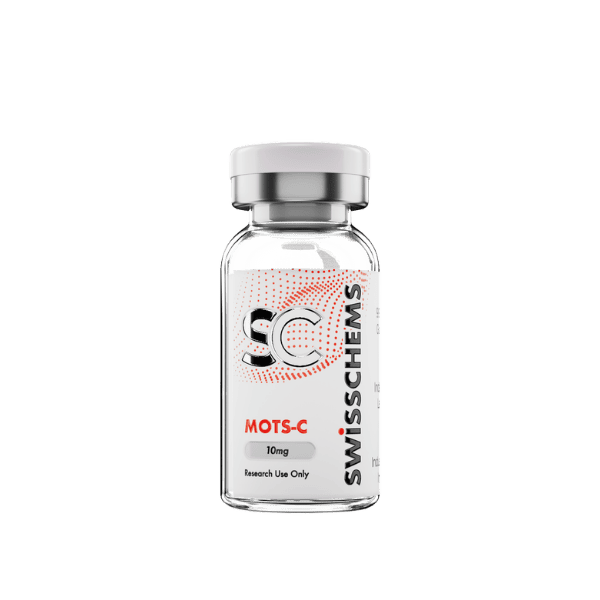

Overview
- Form: Lyophilized powder
- Researched Dosage: 5 mg to 10 mg per week, split into 2-3 injections
- Typical Cycle: 4-8 weeks
- Cost: $69.95
- Stacking Options: 5-Amino-1MQ, SS-31, AOD-9604, BPC-157
Pros
- Activates AMPK, the body’s main energy sensor, which may improve how cells use glucose and fat.
- Mouse studies show better insulin sensitivity and protection against diet-induced weight gain.
- Older mice given MOTS-c showed better physical capacity and endurance, which has drawn interest in its role in healthy aging.
Cons
- No human trials show that injected MOTS-c works.
- At 10 mg per vial and several milligrams per dose, one vial usually lasts only 1-2 weeks, so a full cycle gets expensive.
- MOTS-c is not an approved human medication. The FDA lists it as a bulk substance with potential safety risks (Category 2), and WADA bans it as a metabolic modulator.
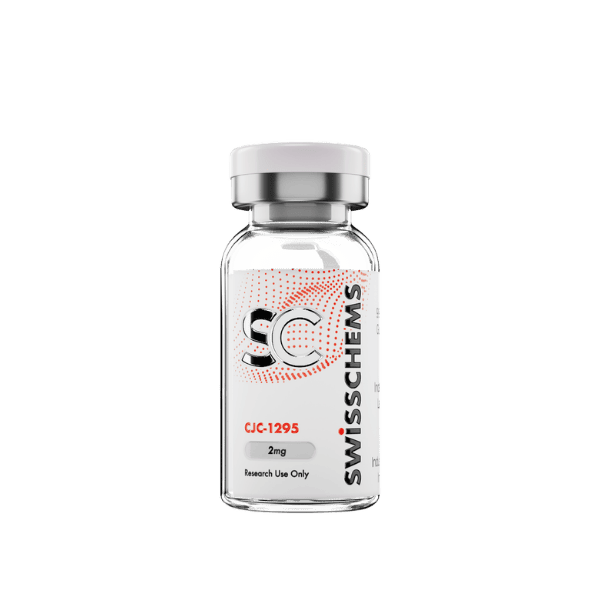
Overview
- Form: Peptide vial for subcutaneous injection (2 mg)
- Researched Dosage: 100 mcg, 1-3 times daily
- Typical Cycle: 8-12 weeks
- Cost: $42.95 (1 vial), $429.50 (10 vials)
- Stacking Options: Ipamorelin, GHRP-6, Hexarelin
Pros
- Also called Mod GRF (1-29), it is a GHRH analog with four amino acid swaps that stop enzymes from breaking it down so quickly.
- It boosts the size of natural growth hormone pulses instead of creating a constant elevation, which keeps normal feedback intact.
- Paired with a GHRP like Ipamorelin, it may release several times more growth hormone than either peptide alone.
Cons
- A 2 mg vial covers only about 7-20 days at typical doses, so a full cycle takes several vials.
- Doses should be taken on an empty stomach, since food and insulin blunt the growth hormone release.
- It is not an approved human medication, SwissChems sells it for research use only, and WADA bans it.
Ready-Made Cutting Stacks: Pick Your Best Fit
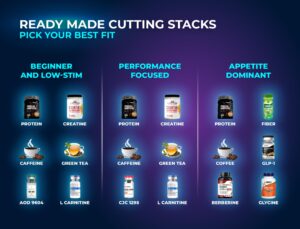
All three use the same deficit, lifting and weekly tracking. Choose the one that matches your biggest limiter and your tolerance for stimulants.
Beginner and low-stim
Goal: steady fat loss while keeping muscle and strength.
- Protein at every meal to support nitrogen retention
- Creatine monohydrate daily
- Coffee or a small caffeine dose before training, or none if you are sensitive
- Electrolytes, water, and fiber from whole foods or psyllium
- Optional: L-carnitine L-tartrate, which reduced markers of muscle damage and soreness in some studies
Best for: first-time cutters and caffeine-sensitive lifters.
Performance-focused
Goal: hold strength and training volume while losing fat.
- Protein and creatine as the base
- Caffeine and green tea extract before training
- Citrulline malate before training; some studies found a few extra reps, others no effect
- Electrolytes across the day, especially in long or hot sessions
- Advanced users only: yohimbine in the morning. It can raise heart rate, blood pressure and anxiety; skip it with heart or anxiety problems, antidepressants or other stimulants
Best for: lifters who care most about performance and tolerate stimulants well.
Appetite-dominant
Goal: control hunger so the calorie deficit holds.
- Protein at each meal for fullness
- Fiber, plus a salad or broth-based soup before large meals
- Coffee or tea earlier in the day and a glass of water before meals
- Berberine with meals for blood sugar control; weight effects are modest and it interacts with several medications
- Glycine or magnesium glycinate at night, since poor sleep drives hunger
- If you meet the medical criteria: a GLP-1 medicine such as semaglutide, prescribed by a doctor
Best for: cutters who struggle with evening eating or shift-work hunger.
Run time: eight to twelve weeks for most people. Reassess if sleep, mood or training quality decline.
Nutrition for Cutting
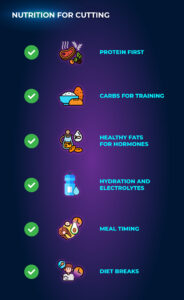
Your food plan is what makes any cutting stack work. Keep a calorie deficit you can actually follow and drop weight slowly. Simple, repeatable meals beat complicated menus.
Protein first
Set protein at 1.6-2.4 g per kilogram of body weight per day, spread over three to five meals. The leaner you are and the bigger the deficit, the more the higher end makes sense. Whey or casein helps when time is tight.
Carbs around training
Place most of your carbs around training to fuel hard sets. Choose whole-food sources with fiber to steady hunger. You can eat slightly fewer carbs on rest days if energy and mood stay stable.
Healthy fats for hormones
Don’t cut fats to the floor. Eggs, fish, olive oil, nuts and avocado support hormones, joints and fullness. Adjust portions to keep the deficit on track.
Meal timing and appetite control
Front-load protein and fiber earlier in the day for better control at night. If evenings are your weak spot, plan a high-protein snack that fits your calories. Drink steadily through the day and expect the scale to jump when salt or carb intake changes; judge progress over weeks, not days.
Refeeds and diet breaks
In longer cuts, a planned refeed day or a one- to two-week break at maintenance calories can restore training drive and mood. Keep protein high during the break, then return to the plan.
8-Week Cutting Cycle Timeline
Weeks 1-2: set your deficit, confirm your protein target, and lock in steps and sleep. Start the core stack with a low caffeine dose. Record waist, body weight and your main lifts.
Weeks 3-6: keep training heavy with controlled volume and keep creatine and protein constant. If recovery or appetite stalls, fix sleep and food before adding anything.
Weeks 7-8: hold the plan for the final drop in body fat rather than chasing big changes. Keep stimulants out of the evening and plan your move to maintenance calories.
Common side effects and red flags
The usual problems are poor sleep, a racing heart, stomach upset, anxiety and swings in water weight. Pull back on caffeine or drop green tea extract if they appear.
Chest pain, breathing problems, sharp mood swings, vision changes, blood pressure spikes, or yellowing skin or eyes are red flags. Stop everything and get medical help.
For longer cuts or anything beyond the basics, get bloodwork: lipids, liver enzymes, kidney function, glucose or HbA1c, thyroid, and total and free testosterone. Watch blood pressure and resting heart rate.
How to Choose Your Best Cutting Stack
- Define the goal. A show, a photo shoot or just leaning out: a clear target sets the timeline.
- Match the stack to your starting point. New to cutting? Start low-stim. Already lean and strong? The performance stack fits better.
- Factor in tolerance. If stimulants wreck your sleep or spike anxiety, keep caffeine low and skip yohimbine.
- Keep it simple. Add one tool at a time and keep only what clearly helps.
- Put health and testing first. On medication or in a tested sport? Avoid banned or high-risk compounds and check the current anti-doping list.
The Bottom Line
The best cutting stack for beginners is a calorie deficit, high protein and heavy lifting, with creatine, caffeine and a few simple helpers giving a small extra edge.
- Set calories, protein, steps, sleep and hydration first, and keep them steady for eight to twelve weeks.
- Pick one stack that fits your tolerance and weak points, then add one helper at a time and keep it only if it improves adherence or training.
- Peptides are experimental and steroids suppress your own testosterone. Neither belongs in a first cut, and the short-term boost isn’t worth the health cost.
- Track waist, weight, strength and mood weekly, adjust gently, and plan the exit to maintenance so you keep your results.
Frequently Asked Questions
Disclaimer
Please read carefully
The information on this site is for educational and informational purposes only, and is not medical advice. Always consult a qualified healthcare professional before using any supplement or medication, or making changes to your health, fitness, or nutrition routine.
Not medical advice
Content here is not a substitute for professional medical advice.
Consult your doctor
Talk to your doctor before starting any supplement or new routine.
Use at your own risk
We are not responsible for adverse effects from acting on this.
Do your research
Make informed decisions about your own health.
No guarantees
Individual results vary. No claims about outcomes.
Important — Never disregard professional medical advice or delay seeking it because of something you read here. If you think you may have a medical emergency, call your doctor or your local emergency number right away.