Contents10 sections
Low sex drive is common in men, and many find it awkward to talk about. Aging, stress, poor sleep, medications and underlying health conditions can all play a part. In a large US survey, about 31% of men reported some form of sexual dysfunction.
That has created a big market for male libido supplements that promise higher testosterone, more stamina and a stronger drive. But several of the best-known products in this space are not supplements at all. They are prescription drugs or research compounds, with very different evidence and risks.
This guide covers five options, from PT-141 to ashwagandha: what each one actually does, what the research shows in men, and what to check before you try anything.
Key Takeaways
- Low libido in men usually has a cause worth checking first: low testosterone, stress, poor sleep, medications, or conditions such as diabetes and heart disease.
- PT-141, kisspeptin and enclomiphene are not supplements: PT-141 is a prescription drug, enclomiphene is unapproved, and kisspeptin is still investigational.
- PT-141 works in the brain on melanocortin receptors, not by widening blood vessels, and it is used on demand rather than in cycles.
- Enclomiphene raises testosterone by increasing LH and FSH, so it can only help libido when low testosterone is the cause.
- Over-the-counter options such as ashwagandha, maca and fenugreek have small trials with modest effects; sleep, exercise, body weight and stress often matter just as much.
What Causes Low Libido in Men?

Low libido is a reduced interest in sex. It often has a cause that can be found and treated, so it is worth understanding the reason before reaching for a supplement. These are the most common ones.
Low Testosterone Levels
Testosterone supports male sex drive, and levels fall gradually with age, by roughly 1% a year from around age 30 to 40. Low testosterone can reduce desire and energy, and poor sleep, obesity and chronic stress can push levels down further. A morning blood test, repeated if the first result is low, is the only way to know where you stand. Our guide to average testosterone levels by age explains how to read the numbers.
Stress and Anxiety
Cortisol, often called the “stress hormone”, can also be behind a low sex drive. High cortisol from chronic stress can suppress testosterone and make it harder to feel aroused. Performance anxiety adds to this: worry about sex can itself reduce desire and make erections less reliable.
Poor Diet and Lifestyle
A diet high in processed food and sugar contributes to obesity and inflammation, and excess body fat is linked to lower testosterone. Lack of exercise also plays a part. Regular exercise, including strength training, supports a healthy body weight, circulation and hormone levels. Heavy drinking and smoking hurt both testosterone and erectile function.
Medications and Health Conditions
Some prescription drugs can reduce libido, including antidepressants (especially SSRIs), some blood pressure medications, opioids and some antihistamines. Chronic conditions such as diabetes, heart disease, high blood pressure, depression and thyroid problems can affect desire, blood flow and sexual performance.
Low libido and erectile dysfunction are different problems that often overlap: libido is about desire, while erectile dysfunction is about getting or keeping an erection. Erection problems can be an early sign of heart disease, so a sudden change in either is a reason to see a doctor.
Top 5 Male Libido Supplements and Compounds
The five options below are very different products. Only two of them, Blue Ox and ashwagandha, are dietary supplements sold over the counter. PT-141, kisspeptin and enclomiphene are drugs or research compounds. In clinics they are used under a doctor’s care; the versions sold online by peptide vendors are labelled for research use only and are not approved for human use.
| Option | What It Is | How It Works | Status | Evidence in Men |
|---|---|---|---|---|
| PT-141 (bremelanotide) | Injectable peptide | Activates melanocortin receptors in the brain | Prescription drug, approved only for premenopausal women with low desire | Small trials in men with erectile dysfunction |
| Kisspeptin-10 | Injectable peptide | Stimulates GnRH, raising LH and testosterone | Investigational, not approved | Small, short lab studies |
| Enclomiphene | Oral SERM | Blocks estrogen feedback, raising LH, FSH and testosterone | Not FDA-approved | Trials show higher testosterone; little data on libido |
| Blue Ox (Enhanced Labs) | Herbal capsules | Natural testosterone-support blend | Dietary supplement | Based on its individual ingredients |
| Ashwagandha (Enhanced Labs) | Herbal capsules | Lowers stress and cortisol | Dietary supplement | Small trials: lower stress, modest testosterone rise |
1. PT-141 (Bremelanotide)

PT-141, also called bremelanotide, is a synthetic peptide related to melanotan II. It is the only option on this list that acts directly on sexual desire. Early research on PT-141 described it as a melanocortin agonist: it activates melanocortin receptors (mainly MC4R) in the brain, in areas of the hypothalamus involved in sexual desire and arousal.
It does not work by widening blood vessels like Viagra and other PDE5 inhibitors, and it does not change testosterone or other hormones. That central action is why it can affect desire, not just erections. Most of the efficacy and safety data come from trials in women with hypoactive sexual desire disorder. In men, small trials in erectile dysfunction, including men who had not responded well to sildenafil, reported better erections, but PT-141 was never approved for men.
At a glance
- Form: injectable peptide (under the skin). The SwissChems version is a 10 mg vial sold for research use only.
- Status: prescription drug (Vyleesi), approved by the FDA only for premenopausal women with acquired, generalized hypoactive sexual desire disorder. Use in men is off-label.
- Doses: the approved dose is 1.75 mg injected under the skin at least 45 minutes before sex, no more than once in 24 hours and no more than eight times a month. Commonly reported doses in men are 1-2 mg, used on demand.
- How it is used: on demand before sexual activity, not daily and not in multi-week cycles.
- Side effects: nausea (about 40% of women in the approval trials), flushing, headache, injection-site reactions, a temporary rise in blood pressure, and darkening of the skin or gums with repeated use.
- Who should avoid it: anyone with uncontrolled high blood pressure or heart disease.
For a closer look at PT-141 and other peptides studied for erections, see our guide to the best peptides for erectile dysfunction.
2. Kisspeptin-10

Kisspeptin is a natural neuropeptide that sits at the top of the reproductive hormone chain. It stimulates the release of GnRH in the hypothalamus, which raises LH and, in turn, testosterone. Kisspeptin-10 is the short, ten-amino-acid fragment of the full molecule.
Kisspeptin also affects brain areas involved in sexual desire. In a study of men with hypoactive sexual desire disorder (HSDD), a condition of persistently low sexual desire that causes distress, an intravenous kisspeptin infusion increased activity in sexual brain regions and improved erections in response to erotic videos compared with placebo. These were short, carefully controlled lab sessions, which is very different from injecting a research vial at home.
At a glance
- Form: injectable peptide. The SwissChems product is sold as a research peptide, not for human use.
- Status: investigational; not approved for any medical use.
- Doses: the human libido studies used intravenous infusions in a lab. Commonly reported doses for self-injection are 100-200 mcg, but no dose has been established for libido.
- Side effects: kisspeptin was well tolerated in the short lab studies. The long-term effects of repeated self-injection are unknown, and research products carry purity and sterility risks.
3. Enclomiphene

Enclomiphene is a non-steroidal selective estrogen receptor modulator (SERM) and one of the two isomers that make up clomiphene (Clomid). It blocks estrogen’s feedback signal at the hypothalamus and pituitary, so the body releases more LH and FSH and the testes make more testosterone. Unlike TRT, it keeps the body’s own production running and generally preserves sperm production.
That also sets its limits. Enclomiphene can only help libido when the problem is low testosterone production and the testes still work (secondary hypogonadism). The clinical trials focused on testosterone levels and sperm counts; data on libido itself are limited.
At a glance
- Form: oral capsules. SwissChems sells 12.5 mg capsules.
- Status: not an FDA-approved drug. Some men’s health clinics prescribe it, and it is also sold as a research chemical.
- Doses used in studies: 12.5-25 mg a day.
- Monitoring: blood tests for testosterone, estradiol and hematocrit before and during use, under a doctor.
- Side effects: headache, hot flushes, nausea and mood changes; estradiol can rise along with testosterone. Clomiphene, its parent drug, can cause visual disturbances, so any change in vision is a reason to stop and see a doctor.

Pros
- Exceptional purity & testing (≥98%)
- Pharmaceutical-style packaging for stability
- Broad catalog across peptides & nootropics
- Strong reputation & consistency across years
Cons
- Some items frequently out of stock due to high demand
- Limited long-term data for some compounds
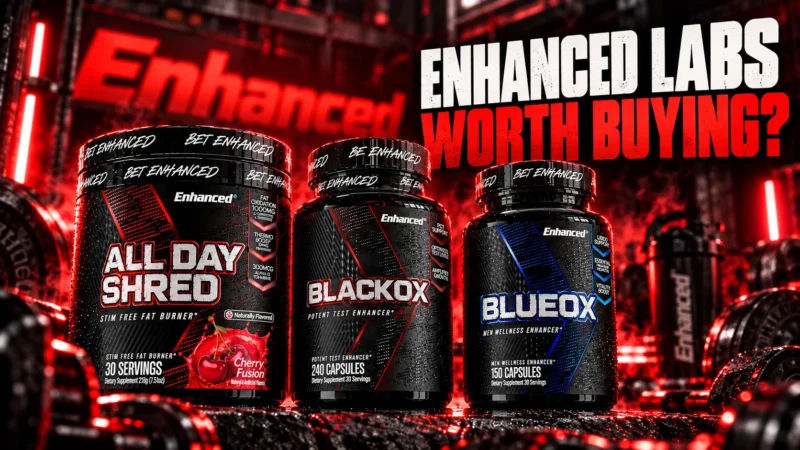
4. Blue Ox by Enhanced Labs

Blue Ox is Enhanced Labs’ natural testosterone and libido support formula, sold as an over-the-counter dietary supplement. Unlike the three compounds above, it needs no prescription or injection.
Like any herbal booster, what it can do depends on the ingredients and doses on the label. Check those against the research-backed doses in the trials of each ingredient. Expect modest effects at best, and mainly in men whose testosterone is low or held down by stress, poor sleep or excess body fat.
At a glance
- Form: capsules.
- Status: dietary supplement.
- Dose: follow the label.
- Side effects: stomach discomfort, mild headaches or mood changes may occur.
5. Enhanced Labs Ashwagandha

Ashwagandha (Withania somnifera) is an adaptogenic herb used in Ayurvedic medicine. Its best-supported effect is on stress: randomized trials report lower perceived stress and lower cortisol. Some small trials in men also report modest rises in testosterone and better self-reported sexual function.
The effects are modest and take several weeks to appear, and the evidence for erectile function is weak. Ashwagandha makes most sense when stress and poor sleep are part of the problem.
At a glance
- Form: capsules (root extract).
- Status: dietary supplement.
- Doses used in studies: most trials used about 250-600 mg of root extract a day for 8-12 weeks.
- Side effects: generally well tolerated; some people get mild stomach upset or drowsiness. Rare cases of liver injury have been reported.
- Who should check first: anyone who is pregnant, has a thyroid or autoimmune condition, or takes thyroid medication or sedatives.

Pros
- Catalog is specifically organized around muscle building, fat loss, testosterone support, and workout performance.
- Range includes creatine, protein, EAAs, beta-alanine, and L-citrulline alongside more specialized formulas.
- Orders of $99+ qualify for free US shipping.
Cons
- Features several strong claims around muscle growth, testosterone, fat loss, and metabolic effects that should be distinguished from independently demonstrated clinical outcomes
- Heavily oriented toward bodybuilding and performance rather than broader nutritional supplementation.
Other Male Libido Supplements
Many other over-the-counter ingredients are sold for male libido. The evidence behind them varies a lot:
- Maca root: small randomized trials reported better self-reported sexual desire without changes in testosterone.
- Fenugreek: trials of standardized extracts reported better libido scores in men; effects on testosterone are mixed.
- Tongkat ali: small trials suggest it may raise testosterone in men with low levels and ease stress.
- Panax ginseng: some trials suggest a small benefit for erectile function.
- Horny goat weed and ginkgo biloba: the support for horny goat weed is mostly animal and lab data, and human trials of ginkgo for sexual function have been largely disappointing.
- Zinc, vitamin D and magnesium: needed for normal hormone production. Correcting a deficiency can help testosterone, but extra doses do little if your levels are already normal.
- L-arginine and L-citrulline: nitric oxide precursors that support blood flow. Small trials suggest they may help erection quality in mild erectile dysfunction, but they do not raise desire.
How to Choose the Best Male Libido Supplements

With so many products on the market, finding one that works can be a challenge. Here is what to look for:
- Find the cause first: a testosterone blood test, plus an honest look at medications, sleep, stress and mood, tells you whether a testosterone-focused product even makes sense.
- Proven ingredients: look for ingredients with human trials behind them, such as ashwagandha, fenugreek, maca and tongkat ali.
- Proper dosage: many products underdose ingredients to save costs, so check the label against the doses used in research. Avoid “proprietary blends” that hide the amounts.
- Third-party testing: the FDA has repeatedly found “sexual enhancement” supplements that contain hidden prescription drugs such as sildenafil or tadalafil. Choose brands that publish independent lab results.
- Know what is not a supplement: PT-141, kisspeptin and enclomiphene are drugs or research compounds. They belong in a conversation with a doctor, not in a supplement stack.
Lifestyle Changes to Boost Libido Naturally

Even the best male libido supplements won’t help much if daily habits are draining your sex drive. These changes have the biggest effect:
- Exercise regularly: strength training and interval work support a healthy body weight, circulation, mood and testosterone levels.
- Eat for hormone health: enough protein, healthy fats and zinc-rich foods such as oysters, red meat, nuts and seeds support normal testosterone. In men with obesity, losing excess body fat often raises testosterone.
- Prioritize sleep: short sleep lowers testosterone and energy. In one study, a week of sleeping five hours a night lowered daytime testosterone in healthy young men. A consistent schedule and less screen time before bed help.
- Manage stress: chronic stress keeps cortisol elevated, which can suppress testosterone and lower libido. Exercise, meditation, breathing work and yoga can all help bring stress down.
- Limit alcohol and stop smoking: both harm testosterone, blood flow and erectile function over time.
Possible Risks and Side Effects
Over-the-counter libido supplements are usually well tolerated, but they are not risk-free, and the prescription and research compounds above carry their own risks. These are the main ones to know.
Digestive Issues
Nausea, bloating or stomach discomfort are the most common complaints with herbal products, especially when taken on an empty stomach or at high doses. Taking them with food usually helps. Nausea is also the most common side effect of PT-141.
Blood Pressure Changes
Nitric oxide boosters such as L-arginine and L-citrulline can lower blood pressure slightly, which may cause dizziness or lightheadedness in people already taking blood pressure medication. PT-141 does the opposite: it can raise blood pressure for several hours after a dose, which is why it is not for people with uncontrolled high blood pressure or heart disease.
Hidden Drugs and Heart Risks
The biggest cardiovascular risk comes from tainted products. Some “sexual enhancement” supplements sold online contain undeclared sildenafil, tadalafil or similar drugs. Combined with nitrate heart medications such as nitroglycerin, these can drop blood pressure to dangerous levels. Buying from brands that publish independent lab tests reduces this risk.
Mood Changes and Irritability
Products that raise testosterone, including enclomiphene, can cause mood swings, irritability or increased aggression in some men as hormone levels shift. If mood changes are significant, stop and talk to a doctor.
Sleep Disturbances
Some libido formulas contain stimulants such as yohimbine or caffeine. Taken late in the day, these can cause restlessness, insomnia or broken sleep, and yohimbine can also raise heart rate and blood pressure.
Possible Medication Interactions
Libido supplements may interact with prescription drugs, particularly those for heart conditions, blood pressure, diabetes or mental health. Ashwagandha, for example, may interact with thyroid medication and sedatives. Check with your doctor or pharmacist before combining any supplement with medication.
The Bottom Line
Male libido supplements can help when they match the cause of the problem, and the strongest options on this list are not supplements at all.
- PT-141 acts on desire through melanocortin receptors in the brain. It is a prescription drug approved only for women, used on demand, with nausea and blood pressure effects to weigh.
- Kisspeptin and enclomiphene work on the hormone axis. Enclomiphene raises testosterone in men with secondary hypogonadism, while kisspeptin is still experimental; both belong under medical supervision.
- Ashwagandha and other herbal options have modest effects backed by small trials. Choose brands with full labels and third-party testing.
- Sleep, exercise, body weight, stress and alcohol often matter more than any pill, and a sudden drop in libido or erections is a reason to see a doctor.
Frequently Asked Questions
Disclaimer
Please read carefully
The information on this site is for educational and informational purposes only, and is not medical advice. Always consult a qualified healthcare professional before using any supplement or medication, or making changes to your health, fitness, or nutrition routine.
Not medical advice
Content here is not a substitute for professional medical advice.
Consult your doctor
Talk to your doctor before starting any supplement or new routine.
Use at your own risk
We are not responsible for adverse effects from acting on this.
Do your research
Make informed decisions about your own health.
No guarantees
Individual results vary. No claims about outcomes.
Important — Never disregard professional medical advice or delay seeking it because of something you read here. If you think you may have a medical emergency, call your doctor or your local emergency number right away.