
Contents16 sections
Fat burners are everywhere, and yohimbine is one of the few ingredients with a clear, well-understood mechanism behind it. It is popular with bodybuilders and athletes in cutting phases who want help with the last, slowest-moving body fat.
The honest picture is more modest than the marketing. Yohimbine can help release stored fat, mainly in a fasted state, but the effect in studies is small, it does not spot-reduce fat, and it is a real stimulant with real side effects, including anxiety.
This guide covers how yohimbine works for weight loss, what the research shows, when people take it, the doses used in studies (weight-based, about 0.2 mg/kg), how it compares with clenbuterol and alpha yohimbine (rauwolscine), and who should avoid it.
Key Takeaways
- Yohimbine is a plant alkaloid that blocks alpha-2 adrenergic receptors, which act as a brake on fat breakdown. It works best in a fasted state, and its fat-loss effect in studies is modest.
- It has a long history of use for erectile dysfunction and raises alertness, but it does not reduce stress: it raises anxiety and is used in research to provoke it.
- The dose used in human fat-mobilization studies is weight-based, about 0.2 mg per kg of body weight. Many people start at about half that to test their tolerance.
- Alpha yohimbine (rauwolscine) is a close chemical relative that works the same way. There is very little human research on it, and no good evidence that it is purer or milder.
- Common side effects include a faster heart rate, higher blood pressure, jitters, anxiety, stomach upset and poor sleep. People with heart, blood pressure or anxiety problems should avoid it.
What Is Yohimbine?
Yohimbine is an alkaloid found in the bark of the yohimbe tree (Pausinystalia johimbe), which grows in West and Central Africa. It was traditionally used as an aphrodisiac and was later prescribed for erectile dysfunction. Today it is best known in fitness circles as a fat-loss compound.
It is sold in two main forms. Yohimbine hydrochloride (HCl) is the purified compound with a defined amount per capsule. Yohimbe bark extract is the raw plant material, and the amount of yohimbine it actually contains varies a lot from product to product. Its legal status as a supplement also differs between countries.
People use yohimbine for:
- Fat loss, usually taken fasted before cardio
- Cutting phases in bodybuilding, to help with the last few percent of body fat
- Pre-workout energy, because it raises norepinephrine and alertness
- Focus: it is sometimes marketed as a nootropic, though its main effect is stimulation rather than better thinking
- Libido and erectile function, its oldest use
How Does Yohimbine Work for Fat Loss?
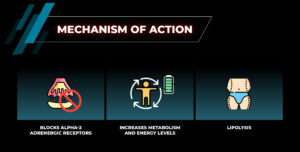
Fat cells carry two main types of adrenergic receptor. Beta receptors switch fat breakdown on when adrenaline and noradrenaline bind to them. Alpha-2 receptors do the opposite: they act as a brake on fat release.
Yohimbine blocks alpha-2 receptors, so it takes that brake off. Fat in some areas, such as the hips and thighs, tends to have more alpha-2 receptors relative to beta receptors, which is where the “stubborn fat” idea comes from. That said, no study has shown that yohimbine spot-reduces fat from a particular body part. Where you lose fat is still mostly down to genetics and overall energy balance.
Yohimbine also increases the release of norepinephrine, the “fight or flight” messenger. This raises heart rate and alertness and can make more fat available as fuel, which is why it is popular before fasted cardio. The same effect is behind most of its side effects.
Lipolysis is the breakdown of stored fat into fatty acids and glycerol so they can be burned for energy. Yohimbine helps release more fatty acids into the blood, but they only reduce body fat if they are actually burned. That is why it pairs with a calorie deficit and exercise, not instead of them.
Why Fasting Matters
Insulin also suppresses fat breakdown. Early human studies found that a single oral dose of about 0.2 mg/kg raised blood markers of fat release in fasted healthy men, and that eating a meal blunted the effect. This is the reason yohimbine is usually taken on an empty stomach, and the source of the weight-based dose used in this article.
What the Research Shows
The human evidence for yohimbine and weight loss is limited and small-scale:
- Fat mobilization: short studies consistently show that yohimbine raises blood levels of fatty acids and glycerol in fasted people. That shows fat is being released, not that it is being lost.
- Body composition in athletes: a small three-week trial in 20 professional soccer players reported a modest drop in body-fat percentage with yohimbine, with no change in body weight, muscle mass or performance.
- Weight loss in obesity: small trials in people with obesity, some combined with low-calorie diets, have produced mixed results.
- Multi-ingredient fat burners: studies of fat-burner blends that contain yohimbine with caffeine and other stimulants have reported short-term increases in energy expenditure, but they cannot separate yohimbine’s effect from the other ingredients.
Put together, yohimbine is a small helper at the end of a cut, not a driver of weight loss. Diet and training do the heavy lifting.
Benefits of Yohimbine
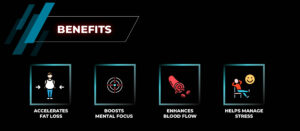
May Support Fat Loss in a Fasted State
By blocking alpha-2 receptors, yohimbine makes stored fat easier to release. The effect shows up mainly when insulin is low, such as first thing in the morning before eating, and when that released fat is burned through activity. The expected result is a small extra push during a well-run cut, not a dramatic change on its own.
Raises Alertness
Because it raises norepinephrine, yohimbine makes many people feel more awake and driven, which is why it shows up in pre-workouts. It is not a true nootropic in the sense of improving memory or thinking, and the same arousal can tip into restlessness or anxiety, especially at higher doses.
Libido and Erectile Function
Yohimbine was used for erectile dysfunction for decades, and older trials suggested a modest benefit over placebo. Modern ED medicines are far more effective, and yohimbine is no longer a standard treatment. If ED is the main concern, see our guide to peptides for erectile dysfunction, and speak to a doctor, as ED can be an early sign of heart disease.
What It Does Not Do: Reduce Stress
Some products claim yohimbine improves mood or helps manage stress. The opposite is closer to the truth. Yohimbine activates the stress response, raises anxiety, and is used in research to provoke anxiety and panic in people prone to them. If you are already stressed, anxious or sleeping badly, it is likely to make things worse.
Yohimbine for Bodybuilding: Why Athletes Use It
Yohimbine is most popular in the late stages of a cutting phase, when body fat is already low and progress has slowed. At that point, bodybuilders use it before fasted cardio in the hope of getting a little more out of each session.
It does not protect muscle on its own. Muscle is kept during a cut by eating enough protein, keeping the deficit moderate and continuing to lift heavy.
Many people combine yohimbine with caffeine before fasted cardio. Both are stimulants, so the combination adds up: heart rate, blood pressure and jitteriness all rise together. If you try both, introduce them one at a time and keep the caffeine dose modest.
Best Time to Take Yohimbine
Because food and insulin blunt its effect, yohimbine is usually taken first thing in the morning on an empty stomach, roughly 15 to 30 minutes before fasted cardio. Taking it in the afternoon or evening is a common cause of poor sleep, which works against fat loss.
Doses Used in Studies (Weight-Based)
The human fat-mobilization studies used about 0.2 mg of yohimbine HCl per kg of body weight. A commonly reported approach is to start at about half that, 0.1 mg/kg, to see how you react, and only move up if it is well tolerated. These figures are what studies and users report, not medical advice.
| Body weight | Starting dose reported (about 0.1 mg/kg) | Dose used in studies (about 0.2 mg/kg) |
|---|---|---|
| 60 kg (132 lb) | 6 mg | 12 mg |
| 70 kg (154 lb) | 7 mg | 14 mg |
| 80 kg (176 lb) | 8 mg | 16 mg |
| 90 kg (198 lb) | 9 mg | 18 mg |
- The amounts refer to yohimbine HCl. Yohimbe bark extracts do not reliably deliver a known amount.
- The studies used a single dose. Users commonly report one dose a day in the morning.
- Sensitivity varies a lot. Some people get anxiety or a racing heart well below 0.2 mg/kg, and side effects rise with the dose.
- Talk to a healthcare professional first, especially if you take any regular medication.
Yohimbine vs. Clenbuterol for Weight Loss
Yohimbine is often compared with clenbuterol, but they are very different compounds. Clenbuterol is a beta-2 agonist: it presses the accelerator on fat breakdown and raises heat production. Yohimbine takes the alpha-2 brake off. Clenbuterol is also far more potent and far riskier. It is not approved for human use in the US, it is prohibited in sport, and it has been linked to serious heart problems.
Because the two act on opposite sides of the same system, some bodybuilders combine them in a cutting stack. That also stacks the side effects: both raise heart rate, and the combination adds a meaningful load on the heart. We cover the mechanism, the doses people report and the risks in detail in our clenbuterol and yohimbine stack guide.
If you have never used yohimbine, learn how you respond to it on its own first. Anyone considering clenbuterol should understand that it is a prescription drug in some countries and an unapproved one in others, not a supplement.
Alpha Yohimbine (Rauwolscine): What It Is and How It Compares
Alpha yohimbine, also called rauwolscine, is a stereoisomer of yohimbine: the same atoms arranged slightly differently. It comes from Rauvolfia plants and, like yohimbine, blocks alpha-2 receptors. It also acts on some serotonin receptors.
It is often sold as a “purer” yohimbine with fewer side effects. There is no good human evidence for that. It has barely been studied in people for fat loss, and most of what is claimed about it is extrapolated from yohimbine. Users report the same stimulant-type side effects. Because many people say it feels stronger per milligram, commonly reported doses are lower, often 1 to 3 mg.
Alpha Yohimbine by Enhanced Labs (60 Capsules)

If you want to try rauwolscine, buy from a brand that tests its products, because label accuracy is a known problem in this category. Enhanced Labs sells Alpha Yohimbine as a capsule product.
- Form: capsules, 60 per bottle
- Dose on the label: 3 mg per capsule, one capsule before training on an empty stomach
- What people use it for: fat loss during a cut and pre-workout energy
- Possible side effects: faster heart rate, higher blood pressure, jitters and stomach discomfort, the same as yohimbine
- Often combined with: caffeine or green tea extract, which adds to the stimulant load

Pros
- Catalog is specifically organized around muscle building, fat loss, testosterone support, and workout performance.
- Range includes creatine, protein, EAAs, beta-alanine, and L-citrulline alongside more specialized formulas.
- Orders of $99+ qualify for free US shipping.
Cons
- Features several strong claims around muscle growth, testosterone, fat loss, and metabolic effects that should be distinguished from independently demonstrated clinical outcomes
- Heavily oriented toward bodybuilding and performance rather than broader nutritional supplementation.
Yohimbine vs. Alpha Yohimbine
| Feature | Yohimbine | Alpha Yohimbine (Rauwolscine) |
|---|---|---|
| Source | Yohimbe tree bark | Rauvolfia plants |
| Chemistry | Indole alkaloid | Stereoisomer of yohimbine |
| Main action | Blocks alpha-2 receptors | Blocks alpha-2 receptors; also acts on some serotonin receptors |
| Human fat-loss research | A few small studies | Very little; mostly extrapolated from yohimbine |
| Side effects | Jitters, anxiety, faster heart rate, higher blood pressure, poor sleep | Similar effects reported; no good evidence it is milder |
| Half-life | Short, under about two hours in most people | Not well studied in humans |
| Doses | About 0.2 mg/kg used in studies | 1-3 mg commonly reported; no human dose studies |
Who Might Consider Yohimbine?
- Lean, healthy athletes in a cut: the people most likely to notice a small benefit are those whose diet and training are already in place and who are near the end of a cutting phase.
- People who train fasted: its effect depends on low insulin, so it fits a routine of morning cardio before breakfast.
- Healthy adults who tolerate stimulants well: if a cup of coffee makes you anxious, yohimbine is likely to be unpleasant.
It is a poor choice for anyone hoping it will replace a calorie deficit, and for anyone with the health conditions below.
Who Should Avoid Yohimbine?
- People with heart disease, an irregular heartbeat or high blood pressure
- People with anxiety, panic disorder, PTSD or other mental health conditions, as yohimbine can trigger or worsen symptoms
- People with kidney or liver disease
- Anyone pregnant or breastfeeding, and anyone under 18
- Anyone taking blood pressure medicines, antidepressants (especially MAO inhibitors), diabetes medicines or other stimulants, unless a doctor has approved it
The US National Center for Complementary and Integrative Health warns that yohimbe has been linked to serious events, including heart attacks and seizures. Label accuracy is another concern: analyses of yohimbe supplements sold in the US have found many products that did not state an accurate amount of yohimbine.
Possible Side Effects to Consider
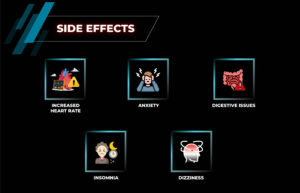
Most of yohimbine’s side effects come from the same norepinephrine surge that drives its effects, and they become more likely as the dose goes up.
Increased Heart Rate and Blood Pressure
Yohimbine can cause a rapid heart rate (tachycardia), palpitations and a rise in blood pressure. This is the main reason people with heart problems or hypertension should not use it.
Jitters, Anxiety and Panic
Restlessness, shakiness, sweating and anxiety are common, especially when yohimbine is combined with caffeine or other stimulants. In people prone to panic attacks it can trigger one.
Digestive Issues
Nausea, stomach discomfort and diarrhea can occur, particularly at higher doses on an empty stomach.
Insomnia and Sleep Disturbances
As a stimulant, yohimbine can disrupt sleep if taken later in the day. Keep it to the morning.
Headache, Dizziness and Frequent Urination
Headaches, dizziness, flushing and needing to urinate more often are also reported. Stop taking it and get medical help for chest pain, a very fast or irregular heartbeat, severe headache or fainting.
The Bottom Line
Yohimbine can help release stored fat when taken fasted, but its real-world effect is modest and it is a stimulant with real side effects, not a shortcut to weight loss.
- It works by blocking alpha-2 receptors, the brake on fat release, and the effect depends on low insulin, which is why it is taken on an empty stomach before cardio.
- The dose used in studies is weight-based, about 0.2 mg/kg, and many people start at half that to test their tolerance.
- It raises anxiety, heart rate and blood pressure. Alpha yohimbine works the same way and has no good evidence of being milder.
- A calorie deficit, enough protein and consistent training still do the real work. Speak to a healthcare professional before using it.
Frequently Asked Questions
Disclaimer
Please read carefully
The information on this site is for educational and informational purposes only, and is not medical advice. Always consult a qualified healthcare professional before using any supplement or medication, or making changes to your health, fitness, or nutrition routine.
Not medical advice
Content here is not a substitute for professional medical advice.
Consult your doctor
Talk to your doctor before starting any supplement or new routine.
Use at your own risk
We are not responsible for adverse effects from acting on this.
Do your research
Make informed decisions about your own health.
No guarantees
Individual results vary. No claims about outcomes.
Important — Never disregard professional medical advice or delay seeking it because of something you read here. If you think you may have a medical emergency, call your doctor or your local emergency number right away.