Contents13 sections
Gonadorelin has become one of the most common add-ons to testosterone replacement therapy (TRT). Clinics prescribe it to keep the testes working while TRT switches off the body’s own signal to them, usually for two reasons: protecting fertility and limiting testicular shrinkage.
Gonadorelin is a synthetic copy of gonadotropin-releasing hormone (GnRH), the hormone that tells the pituitary gland to release luteinizing hormone (LH) and follicle-stimulating hormone (FSH). It was developed as a one-off test of pituitary function and for pump therapy that delivers a small pulse every 90 minutes or so. The two or three weekly injections used on TRT are a newer idea, and no published trial has tested them.
Below: how it works, doses studied and reported on TRT, injection frequency, mixing, side effects, and how it compares with hCG.
Key Takeaways
- Gonadorelin is synthetic GnRH. It acts on the pituitary gland, which then releases LH and FSH; it does not act on the hypothalamus.
- It is cleared within minutes and works when given in pulses; constant exposure shuts the system down.
- The most commonly reported TRT protocol is about 100 mcg under the skin two to three times a week, or smaller daily doses. No published trial has tested these schedules.
- hCG acts directly on the testes and has small human studies showing it preserves testicular testosterone and sperm production on TRT; gonadorelin does not.
- If fertility matters, judge any protocol by semen analysis and testicular size over months, not by how you feel or by a routine LH test.
What Is Gonadorelin?
Gonadorelin is a peptide of 10 amino acids with the same sequence as natural GnRH, which is also called luteinizing hormone-releasing hormone (LHRH). It is made as two salts, gonadorelin acetate and gonadorelin hydrochloride. The active peptide is the same in both.
In the US, gonadorelin was approved as Factrel (gonadorelin hydrochloride), a single-dose test of pituitary function, and Lutrepulse (gonadorelin acetate), a pump therapy to induce ovulation in women whose hypothalamus makes too little GnRH. Neither human product is marketed in the US any longer. It is still widely used in cattle to time ovulation.
The gonadorelin TRT clinics prescribe is made by compounding pharmacies; compounded drugs are not FDA-approved, and gonadorelin has never been approved for low testosterone or for use with TRT. It is prescription-only and banned in male athletes by the World Anti-Doping Agency. See our gonadorelin compound page for its full profile.
How Gonadorelin Works
Testosterone production is run by the hypothalamic-pituitary-gonadal (HPG) axis. The hypothalamus, at the base of the brain, releases GnRH in short bursts, roughly every one to two hours. Each burst reaches the pituitary gland, which responds by releasing LH and FSH into the blood.
In men, LH acts on the Leydig cells in the testes, which make testosterone. Much of that testosterone stays inside the testes, where levels are far higher than in the blood. FSH acts on the Sertoli cells, which support sperm production together with that local testosterone.
A common error is that gonadorelin “acts on the hypothalamus”. It does not. It stands in for the hypothalamus’s signal and binds GnRH receptors on the pituitary, so everything downstream depends on the pituitary’s response.
Pulses, Not a Constant Signal
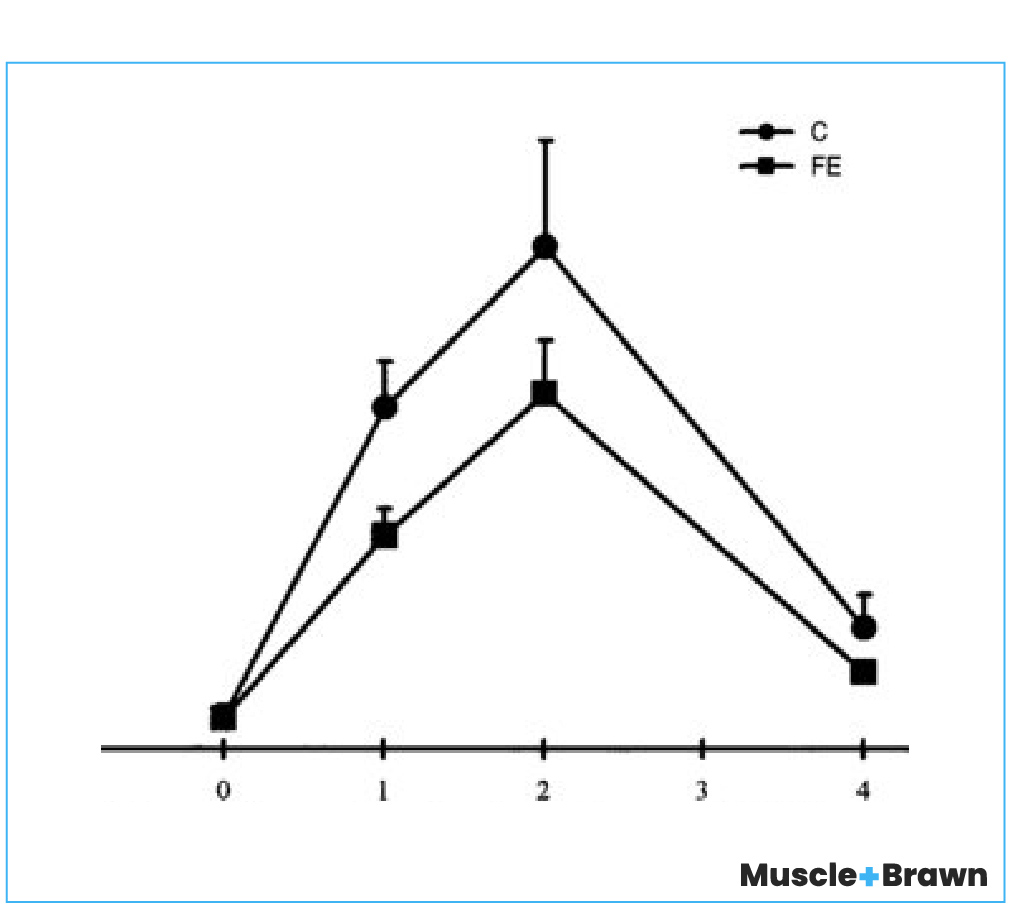
The pituitary responds properly to GnRH only when it arrives in pulses. Constant exposure does the opposite: after a brief rise, the GnRH receptors shut down and LH, FSH and testosterone fall. Classic experiments in monkeys in the late 1970s showed this clearly, and long-acting GnRH agonists such as leuprolide use the same effect on purpose to lower testosterone in prostate cancer.
That is why gonadorelin pump therapy delivers a small dose every 90 to 120 minutes, copying the natural rhythm. In women with hypothalamic amenorrhea, this approach can restore ovulation and menstrual cycles. In men whose hypothalamus makes too little GnRH from birth, it can bring on puberty and sperm production.
A Half-Life of Minutes
Gonadorelin is broken down within minutes of entering the blood. A single injection produces a short LH rise that fades within a few hours. That suits a pituitary test, but it is a poor fit for keeping the testes stimulated all week, the central problem with its use on TRT.
Why Gonadorelin Is Used on TRT
Testosterone from outside the body raises blood levels, and the hypothalamus and pituitary respond by cutting back GnRH, LH and FSH. Blood testosterone stays normal because it comes from the TRT, but testosterone inside the testes falls sharply. Sperm production slows or stops, and the testes usually shrink, since most of their volume is the tubules where sperm are made.
The effect is strong: in World Health Organization trials of weekly testosterone injections as a male contraceptive, most men stopped producing sperm within months. Counts usually recovered after stopping, but slowly.
Gonadorelin is meant to give the pituitary back the GnRH signal TRT removes, so the testes keep working. Men use it for two reasons:
- Fertility: keeping sperm production going on TRT.
- Testicular size: limiting the shrinkage many men notice on TRT.
Why Clinics Switched from hCG
For years the usual add-on to TRT was hCG, which acts like LH directly on the testes. In March 2020, the FDA began regulating hCG as a biologic, and compounding pharmacies generally cannot compound biologics. Cheap compounded hCG largely disappeared, branded hCG stayed at a higher price, and many clinics moved patients to compounded gonadorelin. The switch was driven by supply and cost, not new evidence.
What the Evidence Shows
There are no published controlled trials testing whether gonadorelin injections given a few times a week preserve sperm production, testosterone inside the testes or testicular size in men on TRT. The proof that gonadorelin can drive the testes comes from pump therapy, which uses a very different schedule.
That does not mean it fails. Each dose raises LH briefly in a responsive pituitary, and some clinics report that the testes stay fuller on gonadorelin. But on TRT the pituitary is also held back by the testosterone itself, which may blunt each response. Reports from users are mixed, with a common complaint that it did less for testicular size than hCG; these are anecdotes, rarely backed by a semen analysis.
Gonadorelin Dosage on TRT
The doses below are what has been approved in the past, studied or commonly reported. They are not a recommendation; gonadorelin should be prescribed and monitored by a clinician.
| Use | Dose | Frequency | Source |
|---|---|---|---|
| Alongside TRT | About 100 mcg under the skin | Two to three times a week | Commonly reported clinic protocols; no trials |
| Alongside TRT, split dosing | The weekly amount split into smaller doses | Once or twice a day | Reported by some clinics; no trials |
| Pituitary function test | 100 mcg under the skin or into a vein | One dose | Former US prescribing information (Factrel) |
| Ovulation induction in hypothalamic amenorrhea | 5 mcg per pulse | Every 90 minutes by pump, for 21 days | Former US prescribing information (Lutrepulse) |
| Men with congenital GnRH deficiency | Small doses per pulse, adjusted by a specialist | Every 90-120 minutes by pump, for months | Specialist treatment |
Gonadorelin is dosed in micrograms (mcg), not milligrams (mg): 1 mg is 1,000 mcg. Mixing up the units is a common peptide dosing error.
The 100 mcg figure matches the dose of the old pituitary test, which produces a clear LH rise in a healthy pituitary. Whether more, less or a different split works better on TRT has not been studied.
The “5 mcg every 90 minutes for 21 days” schedule quoted on many sites is the pump protocol for women with hypothalamic amenorrhea. It is not a TRT dose and cannot be copied with ordinary injections.
How Often to Inject Gonadorelin
Because gonadorelin is so short-acting, no practical injection schedule copies a pulse every one to two hours. Every TRT protocol is a compromise.
Two to Three Times a Week
This is the most common clinic schedule, often on the same days as the testosterone injection or spaced between them. It is convenient, but each shot gives only a few hours of extra LH, so the testes go without that signal for most of the week.
Daily or Twice Daily
Some clinics split the weekly amount into smaller daily doses to give more frequent bursts. This is closer to the natural pattern, though still far from it. Whether it works better than two or three larger doses a week is unknown.
Can You Inject Too Often?
Constant exposure shuts the pituitary down, which is how long-acting GnRH agonists lower testosterone. One or two injections a day of a peptide that clears within minutes is not constant exposure, so this is unlikely at commonly reported doses. Very frequent or high dosing on TRT has not been studied, though, so there is no proven benefit in pushing it.
How to Tell If It Is Working
Because each dose wears off within hours, a routine LH test drawn long after an injection says little. More useful markers are:
- Semen analysis: the only direct check on fertility. Ideally get a baseline before TRT, then repeat after about three months, since sperm take roughly that long to develop.
- Testicular size: measured by a clinician, or at least tracked the same way over several months.
- Standard TRT labs: total testosterone, estradiol and hematocrit, since any restored testicular output adds to what the TRT supplies.
For the wider options, from hCG to stopping TRT, see our guide on how to increase sperm count while on TRT.
How to Mix and Inject Gonadorelin
Compounded gonadorelin comes either as a freeze-dried powder to be mixed with bacteriostatic water or as a ready-mixed solution. Follow the pharmacy’s instructions.
Mixing
The strength of the solution depends on how much water you add. For example, if a vial holds 2 mg (2,000 mcg) and you add 2 mL of bacteriostatic water, each 0.1 mL contains 100 mcg, which is 10 units on a U-100 insulin syringe. Our peptide reconstitution calculator does this math for any vial size.
- Wash your hands and wipe the vial tops with alcohol.
- Add the water slowly down the vial wall and swirl gently; do not shake.
- Inject under the skin of the lower belly or thigh with an insulin syringe.
- Rotate injection sites and use a new syringe every time.
Storage
Store the vial as labelled. Mixed peptides are usually refrigerated, kept from light and not frozen; discard by the pharmacy’s date.
Gonadorelin Side Effects
Side effects listed in gonadorelin’s former prescribing information are generally mild:
- Redness, swelling, itching or pain at the injection site
- Headache
- Flushing, nausea or lightheadedness
- Abdominal discomfort
- Rare allergic reactions; swelling of the face or throat, hives or trouble breathing need urgent care
Other points matter on TRT:
- Estradiol: if gonadorelin restores some testicular testosterone production, estradiol can rise with it.
- Product quality: compounded products are not FDA-approved, and “research” gonadorelin sold online is not made or tested for human use, so purity and dose can vary.
- Women: in ovulation induction, pulsatile gonadorelin carries a risk of ovarian hyperstimulation and multiple pregnancy. The online warnings about sudden weight gain and bloating come from this and do not apply to men.
How Gonadorelin Compares to hCG
hCG is the main alternative on TRT, and the two work at different levels. Gonadorelin acts on the pituitary and is cleared within minutes, so it depends on repeated pulses. hCG skips the pituitary, acts directly on the Leydig cells in the testes and lasts more than a day.
The evidence is uneven too. hCG has small human studies showing it keeps testicular testosterone and sperm production close to normal on TRT. Gonadorelin has no published controlled trials alongside TRT, and neither does the combination of the two.
For the full side-by-side, including doses and how to choose between them, see our guide to gonadorelin vs hCG. For hCG on its own, see the hCG compound page.
Questions to Ask Your TRT Clinic
If fertility or testicular size matters to you, raise it before the first dose of TRT:
- Does the clinic offer branded hCG, compounded gonadorelin, or neither, and why?
- Will it order a semen analysis before TRT and again on the protocol?
- If you want children soon, will it refer you to a fertility specialist, or discuss options that avoid TRT, such as clomiphene or enclomiphene?

Pros
- LegitScript-certified telehealth provider that uses licensed U.S. pharmacies.
- Licensed providers review every intake, and TRT plans include quarterly bloodwork.
- Direct-pay pricing with the consultation and shipping included and no membership fees.
- Fully remote, with no clinic visits and treatments shipped to your door.
Cons
- Serves U.S. patients only.
- Some treatments are compounded and have not been evaluated by the FDA for safety or effectiveness.
The Bottom Line
Gonadorelin is a reasonable option to discuss on TRT, but its use there rests on clinic experience, not trials.
- It acts on the pituitary, lasts minutes and works best in pulses, so the usual injection schedules are an imperfect fit.
- The most commonly reported TRT protocol, about 100 mcg two to three times a week or smaller daily doses, has not been tested in trials.
- hCG has the stronger human evidence for preserving testicular testosterone and sperm production on TRT.
- If you want children, involve a fertility specialist and check any protocol with semen analysis.
Frequently Asked Questions
Disclaimer
Please read carefully
The information on this site is for educational and informational purposes only, and is not medical advice. Always consult a qualified healthcare professional before using any supplement or medication, or making changes to your health, fitness, or nutrition routine.
Not medical advice
Content here is not a substitute for professional medical advice.
Consult your doctor
Talk to your doctor before starting any supplement or new routine.
Use at your own risk
We are not responsible for adverse effects from acting on this.
Do your research
Make informed decisions about your own health.
No guarantees
Individual results vary. No claims about outcomes.
Important — Never disregard professional medical advice or delay seeking it because of something you read here. If you think you may have a medical emergency, call your doctor or your local emergency number right away.